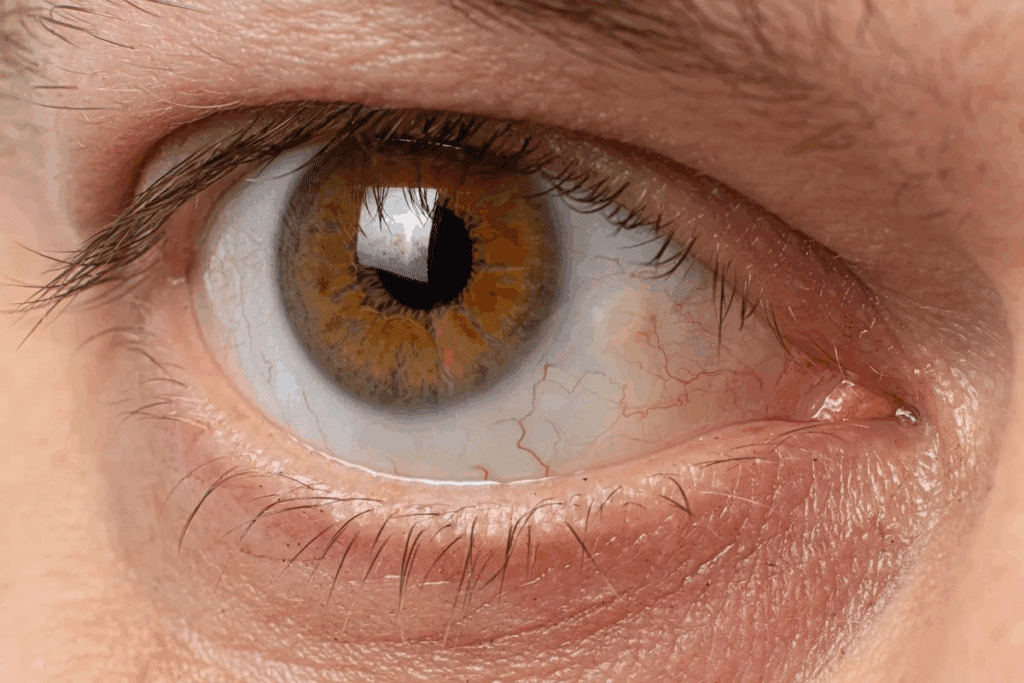
Discover laser eye treatment for diabetic retinopathy. This vital guide explains the procedure, recovery, and how it helps prevent blindness. Diabetes can seriously affect your vision, with diabetic retinopathy being a major cause of blindness. The National Eye Institute says diabetic retinopathy is a diabetes complication that harms the eyes. People with diabetes worry about losing their sight, and rightly so, as untreated diabetes can cause serious vision problems.
But, thanks to better medical care, we can now catch and treat diabetic retinopathy early. At Liv Hospital, we combine top-notch ophthalmology with care that focuses on the patient. Catching problems early is key to saving your vision. We’re dedicated to giving you the best care and support, no matter where you’re from.
Key Takeaways
- Diabetic retinopathy is a significant cause of preventable blindness globally.
- Early detection is key in managing and preventing vision loss.
- Liv Hospital offers advanced ophthalmology expertise and patient-centered care.
- Diabetes can lead to significant sight loss if left untreated.
- Comprehensive support is available for international patients at Liv Hospital.
The Direct Answer: Can Diabetes Really Cause Blindness?

To understand if diabetes can cause blindness, we need to look at its complications. Diabetes can harm the eyes in many ways. Diabetic retinopathy is a big concern.
The Prevalence of Vision Loss in Diabetic Patients
Diabetic retinopathy is a major reason for vision loss in people with diabetes. The Medical organization says if not treated, it can cause blindness. Many diabetic patients face vision loss due to this condition.
Key statistics on vision loss in diabetic patients include:
- A significant proportion of people with diabetes will develop diabetic retinopathy.
- Vision loss due to diabetes is a leading cause of blindness in adults.
- Regular eye exams are key for early detection and treatment.
How Vision Impairment Progresses in Diabetes
Vision problems in diabetes come from high blood sugar damaging the retina’s blood vessels. At first, diabetic retinopathy may not show symptoms. But as it gets worse, it can cause serious vision issues, including blindness.
The disease progresses through stages, from mild to severe. Knowing these stages helps manage the condition better.
Understanding Diabetic Retinopathy

Diabetic retinopathy is a serious issue for people with diabetes. It can cause severe vision loss if not treated. This condition damages the blood vessels in the retina, which is the light-sensitive tissue at the back of the eye.
Diabetes UK says diabetic retinopathy is a big reason for vision loss in people with diabetes. We will explore this condition in detail. This includes its definition, how it works, and its types.
Definition and Pathophysiology
Diabetic retinopathy happens when high blood sugar damages the retina’s blood vessels. This damage can make the vessels leak or block, causing vision issues. The condition involves complex processes like inflammation, oxidative stress, and new blood vessel growth.
The condition gets worse over time. It starts with mild nonproliferative retinopathy and can move to proliferative retinopathy. In the latter, new, fragile blood vessels form. These can leak blood into the vitreous gel, leading to severe vision loss.
Types of Diabetic Retinopathy
There are several types of diabetic retinopathy, each with its own features:
- Nonproliferative Diabetic Retinopathy (NPDR): This is the early stage where the retina’s blood vessels weaken and leak.
- Proliferative Diabetic Retinopathy (PDR): In this advanced stage, new blood vessels grow in the retina, leading to severe vision loss.
- Diabetic Macular Edema (DME): This condition happens when fluid builds up in the macula, affecting sharp vision.
Knowing these types is key to managing and treating diabetic retinopathy effectively.
The Alarming Statistics: Diabetes and Vision Loss
Diabetic retinopathy is causing a lot of vision loss. Diabetes is a big health problem worldwide. It’s affecting people’s sight more and more.
Global Impact
The numbers on diabetic retinopathy are shocking. The National Eye Institute says 4 million people worldwide are blind because of it. This shows how serious the problem is and why we need to act fast.
American Statistics
In the U.S., diabetic retinopathy is a top reason for blindness in adults. Every year, 25,000 new cases of blindness are linked to it. This hurts people’s lives and costs the healthcare system a lot.
Region | Prevalence of Diabetic Retinopathy | Annual Incidence of Blindness |
Global | 4 million blind | N/A |
United States | N/A | 25,000 new cases of blindness |
The numbers show how critical it is to manage diabetes well. Regular eye checks can stop vision loss. We must spread the word and take action to fight this health issue.
Stages of Diabetic Retinopathy Progression
Diabetic retinopathy goes through several stages. Each stage has its own signs and risks. Knowing these stages is key to managing and treating the condition effectively.
Mild Nonproliferative Retinopathy
The first stage is mild nonproliferative retinopathy. It shows a few microaneurysms in the retina. At this point, vision might not be affected much, but it’s important to act early to stop it from getting worse.
Moderate Nonproliferative Retinopathy
When diabetic retinopathy moves to the moderate stage, more microaneurysms and retinal hemorrhages appear. The retina starts to show signs of not getting enough blood, and vision may start to blur.
Severe Nonproliferative Retinopathy
In the severe stage, the retina is badly affected. Many areas are not getting enough blood, and there’s a higher chance of moving to the next stage. Vision can get much worse.
Proliferative Retinopathy
The final stage is proliferative diabetic retinopathy. New, fragile blood vessels grow in the retina. This can lead to severe vision loss or even blindness if not treated right away. This stage needs immediate medical help.
How fast someone moves through these stages can vary. But, regular eye exams are vital for catching and treating it early.
Stage | Characteristics | Risk |
Mild Nonproliferative | Few microaneurysms | Low |
Moderate Nonproliferative | More microaneurysms, retinal hemorrhages | Moderate |
Severe Nonproliferative | Many areas of ischemia | High |
Proliferative | New, fragile blood vessels | Very High |
Recognizing the Warning Signs
Spotting the early signs of diabetic retinopathy is key to effective treatment. This condition often shows no symptoms until it’s too late. So, knowing the signs is vital for people with diabetes.
Early Symptoms: Blurry Vision and Floaters
In the early stages, symptoms of diabetic retinopathy might be mild or not there at all. But as it gets worse, people may notice blurry vision. This can change throughout the day.
Another sign is floaters, which look like dark spots or strings in your eyes. Floaters can mean many things, but in diabetes, they might signal diabetic retinopathy.
Advanced Symptoms: Vision Loss and Eye Pain
As diabetic retinopathy gets worse, symptoms get more serious. Vision loss is a big worry because it can harm the retina forever. Some people might also feel eye pain or discomfort, though this is rare.
Pain is often linked to serious problems like neovascular glaucoma. If you’re experiencing these symptoms, get help fast to stop things from getting worse.
Regular eye checks are a must for people with diabetes. They help catch diabetic retinopathy early, even before symptoms show. This way, we can prevent serious vision loss and help those affected.
Risk Factors for Developing Diabetic Eye Disease
Several factors can increase the risk of diabetic eye disease. These include how long you’ve had diabetes and how well you control your blood pressure. Knowing these risks is key to preventing vision loss.
Duration of Diabetes and Blood Glucose Control
Having diabetes for a long time raises your risk of eye problems. Poor blood glucose control makes this risk even higher. High blood sugar damages the retina’s blood vessels over time.
- Keeping your blood sugar in check can lower your risk of diabetic retinopathy.
- It’s important to regularly check and adjust your treatment to manage your blood sugar well.
Hypertension, Cholesterol, and Other Contributing Factors
Other factors also play a role in diabetic eye disease risk. Hypertension and high cholesterol are big ones. They can make diabetic retinopathy worse.
- Controlling high blood pressure through lifestyle changes and medicine can help prevent diabetic retinopathy.
- Keeping your cholesterol levels in check is also vital. High cholesterol can speed up diabetic eye disease.
- Pregnancy, kidney disease, and obesity can also affect your risk and how fast diabetic retinopathy progresses.
By managing these risk factors, people with diabetes can lower their chance of getting diabetic eye disease. This helps protect their vision.
Diagnosing Diabetic Retinopathy
Diagnosing diabetic retinopathy involves several steps. It uses both traditional eye exams and new technology. Getting the diagnosis right is key to treating the condition well.
Comprehensive Eye Examinations
The first step is a detailed eye check. An eye doctor will:
- Check how well you can see
- Measure eye pressure
- Look closely at the retina by dilating your pupils
This detailed check helps find signs of diabetic retinopathy. These signs include small blood vessel problems and bleeding in the retina.
Advanced Diagnostic Imaging Techniques
Next, new imaging methods help diagnose and manage diabetic retinopathy. These include:
- Optical Coherence Tomography (OCT): Gives clear images of the retina. It spots fluid and thickening.
- Fluorescein Angiography: Uses dye to see the retina’s blood vessels. It shows any leaks or issues.
These methods help doctors see how bad the retinopathy is. They also track how it changes over time.
Diagnostic Method | Purpose | Key Findings |
Comprehensive Eye Examination | Initial assessment of eye health | Signs of diabetic retinopathy, visual acuity |
Optical Coherence Tomography (OCT) | Detailed retinal imaging | Retinal thickening, fluid accumulation |
Fluorescein Angiography | Visualization of retinal blood vessels | Leaks, abnormalities in blood vessels |
By using these methods together, doctors can accurately find diabetic retinopathy. They can then plan the best treatment.
Laser Eye Treatment for Diabetic Retinopathy
Laser eye treatment is key for managing diabetic retinopathy. This condition can cause severe vision loss if not treated. It damages the blood vessels in the retina, leading to vision problems. Laser treatment helps reduce this damage.
Traditional Laser Photocoagulation: A Proven Approach
For decades, laser photocoagulation has been a mainstay in treating diabetic retinopathy. It uses laser burns on the retina to fight the disease. The goal is to lessen swelling, stop vision loss, and sometimes improve sight.
The process involves:
- Reducing retinal swelling with laser treatment
- Stopping new, weak blood vessels from growing
- Sealing leaking blood vessels to prevent further vision loss
Cutting-Edge Laser Technologies
New laser technologies have made laser eye treatment better. These advancements bring more precision, less pain, and quicker healing. Some of these include:
- Pattern scan lasers for faster treatment
- Navigated lasers for better accuracy
- Micropulse lasers to protect the retina
Effectiveness and Long-Term Outcomes
Laser eye treatment is very effective against diabetic retinopathy. Research shows it greatly lowers the risk of vision loss. Many patients see their vision stabilize or even improve over time.
The main benefits are:
- Lower risk of vision loss
- Improved vision in some cases
- A quick and minimally invasive procedure
As laser technology advances, it offers hope to those with diabetic retinopathy. Knowing the treatment options helps patients make better choices. This way, they can work towards keeping their vision.
Alternative and Complementary Treatments
Diabetic retinopathy treatment has grown to include new methods. These methods help improve patient care. A mix of treatments is often needed to manage the disease well.
Anti-VEGF Injections for Macular Edema
Anti-vascular endothelial growth factor (anti-VEGF) injections are a big step forward. They work well against diabetic macular edema (DME). This condition can cause vision loss. The injections help by reducing fluid in the macula, improving vision and slowing the disease.
Benefits of anti-VEGF injections include:
- Reduced risk of vision loss
- Potential improvement in visual acuity
- Minimally invasive procedure
Vitrectomy Surgery for Advanced Cases
Vitrectomy surgery is for more serious cases. It removes the vitreous gel and replaces it with a saline solution. This surgery helps with complications like vitreous hemorrhage or retinal detachment, which can harm vision.
Vitrectomy surgery is considered for:
- Severe vitreous hemorrhage
- Retinal detachment
- Advanced proliferative diabetic retinopathy
Combination Therapy Approaches
Combining treatments often gives the best results. This might include anti-VEGF injections with laser photocoagulation or vitrectomy surgery. This approach can tackle different parts of diabetic retinopathy, leading to better patient outcomes.
The advantages of combination therapy include:
- Addressing multiple disease aspects simultaneously
- Potential for improved treatment outcomes
- Flexibility in tailoring treatment to individual patient needs
Using these alternative and complementary treatments helps us care for diabetic retinopathy patients better. We aim to keep their vision and improve their quality of life.
Preventing Eye Damage from Diabetes
To prevent eye damage from diabetes, managing blood sugar and healthy habits are key. Taking early steps can lower the risk of diabetic retinopathy and other eye problems.
Blood Sugar Management Strategies
Keeping blood sugar levels in check is vital. Maintaining blood glucose within target ranges helps protect the retina’s blood vessels. Work with your healthcare provider to create a diabetes plan that’s right for you.
- Monitor blood glucose levels regularly
- Adhere to prescribed medication regimens
- Maintain a healthy diet and exercise routine
The Importance of Regular Eye Screenings
Regular eye screenings are key for catching diabetic retinopathy early. Annual eye exams can spot issues before symptoms show. Make sure to see an eye care expert who knows about diabetic eye disease.
Lifestyle Modifications for Eye Health
Managing blood sugar is just part of the equation. A healthy diet rich in fruits, vegetables, and omega-3 fatty acids is good for your eyes. Also, regular exercise and not smoking help keep your eyes healthy.
- Eat a balanced diet
- Exercise regularly
- Avoid smoking
By managing blood sugar, getting regular eye exams, and living a healthy lifestyle, people with diabetes can protect their vision.
Living with Diabetic Retinopathy
Getting a diagnosis of diabetic retinopathy can be scary. But, there are many ways to cope with it. You need to take care of your health, change your lifestyle, and find support.
Adapting to Vision Changes
Diabetic retinopathy can cause big changes in your vision. You might see blurry things, floaters, or even lose some sight. It’s hard to get used to, but there are ways to help.
Using assistive technologies like screen readers and magnifying software can really help. You can also make your home brighter, use colors that stand out, and arrange things safely. Learning new skills, like Braille or cooking in a different way, can also help you stay independent.
Support Resources and Assistive Technologies
There are lots of support resources for people with diabetic retinopathy. Places like the Royal National Institute of Blind People (RNIB) offer lots of help and advice.
Assistive technologies are key to staying independent. They include:
- Screen reading software
- Magnifying glasses and apps
- Smart canes with obstacle detection
- Accessible cooking devices
These tools make everyday tasks easier and give you confidence. Joining support groups online or in person can also help. You’ll get emotional support and practical tips from others facing the same issues.
With the right resources and technologies, people with diabetic retinopathy can live happy, fulfilling lives. It’s all about finding the right tools and support.
Conclusion
Diabetic retinopathy is a serious problem for people with diabetes. It can cause vision loss if not treated. We’ve looked at the different stages of this condition and talked about its causes, symptoms, and treatments.
Knowing about diabetic retinopathy is key to managing it and keeping your vision safe. We hope this info helps you see why regular eye checks, controlling blood sugar, and timely treatment are so important.
The sources we’ve mentioned give a detailed look at diabetic retinopathy. They cover the latest in diagnosis and treatment. By understanding this, people with diabetes can take steps to protect their eyesight.
In short, diabetic retinopathy is a big worry for those with diabetes. But with the right care, losing your vision doesn’t have to happen. We stress the need for awareness, early detection, and treatment to fight this condition.
FAQ
Can diabetes cause blindness?
Yes, diabetes can lead to blindness if not managed well. Diabetic retinopathy is a serious issue that can cause vision loss.
What is diabetic retinopathy?
Diabetic retinopathy happens when high blood sugar damages the retina’s blood vessels. This can impair vision.
What are the stages of diabetic retinopathy?
Diabetic retinopathy has several stages. These include mild, moderate, severe nonproliferative, and proliferative retinopathy.
What are the symptoms of diabetic retinopathy?
Early signs are blurry vision and seeing floaters. Advanced symptoms include vision loss and eye pain.
How is diabetic retinopathy diagnosed?
Doctors use eye exams and imaging to diagnose diabetic retinopathy.
What are the treatment options for diabetic retinopathy?
Treatments include laser treatment, anti-VEGF injections, and surgery. Sometimes, a combination of these is used.
Can diabetic retinopathy be prevented?
While it can’t be fully prevented, managing blood sugar and regular eye checks can lower the risk.
How can I manage my diabetes to prevent eye damage?
Keep blood sugar in check, monitor blood pressure and cholesterol, and get regular eye exams.
What are the benefits of laser eye treatment for diabetic retinopathy?
Laser treatment can reduce vision loss risk and slow retinopathy progression.
Are there any alternative treatments for diabetic retinopathy?
Yes, anti-VEGF injections and vitrectomy surgery are options. They can be used alone or with laser treatment.
How can I adapt to vision changes caused by diabetic retinopathy?
Use support resources and assistive technologies to maintain daily life and quality of life.
What is the importance of regular eye screenings for diabetic patients?
Regular eye exams are key for early detection and timely treatment. This helps prevent or slow retinopathy.
Can going blind from diabetes be prevented?
Yes, with good diabetes management, regular eye checks, and timely treatment, blindness risk can be lowered.
What is background retinopathy?
Background retinopathy is an early diabetic retinopathy stage. It’s marked by microaneurysms, hemorrhages, and exudates in the retina.
How does diabetes affect eyesight?
Diabetes can cause vision changes, including blurry vision. If left untreated, it can lead to vision loss.