
At Liv Hospital, we offer top-notch care for patients from around the world. Minimally invasive treatments have changed how we treat prostate problems. They bring precision and shorter recovery times.
Laser prostate ablation is a modern method. It uses focused energy to kill off bad tissue, often with MRI or ultrasound help. This method is great for treating BPH and some types of prostate cancer.
We know how vital it is to have all the facts when choosing your healthcare. In this piece, we’ll dive into the main points, possible side effects, and key tips for laser prostate ablation recovery.
Key Takeaways
- Laser prostate ablation is a minimally invasive treatment for prostate issues.
- The procedure uses targeted energy to destroy abnormal tissue.
- Guidance technologies like MRI or ultrasound ensure precision.
- Treating conditions such as BPH and localized prostate cancer.
- Reduced recovery times compared to traditional surgical methods.
What Is Laser Prostate Ablation?
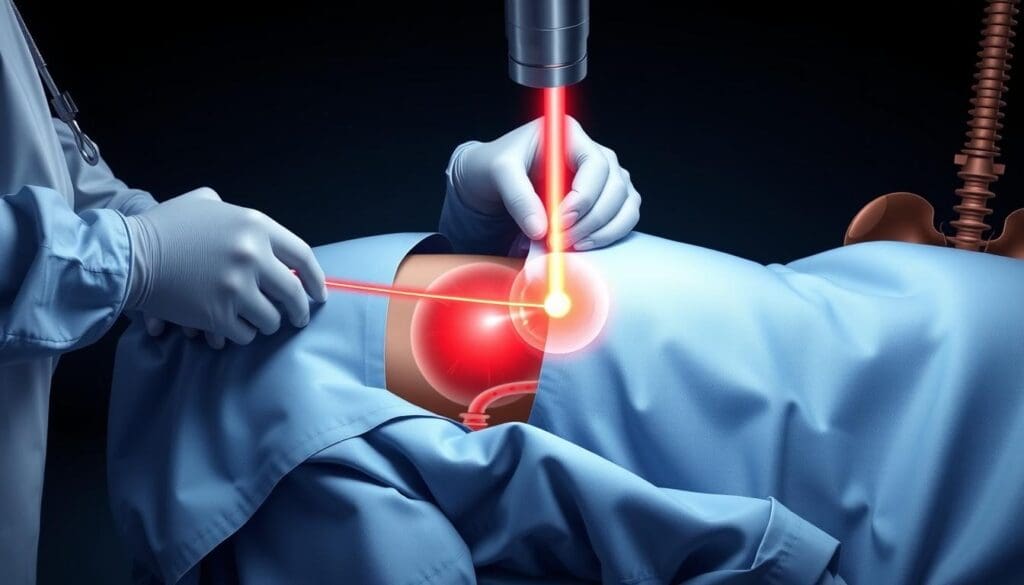
Medical technology has advanced, leading to laser prostate ablation. This method targets prostate issues with great precision. It’s a new way to handle prostate problems, less invasive than old surgeries.
Definition and Basic Principles
Laser prostate ablation is a minimally invasive procedure. It uses laser energy to kill off bad prostate tissue. It’s mainly for BPH and some prostate cancer.
It uses advanced imaging to guide the laser. This ensures the bad tissue is hit right, without harming good tissue.
The laser energy is sent to the bad tissue, causing it to die off. This makes the prostate smaller, easing symptoms like trouble urinating.
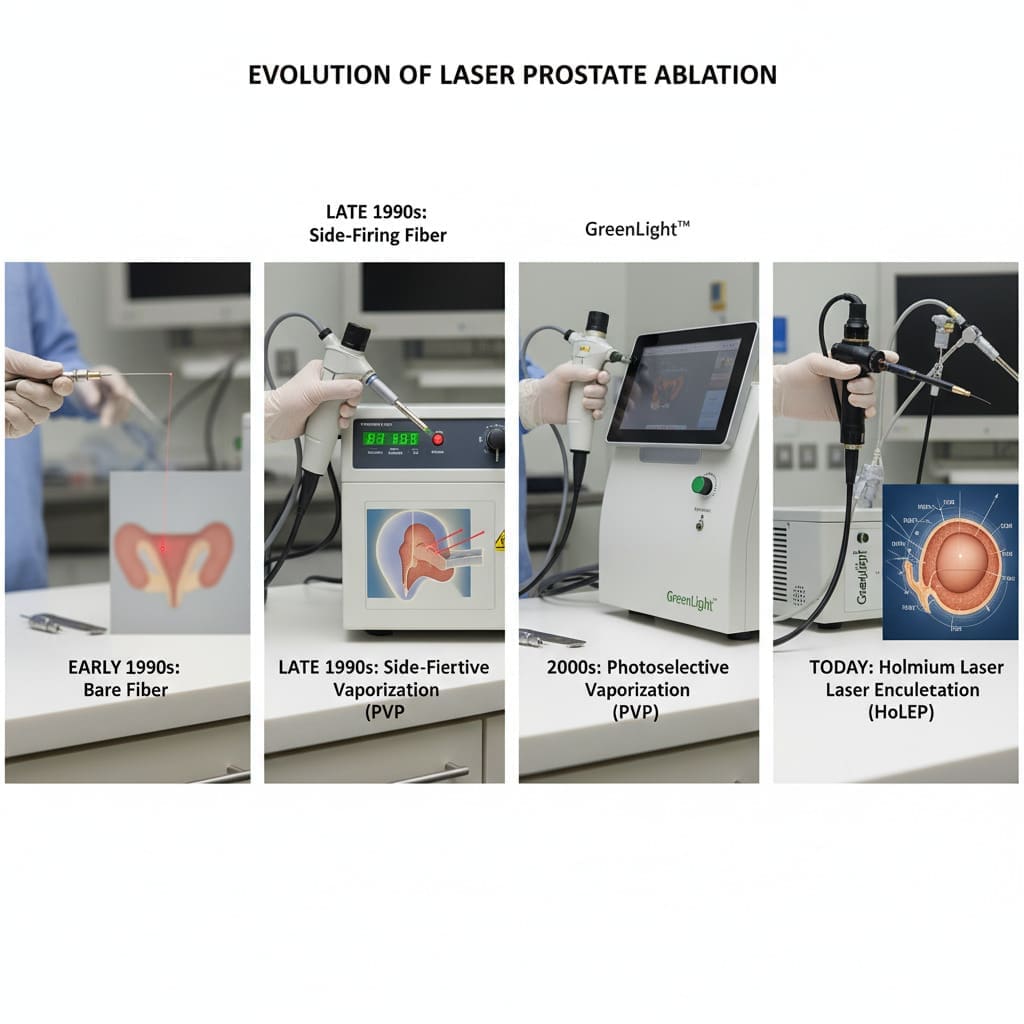
Evolution of Minimally Invasive Prostate Treatments
Minimally invasive prostate treatments have grown a lot over time. At first, we only had meds and big surgeries. But now, laser treatments are popular because they work well and you heal faster.
Laser prostate ablation is a big leap in these treatments. It’s precise and effective, with fewer side effects than old surgeries. New laser tech and imaging help make it safer and better.
Benefits of Targeted Tissue Destruction
Laser prostate ablation is great because it only hits the bad tissue. This targeted approach lowers the chance of problems and side effects. Things like incontinence or erectile issues are less common.
This method also lets doctors tailor treatments to each patient. They can plan based on the patient’s specific prostate issue.
7 Key Facts About Laser Prostate Ablation
Laser technology is changing how we treat prostate issues. It’s now used for both benign prostatic hyperplasia (BPH) and localized prostate cancer. This method is getting a lot of attention for its success.
Minimally Invasive Procedure with Reduced Trauma
Laser prostate ablation is a new way to treat prostate problems. It’s less invasive than old methods, causing less harm to the patient. This leads to fewer problems and a faster recovery.
Treats Both BPH and Localized Prostate Cancer
This method is great because it can handle both BPH and prostate cancer. It’s a big plus for those with either issue.
Uses Precise Energy Delivery Systems
The procedure uses advanced lasers to target the right area. This ensures the treatment works well without harming nearby tissues.
Preserves Healthy Surrounding Tissues
Thanks to precise laser technology, it keeps healthy tissues safe. This reduces the chance of long-term problems and helps keep the patient’s quality of life good.
Here are the 7 key facts summarized in a table:
| Key Fact | Description |
|---|---|
| Minimally Invasive | Less trauma and fewer complications |
| Treats BPH and Prostate Cancer | Versatile treatment for various prostate conditions |
| Precise Energy Delivery | Advanced laser technology for targeted treatment |
| Preserves Healthy Tissues | Minimizes long-term side effects |
| Quick Recovery | Less downtime for patients |
| Effective for Localized Cancer | Treats prostate cancer with minimal damage |
| Reduced Risk of Complications | Fewer side effects compared to traditional surgeries |
The Science Behind Laser Prostate Ablation
Understanding laser prostate ablation is key to seeing its benefits. This method has changed how we treat prostate issues. It uses advanced laser technology.
Types of Lasers Used in Prostate Procedures
Many lasers are used in prostate ablation, each with its own benefits. The GreenLight laser is famous for its greenlight laser therapy. It works by targeting hemoglobin, making it great for removing prostate tissue.
Other lasers, like the Holmium and Thulium lasers, also have their uses. They offer different levels of precision and interaction with tissue. The right laser depends on the condition and the patient’s health.
How Laser Energy Destroys Abnormal Tissue
Laser energy kills abnormal prostate tissue through selective photothermolysis. This means the laser energy is absorbed by the tissue, heating it up and destroying it. This method is precise, helping to keep healthy tissue safe.
The laser is delivered through a thin cable in the urethra. This direct approach helps avoid damage to nearby tissues. It also makes recovery faster.
Thermal vs. Non-Thermal Ablation Methods
Laser prostate ablation can be thermal or non-thermal. Thermal ablation heats the tissue to destroy it. It’s good for treating BPH and some prostate cancers.
Non-thermal ablation, though less common, disrupts tissue without heating it. It’s used in specific cases or for research.
| Ablation Method | Mechanism of Action | Primary Use |
|---|---|---|
| Thermal Ablation | Heating tissue to high temperature | BPH, Localized Prostate Cancer |
| Non-Thermal Ablation | Photomechanical disruption | Specific cases, research purposes |
The choice of prostate ablation technique depends on many factors. These include the patient’s condition, prostate size, and the surgeon’s preference. Knowing these factors helps choose the best treatment.
Advanced Imaging and Guidance Technologies
Advanced imaging and guidance technologies are key in making laser prostate ablation more precise. They help urologists see the prostate gland in real-time. This makes it easier to target the right areas.
We use different imaging methods to guide the laser ablation. MRI-guided and ultrasound-guided techniques are the most common.
MRI-Guided Ablation Techniques
MRI-guided ablation gives us high-resolution images of the prostate gland. This lets us target the area to be treated with great precision. It also allows us to watch the ablation process in real-time, reducing damage to healthy tissues.
The benefits of MRI-guided ablation include:
- High-resolution imaging for precise targeting
- Real-time monitoring of the ablation process
- Reduced risk of damage to surrounding tissues
Ultrasound Guidance Methods
Ultrasound guidance is also widely used for prostate ablation. It gives us real-time images of the prostate gland and the surrounding areas. This helps us place the laser fiber accurately.
Some advantages of ultrasound guidance include:
- Real-time imaging for accurate placement
- Minimally invasive with reduced recovery time
- Cost-effective compared to other imaging modalities
Fusion Technology for Enhanced Precision
Fusion technology combines MRI and ultrasound images. This gives us a more detailed view of the prostate gland. It makes the ablation procedure more precise.
The benefits of fusion technology include:
- Improved accuracy through multi-modal imaging
- Enhanced visualization of the prostate gland
- Better outcomes due to more precise targeting
Here’s a comparison of the different guidance technologies used in laser prostate ablation:
| Guidance Technology | Key Benefits | Limitations |
|---|---|---|
| MRI-Guided | High-resolution imaging, real-time monitoring | Higher cost, limited availability |
| Ultrasound-Guided | Real-time imaging, minimally invasive, cost-effective | Operator-dependent, limited tissue contrast |
| Fusion Technology | Improved accuracy, enhanced visualization | Requires specialized equipment and training |
In conclusion, advanced imaging and guidance technologies are vital for the success of laser prostate ablation. They help us improve treatment outcomes and lower the risk of complications.
Different Prostate Ablation Techniques
Prostate ablation isn’t a one-size-fits-all deal. There are many techniques for different needs. The right one depends on the patient’s health, symptoms, and prostate tissue type.
Needle Ablation Methods
Needle ablation uses a needle to send energy to the prostate. It’s minimally invasive and good for Benign Prostatic Hyperplasia (BPH). Here’s how it works:
- A needle goes through the skin or urethra.
- Imaging guides the needle to the right spot.
- Energy is sent to kill the prostate tissue.
Focal Therapy Approaches
Focal therapy targets specific prostate areas. It’s great for localized prostate cancer. It has big benefits:
- Less risk of side effects than whole-gland treatments.
- Keeps urinary and sexual functions intact.
- Allows for repeat treatments if needed.
GreenLight Laser Therapy
GreenLight laser therapy uses a strong laser to clear out prostate tissue. It’s a laser therapy for prostate known for:
- Accurate removal of tissue.
- Little bleeding thanks to the laser.
- Fast recovery, letting patients get back to life quickly.
Selecting the Right Technique Based on Condition
Choosing the right prostate ablation method needs a full check-up. Important things to look at include:
- The size and location of the prostate tissue.
- The patient’s health and past medical history.
- The severity of symptoms and how they affect life.
Healthcare providers use these factors to pick the best prostate ablation technique. This ensures the best results for each patient.
Comparing Laser Prostate Ablation to Traditional Treatments
The world of prostate treatment is changing. Laser prostate ablation is now a strong choice against old methods. It’s important to see how it compares to other treatments for prostate issues.
Radical Prostatectomy vs. Ablation
Radical prostatectomy, or removing the prostate gland, is a common treatment for prostate cancer. But it comes with big risks like losing bladder control and erectile problems. Laser prostate ablation is less invasive and might reduce these risks.
It’s seen as a good option for early-stage prostate cancer. But for more serious cases, radical prostatectomy might be needed.
Radiation Therapy Alternatives
Radiation therapy is another way to treat prostate cancer. It can work well but might cause side effects like bladder issues. Laser prostate ablation targets cancer cells directly, affecting less healthy tissue.
This could mean fewer side effects and a faster recovery. The choice between radiation and laser ablation depends on the cancer type and the patient’s health.
Medication-Based Treatments for BPH
For BPH, doctors often start with medications. These can help by relaxing muscles or shrinking the prostate. But they might not work for everyone and can have side effects.
Laser prostate ablation directly reduces the prostate size. This can offer lasting relief without needing ongoing medication.
Watchful Waiting Considerations
For some, watchful waiting or active surveillance is recommended. This means monitoring the condition closely, delaying treatment if possible. Laser prostate ablation might be considered if symptoms get worse.
The choice between watchful waiting and laser ablation depends on many factors. These include the patient’s health, symptom severity, and personal wishes.
Potential Side Effects of Laser Prostate Ablation
Laser prostate ablation has many benefits, but knowing its side effects is key. It can cause different problems, some short-term and others lasting longer. It’s important to understand these to make the right choice.
Common Short-Term Side Effects
Right after the treatment, you might feel some common side effects. These include:
- Urinary tract infections
- Increased urinary frequency or urgency
- Mild hematuria (blood in the urine)
- Temporary urinary retention
These effects are usually mild and go away in a few weeks. But, following your doctor’s advice after the procedure can help a lot.
Potential Long-Term Complications
Some patients might face long-term issues after laser prostate ablation. These can be:
- Chronic urinary incontinence
- Urethral stricture
- Bladder neck contracture
Talking to your doctor about these risks is important. It helps you understand what to expect.
Impact on Sexual Function
Men often worry about how prostate treatments might affect their sex life. Laser prostate ablation tries to avoid harming sexual function. But, some might face:
- Erectile dysfunction
- Changes in ejaculation
We use the latest methods to reduce these risks. Talking to your doctor can help keep your sex life healthy after the procedure.
Risk Factors for Complications
Some things can make complications more likely after laser prostate ablation. These include:
- Pre-existing urinary or sexual dysfunction
- Previous prostate treatments or surgeries
- Underlying health conditions, such as diabetes or cardiovascular disease
Knowing these risk factors helps you prepare better. It can help reduce the chance of problems.
In summary, laser prostate ablation is usually safe, but knowing the possible side effects is important. Talking to your doctor about these can help you make a well-informed decision.
The Recovery Process After Prostate Ablation
The time after laser prostate ablation is key. Knowing what to expect can make recovery easier. We’ll cover the immediate post-procedure, the first week, returning to normal, and when to call your doctor.
Immediate Post-Procedure Experience
Right after the procedure, patients are watched for hours to check for any issues. Some might feel a burning when they pee because of the catheter and the treated area. Most patients go home the same day, but some might stay overnight for extra checks. The catheter usually comes out a few days later, and this can sometimes cause some pain or bleeding.
First Week Recovery Milestones
In the first week, many see big improvements in their pee issues. But, some might pee a lot, feel urgent, or leak a bit. These issues usually get better in a few weeks. It’s important to do the exercises your doctor told you to do to help your bladder. Also, avoid heavy lifting, bending, or hard work during this time.
Return to Normal Activities Timeline
Most people can get back to their usual life in 2 to 4 weeks after the procedure. How fast you heal depends on your health, how big the procedure was, and your body’s healing speed. Listen to your body and don’t rush back to hard activities too soon. Slowly getting back to normal can help avoid problems and make recovery smoother.
When to Contact Your Doctor
It’s important to know when to call your doctor while you’re recovering. If you have severe pain, heavy bleeding, fever, or trouble peeing, reach out. Also, if you have signs of infection like chills or a bad smell, call right away. Your doctor is there to help with any worries or questions you have during recovery.
Essential Recovery Tips for Optimal Healing
After laser prostate ablation, a good recovery plan is key. Proper care can help your healing and avoid problems.
Medication Management
Managing your meds is important for recovery. Stick to your doctor’s plan, which may include antibiotics and pain meds. These help prevent infection and keep you comfortable.
Key Medications:
- Antibiotics
- Pain management drugs
- Alpha-blockers for urinary issues
Physical Activity Guidelines
Rest is important right after the procedure. But, start moving slowly to help your body heal. This also helps avoid blood clots.
| Activity | Recommended Timing |
|---|---|
| Light walking | Within 1-2 days post-procedure |
| Moderate exercise | After 1 week |
| Strenuous activities | Avoid for at least 2-3 weeks |
Dietary Recommendations
Eat foods like fruits, veggies, and whole grains to help heal. Drink lots of water and eat more fiber to avoid constipation from meds.
Hydration and Urinary Health
Drinking enough water is key for your urinary health. Drink lots of water to flush out your system and prevent infections.
Tips for Hydration:
- Drink at least 8-10 glasses of water per day
- Avoid caffeinated and alcoholic beverages initially
- Monitor urine color to ensure proper hydration
Conclusion
We’ve looked into laser prostate ablation, a new way to treat prostate issues like BPH and cancer. This method uses laser energy to remove bad tissue without harming good areas. It’s a precise and effective treatment.
This treatment has many advantages. It causes less damage and has fewer side effects than old surgery methods. Patients also recover faster. Thanks to advanced tools like MRI, doctors can treat accurately and safely.
Laser prostate ablation is a big step forward in treating prostate problems. It’s less invasive and very precise. This makes it a great choice for those who want to avoid big surgeries. We think it will become even more important in helping people with prostate issues.
What is laser prostate ablation?
Laser prostate ablation is a treatment that uses laser energy to remove bad prostate tissue. It helps with BPH and some prostate cancers.
How does laser prostate ablation work?
It uses special imaging to guide the laser to the bad tissue. This way, it kills the bad tissue without harming the good tissue.
What are the benefits of laser prostate ablation over traditional treatments?
It’s less invasive, has less recovery time, and treats BPH and some cancers well. This reduces the chance of problems.
What types of lasers are used in prostate ablation?
Different lasers are used, like the GreenLight laser for BPH. Other lasers are for specific treatments.
Is laser prostate ablation painful?
No, it’s done under anesthesia, so you won’t feel pain. After, you might take medicine for any discomfort.
What is the recovery time after laser prostate ablation?
Most people can get back to normal in a few days to a week. It takes a few weeks to feel the full benefits.
Are there any side effects associated with laser prostate ablation?
You might have urinary issues or discomfort right after. Long-term, there could be effects on sex and urine, but they’re less common than with surgery.
How does laser prostate ablation compare to medication-based treatments for BPH?
It’s a more lasting solution for BPH. It might avoid the need for long-term meds and their side effects.
Can laser prostate ablation treat localized prostate cancer?
Yes, it can destroy cancerous tissue while keeping healthy tissue safe. It’s a less invasive option than other treatments.
What role do advanced imaging and guidance technologies play in laser prostate ablation?
Technologies like MRI and ultrasound help make the treatment more precise. This reduces the risk of damage to good tissue.
How do I prepare for laser prostate ablation?
You’ll need a medical check-up and possibly imaging tests. Talk to your doctor about any meds or health issues to make sure it’s safe.
References
PubMed Central (NCBI): MRI-guided Focal Laser Ablation for Prostate Cancer (Specific PMC ID)
PubMed (NCBI): Review on Current Trends in Focal Therapy for Prostate Cancer (Specific PubMed ID)