Last Updated on December 5, 2025 by Bilal Hasdemir

At Liv Hospital, we know that dealing with glioblastoma in its final stages is tough. Patients and their families face a lot. As the disease gets worse, treatments that can cure it are no longer an option. Now, we focus on making sure patients are comfortable and have a good quality of life.
It’s important to know the end of life symptoms of glioblastoma. This helps families prepare and get the best care. We aim to support our patients with kindness and knowledge, following international guidelines.
Our team is all about caring for patients in a way that puts them first. We tackle the tough challenges of glioblastoma together. By spotting the signs of getting worse, we can make patients more comfortable and improve their quality of life.
Key Takeaways
- Understanding glioblastoma end of life symptoms is key for patient care.
- Comfort care is the main goal in the final days.
- Liv Hospital offers patient-centered care, following international standards.
- Spotting signs of getting worse helps improve comfort and quality of life.
- Our team is dedicated to supporting patients with compassion and expertise.
Understanding Late Stage Glioblastoma
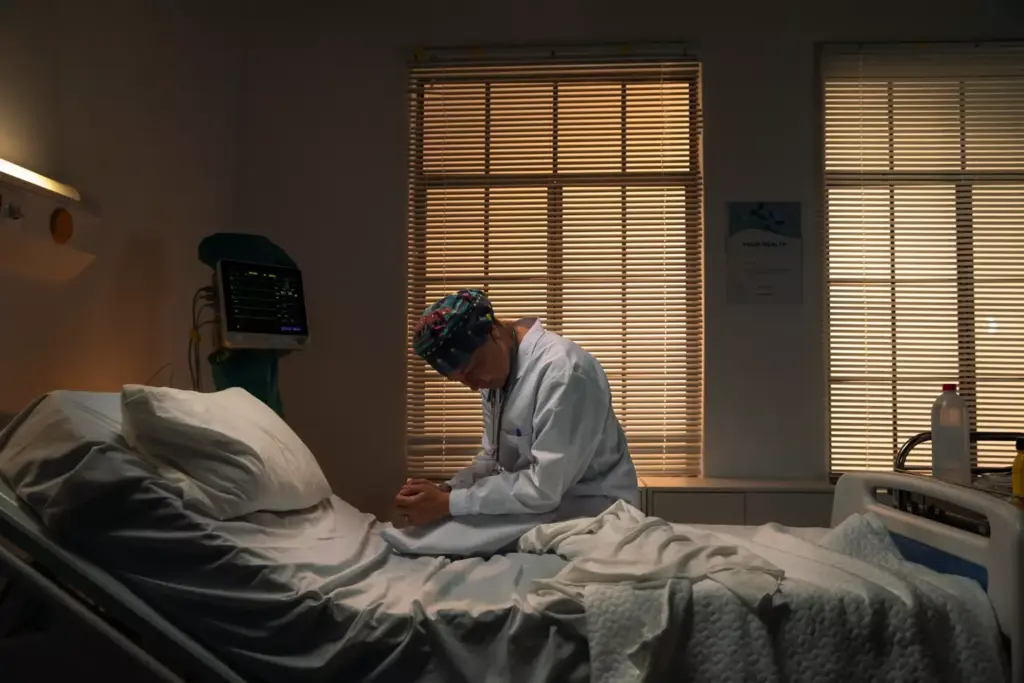
It’s important for patients and caregivers to understand the end stages of glioblastoma multiforme (GBM). This knowledge helps in preparing for the final stages. We need to approach this topic with both medical knowledge and empathy.
What Defines the Terminal Phase of GBM
The terminal phase of glioblastoma is marked by a big drop in the patient’s health. At this point, treatments that can cure the disease are no longer working. The goal now is to make the patient comfortable and improve their quality of life.
Symptoms at this stage include increased pressure in the brain, seizures, and a decline in thinking abilities. It’s key to manage these symptoms well to keep the patient comfortable.
The Transition from Treatment to Comfort Care
When glioblastoma reaches its terminal phase, the treatment changes from trying to cure it to focusing on comfort. This change is hard for patients and their families. It means moving from treatments aimed at curing to care that focuses on comfort.
Comfort care aims to ease symptoms, manage pain, and offer emotional and spiritual support. It’s a caring approach that looks at the patient’s overall well-being.
Key aspects of comfort care include:
- Pain management
- Symptom control
- Emotional and psychological support
- Spiritual care
Is Glioblastoma Always Terminal?
Glioblastoma is often seen as a terminal illness, mainly when it’s diagnosed late. But, the outlook can change based on several things. These include the patient’s health, age, and how well they respond to treatment.
Some patients may get worse quickly, while others may live longer. Knowing how long someone might live helps in planning their care and making choices.
It’s vital for patients and their families to talk about their outlook and care options with their doctor. This way, they can get the right support.
Timeline and Progression of End-Stage GBM
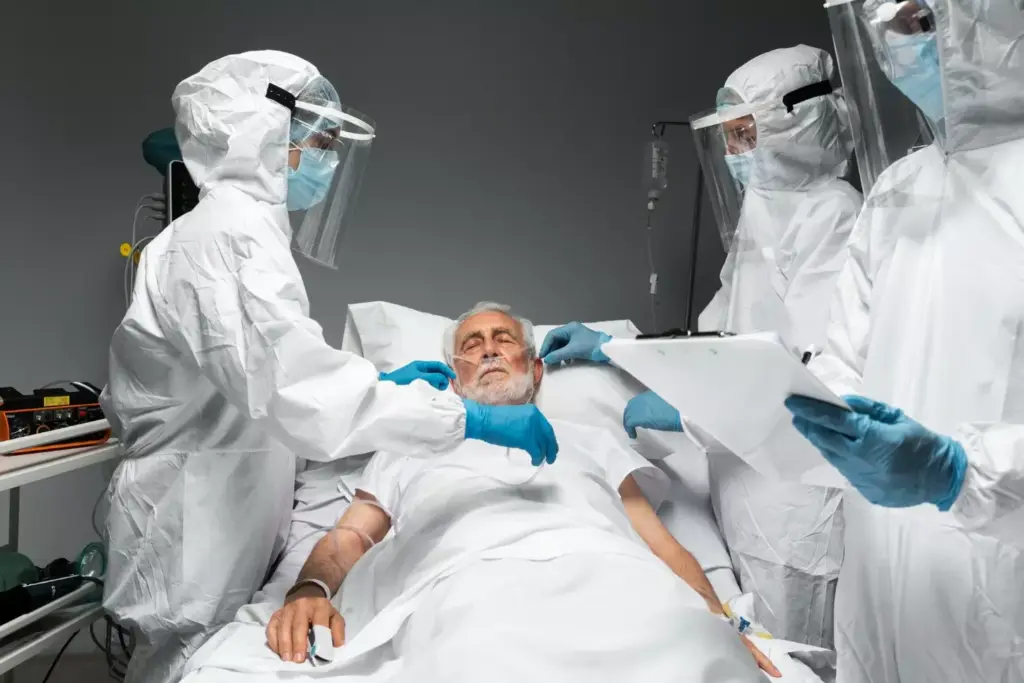
Understanding the end stage of glioblastoma is key. It helps patients and families know what to expect. This stage brings big challenges.
Typical Duration of the Final Stage
The final stage of glioblastoma can last differently for everyone. It’s a time when the patient’s health quickly gets worse. Studies show this stage usually lasts from a few weeks to a few months. Knowing this helps caregivers get ready for what’s coming.
| Stage | Typical Duration | Common Symptoms |
|---|---|---|
| Early Terminal Phase | 1-4 weeks | Increased drowsiness, confusion, difficulty swallowing |
| Advanced Terminal Phase | 1-2 weeks | Significant cognitive decline, loss of speech, increased seizures |
| Final Days | 1-3 days | Decreased responsiveness, changes in breathing patterns, cooling of extremities |
How Symptoms Intensify as Disease Advances
As glioblastoma reaches its end stage, symptoms get worse. Patients may feel more confused, forgetful, and have trouble speaking and swallowing. They also get very tired and lose strength.
Recognizing the Transition to End-of-Life Care
Knowing when a patient needs end-of-life care is important. Signs include losing a lot of weight, becoming less aware, and needing more pain relief. At this point, the goal is to make the patient’s remaining time as comfortable as possible.
Understanding the end stage of glioblastoma helps caregivers prepare. They can offer the right support to their loved ones.
What to Expect After Surgery for Stage 4 Glioblastoma
Surgery for stage 4 glioblastoma is a big step. Knowing what comes next is key for patients and their families. We must understand the challenges and the importance of palliative care.
Post-Surgical Recovery Challenges
Patients face many symptoms and challenges after surgery. These include:
- Fatigue and weakness
- Cognitive changes, such as memory loss or confusion
- Physical limitations, depending on the tumor’s location and the extent of the surgery
- Emotional changes, including anxiety or depression
Managing these challenges needs a detailed care plan. Our goal is to support and guide patients and their families through this tough time.
When Surgical Intervention No Longer Helps
It’s important to know when surgery is no longer helpful. This can be hard to accept. But it’s key for focusing on palliative care, which aims for comfort and quality of life.
Signs that surgery may not help include:
- Significant tumor growth despite treatment
- Deterioration of neurological function
- Increased symptom burden
We help patients and their families make informed care decisions. We ensure their needs and wishes are respected.
Managing Post-Surgical Complications in Late Stages
Managing complications after surgery is vital in glioblastoma’s late stages. These can come from the surgery or the disease’s progression.
Common complications include:
- Infection
- Bleeding or hematoma
- Seizures
- Cerebral edema
We stress the need to closely watch for these complications. We work to manage them effectively.
Understanding what comes after surgery for stage 4 glioblastoma helps patients and families prepare. Our goal is to offer caring and complete care throughout this journey.
Cognitive and Neurological Symptoms
In the final stages of glioblastoma, patients may show signs like confusion, seizures, and a drop in consciousness. These symptoms can greatly affect their quality of life and are hard for caregivers to handle.
Progressive Confusion and Memory Loss
One key symptom of late-stage glioblastoma is getting more confused and losing memory. People might not know who their loved ones are or remember what happened recently. This decline is hard on both the patient and their family.
Managing these symptoms needs a caring and detailed approach. Doctors can help find ways to lessen confusion and memory loss. This might include keeping a regular daily routine and using tools to help remember things.
Seizures: Frequency and Management
Seizures are a common sign in late-stage glioblastoma, caused by the tumor affecting the brain. How often and how severe seizures are can vary a lot. It’s important to manage seizures well to avoid injuries and reduce stress for the patient.
We work with patients and their families to create a plan for managing seizures. This might include changing medications and taking steps to keep them safe during seizures.
Decreased Consciousness and Awareness
In the final stages, patients often become less aware and conscious. This can range from feeling very tired and confused to not being awake at all. Preparing for these changes can help families deal with the disease’s progression.
Our healthcare team is dedicated to supporting and guiding patients and their families. We make sure patients get the care that best fits their needs.
Physical Deterioration in Late Stage Glioblastoma
In the final stages of glioblastoma, patients often see a big drop in their physical health. This decline can be tough for both patients and their families. Knowing what physical changes happen can help in giving the right care and support.
Extreme Fatigue and Energy Conservation
Extreme fatigue is a common symptom in late-stage glioblastoma. Patients often feel very weak and can’t do daily tasks. Conserving energy is key, and caregivers can help by avoiding hard activities and encouraging rest.
Small changes like adjusting daily routines, using mobility aids, and taking breaks can help manage fatigue. Keeping the environment comfortable also helps reduce the need for too much effort.
Vital Sign Changes and Their Meaning
As glioblastoma gets worse, vital signs can change a lot. Changes in blood pressure, heart rate, and breathing are common. These changes show how the body is reacting to the disease.
| Vital Sign | Change | Implication |
|---|---|---|
| Blood Pressure | Fluctuations | May indicate stress or disease progression |
| Heart Rate | Increased or decreased rate | Can signal distress or cardiac issues |
| Breathing Patterns | Irregular or labored breathing | May indicate respiratory compromise |
Progressive Loss of Mobility
As glioblastoma gets worse, patients often lose their ability to move around. They may not be able to walk or do simple movements.
Caregivers can help by using mobility aids and making sure the environment is safe. Regular physical therapy can also help keep some mobility and prevent problems like pressure sores.
As the disease gets closer to the end, focusing on comfort and quality of life is key. Understanding these changes helps families and caregivers support patients in the final stages of glioblastoma.
Communication and Swallowing Difficulties
As glioblastoma advances, patients face big challenges with talking and swallowing. These issues can upset both patients and their families. We’ll look at how speech fades, swallowing gets tough, and how to help patients in these hard times.
Gradual Loss of Speech and Expression
One big problem in late glioblastoma is losing the ability to speak. Patients might have trouble finding words or speaking in short sentences. Eventually, they might not be able to talk at all. It’s hard for families and caregivers who count on talking to each other.
We need to adjust how we support them as their speech changes.
Dysphagia and Aspiration Risks
Dysphagia, or trouble swallowing, is common in late glioblastoma. It can lead to serious problems like pneumonia. It’s key to watch for signs of dysphagia and find safe ways to feed patients.
Alternative Communication Methods
When talking gets hard, other ways to communicate can help. Patients might use gestures, write, or use electronic devices. We should help find the best ways for patients to express themselves. This keeps their dignity and quality of life high.
In summary, helping with talking and swallowing issues is key in caring for glioblastoma patients. By understanding these problems and providing the right support, we can offer better care.
Changes in Essential Bodily Functions
As glioblastoma advances, patients face big changes in how their bodies work. These changes are tough for both patients and their caregivers.
Managing Incontinence with Dignity
Incontinence is common in glioblastoma’s late stages. Keeping patients comfortable is key. Using absorbent products and a regular toileting schedule helps a lot.
Caregivers must be kind about incontinence’s emotional toll. Emotional support and a clean, comfy space are vital.
Breathing Pattern Changes and Interventions
Breathing changes are a big worry in glioblastoma’s final stages. Patients might breathe irregularly or have trouble breathing. We can help manage these symptoms.
Oxygen therapy, adjusting the patient’s position, and medicines to clear airways can help. Caregivers need to know how to react to these changes.
Temperature Regulation Issues
Keeping the right body temperature is hard in glioblastoma’s late stages. Patients might get too cold or too hot. This is because the tumor affects the brain’s temperature control.
It’s important to watch the patient’s temperature closely. Using blankets, adjusting room temperature, or cooling measures can help keep it normal.
By understanding these changes and using the right care, we can make life better for patients in glioblastoma’s final stages.
Behavioral and Emotional Changes in Final Weeks
In the last stages of glioblastoma, families face tough times. Patients show big changes in behavior and emotions. These changes can upset both the patients and their families.
Social Withdrawal and Isolation
Patients often pull back and want to be alone. They might be too tired, confused, or just not interested in things anymore. This can make it hard for families to connect with them.
- Keeping things calm and familiar can help.
- Gentle words can offer comfort.
- Knowing it’s part of the disease can help families cope.
Agitation, Restlessness, and Comfort Measures
Some patients get agitated and restless. They might get irritable, anxious, or even aggressive. It’s important to focus on comfort during this time.
- Make the environment calm with soft lights and music.
- Use gentle touch and words to soothe them.
- Give them medicines to help with agitation and pain.
Personality Changes and Family Impact
Patients may act differently than usual. This can be hard for families to adjust to. It changes how they interact with their loved ones.
Supporting families through these changes is key. We offer emotional support and practical tips to help them get through this tough time.
As glioblastoma reaches its end, understanding and kindness are essential. Knowing the signs of these changes helps families care for their loved ones better.
Final Days and Hours Symptoms
Knowing the symptoms of glioblastoma’s last days helps families care better. Patients show physical and neurological changes as the disease worsens.
Increased Sleep and Decreased Responsiveness
Increased sleepiness is a common symptom in the final days. Patients may find it hard to stay awake, even when talking. This change can upset family members, but it’s a natural part of dying.
Caregivers can support patients by:
- Creating a calm and comfortable environment
- Minimizing noise and distractions
- Using gentle touch and soft voices to communicate
Loss of Appetite and Nutritional Considerations
Patients often lose their appetite as glioblastoma reaches its end stage. This can be due to the tumor’s effect on the brain or overall decline. It’s important to focus on comfort, not forcing food.
“Forcing food or fluids can sometimes cause more harm than good, leading to discomfort or aspiration.” –
Caregivers should talk to healthcare providers about nutritional options. This helps find the best approach.
Changes in Skin Color and Temperature
In the final days, patients may see changes in skin color and temperature. The skin might become cool, pale, or mottled, showing reduced circulation. These changes are natural and part of dying.
Recognizing When Death Is Imminent
Knowing when death is near helps families prepare. Signs include:
- Irregular breathing patterns
- Increased sleep or unresponsiveness
- Changes in skin color and temperature
- Decreased interest in food and fluids
Understanding these symptoms brings comfort and guidance during a tough time. Hospice care teams are key in supporting patients and families through glioblastoma’s end stages.
Conclusion
It’s important to know the symptoms and how glioblastoma progresses. This knowledge helps patients and their families deal with the challenges of this aggressive brain tumor. As the disease gets worse, the focus turns to making the patient’s remaining time as comfortable and meaningful as possible.
We’ve talked about the main symptoms of late stage glioblastoma. These include cognitive and neurological decline, physical deterioration, and changes in essential bodily functions. Recognizing these signs early helps in providing timely support and improving the quality of life for those with advanced glioblastoma.
At our institution, we’re committed to top-notch healthcare for international patients. Our team is dedicated to providing compassionate care. We address the complex needs of patients with late stage glioblastoma and support their loved ones on this journey.
FAQ
What is late-stage glioblastoma, and how is it defined?
Late-stage glioblastoma, also known as glioblastoma multiforme (GBM), is the final stage of a severe brain cancer. At this stage, treatments that can cure the disease are no longer effective. The focus then shifts to comfort care and managing symptoms to improve the patient’s quality of life.
Is glioblastoma always considered terminal?
Yes, glioblastoma is generally considered a terminal diagnosis. It is a highly aggressive and malignant form of brain cancer. While treatments are available, the prognosis is poor, and the disease is often fatal.
What are the typical symptoms of late-stage glioblastoma?
Symptoms of late-stage glioblastoma include progressive confusion, memory loss, and seizures. Other symptoms include decreased consciousness, extreme fatigue, and changes in vital signs. Patients may also experience loss of mobility, difficulty with communication and swallowing, incontinence, and changes in breathing patterns and temperature regulation.
How long does the final stage of GBM typically last?
The final stage of GBM can last from a few weeks to a few months. The duration varies significantly from patient to patient. It is characterized by a rapid decline in health and a short life expectancy.
What can be expected after surgery for stage 4 glioblastoma?
After surgery for stage 4 glioblastoma, patients face challenges in their post-surgical recovery. The focus shifts to managing symptoms and improving quality of life. At this stage, surgical intervention is no longer beneficial, and palliative care becomes the primary focus.
How are cognitive and neurological symptoms managed in late-stage glioblastoma?
Cognitive and neurological symptoms, such as progressive confusion and memory loss, are managed through medications, therapies, and supportive care. This approach aims to improve patient comfort and quality of life.
What are the physical aspects of deterioration in late-stage glioblastoma?
Physical deterioration in late-stage glioblastoma includes extreme fatigue and changes in vital signs. It also includes progressive loss of mobility and changes in essential bodily functions, such as incontinence and breathing pattern changes.
How are communication and swallowing difficulties addressed in late-stage glioblastoma?
Communication and swallowing difficulties are addressed through alternative methods of communication, such as augmentative and alternative communication (AAC) devices. Interventions to manage dysphagia and aspiration risks, like dietary modifications and swallowing therapy, are also used.
What changes can occur in essential bodily functions in late-stage glioblastoma?
Changes in essential bodily functions include incontinence, breathing pattern changes, and issues with temperature regulation. These require careful management and supportive care to maintain patient dignity and comfort.
How can families support patients with late-stage glioblastoma?
Families can support patients with late-stage glioblastoma by providing emotional support and managing symptoms. They can ensure the patient’s comfort and dignity. This involves working closely with healthcare providers to develop a care plan.
What are the symptoms that occur in the final days and hours of life?
In the final days and hours of life, patients may experience increased sleep and decreased responsiveness. They may also lose appetite and show changes in skin color and temperature, indicating that death is imminent.
How can healthcare providers support patients and families during the end-of-life phase?
Healthcare providers can support patients and families by providing palliative care and managing symptoms. They offer emotional and psychological support to ensure the best possible quality of life during the end-of-life phase.
References
Moffitt Cancer Center. (n.d.). What are the symptoms of end-stage brain cancer? Retrieved from https://www.moffitt.org/cancers/brain-cancer/faqs/what-are-the-symptoms-of-end-stage-brain-cancer
National Center for Biotechnology Information (NCBI). (2011). End-of-life care for glioblastoma patients: A review (PMC ID: PMC3098016). Retrieved from https://pmc.ncbi.nlm.nih.gov/articles/PMC3098016