
Every year, over 700,000 knee replacement surgeries happen in the United States. This highlights the prevalence of knee issues requiring treatment. But, there’s more than just surgery for knee problems. Many patients are now looking for alternative treatments to ease symptoms and enhance their life quality without surgery.
Knee replacement surgery is often seen as a last option. Luckily, there are minimally invasive and non-surgical treatments available. In this article, we’ll look into the newest alternatives to knee replacement surgery. We’ll share insights on treatments that can help you skip or delay surgery.
Key Takeaways
- Minimally invasive treatments can reduce recovery time.
- Non-surgical alternatives can alleviate knee pain.
- Alternative treatments can improve quality of life.
- Several options are available for those seeking to avoid surgery.
- Consulting with a healthcare professional is crucial for determining the best treatment plan.
Understanding Knee Problems and Traditional Treatments
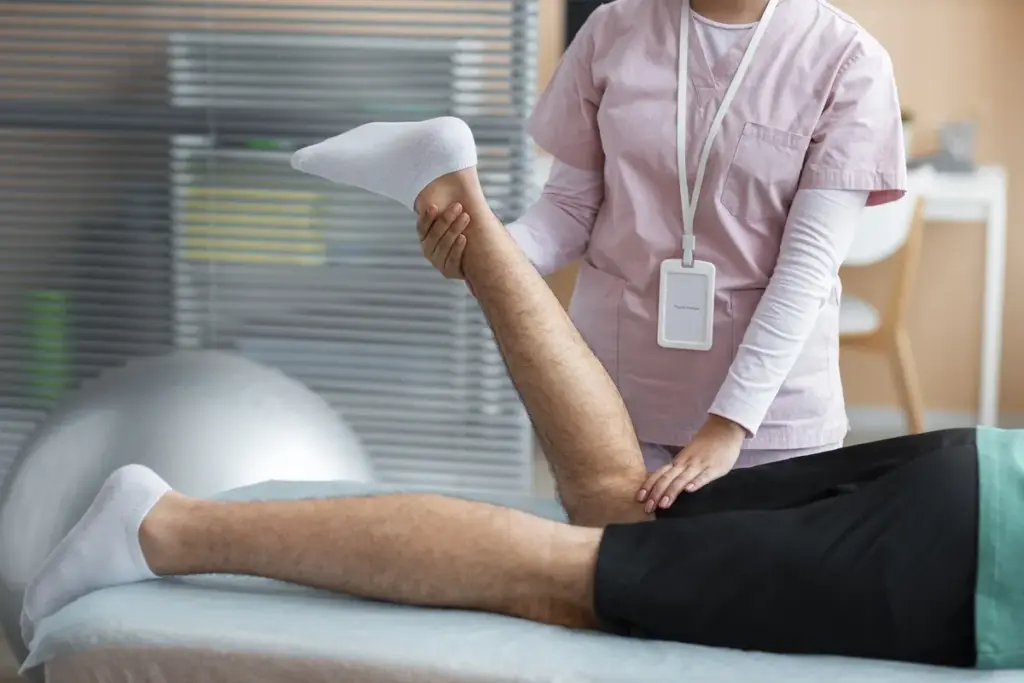
Knee conditions affect millions worldwide, making it crucial to look at traditional treatments. The knee is a complex joint that bears a lot of body weight. It also helps with many movements, making it prone to injuries and degenerative conditions.
Common knee problems that often need medical help include osteoarthritis, meniscal tears, and ligament injuries. These issues can come from sudden trauma, too much use, or aging.
Common Knee Conditions Requiring Treatment
- Osteoarthritis: A degenerative joint disease that causes cartilage wear and tear.
- Meniscal Tears: Tears in the meniscus, the cartilage structure between the knee joint’s bones.
- Ligament Injuries: Tears or sprains in the ligaments that provide knee stability.
It’s important to understand these conditions to choose the right treatment. Some can be managed without surgery, while others need more serious interventions.
Traditional Approaches: Arthroscopy and Knee Replacement
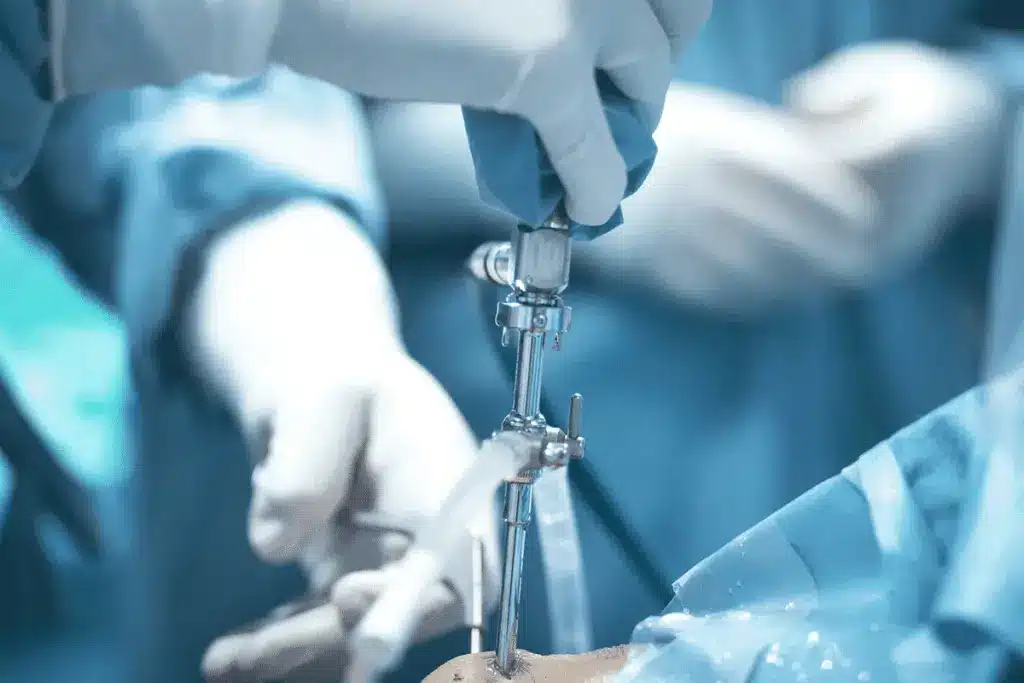
Traditional treatments for knee problems often include surgery. Arthroscopy is a minimally invasive surgery. It lets doctors diagnose and treat knee issues by using a small camera and tools in the knee joint. This method is often used for meniscal tears and ligament injuries.
For severe degenerative conditions, like advanced osteoarthritis, knee replacement surgery might be suggested. This surgery replaces the damaged joint with artificial parts. It aims to improve function and reduce pain.
While traditional methods have helped many, there’s a growing interest in alternative treatments. These alternatives might offer fewer risks and quicker recovery times. Knee surgery alternatives are being considered by both patients and healthcare providers.
Why Patients Seek Alternatives to Arthroscopy
alternatives to knee surgery
Arthroscopy is popular but has its limits. This is why patients look for other treatments. Not everyone is right for arthroscopy, and some just don’t want it for various reasons.
Limitations of Arthroscopic Procedures
Arthroscopic surgery is less invasive but has its risks. A big worry is infection. There’s also a chance of nerve damage or blood vessel injury.
Also, arthroscopy might not fix knee problems for good. Some symptoms come back, needing more treatment. This is especially true for osteoarthritis, where it only offers temporary relief.
Recovery Concerns and Complications
Recovering from arthroscopy worries many. It’s less invasive than open surgery but still needs rehab. Some face long recovery times or ongoing pain, affecting their life quality.
“The goal of any treatment should be to minimize recovery time while maximizing outcomes. For some patients, alternatives to arthroscopy may offer a more appealing solution.”
Complications like deep vein thrombosis (DVT) or pulmonary embolism are rare but serious. The fear of these risks makes some choose not to have arthroscopic surgery.
Conservative Treatment Options
conservative treatment options for knee pain
For many, knee pain can be managed without surgery. These non-invasive methods help ease symptoms and improve knee function. They also boost overall quality of life.
These options are often the first choice for knee problems like patellofemoral instability. A multi-faceted approach can lead to significant symptom relief and better knee function.
Physical Therapy and Rehabilitation
Physical therapy is key in treating knee pain. A custom exercise program strengthens knee muscles, improves flexibility, and reduces pain. Our physical therapists create a rehabilitation plan that meets each patient’s needs and goals.
- Strengthening exercises for the quadriceps and hamstring muscles
- Flexibility and stretching exercises to improve range of motion
- Balance and proprioception training to enhance knee stability
Lifestyle Modifications and Weight Management
Lifestyle changes can greatly impact knee health. Keeping a healthy weight reduces knee joint stress. Regular exercise also improves function. We suggest:
- Adopting a balanced diet to achieve and maintain a healthy weight
- Engaging in low-impact exercises such as swimming or cycling
- Avoiding activities that exacerbate knee pain
Bracing and Supportive Devices
Bracing and supportive devices offer extra stability and comfort for knee conditions. They are especially helpful during physical activity or for those with specific knee instabilities.
Exploring these conservative options can help avoid surgery. Working closely with healthcare professionals is crucial to find the best treatment plan for each individual.
Medication-Based Alternatives
medication-based alternatives for knee pain
For those looking for ways to ease knee pain without surgery, medication-based options are worth exploring. These choices are great for those who want to avoid surgery’s risks or need extra help managing their symptoms.
There are many medication-based alternatives, each with its own benefits and things to consider. We’ll look at three main types: oral anti-inflammatory medications, topical pain relief, and supplements for joint health.
Oral Anti-inflammatory Medications
Oral anti-inflammatory drugs help reduce knee pain and swelling. Nonsteroidal anti-inflammatory drugs (NSAIDs), like ibuprofen and naproxen, are often used to ease pain and swelling. A study found that NSAIDs can help with pain and function in osteoarthritis patients (1).
Topical Pain Relief Options
Topical pain relief is another way to tackle knee pain. These include creams, gels, and patches applied directly to the knee. Topical NSAIDs and capsaicin creams can provide targeted pain relief with fewer side effects than pills.
“Topical treatments can be an effective first-line treatment for patients with mild to moderate osteoarthritis pain,” as they offer a favorable safety profile and ease of use.
Supplements for Joint Health
Joint health supplements are becoming more popular as a complement to traditional treatments. Glucosamine and chondroitin sulfate are two common supplements that might help with osteoarthritis symptoms. But, it’s important to talk to a doctor before starting any supplements, as they can work differently for everyone and might interact with other medicines.
In summary, medication-based alternatives provide various options for managing knee pain without surgery. By understanding the different types and talking to healthcare professionals, patients can make informed choices about their treatment.
Injection Therapies as Alternatives to Knee Surgery
injection therapies for knee pain
Knee pain management has evolved with the introduction of injection therapies. These treatments offer a less invasive option compared to traditional surgery. We will explore the different types of injection therapies available, their benefits, and how they can be used as alternatives to knee surgery.
Corticosteroid Injections
Corticosteroid injections are a common treatment for reducing inflammation and relieving pain in the knee. These injections contain powerful anti-inflammatory medications. The effects of corticosteroid injections can be quite rapid, often providing relief within a few days. However, it’s essential to note that while corticosteroid injections can offer substantial pain relief, they are not a long-term solution and may need to be repeated.
Hyaluronic Acid Viscosupplementation
Hyaluronic acid viscosupplementation involves injecting hyaluronic acid into the knee joint to improve lubrication and reduce pain. This treatment is particularly beneficial for patients with osteoarthritis. The goal is to improve joint function and reduce pain, allowing patients to engage in daily activities with greater ease. Hyaluronic acid injections are typically administered in a series, and the relief can last for several months.
Prolotherapy for Ligament Strengthening
Prolotherapy is an injection therapy that involves injecting a solution into the ligaments or tendons surrounding the knee. This treatment stimulates healing and strengthens the area. Prolotherapy can be particularly effective for patients with ligament injuries or chronic tendonitis. By promoting ligament strengthening, prolotherapy can help stabilize the knee and reduce pain.
In conclusion, injection therapies offer a range of alternatives to knee surgery, catering to different patient needs and conditions. Whether it’s corticosteroid injections for inflammation, hyaluronic acid viscosupplementation for joint lubrication, or prolotherapy for ligament strengthening, these treatments provide valuable options for managing knee pain. As we continue to advance in medical technology, the role of injection therapies in knee pain management is likely to expand, offering patients more choices and better outcomes.
Latest Alternatives to Knee Replacement: Regenerative Medicine
regenerative medicine for knee treatment
Regenerative medicine is changing how we treat knee problems. It offers new ways to fix knees without surgery. This field uses the body’s healing powers to repair damaged tissues.
Now, we’re moving towards less invasive treatments. Regenerative medicine is leading this change. It helps the body heal itself by reducing inflammation and promoting tissue growth.
Platelet-Rich Plasma (PRP) Therapy
Platelet-Rich Plasma (PRP) therapy is a promising treatment. It uses the patient’s own blood to stimulate healing. This is done by injecting platelet-rich plasma into the affected area.
Key benefits of PRP therapy include:
- Minimally invasive procedure
- Uses the patient’s own biological materials
- Potential for significant pain reduction
- May promote tissue regeneration
Stem Cell Treatments
Stem cell treatments are another exciting option. They use stem cells to repair tissues. This can greatly improve knee function and reduce pain.
Stem cell treatments can be particularly beneficial for:
- Patients with early-stage osteoarthritis
- Individuals seeking to avoid surgical knee replacement
- Those looking for alternatives to traditional pain management
Growth Factor Injections
Growth factor injections are also being explored. They use growth factors to stimulate healing in the knee.
To better understand these treatments, let’s look at a comparison table:
|
Treatment |
Description |
Potential Benefits |
|---|---|---|
|
PRP Therapy |
Injecting platelet-rich plasma to stimulate healing |
Minimally invasive, pain reduction, tissue regeneration |
|
Stem Cell Treatments |
Using stem cells to promote tissue repair |
Potential for significant functional improvement, pain reduction |
|
Growth Factor Injections |
Injecting growth factors to stimulate healing |
May promote tissue repair, reduce inflammation |
As regenerative medicine grows, we’ll see more new ways to treat knee problems. These alternatives offer hope for those looking for effective, less invasive treatments.
Minimally Invasive Procedures
minimally invasive procedures
Minimally invasive procedures are now available, offering hope for those who want to avoid knee surgery. These methods aim to reduce recovery time, lessen scarring, and lower the risk of surgery complications.
Radiofrequency Ablation
Radiofrequency ablation uses heat from radio waves to “turn off” pain-causing nerves. It’s great for those with chronic knee pain who haven’t found relief with other treatments. By targeting pain nerves, it can offer significant pain relief.
Benefits of Radiofrequency Ablation:
- Minimally invasive with a quick recovery time
- Effective for chronic pain management
- Can be repeated if necessary
Nerve Blocks and Cryotherapy
Nerve blocks involve injecting a local anesthetic to block pain signals to the brain, offering immediate relief. Cryotherapy uses cold temperatures to reduce pain and inflammation. Both are useful for managing knee pain without surgery.
|
Procedure |
Description |
Benefits |
|---|---|---|
|
Nerve Blocks |
Injection of local anesthetic to block pain |
Immediate pain relief, minimally invasive |
|
Cryotherapy |
Application of cold temperatures to reduce pain and inflammation |
Reduces inflammation, promotes healing |
Ultrasound-Guided Treatments
Ultrasound-guided treatments use real-time imaging for precise delivery of treatments. This precision makes treatments like injections or ablations more targeted and potentially more successful.
Healthcare providers now offer these minimally invasive procedures as alternatives to traditional knee surgery. As technology advances, these methods could provide long-term relief and improve patients’ quality of life.
Alternatives to Arthroscopic Knee Surgery for Torn Meniscus
Looking into alternatives to arthroscopic knee surgery for torn meniscus shows many new and gentle treatments. A torn meniscus can really hurt your life. While surgery is common, many now want treatments that work well and are safer.
Non-Surgical Management of Meniscus Tears
First, doctors often try not to use surgery for meniscus tears. They use physical therapy to make the knee muscles stronger. They also help with flexibility and stability. Lifestyle changes, like losing weight and avoiding bad activities, help too.
Bracing and supportive devices can also help. They ease pain and make the knee feel more stable. These steps can help a lot, especially for small tears or for those who can’t have surgery.
Meniscus Repair vs. Removal
When surgery is needed, choosing between repair or removal depends on many things. Meniscus repair tries to fix the tear by sewing it. This is good for younger people with certain tears.
Meniscectomy removes the torn part. It can help with pain but might lead to arthritis later because of lost tissue.
Innovative Meniscus Preservation Techniques
New ways to keep the meniscus include repair with bioactive scaffolds. This helps it heal better. Another new method is meniscal transplantation. It’s for those who had surgery and still have a lot of pain or trouble moving.
These new options give hope to those with torn meniscus. They offer treatments that are more effective and less invasive. Doctors can now choose the best treatment for each person, making life better for them.
Advanced Imaging and Targeted Therapies
Advanced imaging is changing how we find and fix knee problems. These new imaging tools are making treatments better and giving hope to those with knee issues.
Precision in Treatment: MRI-Guided Focused Treatments
MRI-guided treatments are a big step forward in orthopedics. They use MRI to guide small, precise procedures. This way, doctors can hit the source of knee pain with great accuracy.
This method makes treatments work better and cuts down on recovery time. So, patients can get back to their lives faster.
“MRI-guided treatments have changed our practice,” saysa top orthopedic doctor. “It lets us give focused therapy with less invasion. This greatly boosts patient results.”
Enhancing Accuracy: Computer-Assisted Precision Procedures
Computer-assisted procedures are also making knee treatments better. They use computers to make surgeries more precise. This lowers the chance of problems and makes results last longer.
This tech is especially good for tricky cases where being exact is key.
The good things about computer-assisted procedures include:
- More accurate surgeries
- Less chance of complications
- Better long-term results for patients
As we keep improving knee treatments, advanced imaging and targeted therapies will play a bigger role. They will open up new options for patients and doctors.
Alternative Surgical Approaches to Knee Replacement
Orthopedic surgery has seen big changes, offering new ways to fix knee problems. With new tech, patients have more choices than before. Now, we focus on options that are less invasive and more tailored to each person.
Partial Knee Replacement
Partial knee replacement is a surgery that only fixes the damaged part of the knee. It’s good for those with damage in just one area. This method means smaller cuts, less bone loss, and possibly faster healing.
- Preserves healthy bone and tissue
- Less invasive than total knee replacement
- May result in more natural knee movement
Robotic-Assisted Surgery
Robotic-assisted surgery is a big step forward in knee surgery. It uses robots to help surgeons be more precise. This can mean better results and fewer problems.
- Enhanced precision in bone preparation
- Improved alignment of implant components
- Potential for reduced recovery time
Alternatives to Knee Revision Surgery
For those who’ve had knee surgery before, sometimes more surgery is needed. But, there are other ways to fix problems without more surgery. These include special physical therapy, medicine, or new injection treatments.
We help our patients find the best option for their situation. We look at all the alternatives to knee revision surgery.
Cartilage Restoration Techniques
For those with cartilage damage, new ways to fix it are available. These methods help repair or grow back cartilage in the knee. This can greatly improve life for those with cartilage problems.
We use many ways to fix cartilage, each with its own benefits. These methods help with various cartilage issues, from small to big problems.
Autologous Chondrocyte Implantation
Autologous Chondrocyte Implantation (ACI) is a two-step process. First, cartilage cells are taken from the patient. Then, these cells are put back into the damaged area. This method works well for younger patients with cartilage damage.
The first step is a surgery to get a cartilage sample. Then, the cells are grown in a lab. Finally, they are put back into the damaged area in a second surgery.
Osteochondral Autograft Transfer
Osteochondral Autograft Transfer (OAT) moves healthy cartilage and bone from one part of the knee to another. It’s good for fixing areas where both cartilage and bone are damaged.
OAT is great for small damage because it uses living cells. This makes the repair strong and quick.
Meniscus Transplantation
Meniscus Transplantation is for those who have lost a lot of meniscal tissue. It involves putting a donor meniscus into the patient’s knee.
This can help with pain and improve knee function for some patients. It’s often used with other cartilage repair methods.
Holistic and Complementary Approaches for Knee Pain
Many people with knee pain are trying new ways to feel better. They’re looking at holistic and complementary methods. These approaches treat the whole person, not just the pain.
Acupuncture and Traditional Chinese Medicine
Acupuncture is a big part of Traditional Chinese Medicine. It uses thin needles to help the body heal and feel less pain. Studies show it can really help with knee pain and make moving easier.
Benefits of Acupuncture:
- Reduces pain and inflammation
- Improves joint mobility
- Enhances overall well-being
Massage and Manual Therapies
Massage and other manual therapies can help with knee pain. They improve blood flow, loosen tight muscles, and relax the body. Deep tissue massage, myofascial release, and trigger point therapy are some common methods.
Massage therapy can be particularly beneficial for those with knee pain from tight muscles or scar tissue.
Mind-Body Techniques for Pain Management
Mind-body therapies like meditation, yoga, and cognitive-behavioral therapy help with knee pain. They focus on the mind’s role in pain. These methods can lower stress, boost mood, and help manage pain better.
Mind-Body Techniques:
- Meditation and mindfulness practices
- Yoga and tai chi
- Cognitive-behavioral therapy
Adding these holistic and complementary methods to treatment plans can really help. Patients with knee pain can find relief and enjoy a better life.
Cost Considerations: Arthroscopy vs. Alternatives
When looking at ways to treat knee pain, knowing the costs is key. The money needed to fix knee problems can sway your choice between arthroscopy and other treatments.
Knee Scope Surgery Cost Breakdown
The price of knee scope surgery, or arthroscopy, changes based on several things. These include where you are, the doctor’s fees, and how complex the surgery is. On average, it can cost between $5,000 and $10,000 or more per surgery.
It’s important to understand what these costs cover. This includes tests before surgery, the surgery itself, hospital or clinic fees, anesthesia, and care after surgery.
Insurance Coverage for Alternative Treatments
Insurance for non-surgical treatments is different from that for surgeries like arthroscopy. Some plans might cover certain non-surgical treatments, while others might not.
Always check with your insurance provider to see what’s covered. Some non-surgical treatments, like physical therapy or certain injections, might be covered, at least partially.
Cost-Effectiveness of Non-Surgical Options
Non-surgical options might need ongoing treatment but can be cheaper in the long run. For example, physical therapy, making lifestyle changes, and certain injections can help without the surgery costs.
Looking at the long-term benefits of these options is key. While arthroscopy might seem like a one-time cost, there could be complications, the need for more surgery, and recovery time that add to the cost.
On the other hand, non-surgical treatments can be more cost-effective over time. They avoid the risks and costs of surgery.
How to Choose the Right Alternative for Your Knee Condition
It’s important to know the different options to knee surgery. There are many choices, making it hard to pick the best one. We’ll help you find the right alternative for your knee problem.
Working with Your Healthcare Team
Working with your healthcare team is key to finding the right treatment. They will look at how bad your condition is and your overall health. They will also talk to you about what you prefer.
Key members of your healthcare team may include:
- Orthopedic specialists
- Physical therapists
- Primary care physicians
- Other healthcare professionals as needed
Factors to Consider in Decision-Making
When looking at treatment options, several things matter. These include how bad your knee problem is, your overall health, and what you prefer in treatment.
|
Factor |
Considerations |
|---|---|
|
Severity of Condition |
Degree of pain, limited mobility, and impact on daily activities |
|
Overall Health |
Presence of comorbidities, age, and general well-being |
|
Personal Preferences |
Preferences for invasive vs. non-invasive treatments, recovery time, and lifestyle adjustments |
Questions to Ask Your Doctor
To make a good choice, ask your doctor the right questions. Ask about the benefits and risks of each option, what results you can expect, and what recovery will be like.
Example questions to ask your doctor:
- What are the potential benefits of this treatment?
- Are there any risks or complications associated with this treatment?
- What is the expected recovery time?
- How will this treatment impact my daily life and activities?
By working with your healthcare team and thinking about the factors we mentioned, you can choose the best option for your knee. The goal is to find a treatment that helps your symptoms and improves your life.
Conclusion: The Future of Knee Treatment Beyond Arthroscopy
The future of knee treatment is changing fast. New ways to treat knee pain are coming up. These include regenerative medicine and less invasive methods.
It’s not just about fixing joints anymore. Now, we focus on giving patients care that fits them. This means looking at many options, not just one. With new tech, we’ll see even more treatments soon.
Regenerative medicine is leading the way. Treatments like platelet-rich plasma and stem cells are showing great promise. They might help patients heal faster. As we go on, we’ll keep working to give top-notch care to those seeking new treatments.
FAQ
`What are the alternatives to knee replacement surgery?
There are many options besides knee replacement surgery. You can try conservative treatments, medicines, or injections. There’s also regenerative medicine, minimally invasive procedures, and other surgical methods.
What are the benefits of platelet-rich plasma (PRP) therapy for knee pain?
PRP therapy uses platelet-rich plasma to help heal and reduce knee pain. It’s seen as a good alternative to surgery.
How can I manage meniscus tears without surgery?
To handle meniscus tears without surgery, try physical therapy, bracing, and making lifestyle changes. These can help manage the condition.
What is the cost of knee scope surgery, and are there cost-effective alternatives?
The cost of knee scope surgery varies. But, options like physical therapy and injections can be cheaper in the long run.
Are there any alternative treatments for knee pain that do not involve surgery or medication?
Yes, you can try acupuncture, massage, and mind-body techniques. These methods don’t require surgery or medication.
How can I determine the best alternative treatment for my knee condition?
Talk to a healthcare team about your knee condition. Consider how severe it is and your overall health. Asking about treatment options can help find the best one for you.
What are the latest advancements in regenerative medicine for knee treatment?
New treatments include PRP therapy, stem cell treatments, and growth factor injections. They aim to heal and repair knee tissues.
Can I use insurance to cover alternative treatments for knee pain?
Insurance coverage for alternative treatments varies. Always check with your provider to see what’s covered.
Are there any non-surgical alternatives to meniscus surgery?
Yes, you can try physical therapy, bracing, injections, and regenerative medicine. These are non-surgical options for meniscus tears.
What are the benefits of robotic-assisted surgery for knee replacement?
Robotic-assisted surgery uses technology for more precise procedures. It may lead to better results and faster recovery times.
National Institute of health https://pmc.ncbi.nlm.nih.gov/articles/PMC10010196/



 Departments
 Related Videos
 Our Doctors
 News
News