

Did you know over 2 million people in the United States get bursitis every year? Bursitis treatment has changed a lot, giving new hope to those who suffer from it.
We’re seeing new and better treatments, like cortisone shots and other small procedures. For example, a hip bursa injection can quickly help by cutting down on swelling and relieving pain in the affected joint. This simple procedure offers fast relief and helps patients move more comfortably.
At our place, we’re all about top-notch healthcare and helping international patients. Our team is ready to give you the latest treatments, including hip bursa injections and steroid therapies. We make sure you’re safe, comfortable, and cared for every step of the way.
Key Takeaways
- New treatments for bursitis offer improved outcomes and reduced recovery time.
- Cortisone shots and bursitis injections are among the innovative therapies available.
- Patient safety and comfort are prioritized in the administration of steroid injections.
- Minimally invasive procedures are becoming increasingly popular for treating bursitis.
- Our institution is dedicated to providing comprehensive care for international patients.
Understanding Bursitis: Causes, Symptoms, and Impact
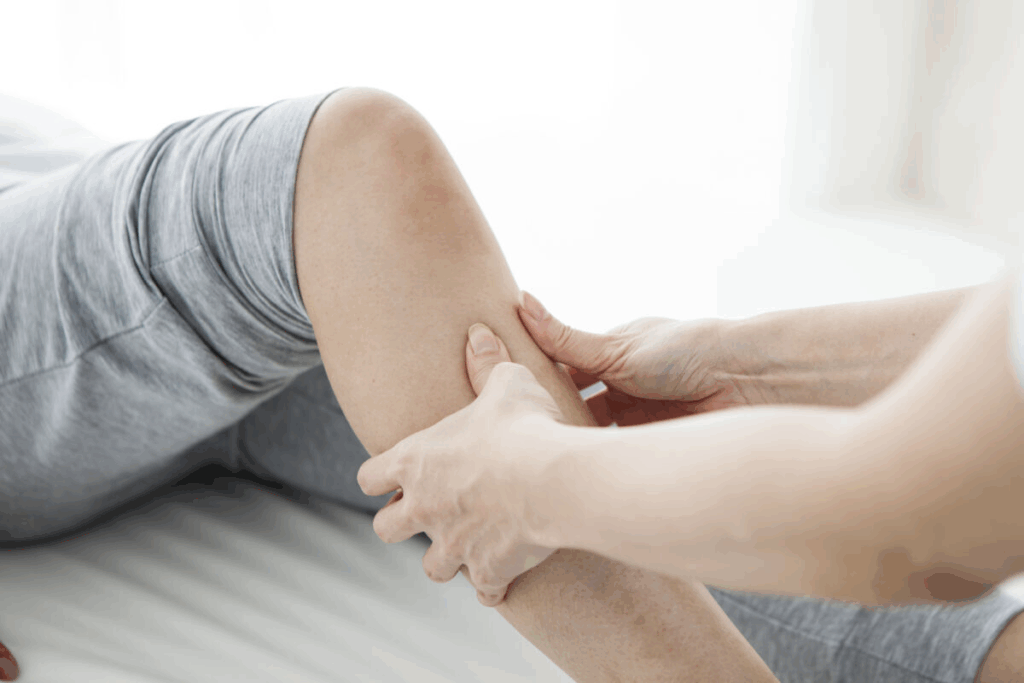
Knowing about bursitis is key to managing it well. It can hurt and make it hard to do everyday things.
What is a Bursa and How Does it Function?
A bursa is a small, fluid-filled sac. It cushions bones, tendons, and muscles, making movement smooth. They are found where tendons and muscles slide over bones. The proper functioning of bursae is vital for pain-free movement and avoiding inflammation.
Common Causes of Bursitis
Bursitis often comes from repetitive motion or direct trauma to the area. Activities like throwing or cycling can cause it. Also, conditions like rheumatoid arthritis or gout can lead to bursitis. Knowing the underlying causes is key to treating it well.
- Repetitive motion or overuse
- Direct trauma or injury
- Infection
- Rheumatoid arthritis or other inflammatory conditions
Recognizing Bursitis Symptoms
The signs of bursitis depend on where and how bad it is. Common signs are pain, swelling, and limited mobility in the area. Sometimes, the skin over the bursa gets red and warm. Spotting these symptoms early helps get medical help quickly.
Bursitis can really affect daily life. It’s important to know its causes, symptoms, and effects. By tackling the root cause and using the right treatment, people can ease their bursitis symptoms.
Types of Bursitis and Affected Areas

Knowing the different types of bursitis is key to getting the right treatment. Bursitis can happen in many parts of the body. Each area has its own set of challenges and symptoms.
Hip Bursitis
Hip bursitis is a common issue that affects the bursae around the hip. There are two main types: trochanteric and ischial.
Trochanteric Bursitis: This type affects the bursa near the greater trochanter, the bony part on the outside of the hip. It causes pain on the outer hip and thigh.
Ischial Bursitis: Also known as ischiogluteal bursitis, it affects the bursa near the ischial tuberosity, the bony part in the buttock. It hurts when sitting or lying on it.
Shoulder Bursitis
Shoulder bursitis, mainly subacromial bursitis, is very common. The subacromial bursa is between the acromion (a part of the shoulder blade) and the rotator cuff tendons. Inflammation here can cause shoulder pain and limited movement.
Other Common Bursitis Locations
Bursitis can also happen in other areas, including:
- Knee: Prepatellar bursitis, also known as housemaid’s knee, is common among those who often kneel.
- Elbow: Olecranon bursitis affects the bursa at the back of the elbow, leading to swelling.
- Ankle: Retrocalcaneal bursitis causes pain at the back of the heel.
Each type of bursitis has its own causes and symptoms. This means treatment needs to be tailored to each case.
Traditional Treatment Approaches for Bursitis
Traditional treatments for bursitis are key to managing the condition. These methods are often the first choice for treating bursitis symptoms.
Rest and Activity Modification
Rest and changing how you do things are important steps in treating bursitis. It’s best to avoid activities that make the problem worse. This lets the bursa heal.
It might mean changing your daily routine or taking breaks to rest the area.
- Avoiding repetitive motions that irritate the bursa
- Using assistive devices to reduce strain on the affected joint
- Modifying exercise routines to avoid exacerbating the condition
Physical Therapy Interventions
Physical therapy is a big part of treating bursitis. A physical therapist can help make the joint more mobile. They can also strengthen the muscles around it and lessen pain.
They might use:
- Stretching exercises to improve flexibility
- Strengthening exercises to support the affected joint
- Manual therapy techniques to reduce pain and inflammation
Over-the-Counter Pain Management
Over-the-counter (OTC) pain relievers are often used to help with bursitis pain and swelling. They are part of a full treatment plan. These might include:
- Nonsteroidal anti-inflammatory drugs (NSAIDs) like ibuprofen
- Acetaminophen for pain relief
By combining rest, physical therapy, and the right pain management, many people can manage their bursitis symptoms. This improves their quality of life.
The Evolution of Bursitis Treatments
Bursitis treatment has changed a lot over time. New medical tech and better understanding of the condition have led to these changes. Looking at the history and recent advances, we see big progress in managing bursitis.
Historical Treatment Methods
Old treatments for bursitis included rest, ice, compression, and elevation (RICE). People also used nonsteroidal anti-inflammatory drugs (NSAIDs) to ease pain and swelling. For worse cases, doctors gave corticosteroid injections to shrink swelling. These methods worked but had their limits, mainly for long-lasting or severe bursitis.
Some old methods were:
- Rest and changing how active you are
- Physical therapy to make joints move better and stronger
- NSAIDs for pain relief
- Corticosteroid injections to reduce swelling
Recent Advances in Bursitis Management
Recently, treatments for bursitis have become more advanced and focused. Now, image-guided injections are used to place medication exactly where it’s needed. New medicines and treatments, like platelet-rich plasma (PRP) injections and hyaluronic acid injections, help with healing and reducing swelling.
Recent advances include:
- Image-guided injections for better accuracy
- PRP therapy to help healing
- Hyaluronic acid injections to improve joint lubrication
- Stem cell therapy for regenerative treatment
Comparing Traditional vs. Modern Approaches
Traditional and modern bursitis treatments differ in key ways. Old methods mainly aimed to manage symptoms. New treatments try to fix the root cause of bursitis and help it heal for good. While old treatments were more general, new ones are tailored to each patient’s needs.
The table below shows the main differences between old and new bursitis treatments:
| Aspect | Traditional Approaches | Modern Approaches |
| Treatment Focus | Symptom management | Addressing underlying causes and promoting healing |
| Method of Delivery | Generalized treatments | Targeted and personalized treatments |
| Technological Integration | Limited use of advanced technology | Use of image-guided procedures and new therapies |
Hip Bursa Injection: The Cornerstone Treatment
Hip bursa injections are a key treatment for bursitis. They help those with hip pain find relief.
Bursitis is when the bursae get inflamed. This can really hurt a person’s life quality. Hip bursa injections aim to cut down inflammation and ease pain.
What is a Hip Bursa Injection?
The injection process is straightforward and designed to cause minimal discomfort to the patient.
The medicine used is a corticosteroid. It’s a strong anti-inflammatory. The goal is to lessen swelling and pain, making it easier to move and feel less pain.
The Injection Procedure Explained
The injection process is straightforward and designed to cause minimal discomfort to the patient.
- The patient lies on their side, with the hip to be treated up.
- The area is cleaned with an antiseptic.
- A local anesthetic might be used to make the procedure less painful.
- With the help of fluoroscopy or ultrasound, the doctor puts the needle in the right spot.
- Then, the medicine is injected into the bursa.
Types of Medications Used in Bursa Injections
The medicines in bursa injections aim to cut down inflammation and pain.
| Medication Type | Purpose | Examples |
| Corticosteroids | Reduce inflammation | Triamcinolone, Methylprednisolone |
| Local Anesthetics | Provide immediate pain relief | Lidocaine, Bupivacaine |
| Hyaluronic Acid | Improve joint lubrication | Sodium Hyaluronate |
Knowing about hip bursa injections helps patients choose their treatment. It’s important to talk to a doctor to find the best treatment.
Specific Types of Bursa Injections
There are different types of bursa injections for managing bursitis. Each one has its own benefits and uses. They are chosen based on where and how severe the bursitis is.
The trochanteric bursa injection helps with hip bursitis, mainly pain on the outer hip. This injection uses a corticosteroid to cut down inflammation and ease pain. It’s a quick procedure that can be done in a clinic without sedation.
” “They offer a less invasive way to get relief from pain.”
Ischial Bursa Injection
The injection process is straightforward and designed to cause minimal discomfort to the patient.
Ischiogluteal Bursa Injection
The injection process is straightforward and designed to cause minimal discomfort to the patient.
Shoulder Bursa Injection Techniques
Shoulder bursa injections help with subacromial bursitis, a common shoulder pain cause. The method involves injecting corticosteroids into the subacromial bursa to lessen inflammation and aid in healing. Ultrasound guidance is often used to improve the injection’s accuracy.
With so many bursa injections available, doctors can customize treatments for each patient. This ensures effective management of bursitis symptoms.
Cortisone Injections for Bursitis Management
Cortisone injections are a key treatment for bursitis. They help reduce inflammation and pain. They are best for those who haven’t seen results from other treatments.
How Cortisone Works to Reduce Inflammation
Cortisone is a steroid that’s injected into the inflamed bursa. It helps reduce swelling and pain. This lets patients get back to their daily activities faster.
Key benefits of cortisone injections include:
- Rapid reduction in inflammation
- Pain relief
- Minimally invasive procedure
Effectiveness for Different Types of Bursitis
Cortisone injections work for many types of bursitis, like hip, shoulder, and knee. How well they work depends on the condition and the patient’s health. For example, trochanteric bursitis often sees good results.
“Corticosteroid injections are a valuable treatment option for bursitis, providing significant pain relief and improved function.” –
American Journal of Sports Medicine
Pain During Injection: What to Expect
While most people find cortisone injections tolerable, some may feel pain. The pain is usually short-lived. Doctors might use local anesthetics or creams to help.
It’s important for patients to talk about their fears and concerns with their doctor.
New Advancements in Injection Therapies
New injection therapies are changing how we treat bursitis. They offer hope to those suffering. These treatments are more effective and less invasive than before.
Platelet-Rich Plasma (PRP) Injections
PRP injections are becoming popular. They use your own platelet-rich plasma to help heal bursitis. This stimulates your body’s healing process.
These injections help repair and grow new tissue. They work well for chronic bursitis that doesn’t respond to other treatments.
Hyaluronic Acid Injections
Hyaluronic acid injections are a new treatment for hip and shoulder bursitis. Hyaluronic acid is found in our bodies and helps joints move smoothly.
These injections can greatly reduce pain and improve joint movement. They are often used with other treatments for better results.
Stem Cell Therapy for Bursitis
Stem cell therapy is a new way to treat bursitis. It uses stem cells to repair damaged tissues and promote healing.
Early studies show that stem cell therapy can reduce inflammation and improve function. It’s a promising option for those who haven’t found relief with other treatments.
Anti-Swelling Injection Innovations
New anti-swelling injections are being developed. They aim to reduce inflammation and swelling in bursitis. This helps alleviate pain and improves mobility.
New formulas and ways to deliver these injections are being explored. This gives patients more options to manage their condition.
Guided Injection Techniques: Improving Accuracy
Image-guided injections are now the norm for treating bursitis. These advanced methods have greatly boosted the accuracy of injections. This leads to better results for patients.
Ultrasound-Guided Injections
Ultrasound-guided injections use real-time ultrasound to guide the needle. This ensures the medication goes exactly where it needs to. It makes the treatment more effective.
Benefits of Ultrasound-Guided Injections:
- Real-time visualization
- Improved accuracy
- Reduced risk of complications
- Enhanced patient comfort
Fluoroscopy-Assisted Procedures
Fluoroscopy-assisted procedures use a fluoroscope for real-time X-ray images. This guides the needle to the right spot. It’s great for tricky locations.
Key advantages of fluoroscopy-assisted procedures include:
- Precise targeting of the bursa
- Minimally invasive
- Quick recovery time
Benefits of Image-Guided Treatments
Image-guided treatments have many advantages over old methods. They make injections more accurate. This boosts treatment success and cuts down on risks.
| Guided Injection Technique | Benefits | Applications |
| Ultrasound-Guided | Real-time visualization, improved accuracy | Superficial bursae, soft tissue injections |
| Fluoroscopy-Assisted | Precise targeting, minimally invasive | Complex anatomical locations, deep-seated bursae |
Guided injection techniques have greatly improved bursitis treatment. As technology gets better, we’ll see even more progress in this field.
Potential Side Effects of Bursa Injections
It’s important to know the possible side effects of bursa injections before getting one. These injections are usually safe and work well. But, there are some risks you should be aware of.
Common Side Effects and Their Management
Most people do well with bursa injections. But, some might feel pain or swelling at the site. They might also see redness. Sometimes, the steroid can make pain worse for a short time, called a “steroid flare.”
To handle these side effects, you can try simple things. Like using ice to reduce swelling or taking over-the-counter pain meds.
Common Side Effects:
- Pain or discomfort at the injection site
- Swelling or redness
- Steroid flare (temporary increase in pain)
Steroid Injection Side Effects
Steroid injections can cause specific side effects because of the corticosteroid. You might see skin thinning or changes in skin color around the injection site. Rarely, the steroid can affect blood sugar or mood if it gets into the bloodstream.
Rare but Serious Complications
The injection process is straightforward and designed to cause minimal discomfort to the patient.
Hip Bursa Injection Side Effects
Hip bursa injections can have similar side effects to other injections. But, the location can cause specific problems. For example, you might feel discomfort when lying on your side or have trouble walking. It’s key to talk to your doctor about your specific situation and any worries you have.
Comparison of Side Effects:
| Side Effect | Frequency | Management |
| Pain at injection site | Common | Over-the-counter pain relievers, ice |
| Steroid flare | Common | Rest, pain management |
| Infection | Rare | Antibiotics, medical attention |
| Nerve damage | Rare | Medical evaluation, possible surgery |
Recovery After Bursitis Injections
The injection process is straightforward and designed to cause minimal discomfort to the patient.
Post-Injection Care Guidelines
After getting a bursitis injection, it’s important to follow certain care steps. Resting the affected area is key in the first days after the shot. Try to avoid hard work and heavy lifting to let the medicine do its job.
Using ice packs on the area can help with swelling and pain. Also, keep the area clean and dry to avoid infection. Your doctor will give you specific advice based on your situation and the injection you got.
When to Resume Normal Activities
How long it takes to get back to normal varies from person to person and treatment. Usually, people can start getting back to their usual activities in a few days to a week after the shot. But, it’s important to listen to your body and not push too hard. Slowly getting back to activities helps avoid injury and makes recovery smoother.
Follow-up Treatments and Monitoring
The injection process is straightforward and designed to cause minimal discomfort to the patient.
| Recovery Stage | Timeline | Activities |
| Immediate Recovery | 0-3 days | Rest, ice packs, avoid strenuous activities |
| Gradual Return to Activity | 3-7 days | Gradually increase activity levels, gentle exercises |
| Full Recovery | 1-2 weeks | Resume normal activities, consider physical therapy |
By sticking to these guidelines and working with your doctor, you can make the most of your recovery after bursitis injections. This way, you can enjoy lasting relief from bursitis symptoms.
Minimally Invasive Surgical Options for Persistent Bursitis
For those with persistent bursitis, new surgical options offer hope. When other treatments don’t work, surgery can help. We’ll look at these options, their benefits, and what to expect during recovery.
Arthroscopic Bursectomy
Arthroscopic bursectomy is a small surgery to remove the inflamed bursa. It’s great for the hip, shoulder, and knee. Surgeons use a tiny camera and tools to see and remove the bursa without harming much tissue.
This method has many advantages. It means less pain, quicker healing, and smaller scars. Often, patients go home the same day after this surgery.
Endoscopic Procedures
Endoscopic procedures use a small camera to see the bursa and nearby areas. This allows for precise removal of the bursa, with less damage to other tissues. It’s good for hard-to-reach areas.
One big plus is the small incisions. This leads to less pain and faster healing.
Recovery Expectations After Surgical Intervention
Recovery times vary with each surgery and patient. But, these new methods usually mean a quicker recovery than old-school surgeries.
After surgery, you’ll need to manage pain, do physical therapy, and slowly get back to normal. Following a good rehab plan helps a lot.
| Procedure | Recovery Time | Postoperative Pain Level |
| Arthroscopic Bursectomy | 2-6 weeks | Mild to Moderate |
| Endoscopic Bursectomy | 2-4 weeks | Mild |
Keep in mind, everyone heals differently. Your recovery depends on your health, how bad the bursitis is, and following your doctor’s advice.
Alternative and Complementary Treatments
Looking for ways beyond traditional treatments? Alternative options for bursitis offer hope. It’s key to explore various therapies that can work alongside standard treatments.
Therapeutic Exercises for Bursitis
Therapeutic exercises are vital for managing bursitis. Gentle stretches and strengthening moves can boost joint mobility and cut down inflammation. Always talk to a healthcare expert to create a tailored exercise plan.
Examples of therapeutic exercises include:
- Range-of-motion exercises to keep joints flexible
- Strengthening exercises to support the joint
- Low-impact aerobic exercises for better health
Acupuncture and Dry Needling
Acupuncture and dry needling are promising treatments for bursitis. These methods involve inserting thin needles into body points to stimulate healing and ease pain.
Benefits of acupuncture and dry needling include:
- Pain relief
- Reduced inflammation
- Improved function
Therapeutic Ultrasound and Other Modalities
Therapeutic ultrasound is a non-invasive way to treat bursitis. It uses sound waves to aid in healing, reduce inflammation, and ease pain.
| Therapy | Description | Benefits |
| Therapeutic Ultrasound | Uses sound waves to promote healing | Reduces inflammation, relieves pain |
| Acupuncture | Involves inserting needles into specific body points | Pain relief, reduced inflammation |
| Dry Needling | Similar to acupuncture, focuses on trigger points | Pain relief, improved function |
Preventive Strategies to Avoid Recurrence
To prevent bursitis from coming back, make lifestyle changes and take proactive steps. Keep a healthy weight, avoid repetitive motions, and exercise regularly.
Additional preventive strategies include:
- Use proper techniques in activities
- Wear the right protective gear
- Manage conditions that may lead to bursitis
Conclusion: The Future of Bursitis Treatment
Bursitis treatment has made big strides, bringing hope to those with this painful condition. New hip injection methods and treatments have greatly improved patient outcomes. They offer effective relief from hip pain.
The future of treating bursitis is bright, with ongoing research in PRP, hyaluronic acid, and stem cell therapy. These advancements will keep improving treatment choices. This means healthcare providers can offer more personalized and effective care.
More innovations in guided injection techniques are on the horizon. This includes ultrasound and fluoroscopy-assisted procedures. These will make treatments like hip injections even more precise. As the field grows, patients can look forward to better symptom management and a higher quality of life.
Healthcare providers are committed to keeping up with these advancements. This ensures patients get the best bursitis treatment, tailored to their needs. With ongoing research, the outlook for those with bursitis is getting brighter. A better future is in sight for those affected by this condition.
FAQ
What is bursitis and how is it treated?
Bursitis is when a bursa, a fluid-filled sac, gets inflamed. It cushions joints and reduces friction. Treatment includes rest, physical therapy, and pain management. Injections like cortisone or hyaluronic acid are also used.
What is a hip bursa injection?
The injection process is straightforward and designed to cause minimal discomfort to the patient.
The pain from hip bursa injections can vary. Some people might feel pain during the injection. But, this pain is usually managed with local anesthesia or other pain relief.
What are the side effects of steroid injections in the hip or bum?
Steroid injections can cause pain at the injection site, skin thinning, and temporary symptom flare-ups. Rare but serious complications include infection or nerve damage.
How long does it take to recover from a hip bursitis injection?
Recovery time varies, but most people can get back to normal in a few days. It’s important to follow the post-injection care guidelines for proper healing.
What is the difference between trochanteric and ischial bursitis?
Trochanteric bursitis affects the bursa near the greater trochanter of the femur, causing pain on the outside of the hip. Ischial bursitis affects the bursa near the ischial tuberosity, causing pain in the buttock area.
Can cortisone injections be used for shoulder bursitis?
Yes, cortisone injections are often used to treat shoulder bursitis. They reduce inflammation and relieve pain.
What are the new advancements in injection therapies for bursitis?
New advancements include PRP injections, hyaluronic acid injections, and stem cell therapy. These aim to promote healing and reduce inflammation.
How do guided injection techniques improve bursitis treatment?
Guided injection techniques, like ultrasound-guided or fluoroscopy-assisted injections, ensure the medication goes directly to the affected bursa. This improves treatment accuracy.
Are there alternative treatments for bursitis beside injections?
Yes, alternative treatments include exercises, acupuncture, dry needling, and therapeutic ultrasound. These can help manage symptoms and prevent recurrence.
When is surgical intervention considered for bursitis?
Surgery, like arthroscopic bursectomy or endoscopic procedures, is considered for persistent bursitis that doesn’t respond to conservative treatments.
Can bursitis be prevented?
Preventive strategies include avoiding repetitive motions, maintaining a healthy weight, and doing exercises that strengthen the muscles around the affected joint.
References
- American Academy of Family Physicians. (2017). Common superficial bursitis. American Family Physician, 95(4), 224-234. https://www.aafp.org/pubs/afp/issues/2017/0215/p224.html