

Nearly 300,000 heart valve surgeries are done every year worldwide. Many patients wonder about their life expectancy after the surgery.What is the leaking heart valve life expectancy? Get the amazing and positive facts on powerful long-term survival after surgery today.
Knowing your life expectancy after heart valve surgery is key for patients and their families. The type of surgery, your overall health, and conditions like valve regurgitation affect your outcome.
We will look into these factors. We’ll also share what impacts life expectancy for those who’ve had heart valve surgery.
Key Takeaways
- Life expectancy after heart valve surgery varies based on several factors.
- The type of valve surgery and overall patient health are critical determinants.
- Understanding valve regurgitation and its impact is essential.
- Post-surgery care and management significantly influence life expectancy.
- Advancements in surgical techniques and patient care are improving outcomes.
Understanding Heart Valve Disease and Its Impact
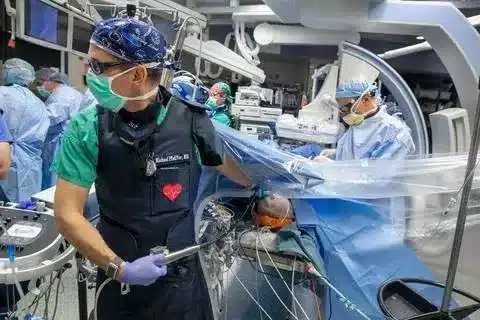
Heart valve disease is a serious condition that affects millions worldwide. It makes it hard for the heart to work right. This happens when one or more heart valves don’t work as they should, blocking blood flow.
Common Types of Heart Valve Problems
There are several types of heart valve problems. Valve stenosis makes the valve narrow, and valve regurgitation makes it leak. Valve regurgitation, or a leaking valve, is a common issue that can lead to significant health concerns if not managed properly. Knowing the type of valve problem is key to finding the right treatment.
“The diagnosis of heart valve disease can be daunting, but with the right treatment and management, many individuals can lead active lives,” says a leading cardiologist.
How Valve Disease Affects Heart Function
Valve disease can greatly affect heart function by changing blood flow. A diseased valve makes the heart work harder, which can lead to heart failure if not treated. The heart’s ability to pump blood efficiently is compromised, leading to various symptoms and complications.
- Reduced cardiac output
- Increased risk of heart failure
- Potential for arrhythmias
Signs and Symptoms of Valve Deterioration
It’s important to recognize the signs and symptoms of valve deterioration early. Common symptoms include shortness of breath, fatigue, and swelling in the legs. Monitoring these symptoms and reporting them to a healthcare provider can help in managing the condition effectively.
Managing leaking heart valves involves medical treatment, lifestyle changes, and sometimes surgery. Understanding the heart valve leak prognosis and exploring leaking valve treatment options are essential steps in addressing the condition.
Leaking Heart Valve Life Expectancy: What the Data Shows

Knowing how long someone with a leaking heart valve might live is key. A leaking heart valve lets blood flow backward because the valve doesn’t close right. This can cause serious problems, like heart failure, if not treated.
Mild Valve Leakage Prognosis
People with mild valve leakage often do well. Research shows they can live active lives with few symptoms. Their life span might not be much shorter. But, seeing a cardiologist regularly is important to keep an eye on the condition.
Moderate to Severe Leakage Outcomes
For those with moderate to severe leakage, the outlook is less good. The heart works harder, which can cause it to grow and fail. Their life expectancy might be shorter, and surgery could be needed.
Risk Factors for Rapid Progression
Some things can make valve leakage get worse faster. These include being older, having other heart issues, high blood pressure, and heart attack history. Managing these risks can slow down the leakage’s progress.
Comparing Different Valve Types
The type of valve that leaks affects the outcome. For example, mitral and aortic valve leaks have different impacts. Knowing which valve is leaking is vital for treatment and predicting life expectancy.
Types of Heart Valve Surgeries and Procedures
It’s important to know about the different heart valve surgeries and procedures. This knowledge helps in making the right choices for care. Heart valve disease treatment has grown, with many surgical options to fix valve problems.
Valve Repair Techniques
Valve repair is often chosen when it’s possible. It keeps the patient’s own valve tissue. We use several methods to repair heart valves, including:
- Annuloplasty: Repairing the ring around the valve
- Leaflet repair: Fixing the valve leaflets
- Chordal replacement: Replacing the chords that support the valve
These methods can be used alone or together to fix the valve. Valve repair is good for patients with certain valve diseases. It lowers the risk of problems that come with valve replacement.
Valve Replacement Options
When repair isn’t possible, valve replacement is needed. We have two main types of valve replacement:
|
Valve Type |
Description |
Benefits |
|---|---|---|
|
Mechanical Valves |
Made from durable materials like titanium |
Long-lasting, but requires lifelong anticoagulation therapy |
|
Bioprosthetic Valves |
Made from animal tissue |
Less likely to require anticoagulation therapy, but may need replacement sooner |
The choice between mechanical and bioprosthetic valves depends on many factors. These include the patient’s age, lifestyle, and health conditions.
Minimally Invasive Approaches
Minimally invasive heart valve surgery uses smaller cuts than traditional surgery. This method can lead to:
- Less pain
- Shorter hospital stays
- Faster recovery times
We keep improving our techniques and technology for better patient outcomes. Knowing the leaking valve treatment options and treatment options for valve leakage helps patients make informed choices.
Effectively managing leaky heart valves needs a complete approach, including the right surgery. Our team is committed to giving personalized care and support during treatment.
Life Expectancy After Heart Valve Surgery: Statistical Overview
Knowing how long you might live after heart valve surgery is key for both patients and doctors. Looking at life expectancy after surgery gives us important insights. It helps us choose the best treatments for our patients.
Short-term Survival Rates (1-5 years)
Survival rates after heart valve surgery have gotten better over time. The 1-year survival rate is about 90%. The 5-year rate is between 75% and 85%. These numbers depend on the patient’s age, health, and the surgery type.
Long-term Survival Rates (10+ years)
Long-term survival rates give us a fuller picture of surgery outcomes. The 10-year survival rate is roughly 60% to 70%. Many factors, like the valve type and the patient’s health, affect these rates.
Comparison to General Population
Comparing patients after heart valve surgery to the general population shows a gap. But, thanks to better surgery and care, this gap is getting smaller. People who have successful surgery can live for many years. Their life expectancy might be a bit lower than others without heart valve disease.
Differences Between Repair vs. Replacement Outcomes
The choice between repairing or replacing a valve matters a lot. Repairing a valve often leads to better survival rates than replacement. This is because repair keeps the patient’s own valve tissue. It also means avoiding the need for blood thinners with mechanical valves.
|
Surgery Type |
1-Year Survival Rate |
5-Year Survival Rate |
10-Year Survival Rate |
|---|---|---|---|
|
Valve Repair |
92% |
80% |
65% |
|
Valve Replacement |
88% |
75% |
60% |
These numbers show how vital personalized care is. They remind us of the need for ongoing monitoring. This helps ensure the best outcomes for those having heart valve surgery.
Factors Affecting Post-Surgical Life Expectancy
It’s important to know what affects life after heart valve surgery. Both patients and doctors need to understand these factors. They help predict how well someone will do after surgery.
Age at Time of Surgery
The age of the patient is a big factor in life expectancy after surgery. Older people might face more risks because of other health issues. Research shows that younger patients usually do better in the long run.
Pre-existing Health Conditions
Health problems like diabetes and high blood pressure can affect life expectancy. It’s key to manage these conditions well before and after surgery. Patients with fewer health issues tend to do better.
Type of Valve Used
The type of valve used in surgery matters. Mechanical valves last longer but need lifelong blood thinners. Bioprosthetic valves don’t last as long but are safer for bleeding. The choice depends on the patient’s age and lifestyle.
Surgical Approach
The surgery method can change recovery time and risks. Less invasive surgeries are often quicker and cause less harm. This can lead to better survival rates in the long run.
|
Factor |
Impact on Life Expectancy |
|---|---|
|
Age at Surgery |
Younger patients tend to have better long-term survival rates. |
|
Pre-existing Conditions |
Managing conditions like diabetes and hypertension is key for better outcomes. |
|
Type of Valve |
Mechanical valves are durable, while bioprosthetic valves reduce bleeding risks. |
|
Surgical Approach |
Minimally invasive surgeries can lead to shorter hospital stays and fewer complications. |
Recovery Timeline After Heart Valve Surgery
The journey to recovery after heart valve surgery has many stages. Each stage has its own challenges and milestones. Knowing these stages helps patients and their caregivers prepare for what’s ahead.
Hospital Stay and Immediate Recovery
The first part of recovery happens in the hospital. Here, patients are watched closely for any problems. They usually stay for 5 to 7 days.
During this time, the medical team manages pain and checks the heart’s function. They make sure the patient is recovering well.
When patients go home, they learn how to care for themselves. This includes wound care, taking medicine, and watching for signs of trouble.
First Three Months Post-Surgery
The first three months are very important for recovery. Patients start to do more physical activities slowly, with their doctor’s help. Feeling tired is common but usually gets better with time.
Regular check-ups are key during this time. They help track how well the heart is healing and how the valve is working.
Long-term Recovery Milestones
After the first three months, patients reach important milestones. They see their heart function improve, their stamina increase, and they can do more things again.
It’s important to keep going to follow-up appointments. This helps keep an eye on heart health and deals with any issues that come up.
Physical Rehabilitation Process
Physical rehab is a big part of getting better. It helps patients get stronger and improves their heart health. A rehab program, which includes exercise and advice on lifestyle, is usually recommended.
|
Recovery Stage |
Typical Duration |
Key Activities |
|---|---|---|
|
Hospital Stay |
5-7 days |
Monitoring, pain management, initial recovery |
|
Immediate Post-Surgery |
0-3 months |
Gradual increase in physical activity, follow-up appointments |
|
Long-term Recovery |
3-6 months and beyond |
Continued rehabilitation, return to normal activities |
By knowing the recovery timeline and taking part in rehab, patients can get the best results from heart valve surgery.
Potential Complications Affecting Long-Term Outcomes
After heart valve surgery, patients face possible complications that can affect their recovery. This surgery is a lifesaver, but knowing about these complications is key for good care.
Early Complications
Early issues might include bleeding, infection, and reactions to anesthesia. It’s important to watch these closely to keep patients safe and help them recover well.
Late Complications
Complications can also show up later, like prosthetic valve dysfunction or recurrence of valve leakage. Knowing about these late complications helps manage them better.
Managing Complications Effectively
Handling complications well needs a team effort. This includes regular check-ups, watching for signs, and living a healthy lifestyle. Patient education is also vital, helping people spot problems early.
Understanding and managing complications after heart valve surgery can greatly improve long-term results. We stress the need for thorough care and teaching patients to navigate these challenges.
Heart Valve Leak Prognosis: Before and After Intervention
Medical technology has greatly improved how we treat heart valve leaks. This has led to better outcomes for patients.
Natural History of Untreated Valve Leakage
Heart valve leaks can cause serious problems like heart failure and arrhythmias. Without treatment, they can even be fatal. The outcome depends on how bad the leak is and the patient’s health.
Key factors influencing the natural history include:
- The severity of the valve leakage
- The presence of symptoms
- The patient’s age and overall health
Improvement in Prognosis After Repair
Fixing a leaking heart valve can greatly improve a patient’s outlook. Repairing the valve is often the first choice. It keeps the patient’s own valve and lowers the risk of problems.
Benefits of valve repair include:
- Lower risk of complications
- Reduced need for anticoagulation therapy
- Improved long-term survival rates
Improvement in Prognosis After Replacement
When repair isn’t an option, replacing the valve is a good alternative. New prosthetic valves work better and last longer. This improves the patient’s life and how long they can live.
Advantages of valve replacement include:
- Effective correction of valve leakage
- Improved heart function
- Enhanced long-term survival
Factors That Influence Successful Outcomes
Many things can affect how well treatment works for heart valve leaks. Knowing these factors is key to the best results.
Key factors include:
- The patient’s overall health and comorbidities
- The expertise of the surgical team
- Post-operative care and rehabilitation
By focusing on these factors and using new medical technology, we can greatly improve the outlook for those with heart valve leaks.
Living with a Leaking Heart Valve: Management Strategies
Living with a leaking heart valve can be tough, but the right strategies can help. A leaky heart valve, or mitral regurgitation, needs a detailed plan for the best health. This plan helps you stay active and healthy.
Medical Management Options
Medical care is key for managing a leaky heart valve. Regular visits to a cardiologist are important. They check how the condition is doing and adjust treatment plans as needed. Medications can help with symptoms like high blood pressure or heart failure.
Key medical management strategies include:
- Regular echocardiograms to assess valve function
- Monitoring for signs of heart failure
- Adjusting medications as needed
Lifestyle Modifications
Changing your lifestyle is also important. These changes can help manage symptoms and improve health. Key lifestyle adjustments include:
- Maintaining a healthy weight
- Engaging in regular, moderate exercise
- Eating a balanced diet low in sodium
- Avoiding smoking and excessive alcohol consumption
Monitoring and Follow-up Care
Regular monitoring and follow-up care are vital for those with a leaky heart valve. Regular visits to healthcare providers are important. They help catch any changes in the condition early.
Effective monitoring involves:
- Regular cardiologist visits
- Periodic echocardiograms
- Being aware of changes in symptoms or overall health
Medication Considerations
Medications may be needed to manage symptoms of a leaky heart valve. The type and amount of medication depend on the individual’s condition and health.
Common medications used include:
- Diuretics to reduce fluid buildup
- ACE inhibitors to lower blood pressure
- Beta-blockers to reduce heart rate and strain
By using these strategies, people with a leaky heart valve can live better lives. They can also slow down the condition’s progress.
Coping with Valve Leakage Prognosis: Emotional and Psychological Aspects
Dealing with valve leakage needs more than just medical knowledge. It also requires emotional strength and support. This condition, known as mitral regurgitation, affects the heart’s mitral valve. It lets blood leak back, causing symptoms and complications that impact both physical and mental health.
Dealing with Diagnosis Anxiety
Getting a valve leakage diagnosis can be scary. People worry about the disease’s future, surgery needs, and daily life effects. It’s key for doctors to offer both medical advice and emotional support.
We suggest patients ask about their condition, treatment choices, and recovery. Knowing what’s happening can help lessen anxiety.
Support Systems and Resources
Having a strong support network is essential for valve leakage patients. Family, friends, and groups offer emotional support and practical help. We encourage patients to reach out and share their feelings and worries.
Many organizations provide heart patient support. They offer counseling, educational materials, and online forums.
Mental Health Considerations
The mental effects of valve leakage shouldn’t be ignored. Anxiety, depression, and stress are common. It’s important to watch mental health and seek help when needed.
Support can include therapy, counseling, and sometimes medication. Stress-reducing activities like meditation or hobbies are also helpful.
Finding Balance in Daily Life
Living with valve leakage means finding a balance. Patients should stay informed, follow treatment plans, and make lifestyle changes.
Regular exercise, a healthy diet, and not smoking are key. Taking care of mental health and managing stress are also important.
|
Aspect |
Recommendations |
|---|---|
|
Dealing with Diagnosis Anxiety |
Understand the diagnosis, ask questions, and seek emotional support. |
|
Support Systems and Resources |
Utilize family, friends, support groups, and organizational resources. |
|
Mental Health Considerations |
Monitor mental health, seek professional help, and engage in stress-reducing activities. |
|
Finding Balance in Daily Life |
Stay informed, adhere to treatment plans, and make healthy lifestyle choices. |
Quality of Life After Valve Surgery
After heart valve surgery, patients often wonder about their future quality of life. The surgery’s impact on daily life is significant. Knowing the factors involved helps manage expectations and improve outcomes.
Physical Capabilities and Limitations
Patients worry about their physical health after surgery. Most see an improvement in their physical health. But, the extent of this improvement varies.
Factors like the surgery type, overall health, and age at surgery play a role. Patients are usually advised to avoid heavy lifting and strenuous activities for weeks. As they recover, they can gradually return to normal activities, including exercise, under their doctor’s guidance.
Return to Work and Normal Activities
The time to return to work or normal activities varies. It depends on the job type, health, and surgery type. For many, it takes a few weeks to a few months.
- Desk jobs: Often, patients can return to desk jobs within 2-4 weeks.
- Manual labor: Those with jobs involving manual labor may need 3-6 months or more before returning to work.
Travel and Lifestyle Considerations
Traveling after surgery is generally okay, but wait and consult a doctor first. Patients need ongoing medical care and should plan for this when traveling.
|
Travel Considerations |
Recommendations |
|---|---|
|
Waiting Period |
Typically 4-6 weeks after surgery |
|
Medical Care |
Research local healthcare facilities at your destination |
|
Travel Insurance |
Consider purchasing travel insurance that covers medical emergencies |
Patient Satisfaction Studies
Many studies show high patient satisfaction after heart valve surgery. Patients report better symptoms, physical function, and quality of life. These outcomes depend on the surgery type, pre-surgical health, and post-surgical care.
Understanding these aspects helps patients navigate their journey after surgery. They can make informed decisions about their care and improve their quality of life.
Advances in Heart Valve Surgery Improving Survival Rates
Recent breakthroughs in heart valve surgery have greatly improved patient results and survival chances. With ongoing innovation, patients facing heart valve problems now have many effective treatment options.
Transcatheter Procedures
Transcatheter heart valve procedures have changed the game by providing less invasive alternatives to traditional surgery. These methods use catheters to place new valves in the heart. This approach cuts down on recovery time and risk.
Benefits of Transcatheter Procedures:
- Less invasive, resulting in smaller incisions
- Reduced risk of complications
- Shorter hospital stays and recovery times
- Less pain and discomfort for patients
A study in the Journal of the American College of Cardiology found TAVR to be very effective. It showed a big drop in death rates for patients with severe aortic stenosis compared to old surgical methods.
Robotic-Assisted Surgery
Robotic-assisted heart valve surgery is another big step forward. It allows for more precise and controlled operations. This technology helps surgeons do complex tasks with better accuracy, possibly leading to better results.
“Robotic-assisted surgery has the power to make heart valve repair and replacement even less invasive. This could lead to quicker recoveries and happier patients.” – A Cardiothoracic Surgeon
|
Procedure |
Benefits |
Outcomes |
|---|---|---|
|
Robotic-Assisted Valve Repair |
Enhanced precision, less invasive |
Improved accuracy, faster recovery |
|
Traditional Valve Replacement |
Established technique, wide applicability |
Proven long-term outcomes, higher risk of complications |
Tissue Engineering and Valve Innovation
Tissue engineering is key in creating new heart valve solutions. It aims to make valves that can grow and adapt with the patient. This could lead to more lasting and effective repairs.
Scientists are looking into different methods, like biomaterials and stem cells, to make functional tissue-engineered heart valves. These efforts could greatly improve the outlook for patients having heart valve surgery.
Artificial Intelligence in Treatment Planning
Artificial intelligence (AI) is being used in planning heart valve surgery treatments. It helps tailor care to each patient for better results. AI analyzes complex data to find the best treatment plans.
By using AI, we can better predict patient outcomes and make smarter treatment choices. This mix of technology and medicine is changing cardiovascular care.
As we keep pushing forward, the future of heart valve surgery looks bright. We can expect better survival rates and quality of life for patients all over the world.
Treatment Options for Valve Leakage: Comparative Outcomes
Understanding the different treatments for valve leakage is key to making good choices. Valve leakage happens when the heart valve doesn’t close right, letting blood flow back. It can be mild or severe, needing different treatments based on its level and the patient’s health.
Watchful Waiting Approach
The watchful waiting method means keeping a close eye on the patient without acting right away. It’s used for mild leakage where symptoms are not bad. Regular check-ups and echocardiograms are needed to watch the leakage.
Benefits: It avoids risky surgeries and treatments.
Considerations: It needs regular checks to catch worsening leakage.
Medical Therapy Results
Medical therapy aims to manage symptoms and slow leakage. It might include drugs to control blood pressure or heart rate. How well it works depends on the leakage’s severity and how the patient responds.
Surgical Intervention Outcomes
Surgery, like repair or replacement, is for severe leakage or when symptoms are bad. Thanks to new techniques and tools, surgery’s results have gotten better.
- Valve repair keeps the patient’s own valve tissue.
- Valve replacement uses a new mechanical or bioprosthetic valve.
Minimally Invasive Procedure Results
Minimally invasive procedures are a less invasive option than open-heart surgery. They can be used for repair or replacement, depending on the patient and surgeon. These procedures aim to reduce recovery time and risks.
Advantages: They use smaller cuts, cause less damage, and might lead to quicker healing.
By looking at these options, people can choose the best care for themselves. The right choice depends on the leakage’s severity, the patient’s health, and personal wishes.
When to Seek Medical Help for Heart Valve Issues
Knowing when to get medical help is key to managing heart valve problems. If you have a leaking heart valve, staying alert and acting fast is important. Knowing the signs for urgent care can greatly affect your heart valve issues life expectancy.
Warning Signs That Require Immediate Attention
Certain symptoms mean you need to see a doctor right away. These include:
- Severe chest pain or discomfort
- Shortness of breath, with dizziness or fainting
- Swelling in the legs, ankles, or feet
- Palpitations or irregular heartbeats
- Fever or signs of infection
Regular Monitoring Guidelines
Seeing your cardiologist regularly is important for heart valve disease. How often you go depends on how bad your condition is. People with mild problems might see their doctor every 2-3 years. Those with more serious issues might need to go more often.
|
Valve Condition |
Monitoring Frequency |
|---|---|
|
Mild Valve Leakage |
Every 2-3 years |
|
Moderate Valve Leakage |
Every 1-2 years |
|
Severe Valve Leakage |
Every 6-12 months |
Questions to Ask Your Cardiologist
Being ready for your cardiologist visits can help a lot. Ask questions like:
- What’s the latest on my heart valve condition?
- Are there any changes I should know about?
- What’s the best way to manage my valve issue?
- Are there new symptoms I should watch for?
- How might my condition affect my life expectancy, and what can I do to improve it?
Second Opinion Considerations
Getting a second opinion can give you more insight into your condition and treatment options. It’s a good idea if you’re facing a big decision or aren’t happy with your current treatment. A second opinion can offer peace of mind and might suggest new ways to manage your leaky heart valve.
In summary, being proactive and informed is key to managing heart valve issues. By knowing when to seek medical help, staying on top of regular monitoring, and working closely with your healthcare team, you can improve your care and quality of life.
Heart Valve Leakage Survival Rate: Latest Research Findings
Many studies have looked into how long people live with heart valve leakage. They’ve found important details about what affects survival and what treatments work best. This research has really helped us understand this condition better.
Recent Clinical Studies
Recent studies have focused on how long people live with heart valve leakage. A study in the Journal of the American College of Cardiology showed that surgery can greatly improve survival rates. This is compared to not having surgery.
Another study in the European Heart Journal found that a new treatment called TEER can help. It makes people live longer and go to the hospital less for heart problems.
|
Study |
Intervention |
Survival Rate Improvement |
|---|---|---|
|
Journal of the American College of Cardiology |
Surgical Intervention for Mitral Regurgitation |
Significant improvement in survival rates |
|
European Heart Journal |
Transcatheter Edge-to-Edge Repair (TEER) |
Improved survival and reduced heart failure hospitalization |
Emerging Predictive Factors
New factors are being found that help predict how well someone will do with heart valve leakage. These include things like NT-proBNP levels, how well the heart looks on an echo, and how healthy the person is overall.
NT-proBNP levels are important. High levels mean a worse outlook.
Geographic and Demographic Variations
Survival rates for heart valve leakage can differ a lot depending on where you are and who you are. Studies have shown big differences in outcomes between different ethnic groups and healthcare systems.
A global study found that how well heart valve disease is managed affects survival. Better healthcare access and quality make a big difference.
Future Research Directions
Future research will focus on better treatments and understanding the disease better. This includes new imaging and diagnostic tools, and learning more about the genetics of heart valve disease.
Using artificial intelligence and machine learning will help doctors predict outcomes and tailor treatments for each patient with heart valve leakage.
Conclusion: Navigating Life After Heart Valve Diagnosis
Knowing how long you might live after heart valve surgery is key for those with heart valve disease. We’ve looked at many things that affect how long you might live, like how bad the valve leak is, your overall health, and the surgery type.
To handle leaky heart valves well, you need a full plan. This includes medical care, changing your lifestyle, and keeping an eye on your health. Knowing about life expectancy with heart valve disease helps patients choose the best treatment and care for themselves.
New advancements in heart valve surgery have greatly improved life for patients. We’ve seen how different surgeries, like less invasive ones, can change long-term results. By tackling leaky heart valves early, patients can live longer and better lives.
FAQ
What is the average life expectancy after heart valve surgery?
Life expectancy after heart valve surgery varies. It depends on the surgery type, age, and health before surgery. Most patients live 10 to 20 years or more after surgery.
How does the type of heart valve affect life expectancy?
The type of valve used in surgery affects life expectancy. Mechanical valves last long but need lifelong blood thinners. Biological valves don’t need blood thinners but last less long. The choice depends on the patient’s health and lifestyle.
What are the signs and symptoms of valve deterioration?
Signs of valve problems include shortness of breath and fatigue. You might also feel chest pain, palpitations, or swelling in your legs. Seeing your cardiologist is key if you notice these symptoms.
How does heart valve disease affect overall health?
Heart valve disease can lead to serious health issues. These include heart failure and arrhythmias. Early treatment can help manage these risks and improve your life.
What are the management strategies for living with a leaking heart valve?
Managing a leaking heart valve involves several steps. These include medical treatments, lifestyle changes, and regular check-ups. Your cardiologist will help adjust your treatment plan as needed.
How does age at the time of surgery affect post-surgical life expectancy?
Age at surgery is a big factor in life expectancy after surgery. Older patients face higher risks. But, your overall health and lifestyle also matter a lot.
What are the possible complications after heart valve surgery?
Complications can include bleeding, infection, and stroke right after surgery. Later, you might face valve failure or arrhythmias. Good care and follow-up can help avoid these issues.
How do advances in heart valve surgery improve survival rates?
New techniques like transcatheter procedures and robotic surgery have improved survival rates. These advances offer better treatment options and outcomes for patients.
What are the treatment options for valve leakage, and how do they compare?
Treatments for valve leakage include waiting, medical therapy, and surgery. The right choice depends on the leakage severity and your health. Knowing the outcomes of each option helps in making a decision.
When should I seek medical help for heart valve issues?
Seek help immediately for severe chest pain or breathing trouble. Regular check-ups with your cardiologist are also important for managing heart valve issues.
What are the latest research findings on heart valve leakage survival rates?
Recent studies have found new factors that affect survival rates. They also highlight geographic and demographic differences. Keeping up with research helps patients understand their situation and options.
References
National Center for Biotechnology Information. Evidence-Based Medical Insight. Retrieved from https://pubmed.ncbi.nlm.nih.gov/34823657/