

Can a leaky mitral valve risk cause death? Understand the serious consequences and the crucial need for powerful medical management today. A lot of people around the world have a leaky mitral valve. This condition can cause serious problems if not treated.
If the mitral valve doesn’t close right, it can lead to heart failure. This might even cause sudden death. It’s important to know the risks and how to manage this condition.
The severity of the issue depends on how much regurgitation happens. Severe regurgitation is a big warning sign of possible serious problems.
Key Takeaways
- A leaky mitral valve can lead to serious heart conditions.
- Untreated cases may result in heart failure.
- Severe regurgitation is a significant risk factor.
- Understanding the condition is key to managing it.
- Prompt medical attention can prevent severe outcomes.
Understanding the Mitral Valve and Its Function
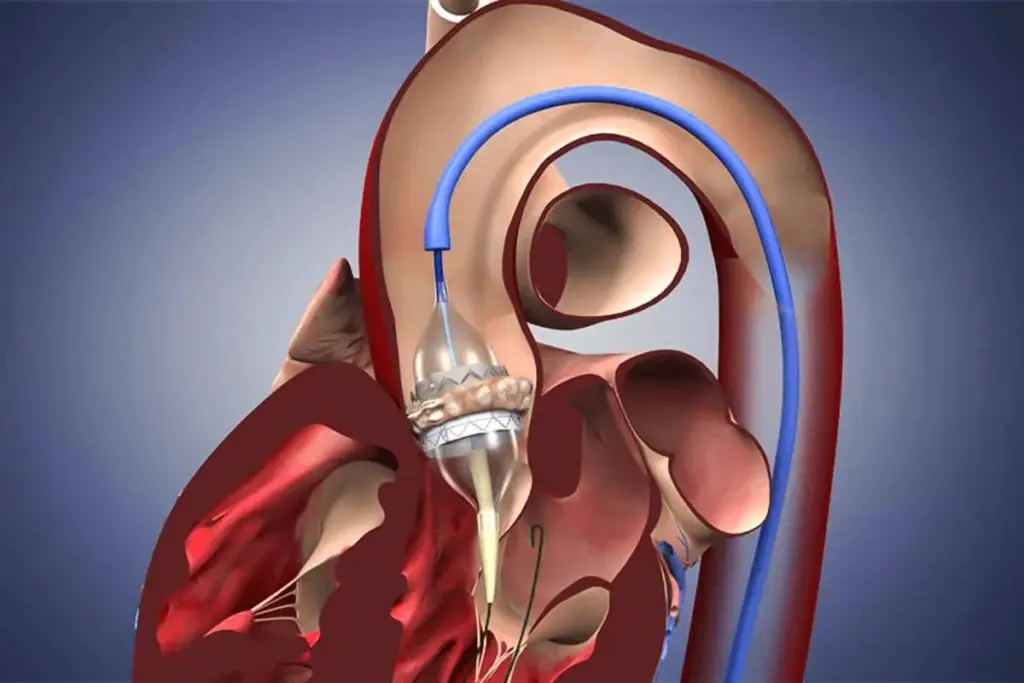
The mitral valve is key to the heart’s health. It stops blood from flowing back into the left atrium. This is vital for the heart to work right and keep the blood flowing smoothly.
Anatomy of the Heart Valves
The heart has four valves, and the mitral valve is one of them. It sits between the left atrium and ventricle. It makes sure blood moves only in one direction.
Normal Mitral Valve Operation
When the heart relaxes, the mitral valve opens. This lets blood move from the left atrium to the left ventricle. Then, when the heart contracts, it closes. This stops blood from going back and ensures it moves forward into the aorta.
Blood Flow Regulation
The mitral valve is essential for controlling blood flow. If it works right, it prevents blood from leaking back into the left atrium. This is called mitral regurgitation.
|
Valve State |
Heart Cycle Phase |
Blood Flow Direction |
|---|---|---|
|
Open |
Diastole |
Left Atrium to Left Ventricle |
|
Closed |
Systole |
Preventing backflow |
What is Mitral Valve Regurgitation?
[PLACE THE IMAGE HERE]
Mitral regurgitation happens when the mitral valve doesn’t close right. This lets blood flow back into the heart. If not treated, it can cause serious problems.
Definition and Mechanism
The mitral valve doesn’t close properly during heartbeats. This lets blood flow back into the left atrium. This can make the left atrium bigger over time.
Primary vs. Secondary Regurgitation
Mitral regurgitation can be either primary or secondary. Primary regurgitation is due to problems with the mitral valve itself. Secondary regurgitation is caused by issues with the left ventricle.
Grading Severity: Mild to Severe
The severity of mitral regurgitation is measured from mild to severe. It depends on how much blood leaks back and how big the leak is. Knowing the severity helps doctors choose the right treatment.
|
Severity Grade |
Regurgitant Volume (mL) |
EROA (cm2) |
|---|---|---|
|
Mild |
<30 |
<0.2 |
|
Moderate |
30-59 |
0.2-0.39 |
|
Severe |
≥60 |
≥0.4 |
Knowing how severe mitral regurgitation is helps doctors choose the best treatment. This can be medicine, surgery, or both.
Common Causes of a Leaky Mitral Valve
Many things can cause a leaky mitral valve. These include degenerative changes and infections. Knowing what causes it helps doctors diagnose and treat it better.
Degenerative Valve Disease
Degenerative valve disease is a big reason for mitral regurgitation, mainly in older people. Over time, the valve can wear out. This can cause the valve leaflets to prolapse or have other problems, leading to leakage.
Rheumatic Heart Disease
Rheumatic heart disease is a complication of rheumatic fever. It can scar and deform the mitral valve. This makes it hard for the valve leaflets to close properly, causing leakage.
Infective Endocarditis
Infective endocarditis is an infection of the heart valves. It can damage the mitral valve, causing regurgitation. It’s important to treat it quickly to avoid more damage.
Congenital Heart Defects
Congenital heart defects, like mitral valve clefts, can also cause leakage. These defects are present at birth. They might be found during childhood or later in life.
Symptoms Associated with Mitral Valve Regurgitation
It’s important to know the symptoms of mitral valve regurgitation early. This condition happens when the mitral valve doesn’t close right. This lets blood leak back into the heart.
Early Warning Signs
Early signs might be mild shortness of breath, fatigue, and palpitations. These signs can be small and might not seem like a big deal at first.
Progressive Symptoms
As the condition gets worse, symptoms get stronger. You might feel more shortness of breath, swelling in your legs and feet, and fatigue that makes it hard to do daily things.
|
Symptom |
Description |
Severity |
|---|---|---|
|
Shortness of Breath |
Difficulty breathing, even when lying down or during activity |
Mild to Severe |
|
Fatigue |
Feeling tired or weak, even after resting |
Mild to Severe |
|
Palpitations |
Irregular or forceful heartbeats |
Mild to Severe |
Emergency Symptoms Requiring Immediate Attention
In serious cases, mitral valve regurgitation can cause acute heart failure. This is shown by severe shortness of breath, rapid weight gain from fluid retention, and confusion or dizziness. You need to see a doctor right away if you have these symptoms.
Leaky Mitral Valve Risk Factors and Complications
Knowing the risk factors for a leaky mitral valve is key to stopping it from getting worse. A leaky mitral valve, or mitral regurgitation, can be caused by many things. These include who you are, your genes, and how you live.
Age and Gender Considerations
Getting older is a big risk factor because the heart valves wear out over time. Men are generally at higher risk than women for developing mitral regurgitation. But, women’s risk goes up after menopause.
Genetic Predisposition
If your family has heart valve problems, you might get a leaky mitral valve too. Genetic conditions like Marfan syndrome can also harm the mitral valve.
Lifestyle Factors
How you live can also play a part. Smoking and not being active can lead to heart problems that might cause mitral regurgitation.
Pre-existing Heart Conditions
Having conditions like high blood pressure and coronary artery disease raises your risk. “Heart conditions can significantly impact the functioning of the mitral valve,” say cardiac specialists.
It’s important to understand these risk factors. This helps manage and prevent the problems that come with a leaky mitral valve.
Can a Leaky Mitral Valve Lead to Death?
A leaky mitral valve, or mitral regurgitation, is a serious heart issue. It can be fatal if not treated. The mitral valve ensures blood flows right through the heart. But when it leaks, blood flows back, straining the heart.
Mortality Statistics in Untreated Cases
Untreated mitral regurgitation raises the risk of death. Mortality rates can be as high as 50% over 5 years in severe cases. It can cause heart failure, a big risk for death.
Sudden Death Risk Factors
Some factors increase sudden death risk in leaky mitral valve patients. These include severe mitral regurgitation, heart failure symptoms, and ventricular arrhythmias history. Knowing these risks helps manage the condition better.
Timeline of Disease Progression
Mitral regurgitation’s progression varies among people. Knowing the typical timeline helps manage it.
Early Stage Prognosis
In early stages, patients might not show symptoms. But as it worsens, symptoms like shortness of breath and fatigue appear.
Advanced Stage Outcomes
In advanced stages, it can cause severe heart failure. This greatly affects life quality and raises mortality risk. Timely medical intervention is key to avoid these outcomes.
Managing a leaky mitral valve starts with early detection and treatment. Understanding the disease’s risks and progression helps patients take action to lessen its impact.
Heart Failure Development from Valve Malfunction
When the mitral valve malfunctions, it can start a chain of events leading to heart failure. This malfunction forces the heart to work harder. It does this to keep blood flowing well, but it can cause changes in the heart’s structure and function.
Increased Workload on the Heart
The heart tries to make up for the mitral valve leakage by working harder. This can make the heart muscle thicken. If this keeps happening, it can lead to heart failure.
Left Atrial and Ventricular Enlargement
Long-term mitral regurgitation makes the left atrium and ventricle get bigger. This can cause atrial fibrillation. It also makes the heart work less efficiently.
Reduced Ejection Fraction
The heart’s structure changes can make it pump blood less efficiently. A lower ejection fraction is a sign of heart failure.
Chronic Oxygen Shortage
The heart’s increased workload and structural changes can lead to a lack of oxygen. This makes it harder for tissues and organs to get the oxygen they need.
It’s important to understand these mechanisms. This helps manage mitral valve regurgitation and prevent heart failure.
Pulmonary Hypertension and Respiratory Complications
Mitral valve regurgitation can cause high blood pressure in the lungs’ arteries. This happens because the heart has to work harder to pump blood. Eventually, the heart fails to pump blood well.
Mechanism of Development
The backflow of blood into the left atrium increases pressure. This pressure is then sent to the lungs. This backflow can lead to elevated pulmonary artery pressure, causing pulmonary hypertension.
Symptoms and Progression
Symptoms include shortness of breath, fatigue, and chest pain. As it gets worse, these symptoms can make life much harder.
Impact on Survival Rates
Pulmonary hypertension makes the outlook for mitral regurgitation patients worse. Studies have shown that it can significantly reduce survival rates by raising the risk of heart failure and other heart problems.
Hospitalization Risk
Pulmonary hypertension in mitral valve regurgitation patients raises the risk of needing to go to the hospital. This is due to heart failure getting worse and other related problems.
Atrial Fibrillation and Blood Clot Formation
Atrial fibrillation, often caused by mitral valve regurgitation, is a big risk for patients. It can lead to blood pooling and stasis in the atria. This increases the chance of blood clots forming.
Connection Between Valve Leakage and Irregular Heartbeat
The mitral valve is key for a normal heart rhythm. If it leaks, it can cause atrial fibrillation. Experts say that “the mitral valve regurgitation can cause an enlargement of the left atrium, which in turn can lead to atrial fibrillation”.
Blood Pooling and Stasis
Blood pooling happens when the heart can’t pump well. In atrial fibrillation, the irregular heartbeat causes blood to pool in the atria. This can lead to clot formation.
Stroke Risk and Systemic Embolism
Blood clots in the atria can cause stroke or systemic embolism if they break loose. This risk is higher in patients with atrial fibrillation due to mitral regurgitation.
Fatal Complications from Clots
In severe cases, clots from atrial fibrillation can be fatal. It’s vital for patients with mitral regurgitation to be watched for atrial fibrillation. They need to be managed well to lower the risk of thromboembolic events.
Diagnosing a Leaky Mitral Valve
To find out if you have a leaky mitral valve, doctors use many steps. They start with a physical check, then use special imaging and tests. This way, they can see how bad the leak is and plan the best treatment.
Physical Examination Findings
A doctor’s first step is a physical check. They listen with a stethoscope for a heart murmur. This sound is a sign of a leaky valve.
The murmur sounds like a whooshing sound. It’s loudest at the heart’s tip and can be heard in the armpit area.
Echocardiography and Advanced Imaging
Echocardiography is a key tool for checking the mitral valve. It shows the heart’s inside and how well it works. This helps doctors see the valve’s shape and how much it leaks.
They might use transesophageal echocardiography (TEE) for clearer views. This method gives them a closer look at the valve.
Laboratory Tests
Doctors also do blood tests and ECGs. These tests check the patient’s overall health. They look for any problems linked to the leaky valve.
Cardiac Catheterization
In some cases, cardiac catheterization is needed. It’s a way to check the heart’s function and the leak’s severity. A thin tube is put into the heart to measure pressures and blood flow.
|
Diagnostic Method |
Description |
Key Findings |
|---|---|---|
|
Physical Examination |
Listening for heart murmurs with a stethoscope |
Holosystolic murmur at the apex |
|
Echocardiography |
Imaging the heart’s structure and function |
Severity of mitral valve regurgitation |
|
Laboratory Tests |
Blood tests and ECGs |
Overall heart health and possible complications |
|
Cardiac Catheterization |
Measuring heart pressures and checking blood flow |
How bad the leak is and heart function |
Treatment Options and Management
Effectively managing mitral valve regurgitation requires a comprehensive and proactive approach tailored to each patient. The right treatment depends on how bad it is, if you have symptoms, and your health.
Medication Approaches
For mild cases, starting with medicine is common. Drugs like diuretics and vasodilators help by reducing blood flow back and easing heart work.
Surgical Repair vs. Replacement
For serious cases, surgery is often needed. You might get your valve fixed or replaced. Fixing it is better if you can, as it keeps your own tissue.
Minimally Invasive Procedures
New, less invasive surgeries and repairs are coming up. They’re faster to recover from than traditional open-heart surgery.
Lifestyle Modifications and Monitoring
Changing your lifestyle is key. Eating well, exercising, and quitting smoking are important. Also, seeing your doctor regularly to adjust your treatment is vital.
Emergency Interventions for Severe Cases
If you have sudden mitral regurgitation or bad symptoms, you might need emergency surgery. Quick medical help is very important to avoid serious problems.
|
Treatment Option |
Description |
Benefits |
|---|---|---|
|
Medication |
Use of drugs to manage symptoms |
Reduces symptoms, improves quality of life |
|
Surgical Repair/Replacement |
Surgical intervention to fix or replace the valve |
Can be curative, improves survival |
|
Minimally Invasive Procedures |
Less invasive surgical techniques |
Quicker recovery, less trauma |
Effective Management of Mitral Valve Regurgitation
Understanding a leaky mitral valve is key to heart health. Mitral valve regurgitation can cause serious problems like heart failure and death if not treated.
Managing mitral regurgitation well can greatly improve life quality. This includes using medicine, making lifestyle changes, and sometimes surgery.
Knowing the symptoms and risks of a leaky mitral valve is important. This way, people can get medical help early. Early treatment can stop the condition from getting worse and lower the risk of complications.
Heart health management needs a full plan, including regular check-ups. With this approach, people with mitral valve regurgitation can live active and happy lives.
FAQ
What is mitral valve regurgitation?
Mitral valve regurgitation happens when the mitral valve doesn’t close right. This lets blood flow back into the heart. It can cause heart failure, high blood pressure in the lungs, and irregular heartbeat.
What are the symptoms of a leaky mitral valve?
Symptoms can be mild or severe. They include shortness of breath, feeling tired, and irregular heartbeats. Severe cases can lead to heart failure and other serious problems.
Can a leaky mitral valve cause death?
Yes, a leaky mitral valve can be deadly if not treated. It can cause sudden death, heart failure, and stroke. The risk is higher with severe cases and untreated conditions.
How is mitral valve regurgitation diagnosed?
Doctors use physical exams, echocardiography, and other tests to diagnose it. These help figure out how bad the problem is and what treatment is needed.
What are the treatment options for a leaky mitral valve?
Treatments include medicines, surgery, and lifestyle changes. The best option depends on how bad the regurgitation is and the patient’s overall health.
Can mitral valve regurgitation lead to atrial fibrillation?
Yes, it can cause atrial fibrillation. This irregular heartbeat increases the risk of blood clots and stroke.
How does mitral valve regurgitation affect the heart?
It can make the heart bigger and work harder. If not treated, it can lead to heart failure and other serious problems.
What are the risk factors for developing a leaky mitral valve?
Risk factors include age, genetics, lifestyle, and heart conditions. Knowing these can help catch and manage the problem early.
Can lifestyle changes help manage mitral valve regurgitation?
Yes, healthy habits like a good weight, regular exercise, and stress management can help manage symptoms and slow the disease.
What is the prognosis for someone with a leaky mitral valve?
The outlook depends on how bad the regurgitation is, how well treatment works, and the heart’s overall health. With proper care, many people can live active lives. But, untreated severe cases can be fatal.
References
The Lancet. Evidence-Based Medical Insight. Retrieved from https://www.thelancet.com/journals/lancet/article/PIIS0140-6736(06)69208-8/fulltext