Radiation can harm different parts of the body in various ways. At livhospital.com, we focus on radiosensitivity to offer top-notch care. We aim to keep our patients safe and healthy.
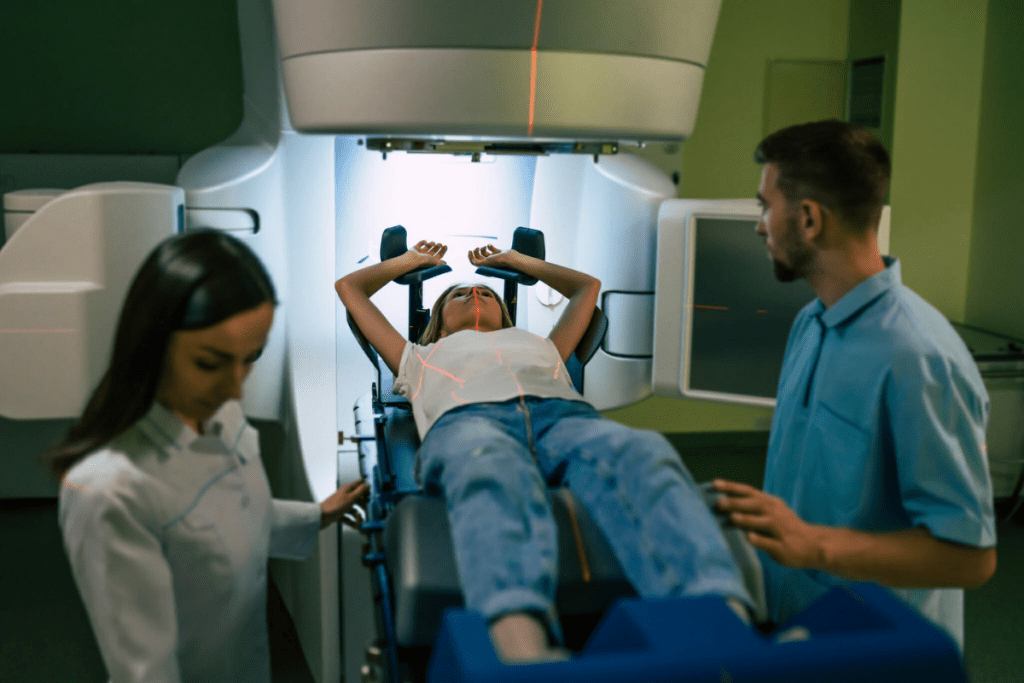
Some organs are more sensitive to radiation than others. This is because of how fast cells grow and how mature they are. The most sensitive areas include the bone marrow, the GI tract, and the reproductive organs. Also, the thyroid, skin, mammary gland, and colon are very sensitive.
When people ask, the least harmful form of ionizing radiation is usually referring to low-energy sources that have minimal penetration power. Among ionizing radiations, alpha particles are often considered the least harmful externally because they cannot penetrate the skin. However, if inhaled or ingested, they can become dangerous. In contrast, beta particles and gamma rays travel deeper into the body and pose higher health risks. Understanding which types of radiation are more harmful is essential for safety in medical imaging, nuclear exposure, and environmental protection. Knowing the least harmful form of ionizing radiation is helps reduce fear and confusion.
Knowing how radiation affects the body is key. It helps us support patients from all over the world better.
Key Takeaways
- Radiosensitivity varies among different organs and tissues.
- The hematopoietic system, GI tract, and reproductive organs are highly sensitive to radiation.
- Understanding radiation effects on the body is critical for quality care.
- Radiation sensitivity is linked to cell growth and maturity.
- Livhospital.com is dedicated to providing world-class healthcare with full support.
Radiation Effects on the Human Body: Basic Principles
Ionizing radiation can harm human cells by changing their DNA. This can lead to cell death or mutations. It’s key to understanding how radiation affects us.
How Radiation Interacts with Living Cells
When radiation hits living cells, it can ionize or excite atoms and molecules. This can damage or kill cells, mainly immature, actively dividing cells. These cells are very sensitive to radiation.
The DNA damage from radiation can cause mutations. This might lead to cancer or other health problems.
Radiation can disrupt how cells work. This can happen through direct or indirect DNA damage. It shows why it’s important to understand how radiation interacts with cells.
Acute vs. Chronic Radiation Exposure
The impact of radiation on the body changes with acute or chronic exposure. Acute radiation exposure means a high dose in a short time. It can cause immediate effects like radiation sickness.
Chronic radiation exposure means lower doses over a long time. It can lead to long-term effects like cancer.
Knowing the difference between acute and chronic exposure is key. It helps us understand the risks of radiation. It also helps us create safety measures.
Factors Determining Organ Radiosensitivity
Many factors decide how much an organ can handle radiation. Knowing these is key to understanding risks from radiation therapy or accidents.
The radiosensitivity of an organ follows certain rules. A major rule is the Law of Bergonié and Tribondeau. It says radiosensitivity depends on cell division rate and cell type.
The Law of Bergonié and Tribondeau
French scientists Bergonié and Tribondeau came up with this law in the early 1900s. It explains why some tissues get hurt more by radiation. Tissues that divide cells quickly are more sensitive to radiation.
Fast-dividing cells are more at risk because they’re busy copying DNA. This makes them more likely to get damaged by radiation. On the other hand, cells that don’t divide much are less sensitive.
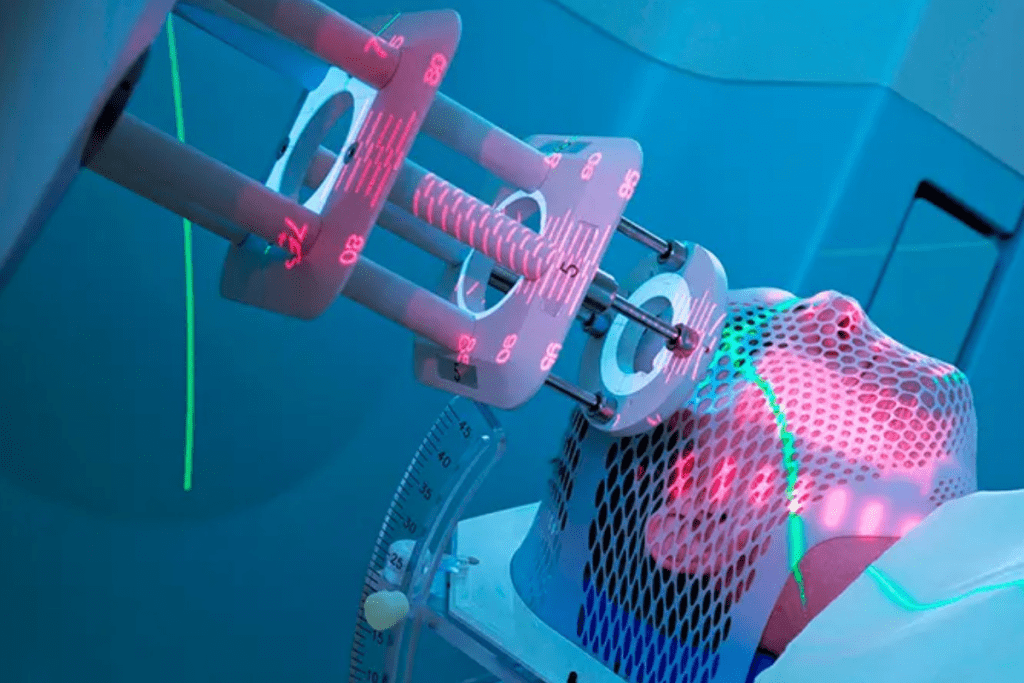
Cell Division Rate and Radiation Vulnerability
How fast cells divide is a big factor in how sensitive they are to radiation. Tissues like bone marrow and the gastrointestinal tract epithelium divide fast. This makes them very sensitive to radiation.
Here are some key points about cell division rate and radiation vulnerability:
- Tissues with high cell division rates are more likely to be radiosensitive.
- Rapidly dividing cells are more prone to radiation-induced DNA damage.
- Organs with high cell turnover rates, like bone marrow and GI tract, are highly radiosensitive.
Knowing what makes organs sensitive to radiation is vital. It helps in making safer radiation therapy and protection plans.
Hematopoietic System: Extremely Radiation Sensitive
The hematopoietic system is very sensitive to radiation. This is because of the fast cell division in the bone marrow. The bone marrow is where blood cells are made.
Bone Marrow Structure and Function
Bone marrow is the soft tissue inside some bones, like the hips and thighbones. It makes blood cells. It has blood vessels and hematopoietic stem cells that turn into different blood cells.
This process is key for keeping the right blood cell count and immune function.
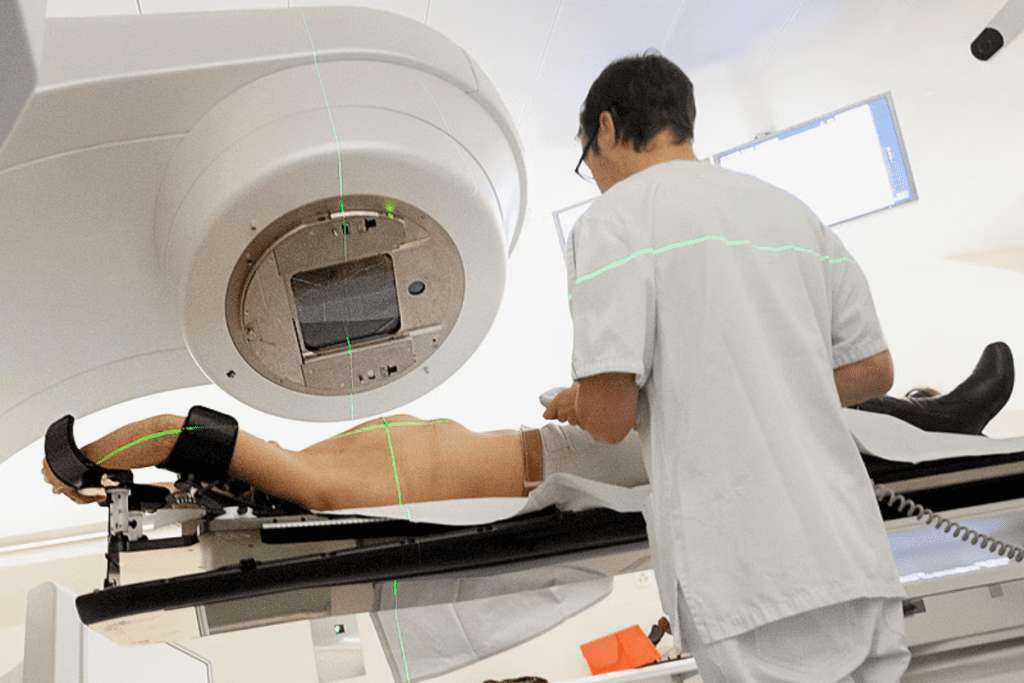
Effects of 1-7 Gy Radiation on Blood Cell Production
Radiation doses of 1-7 Gy can harm the hematopoietic system a lot. This can be very dangerous.
The bone marrow syndrome happens when radiation damages the bone marrow a lot. This leads to fewer blood cells.
Radiation’s effects on blood cell production can be immediate or take time. Knowing these effects helps manage radiation exposure better.
Gastrointestinal Tract Radiosensitivity
The GI tract is very sensitive to radiation because of its cells. It’s key for digestion and is hurt easily by radiation. This is because its cells grow and die fast.
Rapid Cell Turnover in GI Epithelium
The GI epithelium grows fast, making it very sensitive to radiation. The cells lining the GI tract are constantly being replaced. This is important for the gut’s health.
But, when radiation hits, the GI tract can’t fix itself as well. This can cause problems with the gut’s lining.
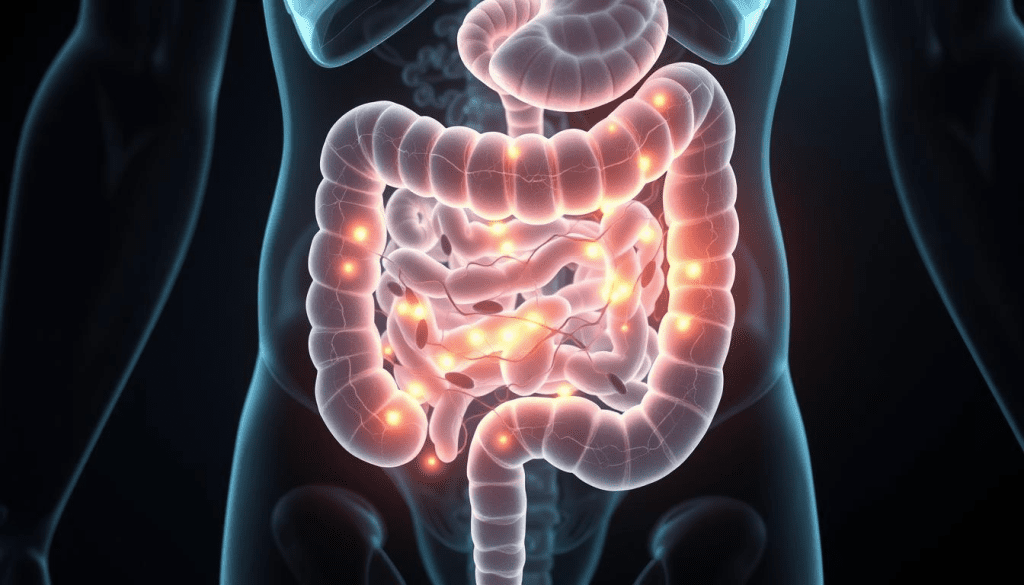
Radiation-Induced Gastrointestinal Syndrome
Radiation-induced gastrointestinal syndrome (RIGS) is very serious. It causes nausea, vomiting, diarrhea, and stomach pain. These symptoms can lead to dehydration and even death.
The fast cell growth in the GI tract makes RIGS worse. Knowing how the GI tract reacts to radiation is key. It helps us find ways to protect it from radiation.
Reproductive Organs: Vulnerability to Radiation
The reproductive organs are very sensitive to radiation. This can cause long-term effects on fertility and genetic health. We will look at how both male and female systems are affected by radiation.
Male Reproductive System Sensitivity
The male reproductive system is very sensitive to radiation. This is true for the testes, where sperm are made. Radiation can lower sperm count, reduce fertility, and damage sperm genes. Studies show it can cause sterility, either temporary or permanent, based on the dose.
Key effects of radiation on the male reproductive system include:
- Reduced sperm count and motility
- Increased risk of genetic mutations in offspring
- Temporary or permanent sterility
Female Reproductive System Radiosensitivity
The female reproductive system is also at risk from radiation, with the ovaries being most sensitive. Exposure can cause ovarian failure, lower fertility, and increase genetic risks in offspring. The impact depends on the dose and age at exposure.
The effects of radiation on the female reproductive system include:
- Ovarian failure and premature menopause
- Reduced fertility and increased risk of infertility
- Potential genetic damage to oocytes
It’s important to understand these risks to help those exposed to radiation. This ensures their reproductive health is protected.
Thyroid Gland: Sensitive Even at Low Radiation Doses
The thyroid gland is key for our body’s health. It helps control how we grow, develop, and use energy. But, radiation can harm it a lot.
The thyroid gland is special because it grabs iodine from our blood. This is why radiation affects it so much.
Iodine Uptake and Radiation Concentration
The thyroid gland makes hormones using iodine. When it finds radioactive iodine, it grabs it fast. This means the gland gets a lot of radiation.
- Radioactive iodine, like I-131, is very harmful to the thyroid gland.
- When the gland takes in radioactive iodine, it can get sick, grow nodules, or even get cancer.
- Children and teens are at a higher risk of thyroid cancer from radiation.
Hormonal Disruption Following Radiation Exposure
Radiation can mess up the thyroid gland’s work. This can lead to too little or too much hormone. It depends on how much radiation the gland gets.
Knowing how radiation affects the thyroid gland helps us treat it better. It also helps us prevent problems from radiation.
We understand how sensitive the thyroid gland is to radiation. This knowledge helps us keep people safe from radiation harm.
Skin as a Radiation-Sensitive Organ
The skin is a key defense for our bodies but is very sensitive to radiation. This sensitivity is a big health worry. It’s because the skin is the first thing that protects us from outside dangers.
Basal Cell Layer Vulnerability
The basal cell layer in the skin is very sensitive to radiation. It’s where new skin cells are made. Radiation can mess with this process, causing problems like skin cancer.
This layer is at risk because it divides cells fast. Ionizing radiation can harm these cells’ DNA. This can lead to mutations and cancer. The skin is often hit by radiation from the environment or medical treatments.
Increased Skin Cancer Risk After 2 Gy Exposure
Research shows that even 2 Gy of radiation can raise skin cancer risk. There’s a 2.5-fold increase in risk after this dose. This highlights the need to handle radiation carefully, even in medical use.
It’s vital to understand radiation risks to find ways to protect ourselves. Knowing the skin’s sensitivity to radiation helps us find better ways to shield and treat those exposed.
The Least Harmful Form of Ionizing Radiation Is Determined by Penetration Depth
The least harmful ionizing radiation depends on how deep it penetrates human tissue. Ionizing radiation has different types, each affecting the body in unique ways.
We’ll look at alpha, beta, gamma, and X-ray radiation. We’ll see how their ability to penetrate affects their danger.
Alpha, Beta, Gamma, and X-ray Radiation Comparison
Each type of ionizing radiation has its own penetration power. Alpha particles are big and charged, but a sheet of paper can stop them. They can’t get past the skin’s outer layers. On the other hand, beta particles are smaller and can travel far in air and deep into tissue. Gamma rays and X-rays are electromagnetic and can go deep into the body. They need thick materials like lead to block them.
The depth these radiation types can penetrate affects their danger. Alpha particles are safe outside but risky if swallowed or breathed in. Beta particles can harm the skin and tissues close to it. Gamma rays and X-rays can reach internal organs, making them more dangerous.
Organ-Specific Sensitivity to Different Radiation Types
How sensitive organs are to radiation is key to understanding harm. Organs that grow fast, like bone marrow and the gut, are more vulnerable. The type of radiation and how deep it can go will decide which organs are at risk.
For example, alpha particles can’t get through the skin but are harmful if breathed in, damaging lung tissues. Gamma rays can hit many organs at once because they can go deep.
Knowing how radiation type, penetration, and organ sensitivity work together is vital for managing radiation risks.
Mammary Gland and Colon: High Cancer Risk After Radiation
Research shows that the mammary gland and colon face a high risk of cancer after radiation. This is based on studies of atomic bomb survivors and those exposed to medical radiation.
These organs are very sensitive to radiation. This sensitivity can cause long-term health problems. We will look at the evidence that shows these organs are at higher risk for cancer after radiation.
Breast Tissue Sensitivity in Atomic Bomb Survivors
The atomic bombings of Hiroshima and Nagasaki gave scientists a chance to study radiation’s effects. Studies found a big increase in breast cancer among those exposed.
Radiation-induced breast cancer has been a key area of study. It shows that exposure, even at a young age, raises the risk. The risk goes up with the dose of radiation.
Colon Cancer Incidence Following Radiation Exposure
The colon is also sensitive to radiation, leading to a higher risk of colon cancer. Research shows that radiation can cause genetic changes in colon cells, leading to cancer.
People who have had radiation therapy, like those for abdominal cancers, face a risk of colon cancer. They should get regular check-ups to watch for secondary cancers.
Understanding radiation risks is key to caring for those exposed. By studying how radiation affects sensitive organs like the mammary gland and colon, we can manage and reduce these risks.
Radioresistant Tissues: Nerves, Muscles, and Mature Cells
Some body tissues are very sensitive to radiation, but others like nerves and muscles are not. This difference in how tissues react to radiation depends on their function and the type of cells they have.
Tissues with cells that don’t divide anymore, called post-mitotic cells, are more resistant to radiation. This is because radiation mainly harms cells that are dividing.
Why Post-Mitotic Cells Show Greater Radiation Resistance
Post-mitotic cells, found in nerves and muscles, have stopped dividing. So, they are less likely to be damaged by radiation. This is because radiation mainly causes problems for cells that are growing and dividing.
There are a few reasons why post-mitotic cells are more resistant to radiation:
- Cell Cycle Status: Cells that aren’t dividing are less likely to be damaged by radiation.
- DNA Repair Mechanisms: Even if not dividing, these cells can fix DNA damage.
- Cellular Function: The special jobs these cells do make them less affected by radiation.
Comparative Radiation Tolerance Across Body Systems
Each body system has its own level of resistance to radiation. For example:
- Nervous System: The cells in the nervous system, being mostly post-mitotic, are very resistant to radiation.
- Muscular System: Muscle cells, also post-mitotic, are quite resistant to radiation.
- Hematopoietic System: On the other hand, the cells in the hematopoietic system are very sensitive to radiation because they divide a lot.
Knowing these differences helps us understand and manage radiation risks better.
By knowing which tissues are more resistant to radiation, we can better understand how radiation affects the body.
Radiation Protection Strategies for Vulnerable Organs
It’s key to protect vulnerable organs from radiation for patients and healthcare workers. Setting up radiation safety rules is vital. It helps lower exposure and keeps the work area safe.
Medical Radiation Safety Protocols
Medical radiation safety rules aim to cut down radiation exposure in tests and treatments. These rules include:
- Using the least amount of radiation needed for tests
- Checking radiation-emitting tools for quality
- Teaching healthcare pros about radiation safety
- Using shields for patients and staff when needed
By sticking to these rules, we can greatly lower the dangers of medical radiation. For example, choosing ultrasound or MRI over X-rays can cut down radiation.
Occupational Radiation Protection Measures
Protecting workers from radiation is a big deal. It’s about keeping those who work with radiation safe. These steps include:
- Tracking radiation levels with personal dosimeters
- Practicing safe work habits, like staying out of radiation zones
- Wearing protective gear like lead aprons
- Having regular safety training and drills
We stress the need for a full radiation protection plan. It should include regular checks, safety lessons, and protective gear to keep workers healthy.
By mixing good medical radiation safety rules with strong worker protection, we make a safer place for everyone. This all-around approach is key to reducing risks and making sure radiation is used safely in medical and work settings.
Conclusion: Understanding Radiation Risks and Safety
It’s vital to know about radiation risks and take safety steps. At Livhospital.com, we understand how important this is for everyone’s safety. We make sure to follow strict safety rules.
Radiation can be dangerous, and knowing about it helps us give top-notch care. We work hard to protect those who might be exposed to radiation. This way, we keep everyone safe.
We are dedicated to keeping a safe environment for patients and staff. Our goal is to reduce the risks of radiation exposure. We aim to provide a secure place for everyone.
FAQ
What organs are most sensitive to radiation?
Organs like the bone marrow, gut, reproductive areas, thyroid, and skin are most sensitive. They have lots of cell division, making them more at risk from radiation.
How does radiation affect the human body?
Radiation can harm human cells by changing their DNA. This can lead to cell death or mutations. It can cause sickness right away or increase cancer risk over time.
What is the Law of Bergonié and Tribondeau?
This law says organs with lots of cell division are more at risk from radiation. It helps us understand why some organs are more sensitive than others.
Which type of radiation is the least harmful?
Alpha radiation is the least harmful because it doesn’t penetrate far. Gamma and X-rays can go deeper, making them more dangerous.
Are there any tissues that are resistant to radiation?
Yes, nerves, muscles, and mature cells are more resistant. They don’t divide much, so they’re less affected by radiation.
How can we protect vulnerable organs from radiation?
We can protect them with safety protocols and protection measures. These are key for those working with radiation.
What are the effects of radiation on the reproductive system?
Radiation can harm fertility and reproductive health. It can damage the gonads, affecting fertility and possibly causing genetic mutations.
Why is the thyroid gland sensitive to radiation?
The thyroid gland is sensitive because it takes in iodine. Radiation can disrupt hormones, and radioactive iodine can increase cancer risk.
Can radiation cause cancer?
Yes, radiation can lead to cancer. Organs like the mammary gland and colon are at higher risk. Studies show increased cancer rates after radiation exposure.
What are the risks associated with radiation exposure?
Risks include sickness, cancer, and genetic mutations. Knowing these risks and taking safety steps is vital for protection.
References
- Kutanzi, K. R., Lumen, A., Koturbash, I., & Miousse, I. R. (2016). Pediatric Exposures to Ionizing Radiation: Carcinogenic Risks. International Journal of Molecular Sciences, 17(9), 1524.https://pmc.ncbi.nlm.nih.gov/articles/PMC5129267/
- Environmental Protection Agency (EPA). (2025). Radiation Health Effects.https://www.epa.gov/radiation/radiation-health-effects
- Canadian Nuclear Safety Commission. (2024). Health Effects of Ionizing Radiation on Children.https://www.cnsc-ccsn.gc.ca/eng/resources/radiation/effects-of-radiation-on-children/
- Moon, J. H., et al. (2020). Health effects of electromagnetic fields on children. Environmental Research, 187, 109651.https://pmc.ncbi.nlm.nih.gov/articles/PMC7642138/
- World Health Organization (WHO). (2023). Ionizing Radiation and Health Effects.https://www.who.int/news-room/fact-sheets/detail/ionizing-radiation-and-health-effects