
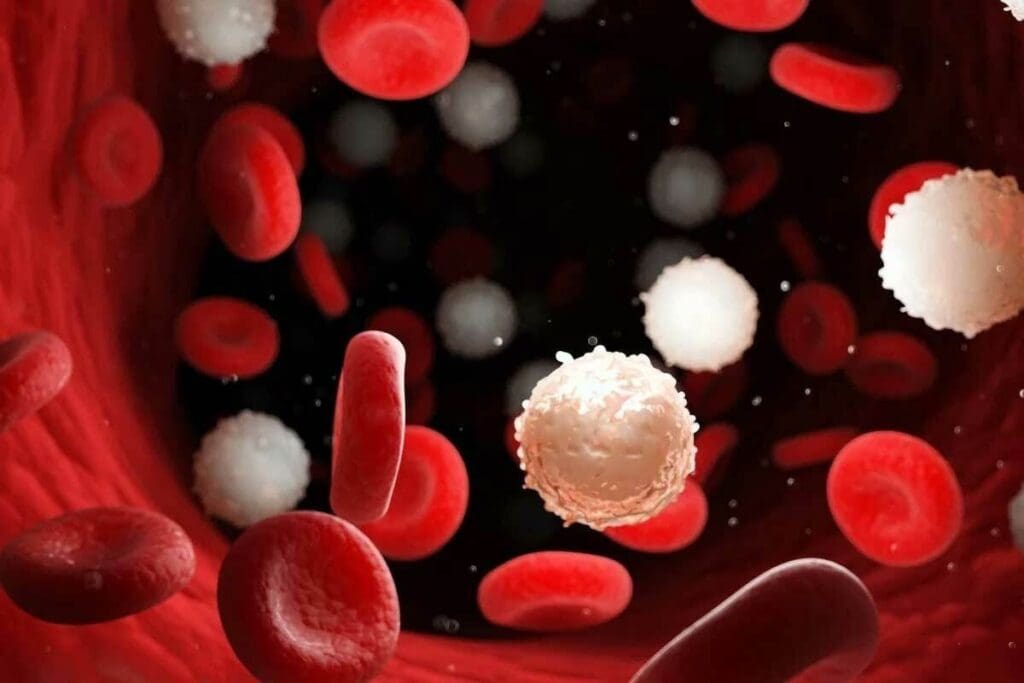
Leukemia is a blood cancer that can hit people of all ages. At Liv Hospital, we know how important it is to understand how leukemia affects different age groups. This helps us give the best care possible.Learn about leukemia age range, common onset ages, and signs to watch for in children.
Children often get acute lymphoblastic leukemia (ALL). But, older adults are more likely to get acute myeloid leukemia (AML) and chronic lymphocytic leukemia (CLL). CLL usually starts around 68-71 years old. Knowing the six key signs of leukemia is key to catching it early.
We aim to give top-notch healthcare to everyone, no matter their age. Our goal is to make sure every patient gets the best care possible.
Key Takeaways
- Leukemia affects individuals across different age groups.
- The type and risk of leukemia vary significantly with age.
- Early detection is critical for managing leukemia effectively.
- Liv Hospital offers advanced care for leukemia patients.
- Knowing the six key signs of leukemia is essential for early action.
Understanding Leukemia: A Blood Cancer Affecting All Ages

Leukemia is a blood cancer that can hit anyone, at any age. It has different risk factors and symptoms. This disease makes the body’s immune system weak by producing bad white blood cells.
What Is Leukemia and How It Develops
Leukemia starts with a DNA mutation in blood cells. This causes them to grow out of control. The bone marrow, where blood cells are made, gets messed up.
“The abnormal cells crowd out the healthy cells, making it difficult for the body to fight infections.” This mess can cause tiredness, getting sick often, and easy bruising.
The Impact of Leukemia on Blood Cell Production
Leukemia messes with the bone marrow’s job to make healthy blood cells. The bad white blood cells take over, leaving less room for good ones.
This can lead to:
- Anemia because of fewer red blood cells
- More infections because of fewer white blood cells
- Bleeding problems from not enough platelets
Knowing how leukemia affects blood cell production helps doctors diagnose and treat it better.
Types of Leukemia and Their Characteristics
Leukemia is not just one disease. It’s a group of cancers that affect the blood and bone marrow. Knowing the different types is key for diagnosis and treatment.
Acute vs. Chronic Leukemia
Leukemia is divided into acute and chronic types. Acute leukemia grows fast, leading to severe symptoms if not treated. Chronic leukemia grows slower, often without symptoms for years.
- Acute leukemia needs quick treatment because it’s aggressive.
- Chronic leukemia might not need immediate treatment, as it grows slowly.
Lymphocytic vs. Myeloid Leukemia
Leukemia can also be classified by the blood cell type affected. Lymphocytic leukemia affects lymphocytes, important for immune responses. Myeloid leukemia affects myeloid cells, which create other blood cell types.
- Lymphocytic leukemia is common in adults over 60.
- Myeloid leukemia can happen at any age but is more common in older adults.
The Four Main Types: ALL, AML, CLL, CML
The four main leukemia types are Acute Lymphoblastic Leukemia (ALL), Acute Myeloid Leukemia (AML), Chronic Lymphocytic Leukemia (CLL), and Chronic Myeloid Leukemia (CML). Each type has unique features and affects different age groups.
| Type of Leukemia | Characteristics | Age Group Most Affected |
| ALL | Rapid progression, affects lymphocytes | Children and young adults |
| AML | Rapid progression, affects myeloid cells | Older adults |
| CLL | Slow progression, affects lymphocytes | Adults over 60 |
| CML | Slow progression, affects myeloid cells | Adults |
Leukemia Age Range: How Risk Varies Across the Lifespan
It’s important to know how leukemia risk changes with age. Leukemia is not just one disease; it’s several types with different risks at different ages. We’ll look at how risk changes from childhood to old age.
Childhood Leukemia Prevalence (Ages 0-14)
Leukemia is the top cancer in kids, with most being Acute Lymphoblastic Leukemia (ALL). Kids under 5 face the biggest risk. Genes and some environmental factors play a big role in leukemia in young kids.
Young Adult Leukemia Patterns (Ages 15-39)
Leukemia is less common in young adults. But, they’re more likely to get Acute Myeloid Leukemia (AML) or Chronic Myeloid Leukemia (CML). Lifestyle and environment might affect their risk.
Middle-Age Onset (Ages 40-64)
Leukemia risk, like AML and Chronic Lymphocytic Leukemia (CLL), goes up in middle age. Chemicals, past treatments, and genes become more important here.
Senior Population Risk Factors (Ages 65+)
Older adults face the biggest risk for leukemia, like AML and CLL. Their risk is shaped by age, lifetime exposures, and health conditions.
Knowing how leukemia risk changes with age helps us spot high-risk groups. This could lead to better early detection and treatment.
Childhood Leukemia: Patterns and Prevalence
Childhood leukemia is a big health issue worldwide. It’s important to know about its patterns and how common it is. Leukemia is the most common cancer in kids, making it a big challenge for doctors and families.
Acute Lymphoblastic Leukemia (ALL) is the most common type of leukemia in kids. It makes up about 80% of all leukemia cases in children. This type usually affects kids under 5, with most cases happening between 2 and 5 years old.
Why ALL Dominates Pediatric Cases
ALL is when the bone marrow makes too many immature lymphocytes. This crowds out normal blood cells. Genetic and environmental factors can cause ALL in kids. Kids with Down syndrome are more likely to get ALL.
“The exact causes of ALL are not fully understood,” says a leading pediatric oncologist. “But some genetic mutations might help cause it.”
Peak Incidence Ages for Childhood Leukemia
Childhood leukemia is most common in early childhood, between 2 and 5 years old. This age group is key for early detection. Regular check-ups and knowing the signs can help kids with leukemia a lot.
- ALL is most common in children aged 2-5 years.
- Acute Myeloid Leukemia (AML) is more evenly distributed across childhood.
- Infants under 1 year have a higher risk of AML.
Survival Rates and Treatment Success
Thanks to better treatments, more kids with leukemia are surviving. The five-year survival rate for ALL is over 90% in developed countries. This is because of targeted therapies and better care.
“The progress we’ve made in treating childhood leukemia is remarkable, with many children now surviving and thriving into adulthood,” notes a prominent cancer researcher.
Early diagnosis and the right treatment are key to good outcomes. Research is ongoing to find new treatments and improve survival rates even more.
Adult-Onset Leukemia: Average Age and Risk Factors
As we get older, the chance of getting leukemia goes up. Some types are more common in older adults. Knowing the risk factors is key for early detection and treatment.
Prevalence of AML and CLL in Older Adults
Acute Myeloid Leukemia (AML) and Chronic Lymphocytic Leukemia (CLL) hit older adults hard. The National Cancer Institute says AML is common in adults, with more cases as we age. CLL mostly affects those over 60.
AML and CLL usually start in people aged 68-71. Knowing the risk factors is vital for early treatment.
Understanding the 68-71 Age Peak
AML and CLL peak between 68 and 71 years old. Genetics and environment play a role in this. Exposure to chemicals like benzene and past treatments can raise the risk.
Environmental and Genetic Risk Factors
Environmental and genetic factors are key in adult-onset leukemia. Ionizing radiation, chemicals, and viruses can increase risk. Genetic mutations, like those in Down syndrome, also play a part. We need to know these to spot high-risk individuals and offer screening.
Key Risk Factors:
- Age: The risk of leukemia increases with age.
- Genetic mutations: Certain genetic mutations, such as those associated with Down syndrome.
- Exposure to ionizing radiation: High levels of radiation exposure.
- Chemical exposure: Exposure to certain chemicals, such as benzene.
- Previous chemotherapy or radiation therapy: Previous treatment for other cancers.
Understanding these risk factors helps us target high-risk groups. We can then offer specific screening and prevention measures.
The Six Key Signs of Leukemia
Knowing the six key signs of leukemia is key for early diagnosis and treatment. Leukemia is a blood and bone marrow cancer. It shows through various symptoms that are important to spot.
Overview of Common Symptoms Across All Types
Leukemia symptoms come from blood cell production problems. We’ll cover common signs seen in different leukemia types. These include unexplained fatigue, frequent infections, easy bruising or bleeding, bone or joint pain, swollen lymph nodes, and night sweats.
These symptoms happen because leukemia messes with blood cell making. Knowing how these symptoms tie to blood cell issues is key for catching the disease early.
How Symptoms Relate to Blood Cell Disruption
Leukemia’s disruption of blood cell making causes its symptoms. For example, fewer red blood cells lead to fatigue and weakness. Fewer platelets cause easy bruising and bleeding.
| Symptom | Related Blood Cell Disruption |
| Unexplained Fatigue | Reduction in red blood cells |
| Frequent Infections | Decrease in functional white blood cells |
| Easy Bruising/Bleeding | Low platelet count |
| Bone/Joint Pain | Accumulation of leukemia cells in bone marrow |
Spotting these signs and knowing their link to blood cell issues helps in getting medical help fast. If you or someone you know shows these symptoms, seeing a doctor is vital for the right diagnosis and treatment.
Sign #1: Unexplained Fatigue and Weakness
One of the first signs of leukemia is feeling very tired all the time. This tiredness is not just feeling a bit worn out. It’s a deep exhaustion that doesn’t get better with rest. We’ll look into why leukemia causes this and how to tell it apart from other tiredness.
Why Leukemia Causes Energy Depletion
Leukemia messes with how blood cells are made. It affects red blood cells, which carry oxygen. When leukemia cells fill up the bone marrow, healthy cells get pushed out. This leads to fewer red blood cells and less oxygen in the body, causing weakness and tiredness.
Table: Effects of Anemia on the Body
| Condition | Effect on the Body | Symptoms |
| Anemia | Reduced red blood cell production | Fatigue, weakness, pale skin |
| Leukemia | Disrupted blood cell production | Fatigue, infections, bruising |
Distinguishing Leukemia Fatigue from Other Causes
Fatigue is common in many illnesses, but leukemia’s is often worse and lasts longer. Unlike regular tiredness, leukemia fatigue doesn’t get better with rest. If you’re always tired and also losing weight, have fevers, or bone pain, see a doctor.
Knowing why you’re tired is key. Keep a journal of your symptoms. This can help doctors figure out what’s causing your fatigue.
Sign #2: Frequent or Severe Infections
When the body can’t fight off infections, it might mean there’s a bigger problem like leukemia. Leukemia messes with how white blood cells are made. Frequent or severe infections could be a sign of this problem.
The Connection Between White Blood Cells and Immunity
White blood cells are key in fighting infections. They come in different types, each tackling different threats. Leukemia can mess with these cells, weakening our immune system.
In acute leukemia, the bone marrow makes lots of immature white blood cells. These cells can’t fight off infections well. This makes us more likely to get sick.
Warning Signs of Compromised Immune Function
It’s important to know the signs of a weak immune system. These include:
- Recurring infections that are hard to treat
- Infections that are more severe than usual
- Slow recovery from infections
- Frequent use of antibiotics without improvement
“The presence of frequent or severe infections should prompt further investigation into the underlying cause, including the possibility of leukemia.” This quote highlights the need to take recurring or severe infections seriously. They could be a sign of a bigger issue.
If you’re experiencing these symptoms, see a doctor. Early treatment of leukemia can make a big difference.
Sign #3: Easy Bruising and Bleeding
Easy bruising and bleeding are big signs of leukemia. They can be scary and need a doctor’s help. Leukemia messes with platelets, which help blood to clot.
How Platelet Disruption Affects Clotting
Platelets are small blood cells that stop bleeding when a blood vessel gets hurt. In leukemia, the bone marrow makes too many bad white blood cells. This means there’s less room for normal platelets.
This problem can cause:
- Easy bruising
- Prolonged bleeding
- Nosebleeds
- Bleeding gums
Recognizing Abnormal Bleeding Patterns
It’s important to know the difference between normal and abnormal bleeding. Look for:
- Unexplained bruises or petechiae (small red spots on the skin)
- Frequent or heavy nosebleeds
- Bleeding that doesn’t stop after a few minutes
- Gum bleeding during brushing or flossing
If you see these signs, see a doctor right away.
Sign #4: Bone and Joint Pain
Leukemia often causes bone and joint pain because it affects the bone marrow. This can really hurt patients and make their lives harder. It’s important to understand why this pain happens to help treat it.
The Mechanism Behind Leukemia-Related Pain
Leukemia cells in the bone marrow can cause pain. This is because the cells make the marrow space bigger, leading to pain. The cells also release chemicals that make pain worse.
Some key factors contributing to leukemia-related pain include:
- Accumulation of leukemia cells in the bone marrow, leading to its expansion.
- Release of cytokines and chemical mediators that stimulate pain receptors.
- Bone destruction due to the infiltration of leukemia cells.
Distinguishing Features from Other Pain Conditions
Leukemia pain is different from other types of pain. It doesn’t always go away with rest or medicine. It can also come with other signs like fatigue, weight loss, or frequent infections.
To tell leukemia pain from other types, look for these signs:
- Pain that doesn’t go away even when you rest or take medicine.
- Other symptoms like unexplained weight loss or getting sick a lot.
- The overall signs and lab results that show leukemia.
Sign #5: Swollen Lymph Nodes and Organs
Lymph nodes swelling is common in leukemia patients. It happens because leukemia cells build up in these nodes. Knowing this symptom is key for early treatment.
Why Lymph Nodes Enlarge in Leukemia
Lymph nodes fight infection and disease. In leukemia, cancer cells gather in these nodes, making them swell. This shows the body is fighting the disease.
We’ll look at why lymph nodes swell in leukemia. Leukemia cells in lymph nodes mess up their work, causing swelling. Doctors can spot this through physical checks or scans.
Locations and Characteristics of Leukemic Swelling
Swelling can happen in the neck, armpits, and groin. These spots have lots of lymph nodes, making them swell more easily.
| Location | Characteristics |
| Neck | Swollen lymph nodes in the neck can be tender and painful, often indicating leukemia cell accumulation. |
| Armpits | Lymph node swelling in the armpits can cause discomfort and is a common site for leukemia-related swelling. |
| Groin | Swelling in the groin area can be a sign of leukemia, specially if you also feel tired or lose weight. |
Knowing where and how leukemia swelling looks is important for diagnosis. If you see unusual swelling, see a doctor right away.
Understanding leukemia signs, like swollen lymph nodes and organs, helps us spot the disease early. This way, we can get medical help quickly.
Conclusion: Recognizing Leukemia Across Age Groups
It’s important to know about leukemia in all age groups for early treatment. Leukemia can hit anyone, so knowing its signs is key for quick medical help.
We’ve talked about the different types of leukemia and their signs. These include feeling very tired, getting sick often, and bleeding easily. Other signs include pain in bones and joints, swollen lymph nodes, and other blood-related issues.
Leukemia’s risk changes with age. In kids, it’s often acute lymphoblastic leukemia (ALL). For adults, it’s more likely to be acute myeloid leukemia (AML) or chronic lymphocytic leukemia (CLL). Knowing this helps us spot leukemia in different age groups.
Knowing the leukemia age range and its common signs helps people get medical help fast. Quick action can greatly improve treatment success and survival chances.
FAQ
What is the average age of leukemia diagnosis?
The age at which leukemia is diagnosed varies by type. For Acute Lymphoblastic Leukemia (ALL), it’s most common in kids under 20. Chronic Lymphocytic Leukemia (CLL) is usually found in people over 65.
What are the six key signs of leukemia?
The six key signs of leukemia include: unexplained fatigue and weakness, and frequent or severe infections. Also, easy bruising and bleeding, bone and joint pain, and swollen lymph nodes and organs. Other symptoms related to blood cell disruption are also signs.
Can leukemia occur at any age?
Yes, leukemia can happen at any age. But, the risk changes with age. Some types are more common in children, while others are more common in older adults.
What is the most common type of leukemia in children?
Acute Lymphoblastic Leukemia (ALL) is the most common leukemia in kids. It makes up about 80% of leukemia cases in children.
How does leukemia affect blood cell production?
Leukemia disrupts blood cell production. It crowds out healthy cells in the bone marrow. This leads to a shortage of normal white blood cells, red blood cells, and platelets.
What are the risk factors for developing leukemia?
Risk factors for leukemia include genetic predisposition, exposure to certain chemicals and radiation, and age. Older adults are more likely to get certain types of leukemia.
Can leukemia be treated successfully?
Yes, leukemia can be treated successfully, if caught early. Treatment options depend on the type and stage of the disease, and the patient’s health.
What is the difference between acute and chronic leukemia?
Acute leukemia progresses quickly and needs immediate treatment. Chronic leukemia develops slowly and may not need treatment right away.
How does Liv Hospital support leukemia patients?
Liv Hospital offers complete care for leukemia patients. This includes advanced diagnostic and treatment options. They also provide supportive services to manage the disease and its symptoms.
What are the warning signs of compromised immune function in leukemia?
Warning signs of a weakened immune system in leukemia include frequent or severe infections, fever, and fatigue. These signs indicate a weakened immune system.
How can I distinguish leukemia-related pain from other pain conditions?
Leukemia-related pain is often persistent and can be accompanied by fatigue, weight loss, and swollen lymph nodes. If you have persistent pain, it’s important to see a healthcare professional for a proper diagnosis.
References
- Vakiti, A. (2024). Acute myeloid leukemia: Demographics and epidemiology. In StatPearls. https://www.ncbi.nlm.nih.gov/books/NBK507875/