
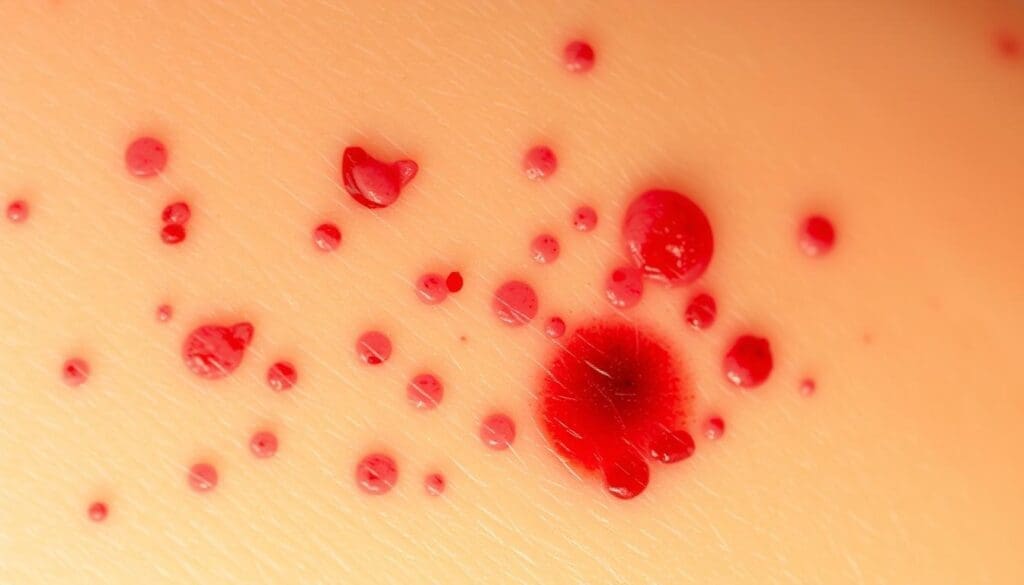
Seeing red or purple spots, unexplained bruises, or lasting rashes, mainly on the legs, can worry you. Could these be early signs of something more serious, like blood cancer on the skin? At Liv Hospital, we focus on building trust with our patients. We follow international standards to handle even the smallest symptoms. Learn leukemia rash early stage symptoms, pictures, and key details to detect blood cancer promptly.
It’s important to know the difference between a common rash and early-stage leukemia symptoms. We’ll look at how leukemia rash shows up and what it looks like.
Key Takeaways
- Leukemia rash can show up as petechiae, purpura, or leukemia cutis.
- Understanding these symptoms is key for early detection and treatment.
- Small skin changes can be an early sign of blood cancer.
- Persistent rashes or bruises need a doctor’s check-up.
- Early diagnosis greatly improves patient outcomes.
Understanding Leukemia and Its Effects on the Body
Leukemia is a blood cancer that affects how the body makes blood cells. It disrupts the production of healthy cells, causing health problems.
The Basics of Blood Cancer
Leukemia makes abnormal white blood cells grow too much in the bone marrow. This messes up the making of blood cells. People might get anemia, infections, and bleeding issues.
There are different types of leukemia. These include acute lymphoblastic leukemia (ALL), acute myeloid leukemia (AML), chronic lymphocytic leukemia (CLL), and chronic myeloid leukemia (CML). Each type affects the body in its own way.
How Leukemia Affects Blood Cell Production
Leukemia fills the bone marrow with abnormal cells. This means fewer healthy red and white blood cells and platelets. This can cause anemia, more infections, and easier bleeding or bruising.
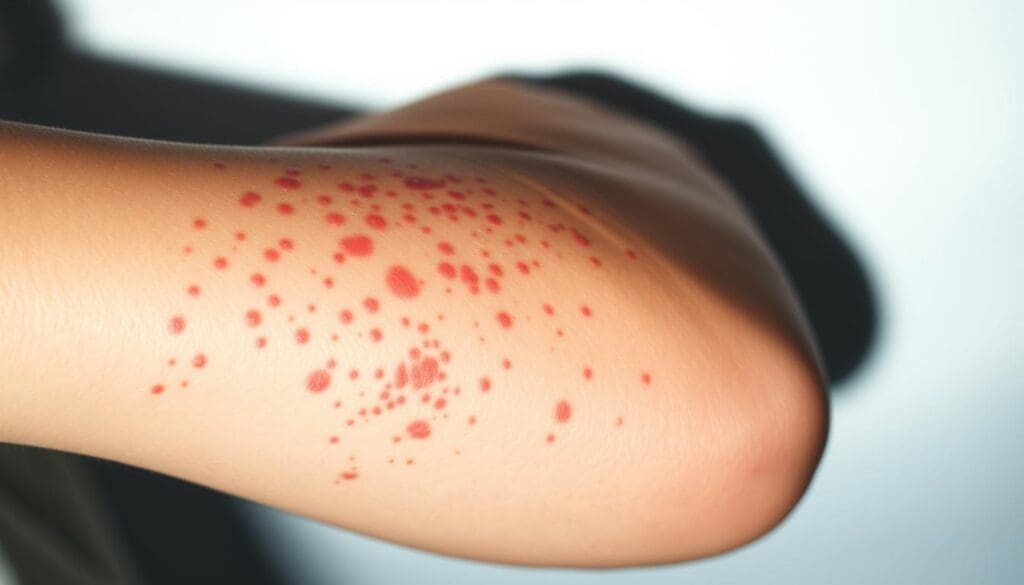
It can also cause skin problems like rashes and bruising. For example, a rash might look like tiny red, brown, or purple spots (petechiae) or bigger areas of bleeding (purpura). Knowing these signs is key for catching and treating leukemia early.
Early Stage Leukemia Rash: Identification and Characteristics
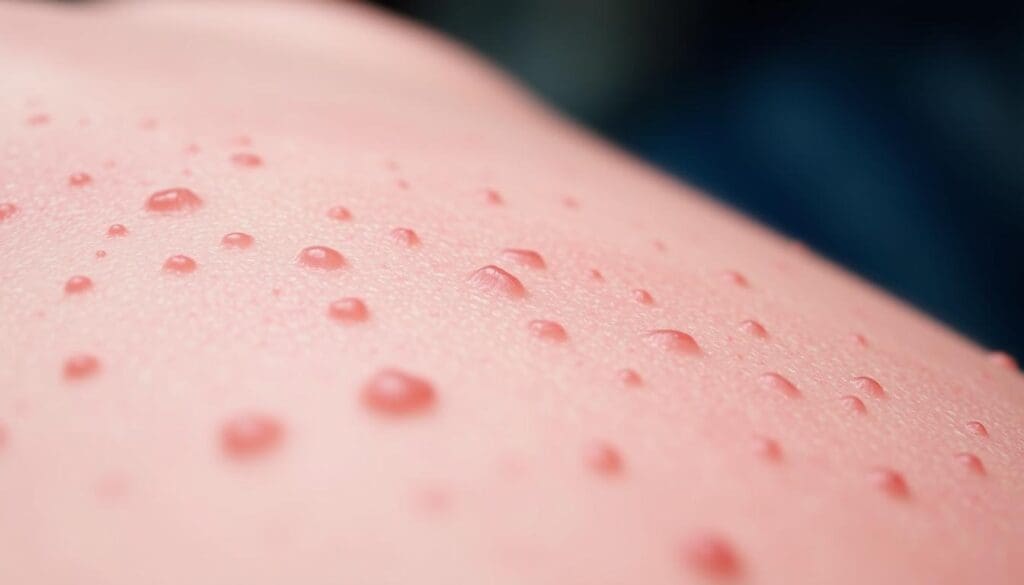
It’s important for patients and doctors to know the signs of an early leukemia rash. Leukemia, a blood cancer, can show up as skin rashes. Spotting these signs early can help get the right treatment fast.
Visual Appearance and Texture
An early leukemia rash looks different. It’s often small, flat spots or patches on the skin. These can be red, purple, or brown, based on the cause and skin tone.
The rash’s texture can be smooth or slightly raised. Sometimes, it may itch or feel uncomfortable.
Leukemia rashes can pop up anywhere on the body. They often show up on the legs, arms, chest, and abdomen. Some people have a few spots, while others have a rash all over.
The Non-Blanching Nature of Leukemia Skin Manifestations
Leukemia rashes don’t change color when pressed. This is because they have bleeding under the skin, due to low platelet counts. This is common in leukemia patients.
Doctors look for this non-blanching feature to spot leukemia rashes. It helps them tell these rashes apart from other skin issues.
Knowing these signs helps patients and doctors catch leukemia rashes early. This is key for managing and treating leukemia well.
Types of Skin Manifestations in Leukemia
Leukemia can cause many skin changes, like petechiae, purpura, and other lesions. These signs are key to tracking the disease’s progress. They also affect a patient’s life quality a lot.
Petechiae: Tiny Red, Brown, or Purple Spots
Petechiae are tiny spots on the skin from small blood vessel breaks. In leukemia, they often show up because of low platelet counts. This happens when leukemia cells take over the bone marrow.
Characteristics of petechiae in leukemia:
- Typically appear as red, brown, or purple spots
- Usually small (1-2 mm in diameter)
- Often occur in clusters or patches
- May be found on various parts of the body, including the legs, arms, and torso
Purpura: Larger Areas of Bleeding Under the Skin
Purpura are bigger areas of bleeding under the skin, showing as purple or red patches. Like petechiae, purpura is linked to bleeding disorders, including leukemia.
Purpura can be distinguished from petechiae by its larger size and more extensive areas of discoloration. In leukemia patients, purpura may indicate a more severe coagulopathy or a higher risk of bleeding complications.
| Characteristics | Petechiae | Purpura |
| Size | 1-2 mm | Larger (varies) |
| Appearance | Red, brown, or purple spots | Purple or red patches |
| Distribution | Often in clusters or patches | Can be widespread or localized |
Leukemia Cutis: Direct Leukemic Cell Infiltration
Leukemia cutis is when leukemic cells get into the skin, causing visible lesions or nodules. This is a direct sign of leukemia, not a secondary effect like petechiae or purpura.
Leukemia cutis can present in various forms, including papules, nodules, or plaques. The appearance of leukemia cutis can vary significantly between patients, making it a challenging diagnosis without proper histopathological examination.
It’s important to know about the different skin signs of leukemia for early detection and treatment. Recognizing these signs helps patients and doctors take action quickly. This can lead to better treatment results.
Where Does a Leukemia Rash First Appear?
It’s important to know where leukemia rash first shows up. This helps in catching it early. The rash can start in different places. It often begins on the legs, arms, chest, and belly.
Common Initial Locations: Legs, Arms, Chest, and Abdomen
The rash first shows up on the legs, arms, chest, and belly. The rash may appear as petechiae, purpura, or leukemia cutis. Each type looks different. For example, petechiae are small red, brown, or purple spots from broken blood vessels.
“The rash’s location can tell us a lot,” says a top hematologist. “In leukemia, it often shows up where blood flows a lot or where the skin gets more wear and tear.”
How Rash Distribution Patterns May Vary
Even though the rash usually starts in the legs, arms, chest, and belly, it can vary. The type of leukemia, the patient’s health, and the disease’s stage all play a part.
- The rash might stay in one spot or spread out.
- It can get worse in areas that get more pressure or trauma.
- The rash’s look and where it goes can depend on the leukemia type, like ALL or AML.
Doctors need to understand these patterns to make the right diagnosis and treatment plan.
Bruising and Bleeding: Key Signs of Early Stage Leukemia
Leukemia in its early stages can cause noticeable bruising and bleeding. This is often related to the disease’s impact on blood cell production. Platelets, which are key for clotting, are affected.
Unusual Bruising Patterns and Locations
Leukemia-related bruising often shows up in unexpected places. You might see bruises on the back, abdomen, or even the face. These bruises can be bigger than usual and don’t always come from a known injury.
Some common signs of leukemia-related bruising include:
- Unexplained bruising: Bruises appear without any known cause or injury.
- Large or irregular bruises: Bruises may be larger or more irregular in shape than usual.
- Bruising in unusual locations: Bruises may occur in areas not typically prone to bruising.
The Connection Between Low Platelet Counts and Skin Symptoms
A low platelet count, or thrombocytopenia, is common in leukemia. Platelets are key for blood clotting. When their numbers are low, it can lead to easy bruising and bleeding.
The link between low platelet counts and leukemia is important to understand:
- Reduced platelet production: Leukemia can affect the bone marrow’s ability to produce platelets.
- Increased platelet destruction: In some cases, the body’s immune system may destroy platelets.
- Impaired platelet function: Even if platelet counts are normal, leukemia can sometimes cause platelets to function improperly.
Recognizing these signs and understanding their connection to leukemia can help individuals seek medical attention earlier. This can potentially improve outcomes.
Acute Lymphocytic Leukemia Rash in Children
Acute lymphocytic leukemia (ALL) is a common cancer in kids. It can cause a rash that parents should watch for. This rash is a key sign of the disease.
Distinctive Features in Pediatric Cases
The rash from ALL in kids can look different. Petechiae are small spots on the skin. They are red, purple, or brown and don’t go away when pressed.
Purpura are bigger spots that show bleeding under the skin. They look like bruises but aren’t from getting hurt. Some kids get leukemia cutis, where cancer cells get into the skin, making lesions or nodules.
Additional Symptoms Parents Should Watch For
There are other signs parents should look out for. These include:
- Persistent fatigue or weakness
- Frequent infections
- Bone or joint pain
- Swollen lymph nodes
- Unexplained weight loss
- Pale skin
If a child has many of these symptoms, they need to see a doctor fast. Early treatment can greatly improve their chances of getting better.
Differentiating Leukemia Rash from Other Skin Conditions
Leukemia rash can look like other skin issues. Knowing its special traits helps spot it right. It’s key to look at all possible conditions that might seem like leukemia rash.
Common Rashes That May Resemble Leukemia Manifestations
Many skin problems can look like leukemia rash. These include:
- Petechiae-like rashes caused by infections or vasculitis
- Purpura from trauma, meds, or other health issues
- Allergic reactions showing up as skin rashes
- Viral exanthems or rashes from viral infections
Key Distinguishing Features
To tell leukemia rash apart, look for certain signs. Leukemia rash often:
- Persists or gets worse over time, unlike many other rashes
- Lacks typical symptoms of other skin issues, like itching or scaling
- Is accompanied by systemic symptoms like tiredness, weight loss, or fever
- May have a non-blanching nature, meaning it doesn’t lose its color when pressed
By looking at these traits and the patient’s overall health, doctors can make a better diagnosis.
In summary, while it’s tough to tell leukemia rash from other skin issues, knowing its unique signs and doing a detailed check-up helps doctors get it right.
Accompanying Symptoms of Leukemia Skin Changes
Leukemia skin changes often come with other big symptoms. These help doctors figure out what’s going on and how the disease is moving. These symptoms fall into two main groups: oral signs and body-wide signs.
Oral Manifestations: Mouth Sores and Swollen Gums
People with leukemia often face mouth sores and swollen gums. Mouth sores can hurt and make it easier to get infections. Swollen gums might mean leukemia is affecting the gums.
These mouth issues can really hurt a person’s daily life. Simple things like eating and talking become hard.
Systemic Symptoms That May Accompany Skin Changes
Leukemia also brings other body-wide symptoms. You might feel fatigue, weight loss, or fever. These happen because leukemia messes with how our body makes blood cells.
Here’s a table showing these symptoms:
| Systemic Symptom | Description |
| Fatigue | A constant feeling of tiredness or weakness |
| Weight Loss | Unintentional loss of body weight |
| Fever | Body temperature that’s too high, often a sign of infection |
Doctors can give better care by spotting both skin changes and other symptoms.
Itching, Discomfort, and Skin Infections
Leukemia can cause different skin problems. Some people itch, while others get infections because their immune system is weak. Knowing about these symptoms is key to better care and results.
Is a Leukemia Rash Itchy?
Many wonder if a leukemia rash itches. The answer varies. Some people itch, while others don’t. Itching alone doesn’t mean you have leukemia, but it’s a sign to check further, if you see other symptoms too.
Studies say itching might come from chemicals released by cancer cells. These chemicals can make the skin itch. But how exactly this happens is not fully understood. It likely involves the disease and how our body fights it.
Increased Susceptibility to Skin Infections
People with leukemia often have weaker immune systems. This makes them more likely to get infections, including skin ones. Skin infections can be mild or serious and need quick treatment to avoid bigger problems.
Leukemia patients often get bacterial infections like cellulitis and abscesses. They might also get fungal infections, like candidiasis. Viral infections are less common but can also show up on the skin. Catching and treating these infections early is very important.
- Watch for any unusual skin changes or symptoms.
- Tell your doctor if you notice signs of infection, like redness or swelling.
- Keep clean to lower the chance of getting skin infections.
Healthcare teams can do better by knowing about itching and skin infections in leukemia patients. They can treat the disease and the skin symptoms. This helps patients feel better and do better overall.
When to Seek Medical Attention for Suspicious Skin Changes
If you notice unusual skin changes, it’s important to know when to see a doctor. Leukemia rash can show up in different ways. Knowing the warning signs can help you act quickly.
Warning Signs That Require Immediate Evaluation
Certain symptoms with skin changes may mean you need to see a doctor right away. These include:
- Persistent or worsening rash: If the rash doesn’t get better with treatment or keeps getting worse.
- Unexplained bruising or bleeding: If you get bruises or bleed a lot without a reason, or if it’s hard to stop the bleeding.
- Other systemic symptoms: Fever, feeling very tired, losing weight, or swollen lymph nodes.
These signs can mean leukemia or another serious illness. It’s very important to see a doctor right away.
What Diagnostic Procedures to Expect
When you go to the doctor for skin changes, they will do a detailed check. They might also do some tests. These can include:
- Complete Blood Count (CBC): To check if your blood cell counts are normal.
- Blood Smear: To look at your blood cells closely.
- Bone Marrow Biopsy: To see if there are leukemia cells in your bone marrow.
- Imaging Studies: Like X-rays, CT scans, or MRI to see how far the disease has spread.
Knowing about these tests can help you get ready for your doctor’s visit. It can also make you feel less anxious about what’s going to happen.
Conclusion: The Importance of Early Recognition
Spotting leukemia symptoms early is key for better treatment and results. Doctors say early detection and treatment are vital for leukemia patients. Knowing the signs, like skin changes, helps patients get help fast and boosts their chances of beating the disease.
It’s very important to catch leukemia early. Knowing about leukemia helps patients get medical help right away. This early action can greatly improve how well a patient does.
We’ve talked about how leukemia can show up in the skin, like through spots or rashes. It’s important for both patients and doctors to know these signs. By spreading the word about leukemia and getting it checked early, we can help patients get better care and outcomes.
FAQ
What does an early stage leukemia rash look like?
An early stage leukemia rash looks like small, red, brown, or purple spots on the skin. These spots are called petechiae. They don’t fade when pressed.
Where does leukemia rash typically appear?
Leukemia rash can show up on the legs, arms, chest, and abdomen. Each person’s rash pattern is different.
Is leukemia rash itchy?
Leukemia rash is not usually itchy. But, some people might feel discomfort or itchiness because of other skin issues or infections.
How can I differentiate leukemia rash from other skin conditions?
Leukemia rash is different because it doesn’t fade when pressed. It also has unusual bruising patterns. Look for symptoms like fatigue, weight loss, and fever too.
What are the common symptoms associated with leukemia skin changes?
Symptoms include mouth sores and swollen gums. You might also feel tired, lose weight, and have a fever.
Can leukemia patients experience skin infections?
Yes, leukemia patients are more likely to get skin infections because their immune system is weak.
What are the warning signs that require immediate medical evaluation for leukemia?
Look out for unusual bruising or bleeding, persistent fatigue, weight loss, fever, and skin changes like petechiae or purpura. These signs need immediate medical attention.
What diagnostic procedures can I expect when seeking medical attention for suspicious skin changes?
You might have blood tests, bone marrow biopsies, and imaging studies. These help confirm leukemia and see how far it has spread.
Can children develop leukemia rash?
Yes, children can get leukemia rash, often in acute lymphocytic leukemia (ALL). Parents should watch for signs and seek help if they notice anything unusual.
What is leukemia cutis?
Leukemia cutis is when leukemia cells directly enter the skin. This causes lesions or nodules that look like firm, red, or purple bumps.
How does leukemia affect blood cell production?
Leukemia messes with blood cell production by messing up the bone marrow. This leads to too many bad white blood cells. It can cause anemia, thrombocytopenia, and other problems.
References
Shook, C., & Tulasidas, S. (2024). Leukemia. In StatPearls. StatPearls Publishing.https://www.ncbi.nlm.nih.gov/books/NBK560490/