Leukemia can change the skin in many ways, known as leukemia cutis. This happens in about 10-15% of people with acute myeloid leukemia (AML). It’s important to spot these changes early for quick diagnosis and treatment.
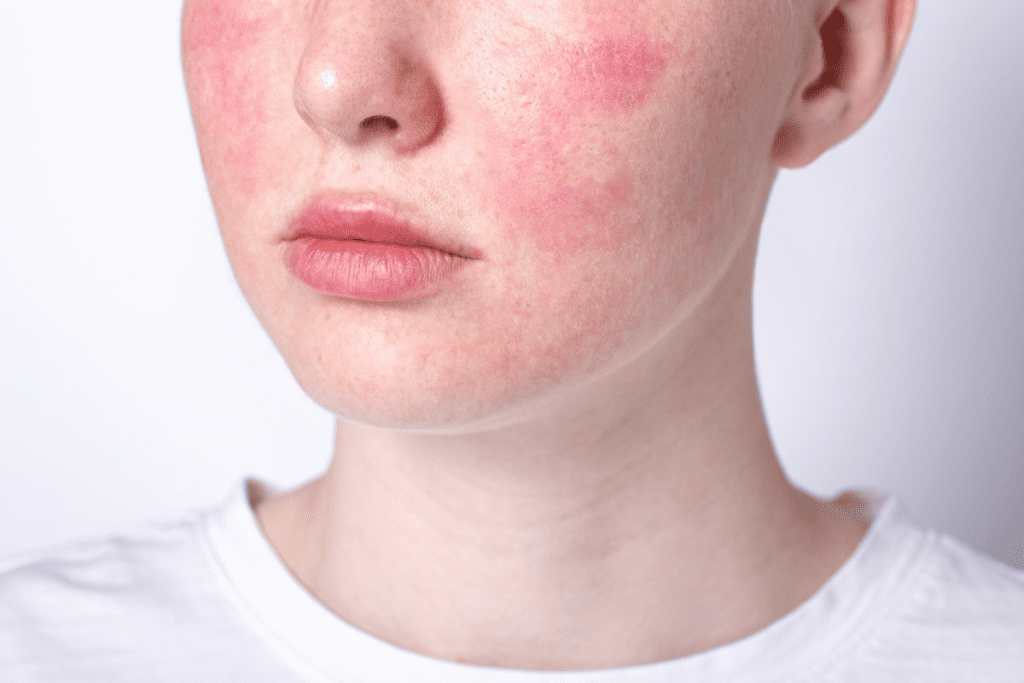
Common skin signs include petechiae, purpura, and leukemia cutis. These signs can range from small rashes to big nodules. Knowing these signs helps doctors act fast. What does leukemia look like on skin? Identify the leukemia rash and other scary skin signs of blood cancer. Crucial guide for early detection.
Key Takeaways
- Leukemia cutis is a skin manifestation seen in some leukemia patients.
- Early signs include petechiae, purpura, and leukemia cutis.
- Recognizing these signs is vital for early diagnosis.
- Effective treatment depends on timely medical intervention.
- Leukemia can cause various skin changes, including rashes and nodules.
The Connection Between Leukemia and Skin Changes
It’s important to understand how leukemia affects the skin. Leukemia is a blood and bone marrow cancer. It can cause skin changes because it impacts blood cells, platelets, and the immune system.
How Blood Cancer Affects Skin Tissue
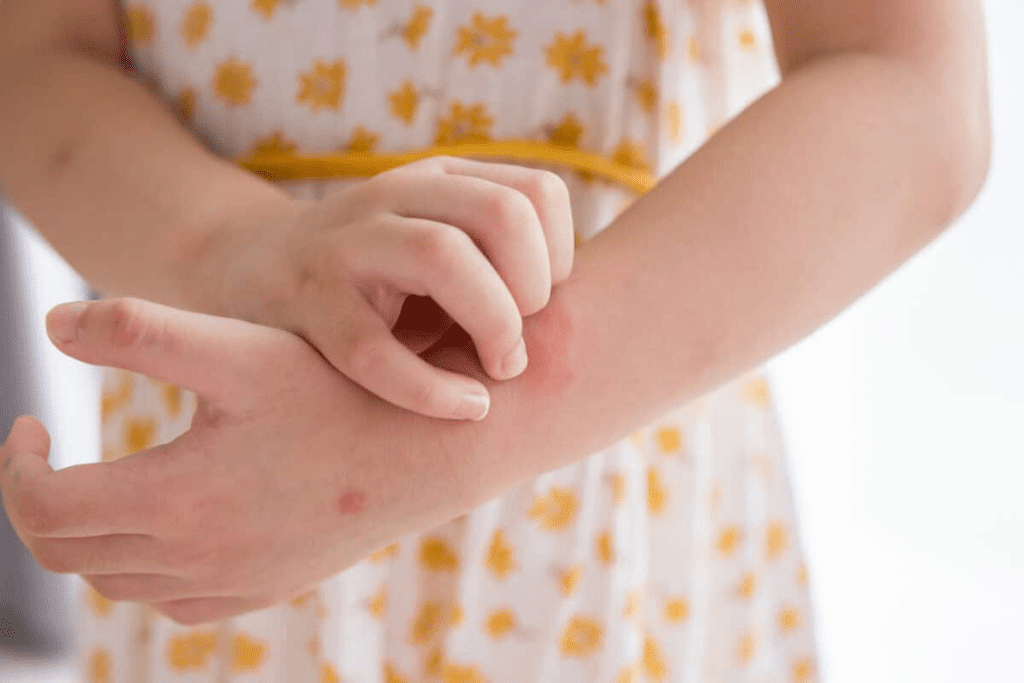
Leukemia can change the skin in several ways. Cancer cells can invade the skin, known as leukemia cutis. It can also cause bleeding, leading to bruises or petechiae. The immune system problems make patients more likely to get skin infections.
These skin changes can vary a lot among patients. They are common in people with certain types of leukemia. Spotting these signs early is key for timely medical help.
Prevalence of Skin Manifestations in Leukemia Patients
Skin symptoms in leukemia patients are more common than you might think. Research shows many patients with specific leukemia types get skin symptoms. For example, those with Acute Myeloid Leukemia (AML) often see skin involvement.
We will look closer at the different leukemia types and their skin symptoms. This highlights the need for early detection and diagnosis.
Types of Leukemia Most Associated with Skin Symptoms
Knowing which types of leukemia can cause skin symptoms is key for early treatment. Leukemia, a blood cancer, shows up differently on the skin based on the type.
Acute Myeloid Leukemia (AML) Skin Manifestations
AML is a common leukemia that affects the skin. AML can cause leukemia cutis, where cancer cells spread to the skin. This leads to lesions or rashes.
These skin signs can look like red, purple, or brown spots. They might also come with fever and tiredness.
Seeing leukemia cutis in AML patients means the disease is getting worse. It’s important to spot these skin signs early for the right treatment.
T-cell Prolymphocytic Leukemia (T-PLL) and Skin
T-PLL is a rare, aggressive leukemia that affects the skin a lot. It can cause diffuse erythema, papules, and nodules on the skin. These signs can look like other skin problems, making it hard to diagnose.
In T-PLL, the skin symptoms are a big part of the disease. They need a detailed check to figure out what’s going on.
Other Leukemia Types and Their Skin Effects
AML and T-PLL are known for their skin symptoms, but other leukemias can also affect the skin. For example, Chronic Lymphocytic Leukemia (CLL) might show up with skin lesions or rashes, but it’s less common.
Knowing how different leukemias show up on the skin helps doctors diagnose and treat them. We should think about leukemia when someone has unexplained skin problems, along with other signs of blood cancer.
Identifying Leukemia Rash: Visual Characteristics
To spot a leukemia rash, you need to know what it looks like. This includes its color, shape, and where it shows up on the body. Because leukemia rashes can look different, it’s key to understand their various features.
Color Variations: Red, Purple, Brown, and Yellow Lesions
Leukemia rashes come in many colors like red, purple, brown, and yellow. These colors show how the body reacts to the leukemia.
- Red Lesions: Often linked to inflammation or bleeding under the skin.
- Purple Lesions: May show bleeding or bruising because of low platelet counts.
- Brown Lesions: Happen from hemosiderin deposits after bleeding.
- Yellow Lesions: Seen in cases of jaundice or leukemia cell infiltration.
Morphology: Papules, Plaques, Nodules, and Tumors
The shape of leukemia rash can change, showing up as papules, plaques, nodules, or tumors. Each shape gives hints about the leukemia and its effect on the skin.
- Papules: Small, raised bumps that show leukemia cell infiltration.
- Plaques: Larger, flat areas that may be red or purple, seen in more advanced cases.
- Nodules: Larger, rounded masses felt under the skin.
- Tumors: Large, sometimes ulcerated lesions showing a lot of leukemia cells.
Common Locations on the Body
Leukemia rashes can pop up anywhere but often show up in certain spots. Knowing these common places can help spot them early.
- Head and Neck: Often hit, mainly in certain leukemia types.
- Trunk: The chest and back are common sites for leukemia rash.
- Extremities: Arms and legs can also get affected, showing different shapes.
Spotting the signs of leukemia rash is key for early treatment. If you see any odd skin changes, see a doctor right away for the right check-up and care.
Petechiae and Purpura: Hallmark Signs of Leukemia
Petechiae and purpura are often the first signs of leukemia. They show up as tiny red or purple spots on the skin. These spots are important signs of the disease, mainly in people with low platelet counts.
What Causes These Tiny Red or Purple Spots
Petechiae are small spots from broken capillaries. Purpura are larger areas of bleeding under the skin. Both happen when there are low platelet counts, common in leukemia patients. Low platelets make it hard for the body to form clots, causing these spots.
How to Recognize Petechiae
To spot petechiae, look for small, red or purple spots that don’t change color when pressed. They usually appear on the legs, arms, and torso. It’s key to tell them apart from other rashes, as they can mean a serious condition like leukemia.
When Petechiae Indicate a Medical Emergency
Petechiae can mean leukemia, but they can also signal other urgent health issues. If you see a lot of petechiae suddenly, and you have symptoms like fever, fatigue, or bleeding gums, get medical help right away. Quick diagnosis and treatment are vital to manage leukemia and avoid serious problems.
Leukemia Bruising Patterns and Bleeding Issues
Leukemia can cause bruising and bleeding problems. It affects blood cells and platelets. This is why it’s important to understand these issues.
Why Leukemia Causes Abnormal Bruising
Leukemia leads to abnormal bruising for several reasons. Low platelet counts and dysfunctional platelets are the main causes. When platelets are low, stopping bleeding becomes harder.
Key factors contributing to abnormal bruising in leukemia include:
- Thrombocytopenia: Low platelet count reduces the body’s ability to form clots.
- Dysfunctional platelets: Even with normal counts, platelets may not function correctly.
- Bone marrow infiltration: Leukemia cells in the bone marrow can disrupt normal blood cell production.
Distinguishing Leukemia Bruises from Normal Bruises
Leukemia bruises are different from normal ones. They happen more often, are bigger, and last longer. People with leukemia might bruise without injury.
Bleeding Gums and Other Related Symptoms
Bleeding gums are a common sign of leukemia. It’s due to low platelet counts or dysfunction. Other symptoms include nosebleeds, bleeding in the gut, and bleeding after minor cuts.
It’s important for those with these symptoms to see a doctor. They can find the cause and start treatment.
Leukemia Cutis: When Cancer Cells Directly Infiltrate the Skin
Leukemia cutis is a rare but serious sign of leukemia. It happens when cancer cells get into the skin. This leads to different skin problems and symptoms.
Clinical Presentation and Diagnosis
Leukemia cutis can show up in many ways, like papules, plaques, nodules, and tumors. These skin issues can be red, purple, or brown. Doctors usually find leukemia cells in the skin through a skin biopsy.
It’s important to get a correct diagnosis because it can look like other skin problems. A skin biopsy helps figure out if it’s leukemia cutis and what type of leukemia it is.
Prognostic Implications
Leukemia cutis can mean the leukemia is more advanced. This can lead to a worse outlook. Knowing this helps doctors talk to patients and plan treatments.
It can also mean the leukemia is getting worse or coming back. This is why patients need to be closely watched and treatments might need to change.
Treatment Approaches for Skin Infiltration
Treating leukemia cutis involves several steps. It focuses on both the leukemia and the skin problems. Treatment options include chemotherapy, targeted therapy, or radiation, depending on the leukemia type and stage.
Local treatments can also help with skin symptoms. The right treatment depends on the patient’s health, the leukemia type, and how much skin is affected.
Early Signs of Leukemia That Appear on Skin
Skin changes can be early signs of leukemia. They often show up before other symptoms. It’s key to spot these changes early for better treatment.
Timeline of Symptom Development
The time when leukemia skin symptoms start can vary. It depends on the type of leukemia and personal factors. For example, acute myeloid leukemia (AML) might show skin symptoms quickly, in weeks or months.
On the other hand, chronic lymphocytic leukemia (CLL) might take longer. Knowing when symptoms start is vital for early diagnosis and treatment.
Skin Changes as First Indicators of Disease
Skin changes can be the first signs of leukemia. These might include lesions, rashes, or other skin issues. For instance, leukemia cutis can cause visible skin lesions.
Other signs might be petechiae, purpura, or easy bruising. It’s important to watch for these and see a doctor if they don’t go away.
Accompanying Systemic Symptoms
Skin changes often come with other symptoms. These can be fatigue, weight loss, fever, night sweats, and swollen lymph nodes. As leukemia gets worse, symptoms like bone pain, anemia, and infections may appear.
Spotting both skin and systemic symptoms is key for doctors to suspect leukemia. A full medical check-up is important for those showing these signs.
Diagnostic Process for Suspected Leukemia Skin Manifestations
When a patient shows signs of leukemia in their skin, a detailed process starts. This includes checking the patient, running lab tests, and sometimes using advanced imaging. These steps help confirm the diagnosis and plan the treatment.
Skin Biopsy Procedures and Results
A skin biopsy is key for diagnosing leukemia cutis. It involves taking a small skin sample. This sample is then looked at under a microscope for signs of cancer cells.
The biopsy results are very important. They show if leukemia cells are in the skin. This helps confirm the diagnosis and can tell what type of leukemia it is.
Blood Tests and Bone Marrow Examination
Blood tests are vital for diagnosing leukemia. They check for abnormal white blood cells or blast cells in the blood. A complete blood count (CBC) is usually one of the first tests done.
A bone marrow examination is a key test for leukemia. It involves taking a bone marrow sample for analysis. This helps find out the type and how far the leukemia has spread.
Advanced Imaging and Other Diagnostic Tools
Advanced imaging like CT scans, PET scans, or MRI might be used. They help see how far the disease has spread or if it’s in other organs.
Tools like flow cytometry and molecular genetic testing are also used. They help understand the leukemia cells better. This information is important for diagnosis, predicting the outcome, and planning treatment.
By using all these methods, doctors can accurately diagnose leukemia. They can then create a treatment plan that fits the patient’s needs.
Conditions That Mimic Leukemia Skin Symptoms
Many rashes and skin disorders can look like leukemia symptoms. This makes it hard to tell them apart. A detailed differential diagnosis is key to making the right call.
Common Rashes and Skin Disorders
Several skin issues can look like leukemia. These include:
- Allergic reactions, which can cause rashes that might be confused with leukemia skin manifestations.
- Infections such as Lyme disease or syphilis, which can cause skin lesions.
- Autoimmune disorders like lupus or psoriasis, which can present with skin symptoms.
- Dermatitis, which can cause a variety of skin reactions.
When to Suspect Leukemia vs. Other Conditions
Telling leukemia apart from other skin symptoms is vital. We should think of leukemia when:
- The patient has systemic symptoms such as fatigue, weight loss, or fever.
- Skin lesions are accompanied by bleeding gums or easy bruising.
- The skin manifestations are persistent and not responsive to typical treatments.
Differential Diagnosis Process
The differential diagnosis for leukemia is detailed. It includes:
- Medical history to identify risk factors and previous diagnoses.
- Physical examination to assess the nature and extent of skin symptoms.
- Laboratory tests, including blood tests and bone marrow biopsies, to confirm the presence of leukemia cells.
- Imaging studies to evaluate the extent of disease.
By looking at these factors closely, doctors can accurately diagnose and treat leukemia. They can tell it apart from other conditions with similar symptoms.
Conclusion: Recognizing and Responding to Leukemia Skin Changes
It’s key to spot leukemia skin changes early for better treatment. Knowing the signs helps doctors and patients catch it fast. This teamwork leads to better care.
Spotting leukemia skin signs early can really help. At Liv Hospital, we aim to give top-notch care. We support patients from all over.
Leukemia skin signs, like rashes, might be hard to notice. But knowing them is vital. We urge everyone to watch for changes and see a doctor if they don’t go away.
Together, we can make a big difference. Better diagnosis and treatment mean better lives for those with leukemia.
FAQ
What are the common skin manifestations of leukemia?
Leukemia can cause skin symptoms like petechiae, purpura, and bruising. It also leads to leukemia cutis. These happen when cancer cells get into the skin, causing bleeding and immune problems.
How do I recognize petechiae and purpura?
Petechiae are small red or purple spots from minor bleeding. Purpura are larger purple patches. Both are signs of leukemia. If you see them, get medical help right away.
What is leukemia cutis, and how is it diagnosed?
Leukemia cutis is when leukemia cells get into the skin, causing lesions. A skin biopsy is used to diagnose it. This involves looking at a skin sample under a microscope for cancer cells.
Can leukemia cause abnormal bruising?
Yes, leukemia can cause abnormal bruising. This is due to low platelet counts or platelet problems. Leukemia bruises are often bigger and more frequent than normal bruises, and may be accompanied by bleeding gums.
What are the early signs of leukemia that appear on the skin?
Early signs of leukemia on the skin include petechiae, purpura, and unexplained bruising. These symptoms can show up before other signs of leukemia appear. It’s important to see a doctor if you notice any unusual skin changes.
How is leukemia diagnosed when skin manifestations are present?
Diagnosing leukemia involves a skin biopsy, blood tests, and a bone marrow examination. These tests confirm the presence of leukemia cells and determine the type of leukemia.
What conditions can mimic leukemia skin symptoms?
Conditions like other cancers, infections, and skin disorders can cause symptoms similar to leukemia. A detailed differential diagnosis is needed to find the cause of skin symptoms.
How can I distinguish between leukemia bruises and normal bruises?
Leukemia bruises are often bigger, more frequent, or in unusual places. They may also come with symptoms like bleeding gums, fatigue, or weight loss. If you’re worried about bruising, see a healthcare professional.
Are there specific types of leukemia more commonly associated with skin symptoms?
Yes, some types of leukemia, like Acute Myeloid Leukemia (AML) and T-cell Prolymphocytic Leukemia (T-PLL), are more likely to cause skin symptoms. Knowing the type of leukemia helps guide diagnosis and treatment.
References
- Kerkmann, A., et al. (2025). Chemotherapy-induced cognitive impairment and its long-term effects in breast cancer patients: A prospective longitudinal study. The Oncologist, 30(2), e85“e94.https://academic.oup.com/oncolo/article/30/2/oyae268/7822228
- Amani, O., et al. (2024). Chemotherapy-induced cognitive impairment in breast cancer survivors: A systematic review. Psycho-Oncology, 33(3), 509-520.https://www.ncbi.nlm.nih.gov/pmc/articles/PMC10864736/