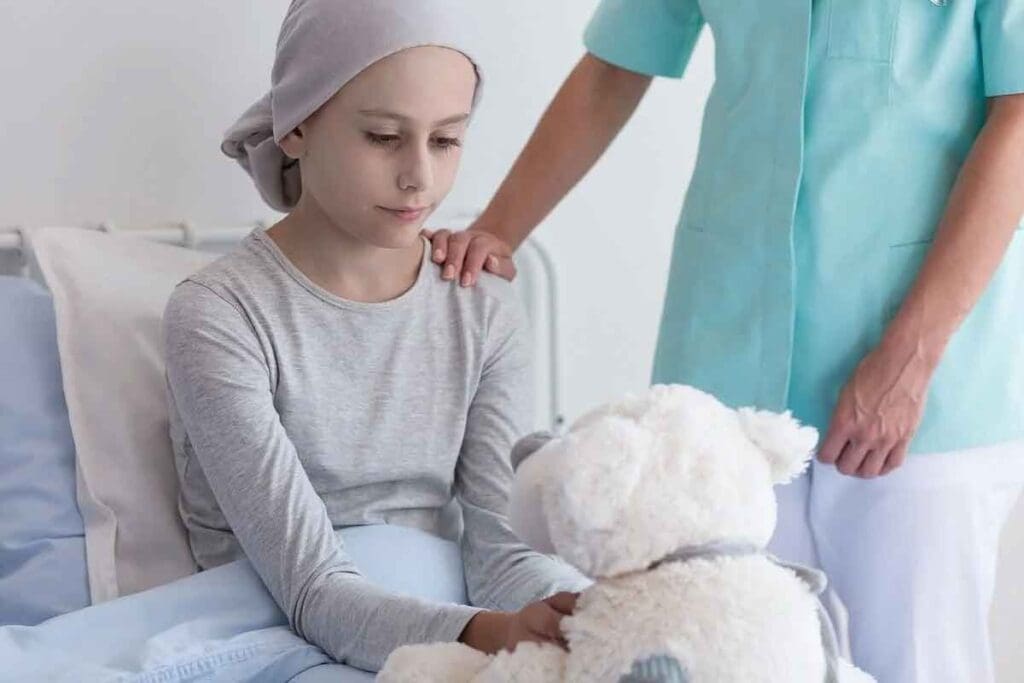
The outlook for kids with leukemia has gotten much better. This is thanks to new treatments and top-notch care. The National Cancer Institute says the 5-year survival rate for kids with this disease has gone up a lot.
Today, the 5-year leukemia survival rate child is about 86 percent. This shows how far pediatric oncology has come. Liv Hospital is leading the way in caring for kids with leukemia.
Key Takeaways
- Childhood leukemia survival rates have improved significantly.
- The 5-year survival rate is now around 86 percent.
- Advancements in treatment have contributed to this improvement.
- Liv Hospital is recognized for its pediatric leukemia care.
- Expert multidisciplinary care is key for patient outcomes.
- Global standards in care are met by places like Liv Hospital.
The Evolution of Childhood Leukemia Treatment and Survival

The world of childhood leukemia treatment has seen big changes since the 1970s. Back then, leukemia was almost always fatal for kids. But thanks to medical science, it’s now treatable for many young patients.
Historical Perspective on Childhood Leukemia Outcomes
Long ago, getting leukemia as a kid meant almost certain death. But as doctors learned more, treatments got better. Now, thanks to research,childhood leukemia treatment has made huge strides, leading to better survival rates.
Major Breakthroughs in Pediatric Leukemia Treatment
Several major steps have helped improve pediatric leukemia treatment. These include:
- Introduction of combination chemotherapy
- Advances in radiation therapy
- Improvements in bone marrow transplantation techniques
- Development of targeted therapies
These advances have greatly boosted the leukemia survival rate in child statistics we see today.
The Current Landscape of Childhood Leukemia Care
Today, treating childhood leukemia is all about the individual child. Doctors consider the type of leukemia, genetics, and overall health. Treatments now include:
- Risk-stratified treatment plans
- Minimal residual disease monitoring
- Innovative therapies such as CAR-T cell therapy
This approach has greatly improved the outlook for kids with leukemia. It shows how vital ongoing research and advancements in childhood leukemia treatment are.
Fact 1: Overall Leukemia Survival Rate in Child Patients Now Reaches 86%

Recent data shows that the leukemia survival rate in children has hit 86%. This big jump in survival rates shows how far medical treatments have come. It’s a big win for kids with leukemia.
Understanding the 5-Year Survival Metric
The 5-year survival rate is a key way to measure if kids beat leukemia. It shows how well treatments work and if kids can live long after diagnosis.
Key aspects of the 5-year survival metric include:
- It measures survival from the date of diagnosis.
- It includes patients who are in treatment.
- It counts patients who have finished treatment and are in remission.
How Modern Treatments Have Transformed Outcomes
Modern treatments have greatly boosted survival rates for kids with leukemia. New ways to fight the disease, like chemotherapy and bone marrow transplants, have made a big difference.
Some key advancements include:
- Personalized medicine that fits the patient’s leukemia.
- Better care to reduce the side effects of treatment.
- New trials for even more effective treatments.
Variations in Survival Based on Leukemia Type
Leukemia is not just one disease but a group of cancers. The most common types in kids are Acute Lymphoblastic Leukemia (ALL) and Acute Myeloid Leukemia (AML). Each type has its own survival rate.
| Leukemia Type | 5-Year Survival Rate |
| Acute Lymphoblastic Leukemia (ALL) | 90% |
| Acute Myeloid Leukemia (AML) | 65-70% |
The table shows how survival rates differ between ALL and AML. It shows why treatments need to be specific to each type. It also highlights the need for more research into better treatments.
Fact 2: Acute Lymphoblastic Leukemia (ALL) Shows 90-95% Cure Rate in Low-Risk Cases
Children with Acute Lymphoblastic Leukemia (ALL) have a much better chance of survival today. Low-risk cases can now be cured 90-95% of the time. This progress comes from years of research and improving treatment methods.
What Makes ALL the Most Common Childhood Leukemia
ALL is the leading childhood leukemia, making up 80% of cases. It’s common because of genetics and how fast cells grow in kids.
Because of its high rate, researchers have worked hard. They’ve developed treatments that greatly increase survival chances.
Risk Stratification in Childhood ALL
Doctors sort children with ALL into risk groups. They look at age, blood cell count, genetics, and how well the treatment works. This helps decide the best treatment plan.
- Low-risk kids usually do well and get less treatment.
- High-risk kids need stronger treatments and new approaches.
B-Cell ALL: Specific Outcomes and Treatment Approaches
B-Cell ALL is the most common type in kids. Treatments for it have gotten better, using targeted therapies. This helps kids recover better and with fewer side effects.
New treatments like rituximab and CAR-T cell therapy have changed B-Cell ALL treatment. They give hope to kids who had few options before.
Key advancements in B-Cell ALL treatment include:
- Personalized medicine based on genetics.
- Stronger chemotherapy for high-risk kids.
- New agents in clinical trials.
These steps have helped low-risk ALL cases have a high cure rate. It shows how important ongoing research and treatment updates are.
Fact 3: Acute Myeloid Leukemia (AML) in Children Has 65-70% Survival Rate
Children with AML now have a 65-70% chance of survival. This is thanks to better treatments and a deeper understanding of the disease.
Unique Challenges of Childhood AML
Childhood AML is different from adult AML and other leukemias in kids. It has many subtypes, each needing its own treatment plan.
Treatment of AML is intense. It often includes strong chemotherapy and sometimes a stem cell transplant. This can cause serious side effects.
Genetic and Molecular Factors Affecting AML Prognosis
Genetics and molecular factors are key in predicting AML outcomes in kids. Some genetic changes can make the disease more treatable. Others may make it harder to fight.
- Some genetic mutations are associated with a more favorable prognosis.
- Others may indicate a higher risk of relapse or treatment resistance.
- Molecular profiling helps in identifying these factors and tailoring treatment.
Importance of Response to Induction Therapy
How well a child responds to the first treatment is very important. Getting into complete remission after the first treatment is a good sign for long-term survival.
| Response to Induction Therapy | Prognosis |
| Complete Remission | Favorable |
| Partial Response | Guarded |
| No Response | Poor |
This shows how critical it is to start treatment early and effectively for childhood AML.
Fact 4: Infant Leukemia Has Lower Survival Rates Than in Older Children
Leukemia in babies under one year is harder to treat than in older kids. This shows we need special treatment for them. Infant leukemia is rare and needs its own approach to diagnosis and treatment.
Survival Statistics for Babies Under 1 Year
Infants with leukemia have much lower survival rates than older kids. Studies show that babies with Acute Lymphoblastic Leukemia (ALL) have a 50-60% chance of survival. This is much lower than the 90-95% survival rate for older kids with low-risk ALL.
A study in a medical journal found that babies with ALL have a 47% chance of survival after five years. This chance can vary from 40-54% based on genetic factors and how well they respond to treatment.
Why Infant Leukemia Presents Unique Challenges
Infant leukemia is tough to beat because of its unique challenges. One big reason is genetic mutations, like the MLL gene rearrangement. These mutations are more common in infant leukemia and make it harder to treat.
Also, babies often have mixed lineage leukemia, which is harder to treat. Their young immune systems may not work well with some treatments.
“The unique biology of infant leukemia, including the presence of MLL gene rearrangements, requires tailored therapeutic approaches to improve outcomes.”
-Experts note
Relapse Rates and Long-term Outcomes in Infants
Infant leukemia is more likely to come back than in older kids. A study found that 20-30% of babies with ALL relapse. Most of these relapses happen in the first year after diagnosis.
| Age Group | 5-Year Survival Rate | Relapse Rate |
| Infants (<1 year) | 47% | 20-30% |
| Children (1-9 years) | 90% | 10-15% |
If infant leukemia comes back, the survival rate drops to about 21%. This shows how important it is to have effective first treatments and watch for relapse.
Long-term survival for babies with leukemia depends on how well they respond to treatment and genetic factors. Researchers are working on new treatments to improve survival rates and reduce side effects.
Fact 5: Relapse Remains a Significant Challenge in Childhood Leukemia
Despite progress, relapse is a big challenge in treating childhood leukemia. It happens when leukemia comes back after treatment. This can occur in different types of leukemia, like Acute Lymphoblastic Leukemia (ALL) and Acute Myeloid Leukemia (AML).
Understanding Relapse Risk Factors
Several factors increase the risk of relapse. These include the initial white blood cell count, genetic abnormalities, and how well the leukemia responds to treatment. Kids with high-risk features at diagnosis are more likely to relapse.
Key Risk Factors for Relapse:
- High initial white blood cell count
- Presence of certain genetic mutations
- Poor response to initial treatment
- Age at diagnosis (infants and older children have different risks)
Survival Rates After Relapse
The outlook for kids who relapse varies. It depends on when the relapse happens, where it is, and the leukemia’s characteristics. Generally, survival rates after relapse are lower than at first diagnosis.
| Relapse Characteristics | Survival Rate |
| Early Relapse (within 18 months of diagnosis) | 20-30% |
| Late Relapse (after 18 months from diagnosis) | 40-50% |
| Relapse with Isolated Central Nervous System Involvement | 50-60% |
New and Emerging Therapies for Relapsed Disease
New treatments are being developed to help kids with relapsed leukemia. These include targeted therapies, immunotherapies, and new chemotherapy agents.
Promising New Therapies:
- Chimeric Antigen Receptor (CAR) T-cell therapy
- Targeted therapies against specific genetic mutations
- Immunotherapies such as bispecific antibodies
As research continues, these new treatments offer hope for better survival rates and outcomes for kids with relapsed leukemia.
Fact 6: Prognosis Varies Significantly Based on Multiple Factors
Childhood leukemia’s outlook can change a lot based on several important things. Knowing these factors helps doctors plan treatments and tell families about their child’s future.
Age at Diagnosis as a Prognostic Factor
The age when a child is diagnosed matters a lot. Infants under one year old often face tougher challenges because of their leukemia’s unique traits. Kids between 1 and 9 years old usually have better chances. Adolescents and young adults might have different outcomes, depending on their leukemia type and other factors.
Genetic and Cytogenetic Influences on Outcome
Genetic and cytogenetic factors greatly affect a child’s leukemia prognosis. Some genetic traits in Acute Lymphoblastic Leukemia (ALL) can mean better chances. But, other high-risk traits might need more intense treatments. Cytogenetic testing is key in finding these factors.
Response to Initial Treatment
How well a child responds to first treatment is very important. Those who quickly get better usually do well. The success of the first treatment is watched closely, and changes are made to help the child survive longer.
Healthcare teams look at all these factors to get a clear picture of a child’s future. This helps them create treatment plans that give kids the best chance for a good outcome.
Fact 7: Global Childhood Leukemia Mortality Continues to Decline
Thanks to global efforts, childhood leukemia deaths have dropped a lot in recent years. This progress comes from better research, new treatments, and more access to healthcare.
International Variations in Survival Rates
Even though more kids are surviving leukemia, survival rates vary worldwide. Richer countries usually have better survival rates than poorer ones.
A study showed big differences in survival rates. Some places have over 90% survival for certain leukemias. But others barely reach 50%.
| Country | 5-Year Survival Rate (%) |
| United States | 85-90 |
| Canada | 85-92 |
| Some Developing Countries | 40-60 |
Access to Treatment and Its Impact on Outcomes
Getting to advanced treatments is key to survival. Countries with strong healthcare systems and new therapies usually see better results.
Key factors affecting access to treatment include:
- Economic resources
- Healthcare infrastructure
- Availability of specialized care
It’s important to improve access to these resources to boost global survival rates.
Collaborative Research Driving Improved Results Worldwide
Research shared across countries has greatly helped pediatric oncology. By exchanging data and findings, the medical world can create better treatments.
International collaborations have led to:
- Development of standardized treatment protocols
- Identification of best practices in patient care
- Advancements in targeted therapies
These efforts have played a big role in lowering global childhood leukemia deaths.
Conclusion: The Future of Childhood Leukemia Treatment and Survival
The way we treat childhood leukemia has changed a lot, leading to better survival rates. Now, 86% of kids with leukemia can survive. For those with Acute Lymphoblastic Leukemia (ALL), the cure rate is even higher, at 90-95% for low-risk cases.
New research and treatments are making a big difference. Doctors are looking into new therapies and targeted treatments. These could help more kids, even those at high risk or with the disease coming back.
The outlook for treating childhood leukemia is bright. Thanks to hard work and new ideas, more kids can beat this disease. This gives families hope for the future.
What we’ve learned about treating leukemia shows the strength of medical research and teamwork. Moving forward, we’ll keep working to make treatments better and improve life for kids with leukemia.
FAQ
What is the current 5-year survival rate for children diagnosed with leukemia?
The current 5-year survival rate for children with leukemia is about 86%.
How has the survival rate for childhood leukemia changed over the years?
Survival rates for childhood leukemia have greatly improved. This is thanks to better treatments and care.
What is the difference in survival rates between Acute Lymphoblastic Leukemia (ALL) and Acute Myeloid Leukemia (AML) in children?
ALL has a higher survival rate. It has a 90-95% cure rate in low-risk cases. AML’s survival rate is around 65-70%.
Why does infant leukemia have a lower survival rate compared to leukemia in older children?
Infant leukemia is harder to treat because of the child’s age and the disease’s aggressiveness. This leads to lower survival rates.
What is the significance of the 5-year survival metric in childhood leukemia?
The 5-year survival metric is key. It shows how well treatment works and predicts long-term outcomes for kids with leukemia.
How does risk stratification impact treatment approaches for childhood ALL?
Risk stratification helps tailor treatment. It’s based on the risk of relapse. This makes care more effective and personalized.
What role does response to initial treatment play in determining the prognosis for childhood leukemia?
How well a child responds to initial treatment is very important. A good response means better chances of survival.
How do genetic and cytogenetic factors influence the outcome of childhood leukemia?
Genetic and cytogenetic factors greatly affect leukemia outcomes. Some abnormalities increase the risk of relapse.
What is the impact of access to treatment on childhood leukemia survival rates globally?
Access to treatment is critical. Without it, survival rates suffer. This is why outcomes vary worldwide.
What is the current focus of research in improving childhood leukemia treatment and survival?
Research now focuses on new therapies and better risk stratification. It also aims to improve global collaboration for better results.
Are there any new therapies being developed for relapsed childhood leukemia?
Yes, new therapies are being developed for relapsed leukemia. They offer hope for better outcomes in children.
How does age at diagnosis affect the prognosis for childhood leukemia?
Age at diagnosis is very important. Infants and very young children often face unique challenges and poorer outcomes.
What is the overall trend in global childhood leukemia mortality rates?
Global childhood leukemia mortality rates are going down. This is due to better treatments and care.
References
- “The Clinical Profile of Newly Diagnosed Acute Myeloid Leukemia.” (2024). PMC. https://pmc.ncbi.nlm.nih.gov/articles/PMC11210435/
- De Kouchkovsky, I., & Abdul-Hay, M. (2016). “Acute myeloid leukemia: a comprehensive review and recent developments.” British Journal of Haematology / Nature..https://www.nature.com/articles/bcj201650