Can you beat AML leukemia? Understanding Leukemia Symptoms and Treatment

Acute Myeloid Leukemia (AML) is a tough diagnosis, making up about one-third of adult leukemia cases. Thanks to new treatments and early care, survival chances have gone up. Now, the five-year survival rate is about 32.9%.
Knowing the symptoms of AML and looking into leukemia treatment options are key steps. Places like Liv Hospital are leading in advanced care for AML patients.
We aim to give full info and support to those with AML. We stress the need for early detection and the newest treatments.
Key Takeaways
- AML represents approximately one-third of adult leukemia cases.
- The overall five-year survival rate for AML is about 32.9%.
- Early detection and intervention are critical in managing AML.
- Innovative treatments and therapies are improving patient outcomes.
- Hospitals like Liv Hospital are leading the way in AML care.
Understanding Acute Myeloid Leukemia (AML)
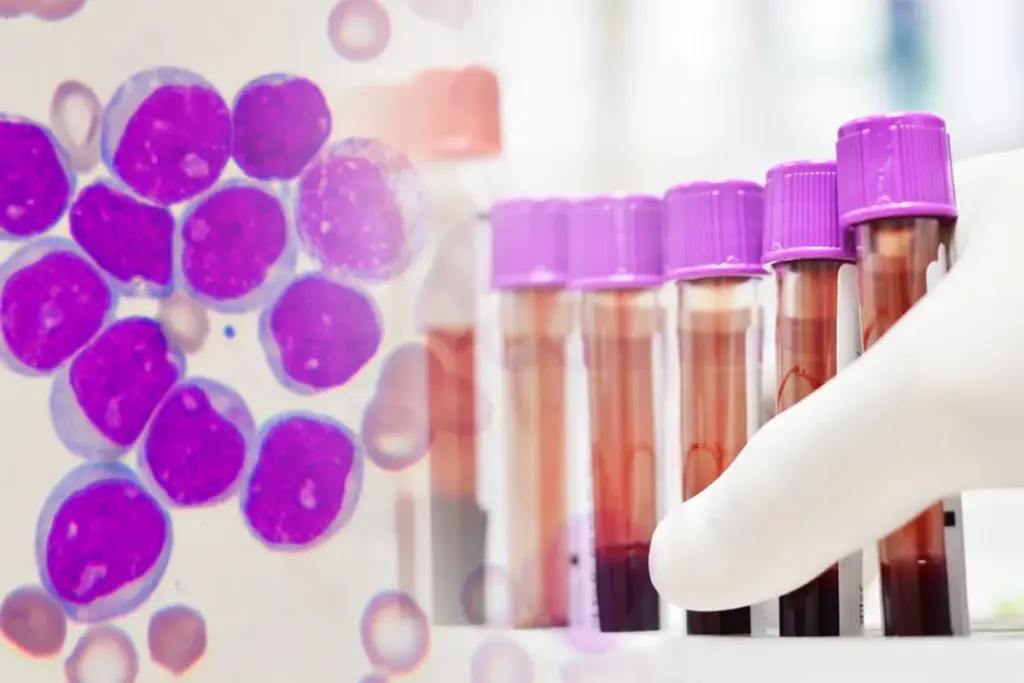
AML, or Acute Myeloid Leukemia, is a cancer that affects the blood and bone marrow. It disrupts normal blood cell production. This can cause anemia, infections, and bleeding disorders. We will look at the basics of AML, its development, and the different types.
What is AML and How Does it Develop?
AML is marked by the fast growth of abnormal white blood cells in the bone marrow. These cells block the production of normal blood cells. The disease can get worse quickly if not treated fast. The exact cause of AML is not known, but risk factors include chemicals, radiation, and genetics.
For more detailed statistics on AML incidence, we can refer to resources such as the Surveillance, Epidemiology, and End Results (SEER). It provides detailed data on cancer statistics.
Types and Classifications of AML
AML is classified based on the type of cell affected and its maturity level. The French-American-British (FAB) and World Health Organization (WHO) classifications are used. The FAB system divides AML into subtypes (M0 to M7) based on cell type and maturity. The WHO classification further refines these categories, including genetic and molecular characteristics.
|
FAB Subtype |
Description |
|---|---|
|
M0 |
Undifferentiated acute myeloid leukemia |
|
M1 |
Acute myeloblastic leukemia without maturation |
|
M2 |
Acute myeloblastic leukemia with maturation |
|
M3 |
Acute promyelocytic leukemia |
|
M4 |
Acute myelomonocytic leukemia |
|
M5 |
Acute monocytic leukemia |
|
M6 |
Acute erythroid leukemia |
|
M7 |
Acute megakaryoblastic leukemia |
Understanding these classifications is key for finding the best treatment for AML patients. By knowing the specific subtype, doctors can create treatment plans that fit each patient’s needs.
AML Statistics and Prevalence
Recent data show we need more research and awareness about AML. Acute Myeloid Leukemia (AML) is a serious blood cancer. It affects different people in different ways. Knowing the AML statistics is key for patients, doctors, and researchers.
Incidence Rates in the United States
In the U.S., AML is a big health issue. Every year, about 22,010 new AML cases and 11,090 deaths are expected in 2025. This highlights the need for better treatments and early detection.
Most AML cases happen in people over 65. This age trend helps us understand risks and develop better treatments.
Global Prevalence of AML
Worldwide, AML rates vary a lot. Genetic factors, environmental exposures, and health conditions affect these rates. The global AML prevalence also depends on population demographics, healthcare access, and diagnostic tools.
- Regional Variations: AML rates vary by region, with some areas having higher rates due to specific risks.
- Demographic Factors: Age, gender, and ethnicity influence AML rates, with some groups being more affected.
Knowing these statistics is essential for improving public health and patient care. By studying trends and factors, we can meet the needs of those with AML better.
Risk Factors for Developing AML
AML risk factors are varied, from genetic predispositions to environmental exposures. Knowing these factors helps us understand who might get AML.
Genetic Predispositions
Genetic mutations are key in AML development. Some genetic syndromes, like Down syndrome, raise the risk. Also, specific gene mutations, like FLT3 and NPM1, can lead to the disease.
- Genetic Syndromes: Conditions like Down syndrome, Fanconi anemia, and Bloom syndrome increase the risk.
- Gene Mutations: Mutations in genes such as FLT3, NPM1, and DNMT3A are common in AML patients.
Environmental Factors
Exposure to certain environmental factors can raise AML risk. These include:
- Radiation Exposure: High levels of ionizing radiation, like from nuclear accidents or some medical treatments, can increase AML risk.
- Chemical Exposure: Exposure to chemicals like benzene, found in some industrial settings, has been linked to AML.
- Pesticide Exposure: Some studies suggest a link between exposure to certain pesticides and an increased risk of AML.
Pre-existing Medical Conditions
Certain pre-existing medical conditions can raise AML risk. These include:
- Myelodysplastic syndromes (MDS), which can progress to AML.
- Previous chemotherapy or radiation therapy for other cancers, which can damage the bone marrow and increase AML risk.
- Other blood disorders, such as myeloproliferative neoplasms (MPNs), which can evolve into AML.
Understanding these risk factors is key for early detection and prevention. We keep researching and monitoring these factors to help AML patients.
Leukemia Symptoms: Recognizing the Warning Signs of AML
Knowing the symptoms of Acute Myeloid Leukemia (AML) is key for early treatment. AML affects people differently, so it’s important to know the signs.
Early Symptoms of AML
The first signs of AML can be hard to spot because they’re similar to other illnesses. Look out for:
- Fatigue: Feeling very tired or weak, even after resting.
- Weight Loss: Losing weight without trying, which can mean something serious.
- Frequent Infections: Getting sick often because your immune system is weak.
- Pale Skin: Skin that looks pale because of anemia, a common AML side effect.
Advanced Symptoms and Complications
As AML gets worse, symptoms can get more serious. These may include:
- Bleeding or Bruising: Bleeding easily, like nosebleeds or bleeding gums.
- Shortness of Breath: Feeling like you can’t catch your breath, even when sitting.
- Bone Pain: Pain or tenderness in your bones or joints.
- Swollen Lymph Nodes: Lymph nodes, spleen, or liver getting bigger.
If you notice any of these symptoms, see a doctor right away. Early treatment can make a big difference for AML patients.
Diagnosis of AML
To diagnose AML, doctors use many tools. These include blood tests and advanced genetic tests. This process is key to confirm AML and plan treatment.
Initial Screening and Blood Tests
The first step is often a complete blood count (CBC). This test checks the levels of blood cells. If the results show too many white blood cells or too few platelets, more tests are needed. Blood tests are key to spotting AML signs.
Doctors might also look at a blood smear. This is when they examine a blood sample under a microscope for odd cells. These tests help decide if more detailed tests are needed.
Bone Marrow Biopsy
A bone marrow biopsy is a major tool for AML diagnosis. It involves taking a bone marrow sample, usually from the hipbone. The bone marrow is where blood cells are made, and it helps doctors see how far the disease has spread.
The biopsy sample is checked for leukemia cells. This confirms if someone has AML. The sample is also used for genetic and molecular tests.
Genetic and Molecular Testing
Genetic and molecular tests are very important for AML diagnosis. They find genetic mutations or changes in leukemia cells. This information helps predict the disease’s course and choose the right treatment.
Tests like cytogenetic analysis and molecular diagnostics help sort risks. This lets doctors create treatment plans that fit each patient’s needs. For example, some genetic changes mean a higher risk, so treatment needs to be stronger.
A leading hematologist says, “Accurate diagnosis through detailed testing is the base of good AML treatment. It lets us target the disease better and improve patient results.”
Staging and Prognosis Factors
Understanding Acute Myeloid Leukemia (AML) is key for patients and doctors. AML is complex, and its outcome depends on several factors. These factors help predict how a patient will do.
Classification Systems for AML
AML is sorted into types using the French-American-British (FAB) classification system and the World Health Organization (WHO) classification. The FAB system looks at the cell type affected. The WHO system looks at genetics and molecular traits, giving a deeper view of the disease.
The WHO system is vital because it uses genetic info. It helps identify AML subtypes and guides treatment. This system has evolved to include new genetic and molecular markers. These are key for predicting prognosis.
Factors Affecting Prognosis
Several things affect AML patient outcomes. These include:
- Genetic Mutations: Some genetic changes can greatly affect prognosis. For example, changes in NPM1 or FLT3 genes can impact treatment success.
- Response to Initial Treatment: How well a patient responds to first treatment is very important. Those who reach complete remission have a better outlook.
- Age and Overall Health: Age and health status also matter a lot. Older patients or those with health issues may face a tougher prognosis.
Knowing these factors is vital for creating a good treatment plan. Research shows that patients who reach remission quickly have a survival rate similar to the general population. This is seen in a study on AML survival rates.
By looking at these factors, doctors can customize treatments. This improves outcomes and quality of life for patients.
Survival Rates and Statistics
AML survival rates have improved over time, giving hope to those diagnosed. It’s important for patients and families to understand these numbers as they face AML treatment.
Overall Five-Year Survival Rate
The five-year survival rate for AML is a key metric. It shows how well patients do after treatment. The rate is about 32.9%, meaning 32.9% of patients live at least five years after diagnosis.
Here’s a closer look at the survival rates:
|
Time Frame |
Survival Rate |
|---|---|
|
1 Year |
40% |
|
3 Years |
35% |
|
5 Years |
32.9% |
Age-Related Survival Differences
Age affects AML survival rates. Younger patients usually do better than older ones. For example, those under 50 have a higher survival rate than those over 50.
Here’s how age impacts survival:
|
Age Group |
Five-Year Survival Rate |
|---|---|
|
Under 20 |
65% |
|
20-49 |
45% |
|
50-59 |
30% |
|
60 and above |
10% |
Improvements in Survival Over Time
AML survival rates have gotten better over the years. This is due to new treatments and better care. Advances in chemotherapy, targeted therapies, and supportive care have helped.
Key factors include:
- Advancements in chemotherapy and targeted therapies
- Improved supportive care measures
- Better understanding of AML genetics and molecular biology
- Increased accessibility to clinical trials and innovative treatments
As research keeps improving, we expect even better survival rates for AML patients. This brings hope to patients and their families.
Conventional Treatment Approaches for AML
AML treatments aim to kill leukemia cells and fix bone marrow. The main treatments are induction chemotherapy, consolidation therapy, and maintenance therapy. Each has a special role in fighting AML.
Induction Chemotherapy
Induction chemotherapy is the first step to get AML patients into remission. It kills leukemia cells in the bone marrow and blood. This lets the bone marrow make normal blood cells again. It uses strong drugs to fight the disease.
The treatment often mixes cytarabine with an anthracycline like daunorubicin or idarubicin. The drugs and treatment strength depend on the patient’s health, age, and AML type.
“The success of induction chemotherapy is key to getting into complete remission. This is vital for long-term survival in AML patients.”
Consolidation Therapy
After getting into remission, consolidation therapy kills any hidden leukemia cells. It lowers the chance of relapse. It might include high-dose chemotherapy or stem cell transplantation.
Choosing consolidation therapy depends on the patient’s risk, age, and health. Some might get allogeneic stem cell transplantation as part of this.
|
Therapy Type |
Purpose |
Common Treatments |
|---|---|---|
|
Induction Chemotherapy |
Achieve remission |
Cytarabine, Anthracyclines (e.g., Daunorubicin) |
|
Consolidation Therapy |
Eliminate remaining leukemia cells |
High-dose chemotherapy, Stem cell transplantation |
|
Maintenance Therapy |
Prevent relapse |
Lower-dose chemotherapy, Targeted therapy |
Maintenance Therapy
Maintenance therapy is used after consolidation to lower relapse risk. It uses lower doses of chemotherapy or other treatments for a long time. It aims to keep remission and stop leukemia from coming back.
Not all AML patients get maintenance therapy. It depends on their risk and how they respond to treatment. It’s very helpful for some AML patients.
Knowing about AML treatments helps patients and doctors make better choices. This includes induction, consolidation, and maintenance therapies.
Advanced and Targeted Therapies
New treatments are being developed to fight AML more effectively. These therapies aim at specific mutations or cancer cells. This makes treatment more precise.
Targeted Molecular Agents
Targeted molecular agents are drugs that target AML’s molecular causes. For example, FLT3 inhibitors help patients with FLT3 mutations, a common AML genetic issue.
IDH1 and IDH2 inhibitors also play a role. They target AML cells’ metabolic pathways. These drugs have shown to help patients with relapsed or refractory AML.
Immunotherapy Options
Immunotherapy is another promising area in AML treatment. It uses the immune system to fight cancer. CAR-T cell therapy is a type of immunotherapy. It modifies a patient’s T cells to attack AML cells.
Though early, immunotherapy has shown great promise in trials. It offers new hope for AML patients. We’re working to improve these therapies for better results.
Stem Cell Transplantation for AML
Stem cell transplantation is a treatment for Acute Myeloid Leukemia (AML). It replaces the patient’s bone marrow with healthy stem cells. This helps the body fight leukemia.
Allogeneic vs. Autologous Transplants
There are two main types of stem cell transplants for AML: allogeneic and autologous. Allogeneic transplants use stem cells from a donor. This can be a sibling or an unrelated donor with a matching HLA type. These transplants have a graft-versus-leukemia effect, helping fight the leukemia.
Autologous transplants use the patient’s own stem cells. These cells are collected during remission and then reinfused after chemotherapy. Autologous transplants have a lower risk of GVHD but may have a higher risk of relapse.
|
Transplant Type |
Donor Source |
Graft-Versus-Leukemia Effect |
Risk of GVHD |
|---|---|---|---|
|
Allogeneic |
Donor (sibling or unrelated) |
Yes |
Higher |
|
Autologous |
Patient’s own cells |
No |
Lower |
The Transplantation Process
The process starts with conditioning therapy. This includes high-dose chemotherapy and sometimes radiation. It’s needed to kill the diseased bone marrow and weaken the immune system.
Then, the patient gets the stem cells through an intravenous infusion. These cells go to the bone marrow and start making healthy blood cells.
Post-Transplant Care and Recovery
After the transplant, care is key. Patients are watched for GVHD, infections, and other issues. Medications help prevent GVHD in allogeneic transplant patients.
Recovery can take months to a year or more. Patients often need to stay near the transplant center. Supportive care, like nutrition and therapy, helps in recovery.
Understanding stem cell transplantation in AML treatment helps patients make informed choices. This option offers hope for remission and better survival rates.
Understanding Remission in AML
Reaching remission is a big win in fighting Acute Myeloid Leukemia (AML). Remission means the disease is controlled, and leukemia cells are greatly reduced or gone. It’s key for both patients and doctors to grasp this concept.
Complete vs. Partial Remission
Remission in AML comes in two main types. Complete remission means no leukemia cells are found in the bone marrow or blood. Blood cell counts also return to normal. This is the main goal of first treatments.
Partial remission shows a big drop in leukemia cells but not all are gone. This is a good sign but might need more treatment to reach complete remission.
|
Remission Type |
Characteristics |
|---|---|
|
Complete Remission |
No detectable leukemia cells in bone marrow and blood, normal blood cell counts |
|
Partial Remission |
Significant reduction in leukemia cells, but not complete eradication |
Minimal Residual Disease (MRD) Testing
Minimal Residual Disease (MRD) testing is a detailed test. It looks for leftover leukemia cells in those who seem to be in complete remission. It can spot tiny cancer cells that regular tests miss.
MRD test results are very important for deciding on treatment. If MRD levels are high, more or stronger treatment might be needed to get rid of cancer cells.
- MRD testing helps in assessing the risk of relapse.
- It guides the need for further treatment or adjustments in the treatment plan.
- MRD testing is a valuable tool in the management of AML, improving patient outcomes.
Knowing about the different remission types and MRD testing helps patients and doctors. Together, they can aim for the best results in treating AML.
Relapse and Secondary Treatment Options
AML relapse happens when leukemia cells come back after a break. This is tough for those who’ve already had treatment. Knowing the signs and treatment options is key to managing the disease well.
Signs of Relapse
Spotting AML relapse early is important. Look out for:
- Coming back symptoms like tiredness, weight loss, or getting sick often
- Odd blood counts found in regular blood tests
- Bone pain or tenderness, which could mean leukemia is back
Seeing your healthcare provider regularly is vital. It helps catch relapse signs early.
Treatment Approaches for Relapsed AML
Treatment for relapsed AML varies. It depends on the patient’s health, how long they were in remission, and the leukemia’s type. Options include:
- More Chemotherapy: This intense treatment aims for another remission.
- Targeted Therapies: Medicines that attack specific leukemia cell flaws.
- Clinical Trials: New treatments being tested in trials.
Every treatment plan is made just for the patient.
Clinical Trials for Relapsed Patients
Clinical trials give relapsed AML patients new treatments. These trials help find better ways to fight AML. Talk to your doctor about the good and bad of trials.
Dealing with AML relapse is tough, but there are many ways to treat it. Working with healthcare pros helps patients find the best treatment paths.
Living with AML: Managing Side Effects and Quality of Life
Dealing with AML treatment can be tough, but there are ways to manage side effects and improve life quality. It’s not just about treating the disease. It’s also about handling the physical and emotional hurdles that come with it.
Physical Side Effects Management
It’s key to manage AML treatment’s physical side effects to keep life quality up. Common issues include feeling tired, nausea, and getting sick more easily. Here are some tips to help:
- Fatigue Management: Rest well, eat right, and do gentle exercises like yoga or short walks.
- Nausea Control: Eat small meals often, stay away from strong smells, and take anti-nausea meds if needed.
- Infection Prevention: Keep clean, avoid crowded places, and follow your doctor’s advice on staying safe from infections.
Emotional and Psychological Support
AML can really affect your mood. Having a strong support system is vital for your mental health. Here’s what to do:
- Counseling and Therapy: See a therapist to deal with anxiety, depression, or other feelings.
- Support Groups: Join groups for AML patients to share experiences and get support.
- Family and Friends: Rely on your loved ones for emotional support and help.
Lifestyle Adjustments
Making some lifestyle changes can really help AML patients feel better. These changes include:
- Dietary Changes: Eat a balanced diet with lots of fruits, veggies, and whole grains to help with side effects.
- Exercise: Do gentle exercises to keep strong and fight fatigue.
- Stress Management: Try stress-reducing activities like meditation, deep breathing, or mindfulness.
By using these strategies, AML patients can manage their symptoms better. This helps reduce side effects and improves their life quality.
Long-term Survivors: Stories of Hope
Stories of long-term AML survivors give us hope and show what helps people beat the disease. These brave individuals have fought their illness and shared their journeys to help and inspire others.
Factors Contributing to Long-term Survival
Several things help AML patients live longer. These include:
- Early Diagnosis and Treatment: Finding and treating AML quickly can greatly improve survival chances.
- Personalized Treatment Plans: Treatment that fits the patient’s genetic and molecular profile works better.
- Supportive Care: Care that helps manage side effects and mental health is key to patient well-being.
- Advances in Medical Research: New research and treatments keep getting better.
|
Factor |
Description |
Impact on Survival |
|---|---|---|
|
Early Diagnosis |
Prompt identification of AML |
Improves treatment outcomes |
|
Personalized Treatment |
Tailored therapy based on genetic profile |
Enhances treatment effectiveness |
|
Supportive Care |
Management of side effects and psychological support |
Improves patient well-being and survival |
Personal Accounts of AML Survivors
Personal stories of AML survivors show the human side of the disease. They highlight the strength of those who have beaten it. For example, Jane Doe, a 45-year-old survivor, talked about her tough journey with chemotherapy and a stem cell transplant. Her story shows how important full care and hope are in recovery.
John Smith also shared his story. He talked about the importance of a strong support system and how targeted therapies helped him. These stories inspire others facing AML and show how treatment has improved.
By sharing these stories, we want to give hope and encouragement to those fighting AML. We remind them that with the right treatment and support, long-term survival is possible.
Advancements in AML Research and Future Treatments
New therapies are being developed to fight AML. Leukemia research is key to understanding AML and finding new treatments.
Emerging Therapies in Clinical Trials
Several emerging therapies are in clinical trials. They include targeted molecular agents and immunotherapy. These aim to better treat AML patients.
A recent study found a new targeted therapy effective against relapsed AML. You can learn more about it on ScienceDaily.
Precision Medicine Approaches
Precision medicine is changing AML treatment. It tailors therapies to each patient. This uses genetic and molecular info to find the best treatments.
This approach offers more personalized care. It could lead to better patient outcomes. The use of precision medicine in AML treatment is growing. This is thanks to advances in genetic sequencing and molecular diagnostics.
Liv Hospital’s Approach to AML Treatment
Liv Hospital leads in AML treatment with evidence-based care. We aim for the best results for our patients. AML is a tough condition that needs a detailed and custom treatment plan.
Evidence-Based Care Protocols
We follow the latest research and guidelines in our care. This keeps our treatments effective and up-to-date. Our goal is to give our patients the best treatments available.
- Personalized treatment plans tailored to each patient’s unique needs and condition.
- Multidisciplinary teams of specialists working together to provide complete care.
- Access to the latest clinical trials and emerging therapies.
International Standards and Outcomes
Liv Hospital follows international standards for AML treatment. This ensures our patients get top-notch care. Our success shows our commitment to quality and excellence.
Key aspects of our approach include:
- Strict adherence to international treatment guidelines.
- Continuous monitoring and improvement of patient outcomes.
- Collaboration with international experts to stay at the forefront of AML research and treatment.
Conclusion: Can AML Be Beaten?
Leukemia treatment has made big strides, helping AML patients a lot. It’s key for patients to know about the disease, its signs, and treatment options. This knowledge helps them make better choices for their health.
Thanks to new therapies and stem cell transplants, AML patients have better chances. The road ahead is tough, but many patients beat the disease. Whether AML can be cured depends on the patient’s health and how well they respond to treatment.
At Liv Hospital, we aim to give top-notch care to international patients. Our care follows the latest research and international standards. We’re optimistic that future research will lead to more survivors and better lives for AML patients.
FAQ
What is Acute Myeloid Leukemia (AML)?
Acute Myeloid Leukemia (AML) is a cancer that starts in the bone marrow. It quickly moves into the blood. It can also spread to other parts of the body like the lymph nodes, liver, spleen, and more.
What are the symptoms of AML?
Symptoms of AML include feeling very tired, losing weight, and looking pale. You might also have shortness of breath, get infections easily, and bruise or bleed a lot. You might see small red spots under your skin and have swollen lymph nodes.
How is AML diagnosed?
Doctors use blood tests, bone marrow biopsies, and genetic tests to diagnose AML. These tests help find out what kind of leukemia you have.
What are the treatment options for AML?
Treatments for AML include chemotherapy, targeted therapies, and stem cell transplants. The right treatment depends on your health, age, and the leukemia’s genetic makeup.
What is remission in AML, and how is it monitored?
Remission means there are no leukemia cells in your body. It can be complete or partial. Doctors use Minimal Residual Disease (MRD) testing to check for any remaining cells.
Can AML be cured?
While “cure” is a tricky term in cancer, some AML patients can achieve long-term remission. This is often seen as a cure. The chance of a cure depends on your age, health, and the leukemia’s genetics.
What is the role of stem cell transplantation in AML treatment?
Stem cell transplantation replaces your diseased bone marrow with healthy cells. It’s used to treat patients in remission or those with relapsed AML.
What are the risks associated with AML treatment?
AML treatment can cause infections, bleeding, anemia, and organ damage. It can also lead to secondary cancers. The risks vary based on the treatment and your health.
How can patients manage the side effects of AML treatment?
Managing side effects involves a care plan that includes physical support, emotional support, and lifestyle changes. This helps improve your quality of life.
What advancements are being made in AML research?
AML research is moving fast, with new therapies in trials and precision medicine approaches. These advancements aim to improve treatment outcomes and patient care.
What is the significance of clinical trials in AML treatment?
Clinical trials are key in AML treatment, providing access to new therapies. They help us understand AML better and develop more effective treatments.
How does Liv Hospital approach AML treatment?
Liv Hospital focuses on evidence-based care and follows international standards. This ensures patients get top-notch, high-quality care.
References:
• City of Hope. (n.d.). Acute myeloid leukemia treatment and survival rate. https://www.cityofhope.org/clinical-program/acute-myeloid-leukemia/treatments-survival
• AJMC. (n.d.). AML survival after 3 years in remission comparable with general population. https://www.ajmc.com/view/aml-survival-after-3-years-in-remission-comparable-with-general-population
• ScienceDaily. (2025). Long-term survival rates of some Acute Myeloid Leukemia patients. https://www.sciencedaily.com/releases/2025/04/250428220307.htm
• SEER. (n.d.). Acute myeloid leukemia — cancer stat facts. https://seer.cancer.gov/statfacts/html/amyl.html
• American Cancer Society. (2025). Key statistics for acute myeloid leukemia (AML). https://www.cancer.org/cancer/types/acute-myeloid-leukemia/about/key-statistics.html