
Endovascular aneurysm repair (EVAR) is a new way to treat aortic aneurysms (AAAs). It’s less invasive than traditional surgery. Studies show that EVAR has a high survival rate, with few deaths in the short term. Explore the amazing life after abdominal aortic aneurysm surgery. Get positive and crucial facts on the endovascular survival rate.
This makes it a hopeful option for patients. The data on aortic aneurysm operation survival is encouraging.
The survival rate for aortic aneurysm surgery depends on several things. These include the patient’s health and the size and location of the aneurysm. It’s important for patients to talk to their doctors about their specific situation.
This way, they can understand their aaa survival rate better. It helps them make the best choice for their treatment.
Key Takeaways
- EVAR is a minimally invasive procedure for treating AAAs.
- The short-term survival rate for EVAR is generally high.
- Long-term survival rates vary based on patient health and aneurysm characteristics.
- Patients should consult their healthcare provider for personalized prognosis.
- The survival rate for aortic aneurysm operation is influenced by multiple factors.
Understanding Abdominal Aortic Aneurysms
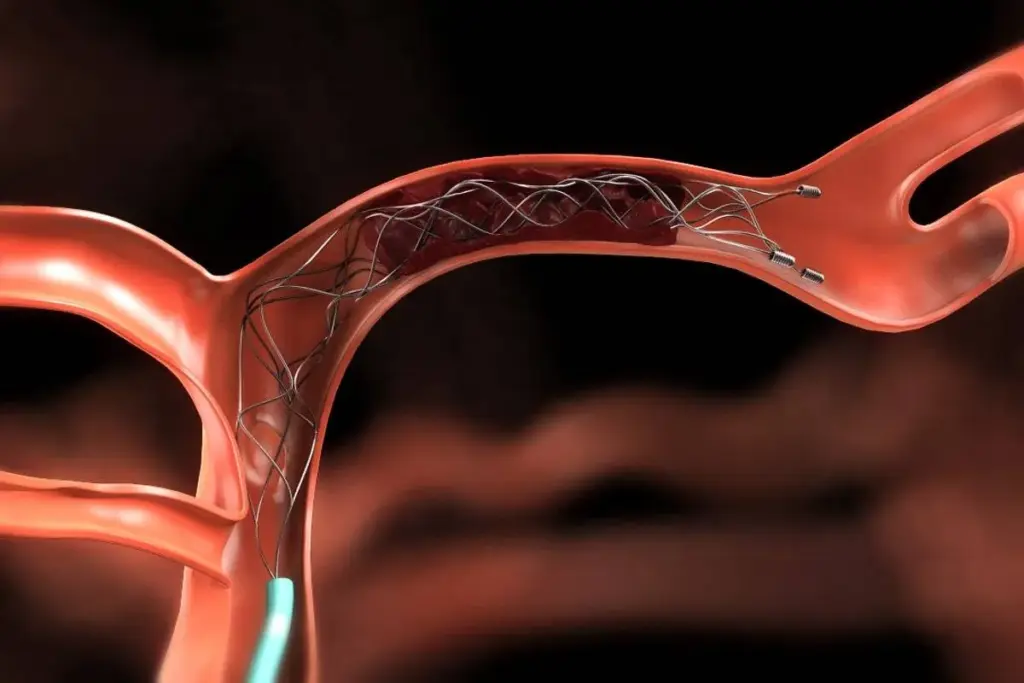
An abdominal aortic aneurysm happens when the main blood vessel from the heart to the abdomen weakens and bulges. This is a big health worry, mainly for older people. It needs careful management.
What is an Abdominal Aortic Aneurysm?
An abdominal aortic aneurysm (AAA) is when the lower part of the aorta in the abdomen gets bigger. The aorta is the main blood vessel from the heart to the body. If it weakens, it can bulge out, forming an aneurysm. If not treated, an AAA can burst, causing deadly internal bleeding.
Risk Factors and Prevalence
Many things can lead to AAAs, like age, smoking, high blood pressure, and family history. Men get AAAs more than women, and it’s common in people over 65. Knowing these risks helps find and prevent AAAs early.
When Surgery Becomes Necessary
Surgery is needed if the aneurysm is big or growing fast. Doctors decide to operate based on the aneurysm’s size, the patient’s health, and the risk of rupture. Surgery can greatly increase a patient’s chances of survival with AAAs.
Types of Aortic Aneurysm Surgical Procedures
It’s important for patients to know about the different aortic aneurysm surgery options. Each procedure is designed for a specific condition and health level. This knowledge helps patients make better choices for their treatment.
Endovascular Aneurysm Repair (EVAR)
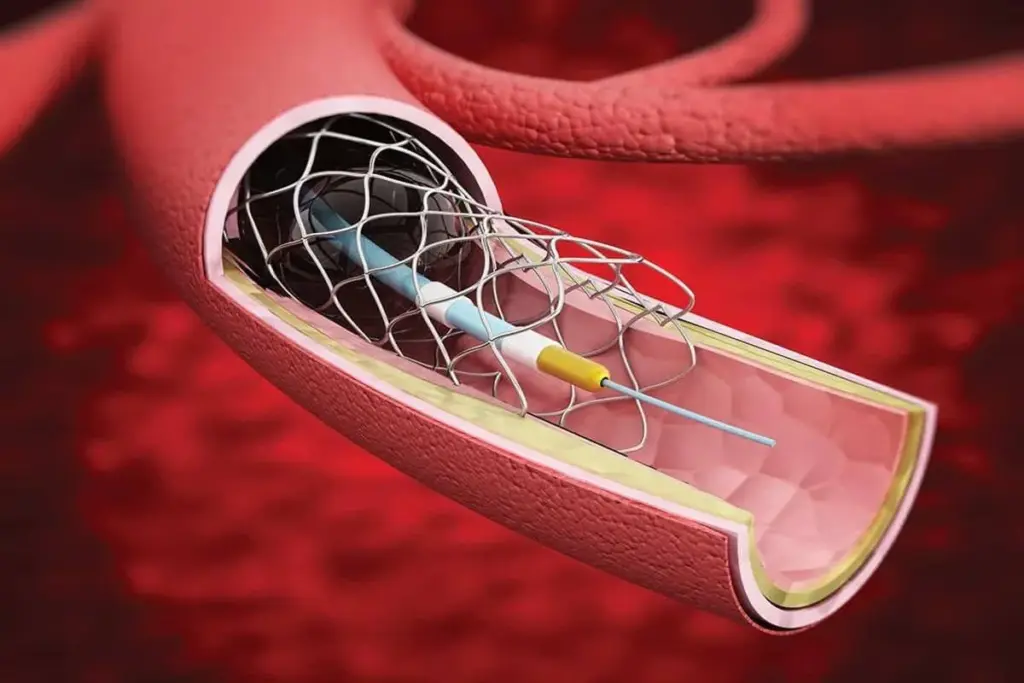
Endovascular Aneurysm Repair (EVAR) is a less invasive method. It uses a stent graft to block blood flow to the aneurysm. This stops it from getting bigger and bursting.
This method is great for those at high risk for open surgery or with complex anatomy. EVAR is done through small groin incisions. It uses imaging to guide the stent graft to the aneurysm.
EVAR has shorter recovery times, less pain, and fewer complications than open repair.
Open Abdominal Aneurysm Repair
Open Abdominal Aneurysm Repair is a traditional surgery. It involves an incision in the abdomen to directly fix the aneurysm. The surgeon replaces the weak part of the aorta with a synthetic graft.
Open repair is more invasive and takes longer to recover from than EVAR. Yet, it’s often chosen for younger patients or those with specific anatomy that makes EVAR less suitable.
Comparing EVAR vs. Open AAA Repair
The choice between EVAR and open repair depends on several factors. These include the patient’s health, aneurysm size and location, and personal preferences. EVAR might have a lower short-term death rate, but long-term survival rates are similar for both.
Choosing the right procedure should be a team effort. A vascular surgeon will provide personalized advice after a detailed evaluation of the patient’s situation.
Survival Rates for Endovascular Surgery
Knowing the survival rates for endovascular aneurysm repair (EVAR) is key for making treatment choices. EVAR is often chosen because it’s less invasive and may have fewer risks than open surgery.
30-Day Mortality Statistics
Studies show 30-day mortality rates for EVAR range from 1-3%. This means most patients live through the first month after surgery. For example, a study in the Journal of Vascular Surgery found a 30-day mortality rate of 1.2% for EVAR patients.
One-Year Survival Outcomes
One-year survival rates for EVAR are high, from 90-95%. This shows most patients who make it past the first month do well for a year. Health, aneurysm size, and care after surgery are key to these outcomes.
Five-Year Survival Rates
Five-year survival rates after EVAR vary. They depend on the patient’s health and any complications. Rates can be from 60% to over 80%. This shows the need for personalized care and follow-up.
Factors Affecting EVAR Survival Rates
Many things can affect survival rates after EVAR. These include age, health, aneurysm size and location, and comorbid conditions. The skill of the surgical team and post-operative care also matter a lot.
|
Time Frame |
Survival Rate Range |
Influencing Factors |
|---|---|---|
|
30-Day |
97-99% |
Surgical technique, patient health |
|
One-Year |
90-95% |
Post-operative care, aneurysm size |
|
Five-Year |
60-80% |
Patient comorbidities, follow-up care |
Survival rates for endovascular surgery depend on many factors. These include patient health, surgical method, and care after surgery. Understanding these can help patients and doctors make better choices for treating abdominal aortic aneurysms.
Survival Rates for Open Aortic Aneurysm Surgery
Knowing the survival rates for open aortic aneurysm surgery is key for both patients and doctors. This surgery is more invasive than Endovascular Aneurysm Repair (EVAR). It comes with its own set of challenges and outcomes.
Immediate Post-operative Survival
The survival rate right after surgery depends on several things. These include the patient’s health, age, and the aneurysm’s size and location. Studies show the 30-day death rate for open repair can be between 2% and 5% for planned surgeries.
“The immediate post-operative period is critical, and careful monitoring is essential to prevent and manage complications.”
A Vascular Surgeon
Long-term Survival Statistics
Long-term survival rates for open surgery are generally lower than EVAR. Research finds the 5-year survival rate for open repair is about 60% to 70%. Many factors, like health conditions, lifestyle, and care after surgery, affect long-term results.
|
Time Frame |
Survival Rate Range |
|---|---|
|
30-day |
95% – 98% |
|
1-year |
80% – 90% |
|
5-year |
60% – 70% |
Aortic Aneurysm Operation Survival Rate Trends
Survival rates for open aortic aneurysm surgery have improved over time. This is thanks to better surgical techniques, care before and after surgery, and choosing the right patients. Yet, the overall survival rate is lower than EVAR.
Comparing Open Surgery vs. EVAR Outcomes
Open surgery and EVAR both have their benefits and drawbacks. EVAR has lower short-term death rates. But, long-term results can be similar or slightly better for open repair in some patients.
Following a heart-healthy diet is important for recovery and long-term survival after open aortic aneurysm surgery. Eating lots of fruits, vegetables, and lean proteins can greatly help outcomes.
Factors Influencing AAA Surgery Outcomes
It’s important to know what affects AAA surgery results. Success depends on the patient, the aneurysm, and the treatment. This knowledge helps both patients and doctors.
Patient Age and Overall Health
The patient’s age and health are key to surgery success. Older patients or those with health issues face more risks. Conditions like heart disease, diabetes, and COPD can make surgery and recovery harder.
Aneurysm Size and Location
The size and where the aneurysm is located matter a lot. Bigger aneurysms or those in hard-to-reach spots need special surgery. Aneurysms near the kidneys or other important areas are extra tricky.
Surgeon Experience and Hospital Volume
The surgeon’s skill and the hospital’s experience also matter. Surgeons who focus on vascular surgery and do many AAA repairs usually get better results. Hospitals that do a lot of AAA surgeries also have better care.
Emergency vs. Elective Procedures
Whether the surgery is urgent or planned affects the outcome. Emergency surgeries are riskier because they’re done quickly. Planned surgeries, or electives, allow for better preparation.
Preparing for Aortic Aneurysm Surgery
Getting ready for aortic aneurysm surgery means a lot of steps. You’ll need medical checks, lifestyle changes, and mental preparation. Knowing what to do can make you feel less anxious and help you heal better.
Pre-surgical Evaluations
Before surgery, you’ll have many tests to check your health. These tests look at your heart, blood, and more. They help the doctors plan your surgery safely.
- Cardiac assessments: To check your heart’s health and find any heart problems.
- Blood tests: To see if you have infections and if your blood can clot right.
- Imaging studies: Like CT scans to see the aorta and the aneurysm clearly.
- Pulmonary function tests: To see how well your lungs work, important for breathing issues.
These tests help the doctors plan your surgery and lower risks.
Lifestyle Modifications Before Surgery
Changing your lifestyle before surgery can help a lot. It can make your surgery safer and recovery easier. Here are some important changes:
|
Lifestyle Change |
Benefit |
|---|---|
|
Quitting smoking |
Reduces heart risks and improves breathing. |
|
Eating a healthy diet |
Keeps you healthy and helps you recover faster. |
|
Exercising regularly |
Makes your heart stronger and body more resilient. |
|
Managing chronic conditions |
Keeps conditions like diabetes or high blood pressure under control. |
Talk to your doctor about changing your lifestyle. They can give you advice that fits you.
Mental Preparation and Expectations
Getting your mind ready for surgery is key. Here’s how:
- Understanding the surgical process: Knowing what happens can make you feel better.
- Setting realistic expectations: About how long it takes to recover and what you can do after surgery.
- Seeking support: From loved ones or support groups to deal with the emotional side of surgery.
By focusing on tests, lifestyle changes, and mental prep, you can get ready for surgery. This can help you have a better outcome.
The Immediate Recovery Period
The time right after aortic aneurysm surgery is very important. It needs close watching and care for the patient. Several key things affect how well the patient recovers and does in the long run.
Hospital Stay Duration
How long a patient stays in the hospital can change a lot. It depends on the surgery type, the patient’s health, and if there are any problems. People who get endovascular aneurysm repair (EVAR) usually don’t stay as long as those who have open repair.
Pain Management Strategies
Managing pain well is key in the first days after surgery. Doctors use medicines and other methods to help with pain. This can include pain drugs, deep breathing, and relaxation techniques.
Early Mobility and Activity Restrictions
Moving around early is good to avoid problems and help healing. But, some activities are not allowed to protect the repair site. Patients are told not to lift heavy, bend, or do hard work for a while.
Monitoring for Early Complications
Watching for early problems is very important. Doctors keep an eye out for signs of bleeding, infection, or endoleak. Finding and treating these issues quickly is key to avoiding big problems.
Knowing what affects the first days after surgery helps patients get ready. Good care and watching during this time can greatly improve surgery success and long-term health.
Life After Abdominal Aortic Aneurysm Surgery
Life after surgery for an abdominal aortic aneurysm changes a lot. But, with the right help, patients can feel confident in this new phase. The healing process takes time, and knowing what to expect helps a lot.
First Few Weeks at Home
The first weeks at home are key for a smooth recovery. It’s important to rest and avoid hard work. Always follow the doctor’s advice on wound care, medicine, and check-ups.
Having support from family and friends is very helpful. They can help with daily tasks, so the patient can focus on getting better.
Returning to Normal Activities
As recovery goes on, patients can start doing normal things again. Starting with light exercise, like walking, is good. It helps blood flow and health.
It’s important to listen to your body and not do too much too soon. Always check with your doctor before doing things like driving, lifting, or intense exercise.
Long-term Lifestyle Adjustments
Long-term recovery means making lifestyle changes to avoid future problems. Eating well, quitting smoking, and staying active are key.
Keeping an eye on blood pressure and cholesterol is also important. Regular doctor visits help manage these areas well.
Quality of Life Expectations
Most patients see a big improvement in their life quality after surgery. By making the right lifestyle changes and following doctor’s advice, they can live an active and happy life.
It’s also good for patients to know about possible complications and when to get medical help. Being informed and proactive can really improve life after surgery.
Post-Surgery Rehabilitation and Exercise
After surgery for an abdominal aortic aneurysm, a good rehab plan is key. It helps patients get strong again, feel better overall, and avoid future problems.
Recommended Exercise Programs
Exercise plans after AAA surgery are made just for you. They start with easy movements and breathing exercises. These help prevent issues like pneumonia or blood clots.
- Breathing exercises to improve lung function
- Gentle stretching to maintain flexibility
- Short walks to promote circulation and prevent blood clots
As you get better, the exercises can get harder. You might do brisk walking, cycling, or swimming. Always listen to your doctor to stay safe and on track.
Physical Therapy Options
Physical therapy is a big part of getting better. It helps you build strength, move better, and function well. Physical therapists create special plans for you and check on your progress.
Benefits of physical therapy include:
- Improved mobility and flexibility
- Enhanced strength and endurance
- Better management of pain and discomfort
Gradual Return to Physical Activity
Going back to physical activity slowly is important. It helps you avoid pushing too hard and getting hurt. Start with easy activities and slowly add more as you can.
Key considerations for a gradual return to physical activity include:
- Listening to your body and resting when needed
- Avoiding heavy lifting or bending
- Monitoring for signs of complications or distress
Dietary Recommendations After AAA Surgery
Eating a heart-healthy diet is key after AAA surgery. It should include lots of fruits, veggies, whole grains, and lean proteins. This diet helps lower the risk of heart disease and keeps you healthy.
Heart-Healthy Eating Patterns
It’s important to follow heart-healthy eating after AAA surgery. You should eat a variety of foods like:
- Fruits and vegetables, which are full of vitamins, minerals, and antioxidants
- Whole grains like brown rice, quinoa, and whole-wheat bread, which give you fiber and important nutrients
- Lean proteins like poultry, fish, and legumes, which are good for your heart
Eating foods rich in vegetables, fruits, and whole grains is good for your heart. They also recommend low-fat dairy, poultry, fish, legumes, non-tropical vegetable oils, and nuts. But, they suggest limiting sodium, sweets, sugar-sweetened beverages, and red meats.
Foods to Avoid
Some foods can make heart disease worse and should be limited or avoided after AAA surgery. These include:
- Foods high in saturated and trans fats, such as processed and fried foods
- High-sodium foods, including processed meats and canned goods
- Sugary drinks and foods with added sugars
By cutting down on these foods, you can lower your risk of heart problems.
Nutritional Support for Healing
Good nutrition is key for healing after surgery. You need enough:
- Protein to help repair tissues
- Vitamin C for collagen and wound healing
- Zinc for your immune system and wound healing
Getting these nutrients is important. A healthcare provider or a registered dietitian can help with personalized diet plans.
Keeping a balanced diet after AAA surgery is vital for recovery and long-term health. By eating heart-healthy foods and avoiding bad ones, you can help your heart stay healthy.
Potential Complications and How to Recognize Them
It’s important to know the possible complications after AAA surgery. Both EVAR and open repair are effective treatments. But, each has its own risks.
Common Complications After EVAR
EVAR is a less invasive procedure. Yet, it has its own risks. Some common issues include:
- Endoleaks, where blood leaks back into the aneurysm sac
- Graft migration or movement of the stent graft
- Endograft failure, which can lead to aneurysm rupture
It’s important for patients to watch for these signs and seek help if needed.
Common Complications After Open Repair
Open repair is more invasive. It has its own set of complications. Some include:
- Infection of the surgical wound or graft
- Respiratory or cardiac complications
- Spinal cord ischemia, which can lead to paralysis
Knowing these risks helps patients spot problems early.
When to Seek Medical Attention
Knowing when to get medical help is key. Look out for these urgent symptoms:
- Severe abdominal or back pain
- Leg pain or weakness
- Fever or signs of infection
If you notice these signs, seek medical help right away.
Long-term Surveillance Importance
After AAA surgery, regular check-ups are essential. This is true for both EVAR and open repair. Regular imaging studies can catch problems early.
Being proactive and following your schedule is vital for recovery.
Follow-up Care and Monitoring
After AAA surgery, follow-up care and monitoring are key to keeping patients healthy. This stage is important for catching any problems early and managing the patient’s health.
Importance of Regular Check-ups
Seeing healthcare providers regularly is essential. It helps track how well the patient is recovering and spots any complications. These visits also let doctors adjust treatment plans to help the patient heal better.
Regular check-ups typically involve:
- Physical examinations to assess overall health
- Review of medical history to identify any changes or concerns
- Discussion of any symptoms or issues the patient is experiencing
Imaging Studies and Tests
Imaging studies are a big part of follow-up care. They help doctors keep an eye on the aneurysm and catch any problems. Common tests include ultrasound, CT scans, and MRI.
How often and what type of imaging tests are needed depends on the surgery type and the patient’s health.
Long-term Surveillance Protocol
Having a long-term plan for watching the aneurysm is vital. This plan might include regular imaging and doctor visits.
Key elements of a long-term surveillance protocol include:
- Regular monitoring of blood pressure and cholesterol levels
- Lifestyle modifications to reduce cardiovascular risk
- Ongoing assessment of the aneurysm site for any changes
Following a detailed follow-up care and monitoring plan can greatly improve a patient’s long-term health after AAA surgery.
Emotional and Psychological Aspects of Recovery
Recovery from AAA surgery is more than just healing physically. It also means dealing with a mix of emotions. Patients might feel relieved, grateful, anxious, or depressed.
Coping with Anxiety and Depression
Feeling anxious or depressed after AAA surgery is common. Coping mechanisms like mindfulness, meditation, and counseling can really help. If these feelings get in the way of daily life, seeking professional help is a good idea.
Support from healthcare providers is key. They can guide on managing anxiety and depression. They might suggest therapies or support groups.
Support Groups and Resources
Being part of a support group can be very helpful. It gives patients a sense of community and understanding. They can share their stories and learn from others who’ve gone through similar surgeries.
There are many resources out there, like online forums, local groups, and educational materials. Exploring these can help patients find what works best for them.
Family Support Systems
The importance of family support cannot be overstated. Family members can offer emotional support, help with daily tasks, and encourage sticking to the recovery plan.
Teaching family members about the recovery process and involving them in the care plan can strengthen the support system. This helps the patient a lot.
Conclusion
The survival rate for endovascular surgery is usually high, with a low death rate in the short term. It’s important to know what affects long-term survival rates for those having abdominal aortic aneurysm surgery.
After surgery, managing your life well is key. This includes making lifestyle changes and keeping up with follow-up care. Knowing what resources are out there to help can make a big difference. It’s also important to talk to your doctor about your specific situation.
Understanding the survival rate and what affects it helps patients plan their recovery better. A full care plan is vital. This includes checks before surgery, help after, and ongoing monitoring. This approach helps ensure the best results.
FAQ
What is the survival rate for endovascular surgery?
Endovascular surgery, or EVAR, has a high survival rate. Studies show a 30-day mortality rate of 1-3%. This makes it a safe option for treating aortic aneurysms.
What are the risk factors for abdominal aortic aneurysms?
Several factors increase the risk of abdominal aortic aneurysms. These include age, smoking, and family history. The condition is more common in men and those over 65.
What is the difference between EVAR and open abdominal aneurysm repair?
EVAR is a minimally invasive procedure. It involves placing a stent graft in the aorta. Open repair, on the other hand, requires an incision in the abdomen.
How long does it take to recover from AAA surgery?
Recovery time varies based on the surgery type and patient health. It’s a gradual process. Focus on returning to normal activities and making lifestyle changes.
What are the possible complications after AAA surgery?
Complications include endoleaks, graft migration, and cardiovascular events. Recognize the signs and seek medical help if they occur.
What dietary recommendations are suggested after AAA surgery?
Focus on heart-healthy eating after surgery. Avoid foods that can worsen cardiovascular disease.
How often should I have follow-up appointments after AAA surgery?
Regular check-ups and imaging studies are necessary. The frequency depends on individual needs and the surgeon’s advice.
Can I exercise after AAA surgery?
Yes, exercise is key in recovery. Follow recommended exercise programs and physical therapy for a gradual return to activity.
What are the emotional and psychological aspects of recovery after AAA surgery?
Recovery involves physical, emotional, and psychological aspects. Be aware of mental health resources, including support groups and family support.
How can I manage anxiety and depression after AAA surgery?
Manage anxiety and depression by seeking support from healthcare professionals, support groups, and family. Addressing these aspects is vital for a smooth recovery.
National Center for Biotechnology Information. Evidence-Based Medical Insight. Retrieved from https://pubmed.ncbi.nlm.nih.gov/27491900/