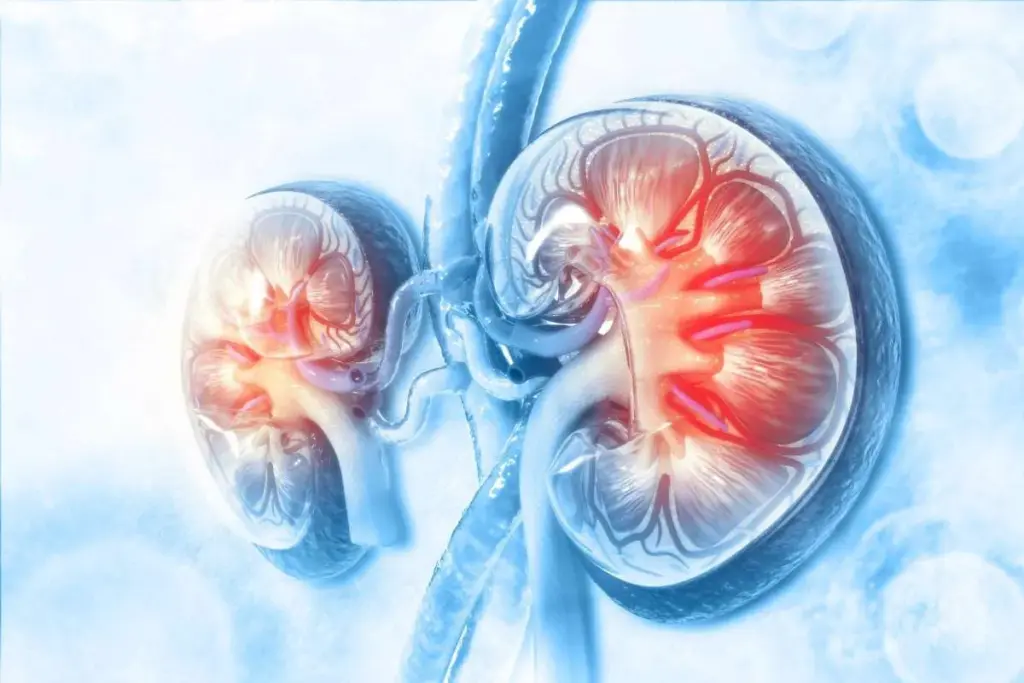
After getting a stent, it’s key to live a heart-healthy life. This helps the stent work well and lowers heart problem risks. At Liv Hospital, we help you live well post-procedure. We share tips on recovery and long-term care.
Recovery is very important. Eating right, exercising, and taking your meds are key. According to the National Heart, Lung, and Blood Institute, most people can get back to normal in a few days to a week. Understanding life after angioplasty helps you make lifestyle changes for a healthy, active future.
Key Takeaways
- Adopt a heart-healthy diet to support stent effectiveness.
- Engage in regular exercise as part of your lifestyle changes.
- Adhere to your medication regimen as prescribed.
- Regular medical follow-up is key to long-term care.
- Making these changes can greatly lower heart problem risks.
Understanding Your Stent and Angioplasty Procedure
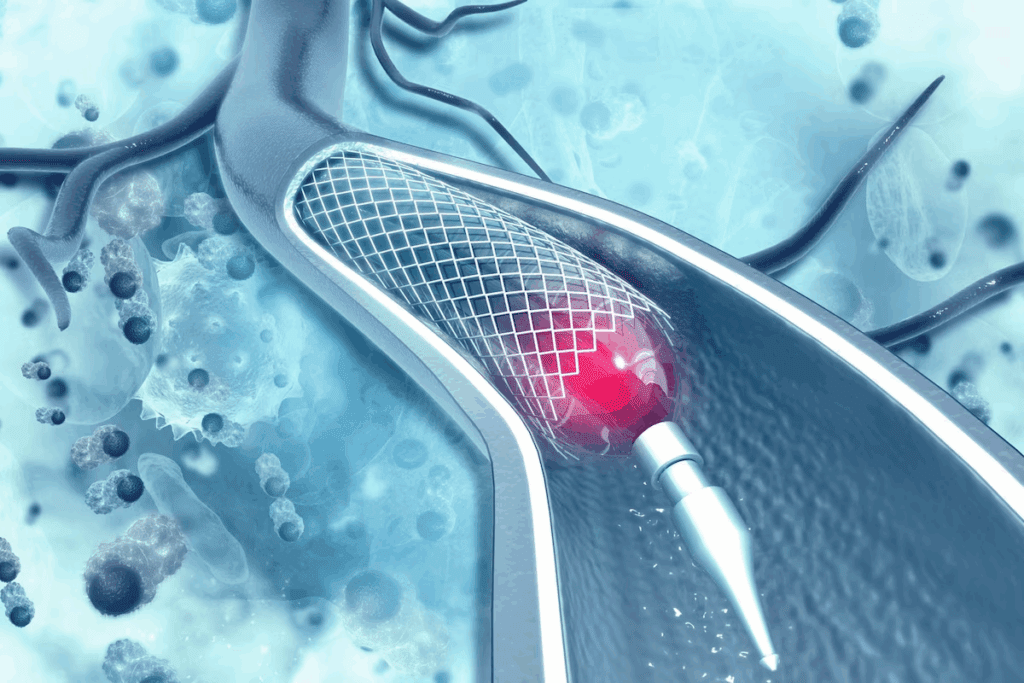
After an angioplasty and stent placement, knowing about the procedure and the stent is key. These treatments open blocked arteries, improving blood flow to the heart. We’ll explain the process and the different stents, helping you with your recovery.
What Happens During Angioplasty and Stent Placement
Angioplasty uses a thin, flexible tube called a catheter to reach the narrowed artery. A balloon on the catheter is then inflated to widen the artery. A stent, a small mesh tube, is then placed to keep the artery open.
The stent acts as a scaffold, supporting the artery walls and ensuring continued blood flow.
The procedure is done under local anesthesia, and patients are usually awake. It can take from 30 minutes to a few hours, depending on the case.
Types of Stents and Their Functions
There are several stent types, each with its own benefits. The main types include:
| Type of Stent | Description | Key Benefits |
| Bare-Metal Stents | Made from metal mesh | Less likely to cause allergic reactions |
| Drug-Eluting Stents | Coated with medication that prevents cell growth | Reduces the risk of artery re-narrowing |
| Bioresorbable Stents | Made from materials that dissolve over time | Eliminates the long-term presence of a metal stent |
Choosing the right stent depends on many factors, like the patient’s health and the artery’s condition. Knowing these options helps patients make better choices.
The Initial Recovery Period After Stent Placement
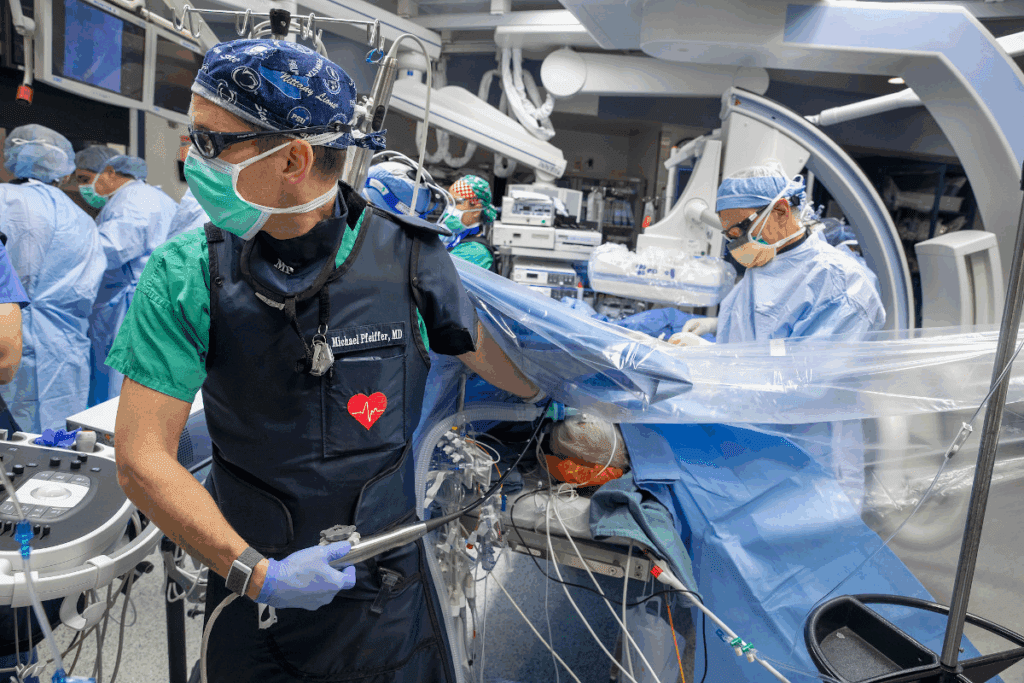
Recovering from stent placement means listening to your body and following the doctor’s advice. The first few days are key for healing. Taking good care of yourself can greatly improve your recovery.
What to Expect in the First 48 Hours
Right after the stent is placed, you might feel tired or sore. This is okay as your body gets used to the stent. Resting a lot and avoiding hard work or lifting is important.
It’s normal to see some bruising or swelling where the catheter was inserted. A cold compress or gentle pressure can help. Your doctor will tell you how to take care of the area.
Managing Incision Site Care
Looking after the incision site is key to avoid infection and help it heal. Keep it clean and dry, and do what your doctor says about changing dressings. Watch for signs of infection like redness, swelling, or more pain.
Here’s a simple guide to managing incision site care:
| Care Instruction | Details |
| Keep it Clean | Wash your hands before touching the site. Use mild soap and water to clean the area. |
| Dry the Site | Gently pat the area dry with a clean towel. |
| Monitor for Infection | Watch for redness, swelling, or discharge. Report any concerns to your healthcare provider. |
Recognizing Warning Signs That Require Medical Attention
While you’re recovering, know the signs that mean you need to see a doctor right away. These include severe chest pain, trouble breathing, or bleeding from the catheter site. If you see any of these, get help fast.
“It’s vital for patients to know that some pain is normal after a stent, but certain symptoms need quick doctor visits. Being aware and watching for these signs can greatly help your recovery.” – Medical Expert in Cardiology
Knowing what to expect and how to care for yourself in the first days can help you feel more confident. Always listen to your doctor and don’t hesitate to ask for help if you’re worried.
Life After Angioplasty: Returning to Normal Activities
After angioplasty, it’s key to know how to slowly get back to your usual activities. The healing process is as important as the treatment itself. A well-planned approach can make your return to daily life smoother.
First Two Weeks: Essential Restrictions
In the first two weeks, avoid heavy lifting, bending, or hard work. Stick to gentle movements and avoid actions that might stress the stent site. This time is vital for your body to heal right.
Important restrictions in the first two weeks include:
- Avoid heavy lifting (more than 10 pounds)
- Don’t do strenuous exercise or activities
- Limit bending or stretching
- Don’t drive if you’re on narcotic pain meds
Weeks 2-4: Gradually Increasing Activity
After two weeks, you can start to do more. Always follow your doctor’s advice. Begin with short walks and then increase the time and effort of your activities.
In weeks 2-4, you can also:
- Do light household chores
- Walk longer distances
- Try low-intensity exercises like yoga or stretching
When You Can Return to Work and Drive
Going back to work and driving depends on your health and job type. Most people can go back to work in one to two weeks after angioplasty. But, if your job is hard, you might need to wait longer.
| Activity | Typical Timeframe for Resumption |
| Returning to desk work | 1-2 weeks |
| Returning to physical labor | 2-4 weeks or more |
| Driving | 1-2 weeks, or when no longer taking narcotic pain medication |
Always listen to your doctor about when to start driving and going back to work. They will check your health and give you specific advice.
Medication Management Following Stent Placement
Managing your medications is key to making your stent work well and keeping your heart healthy. After getting a stent, your doctor will give you medicines to lower your risk of problems and heart issues.
Understanding Antiplatelet Therapy
Antiplatelet therapy is very important after a stent is placed. Antiplatelet drugs stop platelets in your blood from clumping together. This helps prevent blockages in your stent or other arteries. Common antiplatelet drugs include:
- Aspirin
- Clopidogrel (Plavix)
- Prasugrel (Effient)
- Ticagrelor (Brilinta)
Your doctor will pick the best antiplatelet drugs for you. They will consider the type of stent and your risk level.
Other Common Medications After Stent Placement
Other medicines may also be given to help your heart. These can include:
| Medication Type | Purpose | Examples |
| Statins | Lower cholesterol levels | Atorvastatin (Lipitor), Rosuvastatin (Crestor) |
| Beta-blockers | Reduce heart rate and blood pressure | Metoprolol (Lopressor), Atenolol (Tenormin) |
| ACE inhibitors or ARBs | Manage blood pressure and heart function | Lisinopril (Zestril), Losartan (Cozaar) |
Creating a Medication Schedule and Compliance Tips
It’s important to make a schedule for your medicines. Here are some tips:
- Use a pill box or medication calendar to stay organized
- Set reminders on your phone or ask a family member to remind you
- Take your medicines at the same time every day
- Keep a list of your medicines and dosages, and update it whenever there’s a change
By taking your medicines as directed and going to follow-up appointments, you can lower your risk of problems. This helps improve your heart health long-term after a stent is placed.
Heart-Healthy Diet Recommendations After Stent Placement
Eating a heart-healthy diet after getting a stent can greatly improve your heart health. It also lowers the chance of more heart problems. A balanced diet is key for your heart’s health and recovery.
Benefits of the Mediterranean Diet for Stent Patients
The Mediterranean diet is great for stent patients because it’s good for the heart. It’s full of fruits, veggies, whole grains, nuts, and seeds. These foods are packed with nutrients and antioxidants.
Key components of the Mediterranean diet include:
- Abundant fruits and vegetables
- Whole grains as the primary source of carbohydrates
- Healthy fats, such as those found in olive oil
- Regular consumption of nuts and seeds
- Moderate consumption of fish and poultry
- Limited intake of red meat and processed foods
Key Nutrients for Cardiovascular Health
Some nutrients are very important for heart health after a stent. These are:
- Omega-3 fatty acids: In fatty fish, they reduce inflammation and boost heart health.
- Fiber: In whole grains, fruits, and veggies, it lowers cholesterol.
- Antioxidants: Vitamins C and E, and others, protect cells from damage.
- Potassium: In bananas and leafy greens, it helps control blood pressure.
Meal Planning Strategies
Good meal planning is key for a heart-healthy diet. Here are some tips:
Plan your meals in advance: This ensures a balanced diet and avoids unhealthy choices.
Shop smart: Buy whole foods, fresh produce, and lean proteins.
| Meal | Foods to Include |
| Breakfast | Oatmeal with fruits and nuts |
| Lunch | Grilled chicken salad with olive oil dressing |
| Dinner | Baked salmon with quinoa and steamed vegetables |
By following these dietary tips and meal plans, patients after a stent can greatly improve their heart health and overall well-being.
Foods and Dietary Habits to Avoid After Angioplasty
What you eat after a stent is very important for your recovery and heart health. Eating foods rich in good nutrients and low in bad ones helps keep your heart system healthy.
High-Sodium Foods and Blood Pressure Management
Eating foods high in sodium can raise your blood pressure. This is a big risk for heart disease. It’s key to cut down on salty foods to keep your blood pressure in check.
High-Sodium Foods to Limit:
- Processed meats like bacon and sausages
- Canned goods, including soups and vegetables
- Restaurant and fast food, which often contain high amounts of salt
- Pickled or salted foods
| High-Sodium Food | Approximate Sodium Content | Healthier Alternative |
| Bacon (2 slices) | 820 mg | Turkey bacon or vegetarian alternatives |
| Canned Soup (1 cup) | 900 mg | Homemade soup with low-sodium broth |
| Fast Food Meal | 1500 mg or more | Grilled chicken or fish with fresh vegetables |
Saturated and Trans Fats: Impact on Arterial Health
Saturated and trans fats are bad for your arteries. They raise cholesterol and cause plaque buildup. It’s important to avoid these fats to keep your arteries healthy.
Sources of Saturated and Trans Fats:
- Red meat and full-fat dairy products
- Processed snacks and baked goods
- Partially hydrogenated oils
Processed Foods and Hidden Ingredients
Processed foods often have hidden ingredients that are bad for your heart. These include too much salt, unhealthy fats, and added sugars. It’s important to watch out for these to eat heart-healthy.
Tips for Avoiding Hidden Ingredients:
- Read food labels carefully
- Choose whole, unprocessed foods whenever possible
- Cook at home using fresh ingredients
By knowing and avoiding these foods, you can greatly help your heart health after angioplasty.
Alcohol Consumption Guidelines After Having a Stent Fitted
It’s important for patients with stents to know how alcohol affects their health. Drinking alcohol can impact those with stents, affecting their health and treatment success.
How Alcohol Affects Stent Patients
Alcohol can affect stent patients in several ways. It can increase blood pressure, which can strain the heart and stent. Also, alcohol may interact with medications like antiplatelet therapy, which is key to prevent clots on the stent.
Key effects of alcohol on stent patients include:
- Increased blood pressure
- Potential interaction with antiplatelet medications
- Impact on overall heart health
Interaction Between Alcohol and Post-Stent Medications
Patients with stents take medications to prevent clots and manage heart health. Alcohol can interact with these medications, leading to bad effects. For example, drinking alcohol with antiplatelet therapy may raise the risk of bleeding.
Talking to your healthcare provider about your medications and alcohol use is key to understand your specific risks and guidelines.
Recommended Limits and When to Abstain Completely
For most, moderate drinking is up to one drink a day for women and two for men. But, those with stents should talk to their doctor for advice. Some may need to avoid alcohol altogether, depending on their health and medications.
Guidelines to consider:
- Discuss your alcohol consumption with your healthcare provider.
- Understand the risks associated with your specific medications.
- Follow recommended limits or consider abstaining if advised.
Being aware and careful about alcohol use can help stent patients manage their health better. This can reduce risks linked to alcohol.
Developing an Appropriate Exercise Routine
Exercise is key in recovery after angioplasty and stent placement. It boosts your health and well-being. Creating a good exercise plan is important as you start to heal.
Safe Activities During Early Recovery
In the early recovery phase, focus on low-intensity activities. Start with short walks, gentle stretches, and light yoga. These help improve circulation and keep you flexible.
The American Heart Association says regular exercise after angioplasty is beneficial. A study showed that walking helped patients recover faster and feel more energetic.
“Exercise is a celebration of what your body can do, not a punishment for what you ate.” – Unknown
Building a Progressive Exercise Plan
As you get better, increase the intensity and duration of your workouts. Try brisk walking, swimming, or cycling. Always listen to your body and avoid overdoing it.
| Activity | Initial Duration | Progressive Increase |
| Walking | 10-15 minutes | Add 5-10 minutes every few days |
| Swimming/Cycling | 10-20 minutes | Increase by 10-15 minutes weekly |
Monitoring Your Body’s Response to Exercise
Watch how your body reacts to exercise, mainly in the early stages. Keep an eye on your heart rate, blood pressure, and any symptoms. If you notice anything odd, stop and talk to your doctor.
Creating a safe and progressive exercise plan can greatly improve your recovery and health after stent placement. Always check with your healthcare provider before starting any new exercise.
Stress Management Techniques for Heart Health
Managing stress is key to heart health after a stent is placed. It’s not just about medication and diet. Stress can harm your heart, so it’s important to find ways to handle it.
The Connection Between Stress and Cardiovascular Disease
Stress can hurt your heart. It can make your blood pressure and heart rate go up. This can make your heart work harder. Knowing this helps us find ways to reduce its effects.
Studies show that stress can lead to heart problems. It’s important to understand this link to protect your heart.
Effective Relaxation Practices
Relaxation techniques are essential for stress management. Deep breathing exercises, progressive muscle relaxation, and mindfulness meditation can help. These methods calm your mind and body.
- Deep Breathing Exercises: Focus on slow, deliberate breaths to calm the nervous system.
- Progressive Muscle Relaxation: Systematically relax different muscle groups to release physical tension.
- Mindfulness Meditation: Practice being present in the moment to reduce stress and anxiety.
When to Seek Professional Mental Health Support
While relaxation techniques are helpful, some may need more help. It’s important to know when stress is too much. Getting help from a mental health professional can provide the support needed.
By using stress management techniques every day, you can improve your heart health. This can also make your life better after a stent is placed.
Building Your Support System After Stent Placement
A strong support system is key for patients after stent placement. It’s not just about following doctor’s orders. It’s also about having people and resources to help you heal well.
Communicating Your Needs to Family and Friends
Talking to your loved ones about what you need is a big step. Be clear about your health, recovery, and how they can help. Here are some important things to share:
- Your limitations: Tell them what you can and can’t do while you’re recovering.
- Medication schedule: Share your medicine plan and ask for help if you need it.
- Emotional support: Let them know how they can support you emotionally, like listening or going to appointments with you.
Being clear about what you need helps avoid confusion. It makes sure your family and friends know how to best support you.
Cardiac Rehabilitation Programs and Support Groups
Cardiac rehab programs are a big help after a stent. They offer:
- Exercise training: Plans for physical activity to improve heart health.
- Education: Tips on heart-healthy living, like diet and stress management.
- Support: A chance to meet others going through similar things.
Support groups, online or in-person, are great for sharing and learning. They offer emotional support and practical tips for your recovery.
Managing Relationships and Intimacy
Stent placement can affect your personal life, including intimacy. It’s normal to worry about starting again. Here are some tips:
- Communicate openly: Talk about your feelings and worries with your partner.
- Follow medical advice: Your doctor can tell you when it’s safe to start again.
- Take it slow: Ease back into things, listening to your body and not pushing too hard.
By talking about these issues and building a strong support system, you can make your recovery better. This improves your overall well-being after a stent.
Long-Term Medical Follow-Up and Monitoring
Getting a stent is just the first step to a healthier heart. Long-term care is key to keeping you well. Regular check-ups and monitoring are essential. They help catch any problems early, keeping your heart in top shape.
Schedule for Check-Ups
After getting a stent, seeing your doctor regularly is a must. Your doctor will set up a schedule for follow-ups. This might include visits at one month, six months, and a year after the procedure, and then every year after that. The exact schedule depends on your health and the details of your case.
Tests and Evaluations
At your follow-up visits, you’ll likely have some tests to check your heart. These might include:
- Blood tests to look for heart damage or other issues
- Echocardiograms to check how well your heart is working
- Stress tests to see how your heart handles activity
- Chest X-rays to look at your heart and lungs
These tests help your healthcare team keep an eye on your heart health. They can also adjust your treatment plan if needed.
| Test/Evaluation | Purpose | Frequency |
| Blood Tests | Check for heart damage, cholesterol levels, etc. | Every 6-12 months |
| Echocardiogram | Evaluate heart function and structure | Annually or as needed |
| Stress Test | Assess heart performance under stress | As recommended by your doctor |
Communicating Effectively With Your Healthcare Team
Talking openly with your healthcare providers is important for managing your heart health. Make sure to:
- Ask questions about your condition, treatment, and any worries you have
- Keep track of your medications, test results, and appointments
- Tell your healthcare team about any changes in your symptoms or health
Being active and involved in your care helps you and your healthcare team keep your heart healthy.
Understanding the Lifespan of Your Stent and Long-Term Outlook
After getting a stent, you might wonder how long it will last. Knowing how long your stent will last is key to keeping your heart healthy. It helps you make smart choices about your lifestyle and treatment.
Factors Affecting Stent Durability
The life of a stent depends on several things. These include the stent type, your health, and following your doctor’s advice. Drug-eluting stents are made to release medicine that helps them last longer.
Other things that can impact your stent’s life are:
- How well you stick to your medication
- Having other health issues, like diabetes
- Your lifestyle, including what you eat, exercise, and if you smoke
| Factor | Impact on Stent Durability |
| Adherence to Medication | Sticking to your meds helps your stent last longer |
| Presence of Diabetes | Diabetes might raise the risk of stent problems |
| Lifestyle Choices | Eating right and exercising can help your stent stay healthy |
Signs of Potencial Stent Issues
Knowing the signs of stent trouble is important. Look out for chest pain or discomfort, shortness of breath, or other symptoms you’ve had before or after your stent. If you notice anything odd, get medical help right away.
Latest Research on Stent Longevity
New studies show that stent tech and care have gotten better. Bioresorbable stents and other new designs might make stents even better for patients.
By knowing what affects your stent’s life and watching for trouble signs, you can team up with your doctor. This way, you can get the best care after angioplasty.
Conclusion: Embracing Your New Heart-Healthy Lifestyle
Living healthily after a stent is key. Making smart choices about food, exercise, stress, and medicine can greatly improve your life. This helps you feel better and live better.
Having a stent means making lasting changes. Eating well, like the Mediterranean diet, is important. It’s full of fruits, veggies, and good fats. Also, staying active is essential for your heart.
Life after a stent is more than just managing your health. It’s starting a new chapter focused on wellness. By following this guide, you can manage your heart health and live a happy life.
FAQ
What is the recommended diet after stent placement?
After a stent, eat heart-healthy foods like those in the Mediterranean diet. This diet includes lots of fruits, veggies, whole grains, and lean proteins. Stay away from foods high in sodium, saturated fats, and trans fats, and avoid processed foods.
Can I drink alcohol after having a stent fitted?
Drinking alcohol can mix badly with your post-stent meds and affect your health. We suggest drinking less or not at all if you’re on certain meds or have a drinking problem.
What are the benefits of cardiac rehabilitation programs after stent placement?
Cardiac rehab helps improve your heart health, manage stress, and builds a community. It guides your recovery and boosts your life quality.
How long does it take to recover from angioplasty and stent placement?
Recovery starts a few days to a week after the procedure. But, it might take weeks to get back to normal. Start slow and listen to your body as you get back to activities.
What are the signs of a stent issue?
Watch for chest pain, shortness of breath, dizziness, or feeling very tired. If you notice these, get help right away.
How often should I follow up with my healthcare team after stent placement?
See your healthcare team often to check on your health and catch any problems early. How often you go depends on your specific needs.
Can I exercise after having a stent fitted?
Exercise is key for recovery and keeping your heart healthy after a stent. Start with safe activities early and build up your exercise routine over time.
What are the key nutrients for cardiovascular health after stent placement?
Focus on omega-3s, fiber, and antioxidants for your heart. Eat foods like fatty fish, nuts, and fruits to get these nutrients.
How can I manage stress after stent placement?
Stress is bad for your heart. Try relaxation techniques like meditation, deep breathing, or yoga to help manage stress and improve your life.
What is the lifespan of a stent, and what factors affect its durability?
A stent’s lifespan depends on its type, your health, and lifestyle. Regular check-ups and monitoring are key to keeping your stent working well.
References
- Rassaf, T., Steiner, S., & Kelm, M. (2013). Postoperative care and follow-up after coronary stenting. Dtsch Arztebl International, 110 (5), 72-82. https://www.ncbi.nlm.nih.gov/pmc/articles/PMC3576602/
- Shroff, A., Gilchrist, I., Caputo, R., Bertrand, M., & Pancholy, S. (2016). Same-day discharge after percutaneous coronary intervention. JAMA Cardiology, 1 (3), e160141. https://jamanetwork.com/journals/jamacardiology/fullarticle/2506675