Nearly 1 in 3 patients with thyroid cancer or hyperthyroidism get radioactive iodine treatment. This therapy is effective but needs careful care after treatment. Knowing what to expect after treatment is key to a smooth recovery and avoiding side effects.life after radioactive iodine treatmentLife After Radioactive Iodine Treatment: Key Facts
Dealing with life after this therapy can be tough. We aim to offer a detailed guide to help patients. It will cover what to expect and how to take care of yourself after treatment.
Key Takeaways
- Understanding the effects of radioactive iodine treatment on the body.
- Managing post-treatment care and possible side effects.
- The importance of follow-up appointments and check-ups.
- Nutritional advice for patients undergoing radioactive iodine therapy.
- Emotional support and resources for patients and their families.
Understanding Radioactive Iodine Treatment
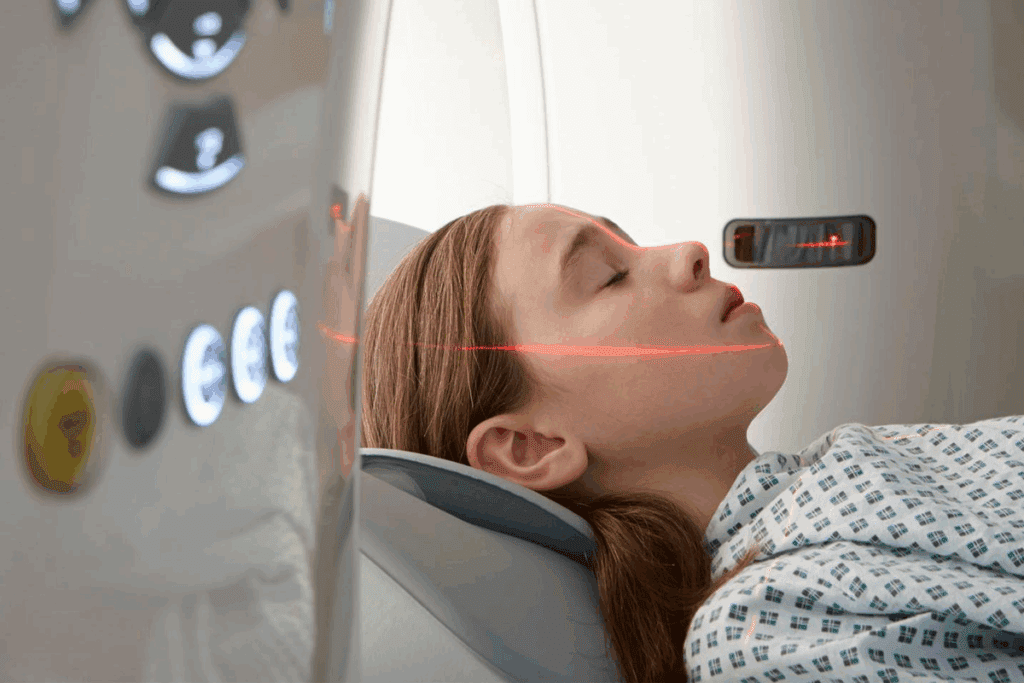
Radioactive iodine is key in treating thyroid diseases. It’s used in a treatment called radioiodine therapy. This method uses a radioactive form of iodine to help diagnose and treat thyroid issues.
What is Radioactive Iodine?
Radioactive iodine acts like regular iodine but is radioactive. It’s absorbed by the thyroid gland. This makes it useful for treating thyroid problems like hyperthyroidism and thyroid cancer. The most used radioactive iodine is I-131.
Key characteristics of radioactive iodine include:
- It is selectively absorbed by the thyroid gland.
- It emits radiation that can destroy thyroid tissue.
- It is used for both diagnostic and therapeutic purposes.
How Does it Work?
When given, radioactive iodine is taken up by the thyroid gland. It then releases radiation that kills thyroid tissue. This helps in reducing thyroid hormone production in hyperthyroidism or killing thyroid cancer cells. The treatment is precise, avoiding harm to other body parts.
The process involves several steps:
- Administration of radioactive iodine, usually in capsule or liquid form.
- Absorption of the radioactive iodine by the thyroid gland.
- Emission of radiation, which destroys the targeted thyroid tissue.
Radioactive iodine treatment is very effective. It’s often the first choice for many thyroid issues. The treatment’s details, like how much to take and how to give it, depend on the patient’s health and medical history.
| Condition | Treatment Goal | Effect of Radioactive Iodine |
| Hyperthyroidism | Reduce thyroid hormone production | Destroys part of the thyroid gland, reducing hormone production |
| Thyroid Cancer | Eliminate cancerous thyroid cells | Destroys thyroid cancer cells, potentially curing the disease |
Purpose of Radioactive Iodine Therapy
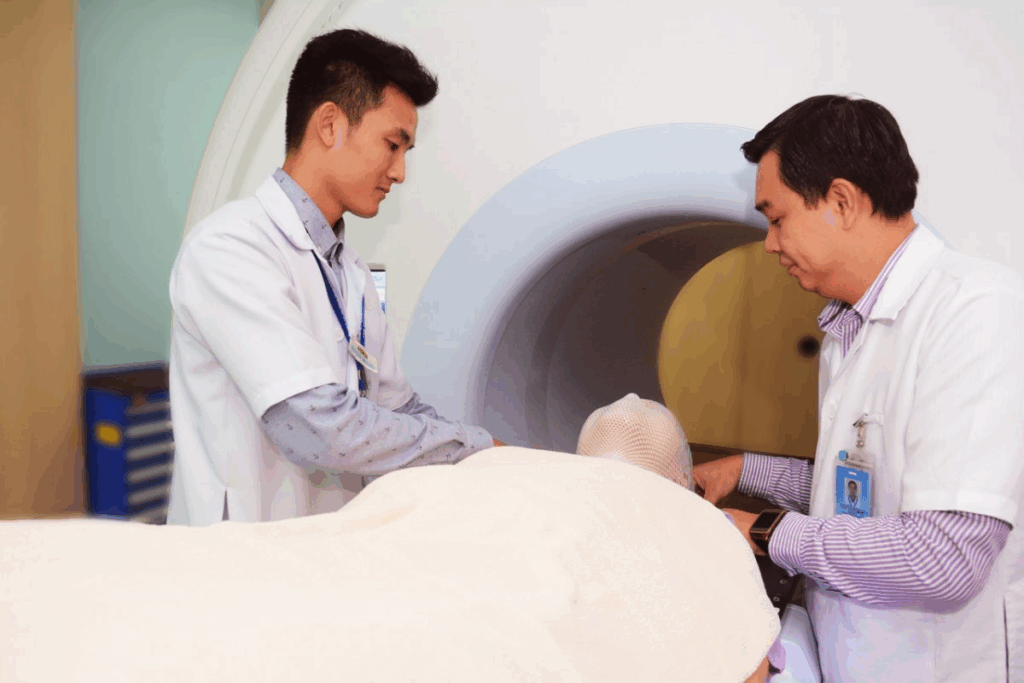
We use radioactive iodine therapy to treat thyroid conditions and cancer. It’s great because it only targets thyroid tissue. This makes it perfect for managing hyperthyroidism and some thyroid cancers.
Treatment for Thyroid Conditions
Radioactive iodine therapy helps with hyperthyroidism. Hyperthyroidism happens when the thyroid gland makes too much hormone. This can cause weight loss, fast heart rate, and anxiety.
By giving radioactive iodine, we can slow down the thyroid gland. This helps ease these symptoms.
The benefits of this therapy for hyperthyroidism are:
- It reduces thyroid hormone production effectively.
- It’s a minimally invasive procedure.
- It has a high success rate in treating hyperthyroidism.
Targeting Thyroid Cancer
In thyroid cancer, radioactive iodine therapy is a key treatment. Radioactive iodine goes straight to thyroid cancer cells. This allows us to destroy these cells without harming other tissues.
The main benefits of using radioactive iodine for thyroid cancer are:
- It targets thyroid cancer cells directly.
- It can treat cancer that has spread.
- It helps lower the chance of cancer coming back.
Understanding radioactive iodine therapy helps patients choose the right treatment for thyroid conditions and cancer. Our team is dedicated to giving full care and support during treatment.
Preparing for Treatment
Getting ready for radioactive iodine treatment is important for your safety and treatment success. We know you might have many questions and worries. We’re here to help you through every step.
Pre-treatment Guidelines
Before starting radioactive iodine treatment, you need to follow some important steps. These steps help make the treatment work better and reduce side effects. One key thing is to follow a low-iodine diet before treatment. You also might need to stop or change some medications.
Here’s what you might need to do:
- Avoid foods high in iodine
- Stop taking certain thyroid medications or supplements as directed by your doctor
- Inform your healthcare provider about any other medications you’re currently taking
| Pre-treatment Requirement | Description | Duration |
| Low-Iodine Diet | Avoid foods high in iodine | 1-2 weeks before treatment |
| Medication Adjustment | Stop or adjust thyroid medications | As directed by your doctor |
Importance of Medical History
Sharing your full medical history is key for safe and effective treatment. Your history helps us spot any risks or complications. It’s vital to be detailed and honest about your medical past. This includes any thyroid issues, other health problems, and current medications.
Knowing your medical history helps us customize the treatment for you. This way, we can aim for the best results. If you have questions about your history or the pre-treatment steps, talk to your doctor.
The Treatment Process
Understanding what happens on the day of radioactive iodine treatment is key. We aim to give you full care and support every step of the way.
Day of Treatment
On treatment day, you’ll go to the facility. There, you’ll get radioactive iodine either by mouth or IV. It’s a simple process, but we know you might have questions. Our medical team is ready to help, making sure you’re comfortable and informed.
What to Expect During Treatment
You’ll be in a special room to keep others safe from radiation. Our team will guide you on how to get ready and go through the treatment. The radioactive iodine will kill thyroid cells, helping with thyroid cancer and hyperthyroidism. We’re here to support you, making this tough time easier.
Right after, you’ll be watched for any quick side effects. We’ll also give you clear instructions on what to do next. Our main goal is for you to recover well and get back to your life quickly.
Remember, every treatment is different. Our team will make sure your treatment fits your needs perfectly. We’re committed to helping you from start to finish, supporting you every step of the way.
Post-Treatment Care
Radioactive iodine treatment is just the start. Aftercare is key to reduce side effects and keep everyone safe. We’ll help you through the recovery steps.
Immediate Aftercare Instructions
After treatment, it’s important to follow certain rules to protect others from radiation. Here’s what you should do:
- Avoid close contact with pregnant women and kids for a few days.
- Use good hygiene practices, like washing your hands after using the toilet.
- Sleep alone for a few days to lower exposure to others.
These steps help keep you and your loved ones safe during this time.
Managing Side Effects
Handling side effects is a big part of aftercare. Common ones include:
| Side Effect | Management Tip |
| Dry mouth | Drink lots of water to stay hydrated. |
| Nausea | Eat small meals often to fight nausea. |
| Salivary gland pain | Use sugar-free lozenges or lemon drops to help saliva. |
A medical expert says, “Managing side effects well can greatly improve life during recovery.”
“The key to a successful recovery is not just the treatment itself, but also the care that follows. By managing side effects effectively, patients can return to their normal activities sooner.”
An Endocrinologist
Diet Considerations
Your diet is very important after radioactive iodine treatment. We suggest:
- Stay hydrated by drinking lots of fluids.
- Avoid iodine-rich foods for a while, as your doctor advises.
- Opt for a balanced diet with fruits, veggies, and whole grains.
Following these diet tips helps your body heal and reduces side effects.
Quarantine Guidelines After Radiotherapy
To keep everyone safe, patients must follow certain rules after getting radioactive iodine treatment. We’ll cover the main points of these rules. This will help patients know what they need to do and why.
Why You Need to Quarantine
Quarantine is key after radioactive iodine treatment. The treatment uses radioactive materials that can spread radiation. This could harm others’ health.
By staying in quarantine, patients lower the risk of others getting exposed. This includes family, friends, and the public.
Duration of Quarantine
The length of quarantine depends on several things. These include the dose of radioactive iodine and the patient’s health. Usually, it lasts from a few days to a couple of weeks.
The exact time is decided by the doctor. It depends on the treatment plan and the patient’s health.
Here are some general tips for quarantine:
- Sleep alone in a separate room to minimize exposure to others.
- Avoid close contact with pregnant women and children.
- Use separate utensils and dishes, and wash them thoroughly after use.
- Minimize time spent in public places and avoid using public transportation.
- Follow proper hygiene practices, including frequent hand washing.
By sticking to these guidelines, patients can keep themselves and others safe.
Signs of Complications
Knowing the signs of complications after radioactive iodine treatment is key. This ensures you get medical help when needed. While this treatment is safe, knowing about possible complications is important for your health.
When to Seek Immediate Medical Help
It’s vital to know when to get medical help right away. If you have any of these symptoms, call your doctor:
- Severe pain or swelling in the neck or face
- Difficulty breathing or swallowing
- Fever above 101.5°F (38.6°C)
- Severe nausea or vomiting
- Signs of an allergic reaction, such as hives or itching
Seeking immediate medical help is key if you have these symptoms. They could mean serious problems.
Common Side Effects Explained
Not everyone gets side effects, but knowing them can help you deal with them. Common side effects include:
- Neck tenderness or swelling, which is usually temporary
- Dry mouth or changes in taste
- Nausea or loss of appetite
- Fatigue or feeling tired
- Changes in thyroid function, which may need medication changes
Most side effects are short-term and can be managed with your doctor’s help.
Dealing with side effects and complications can be tough. Our team is here to support you. We provide the care and guidance you need to stay well.
Supporting Loved Ones During Recovery
Family and friends play a big role in helping a patient recover after radioactive iodine treatment. It’s important to know how they can help. This support is key to a smooth recovery.
Communicating with Family and Friends
Talking openly is the first step to getting the support you need. Patients should tell their loved ones about their treatment and what they’re going through. This way, everyone can work together to make the patient feel better.
Here are some ways patients can communicate:
- Share details about their treatment and what to expect.
- Be clear about what they need and want.
- Don’t hesitate to ask for help, whether it’s with chores or just being there.
Addressing Concerns
Loved ones might worry about the patient’s health and safety during recovery. It’s good to talk about these worries. This can make everyone feel more at ease.
Some common worries include:
| Concern | Reassurance |
| Safety of being around the patient | Healthcare professionals can give advice on safe distances and hygiene. |
| Patient’s health and well-being | Regular updates on the patient’s health can ease worries. |
| Supporting the patient emotionally | Being there and talking openly can offer emotional support. |
By talking about these worries and keeping communication open, loved ones can feel more confident in their support. Patients will also feel more cared for.
Long-term Monitoring and Follow-up
After radioactive iodine treatment, the next step is long-term monitoring and follow-up care. This is key to check if the treatment worked and how the patient is doing.
“Long-term follow-up is not just a routine check-up; it’s a detailed approach to managing the patient’s health post-treatment,” A leading endocrinologist. “Regular monitoring helps in early detection of any issues, ensuring timely intervention.”
Importance of Regular Check-ups
Regular check-ups are the heart of long-term monitoring. These visits let healthcare providers track the patient’s progress, address concerns, and adjust treatment plans if needed. During these check-ups, healthcare providers may perform physical exams, review medical history, and do tests to check thyroid function and overall health.
Key aspects of regular check-ups include:
- Monitoring thyroid hormone levels to ensure they are within the normal range.
- Checking for any signs of thyroid cancer recurrence or metastasis.
- Assessing the patient’s overall health and addressing any side effects or concerns.
Additional Tests You Might Need
Patients may also need additional tests to monitor their condition fully. These tests can include:
- Thyroid function tests to check how well the thyroid is working.
- Thyroglobulin tests to detect any remaining thyroid cells, which can be an indicator of cancer recurrence.
- Imaging tests such as ultrasound, CT, or MRI scans to see the thyroid gland and find any abnormalities.
It’s important for patients to stick to their follow-up schedule and talk to their healthcare provider about any concerns or symptoms. This way, they can get the best results and keep their health and well-being in check.
Lifestyle Changes After Treatment
The journey after radioactive iodine treatment requires several important lifestyle changes. These changes help ensure a smooth and effective recovery. We aim to support your overall well-being and health through these adjustments.
Adjusting Daily Routines
After radioactive iodine treatment, adjusting your daily routines is key. Rest and relaxation are essential for recovery. Make sure to give yourself plenty of time to rest and avoid activities that could strain your body.
You may also need to change how you interact with others. The treatment’s radioactive nature means you should limit close contact with pregnant women and young children. Your healthcare provider will tell you how long to avoid these interactions.
Staying Active and Healthy
While rest is important, staying active is also vital. Gentle exercises, like short walks, can boost your circulation and mood. But, always check with your healthcare provider before starting any exercise.
Keeping a healthy diet is another important part of recovery. Eat foods rich in nutrients, like fruits, vegetables, and whole grains. These foods help your body heal.
By making these lifestyle changes and sticking to your recovery plan, you can confidently navigate the post-treatment period.
Mental Health Considerations
After radioactive iodine treatment, focusing on mental health is key. The treatment can be stressful and cause anxiety. It’s important for patients to find support when they need it.
Dealing with Anxiety and Stress
Managing anxiety and stress is critical for well-being. Meditation, deep breathing exercises, and yoga can help a lot. These activities calm the mind and lower stress.
Also, a healthy lifestyle with a balanced diet and exercise is good for mental health. We suggest talking to healthcare experts to create a plan that fits you.
Finding Support Groups
Being in a support group can feel like finding a community. Sharing stories with others who’ve gone through the same can be very comforting. We suggest looking into local and online groups.
Support groups are a place to talk about problems, share tips, and get emotional support. Being part of a group can greatly improve mental health.
Recognizing the value of mental health and getting the right support is important. Patients can handle the challenges after radioactive iodine treatment better. We aim to provide care that covers both physical and mental health.
Resources for Patients
Life after radioactive iodine treatment can be challenging. Having the right resources can greatly help your recovery. We aim to provide you with the support you need every step of the way.
Support Networks
There are many helplines and online support groups for patients. These offer a chance to connect with others who have gone through similar experiences. They provide emotional support, share insights, and keep you updated on the latest in treatment.
Informative Materials
It’s also important to look at educational materials on radioactive iodine treatment. These resources can help you understand your condition better. They also guide you on managing side effects and making informed care decisions.
Using these resources can empower you to take a more active role in your recovery. We’re committed to providing top-notch healthcare and support for international patients. We’re here to help you through every stage of your treatment.
FAQ
What is radioactive iodine treatment?
Radioactive iodine treatment uses a special iodine to destroy part or all of the thyroid gland. It’s used for thyroid conditions like cancer and hyperthyroidism.
How does radioactive iodine treatment work?
The treatment involves the patient taking a small amount of radioactive iodine. This iodine is then absorbed by the thyroid gland. The radiation kills thyroid tissue, helping with conditions like cancer and hyperthyroidism.
What are the common side effects of radioactive iodine treatment?
Side effects include fatigue, dry mouth, and changes in taste. Some may also feel neck swelling or pain. Most side effects are temporary and go away on their own.
How long does the quarantine last after radioactive iodine treatment?
The quarantine usually lasts 3 to 5 days. This depends on the dose of radioactive iodine and your healthcare provider’s guidelines.
What are the dietary considerations after radioactive iodine treatment?
You should follow a low-iodine diet before and after treatment. Stay hydrated and avoid close contact with others to reduce radiation exposure.
When should I seek immediate medical help after radioactive iodine treatment?
Seek help right away for severe symptoms like breathing trouble, severe pain, or signs of infection. Also, make sure to follow up with your healthcare provider as planned.
How can I support my loved ones during my recovery?
Talk openly with your family and friends about what you need and the precautions they should take. Giving them information and guidance can ease their worries.
What lifestyle changes might be necessary after radioactive iodine treatment?
You might need to change your daily routines to reduce radiation exposure to others. Staying active and healthy can also help your recovery.
How can I manage anxiety and stress after radioactive iodine treatment?
Joining support groups online or in-person can be helpful. Stress-reducing activities like meditation or yoga can also ease anxiety.
What resources are available for patients after radioactive iodine treatment?
There are many resources, including helplines, online groups, and educational materials. These can offer valuable support and information during your recovery.
Does radioactive iodine treatment shorten your life?
Most studies show that radioactive iodine treatment doesn’t shorten life for most patients. But, outcomes can vary based on your condition and health.
What are the long-term side effects of radioactive iodine treatment?
Long-term side effects might include permanent thyroid damage, leading to hypothyroidism. Regular check-ups are key to managing any long-term effects.
Can I kiss someone after radioactive iodine treatment?
It’s best to avoid kissing for a few days after treatment to protect others from radiation. The exact time should be based on your healthcare provider’s advice.
How long does radioactive iodine stay on surfaces?
Radioactive iodine can stay on surfaces for a while, depending on the amount used and the surface type. It’s important to follow strict hygiene practices to reduce contamination.
References
With respect to long-term side effects, there are some worries that RAI treatment at a younger age may increase the risk of other malignancies later in life
https://pmc.ncbi.nlm.nih.gov/articles/PMC8406249/