Life expectancy after cardiac ablation is high. Get best survival rates. This safe procedure prevents dangerous failure and restores amazing life. Did you know over 700,000 people worldwide get cardiac ablation every year? The survival rate of heart ablation is a big worry for both patients and doctors. This procedure treats heart rhythm problems, but its success rate depends on the type of problem and the patient’s health.
At our place, we know how important it is to give top-notch care to patients from around the world. They come for treatments like cardiac ablation. Our team works hard to offer the best healthcare. We want to help patients make smart choices about their treatment.
Key Takeaways
- Cardiac ablation is a procedure used to treat heart rhythm disorders.
- The success rate of cardiac ablation varies based on several factors.
- Understanding the survival rate and outcomes is critical for patients.
- Comprehensive care and support are key for international patients.
- Our institution is dedicated to delivering top-notch healthcare.
Understanding Cardiac Ablation

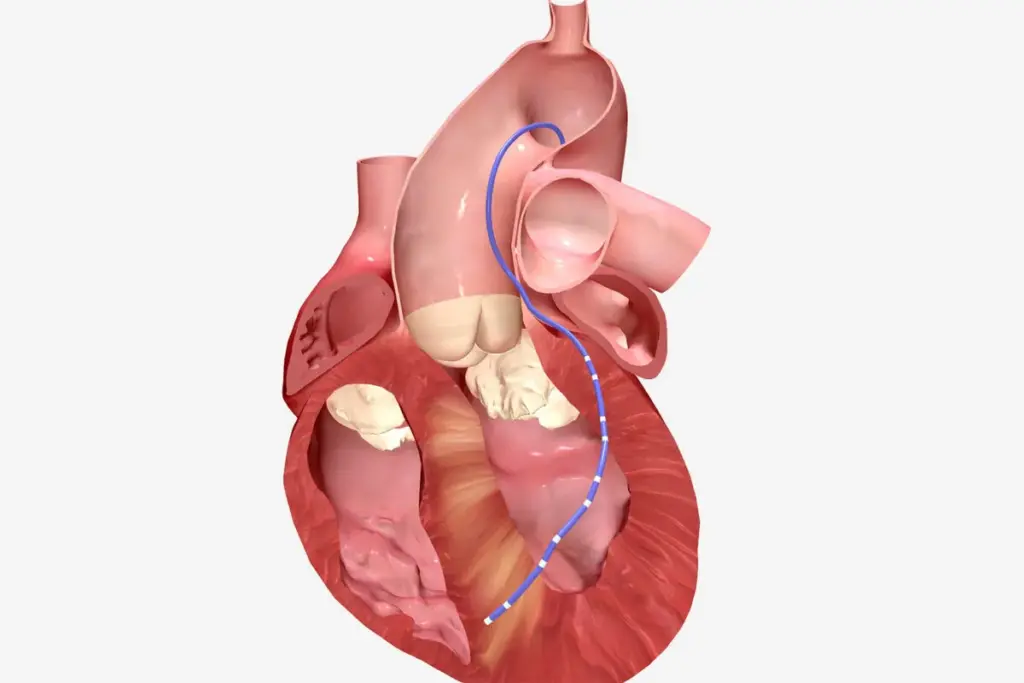
Cardiac ablation is a complex medical procedure. It treats heart rhythm disorders by destroying bad electrical pathways in the heart. We’ll look into what it is, why it’s done, and the different types of procedures.
Definition and Purpose
Cardiac ablation uses energy to destroy bad electrical pathways in the heart. This is to fix irregular heart rhythms. It aims to make the heart beat normally again, improving life quality.
By getting rid of the arrhythmia source, it cuts down on symptoms. These include palpitations, shortness of breath, and tiredness.
Types of Cardiac Ablation Procedures
There are many types of cardiac ablation procedures. Each has its own method and use. Here are a few common ones:
- Radiofrequency Ablation: This uses high-frequency electrical energy to heat and destroy bad heart areas.
- Cryoablation: It freezes and kills bad heart tissue with extreme cold.
- Laser Ablation: Laser energy is used to destroy targeted heart tissue.
|
Procedure Type |
Energy Source |
Primary Use |
|---|---|---|
|
Radiofrequency Ablation |
High-frequency electrical energy |
Treats various arrhythmias, including atrial fibrillation |
|
Cryoablation |
Extreme cold |
Often used for treating arrhythmias in sensitive areas of the heart |
|
Laser Ablation |
Laser energy |
Less commonly used, but effective for certain types of arrhythmias |
Knowing about the different cardiac ablation procedures helps patients choose the right treatment. We’ll dive deeper into cardiac ablation and its uses in the next sections.
When Is Cardiac Ablation Recommended?

Cardiac ablation is often considered when medication doesn’t work for arrhythmia. This choice can be tough, but our team is here to help.
Common Heart Rhythm Disorders Treated
Cardiac ablation is suggested for those with heart rhythm issues that affect their life quality. It’s used for atrial fibrillation, supraventricular tachycardia (SVT), and ventricular tachycardia.
These conditions can lead to symptoms like palpitations, shortness of breath, and fatigue. They can make everyday tasks hard. Cardiac ablation aims to treat these issues, improving life quality.
|
Condition |
Symptoms |
Treatment Outcome |
|---|---|---|
|
Atrial Fibrillation |
Palpitations, Shortness of Breath |
Improved Heart Rhythm |
|
Supraventricular Tachycardia (SVT) |
Rapid Heart Rate, Dizziness |
Reduced Frequency of Episodes |
|
Ventricular Tachycardia |
Rapid Heart Rate, Loss of Consciousness |
Prevention of Life-Threatening Episodes |
When Medication Fails
When meds don’t work or cause bad side effects, cardiac ablation is an option. We help decide the best treatment based on your condition and history.
Medication failure can happen for many reasons. Cardiac ablation can be a cure, easing symptoms and improving health in the long run.
We offer full care, from first visit to aftercare. We want to help you understand your health, making choices easier.
Preparing for a Cardiac Ablation Procedure
Our team will help you get ready for cardiac ablation. We’ll do tests and preparations to make sure you get the best results.
Pre-procedure Testing
Several tests are done before the procedure to check your heart. These include:
- Electrocardiograms (ECGs): To record your heart’s electrical activity.
- Echocardiograms: To see your heart’s structure and function.
- Blood Tests: To find any conditions that might affect the procedure.
These tests help us understand any risks and make the procedure fit your needs.
|
Test |
Purpose |
|---|---|
|
Electrocardiogram (ECG) |
Records heart’s electrical activity |
|
Echocardiogram |
Provides images of heart’s structure |
|
Blood Tests |
Checks for underlying conditions |
What to Expect During the Procedure
During cardiac ablation, you’ll get sedation to relax. The procedure uses catheters through veins in your leg.
“Cardiac ablation is a highly effective treatment for various heart rhythm disorders, giving patients a chance to regain a normal heart rhythm and improve their quality of life.”
Expert Opinion
Our medical team will be with you every step of the way. They’ll make sure you’re comfortable and safe.
Knowing what to expect makes you more confident and ready for your cardiac ablation procedure.
Immediate Success Rates of Cardiac Ablation
Cardiac ablation is a top choice for treating heart rhythm disorders. Its success rates vary by the type of arrhythmia. We’ll look at what affects these rates and what patients can expect.
Success Rates by Arrhythmia Type
The success of cardiac ablation changes with the arrhythmia type. For example, supraventricular tachycardia (SVT) often sees higher success rates than atrial fibrillation. SVT ablation can succeed in over 90% of cases. Atrial fibrillation ablation success rates range from 50% to 80%, depending on the procedure’s complexity and patient selection.
Here’s a table showing the immediate success rates for different arrhythmias treated with cardiac ablation:
|
Arrhythmia Type |
Immediate Success Rate |
|---|---|
|
Supraventricular Tachycardia (SVT) |
85-95% |
|
Atrial Fibrillation |
50-80% |
|
Ventricular Tachycardia |
60-85% |
Factors Affecting Initial Success
Several factors can affect cardiac ablation’s initial success. These include the patient’s health, any underlying heart disease, and the doctor’s experience. The skill and expertise of the electrophysiologist are key to the outcome. The ablation technology used, like radiofrequency or cryoballoon ablation, also matters.
Knowing these factors and the arrhythmia type helps set realistic expectations for cardiac ablation’s success. This knowledge helps both patients and healthcare providers understand the procedure’s benefits and risks.
Short-Term Survival Statistics
It’s important to know the short-term survival stats after cardiac ablation. These numbers help both patients and doctors understand the risks and benefits right after the procedure.
30-Day Mortality Rates
The 30-day mortality rate shows how safe cardiac ablation is. Most studies show this rate is very low. This means the procedure is quite safe.
- A study in a top cardiology journal found a 30-day mortality rate under 1% for cardiac ablation patients.
- Another study also reported a similar rate, showing the procedure’s safety.
First-Year Outcomes
Looking at first-year results after cardiac ablation gives us insight into its long-term benefits. Studies show it can greatly improve survival rates in the first year. This is true for patients with specific arrhythmias.
Key statistics include:
- A big drop in arrhythmia coming back.
- Patients’ quality of life gets better.
- Survival rates are higher than with just medicine in some cases.
These results highlight how important cardiac ablation is for treating heart rhythm problems.
Overall, the short-term survival stats after cardiac ablation look good. We see low 30-day mortality rates and positive first-year results. These findings make cardiac ablation a strong treatment option for some heart conditions.
Life Expectancy After Cardiac Ablation
Medical technology has made big strides, and now we’re looking closely at how long people live after cardiac ablation. This procedure treats irregular heart rhythms by destroying the bad electrical paths in the heart. Knowing how long people can live after this treatment is key for both patients and doctors.
5-Year Survival Rates
The 5-year survival rate is a big deal when we talk about how well cardiac ablation works. Research shows that people with certain heart rhythm problems do very well after the treatment. In fact, their 5-year survival rates are often as good as, or even better than, people of the same age without these issues.
What affects these survival rates includes:
- The type and how bad the heart rhythm problem is
- Any other heart or health issues the person has
- The person’s age and health when they get treated
10-Year and Beyond Survival Data
Looking at survival rates beyond 5 years gives us a clearer picture of how long the benefits of cardiac ablation last. New studies show that successful treatments can lead to even better survival rates over 10 years or more. A study in a top cardiology journal found that people with atrial fibrillation who got treated with ablation had a much higher 10-year survival rate than those who just took medicine.
This is really important, as it means that not only does cardiac ablation help in the short term, but it also has a lasting effect on how long people live. As we keep improving, we expect to see even better survival rates in the future.
We’re dedicated to giving our patients the latest and most detailed information. We want to make sure they have all the facts they need to make the best choices for their health.
Comparing Survival Rates: Ablation vs. Medication Alone
Recent studies have shown how cardiac ablation compares to medication alone for heart rhythm disorders. The choice between these treatments depends on survival rates, quality of life, and long-term outcomes.
Cardiac ablation is a treatment for arrhythmias that targets the heart’s rhythm source. Medication alone manages symptoms and heart rate. The right choice depends on the arrhythmia type, patient health, and personal preferences.
Enhancing Quality of Life
Cardiac ablation can greatly improve quality of life. It reduces or eliminates arrhythmia symptoms, leading to better well-being. Studies show it enhances physical function, reduces symptoms, and improves mental health.
Key benefits of cardiac ablation on quality of life include:
- Reduction or elimination of arrhythmia symptoms
- Improved physical functioning and activity levels
- Enhanced mental health and reduced anxiety related to arrhythmia episodes
Statistical Differences in Longevity
Survival rates vary between cardiac ablation and medication alone, depending on the arrhythmia and patient. Cardiac ablation may offer a survival advantage for some, like those with severe or drug-resistant arrhythmias.
A meta-analysis showed cardiac ablation lowers mortality risk in atrial fibrillation patients compared to medication. But, outcomes depend on heart disease, age, and comorbid conditions.
The statistical differences in longevity between cardiac ablation and medication alone underscore the importance of personalized treatment planning. Healthcare providers should consider patient characteristics and arrhythmia specifics for the best treatment advice.
Potential Complications of Cardiac Ablation
It’s important for patients to know about the possible complications of cardiac ablation. We aim to provide the best care possible. But, it’s key to understand the risks involved.
Common Minor Complications
Minor issues can happen but usually don’t affect your health for long. These might include:
- Bruising or bleeding at the catheter site
- Temporary discomfort or pain
- Swelling or hematoma at the site of catheter insertion
These problems are often easy to handle with the right care after the procedure. We do our best to prevent them.
Serious Complications Affecting Survival
Though rare, serious problems can greatly affect your life and survival. These include:
- Cardiac tamponade, a condition where fluid accumulates in the sac around the heart
- Stroke or transient ischemic attack (TIA)
- Pulmonary vein stenosis, a narrowing of the pulmonary veins
It’s important for patients to know about these risks. Our team works hard to reduce these risks. We do this by carefully choosing patients and using precise techniques.
A study in a top cardiology journal found that major complications are rare. But, knowing about these risks is key for making informed choices.
“The risk of complications from cardiac ablation is generally low, but it’s not negligible. Patients should discuss their individual risk factors with their healthcare provider.”
A leading cardiologist
|
Type of Complication |
Incidence Rate |
Management Strategy |
|---|---|---|
|
Minor Bleeding |
5-10% |
Conservative management, observation |
|
Cardiac Tamponade |
1-2% |
Emergency pericardiocentesis |
|
Stroke/TIA |
0.5-1% |
Anticoagulation therapy, rehabilitation |
We stress the importance of talking to your healthcare provider about these complications. This way, you can understand how they might affect you.
Risk Factors That Impact Ablation Outcomes
The success of cardiac ablation depends on many factors. These include pre-existing conditions and the patient’s overall health. It’s important for both patients and healthcare providers to know these risk factors. This helps make informed decisions about the procedure.
Pre-existing Conditions
Pre-existing medical conditions can greatly affect the outcome of cardiac ablation. Conditions like heart failure, diabetes, and chronic kidney disease can impact the procedure’s success. For example, patients with heart failure may face higher risks during or after the procedure.
- Heart Failure: Increases the risk of complications and affects long-term survival.
- Diabetes: Can complicate post-procedure care and recovery.
- Chronic Kidney Disease: May require adjustments in medication and procedure timing.
Age and General Health Considerations
Age is a key factor that can impact the outcomes of cardiac ablation. Older patients may face higher risks due to comorbidities and decreased physiological reserve. The patient’s overall health, including obesity and smoking status, can also influence the success of the procedure.
We consider these factors when evaluating a patient’s suitability for cardiac ablation. By understanding the risks and taking steps to mitigate them, we can improve the chances of a successful outcome.
Ablation Outcomes for Specific Arrhythmias
It’s key to know how well cardiac ablation works for different heart rhythm problems. This helps doctors set the right expectations for patients. The success of the treatment depends a lot on the type of rhythm issue.
Atrial Fibrillation Ablation Success Rates
Atrial fibrillation (AF) is a common heart rhythm problem treated with ablation. Atrial fibrillation ablation has gotten better thanks to new techniques and tools. Research shows that 60% to 80% of people can stay in a normal rhythm without needing special heart drugs after the procedure.
“The success of AF ablation depends on how long the AF has lasted, any heart disease, and the patient’s health,” a top cardiologist explains. The complexity of the procedure and the doctor’s skill are also very important.
Ventricular Tachycardia and Other Arrhythmias
Ventricular tachycardia (VT) ablation is vital for treating a serious heart rhythm issue. VT can be very dangerous and needs quick action. The success rate for VT ablation is usually between 50% and 70%. This depends on the heart condition and the VT’s details.
Other rhythm problems, like SVT and atrial flutter, often have success rates over 90% with ablation. The different success rates show why each treatment plan must be tailored to the patient. A detailed check before the procedure is also critical.
As we keep improving in cardiac electrophysiology, we expect better results for patients with various rhythm issues. New research and technology will likely make procedures more effective and safer.
Cardiac Ablation in Different Age Groups
Cardiac ablation is a treatment for heart rhythm disorders that works for many ages. It’s used for both young and old, each with their own needs and results.
Cardiac Arrest in Different Age Groups
It’s important to know how cardiac arrest affects people of different ages. This helps us understand how well cardiac ablation works for them.
Outcomes in Younger Patients
Younger people usually have fewer health problems. They often do well with cardiac ablation. Research shows they have better success rates and fewer complications than older folks.
Ablation in Elderly Populations
Older people, though, face more health challenges. They might have other health issues that could change how well ablation works. Doctors carefully decide if ablation is right for them, considering the benefits and risks.
Knowing these differences helps doctors tailor treatments for each patient. This way, everyone gets the best care, no matter their age.
Recovery Process Following Cardiac Ablation
Knowing the recovery process is key for patients after cardiac ablation. It helps them heal smoothly and effectively. The process includes immediate care and a long-term recovery plan, which varies for each patient.
Immediate Post-Procedure Care
Right after cardiac ablation, patients are watched closely in a recovery area. We give them clear instructions on how to care for their wound and what activities to avoid. It’s important for them to follow these steps to avoid complications.
Key aspects of immediate post-procedure care include:
- Monitoring for signs of bleeding or hematoma at the catheter site
- Managing discomfort or pain with prescribed medications
- Avoiding strenuous activities and heavy lifting for a specified period
Long-term Recovery Timeline
The time it takes to recover fully after cardiac ablation varies. Some people can get back to normal in a few days, while others need more time. We offer personalized support and guidance to help our patients through their recovery.
Factors influencing the long-term recovery timeline include:
- The type of arrhythmia being treated
- The patient’s overall health and presence of any underlying conditions
- Adherence to post-procedure care instructions
By understanding these factors and following the recommended care, patients can improve their recovery. This helps them get the best results from their cardiac ablation procedure.
Repeat Ablations: Frequency and Success Rates
Many patients with recurring arrhythmias need repeat cardiac ablation procedures. This treatment aims to fix irregular heartbeats by destroying faulty electrical pathways. Even so, some patients might need more treatments because their arrhythmia comes back.
When Additional Procedures Are Needed
When a patient’s arrhythmia returns after a first successful ablation, they might need another procedure. This can happen for a few reasons:
- Recovery of Electrical Conduction: The heart’s electrical pathways can start working again, causing arrhythmia to return.
- Incomplete Initial Ablation: If the first treatment didn’t fully fix the problem, more treatment is needed.
- Progression of Underlying Heart Disease: As heart conditions worsen, arrhythmias can come back or new ones can start.
Outcomes After Multiple Ablations
The success of repeat cardiac ablations depends on several things. These include the patient’s health, the type of arrhythmia, and the doctor’s experience.
Research shows that:
- Success Rates Vary: The success rate for repeat ablations can be similar to or slightly lower than the first one.
- Improved Outcomes with Experience: Doctors with more experience often get better results for patients needing repeat treatments.
It’s important for patients to talk to their doctors about the benefits and risks of repeat ablation.
Repeat cardiac ablation is a key option for patients with recurring arrhythmias. Knowing what affects the need for and success of these procedures helps both patients and doctors make better choices for ongoing care.
Post-Ablation Lifestyle and Long-Term Care
After cardiac ablation, care involves managing medications, making lifestyle changes, and regular doctor visits. A full approach is needed for long-term success.
Medication Requirements
Patients often take medications after cardiac ablation. These help manage heart conditions and prevent problems. They might include blood thinners, drugs to keep the heart rhythm normal, and more.
- Anticoagulants: These lower the risk of blood clots and stroke. It’s key to follow the prescribed anticoagulant plan.
- Anti-arrhythmic drugs: These drugs keep the heart rhythm normal. The type and amount depend on the patient’s condition and the arrhythmia treated.
Working closely with your doctor is vital for managing medications. You should know about possible side effects and any needed dosage changes.
Activity Recommendations and Follow-up Care
After the procedure, patients should slowly get back to normal activities. They should avoid hard exercises at first. Regular check-ups are important to watch how the heart is doing and handle any issues.
- Immediate Post-Procedure Period: Rest and avoid heavy lifting, bending, or strenuous activities.
- Gradual Return to Normal Activities: Most people can start most activities in a few days to a week. This depends on their health and the procedure details.
Follow-up care includes watching for arrhythmia signs, managing medication side effects, and making lifestyle changes for heart health.
Following these guidelines and talking openly with your healthcare team helps improve heart health after cardiac ablation.
Conclusion
Cardiac ablation is a top choice for treating heart rhythm problems. It boosts survival rates and improves life quality for many. The success of this treatment depends on the type of arrhythmia and the patient’s health.
Studies show that cardiac ablation leads to better lives for patients. We focus on giving our patients the best care and support. This ensures they get the best results from their treatment.
In short, cardiac ablation is a great option for those with heart rhythm issues. Knowing what affects its success helps us support our patients better. This way, we help them achieve their health goals.
FAQ
What is cardiac ablation, and how does it work?
Cardiac ablation is a procedure that fixes irregular heart rhythms. It uses energy to destroy the bad pathways in the heart. This helps the heart beat normally again, improving life quality.
What are the different types of cardiac ablation procedures?
There are several types of cardiac ablation. These include radiofrequency, cryoablation, and laser ablation. Each has its own way of working.
When is cardiac ablation recommended?
Doctors suggest cardiac ablation for those with heart rhythm problems. It’s for people whose heart issues really affect their life. It’s also for those who can’t take medicine or if it causes bad side effects.
What tests are required before undergoing cardiac ablation?
Before the procedure, patients get several tests. These include ECGs, echocardiograms, and blood tests. They check the heart’s health and look for risks.
What can I expect during a cardiac ablation procedure?
During the procedure, patients get sedation to relax. The doctor uses catheters through veins in the leg to do the treatment.
What are the immediate success rates of cardiac ablation?
Success rates vary based on the heart rhythm being treated. SVT has higher success rates than atrial fibrillation.
What are the short-term survival statistics after cardiac ablation?
The 30-day mortality rate shows immediate risks. First-year outcomes show long-term benefits.
How does cardiac ablation affect life expectancy?
Successful ablation can improve survival rates over years. The 5-year survival rate is a key indicator.
How does cardiac ablation compare to medication alone in terms of survival rates?
Studies show ablation can offer a survival advantage over medication. But results vary based on the patient and the arrhythmia.
What are the possible complications of cardiac ablation?
Minor complications include bruising and temporary discomfort. Serious complications, though rare, can include cardiac tamponade and stroke.
What risk factors impact the outcomes of cardiac ablation?
Conditions like heart failure and diabetes can affect success. Age and overall health also play a role.
What are the outcomes for specific arrhythmias treated with cardiac ablation?
Atrial fibrillation ablation is common and has improving success rates. Other arrhythmias have unique outcomes.
How does cardiac ablation affect different age groups?
Ablation is done for all ages. Younger patients have different outcomes than older adults, who face more health issues.
What is the recovery process like after cardiac ablation?
Patients are watched for complications right after. They need wound care and follow activity rules. Recovery times vary.
Are repeat cardiac ablation procedures necessary?
Yes, some patients need repeat procedures for arrhythmia recurrences. Success rates vary based on several factors.
What lifestyle changes and long-term care are required after cardiac ablation?
Patients must make lifestyle changes and follow medication and activity advice. Regular check-ups are key for monitoring their health.
Reference
National Center for Biotechnology Information. Evidence-Based Medical Insight. Retrieved from https://pubmed.ncbi.nlm.nih.gov/32860505/