

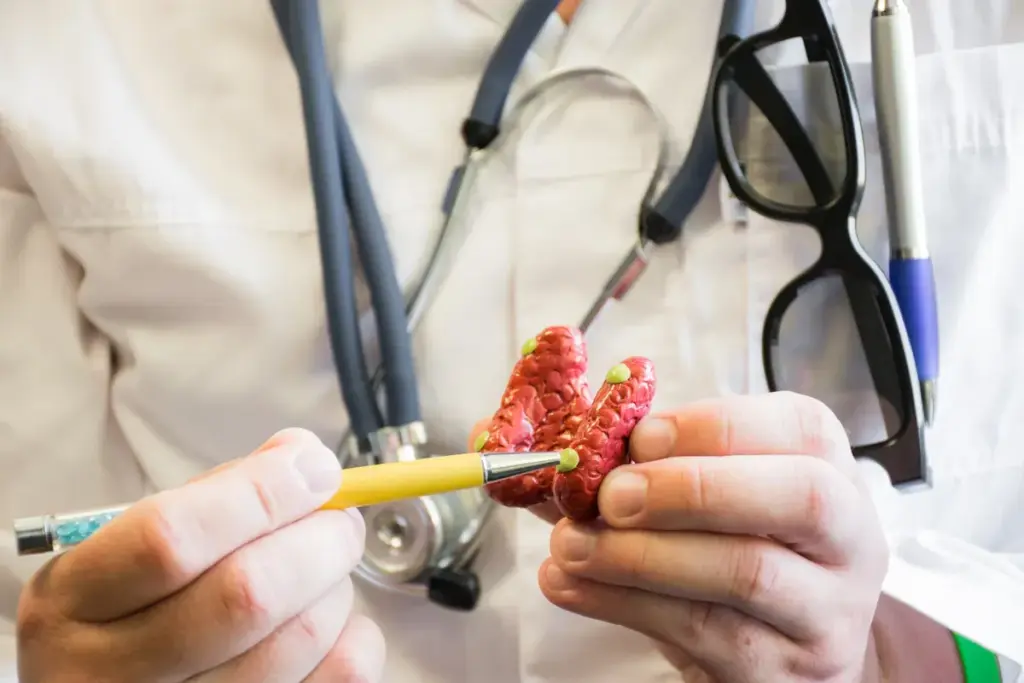
Parathyroid surgery has made big strides in helping patients with hyperparathyroidism. Timely intervention can ease symptoms and improve life quality. We’ve seen a big jump in long-term outcomes for those who get parathyroidectomy.
A study in JAMA Surgery found that those with severe symptoms lived about 11.7 years after surgery. This shows how key multidisciplinary care is in handling hyperparathyroidism.
Key Takeaways
- Parathyroid surgery can greatly boost life expectancy for those with hyperparathyroidism.
- Acting quickly is key for the best results.
- A team approach to care is vital for managing hyperparathyroidism.
- Parathyroidectomy can ease symptoms and enhance life quality.
- Long-term results are mostly positive for those who have parathyroid surgery.
Understanding Parathyroid Glands and Hyperparathyroidism

To understand hyperparathyroidism, you need to know about parathyroid glands. These glands are small and near the thyroid gland in the neck. They help keep calcium levels in the body balanced by making parathyroid hormone (PTH).
Function of Parathyroid Glands
The main job of parathyroid glands is to make PTH. This hormone helps control calcium in the blood. When calcium levels go down, the glands release PTH. This hormone then helps increase calcium levels by releasing it from bones and improving its absorption from food.
It also helps reduce calcium loss in urine. This process is key for strong bones, nerve function, and muscle contraction.
Primary vs. Secondary Hyperparathyroidism
Hyperparathyroidism happens when parathyroid glands make too much PTH. There are two main types: primary and secondary.
Primary Hyperparathyroidism: This is when calcium levels are too high and PTH levels are also high. It often comes from a gland getting too big and making too much PTH. It can also be caused by gland growth or cancer.
Secondary Hyperparathyroidism: This is when other health issues make glands overactive. Causes include vitamin D deficiency, kidney disease, and low calcium. In this type, PTH levels are high, but calcium levels might be low or normal.
|
Characteristics |
Primary Hyperparathyroidism |
Secondary Hyperparathyroidism |
|---|---|---|
|
PTH Levels |
Elevated or inappropriately normal |
Elevated |
|
Serum Calcium Levels |
Elevated |
Low or normal |
|
Common Causes |
Parathyroid adenoma, hyperplasia, or cancer |
Vitamin D deficiency, chronic kidney disease, calcium deficiency |
Symptoms and Diagnosis
Symptoms of hyperparathyroidism vary. Some people might not show any signs, while others may have bone pain, kidney stones, or fatigue. Blood tests and imaging studies are used to diagnose it.
Knowing about parathyroid glands and hyperparathyroidism is key to treating it. We will explore the effects of not treating it and the benefits of surgery in the next sections.
The Impact of Untreated Hyperparathyroidism on Longevity

Untreated hyperparathyroidism can severely harm a person’s health and shorten their life. It causes many problems that affect the body’s systems.
Reduction in Life Expectancy by Up to Five Years
Studies show that untreated primary hyperparathyroidism can cut life expectancy by up to five years. This big drop in life span is mainly because of heart and kidney issues linked to the condition.
The constant high levels of parathyroid hormone (PTH) and calcium can damage important organs. This damage shortens a person’s life.
Complications of Untreated Disease
If hyperparathyroidism is not treated, patients face many risks. These include:
- Osteoporosis and higher risk of bone fractures
- Heart disease, like high blood pressure and heart calcification
- Problems with the kidneys, like kidney stones
- Mental health issues, such as depression and memory problems
These issues not only make life harder but also shorten life expectancy in untreated hyperparathyroidism patients.
Risk Factors for Mortality
Some things make it more likely for patients with untreated hyperparathyroidism to die. These include:
- Being older when diagnosed
- Having other health problems, like heart disease or kidney failure
- Having very high levels of PTH and calcium
It’s important to find and manage these risk factors to help patients with hyperparathyroidism live better.
Types of Parathyroid Surgery and Success Rates
Parathyroid surgery has seen big improvements, thanks to new techniques. We’ll look at the different ways to treat hyperparathyroidism. We’ll focus on how well they work and their success rates.
Minimally Invasive Parathyroidectomy
Minimally invasive parathyroidectomy is a common and effective way to treat hyperparathyroidism. It involves a small incision in the neck to find and remove the bad gland(s). This method causes less damage, lowers the risk of problems, and helps patients recover faster than open surgery.
Traditional Four-Gland Exploration
Traditional four-gland exploration is a more invasive method. The surgeon checks all four parathyroid glands. It’s used when the diagnosis is unsure or when many glands are involved. Though effective, it has a higher risk of complications and longer recovery times.
Surgical Success Rates and Cure Rates
The success of parathyroid surgery is shown by its ability to fix calcium levels and symptoms. Surgical success rates are high, with cure rates from 95% to 98% for minimally invasive surgeries. The success depends on finding the right gland(s) before surgery and the surgeon’s skill.
Choosing the right surgery can be hard. But, with new techniques and understanding hyperparathyroidism better, patients get better treatments. Our team aims to give each patient the best care, tailored to their needs.
Immediate Post-Surgical Recovery and Risks
The recovery after parathyroid surgery is very important. It’s a time to watch for complications and keep calcium levels right. We’ll show you what to expect during this period.
Hospital Stay Duration
Most patients stay in the hospital for just a day or 24 hours after surgery. This short stay is thanks to better surgery methods and care.
Common Complications
Even though surgery is usually safe, some problems can happen. These include:
- Hungry bone syndrome, where calcium levels drop a lot
- Vocal cord paralysis or hoarseness from nerve damage
- Hematoma or bleeding at the surgery site
Watching closely and acting fast can help avoid these issues.
Managing Post-Surgical Calcium Levels
Keeping calcium levels right after surgery is key. Patients might need:
- Calcium supplements to keep levels normal
- Regular blood tests to check calcium and hormone levels
- Changes in diet to get enough calcium
|
Post-Surgical Care Aspect |
Details |
Importance |
|---|---|---|
|
Calcium Supplementation |
To prevent hypocalcemia |
High |
|
Monitoring |
Regular blood tests |
High |
|
Dietary Adjustments |
Adequate calcium intake |
Medium |
Knowing about post-surgical care helps patients get ready for life after parathyroid surgery.
Life Expectancy After Parathyroid Surgery: Research Findings
A study in JAMA Surgery looked into how long patients live after parathyroid surgery. It gives us important information about the results of this surgery.
Significant Findings on Median Survival
The JAMA Surgery study found that patients with severe symptoms live about 11.7 years after surgery. This shows that surgery can greatly improve life expectancy.
Comparative Survival Rates to the General Population
Research shows that patients after parathyroid surgery live as long as the average person. This is a big deal. It means surgery can make life expectancy normal for those with hyperparathyroidism.
Statistical Improvements in Longevity
Studies show that patients live longer after parathyroid surgery. The data confirms that successful surgery can greatly increase life expectancy. This improves the quality of life for patients.
|
Study |
Median Survival |
Comparative Survival Rate |
|---|---|---|
|
JAMA Surgery Study |
11.7 years |
Comparable to general population |
|
Other Studies |
Varying results |
Generally improved |
Physiological Changes Contributing to Improved Survival
After parathyroid surgery, the body starts to heal and function better. This healing is due to several important changes. These changes help patients live longer and healthier lives.
Normalization of Calcium Metabolism
One key change is the balance of calcium in the body. Hyperparathyroidism can cause too much calcium, leading to problems like bone disease and kidney stones. Surgery fixes this imbalance, reducing these risks.
A leading endocrinologist notes, “Fixing calcium levels is key to avoiding damage to organs like the kidneys and bones.”
Reversal of Organ Damage
Parathyroid surgery can also undo damage to organs. For example, it can strengthen bones and lower the risk of fractures. It also helps protect the kidneys from damage by lowering calcium levels.
Studies have shown that this surgery can greatly improve kidney function and lower heart disease risks.
“Parathyroid surgery not only corrects the immediate biochemical abnormalities but also has a positive impact on long-term organ function.”
Hormonal Balance Restoration
Another important change is the balance of hormones in the body. Hyperparathyroidism makes too much parathyroid hormone, upsetting the body’s balance. Surgery removes the cause of this imbalance, helping restore normal hormone levels.
This restoration of balance improves many bodily functions and overall health. The changes from parathyroid surgery are wide-ranging and greatly improve survival rates. They help balance calcium, reverse organ damage, and restore hormone levels, giving patients a chance at a longer, healthier life.
Factors Affecting Survival Outcomes After Surgery
Survival rates after parathyroid surgery depend on many factors. Knowing these helps us manage patient hopes and improve care after surgery.
Age at Time of Surgery
When a patient has parathyroid surgery, their age matters a lot. Younger people usually do better than older ones. This is because older folks often have more health problems and less strength.
Age-related considerations are key when deciding on surgery. We look at the patient’s health, how bad their hyperparathyroidism is, and how long they might live. This helps us see if surgery is a good idea.
Pre-existing Conditions
Health issues before surgery can change survival chances. Problems like heart disease, kidney issues, and diabetes can make recovery harder and affect long-term survival.
We check these conditions carefully before surgery. This helps us plan the best treatment to reduce risks and get good results.
Severity of Hyperparathyroidism
How bad the hyperparathyroidism is also matters a lot. Those with more severe cases usually do better after surgery. Surgery can greatly improve their life and lower the risk of future problems.
Early treatment is best for severe cases. It helps avoid damage to organs like the kidneys and bones. Fixing the hormone imbalance helps restore normal body function and boosts health.
Long-Term Health Benefits of Parathyroidectomy
Parathyroidectomy brings many long-term health benefits to those with hyperparathyroidism. It helps patients feel better and live a better life.
Bone Mineral Density Improvements
One big plus of parathyroidectomy is better bone health. Studies show that after surgery, bones get stronger. This means less chance of osteoporosis and fractures.
“The improvement in bone density is a critical factor in reducing the risk of fractures in patients with hyperparathyroidism.”
Reduced Fracture Risk Over the Next Decade
After parathyroidectomy, patients face less risk of fractures for ten years. Normalizing calcium and PTH levels helps bones stay healthy. This is a big win for patients, making life better and saving on healthcare costs.
Cardiovascular Risk Reduction
Parathyroidectomy also lowers heart disease risk. It fixes hormonal imbalances that harm the heart. This means fewer heart problems and better survival chances.
Kidney Function Preservation
Another key benefit is keeping kidneys healthy. Hyperparathyroidism can harm kidneys. Surgery fixes this, helping kidneys work better and preventing disease.
In summary, parathyroidectomy greatly improves the lives of those with hyperparathyroidism. It boosts bone health, lowers fracture risk, and protects the heart and kidneys. These benefits make a big difference in patients’ lives.
Quality of Life Improvements Following Surgery
Patients who get parathyroid surgery often see big improvements in their health. These changes touch many parts of their lives.
Physical Functioning Enhancements Within 1-6 Months
Parathyroid surgery brings big benefits to physical health. Studies show that patients feel better in 1 to 6 months. They notice less fatigue, muscle weakness, and bone pain.
This is because their calcium levels get back to normal. Hormonal imbalances are also fixed.
Research in the Journal of Clinical Endocrinology & Metabolism shows big health gains. Patients can do daily tasks more easily and efficiently.
Mental Health Benefits
Parathyroid surgery also helps with mental health. Fixing hyperparathyroidism can lower anxiety and depression. Patients feel clearer and happier after surgery.
Social Functioning Improvements
Recovering from parathyroid surgery also boosts social life. With better health, people start doing social things again. They reconnect with friends and enjoy hobbies they missed.
|
Aspect of Life |
Pre-Surgery |
Post-Surgery |
|---|---|---|
|
Physical Functioning |
Fatigue, muscle weakness |
Improved strength, reduced fatigue |
|
Mental Health |
Anxiety, depression |
Reduced anxiety, improved mood |
|
Social Functioning |
Limited social interaction |
Increased social participation |
Parathyroid surgery greatly improves life for those with hyperparathyroidism. It boosts physical, mental, and social health.
Living Without Parathyroid Glands: Long-Term Management
Living without parathyroid glands means you need to manage your health carefully. After surgery, you’ll have to keep an eye on your calcium levels, take vitamin D supplements, and get regular check-ups.
Removing parathyroid glands changes a patient’s life a lot. So, it’s key to have a solid plan to manage the condition well. The main goal is to keep calcium levels normal. This is important for muscle and nerve health.
Calcium Management Strategies
Managing calcium is a big part of life without parathyroid glands. You need to make sure you get enough calcium from food or supplements. Calcium citrate is a good choice because it’s absorbed better.
|
Calcium Supplement Type |
Absorption Rate |
Recommended Dosage |
|---|---|---|
|
Calcium Citrate |
High |
1000-1500 mg/day |
|
Calcium Carbonate |
Moderate |
1500-2000 mg/day |
The table shows how choosing the right calcium supplement and dosage matters a lot.
Vitamin D Supplementation
Vitamin D is key for absorbing calcium. People without parathyroid glands often need vitamin D supplements. Vitamin D3 (Cholecalciferol) is the best choice because it works well.
“Vitamin D supplementation is essential for patients with hypoparathyroidism to ensure proper calcium absorption and bone health.”
Nature Reviews Endocrinology
It’s important to keep an eye on vitamin D levels and adjust supplements as needed.
Long-term Monitoring Requirements
Long-term monitoring is a must for those without parathyroid glands. Regular visits to healthcare providers are needed to check calcium levels, kidney function, and overall health. Blood tests to check calcium, phosphate, and vitamin D levels are recommended.
With a good management plan, patients can live active and healthy lives without parathyroid glands. It’s important to work with healthcare providers to make a plan that fits your needs.
When is Parathyroid Surgery Worthwhile? The Three-Year Threshold
Parathyroid surgery is good for patients with a life expectancy over three years. This is key to deciding if surgery’s benefits are worth the risks.
Risk-Benefit Analysis for Different Age Groups
Choosing parathyroid surgery means weighing risks and benefits, based on age. Younger people often see big improvements in life quality. But, older patients or those with health issues face higher risks, making surgery less likely.
Decision-Making Process with Healthcare Providers
Deciding on parathyroid surgery is a team effort between patient and doctors. It’s important to talk about the surgery’s pros and cons, and other options. This way, patients can make choices that fit their health goals and wishes.
|
Factor |
Considerations |
|---|---|
|
Life Expectancy |
Patients with a life expectancy of more than three years are generally considered good candidates. |
|
Age |
Younger patients tend to have a more favorable risk-benefit profile. |
|
Overall Health |
Presence of comorbidities can affect the risk-benefit analysis. |
|
Severity of Symptoms |
Patients with significant symptoms or complications may benefit more from surgery. |
Special Considerations for High-Risk Patients
High-risk patients, like the elderly and those with many health issues, need special care before surgery. They face unique challenges that need a personalized approach to their treatment.
Elderly Patients
Elderly patients face higher risks during parathyroid surgery. This is due to aging and health problems. We must check their health, including heart and kidney function, to lower surgery risks.
A study in the Journal of Clinical Endocrinology & Metabolism shows elderly patients greatly benefit from surgery. It improves their symptoms and quality of life. But, surgery should be carefully considered based on their health and life expectancy.
Patients with Multiple Comorbidities
Patients with many health issues, like high blood pressure, diabetes, and heart disease, need a detailed check-up before surgery. We aim to improve their health before surgery to lessen risks.
|
Comorbidity |
Pre-Surgical Optimization |
Intraoperative Considerations |
|---|---|---|
|
Hypertension |
Control blood pressure with medication |
Monitor blood pressure closely |
|
Diabetes |
Optimize blood glucose levels |
Adjust insulin regimen as needed |
|
Heart Disease |
Assess cardiac function, consider cardiology consultation |
Monitor cardiac function during surgery |
Parathyroid Cancer Cases
Parathyroid cancer is rare but serious. It needs a special surgical method. We aim to remove the tumor completely to prevent it from coming back.
Key Considerations for Parathyroid Cancer:
- Diagnosing it before surgery is hard; surgery findings guide the extent of the surgery.
- Removing the tumor in one piece is often needed for clear margins.
- Watching for signs of cancer coming back after surgery is very important.
In conclusion, caring for high-risk patients needs a team effort. This includes endocrinologists, surgeons, and other experts. By carefully managing these patients, we can improve their health and quality of life.
Conclusion: Making Informed Decisions About Parathyroid Surgery
Parathyroid surgery is a big choice that can change a person’s life. It’s important to know the good and bad sides of this surgery. This helps in making the right decision.
Studies have found that parathyroid surgery can really help. It can make people live longer and feel better. Things like age and health before surgery also matter a lot.
We suggest that patients talk a lot with their doctors about surgery. This way, they can decide what’s best for them. Parathyroid surgery can be a big step towards better health and a happier life.
FAQ
How long can you live with hyperparathyroidism?
Untreated hyperparathyroidism can cut life expectancy by up to five years. But, successful parathyroid surgery can greatly improve life span and quality of life.
Can you live without parathyroid glands?
Yes, living without parathyroid glands is possible. But, it needs careful long-term management. This includes taking calcium and vitamin D supplements to keep calcium levels normal.
What are the long-term effects of parathyroidectomy?
Parathyroidectomy offers long-term benefits. These include better bone health, lower risk of fractures, and reduced heart disease risk. It also helps keep the kidneys working well, improving overall health and quality of life.
Does parathyroid surgery improve life expectancy?
Yes, research shows that successful parathyroid surgery can increase life expectancy. Studies have found that patients’ survival rates are often as good as, or even better than, the general population.
What are the risks associated with parathyroid surgery?
Parathyroid surgery can have risks like temporary or permanent calcium level changes, vocal cord paralysis, and bleeding. But, these risks are low. Most patients have successful outcomes.
Can you live a normal life after parathyroid surgery?
Yes, most patients can get back to normal activities within a few weeks after surgery. They see big improvements in physical health, mental well-being, and social functioning.
How is life after parathyroidectomy managed?
After parathyroidectomy, managing life involves regular calcium level checks, vitamin D supplements, and adjusting calcium intake as needed. This helps keep calcium metabolism normal.
Is parathyroid surgery beneficial for elderly patients?
Yes, parathyroid surgery can benefit elderly patients. But, the decision to have surgery should be made carefully. It depends on the patient’s overall health and the risks involved.
What is the survival rate after parathyroid surgery?
Studies show that patients who have successful parathyroid surgery often have survival rates as good as, or even better than, the general population. Some research suggests a median survival of up to 11.7 years after surgery.
Can parathyroid cancer affect life expectancy?
Parathyroid cancer can greatly reduce life expectancy if not treated quickly and effectively. But, with the right surgery and management, patients can see better outcomes.
How does parathyroid surgery impact quality of life?
Parathyroid surgery can greatly improve quality of life. It leads to better physical health, mental well-being, and social functioning. Patients can then return to their normal activities.
References
National Center for Biotechnology Information. Evidence-Based Medical Insight. Retrieved from https://pubmed.ncbi.nlm.nih.gov/3589970/

























