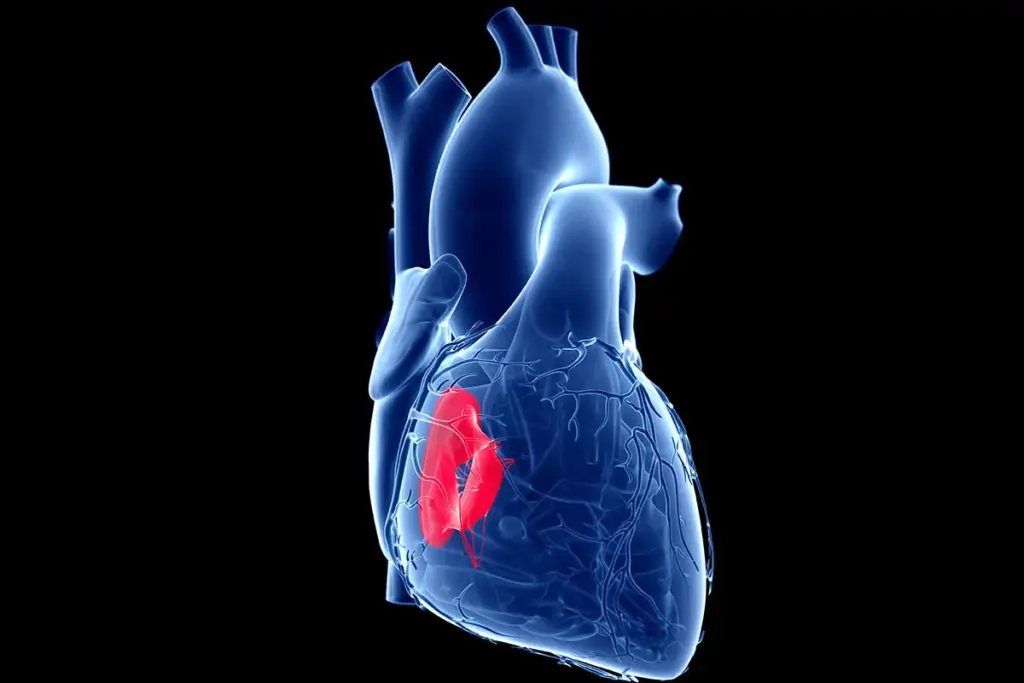
Aortic valve stenosis is a big health problem worldwide. This condition happens when the aortic valve gets too narrow, blocking blood flow from the heart. Knowing about the treatments is key to managing it well.
Maximize your life expectancy after TAVR procedure with these best tips. Discover how to live a long, vibrant life after heart surgery.
There are many non-surgical treatments for aortic valve stenosis. They help ease symptoms and improve life quality. These include aortic stenosis treatments and aortic stenosis medication. They are important for heart valve disease treatment without surgery.
Key Takeaways
- Understanding aortic valve stenosis is key for effective management.
- Non-surgical treatments are available to ease symptoms.
- Aortic stenosis treatments and medication can improve life quality.
- Heart valve disease treatment without surgery is a good option.
- Seeing a healthcare professional is important for personalized care.
Understanding Aortic Valve Stenosis

Aortic stenosis is a heart condition where the aortic valve opening narrows. This makes the heart work harder to pump blood. If not treated, it can lead to serious problems.
What is Aortic Valve Stenosis?
Aortic valve stenosis happens when the aortic valve, which controls blood flow, narrows. It can be caused by age-related wear and tear, congenital heart defects, and other medical conditions.
Causes and Risk Factors
The causes of aortic stenosis vary. But common risk factors include:
- Age: The risk increases with age.
- Congenital heart defects.
- History of heart conditions or diseases.
Knowing these risk factors helps in early detection and treatment of aortic stenosis and treatment.
Symptoms and Progression
Symptoms of aortic stenosis include chest pain, shortness of breath, and fatigue. As it gets worse, these symptoms can get worse too. Regular checks are key to managing the condition well.
Aortic Sclerosis Without Stenosis
Aortic sclerosis without stenosis is when the aortic valve thickens but doesn’t narrow much. It’s different from aortic stenosis. Knowing the difference is important for the right aortic stenosis and treatment plan.
In cases of moderate stenosis, careful monitoring and management are key. They help prevent the condition from getting worse and causing more problems.
Diagnosing Aortic Stenosis Severity

Diagnosing aortic stenosis severity requires both clinical checks and tests. It’s key to find the right treatment and predict how well a patient will do.
Diagnostic Tests and Procedures
Several tests help figure out how severe aortic stenosis is. These include:
- Echocardiograms, which show the heart’s structure and how it works
- Electrocardiograms (ECGs), which watch the heart’s electrical signals
- Cardiac catheterization, a procedure that checks heart pressures
Understanding Stenosis Severity Levels
Aortic stenosis is usually divided into three levels: mild, moderate, and severe.
Mild Stenosis
In mild stenosis, the valve is only slightly narrowed. Symptoms might not show up yet.
Moderate Stenosis
Moderate stenosis means the valve is more narrowed. This can cause noticeable symptoms.
Severe Stenosis
Severe stenosis has a big valve narrowing. It can cause serious symptoms and even be life-threatening if not treated.
Monitoring Disease Progression
Keeping an eye on aortic stenosis is key to managing it well. This includes:
- Regular echocardiograms to see how the valve is doing
- Checking in with the doctor to see how symptoms are changing
- Adjusting lifestyle and medication as needed
By watching how the disease progresses, doctors can change treatment plans. This helps improve patient results.
When is Surgery Needed for Severe Aortic Stenosis?
Severe aortic stenosis can be treated with surgery. But, it’s important to know who needs surgery. The decision depends on symptoms, health, and other medical conditions.
Indications for Surgical Intervention
Patients with severe aortic stenosis and symptoms like chest pain or shortness of breath should consider surgery. These symptoms show the condition is serious and needs immediate care.
Types of Surgical Procedures
There are different surgeries for severe aortic stenosis. These include open-heart surgery and minimally invasive options. The choice depends on the patient’s health and the surgeon’s advice.
Risks Associated with Aortic Stenosis Surgery
Surgery for aortic stenosis comes with risks like bleeding or infection. Patients should talk to their doctor about these risks. This helps understand the possible complications.
Patients Who Are Not Surgical Candidates
Some people with severe aortic stenosis can’t have surgery. This might be because of other health issues. For them, other treatments like medication or less invasive procedures might be considered.
Aortic Stenosis Medicine: Pharmacological Management
Pharmacological management is key in treating aortic stenosis. It helps relieve symptoms and slow the disease’s progress. While surgery is often needed for severe cases, medicines can greatly improve life quality for those with aortic stenosis.
Medications for Symptom Management
Several medicines help manage aortic stenosis symptoms and related conditions. These include:
Diuretics
Diuretics help reduce fluid in the body. This relieves symptoms like shortness of breath and fatigue. They also make it easier for the heart to work.
Beta-Blockers
Beta-blockers manage symptoms by slowing the heart rate and reducing its strength. This lowers blood pressure and the heart’s need for oxygen. But, they need careful use in aortic stenosis patients.
ACE Inhibitors
ACE inhibitors treat high blood pressure and heart failure. They help the heart pump blood more easily in aortic stenosis. But, they should be used with caution due to their effects on blood vessels.
Statins and Lipid-Lowering Drugs
Statins help control cholesterol levels. This can slow atherosclerosis, a risk factor for aortic stenosis. While their direct effect on aortic stenosis is being studied, they are good for heart health.
Medications to Avoid with Aortic Stenosis
Some medicines can make aortic stenosis worse. For example, vasodilators can lower blood pressure. This might reduce blood flow to the heart and worsen symptoms in severe cases.
Limitations of Aortic Stenosis Medication
Medicines can manage symptoms and slow disease progress. But, they don’t fix the valve problem. For severe cases, surgery or a minimally invasive procedure is often needed to replace the valve.
In summary, medicines are a vital part of treating aortic stenosis. They offer symptom relief and can slow disease progress. But, it’s important to choose medicines carefully and watch their effects to ensure safety and effectiveness.
Minimally Invasive Procedures: Heart Valve Replacement Without Open Heart Surgery
Medical technology has advanced, leading to new ways to replace heart valves. These methods are safer than traditional surgery. They offer hope to those with aortic stenosis.
Transcatheter Aortic Valve Replacement (TAVR)
TAVR is a groundbreaking procedure. It replaces the aortic valve through a catheter, avoiding a big chest incision. This makes recovery faster and reduces risks. TAVR is very effective for those at high risk for traditional surgery.
Balloon Valvuloplasty
Balloon valvuloplasty is another option for aortic stenosis. It uses a balloon to open the valve. It’s often used in kids but can be an option for some adults. It’s less invasive but might not last as long as TAVR or surgery.
Eligibility Criteria for Minimally Invasive Procedures
To see if you’re a good candidate, you’ll go through a detailed check-up. This includes tests and health assessments. Your age, the severity of your condition, and other health issues are considered.
Recovery and Outcomes
Recovery from these procedures is quicker than from open-heart surgery. You’ll likely feel less pain and can get back to your routine sooner. Research shows TAVR and balloon valvuloplasty greatly improve life for those with aortic stenosis.
|
Procedure |
Recovery Time |
Effectiveness |
|---|---|---|
|
TAVR |
Several weeks |
Highly effective |
|
Balloon Valvuloplasty |
Shorter than TAVR |
Effective for certain patients |
In conclusion, TAVR and balloon valvuloplasty are good alternatives to open-heart surgery. Knowing what to expect can help patients choose the best option for them.
Lifestyle Modifications for Managing Aortic Stenosis
People with aortic stenosis can make big changes to help their condition. These lifestyle changes can ease symptoms, slow the disease, and make life better.
Physical Activity Recommendations
Exercise is key for those with aortic stenosis. But, the right kind and how hard to do it depends on the person. Moderate aerobic activities, like walking fast, are good. Always talk to a doctor before starting or changing your workout.
Dietary Considerations
Eating right is important for managing aortic stenosis. Eat lots of fruits, vegetables, whole grains, and lean proteins. Try to avoid foods high in saturated fats, cholesterol, and sodium. A dietitian or doctor can give you specific advice.
Stress Management Techniques
Managing stress is also important for aortic stenosis. Try meditation, deep breathing, and yoga to lower stress. Doing things you enjoy can also help your mood and health.
Importance of Regular Medical Follow-up
Seeing your doctor regularly is vital. It helps track the disease and adjust treatments as needed. Regular visits ensure you get the best care for your condition.
Aortic Stenosis Treatment in Elderly Patients
Treating aortic stenosis in older adults is a big challenge. It’s about weighing the good and bad sides of different treatments. As more people live longer, finding the right way to manage aortic stenosis in seniors is key.
Special Considerations for Geriatric Patients
Older patients often have other health issues and are at higher risk for surgery problems. It’s important to look at their overall health. Things like how frail they are, their thinking skills, and other heart problems help decide the best treatment.
Key considerations include:
- Checking if the patient can get better after treatment
- Looking at other health problems that might affect treatment results
- Thinking about what the patient wants and values in their care
Quality of Life Factors
The main goal in treating aortic stenosis in older adults is to make their life better, not just longer. Quality of life factors include managing symptoms, staying independent, and avoiding treatment side effects.
Balancing Risks and Benefits
Choosing a treatment for aortic stenosis in older adults is a tough decision. It’s about weighing the good things treatment can do against the possible risks. This includes looking at how bad symptoms are, how long the patient might live, and if treatment can really help their quality of life.
Decision-Making Process for Elderly Patients
The decision-making process should focus on the patient, with a team of doctors, including heart specialists and geriatricians. It’s important to talk openly with patients and their families about what treatment options mean.
By taking a detailed and personalized approach, doctors can improve the lives of older patients with aortic stenosis. This helps them live better and have better outcomes.
Aortic Stenosis Life Expectancy Without Surgery
Understanding the life expectancy without surgery for aortic stenosis is key for both patients and doctors. It’s important to know how the condition progresses.
Prognosis Based on Stenosis Severity
The outlook for aortic stenosis patients depends on how severe it is. Severe aortic stenosis means a worse prognosis than mild or moderate. Research shows that those with severe stenosis who don’t get surgery have a shorter life span.
A person with severe aortic stenosis might live less than 2-3 years after symptoms start. But, those with mild stenosis might live as long as people without the condition. This is based on some studies.
Factors Affecting Survival Rates
Many things can affect how long a patient with aortic stenosis will live. These include the patient’s age, health, and if they have other conditions like hypertension or diabetes. Also, how bad the symptoms are matters a lot.
- Age: Older patients tend to have a poorer prognosis.
- Comorbidities: Presence of other health conditions can complicate the management of aortic stenosis.
- Symptom severity: Patients with more severe symptoms have a poorer prognosis.
Quality of Life Considerations
While how long someone lives is important, their quality of life is just as vital. It’s important to manage symptoms and keep the patient functional. Palliative care can help by focusing on symptom relief and improving life quality.
Monitoring and Managing Disease Progression
Keeping an eye on aortic stenosis is key to managing it well. This means regular echocardiograms to check how severe it is and if it’s getting worse. Changing treatment plans as needed can help manage symptoms and maybe even extend life.
Doctors and patients work together to create a care plan. They consider the patient’s health, preferences, and the details of their condition.
Conclusion: Making Informed Decisions About Aortic Stenosis Treatment
Patients with aortic stenosis need to know about the different treatments. This includes medicines, minimally invasive procedures, and changes in lifestyle. Knowing these options helps them make smart choices about their treatment.
There are many ways to treat aortic stenosis, like medicines or procedures like TAVR and balloon valvuloplasty. Each person’s situation is different. The best treatment depends on how severe the stenosis is, the patient’s overall health, and what they prefer.
By thinking about these things and talking to a doctor, patients can make good choices about their treatment. This teamwork makes sure the treatment fits the patient’s needs and improves their life quality.
Knowing about treatment options helps patients take charge of their health. This leads to better health results and a treatment plan that’s just right for them.
FAQ
Can a heart valve be replaced without open heart surgery?
Yes, a procedure called Transcatheter Aortic Valve Replacement (TAVR) can replace the aortic valve without surgery.
What are the treatment options for aortic stenosis?
Treatments include open heart surgery, TAVR, balloon valvuloplasty, and medicines to manage symptoms.
What is aortic stenosis and how does it progress?
Aortic stenosis is when the aortic valve gets narrower, blocking blood flow. It can get worse, leading to heart failure if not treated.
What is the difference between aortic sclerosis and aortic stenosis?
Aortic sclerosis is when the valve thickens but doesn’t narrow much. Aortic stenosis is when the valve narrows, blocking blood flow.
How is the severity of aortic stenosis determined?
Doctors use tests like echocardiography to check the valve area and how severe the stenosis is.
When is surgery needed for severe aortic stenosis?
Surgery is usually needed for severe aortic stenosis when symptoms appear or if it’s very severe, even without symptoms.
What medications are used to manage aortic stenosis symptoms?
Doctors might use diuretics, ACE inhibitors, and beta-blockers to help manage symptoms like heart failure and angina.
Are there any medications that should be avoided in patients with aortic stenosis?
Yes, some medicines like vasodilators can make symptoms worse by reducing the pressure across the valve.
What lifestyle modifications can help manage aortic stenosis?
Patients can benefit from regular exercise, dietary changes, and stress management to manage their condition.
How does age affect the treatment of aortic stenosis?
Older patients may face more risks due to other health issues, making TAVR or other less invasive options more suitable.
What is the life expectancy for patients with aortic stenosis without surgery?
Life expectancy varies based on the severity and symptoms of aortic stenosis. Severe cases without surgery have a poor outlook.
Can moderate aortic stenosis be managed without immediate surgery?
Yes, moderate cases can be managed with monitoring and medicine. Deciding on surgery depends on symptoms and disease progression.
Reference
New England Journal of Medicine. Evidence-Based Medical Insight. Retrieved from https://www.nejm.org/doi/full/10.1056/NEJMoa1514616