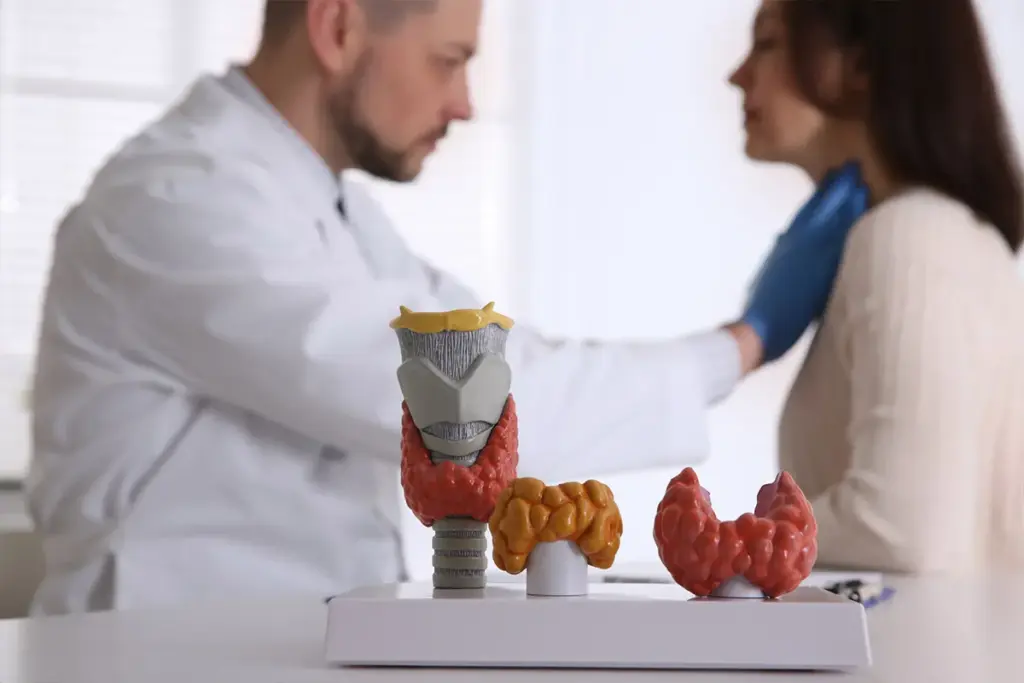
Having a thyroidectomy can change your life in big ways. Many people struggle with their quality of life after surgery. A study found that 77.1% of differentiated thyroid cancer patients have health concerns. This is from a study on .
The journey after surgery is just the start. Patients deal with physical symptoms and emotional stress. These issues affect their overall well-being. At Liv Hospital, we focus on delivering top-notch care. We aim to support our patients every step of the way.
Key Takeaways
- Thyroidectomy patients often face HRQOL concerns.
- Physical and emotional challenges are common.
- Patient-centered care is key for recovery.
- 77.1% of DTC patients report HRQOL concerns.
- Comprehensive support is vital for well-being.
Understanding Thyroid Removal Surgery

Thyroid removal surgery, or thyroidectomy, is a procedure to remove part or all of the thyroid gland. It’s needed for treating thyroid conditions like cancer, goiter, and hyperthyroidism.
We will look into the different aspects of thyroidectomy. This includes the types of procedures and why they are done.
Types of Thyroidectomy Procedures
There are several types of thyroidectomy procedures. Each has its own reasons and benefits.
- Total Thyroidectomy: This involves removing the whole thyroid gland. It’s often used for thyroid cancer or severe thyroid disease.
- Partial Thyroidectomy: Also known as a lobectomy, it removes one lobe of the thyroid gland. It’s preferred for benign tumors or nodules on one side.
- Near-Total Thyroidectomy: This procedure removes most of the thyroid gland, leaving a small amount.
|
Type of Thyroidectomy |
Description |
Common Indications |
|---|---|---|
|
Total Thyroidectomy |
Removal of the entire thyroid gland |
Thyroid cancer, severe thyroid disease |
|
Partial Thyroidectomy |
Removal of one lobe of the thyroid gland |
Benign tumors, nodules limited to one lobe |
|
Near-Total Thyroidectomy |
Removal of most of the thyroid gland |
Thyroid cancer, large goiters |
Common Reasons for Thyroid Removal
Thyroidectomy is done for several reasons, including:
- Thyroid Cancer: The main reason is thyroid cancer. According to , it’s the most common endocrine malignancy.
- Goiter: A goiter is an enlarged thyroid gland. It can cause discomfort or trouble swallowing. Surgery is needed if it’s large or causes significant symptoms.
- Hyperthyroidism: Sometimes, thyroidectomy is considered for hyperthyroidism. This is when other treatments have failed or are not suitable.
Knowing the reasons for thyroid removal and the types of procedures can help patients prepare for surgery and recovery.
The Immediate Post-Surgical Recovery Period
Recovering from thyroid surgery is a big deal. It needs careful watching and handling. The first days after surgery are all about adjusting and keeping an eye out for problems.
Hospital Stay and Initial Recovery
Most people stay in the hospital for one to two days after thyroid surgery. This depends on how complex the surgery was and the patient’s health. Doctors and nurses keep a close eye on you, managing pain and looking for any issues.
Managing pain well is key for a good recovery. We’ll talk more about this later.
Managing Pain and Discomfort
Handling pain is a big part of getting better. Doctors give out pain meds to help with this. It’s important to take the meds as told to keep pain under control.
Some people might feel pain or discomfort where they were cut. The meds can help with this.
Early Voice and Swallowing Changes
Some people might notice their voice sounds different or have trouble swallowing after surgery. These changes are usually short-term. They happen because the surgery is close to the vocal cords and esophagus.
Voice changes can include hoarseness or a raspy voice. Swallowing issues might feel like a lump or discomfort when eating. Most of these problems go away in a few weeks.
Knowing about these changes can help you get ready for the recovery period. It makes this tough time a bit easier.
Physical Changes in the First Six Months
After thyroid removal surgery, many physical changes happen. These changes affect the neck, voice, and overall comfort. Patients need to be ready for these transformations.
Incision Healing and Scar Formation
The incision site starts healing right after surgery. The scar will take a few weeks to start healing, and months to fully heal. It’s important to keep the area clean and follow a doctor’s instructions to support the healing process.
While the scar heals, it may look red, swollen, and itchy. These signs usually go away on their own. The scar’s look can differ from person to person, based on healing and surgery method.
Voice Changes and Hoarseness
Voice changes are common after thyroid surgery. Some people might sound hoarse or have a different voice tone. This happens because the surgery is near the vocal cords, affecting voice nerves. Most of the time, these voice changes are temporary and go away in a few months.
But, some might have lasting voice changes. It’s important to talk to a doctor about this. They can suggest treatments or voice therapy to help.
Neck Mobility and Sensation
Neck mobility and feeling can change after surgery. Patients might feel stiff or numb in the neck. Doing gentle exercises and physical therapy can help improve neck movement and reduce pain.
How quickly neck mobility returns can vary. Some people recover fast, while others take longer. It’s key to follow a doctor’s advice on exercises to regain full neck movement and avoid long-term sensation changes.
Life After Thyroid Removal: The First Year
Patients face many challenges and milestones in the first year after thyroid removal. This time is key for adjusting to life without a thyroid and for long-term health.
Adapting to a New Normal
Life without a thyroid gland is a big change. Patients must accept lifelong hormone therapy and manage their new thyroid status. They need regular blood tests and may need to adjust their medication.
This adjustment can be tough, both physically and emotionally. It’s vital for patients to keep in touch with their doctors to handle any issues.
Milestone Achievements in Recovery
The first year is filled with important milestones. First, patients focus on healing from surgery, managing pain, and overcoming immediate complications. As they get better, they notice improvements in their health and happiness.
Patients often reach big milestones, like getting back to normal activities, feeling more energetic, and adjusting to their new life. Celebrating these achievements is key to staying motivated and moving forward.
Common Challenges at the One-Year Mark
By the one-year mark, many patients have made big strides. Yet, some may face ongoing challenges like fine-tuning hormone therapy, managing weight, or dealing with fatigue or voice changes.
It’s important for patients to stay active in their care. They should work closely with their healthcare team to tackle any remaining issues. This might mean adjusting treatments, trying new therapies, or finding ways to cope with ongoing symptoms.
Hormone Replacement Therapy Essentials
Hormone replacement therapy (HRT) is key for post-thyroidectomy care. It helps patients get back to their normal life. After the thyroid gland is removed, the body misses out on thyroid hormones. These hormones are vital for metabolism, energy, and health.
Starting HRT might seem scary, but it’s simple and greatly improves life for thyroidectomy patients. HRT aims to bring thyroid hormone levels back to normal. This helps ease symptoms of hypothyroidism.
Finding the Right Medication Dosage
Finding the right amount of thyroid hormone medication is very important. The dose is usually based on the patient’s weight. For levothyroxine, a common medication, it’s about 1.6 to 1.8 mcg/kg of body weight per day.
But, the right dose can change a lot for different people. This depends on age, weight, and other health issues. It’s important to have regular blood tests to check hormone levels and adjust the dose as needed.
|
Factors Influencing Dosage |
Description |
|---|---|
|
Weight |
Dosage is often calculated based on body weight. |
|
Age |
Older adults may require lower doses due to decreased metabolism. |
|
Other Medical Conditions |
Presence of heart disease or other conditions may necessitate dose adjustments. |
Adjustment Period Challenges
The first few weeks or months of HRT can be tough. It may take time to find the right dose. Patients might feel their energy levels change, mood swings, or notice weight or appetite changes.
Endocrinologist
Signs of Optimal Hormone Balance
The goal of HRT is to get hormone levels just right. When the dosage is correct, patients feel more energetic, their mood is better, they have a healthy weight, and women have regular periods. Regular check-ups with healthcare providers are key to fine-tuning the dosage and addressing any issues.
Understanding HRT helps patients navigate their treatment better. We’re here to support our patients every step of the way. We make sure they get the care and guidance they need to live well after thyroidectomy.
Common Physical Symptoms After Thyroidectomy
Life after thyroidectomy means getting used to new physical changes. Many symptoms are common among patients. Knowing about these symptoms helps manage them better.
Fatigue and Energy Level Fluctuations
Fatigue is a big issue for many after thyroidectomy. It can come from the surgery or hormonal changes. To fight fatigue, rest, gentle exercise, and a balanced diet are key.
Weight Management Challenges
Weight changes are common too. Some gain weight because their metabolism slows down. Others struggle to gain weight. Adjusting your diet and talking to a nutritionist can help.
Temperature Sensitivity Issues
Many feel more sensitive to temperature after surgery. This means feeling too hot or cold in normal temperatures. Wearing layers and staying away from extreme temperatures can help.
|
Symptom |
Description |
Management Tips |
|---|---|---|
|
Fatigue |
Feeling unusually tired or lacking energy |
Rest, gentle exercise, balanced diet |
|
Weight Changes |
Gaining or losing weight unexpectedly |
Dietary adjustments, consulting a nutritionist |
|
Temperature Sensitivity |
Feeling too hot or cold |
Dressing in layers, avoiding extreme temperatures |
It’s important to know that thyroid cancer patients might feel their quality of life is poor, even with a good diagnosis. For more insights, check out .
Long-Term Effects of Thyroidectomy
Thyroid removal surgery can cause long-term health problems. These include issues with metabolism, heart health, and bones. It’s important to know how this surgery affects patients’ lives over time.
Metabolic Changes Over Time
Patients often see big changes in their metabolism after thyroidectomy. This is because thyroid hormones, which help control metabolism, are missing or reduced. Thyroid hormone replacement therapy is usually given to help manage these changes. But, finding the right amount of medication can be hard, leading to ups and downs in energy and weight.
- Changes in appetite and metabolism
- Weight gain or loss
- Fatigue and energy level fluctuations
To deal with these metabolic changes, patients need to work closely with their doctors. They should adjust their medication and lifestyle as needed.
Cardiovascular Considerations
The thyroid gland is key for heart health, affecting heart rate and blood pressure. After thyroidectomy, managing thyroid hormone levels is critical to avoid heart problems. Hypothyroidism, or underactive thyroid, can raise LDL cholesterol levels, increasing heart disease risk.
Important heart health points include:
- Monitoring cholesterol levels
- Managing blood pressure
- Maintaining a healthy lifestyle, including diet and exercise
Bone Health Implications
Thyroid hormone is vital for bone health. After thyroidectomy, patients might face osteoporosis or bone thinning if their hormone levels are not right. It’s key to keep thyroid hormone levels balanced to protect bone density.
To help with bone health, patients can:
- Engage in weight-bearing exercises
- Ensure adequate calcium and vitamin D intake
- Have regular bone density checks
By understanding and managing these long-term effects, patients can improve their quality of life after thyroidectomy.
Life Expectancy After Thyroid Removal
Patients often wonder about their life expectancy after a thyroidectomy. The answer is not simple. It depends on several factors like the surgery’s reason, the patient’s health, and any complications.
Statistical Outcomes for Different Patient Groups
Research shows life expectancy varies by patient group. For example, thyroid cancer patients often have a good prognosis. Early diagnosis and treatment lead to high survival rates. For papillary thyroid cancer, the 10-year survival rate is over 90%.
But, patients with advanced cancer or serious health issues face a tougher road. Their survival chances are lower.
Statistical outcomes for different patient groups are as follows:
- Patients with low-risk thyroid cancer: 95% or higher 10-year survival rate
- Patients with intermediate-risk thyroid cancer: 80-90% 10-year survival rate
- Patients with high-risk thyroid cancer: 50-70% 10-year survival rate
Factors Affecting Long-Term Survival
Several factors can affect long-term survival after thyroidectomy. Age at surgery, health conditions, and hormone replacement therapy are key. The surgical technique and surgeon’s experience also play a role. Proper postoperative care and follow-up are vital for managing complications and ensuring the best results.
Comparison with General Population Longevity
Studies show patients after thyroidectomy often have a similar life expectancy to the general population. This is true if there are no major complications or health issues. But, outcomes can differ based on the patient group and other factors.
We understand each patient’s situation is unique. Individual outcomes can vary. It’s important for patients to talk to their healthcare provider about their specific situation and concerns. This way, they can get a better understanding of their life expectancy.
Quality of Life: Total vs. Partial Thyroidectomy
When we compare total and partial thyroidectomy, we see big differences in how patients feel afterward. The amount of thyroid tissue removed affects recovery, health, and quality of life.
Functional Outcome Differences
Patients who have total thyroidectomy face bigger changes in their thyroid function. This is because the whole gland is removed, meaning they need hormone replacement forever.
Here are some key differences:
- Hormone Regulation: Total thyroidectomy means patients need synthetic hormones. Partial thyroidectomy might let them keep some natural hormones.
- Recovery Time: Recovery times can vary. Total thyroidectomy might take longer because it’s a bigger surgery.
- Voice and Swallowing Changes: Both surgeries can affect voice and swallowing. But, how much it changes can depend on the surgery and the patient.
Hormone Dependency Variations
Hormone dependency is a big deal for thyroidectomy patients. Total thyroidectomy means patients need hormones their whole lives.
Partial thyroidectomy might let patients keep some thyroid function. This could mean they need less hormone replacement. But, how much they need depends on how much thyroid tissue is left.
Patient Satisfaction Comparisons
How happy patients are after thyroidectomy depends on many things. These include the surgery type, symptoms after surgery, and hormone replacement needs.
Research shows both total and partial thyroidectomy can make patients very happy. But, what makes them happy can differ. For example:
- Patients who have total thyroidectomy might be happy because they don’t have to worry about cancer or nodules anymore.
- Those who have partial thyroidectomy might be happy because they might not need as much hormone replacement. They might also keep some natural thyroid function.
In the end, choosing between total and partial thyroidectomy depends on the patient’s situation, what they want, and their health goals.
Psychological Impact of Thyroid Removal
The effects of thyroidectomy on the mind can be deep and wide. It can change how patients feel, think, and live their lives. It’s important to look at how it affects people in different ways.
Mood Changes and Emotional Regulation
Many patients feel mood swings after thyroid surgery. Hormonal changes can make them feel irritable, sad, or anxious. Emotional regulation gets tough as the body adjusts. Keeping a mood journal can help track feelings and find patterns.
A study on shows patients face big challenges after thyroid surgery. Mood issues are a big part of these challenges. This shows the need for strong support for patients going through this.
Anxiety and Depression Prevalence
Anxiety and depression are big worries for people after thyroid surgery. Hormonal changes and the surgery’s psychological effects play a big role. Healthcare providers must watch for these signs and help patients.
- Recognizing symptoms early
- Seeking professional help
- Engaging in stress-reducing activities
By being proactive, patients can handle their mental health better after surgery.
Body Image and Self-Perception Changes
The surgery can also change how patients see themselves. The scar and changes in neck feeling can affect self-image. Support from healthcare, family, and friends is key in helping patients adjust.
“The psychological impact of thyroidectomy should not be underestimated. Patients need care that covers both physical and emotional needs.”
The effects of thyroid removal on the mind are complex. They touch mood, emotional control, and body image. Understanding these effects helps healthcare providers give better care to patients having thyroid surgery.
When Patients Feel Thyroidectomy “Ruined My Life”
Thyroid removal surgery can save lives, but it can also lower a person’s quality of life. Many feel that thyroidectomy has “ruined my life.” It’s important to understand why this happens to better care for patients.
Understanding Negative Outcomes
Several factors can lead to negative outcomes after thyroidectomy. These include surgical complications, changes in thyroid hormone levels, and the surgery’s psychological impact. Some patients face:
- Persistent symptoms like fatigue, weight gain, or voice changes
- Challenges with hormone replacement therapy
- Emotional or psychological distress
Every patient’s experience is different. What might seem minor to one person can be a big challenge for another.
Addressing Persistent Symptoms
Dealing with persistent symptoms requires a detailed plan. This includes:
- Adjusting medication to better hormone levels
- Making lifestyle changes like diet and exercise
- Getting help from healthcare experts, like endocrinologists and nutritionists
By being proactive and focusing on personal needs, many find relief from symptoms.
Finding Support and Solutions
For those facing challenges after thyroidectomy, finding the right support is vital. This can mean:
- Joining support groups online or in-person
- Working with healthcare providers to create a personalized treatment plan
- Practicing self-care to improve overall well-being
By acknowledging challenges and seeking support, individuals can improve their quality of life.
Managing Calcium Levels and Hypoparathyroidism
After a thyroidectomy, managing calcium levels is key. Hypoparathyroidism happens when the parathyroid glands are damaged or removed. This leads to low levels of parathyroid hormone (PTH). PTH is important for keeping calcium levels right in the blood.
Symptoms of Calcium Imbalance
Low calcium levels (hypocalcemia) can cause tingling, numbness, and muscle cramps. Severe cases might lead to seizures. High calcium levels (hypercalcemia) can result in bone pain, kidney stones, and confusion.
It’s important to catch these symptoms early. Regular checks of calcium levels are a must, mainly in the first few months after surgery.
Supplementation Strategies
To manage calcium levels, supplements are often used. Calcium and vitamin D supplements are common. The right dose and type depend on how severe the hypoparathyroidism is and the patient’s needs.
- Calcium supplements raise calcium levels.
- Vitamin D helps the body absorb calcium better.
- Magnesium supplements might be suggested if magnesium levels are low.
It’s vital to follow your doctor’s advice on supplements. This helps avoid problems from too much calcium or vitamin D.
Long-term Management Approaches
Managing hypoparathyroidism long-term means regular check-ups with your doctor. Adjustments to supplements and diet are important.
Eating a diet full of calcium is recommended. Also, be aware of how certain medicines and too much caffeine or alcohol can affect calcium levels.
With a good management plan, people with hypoparathyroidism can live full and active lives.
Lifestyle Optimization After Thyroidectomy
After thyroid removal surgery, improving your lifestyle is key. This includes changing your diet, exercising, and getting better sleep. Making smart choices in these areas can greatly help your recovery and improve your life quality.
Dietary Considerations and Nutrition
Eating well is very important after thyroid surgery. You should eat nutrient-rich foods to stay healthy and manage surgery side effects.
- Increasing intake of calcium and vitamin D to support bone health
- Eating foods rich in antioxidants to help manage oxidative stress
- Avoiding excessive intake of soy and cruciferous vegetables that may interfere with thyroid function
Remember to stay hydrated by drinking lots of water. A healthcare provider or nutritionist can give you personalized diet advice based on your needs and health.
Exercise and Physical Activity Recommendations
Regular exercise is key for your health after thyroid surgery. Exercise can help manage weight, improve mood, and boost overall well-being.
- Starting with gentle exercises like walking or yoga to gradually improve flexibility and strength
- Incorporating cardiovascular exercises to boost heart health and energy levels
- Engaging in strength training to support muscle mass and bone density
It’s important to talk to your healthcare provider to create an exercise plan tailored to your abilities and health goals.
Sleep Quality Improvement Strategies
Good sleep is vital for recovery and health. Improving sleep quality can help manage fatigue and support healing.
- Establishing a consistent sleep schedule to regulate the body’s internal clock
- Creating a relaxing bedtime routine to signal the body that it’s time to sleep
- Avoiding caffeine and electronic devices before bedtime to promote better sleep
By following these lifestyle improvement tips, patients can greatly enhance their life quality after thyroidectomy.
Quality of Life Comparison with Other Cancer Survivors
Thyroid cancer survivors face unique challenges that affect their quality of life. These challenges are different from those of other cancer survivors. We will look at how thyroid cancer survivors compare to others in terms of quality of life.
Unique Challenges of Thyroid Cancer Survivors
Thyroid cancer survivors deal with specific challenges. One major issue is the need for lifelong hormone replacement therapy. This can greatly impact their daily lives. They also worry about recurrence and need ongoing tests, which can cause anxiety.
Lifelong Implications: The need for constant medication and monitoring is a big burden. It affects their daily routines and long-term plans. We must consider these factors when evaluating their quality of life.
Comparative Well-being Assessments
Studies have shown mixed results when comparing thyroid cancer survivors to others. Some studies suggest thyroid cancer survivors may have better survival rates and fewer health problems. But, other studies point out the psychological effects, like fear of recurrence and body image changes.
Comparative Studies: Research shows thyroid cancer survivors often feel more anxious and depressed. Understanding these differences is key to providing the right support.
Areas of Better and Worse Outcomes
Thyroid cancer survivors may have better outcomes in some areas but face unique challenges in others. For example, they often have a good prognosis. But, the treatment can affect their voice and swallowing, which is a negative aspect.
By looking at these comparisons, we can better understand the complex quality of life for thyroid cancer survivors. We can then find ways to improve support and interventions.
Modern Surgical Approaches and Quality of Life Outcomes
Thyroid surgery has changed a lot with new techniques. These modern methods have greatly improved life quality for those who have thyroid surgery. We’ll look at the good points of remote-access thyroidectomy, how technology helps recovery, and how patients feel about new methods.
Benefits of Minimally Invasive Thyroid Surgery
Remote-access thyroidectomy is a big step forward in thyroid surgery. It lets doctors remove the thyroid gland without a big cut in the neck. This means less scarring and often less pain after surgery. People who have this surgery are usually very happy because it looks better and is safer .
- Minimal visible scarring
- Reduced risk of complications
- Less post-operative pain
- Quicker recovery times
Technological Innovations in Thyroid Surgery
New technology has made recovery after thyroid surgery better. Things like advanced energy devices, nerve monitoring, and small incisions have all helped. These tools help doctors do their job more accurately, which means less chance of nerve damage and other problems.
|
Technological Advance |
Benefit |
|---|---|
|
Advanced Energy Devices |
Reduced bleeding and improved hemostasis |
|
Intraoperative Nerve Monitoring |
Reduced risk of nerve damage |
|
Minimally Invasive Techniques |
Less tissue trauma and quicker recovery |
Enhancing Patient Satisfaction
New surgical methods have made patients much happier. The less scarring, less pain, and faster healing all add up to better satisfaction. Also, not having a big scar on the neck can really boost how people feel about themselves.
“The introduction of remote-access thyroidectomy has been a game-changer for many of our patients, giving them a more cosmetically appealing option with fewer complications.”
Conclusion: Embracing Life After Thyroid Removal
Life after thyroid removal is a big change, but with the right care, patients can live well. It’s important to understand the recovery, long-term effects, and how to live better. This helps patients adjust smoothly.
Adapting to life after thyroidectomy means learning to manage new hormones and facing physical and mental challenges. This way, people can lower risks and live better. We stress the need for full care and support for those who have had thyroid surgery. This ensures they get the help they need to do well after surgery.
Life after thyroid removal is more than just dealing with a health issue. It’s about starting a new chapter with courage and strength. With the right care and support, patients can handle the challenges of thyroidectomy and have a great quality of life.
FAQ
What is the typical recovery time after thyroidectomy?
Recovery time after thyroidectomy varies. Most people can get back to normal in 1-2 weeks. But, it can take months to fully recover.
Will I need to take thyroid hormone replacement medication for the rest of my life?
If you have a total thyroidectomy, you’ll need thyroid hormone medication forever. After a partial thyroidectomy, it depends on how much thyroid tissue is left.
Can I expect to regain my normal voice after thyroidectomy?
Voice changes are common after thyroidectomy. But, many people can get their voice back with time and speech therapy.
How will thyroidectomy affect my energy levels?
Some people feel tired and have energy swings after thyroidectomy. Hormone replacement therapy can help with these symptoms.
Are there any dietary restrictions after thyroidectomy?
There are no strict diet rules, but eating well is important. Your doctor can give you specific dietary advice.
Can thyroidectomy affect my bone health?
Thyroidectomy can impact bone health, mainly if hormone therapy isn’t managed right. Regular check-ups and treatment adjustments can help.
How does thyroidectomy impact life expectancy?
Studies show thyroidectomy patients usually have the same life expectancy as others. Proper care and treatment are key.
What are the common challenges faced by thyroid cancer survivors?
Survivors often deal with anxiety, depression, and body image issues. Support groups and counseling can help.
How do modern surgical approaches impact quality of life after thyroidectomy?
New surgical methods, like remote-access thyroidectomy, can lead to better recovery and less scarring. This improves patients’ quality of life.
Can lifestyle changes improve outcomes after thyroidectomy?
Yes, healthy habits like exercise, balanced diet, and stress management can boost health after thyroidectomy.
What are the signs of optimal hormone balance after thyroidectomy?
Good hormone balance means stable energy, normal weight, and feeling well overall. Regular check-ups and hormone therapy adjustments are key.
How can I manage calcium levels and hypoparathyroidism after thyroidectomy?
Keeping calcium levels right and managing hypoparathyroidism need careful monitoring and treatment. Your doctor can guide you on how to manage these conditions.
References:
- Kim W, Yoon J, Kim Y, et al. Observation of changes in quality of life for 5 years after thyroid surgery: An observational cross-sectional study in Korean population. Health Qual Life Outcomes. 2023;21(1):167. doi:10.1186/s12955-023-02207-3. PMCID: PMC10648617.
- Assessment of Patients’ Quality-of-Life Post-Thyroidectomy. Cureus. 2024;16(1):e52744. doi:10.7759/cureus.52744.
- Kim BH, et al. Longitudinal changes in quality of life before and after thyroidectomy in patients with differentiated thyroid cancer. J Clin Endocrinol Metab. 2024;109(6):1505-1516. doi:10.1210/clinem/dgad748.
National Center for Biotechnology Information. Evidence-Based Medical Insight. Retrieved from https://pubmed.ncbi.nlm.nih.gov/38141213/