
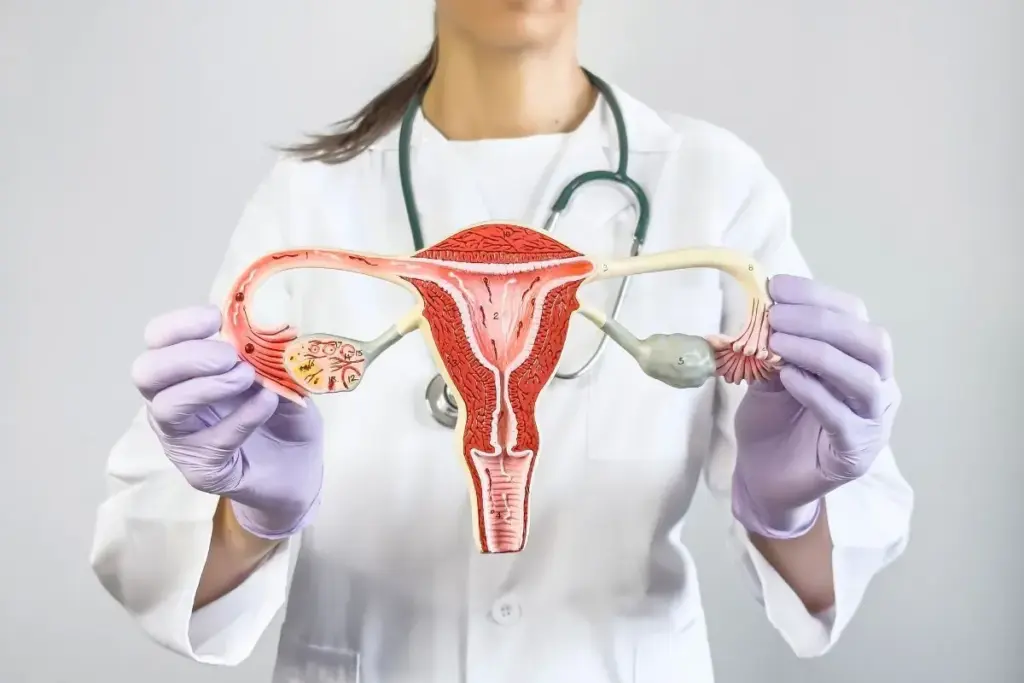
Nearly half a million hysterectomies are done every year in the U.S. Most happen between 40 and 50 years old. Thinking about a hysterectomy can be tough, with lots of questions.
A Hysterectomy is a common surgical procedure performed among women in the U.S. It usually happens in the mid-to-late 40s. The average age for hysterectomy can change based on health needs.
We want to give you a full look at hysterectomy. We’ll focus on the hysterectomy age and more. This is to help you understand your health better.
Key Takeaways
- The average age for a hysterectomy is typically in the mid-to-late 40s.
- About half a million hysterectomies are performed each year in the U.S.
- Most hysterectomies are performed between the ages of 40 and 50.
- Hysterectomy is a common surgical procedure for women.
- The age for hysterectomy can vary based on individual health needs.
Understanding Hysterectomy: Definition and Types
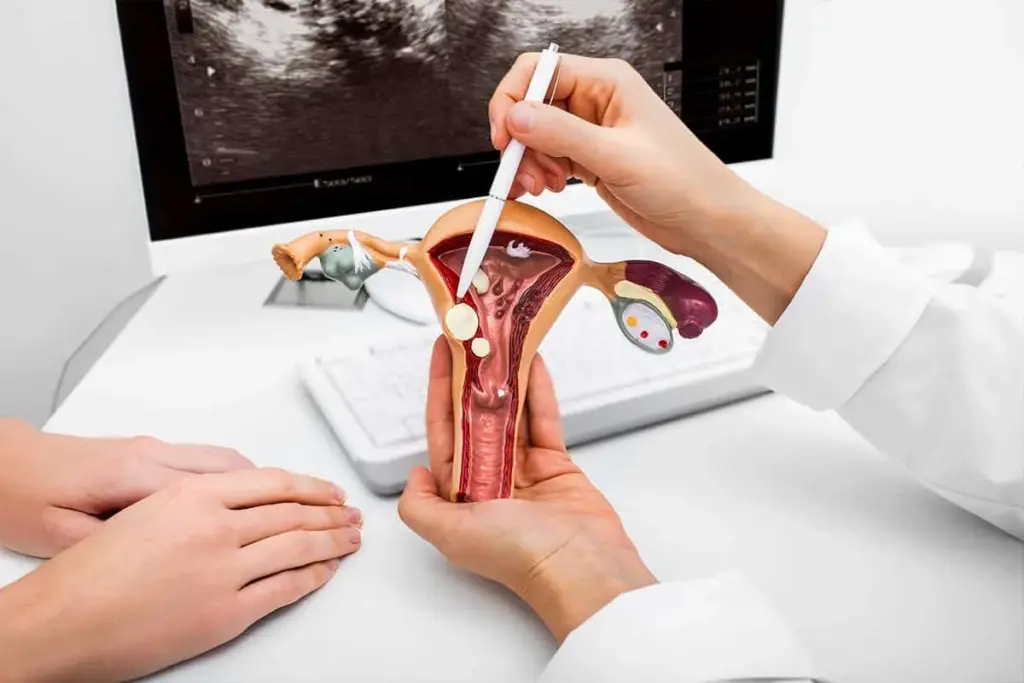
Hysterectomy is a surgery to remove the uterus. It comes in different types, each for different reasons. Women might get a hysterectomy for uterine fibroids, endometriosis, or certain cancers.
We will look at the different types of hysterectomies and how they are done. This will help you understand this complex surgery better.
Partial vs. Total Hysterectomy
A hysterectomy can be partial or total. A partial hysterectomy removes the uterus but keeps the cervix. A total hysterectomy removes both the uterus and cervix. The choice depends on the medical reason and the patient’s health.
For uterine cancer or severe endometriosis, a total hysterectomy is often used. But for uterine fibroids, a partial hysterectomy might be chosen. This depends on the fibroid’s size and the patient’s wishes.
|
Type of Hysterectomy |
Description |
Common Indications |
|---|---|---|
|
Partial Hysterectomy |
Removal of the uterus, leaving the cervix intact |
Uterine fibroids, certain cases of endometriosis |
|
Total Hysterectomy |
Removal of both the uterus and cervix |
Uterine cancer, severe endometriosis |
Surgical Approaches: Abdominal, Vaginal, and Laparoscopic
There are three main ways to do a hysterectomy: abdominal, vaginal, and laparoscopic. Each has its own benefits. The choice depends on the patient’s condition, the surgeon’s skill, and other factors.
Abdominal hysterectomy makes an incision in the belly to reach the uterus. It’s used for complex cases or large uteruses. Vaginal hysterectomy removes the uterus through the vagina, leading to less recovery time and no scar. Laparoscopic hysterectomy is a minimally invasive surgery with small belly incisions and a laparoscope to remove the uterus.
The Average Age for Hysterectomy in the United States
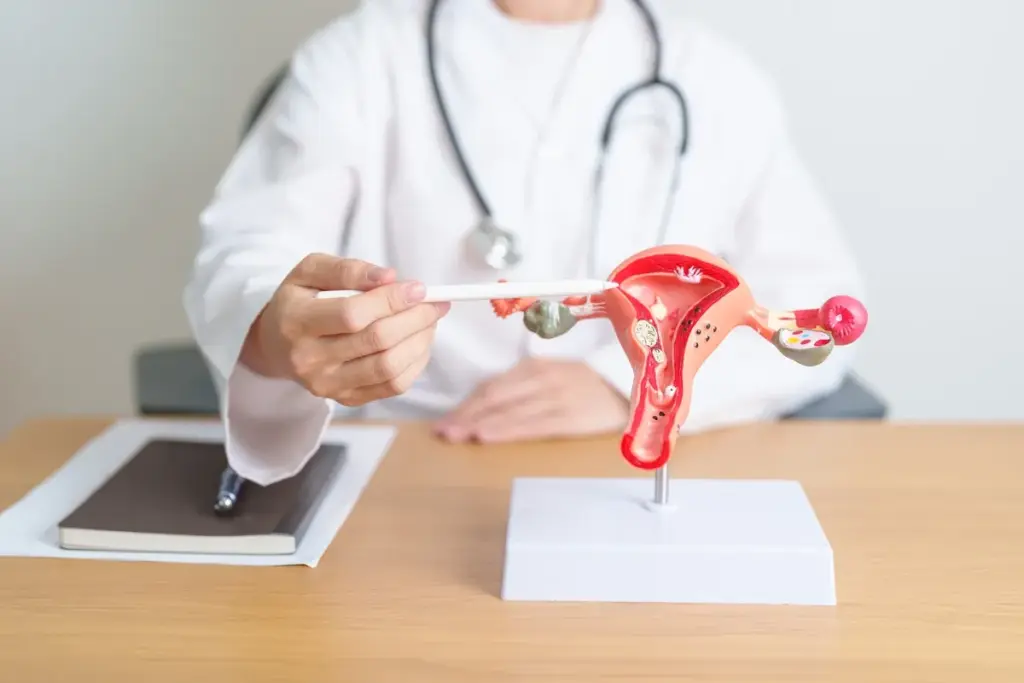
Hysterectomy rates among women in the US change a lot with age. This shows why looking at the average age for this surgery is important. Age is a big factor in deciding when to have a hysterectomy.
Statistical Data on Hysterectomy Age Ranges
More women have a hysterectomy as they get older. The numbers jump from 2.8% for women 18–44 to 41.8% for those 75 and up. This big jump shows how age affects the need for hysterectomies, often due to uterine fibroids and endometriosis.
The typical age for a hysterectomy is around 40-50. This age is key because many gynecological problems need surgery then.
Changes in Average Age Over Recent Decades
Recently, the average age for a hysterectomy has changed a lot. This is due to new medical tech, changes in healthcare, and better understanding of women’s health. These shifts mean we now treat gynecological issues sooner.
Geographical and Demographic Variations
Where you live and who you are also affect when you might have a hysterectomy. Things like healthcare access, views on gynecological surgery, and money status vary by area and group.
|
Age Group |
Prevalence of Hysterectomy |
|---|---|
|
18-44 |
2.8% |
|
45-64 |
14.1% |
|
65-74 |
29.4% |
|
75 and older |
41.8% |
Knowing these differences is key for doctors and policy makers. They need to meet the needs of all patients well.
Common Medical Reasons for Hysterectomy
Women may need a hysterectomy for many health reasons. This includes benign conditions like uterine fibroids and serious diseases like cancer. Doctors usually suggest surgery when other treatments don’t work or when the condition is severe.
Uterine Fibroids and Endometriosis
Uterine fibroids and endometriosis are common reasons for hysterectomy. Fibroids cause heavy bleeding, pelvic pain, and pressure. Endometriosis leads to pain, heavy bleeding, and infertility. If these conditions badly affect a woman’s life and other treatments don’t help, surgery might be considered.
Cancer-Related Hysterectomies
Cancer in the female reproductive organs is another reason for hysterectomy. Cancers of the uterus, cervix, and ovaries may need the uterus removed. Sometimes, hysterectomy is done to prevent cancer in people at high risk. The choice to remove the uterus for cancer depends on the cancer type, stage, and location, along with the patient’s health and wishes.
Other Medical Conditions Requiring Hysterectomy
Other conditions that might need a hysterectomy include adenomyosis and uterine prolapse. Adenomyosis causes pain and heavy bleeding due to tissue growth in the uterus. Uterine prolapse happens when the uterus slips out of place. Both conditions have symptoms and treatments, but hysterectomy is considered when other options fail or aren’t right.
Signs You Need a Hysterectomy: When to Consider Surgery
Knowing when to think about a hysterectomy is key. A hysterectomy removes the uterus and is a big decision. It’s usually considered when other treatments don’t work or when the condition is severe.
Physical Symptoms That May Indicate Need for Hysterectomy
Several physical symptoms may mean you need a hysterectomy. These include:
- Heavy or Irregular Menstrual Bleeding: Bleeding that’s too much, lasts too long, or is irregular can really affect your life.
- Severe Pelvic Pain: Chronic pain in the pelvic area can be very hard to deal with. It might be due to endometriosis or uterine fibroids.
- Pelvic Pressure or Prolapse: Feeling like your uterus is bulging or falling out can be a sign of serious problems.
These symptoms can be linked to conditions like uterine fibroids, endometriosis, and adenomyosis. If these conditions cause a lot of pain or make it hard to live your life, a hysterectomy might be considered.
Quality of Life Considerations
Deciding on a hysterectomy also looks at how symptoms affect your life. This includes how they impact your daily activities, mood, and overall health.
“The quality of life improvement after hysterectomy can be significant for women suffering from debilitating symptoms. It’s essential to weigh the potential benefits against the risks and consider the individual’s overall health and preferences.”
When Conservative Treatments Fail
A hysterectomy is usually considered after trying other treatments. These can include medicines, hormonal therapies, or less invasive surgeries. If these don’t help enough, a hysterectomy might be the next step.
It’s important for women to talk about their options with their doctor. They should think about the surgery’s benefits and risks. By understanding the signs for a hysterectomy and the decision-making process, women can make informed choices about their health.
Age-Related Considerations for Hysterectomy
Choosing to have a hysterectomy depends a lot on a woman’s age. At different stages of life, health needs and priorities change. This affects the decision to have this major surgery.
Hysterectomy Before Age 40
Having a hysterectomy before 40 is rare. It’s usually for serious health issues like cancer or severe bleeding. Women in this age group need to think about how it might affect their hormones and health long-term.
Key considerations for hysterectomy before 40 include:
- The potential for early menopause and its implications
- The impact on fertility and the psychological aspects of losing reproductive capability
- The long-term effects on bone density and cardiovascular health
Hysterectomy During Perimenopause (40-50)
Perimenopause, the time before menopause, is between 40 and 50. Hysterectomy is often considered here. Symptoms like heavy bleeding and pelvic pain are common reasons.
At this age, weighing the benefits of symptom relief against the risks is key. Looking at other treatment options is also important.
Hysterectomy After Menopause
After menopause, hysterectomy might be needed for cancer or other issues. The focus is on managing these problems and how surgery affects quality of life.
Important factors to consider include:
- The woman’s overall health status and any comorbid conditions
- The risk of surgical complications and the potential benefits of the procedure
- The impact on post-menopausal health and well-being
By thinking about these age-related factors, women and doctors can make good choices about hysterectomy. These choices should match the woman’s health needs and goals.
The Process of How to Get a Hysterectomy
Choosing to have a hysterectomy is a big decision. It involves many steps, from consultations to preparations. Knowing the process helps women make informed choices and have a smoother experience.
Initial Consultation and Evaluation
The journey starts with a first meeting with a gynecologist or healthcare provider. We check why a hysterectomy is needed and talk about the surgery’s need. This is a chance to look at other treatments and learn about surgery options.
Important topics covered include:
- The type of hysterectomy suggested (partial or total)
- The surgical method (abdominal, vaginal, or laparoscopic)
- Possible risks and complications
- What to expect and how to recover
Pre-Surgery Preparations
After deciding on a hysterectomy, getting ready for surgery is the next step. We do tests to check the patient’s health and readiness. We also talk about the surgery method and post-op care.
Pre-surgery steps include:
- Running medical tests (like blood work and imaging)
- Checking and adjusting medications
- Giving advice on pre-op care (like diet and bowel prep)
- Talking about pain management and recovery
Navigating Insurance and Approval Process
Understanding insurance and approval is key but can be tricky. We help patients know their insurance and what’s needed for approval.
To help with this, we:
- Check if insurance covers hysterectomy and related services
- Get pre-approvals and referrals
- Help with documents or reasons for the surgery
- Guide on dealing with denials or appeals
By knowing these steps, women can better prepare for a hysterectomy. This ensures they are ready for the surgery and recovery.
Hysterectomy Cost: How Much Is a Hysterectomy
Hysterectomy costs can vary a lot. It’s important to know what affects these costs. For many women, the cost of a hysterectomy is a big worry. Knowing what goes into the cost can help with planning and preparation.
Average Costs With and Without Insurance
The cost of a hysterectomy can change a lot, depending on insurance. If you have insurance, you’ll likely pay less. Insurance often covers a big part of the cost. Without insurance, the cost can be very high.
Average Hysterectomy Costs:
Factors Affecting Hysterectomy Costs
Many things can change the cost of a hysterectomy. These include the surgery type, the surgeon’s fees, hospital costs, and where you live. Knowing these can help guess the cost better.
- Surgical Approach: Laparoscopic and robotic surgeries cost more than open surgeries.
- Surgeon’s Fees: More experienced surgeons charge more.
- Hospital Charges: Costs vary by hospital reputation and location.
- Geographical Location: Costs are higher in cities than in rural areas.
Insurance Coverage and Financial Assistance Options
Understanding insurance and financial help is key to managing hysterectomy costs. Many insurance plans cover hysterectomies, but coverage varies.
Patients should check their insurance and talk to their doctors about financial help. This can help understand what options are available.
It’s important for patients to be proactive in understanding their financial obligations and seeking support when needed.
Recovery Timeline After Hysterectomy
The recovery time after a hysterectomy can differ a lot. This depends on the type of surgery done. Laparoscopic surgeries usually have shorter recovery times than abdominal ones.
Immediate Post-Operative Recovery
Right after surgery, patients are watched closely for any issues. This time is very important. They are told to rest and not do too much. Important things to focus on include managing pain, taking care of the wound, and watching for signs of infection or other problems.
- Manage pain effectively with prescribed medication
- Follow a healthy diet to aid in healing
- Stay hydrated to prevent constipation and promote recovery
Short-Term Recovery (First 6 Weeks)
In the first six weeks, patients start to get back to their usual activities. It’s key to follow the doctor’s advice on what activities to do and not do. Improvement is expected, but knowing when to seek medical help is important, like for heavy bleeding or severe pain.
- Attend follow-up appointments as scheduled by your healthcare provider
- Gradually increase physical activity as recommended
- Be aware of your body’s signals and rest when needed
Long-Term Recovery and Adjustment
Adjusting to life after a hysterectomy takes time. This can last several months and varies for everyone. Getting support from doctors, family, and support groups is very helpful during this time.
- Allow yourself time to heal emotionally and physically
- Consider counseling or support groups for emotional support
- Stay informed about your health and any necessary follow-up care
Knowing the recovery timeline and what to expect helps patients on their journey to full recovery after a hysterectomy.
Physical Changes After Hysterectomy
After a hysterectomy, women go through many physical changes. These changes depend on the type of surgery and if the ovaries were removed.
Hormonal Changes Based on Type of Hysterectomy
The type of hysterectomy affects hormonal changes. If the ovaries were removed, it can cause immediate menopause. This leads to a big drop in estrogen levels.
If the ovaries were kept, hormonal changes might be small. But, the surgery can still cause some hormonal shifts.
Hormonal Changes After Hysterectomy:
|
Type of Hysterectomy |
Hormonal Changes |
|---|---|
|
Total Hysterectomy with Ovary Removal |
Immediate Menopause, Significant Drop in Estrogen |
|
Total Hysterectomy without Ovary Removal |
Minimal Hormonal Changes |
|
Partial Hysterectomy |
Varies Depending on Whether Ovaries Are Removed |
Effects on Menstruation and Fertility
One big change after a hysterectomy is the end of menstruation. Women will no longer have periods. Also, they can’t get pregnant because the uterus is gone.
The end of menstruation can be a relief for women who had heavy or painful periods. But, it also means they can’t have children anymore.
Impact on Sexual Function and Physical Health
The impact on sex can differ for each woman. Some might feel better because of less pain. But, others might face vaginal dryness or lower sex drive, especially if the ovaries are removed.
Physical health can also change. Some women might notice different bladder or bowel habits. Others might worry about pelvic organ prolapse. Managing these changes and sometimes needing more medical care is important.
Reasons Why Women Have to Get a Hysterectomy
Women may choose to have a hysterectomy for many reasons. These include medical emergencies and preventive measures. It’s important for women to understand these reasons to make informed health decisions.
Emergency vs. Planned Hysterectomies
Hysterectomies can be emergency or planned. Emergency hysterectomies are for life-threatening issues like severe bleeding. Planned hysterectomies are for conditions like uterine fibroids or cancer.
Emergency hysterectomies are riskier because they’re urgent. Planned hysterectomies let patients prepare better before surgery.
Preventative Hysterectomies
Some women choose or are advised to have a preventative hysterectomy. This is often due to a high risk of ovarian or uterine cancer. The decision is made after talking with healthcare providers.
Preventative hysterectomies can lower cancer risk. But, it’s a big decision that weighs benefits against surgery risks.
Cultural and Social Factors
Cultural and social factors also influence hysterectomy decisions. Healthcare practices and patient preferences vary. This can affect whether a woman has a hysterectomy.
Some cultures may view certain medical procedures differently. Healthcare access and quality also play a role in decision-making.
|
Factors Influencing Hysterectomy |
Description |
Impact |
|---|---|---|
|
Medical Emergencies |
Life-threatening conditions requiring immediate surgery |
High-risk situations necessitating quick action |
|
Planned Procedures |
Scheduled surgeries for conditions like fibroids or cancer |
Allows for preparation and optimization of health |
|
Preventative Measures |
Hysterectomies to reduce cancer risk in high-risk individuals |
Reduces cancer risk but involves surgical risks |
|
Cultural and Social Influences |
Variations in healthcare practices and patient preferences |
Affects decision-making and access to care |
Tubes Tied vs. Hysterectomy: Understanding the Differences
For women looking at permanent birth control, knowing the difference between tubal ligation and hysterectomy is key. Both are sterilization methods but differ in how they’re done, their effects, and outcomes.
Comparing Procedures and Recovery
Tubal ligation, or “getting tubes tied,” blocks or cuts the fallopian tubes to stop pregnancy. It’s usually done under general anesthesia or sedation and can be an outpatient procedure. Recovery is quicker, with most women back to normal in a few days to a week.
A hysterectomy removes the uterus. It can be done through the belly, vagina, or laparoscope. The choice depends on health, reason for surgery, and surgeon’s advice. Recovery takes longer, often weeks to months.
Long-Term Effects of Each Option
Tubal ligation’s long-term effects are usually small, with little to no impact on hormones or menstrual cycles. Some women might see changes in their cycle or regret it, but this is rare.
A hysterectomy stops menstrual bleeding and uterine cancer risk. But, removing the uterus can lead to immediate menopause if the ovaries are taken out. Hormone therapy might be needed to manage menopause symptoms.
Decision-Making Factors
Choosing between tubal ligation and hysterectomy involves many factors. These include reproductive goals, health, any gynecological issues, and personal preferences. It’s also important to consider the risks and complications of each.
The right choice should be made after talking to a healthcare provider. They’ll consider your unique situation and needs.
Life Expectancy After Total Hysterectomy
It’s important for women to know how total hysterectomy affects life expectancy. This surgery removes the uterus and is often used to treat gynecological issues. While it’s generally safe, its long-term health effects are still being studied.
Research on Hysterectomy and Longevity
Research on hysterectomy and life expectancy has shown mixed results. Some studies suggest a slight difference in life expectancy for women who have had the surgery. Other studies found no significant difference. The reasons for the surgery, like fibroids or cancer, can affect these outcomes.
We’ll look at key studies to understand how hysterectomy might impact longevity. The type of surgery, whether ovaries are removed, and the patient’s health all play a role in long-term health.
Factors Influencing Life Expectancy Post-Hysterectomy
Several factors can affect life expectancy after hysterectomy. The surgery’s reason, like cancer, is a big factor. Also, removing the ovaries can cause hormonal changes that might impact health.
Age at surgery, overall health, and lifestyle also matter. Women having the surgery at a younger age might have different outcomes than those having it later. Knowing these factors helps in making informed decisions about hysterectomy.
Long-Term Health Outcomes and Survival Rates
Health outcomes after hysterectomy vary widely. Some women see improved health, while others face new challenges. Studies show that survival rates for women who have had hysterectomy are generally the same as the general population. However, specific health conditions can affect this.
We’ll dive into the latest research on survival rates and long-term health outcomes for women after hysterectomy. This will give insights into what women can expect after this surgery.
Hysterectomy and Relationship Dynamics
Having a hysterectomy can change a woman’s life in many ways. It affects her health and her relationships with others. This surgery can impact her bond with her partner, family, and friends.
Impact on Intimate Relationships
The effects of hysterectomy on relationships are complex. Physical changes and emotional responses can alter how a woman connects with her partner. Open communication is essential in these times. It helps partners understand and support each other better.
Understanding the Hysterectomy Divorce Rate Phenomenon
Studies show that women who have had a hysterectomy might be more likely to get divorced. This could be due to the emotional and physical hurdles after surgery. These challenges can put a strain on relationships. Knowing about these issues can help couples prepare and find the support they need.
Communication Strategies for Couples
Good communication is vital for couples facing the effects of a hysterectomy. Using counseling and talking openly about feelings and needs can help. Patience during recovery is also important. Couples who talk openly can overcome the hurdles of hysterectomy together.
|
Aspect of Relationship |
Potential Impact of Hysterectomy |
Strategies for Mitigation |
|---|---|---|
|
Intimacy |
Reduced libido or discomfort during sex |
Open communication, counseling |
|
Emotional Connection |
Emotional changes or depression |
Support groups, therapy |
|
Daily Interaction |
Changes in roles or responsibilities during recovery |
Shared responsibilities, understanding |
Emotional and Psychological Effects of Hysterectomy
Having a hysterectomy can change a woman’s life in many ways. It affects her not just physically but also emotionally and mentally. Women’s feelings can vary a lot, based on their personal situation, why they had the surgery, and how they handle it.
Common Emotional Responses
Women may feel many things after a hysterectomy. Some feel relief if the surgery fixed problems like pain or heavy bleeding. Others might miss being able to have children or worry about how it changes their body and identity.
Many women feel a deep sense of loss or grief. This can be made worse by changes in hormones, especially if their ovaries were removed. Feeling anxious or depressed is also common, showing the need for strong support.
Coping Strategies and Support
Dealing with the emotional and mental effects of a hysterectomy needs a variety of approaches. Getting help from doctors, family, and friends is key. Counseling or therapy can also help, offering a place to talk about feelings and find ways to cope.
Support groups, both in-person and online, are also helpful. They connect women with others who have gone through similar things. This builds a community and understanding.
|
Coping Strategy |
Description |
Benefits |
|---|---|---|
|
Professional Counseling |
One-on-one or group therapy sessions |
Provides a safe space to explore emotions and develop coping mechanisms |
|
Support Groups |
In-person or online communities |
Fosters a sense of community and understanding among women with similar experiences |
|
Family and Friends Support |
Emotional support from loved ones |
Provides emotional comfort and practical help during recovery |
Long-Term Psychological Adjustment
Adjusting to life after a hysterectomy can take different amounts of time for women. Some adjust quickly, while others need more time. The reason for the surgery, a woman’s health, and her support system play big roles.
Women should be kind to themselves and seek help when they need it. With patience, support, and the right strategies, many women can overcome the emotional and mental hurdles of a hysterectomy and move forward.
Long-Term Health Management After Hysterectomy
Women who have had a hysterectomy need to focus on long-term health care, especially if their ovaries were removed. This care includes regular medical visits, hormone therapy, and steps to prevent health problems. These steps help keep them healthy and well.
Ongoing Medical Care Requirements
Women who have had a hysterectomy need to see their doctor regularly. These visits help catch health problems early. It’s important to have annual check-ups to talk about any health concerns.
Key Components of Ongoing Medical Care:
- Annual check-ups with a healthcare provider
- Regular screenings for osteoporosis and cardiovascular health
- Monitoring for signs of menopause or hormonal changes
Hormone Replacement Therapy Considerations
Women without ovaries might need hormone replacement therapy (HRT). HRT helps with menopause symptoms and keeps bones strong. But, starting HRT should be a decision made with a doctor, taking into account your health history and risks.
|
HRT Benefits |
HRT Risks |
|---|---|
|
Relief from menopausal symptoms |
Increased risk of blood clots |
|
Improved bone density |
Potential increased risk of breast cancer |
Preventative Health Measures
Preventative health steps are also key after a hysterectomy. This includes eating well, exercising, and not smoking. Knowing your risk for diseases like osteoporosis and heart disease is important. Taking steps to lower these risks is crucial.
By focusing on long-term health, women can greatly improve their life after a hysterectomy.
Conclusion: Making Informed Decisions About Hysterectomy
Understanding a hysterectomy means knowing the procedure, why it’s done, and its effects. Women can make choices that fit their personal health needs by looking at these points.
It’s key to talk to doctors, think about your health, and look at the good and bad sides of hysterectomy. This way, women can feel sure about their choices.
Choosing wisely about hysterectomy is important for your health. We urge women to be active in their health care. Seek the info and support you need to make the best choice for your well-being.
FAQ
What is the average age for a hysterectomy?
The average age for a hysterectomy is in the mid-to-late 40s. However, it can happen to women of different ages based on their health needs.
What are the different types of hysterectomies?
There are several types of hysterectomies. These include total, partial, and radical. Total removes the uterus and cervix. Partial leaves the cervix intact. Radical removes the uterus, cervix, and part of the vagina, usually for cancer.
Why do women get a hysterectomy?
Women get a hysterectomy for many reasons. This includes uterine fibroids, endometriosis, and cancer of the uterus, cervix, or ovaries.
How much is a hysterectomy?
The cost of a hysterectomy varies. It depends on the surgery type, surgeon’s fees, hospital charges, and where you live. Insurance coverage is key in figuring out what you’ll pay out of pocket.
What are the signs that I may need a hysterectomy?
Signs that might mean you need a hysterectomy include heavy menstrual bleeding, chronic pelvic pain, and significant discomfort or disability.
How long is the recovery process after a hysterectomy?
Recovery after a hysterectomy involves immediate care, a short-term recovery phase (first 6 weeks), and long-term adjustment. It’s important to follow post-operative instructions carefully.
Will I experience hormonal changes after a hysterectomy?
If your ovaries are removed during a hysterectomy, you might experience immediate menopause. This leads to hormonal changes. Otherwise, hormonal changes might not happen right away because of the surgery.
Can a hysterectomy affect my sex life?
A hysterectomy’s impact on sex life varies. Some women might see improvements in pain during sex. Others might worry about libido or vaginal dryness.
What is the difference between tubal ligation and hysterectomy?
Tubal ligation is a less invasive procedure that blocks the fallopian tubes to prevent pregnancy. Hysterectomy is a more extensive surgery that removes the uterus, providing definitive sterilization.
Does a hysterectomy affect life expectancy?
Hysterectomy itself doesn’t directly affect how long you’ll live. But, the reason for the surgery, removal of ovaries, and hormonal changes can impact your long-term health.
What are the emotional and psychological effects of a hysterectomy?
Women may feel a range of emotions after a hysterectomy, including relief, grief, and adjustment challenges. Coping strategies, support, and sometimes professional counseling can help.
Will I need hormone replacement therapy (HRT) after a hysterectomy?
Women who have had their ovaries removed might need HRT. It helps with menopausal symptoms and supports bone health.
How will a hysterectomy affect my relationships?
A hysterectomy can have big emotional and psychological effects. It can affect intimate relationships. Open communication is key to navigating these changes.
References
Centers for Disease Control and Prevention. Evidence-Based Medical Insight. Retrieved from https://www.cdc.gov/nchs/data/databriefs/db494.pdf



 Departments
 Related Videos
 Our Doctors
 News
News