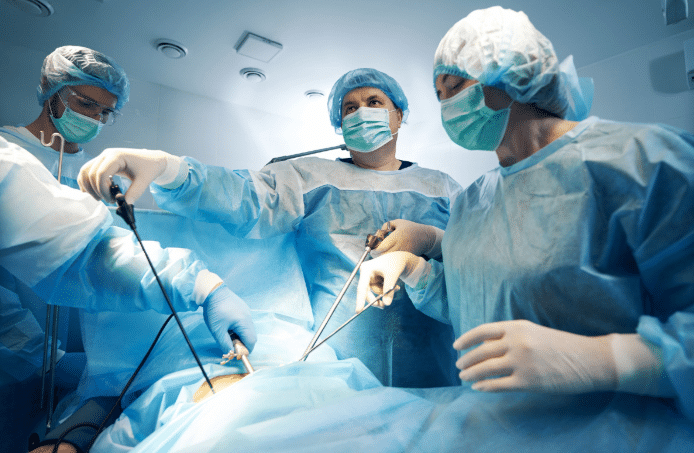
Recovering from a laparoscopy is tough, even more so with a newborn to care for. Many moms struggle with post-surgery recovery while looking after their baby’s needs. It’s key to understand the recovery process and follow your doctor’s advice for a safe healing. Avoid lifting baby after laparoscopy. Learn why you must wait 2-4 weeks to prevent hernias at your incision sites.
We’ll help you know what to expect during your recovery period. You’ll learn how to safely care for your baby after laparoscopy. By following these tips, you can avoid complications and heal well.
Key Takeaways
- Understand the importance of following your doctor’s recommendations for post-laparoscopy care.
- Learn how to safely lift and care for your baby during the recovery period.
- Discover ways to manage your recovery while attending to your baby’s needs.
- Find out what to expect during your recovery period and how to minimize possible complications.
- Get insights on how to balance your recovery with caring for your newborn.
Understanding Laparoscopy and Its Purpose
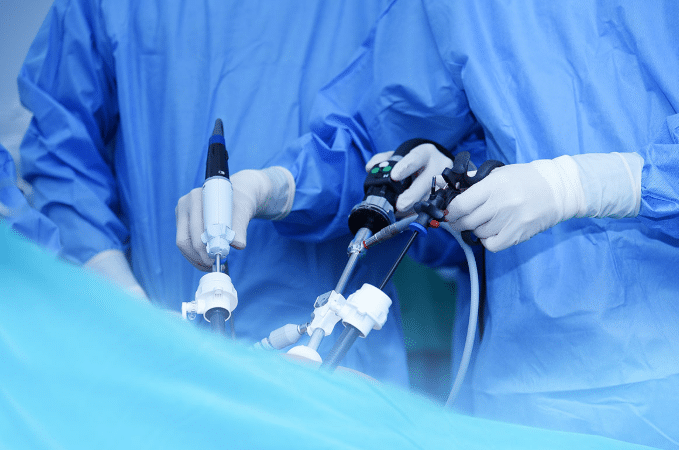
Laparoscopy is a surgical method that uses a thin, lighted tube with a camera. It goes through small incisions in the body. This helps doctors diagnose and treat problems. It’s a key part of modern surgery because it’s less invasive and offers many benefits to patients.
What is Laparoscopy?
Laparoscopy lets doctors see inside the abdomen or pelvis with a laparoscope. This thin tube has a camera and light. It shows what’s inside on a monitor. It’s less invasive than open surgery, leading to smaller scars, less pain, and faster recovery.
Doctors make small incisions for the laparoscope and other tools. They use carbon dioxide gas to inflate the abdomen. This gives a clear view of the organs, making precise surgery possible.
Common Uses of Laparoscopy
Laparoscopy is used for many surgeries, including:
- Gynecological surgeries like hysterectomies and endometriosis treatment
- Gallbladder removal (cholecystectomy)
- Appendectomy (removal of the appendix)
- Diagnosis and treatment of conditions like pelvic pain and adhesions
Laparoscopy is versatile and helps with many medical conditions. The table below shows some common laparoscopic procedures and their purposes:
| Procedure | Purpose |
| Hysterectomy | Removal of the uterus, often performed to treat uterine cancer, fibroids, or severe bleeding. |
| Cholecystectomy | Removal of the gallbladder, typically done to treat gallstones causing pain or infection. |
| Appendectomy | Removal of the appendix, usually performed as an emergency surgery for appendicitis. |
Importance of Post-Surgery Care
The time after laparoscopy is very important. Knowing how to care for yourself after surgery can really help your recovery. Even though laparoscopy is less invasive, it’s important to take care of yourself while healing.
Why Post-Op Rest is Crucial
Rest is key to getting better after laparoscopy. Rest helps your body heal faster and lowers the chance of problems. It’s not just about avoiding hard work. It’s also about letting your body fix itself and get strong again.
Doctors say, “The art of healing is not just about the surgery itself but about the care that follows.” This shows how important post-surgery care is for getting better.
Recognizing Signs of Complications
Watching your recovery closely is very important. Look out for signs like too much bleeding, a lot of pain, fever, or redness and swelling at the cut. Spotting these signs early can help manage problems better.
It’s important to follow your doctor’s advice and go to all follow-up visits. This way, you can catch any issues or problems right away.
General Recovery Timeline After Laparoscopy
The time it takes to recover from laparoscopy varies. It depends on the surgery’s complexity, the patient’s health, and how well they follow post-op care. Patients often wonder how long it will take to get back to normal.
Typical Recovery Period
Laparoscopy recovery is usually quicker than open surgery. Most people can get back to their daily life in a few days to weeks. The typical recovery timeline includes immediate recovery (1-3 days), short-term recovery (1-2 weeks), and long-term recovery (2-6 weeks).
In the first few days, rest and avoid hard activities. As you get better, you can start doing light exercises. It takes a few more weeks to fully get back to your old self.
Factors Influencing Recovery Time
Several things can affect how long it takes to recover from laparoscopy. These include:
- The complexity of the procedure: More complex surgeries take longer to recover from.
- The patient’s overall health: People with health issues may need more time to heal.
- Age: Older patients might take longer to recover because of less physical strength.
- Post-operative care: Following doctor’s orders and attending follow-up appointments helps a lot.
Knowing these factors and the typical recovery time helps patients plan better. It also helps them avoid complications.
Guidelines for Lifting After Surgery
After laparoscopy, patients get advice on how to recover, including lifting guidelines. “Post-laparoscopy recovery involves several key considerations, with lifting being a critical aspect.” Laparoscopy, a procedure for gynecological issues like infertility treatment, needs careful care after surgery.
Standard Recommendations for Post-Laparoscopy Lifting
Patients are told not to lift heavy things for a while after laparoscopy. They should not lift more than 10-15 pounds (about 4.5 to 6.8 kilograms) for one to two weeks. This helps avoid complications like bleeding or hernias at the surgery site.
The Role of Your Surgeon in Recovery
Your surgeon is key in your recovery, giving you specific guidelines. It’s important to follow their lifting and other post-surgery advice for a safe recovery. As doctors say,
“The key to a successful recovery lies in adhering to the post-operative instructions provided by your healthcare team.”
When you start lifting again, begin with light weights and slowly add more. Also, think about other ways to handle your baby, like having someone else lift or using a baby carrier.
When Can You Lift Your Baby?
After laparoscopy, new moms face the challenge of caring for their newborn while recovering. The ability to lift a baby depends on the mom’s recovery and the baby’s weight. We’ll look at these factors and offer guidelines on safe lifting.
Factors to Consider
When deciding to lift your baby after laparoscopy, several factors come into play.
- Your Overall Health: Your general health and how well you’re recovering from the surgery.
- Type of Laparoscopy: The complexity of the procedure can influence your recovery time.
- Baby’s Weight: The heavier the baby, the more strain it may put on your abdominal muscles post-surgery.
Guidelines for Lifting Baby Safely
To lift your baby safely, follow these steps:
- Wait for the Green Light: Ensure your surgeon gives you the okay to start lifting your baby.
- Start with Small Actions: Begin with small, gentle movements and gradually increase as you feel more comfortable.
- Use Proper Lifting Techniques: Bend at the knees, keep the baby close to your body, and avoid twisting or turning.
The Risks of Lifting Too Soon
It’s important to know the risks of lifting too soon after laparoscopic surgery. Laparoscopy is less invasive than traditional surgery but needs a good recovery time. Lifting heavy things, like your baby, too soon can cause problems.
These problems might include pain, bleeding, or injury to the surgery area. In serious cases, lifting too soon can make the surgical wound open again. It can also cause internal injuries that are hard to see right away.
Potential Complications
Lifting too soon can lead to several issues, such as:
- Increased pain or discomfort at the surgical site
- Bleeding or hematoma formation
- Injury to the surgical site or internal organs
- Wound reopening or dehiscence
Long-Term Impacts on Recovery
The effects of lifting too soon after laparoscopy can last a long time. If you lift too soon, you might face a longer recovery. This can mean more time in pain and needing to get better.
Also, if you get complications, you might need more medical help. This could mean more surgery, which is stressful. It can also affect your overall health and well-being.
Techniques for Safe Lifting
Using the right lifting methods after laparoscopy can greatly help your recovery. We know it’s tough to care for a baby while healing from surgery. So, we’re here to help with safe lifting tips and other ways to look after your baby.
Proper Lifting Techniques
When lifting after laparoscopy, it’s key to use the right techniques to avoid straining your stomach muscles. Here are some tips to follow:
- Lift with Your Legs: Instead of bending at the waist, bend your knees to lift objects or your baby. This reduces the strain on your abdominal muscles.
- Avoid Twisting: Twisting can put unnecessary stress on your surgical site. Try to move your feet instead of twisting your torso.
- Keep Objects Close: Holding your baby or objects close to your body reduces the strain on your back and abdominal muscles.
Alternative Ways to Carry Your Baby
There are also other ways to care for your baby that can ease the strain on your body. Consider these options:
- Baby Slings or Carriers: Using a baby sling or carrier can be an excellent way to hold your baby close while keeping your hands free for other tasks.
- Ask for Help: Don’t hesitate to ask your partner, family, or friends for help with lifting or caring for your baby.
- Baby Bassinet or Crib: Placing your baby in a bassinet or crib near you can reduce the need to constantly lift your baby.
Support Systems During Recovery
A strong support system is key for patients after laparoscopy. It helps them deal with the challenges of recovery. Even though laparoscopy is less invasive than traditional surgery, it needs careful attention and support.
Enlisting Family Help
Family and friends are important in the recovery process. They offer emotional support, help with household chores, and assist with childcare. It’s important to tell your loved ones what you need so they can help best.
- Help with daily chores such as cooking and cleaning
- Assistance with childcare, including picking up children from school
- Emotional support and companionship
With family and friends’ help, you can focus more on getting better. You won’t have to worry as much about daily tasks.
Professional Care Options
There are also professional care options to help during recovery. These include home health care and temporary stays in recovery facilities.
Benefits of Professional Care:
- Expert medical care in your own home
- Help with physical therapy and rehabilitation
- Monitoring of your recovery progress
Talking to your healthcare provider about these options can help find the best fit for you.
In conclusion, a strong support system is essential for a good recovery after laparoscopy. Whether it’s family, friends, or professional care, the right support can greatly aid your healing journey.
Emotional Aspects of Post-Surgery Recovery
The journey to recovery after laparoscopy is as much about emotional strength as physical healing. Patients often feel a mix of emotions during this time. They might feel relieved, grateful, frustrated, or anxious.
Coping with Physical Limitations
Dealing with physical limitations is a big emotional challenge. Patients might get upset because they can’t do daily tasks or take care of their loved ones like before. It’s important to recognize these feelings and seek help when needed.
- Prioritize tasks and focus on the most essential activities.
- Ask for help from family and friends.
- Engage in activities that are not physically demanding, such as reading or meditation.
Emotional Support Resources
Having emotional support can greatly impact recovery. Support can come from family, friends, support groups, and professional counseling. Patients are encouraged to use these resources to manage their emotional recovery.
As one patient shared,
“The emotional support I received from my family and the counseling services made a huge difference in my recovery. It helped me cope with the anxiety and focus on healing.”
We understand that recovery from laparoscopy is a whole process. It includes both physical and emotional healing. By facing emotional challenges and using available support, patients can better navigate their recovery journey.
Preparing for a Safe Recovery
Getting ready for recovery after laparoscopy means setting up a supportive home environment. It’s important to make changes that reduce strain and help you heal smoothly.
Home Preparation
Start by clearing out clutter and organizing your space. Make sure important items are easy to find. Also, create a cozy spot to rest. This setup helps you avoid unnecessary movement and bending.
Advance Planning
Planning ahead is key. Arrange for childcare, meal prep, and household tasks before your surgery. This way, you can focus on getting better without worrying about daily tasks.
By following these steps, you can make your recovery better. It will be less stressful and help you heal safely and healthily.
FAQ
What is laparoscopy and how is it used in treating female reproductive issues?
Laparoscopy is a surgery that uses a thin tube with a camera and light. It goes through small cuts in the belly to check and fix problems. It’s often used for issues like endometriosis, fibroids, and ectopic pregnancy.
How long does it take to recover from a laparoscopic surgery?
Recovery time after laparoscopy is usually a few days to a week. It depends on your health, age, and the surgery’s extent. Always follow your surgeon’s specific recovery advice.
What are the guidelines for lifting after laparoscopic surgery?
You should avoid heavy lifting, like a baby, for a while after surgery. Your surgeon will tell you how long and what weight is okay. It varies based on your situation and surgery type.
Can I lift my baby after laparoscopy, and if so, when?
You should lift your baby carefully and only after talking to your surgeon. Consider your recovery, the baby’s weight, and if you can lift safely without hurting your belly muscles.
What are the possible complications of lifting too soon after laparoscopy?
Lifting too soon or too heavy can cause problems like the surgery site opening again. It can also lead to internal injuries or a longer recovery. Always follow your doctor’s post-op instructions to avoid these risks.
How can I safely lift and care for my baby after laparoscopy?
Use the right lifting techniques, like bending at the knees and lifting with your legs. You can also use a baby carrier that doesn’t need heavy lifting. Or, have someone else bring the baby to you.
What kind of support system should I have during recovery?
Having a support system is key during recovery. It can be family, friends, or professional caregivers. They can help with baby care, household tasks, and errands, so you can rest and heal better.
How can I cope with the emotional aspects of recovering from laparoscopy?
To deal with recovery emotions, acknowledge your feelings and seek support from loved ones or groups. Focus on healing physically and emotionally. Staying in touch with your healthcare provider is also helpful.
How can I prepare my home for a safe recovery?
Make your home recovery-friendly by setting up a resting area on the main floor. Keep essential items within reach. Plan meals and tasks ahead to avoid too much effort.
Are there any specific childcare arrangements I should make after laparoscopy?
Yes, arrange for childcare to avoid straining yourself. This can be a partner, family member, or friend. They can help with baby care during your recovery.
What are the signs of complications after laparoscopy that I should watch out for?
Watch for signs like too much bleeding, severe pain, fever, or trouble urinating. If you see any, contact your healthcare provider right away.
References
JAMA Network. Evidence-Based Medical Insight. Retrieved from https://jamanetwork.com/journals/jamapediatrics/fullarticle/2749222