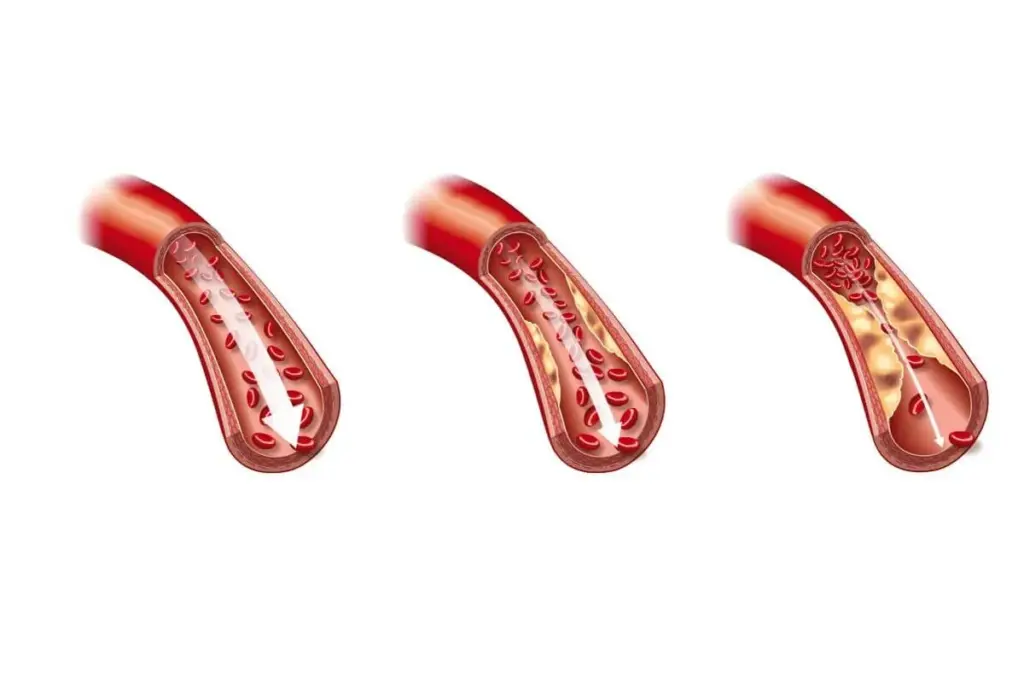
Nearly 1 in 3 adults in the United States has high cholesterol. This significantly contributes to plaque buildup in arteries. This buildup can cause cardiovascular disease.
Reversing damage? Lipitor best plaque reduction insights. Statins stabilize plaque. Learn how medication helps clean up your arteries.
When plaque builds up in arteries, it can block blood flow to the heart. This increases the risk of ischemic heart disease. It’s very important to manage cholesterol levels to reduce plaque and lower this risk.
Medications like Lipitor can help lower cholesterol levels. This is a big help in managing plaque in arteries. Knowing about treatment options is key to keeping your heart healthy.
Key Takeaways
- Plaque buildup in arteries is a significant risk factor for cardiovascular disease.
- Managing cholesterol levels is key to reducing plaque formation.
- Lipitor is a medication that can help lower cholesterol levels.
- Understanding treatment options is key to maintaining cardiovascular health.
- Ischemic heart disease can result from restricted blood flow due to plaque accumulation.
Understanding Arterial Plaque and Its Risks
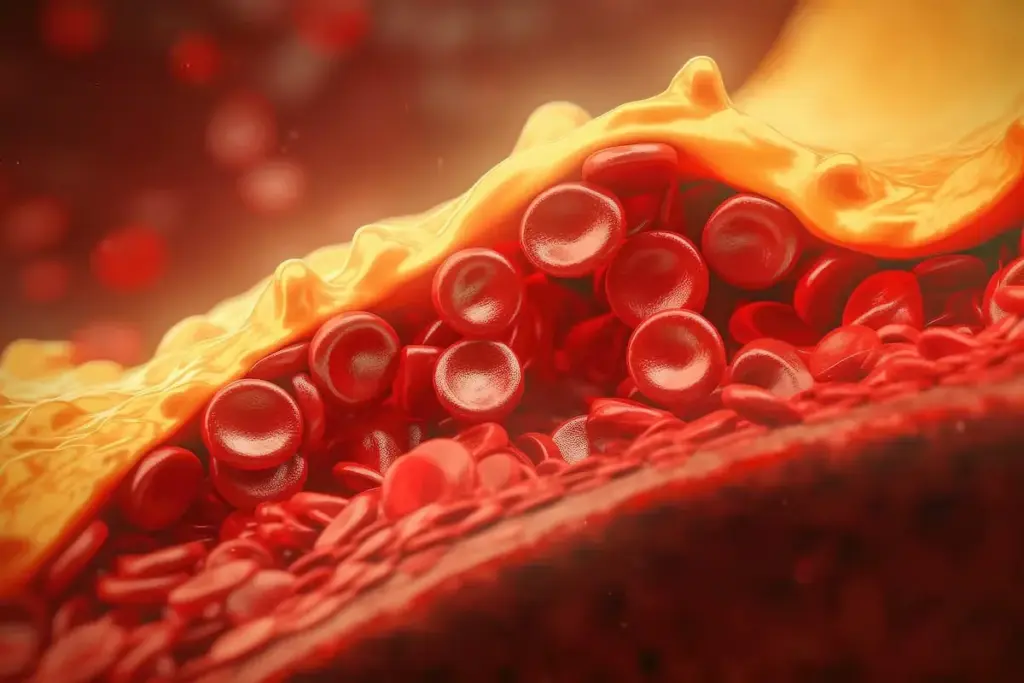
It’s important to know about arterial plaque to avoid heart attacks and strokes. Arterial plaque, or atherosclerosis, happens when arteries narrow and harden. This is due to a buildup of plaque, made of fat, cholesterol, and other blood materials.
What is Arterial Plaque?
Arterial plaque forms when the body can’t handle fats and cholesterol well. Over time, it builds up, narrowing and hardening arteries. This can block blood flow, causing heart problems.
Many things can cause arterial plaque, like high LDL cholesterol, smoking, high blood pressure, and diabetes. It’s key to manage these risks to prevent plaque buildup.
Symptoms of Plaque Buildup
Symptoms of plaque buildup vary based on where and how much it blocks. Common signs are chest pain, shortness of breath, and feeling tired. Severe blockages can cause heart attacks or strokes.
Some people might not show symptoms until it’s too late. That’s why regular health checks and prevention are so important.
Long-Term Health Effects
Ignoring arterial plaque can lead to serious health issues. It can cause heart disease, increasing the risk of heart attacks and strokes. It can also lead to kidney disease and other problems.
Here’s a table showing the risks of arterial plaque and their effects:
|
Condition |
Description |
Potential Complications |
|---|---|---|
|
Cardiovascular Disease |
Narrowing and hardening of arteries due to plaque buildup |
Heart attack, stroke, peripheral artery disease |
|
Kidney Disease |
Reduced blood flow to the kidneys |
Kidney failure, need for dialysis or transplant |
|
Peripheral Artery Disease |
Narrowing of arteries outside the heart, often in the legs |
Pain while walking, possible gangrene |
It’s vital to catch and treat arterial plaque early. Knowing its causes, symptoms, and risks helps us protect our hearts.
The Role of Lipitor in Managing Cholesterol
Lipitor is a statin that helps control cholesterol levels. It’s been shown to be effective for those at risk of heart problems.
We’ll look at how Lipitor works and its benefits. Knowing about Lipitor is key for both patients and doctors to make smart choices about heart health.
What is Lipitor?
Lipitor, also known as atorvastatin, is a statin. It lowers bad cholesterol and triglycerides while raising good cholesterol. It does this by stopping the liver from making too much cholesterol, which helps prevent artery blockages.
Key Features of Lipitor:
- Effective in lowering LDL cholesterol
- Helps increase HDL cholesterol
- Reduces triglycerides
- Proven to reduce cardiovascular risk
How Lipitor Works on Cholesterol Levels
Lipitor blocks the enzyme HMG-CoA reductase in the liver. This enzyme is key in making cholesterol. By stopping this, Lipitor lowers blood cholesterol, which reduces bad cholesterol and plaque buildup.
Lipitor also affects other lipids like triglycerides and HDL cholesterol. This helps keep the lipid profile healthier.
Potential Benefits Beyond Cholesterol Control
Lipitor may also have benefits for the heart beyond just lowering cholesterol. It has anti-inflammatory effects and improves blood vessel function. These can lower the risk of heart problems.
It’s essential to note that Lipitor should be part of a bigger treatment plan. This includes diet, exercise, and lifestyle changes. Regular check-ups with a doctor are important to make sure Lipitor is working well and safely.
Lifestyle Changes to Reduce Plaque Formation
To reduce plaque, you need to make several changes. This includes eating right, exercising regularly, and quitting smoking. A good diet, regular exercise, and not smoking can greatly improve your heart health. These steps help lower the risk of heart disease.
Importance of a Healthy Diet
Eating well is key to fighting plaque. Eat foods like fruits, veggies, whole grains, and lean proteins. These foods help lower bad cholesterol and boost heart health. Try to avoid foods high in saturated fats, trans fats, and cholesterol.
Here are some diet tips:
- Eat more omega-3s from fish like salmon and sardines
- Choose colorful fruits and veggies for antioxidants
- Go for whole grains over refined ones for more fiber
- Avoid processed foods that are bad for your heart
|
Dietary Component |
Recommended Foods |
Benefits |
|---|---|---|
|
Fruits and Vegetables |
Berries, leafy greens, citrus fruits |
Rich in antioxidants, fiber, and vitamins |
|
Whole Grains |
Oats, quinoa, brown rice |
High in fiber, helps lower cholesterol |
|
Lean Proteins |
Chicken, fish, legumes |
Low in saturated fats, rich in protein |
Benefits of Regular Exercise
Exercise is also vital in fighting plaque. It boosts blood flow, lowers blood pressure, and raises HDL cholesterol. Aim for 150 minutes of moderate exercise, 75 minutes of vigorous exercise, or a mix of both each week.
Good exercises include:
- Brisk walking
- Swimming
- Cycling
- High-intensity interval training (HIIT)
The Impact of Smoking Cessation
Quitting smoking is essential for heart health. It greatly reduces the risk of heart disease, stroke, and other heart problems. There are many resources to help you quit, like counseling, support groups, and nicotine replacement therapy.
Quitting smoking offers many benefits:
- It improves lung function and overall health
- It lowers the risk of heart disease and stroke
- It reduces the risk of various cancers
- It improves circulation and heart health
Natural Remedies and Supplements
Natural remedies and supplements can help support heart health. It’s important to know their benefits and how to use them. This can add to our heart health routine.
Omega-3 Fatty Acids
Omega-3 fatty acids are good for the heart because they fight inflammation. They help lower bad fats in the blood and can slightly lower blood pressure. Adding omega-3 foods or supplements to our diet is a great way to keep our heart healthy.
Antioxidants and Their Role
Antioxidants protect us from free radicals that can harm cells and lead to heart disease. Foods high in antioxidants, like vitamins C and E, and beta-carotene, can reduce oxidative stress. Eating foods rich in antioxidants helps our heart and may lower plaque risk.
The Benefits of Fiber
Eating a lot of fiber is good for the heart. It helps keep cholesterol levels healthy. Soluble fiber in foods like oats and fruits lowers bad cholesterol. A diet full of fiber is good for the heart and overall health, helping with digestion and feeling full.
Medical Treatments for Plaque Removal
Removing plaque from arteries is a complex task. It involves several medical treatments. When plaque builds up too much, it can cause serious heart problems. This means we need more than just lifestyle changes and medicine.
Angioplasty and Stenting
Angioplasty, or PCI, is a procedure to open narrowed arteries or veins. A small mesh tube called a stent is used to keep the artery open. “Stenting has changed how we treat heart disease,” as it mechanically keeps arteries open, improving blood flow.
The process starts with a catheter being inserted into the narrowed artery. Then, a balloon is inflated to widen it. After that, a stent is placed to keep the artery open. Angioplasty and stenting work well, but there are risks like periprocedural myocardial infarction, or a heart attack during or right after the procedure.
Bypass Surgery Options
For severe plaque buildup or when angioplasty can’t be done, CABG is considered. CABG uses a graft to bypass the blocked artery, restoring blood flow. This surgery is for patients with many blockages or complex heart disease.
Bypass surgery improves blood flow to the heart, reduces symptoms like angina, and can increase survival chances for some. But, like any major surgery, it comes with risks like infection, bleeding, and anesthesia reactions.
“CABG has been a cornerstone in the treatment of complex coronary artery disease, improving many patients’ quality of life,” said a renowned cardiologist.
The Importance of Regular Health Screenings
Regular health screenings are key to keeping your heart healthy. They help find and manage problems early. This is important because heart diseases are a big cause of death worldwide.
Early detection of risk factors lets people make better choices. This can improve heart health and overall well-being.
How Often Should You Get Tested?
How often you need health screenings depends on several things. These include your age, family history, and current health. Adults over 20 should get their cholesterol checked every 5 years. But, if you have a family history of heart disease, you might need to go more often.
Talking to a doctor can help figure out the right schedule for you.
Key Tests to Monitor Cardiovascular Health
There are important tests for heart health. These include:
- Lipid profiles to check cholesterol levels
- Blood pressure checks to watch for high blood pressure
- Electrocardiograms (ECGs) to see how the heart works
- Stress tests to see how the heart does when you’re active
These tests give insights into heart health. They help spot problems early.
|
Test |
Purpose |
Frequency |
|---|---|---|
|
Lipid Profile |
Check cholesterol levels |
Every 5 years for adults over 20 |
|
Blood Pressure Check |
Watch for high blood pressure |
At least once every 2 years |
|
Electrocardiogram (ECG) |
Check heart function |
As recommended by a healthcare provider |
|
Stress Test |
See how the heart does under stress |
For those with risk factors or symptoms |
“Prevention is key to reducing heart disease risk. Regular health screenings are a big part of that.”
“The biggest risk factor for cardiovascular disease is not taking action to prevent it.”
By focusing on regular health screenings, you can take care of your heart. This helps lower the risk of heart disease.
The Impact of Stress on Heart Health
It’s important to know how stress affects our heart. Chronic stress can harm our heart health, raising the risk of heart disease.
The Physiological Effects of Stress
Stress triggers our body’s “fight or flight” response. This releases hormones like cortisol and adrenaline. These hormones help us react to stress, but too much can harm our heart.
High blood pressure, increased heart rate, and narrowed blood vessels are stress effects. Over time, this can cause inflammation in arteries. This makes arteries more likely to clog, raising the risk of heart attacks and strokes.
The link between stress and heart disease is complex. It involves many physiological pathways.
Effective Stress Reduction Techniques
Managing stress is key to protecting our heart. There are many ways to reduce stress, including:
- Meditation and mindfulness practices
- Regular physical exercise
- Yoga and tai chi
- Deep breathing exercises
- Progressive muscle relaxation
These methods not only lower stress but also boost heart health. For example, exercise can lower blood pressure and improve cholesterol levels. Meditation and mindfulness can also reduce inflammation caused by stress.
|
Stress Reduction Technique |
Impact on Heart Health |
|---|---|
|
Meditation and Mindfulness |
Reduces stress-induced inflammation, lowers blood pressure |
|
Regular Exercise |
Improves lipid profiles, enhances cardiovascular function |
|
Yoga and Tai Chi |
Improves flexibility, reduces stress, enhances cardiovascular health |
By adding these stress-reducing activities to our daily lives, we can protect our heart. It’s vital to find what works for us and make it a regular part of our routine.
Emerging Research on Plaque Reduction
Medical science is making big strides in understanding how to reduce plaque. This is great news for people at risk of heart disease. New studies and treatments aim to better manage cholesterol and stop plaque buildup in arteries.
Recent Studies on Cholesterol Medication
Scientists have been studying cholesterol meds a lot. They’ve found that statins, like Lipitor, can really help. Some statins not only lower bad cholesterol but also fight inflammation. This makes plaques less likely to burst and cause heart attacks.
Newer drugs, like PCSK9 inhibitors, are also being looked at. They seem to cut down LDL cholesterol a lot. This could help reduce plaque buildup too.
Innovations in Heart Health Treatments
New treatments for heart health are coming from better tech and understanding heart disease. Researchers are working on targeted therapies. These aim to tackle the causes of plaque, like inflammation and high blood pressure.
They’re also looking into how nutrients and supplements, like omega-3s and antioxidants, can help the heart. This shows we need a mix of lifestyle changes, meds, and new treatments to fight heart disease.
As we learn more about plaque and heart health, it’s clear we need a few things. Lifestyle changes, meds, and new treatments will all play a part. Together, they can help manage and lower the risk of heart disease.
Combining Lipitor with Other Medications
Managing cholesterol levels can be done by combining Lipitor with other medications. Lipitor is a statin that helps lower cholesterol and prevent heart disease. Using it with other treatments can make it more effective.
We will look at how statins, like Lipitor, manage cholesterol. We will also talk about possible interactions when combining Lipitor with other drugs.
Statins and Their Effectiveness
Statins, including Lipitor, are used to lower bad cholesterol and triglycerides. They also raise good cholesterol. Lipitor (atorvastatin) is very effective in managing cholesterol levels.
Research shows statins, like Lipitor, can greatly reduce heart attack and stroke risk. They work by blocking an enzyme in the liver that makes cholesterol.
Possible Interactions to Consider
When taking Lipitor with other drugs, we must think about possible interactions. These interactions can affect how well Lipitor works or increase side effects. Some drugs that may interact with Lipitor include:
- Cyclosporine, a medication used to suppress the immune system
- Fibrates, such as gemfibrozil, which are used to lower triglycerides and raise HDL cholesterol
- Certain antibiotics, such as clarithromycin and erythromycin
- Antifungal medications, such as itraconazole and ketoconazole
We need to carefully weigh the benefits and risks of combining Lipitor with other drugs. This ensures safe and effective treatment for patients with high cholesterol.
Patient Experiences with Lipitor
Many patients have found success with Lipitor in managing their cholesterol. Their stories show how important it is to take a complete approach to heart health. This includes using medication, making lifestyle changes, and keeping up with regular check-ups.
Real-Life Cholesterol Management
Patients have seen big improvements in their cholesterol levels after starting Lipitor. For example, one patient with high LDL cholesterol saw a big drop in their levels in just a few months. This was thanks to Lipitor and a healthy diet.
Expert Insights on Lipitor
Doctors say Lipitor is just one piece of the puzzle. They stress the need for regular check-ups to adjust treatment as needed. By combining Lipitor with other strategies, patients can get better heart health results.
Sharing patient stories and doctor insights helps us understand Lipitor’s role in managing cholesterol. It also shows how it contributes to better heart health.
FAQ
What is arterial plaque and how does it form?
Arterial plaque is a buildup of fatty deposits and cholesterol in arteries. It forms when these substances stick to the artery walls. This leads to a condition called atherosclerosis.
What are the symptoms of plaque buildup in arteries?
Symptoms include chest pain, shortness of breath, and fatigue. Sometimes, there are no symptoms until a serious event like a heart attack happens.
How does Lipitor help manage cholesterol levels?
Lipitor, a statin medication, lowers cholesterol production in the liver. This helps manage plaque buildup and lower cholesterol levels.
What lifestyle changes can help reduce plaque formation?
Eating healthy, exercising regularly, and quitting smoking can reduce plaque. These changes improve heart health.
Are there any natural remedies that can help reduce plaque?
Yes, omega-3 fatty acids, antioxidants, and fiber can support heart health. They may help reduce plaque buildup.
What medical treatments are available for managing plaque buildup?
Treatments include angioplasty, stenting, and bypass surgery. These procedures aim to improve blood flow and reduce heart disease risk.
How often should I get tested for cardiovascular health?
Testing frequency depends on your risk factors and health. Regular check-ups with a healthcare provider can determine the best schedule.
Can stress affect heart health?
Yes, chronic stress can harm heart health by raising blood pressure. Stress reduction techniques can help mitigate this risk.
What are the benefits of combining Lipitor with other medications?
Combining Lipitor with other medications can improve cholesterol management. But, it’s important to consider interactions and consult a healthcare provider.
How long does it take to see the effects of Lipitor on cholesterol levels?
Lipitor’s effects on cholesterol levels can be seen in a few weeks. Regular monitoring by a healthcare provider is necessary.
Are there any recent advancements in managing plaque buildup?
Yes, research and innovations in cardiovascular medicine are improving treatment options. They aim to reduce heart disease risk.
Reference
National Center for Biotechnology Information. Evidence-Based Medical Insight. Retrieved from https://www.ncbi.nlm.nih.gov/pmc/articles/PMC11591594/