
Losing weight before surgery can make your operation safer and recovery easier. Even a small weight loss of 4–6% can reduce surgery risks. For those getting ready for surgery, losing 10 pounds is a good target.
People like Sherry Matchett, who had gastric sleeve surgery, have lost a lot of weight. They also feel healthier. A well-planned weight loss plan, maybe with a liquid diet, can help reach this goal. Understanding how to lose 10 pounds before surgery is crucial for reducing surgery risks.
Key Takeaways
- Losing 4–6% of total body weight can lower surgical complication rates.
- A well-planned weight loss approach is critical before surgery.
- A liquid diet may be considered as part of a fast weight loss strategy.
- Modest weight loss can significantly improve surgical outcomes.
- Understanding how to achieve a safe weight loss is essential.
The Medical Importance of Pre-Surgical Weight Loss
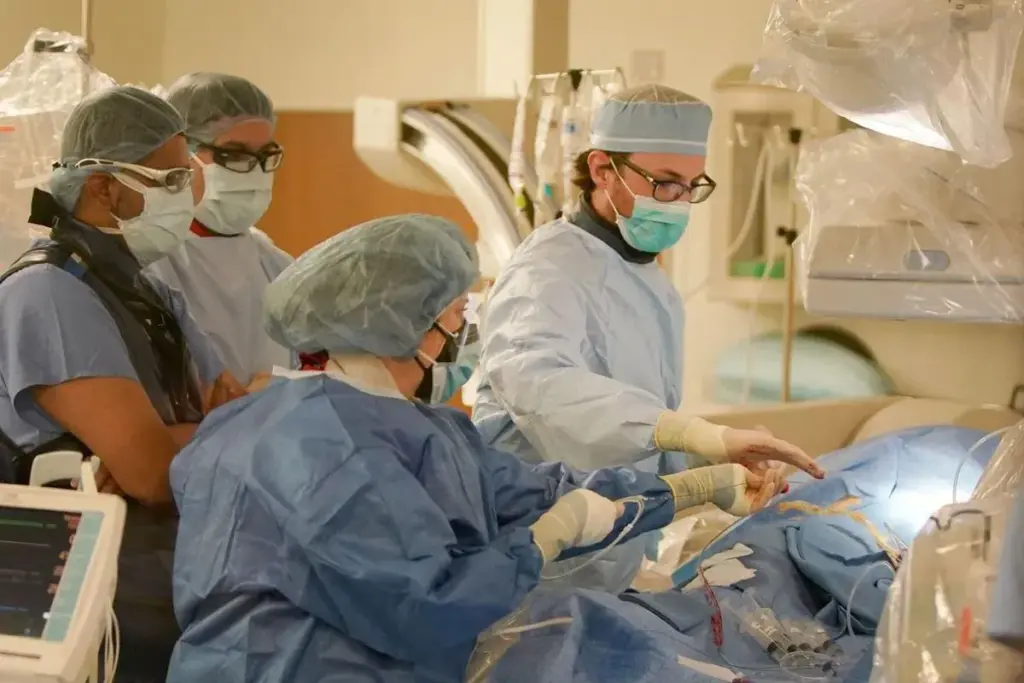
Before surgery, losing a lot of weight is very important. It can make the surgery better and reduce risks. This is true for surgeries like bariatric surgery, where losing weight is key.
Reducing Surgical Risks Through Weight Reduction
Weight loss before surgery can lower risks. A 5% weight loss can cut complications by 13% in big studies. This is because it improves heart health and lowers inflammation.
A study found, “Preoperative weight loss is linked to fewer complications and better results.”
“Patients who lose a lot of weight before surgery have fewer problems after and recover better.”
How 5% Weight Loss Improves Surgical Outcomes
Just 5% weight loss can greatly improve surgery results. It makes insulin work better, lowers blood pressure, and boosts health. For bariatric surgery, it can make the surgery shorter and safer.
Pre-surgical weight loss does more than just improve health. It also gets patients ready mentally for recovery and lifestyle changes. Starting early helps build healthy habits for a good surgery outcome and long-term health.
Setting Realistic Weight Loss Goals Before Surgery
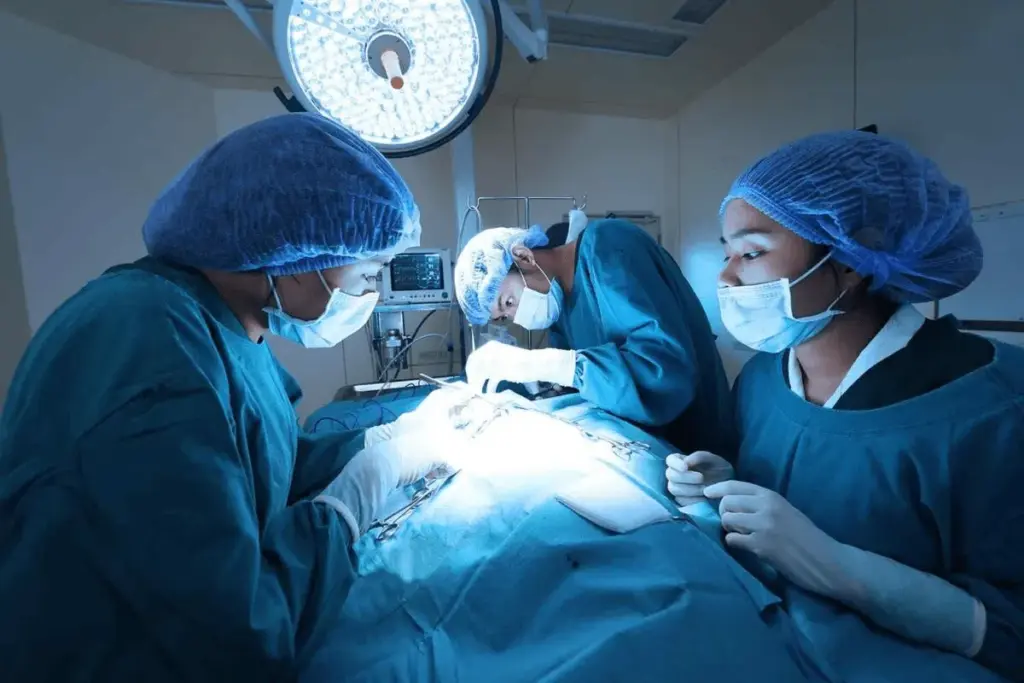
Starting with realistic weight loss goals is key to a successful surgery. Patients usually need to lose about 10% of their body weight before surgery. The exact amount depends on health needs and surgery type.
It’s important to lose weight safely. Losing too much too fast is harmful. So, working with healthcare professionals to create a personalized weight loss plan is essential.
Is Losing 10 Pounds Achievable and Safe?
Losing 10 pounds can be safe and achievable with the right approach. Aim for losing 1-2 pounds per week. This slow pace may not be as quick as you’d like, but it’s more likely to last.
For those looking to how to lose a fast 10 pounds, remember quick fixes are often unhealthy. Instead, focus on a balanced diet and regular exercise for better long-term results.
Calculating Your Personal Weight Loss Target
To find your personal weight loss target, consider your current weight and your healthcare provider’s recommendation. For example, if you weigh 200 pounds and aim to lose 10%, your target is to lose 20 pounds.
Working with a healthcare professional or a registered dietitian can help create a drop by drop weight loss plan. This plan will be tailored to your needs and ensure safe, sustainable weight loss.
For some, the goal is how to lose 10 pounds in 1 week. While this is not usually recommended, a well-structured plan under medical supervision can help achieve significant weight loss in a short time.
Consulting with Your Surgical Team About Weight Loss
Talking to your surgical team is key before surgery, mainly for weight loss. They, including dietitians and psychiatrists, help you get ready for surgery. They guide you through the weight loss steps before surgery.
It follows global standards and high ethics. Before surgery, patients meet with dietitians and psychiatrists. This makes sure patients are both physically and mentally ready.
When to Begin Your Pre-Surgery Diet
Knowing when to start your diet is important for a good surgery outcome. Usually, you start your diet 2 weeks before surgery. This time helps you lose weight safely and reduces surgery risks.
- A quick weight loss plan should fit your needs and health.
- Stick to the 2 week pre bariatric surgery diet your team suggests.
- It’s important to know how to lose 10 lbs in 10 days safely.
Medical Monitoring During Rapid Weight Loss
When losing weight fast, you need to watch your health closely. Your team will keep an eye on you and adjust your diet if needed. This keeps you safe.
Regular check-ups with your dietitian and surgical team are key. They help solve any issues from losing weight too fast.
By working with your team and following their advice, you can reach your weight loss goals. This ensures a successful surgery.
Liquid Diet to Reduce Weight: The Fundamentals
A liquid diet plan can help patients lose weight before surgery. It’s often suggested for those needing to lose weight before surgery.
Patients must follow a strict liquid diet before surgery. This helps reduce surgical risks and improves outcomes.
Types of Medical Liquid Diets for Pre-Surgery Preparation
There are different medical liquid diets for pre-surgery. These include:
- Clear Liquid Diet: This diet has clear liquids like broth and water. It’s used right before surgery.
- Full Liquid Diet: This diet adds thicker liquids like milk and soups to clear liquids.
- Protein-Supplemented Liquid Diet: This diet adds protein to support muscle during weight loss.
Each diet has its own rules and is chosen based on the patient’s needs and surgery type.
Caloric Intake Guidelines on Liquid Diets
Caloric intake on a liquid diet varies. It depends on the diet type and the person’s needs. A liquid diet for weight loss aims to be low in calories but keep the person hydrated and nourished.
Here are some general caloric intake guidelines:
- For a clear liquid diet, intake is about 200-500 calories a day.
- For a full liquid diet, intake is 500 to 1000 calories a day, depending on the foods.
- For a protein-supplemented diet, intake is 800-1200 calories a day to ensure enough protein.
It’s important for patients to stick to their healthcare provider’s caloric intake guidelines. This ensures they meet their nutritional needs while losing weight.
Creating a 7-Day Liquid Diet Plan for Rapid Weight Loss
For those getting ready for surgery, a 7-day liquid diet can help with weight loss. It gives you the nutrients you need but cuts down on calories. This helps you lose weight quickly.
Meal-by-Meal Breakdown
A good liquid diet plan has a clear meal schedule. This ensures you get all the nutrients you need. Here’s what a day might look like:
- Breakfast: Begin with a clear broth or a protein-rich liquid meal.
- Mid-Morning Snack: Have a clear soup or an electrolyte drink.
- Lunch: Eat a liquid meal replacement or clear broth.
- Afternoon Snack: Pick a low-calorie, electrolyte drink.
- Dinner: Finish with a nutrient-rich liquid meal or clear broth.
“A well-planned liquid diet can be highly effective for weight loss, provided it is nutrient-rich and well-balanced.”
Incorporating Broths and Clear Soups
Broths and clear soups are key in a liquid diet. They give you the electrolytes you need and help you feel full. Here’s how to use them:
- Go for low-sodium broths to keep salt intake low.
- Choose clear soups like chicken or vegetable broth.
- Stay away from thickeners or creams to avoid extra calories.
By sticking to this plan, you can make a 7-day liquid diet that helps you lose weight before surgery.
Protein Requirements During Pre-Surgical Weight Loss
Getting enough protein is key when you’re losing weight before surgery. This helps keep your muscles strong and your health good. If you don’t get enough protein, your body might start breaking down muscle. This can make you weaker and slow down your recovery after surgery.
Calculating Your Daily Protein Needs
To keep your muscles from shrinking, figuring out how much protein you need is important. Most experts say you should eat 1.6 to 2.2 grams of protein for every kilogram of your weight. For instance, if you weigh 70 kilograms, you should aim for 112 to 154 grams of protein each day.
- Assess your weight: Find out how much you weigh in kilograms.
- Calculate protein needs: Multiply your weight by the protein range (1.6 to 2.2 grams).
- Adjust based on activity level: If you’re active, you might need more protein.
Preventing Muscle Loss While Losing Weight
It’s not just about protein to avoid losing muscle. You also need to eat well and drink lots of water. Here are some tips to help:
- Eat protein-rich foods: Make sure to include lean meats, fish, eggs, dairy, and plant-based proteins in your meals.
- Stay hydrated: Drink lots of water all day to help your muscles stay healthy.
- Avoid excessive cardio: While some cardio is good, too much can cause muscle loss.
By paying attention to your protein intake and diet, you can keep your muscles strong while losing weight. This will make sure you’re in top shape for your surgery.
The 2-Week Pre-Bariatric Surgery Diet Protocol
A 2-week diet plan is key for those getting bariatric surgery. It helps prepare the body for surgery and aims for the best results.
Transitioning to Modified Eating
In the first week, patients start a new eating way. They eat a lot of protein and avoid sugars and fats. This helps shrink the liver and improves surgery results.
Nutritional Guidelines for Week 1:
- High protein intake: 60-80 grams per day
- Low carbohydrate intake: less than 50 grams per day
- Avoid high-fat foods and sugary drinks
Final Preparation Phase
In the second week, the focus is on eating fewer calories and staying hydrated. Patients drink clear liquids and nutrient-rich broths to keep their energy up.
|
Day |
Dietary Recommendations |
|---|---|
|
Day 8-10 |
Clear liquids, protein shakes |
|
Day 11-14 |
Nutrient-rich broths, electrolyte-rich beverages |
By sticking to this 2-week diet, patients can greatly improve their surgery results and lower risks.
3-Day Intensive Diet Before Surgery
The 3-day intensive diet before surgery is a smart way to get ready for surgery. It helps patients lose weight before the big day. This diet plan makes sure patients are ready for their surgery.
Patients often have to eat very carefully before surgery. This diet helps lower risks and improve surgery results. A 3-day diet is great for these goals.
Hour-by-Hour Consumption Guide
Following an hour-by-hour guide is key for the 3-day diet. It keeps patients on track and eating the right foods at the right time.
|
Time |
Recommended Consumption |
|---|---|
|
8:00 AM |
Clear broth or electrolyte-rich beverage |
|
10:00 AM |
Protein shake or clear soup |
|
12:00 PM |
Low-calorie, nutrient-rich liquid meal |
|
2:00 PM |
Electrolyte-rich drink or clear juice |
|
4:00 PM |
Clear broth or protein supplement |
|
6:00 PM |
Low-calorie liquid meal or clear soup |
Final 24-Hour Preparation
In the last 24 hours, focus on drinking lots of water and electrolyte drinks. This keeps you hydrated.
Key Tips for Final Preparation:
- Stay hydrated with clear fluids and electrolyte-rich drinks.
- Avoid heavy meals and focus on liquids.
- Follow the hour-by-hour guide to ensure optimal preparation.
By sticking to this 3-day diet, patients feel more ready for surgery. It’s important to listen to doctors and learn about pre-surgery prep.
Hydration Strategies for Enhanced Weight Loss
Drinking enough water is a simple yet effective way to help with weight loss. It’s key for good health and can boost your weight loss efforts. When you’re well-hydrated, your body works better, making it easier to lose weight.
Optimal Daily Fluid Intake Calculations
Figuring out how much water you should drink each day is important. The 8×8 rule suggests drinking eight 8-ounce glasses of water daily. But, your needs can change based on your age, sex, weight, and how active you are. For example, athletes or those who are very active might need more water to replace lost salts.
To find out how much water you need, think about these things:
- Body weight: Some say to drink half an ounce of water for every pound you weigh.
- Activity level: Adjust how much you drink based on how active you are.
- Climate: If it’s hot and humid, you might need to drink more water.
Timing Water Consumption for Maximum Benefit
When you drink water can also matter for weight loss. Drinking water at the right times can help control hunger, speed up your metabolism, and improve digestion.
Here are some tips for when to drink water:
- Drink a glass of water when you wake up to rehydrate after sleep.
- Drink water before meals to help you feel full and eat less.
- Stay hydrated during workouts by drinking water regularly.
- Avoid drinking water with meals to keep your digestive enzymes working right.
By using these hydration tips in your weight loss plan, you can help your health and lose weight better.
Safe Physical Activity to Accelerate Pre-Surgery Weight Loss
Safe physical activity is key for a good pre-surgery weight loss plan. Doing the right exercises helps lose weight and gets your body ready for surgery.
Low-Impact Exercise Options
Low-impact exercises are great for losing weight before surgery. They are easy on the body and don’t risk injury. Here are some examples:
- Brisk walking: It’s simple but boosts heart health.
- Swimming: It’s easy on the joints and works many muscles.
- Cycling: It’s gentle on the joints and good for the heart.
Health experts say, “Regular, low-intensity exercise can greatly improve surgery results. It boosts physical function and lowers risks.”
“Exercise is a critical component of the pre-surgical preparation process, contributing to better recovery and outcomes post-surgery.”
Activity Modifications Based on Surgery Type
The type of surgery affects safe physical activities. For example:
- For lower body surgeries, like hip replacements, avoid putting weight on the affected area.
- For upper body surgeries, avoid heavy lifting or strain.
Always talk to your healthcare provider to find the best exercises for your surgery and health.
Supplements and Vitamins During Rapid Weight Loss
Getting enough nutrients is key when you’re losing weight fast. Supplements can fill in the gaps. It’s important to know which ones are good and which to skip to stay healthy and ready for surgery.
Essential Micronutrients During Caloric Restriction
When you’re losing weight quickly, keeping your body full of important nutrients is vital. These include:
- Vitamin D: important for bones and immune health.
- Calcium: keeps bones strong.
- Iron: prevents anemia.
- B Vitamins: boosts energy and nerve health.
- Omega-3 Fatty Acids: good for the heart and may lower inflammation.
“A balanced supplement plan can reduce risks of fast weight loss.” Always talk to your doctor to find the right supplements for you.
Supplements to Avoid Before Surgery
Some supplements are good, but others can be risky before surgery. It’s wise to steer clear of:
- Fish Oil and Omega-3 Supplements: might increase bleeding risk.
- Ginkgo Biloba: can affect blood clotting.
- Garlic Supplements: may raise bleeding risk.
- High-Dose Vitamin E: acts as a blood thinner.
A study in the Journal of the American Medical Association found, “Some supplements can affect surgery results.” It’s vital to share your supplement use with your surgical team for a safe surgery.
By choosing the right supplements and focusing on key nutrients, you can keep your health in check before surgery.
Managing Hunger and Psychological Challenges
Starting a pre-surgical weight loss journey means tackling hunger and emotional ups and downs. These challenges are key to a successful weight loss journey. It’s important to address them head-on.
Appetite Suppression Techniques
There are ways to reduce hunger. Drinking lots of water is a simple trick. Eating foods high in fiber also helps you feel full longer.
- Stay hydrated: Sometimes, thirst is mistaken for hunger. Drinking water can help alleviate unnecessary snacking.
- High-fiber diet: Foods rich in fiber like vegetables, fruits, and whole grains can help you feel full.
- Protein-rich foods: Protein takes longer to digest, keeping you fuller for longer.
Eating smaller, more frequent meals can also help. It keeps your energy stable and reduces hunger.
Emotional Support During Intensive Dieting
Emotional support is key during intense dieting. The mental strain of losing weight quickly is real. Having people to lean on, like family, friends, or a counselor, is very helpful.
Here are some ways to get emotional support:
- Keeping a food diary: Tracking your eating habits and feelings can help identify patterns and triggers.
- Seeking professional help: A therapist or counselor can provide coping strategies for dealing with emotional challenges.
- Support groups: Joining a weight loss support group can provide a sense of community and understanding.
Managing hunger and emotional challenges in pre-surgical weight loss is more than just diet. It’s about taking care of your whole self. By using appetite suppression techniques and getting emotional support, you can overcome the tough parts of dieting.
Tracking Your Pre-Surgical Weight Loss Progress
As you get ready for surgery, tracking your weight loss is key. It keeps you motivated and focused on your goals. It also makes the journey less scary.
Beyond Scale Weight: Multiple Metrics
The scale is helpful, but it’s not everything. You should also watch other health and weight loss signs.
- Body measurements: Track changes in your body circumference.
- Body fat percentage: Use a body fat caliper to measure progress.
- Progress photos: Take regular photos to visualize changes.
Looking at different metrics gives a fuller picture of your progress.
|
Metric |
Initial Value |
Current Value |
|---|---|---|
|
Weight (lbs) |
200 |
190 |
|
Body Fat Percentage |
35% |
32% |
|
Waist Circumference (inches) |
40 |
38 |
A study in the Journal of the American Medical Association found tracking many metrics helps with weight loss.
“The use of multiple metrics, including body fat percentage and waist circumference, can provide a more accurate assessment of weight loss progress.”
– Journal of the American Medical Association
Digital Tools and Apps for Monitoring
Today, many digital tools and apps can help you track your weight loss.
- MyFitnessPal: A calorie tracking app.
- Fitbit: A wearable device that tracks activity and sleep.
- Lose It!: A weight loss tracking app.
These tools can keep you organized and motivated on your weight loss journey.
By using these tools and metrics, you can better understand your progress. You can also make changes as needed.
Dangerous Weight Loss Methods to Avoid
Some weight loss strategies can be risky for surgery patients. It’s key to know what to steer clear of. The goal is to lose weight in a way that keeps you healthy and supports your surgery’s success.
Risky Diets That Compromise Surgical Safety
Some diets promise fast results but harm your health, which is bad for surgery prep. Crash diets can cause malnutrition, making your body weak and surgery risks higher. Diets that cut out whole food groups can lead to nutrient shortages.
- Very Low-Calorie Diets (VLCDs): Though sometimes okay with a doctor’s watch, VLCDs can be risky. They might cause heart issues or gallstones if not managed right.
- Fad Diets: These diets pop up fast but often lack science. They can be bad because they’re too strict or promote unhealthy eating.
Over-the-Counter Products to Skip
The market is full of quick-fix weight loss products. But, many over-the-counter (OTC) products can be harmful, even more so for surgery patients.
- Unregulated Supplements: Many supplements aren’t checked by health groups. This means their safety and how well they work are unsure. They might also mess with your surgery meds or anesthesia.
- Stimulant-based Weight Loss Products: Products with stimulants like ephedrine can raise your heart rate and blood pressure. This is a big risk during surgery.
Talk to your doctor before starting any weight loss plan, even more so if you’re getting ready for surgery. They can give you advice tailored to you. This way, you can avoid harmful weight loss methods that could hurt your health and surgery success.
Conclusion: Preparing Your Body and Mind for Surgical Success
Getting your body and mind ready is key for a successful surgery. Patients who prepare well often have better results and recover faster. This makes the whole process smoother.
We’ve talked about how to get ready for surgery. This includes setting realistic weight loss goals and following a liquid diet. Staying hydrated is also important. These steps can greatly improve your surgery outcome.
As you get ready for surgery, it’s important to work with your surgical team. They can help you meet your weight loss goals and follow a safe diet. This will help you achieve success in your surgery and recovery.
Preparing for surgery is more than just physical. It’s also about mental preparation. By focusing on both, you can get the best results and live a healthier, happier life.
FAQ
What is a pre-bariatric surgery diet, and why is it necessary?
A pre-bariatric surgery diet is a special diet before surgery. It helps make the surgery safer and more effective. This is because it reduces liver size and fat around the abdomen.
How much weight should I lose before surgery?
The amount of weight loss before surgery varies. But, losing 5-10% of your body weight is often recommended. This helps reduce the risks of surgery.
What is a liquid diet, and how does it help with weight loss?
A liquid diet means only drinking liquids like broths and clear soups. It helps by cutting down on calories. It also prepares your body for surgery.
How do I calculate my daily protein needs during pre-surgical weight loss?
To figure out your daily protein needs, talk to your healthcare provider or a dietitian. They will consider your weight, activity level, and health to determine your needs.
What are the benefits of a 2-week pre-bariatric surgery diet protocol?
A 2-week diet protocol before surgery has many benefits. It helps you adjust to eating differently. It also reduces liver size and fat. And it prepares your body for surgery.
How can I manage hunger and psychological challenges during intensive dieting?
Managing hunger and mental challenges during dieting is possible. Use techniques to control appetite and get emotional support. Also, stay hydrated to help.
What supplements and vitamins are essential during rapid weight loss?
During rapid weight loss, you need essential nutrients like protein, vitamins, and minerals. But, always check with your healthcare provider before taking supplements. They must be safe and necessary.
What are the dangers of certain weight loss methods, and how can I avoid them?
Some weight loss methods can be dangerous, like using certain products or following risky diets. To stay safe, always talk to your healthcare provider. Follow proven weight loss plans.
How can I track my pre-surgical weight loss progress effectively?
To track your weight loss, look at more than just your weight. Check body fat percentage, measurements, and take progress photos. Use digital tools and apps to help you monitor.
What are the benefits of staying hydrated during weight loss?
Staying hydrated helps with weight loss. It can suppress appetite and support your health. It also helps with the weight loss process.
Can I exercise during pre-surgery weight loss, and what types of exercises are safe?
Yes, you can exercise before surgery. But, choose low-impact exercises. Modify your activities based on your surgery type.
How do I know if I’m losing weight too quickly?
Fast weight loss is a concern. If you’re losing weight too quickly, talk to your healthcare provider. They can help ensure you’re losing weight safely.
What should I expect during the final 24-hour preparation before surgery?
In the last 24 hours before surgery, follow a specific diet. Stay hydrated and follow your healthcare provider’s instructions. This prepares you for surgery.
References
- Source: https://jamanetwork.com/journals/jamanetworkopen/fullarticle/2765939
- Note: The information for this article could not be found.
- Preoperative weight loss in super-obese patients: study of the rate of weight loss and its effects on surgical morbidity
- Source: Clinics (Sao Paulo)1
- URL: https://www.elsevier.es/es-revista-clinics-22-articulo-preoperative-weight-loss-in-super-obese-S1807593222008286
- Effects of Lifestyle and Educational Bridging Programs before Bariatric Surgery on Postoperative Weight Loss: A Systematic Review and Meta-Analysis
- Source: Karger2
- URL: https://karger.com/ofa/article/16/1/1/841879/Effects-of-Lifestyle-and-Educational-Bridging
- The Role of Preoperative Weight Loss Interventions on Long-Term Bariatric Surgery Outcomes: A Systematic Review
- Source: National Center for Biotechnology Information (NCBI) and PubMed Central (PMC)
- URL: https://pmc.ncbi.nlm.nih.gov/articles/PMC12072208/
- Effect of weight‐loss diets prior to elective surgery on postoperative outcomes in obesity: A systematic review and meta‐analysis
- Source: National Center for Biotechnology Information (NCBI) and PubMed Central (PMC)
- URL: https://pmc.ncbi.nlm.nih.gov/articles/PMC9286439/
National Center for Biotechnology Information. Evidence-Based Medical Insight. Retrieved from https://pubmed.ncbi.nlm.nih.gov/32839054/



 Departments
 Related Videos
 Our Doctors
 News
News