
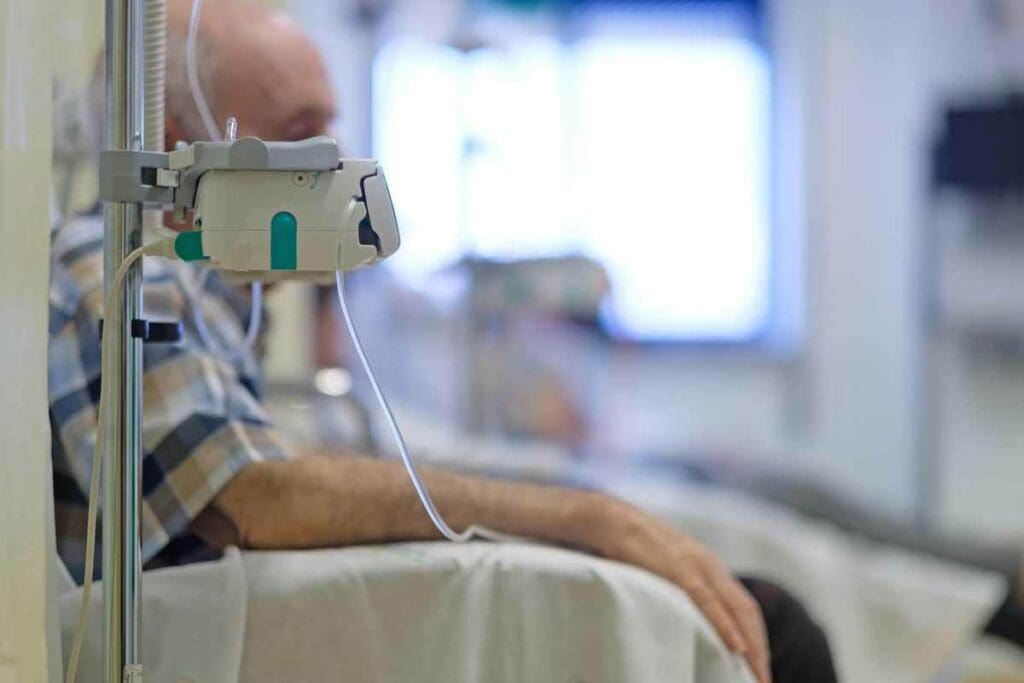
We are seeing a big change in how we treat cancer with liquid radiation therapy, also known as systemic radiation therapy. This new method uses radioactive substances given through pills or IVs to fight cancer cells all over the body.
Liv Hospital is leading this medical breakthrough. They mix advanced treatments with care that focuses on the patient for the best results. By using oral radiation pills or IV therapy, they can treat cancers like thyroid, bone, and prostate. This is done with great accuracy and often with fewer side effects.
Key Takeaways
- Liquid radiation therapy is a systemic treatment that targets cancer cells throughout the body.
- Oral radiation pills and IV radiation therapy are the primary methods of administration.
- This therapy is used to treat specific types of cancer, including thyroid, bone, and prostate cancer.
- Liv Hospital combines advanced protocols with patient-focused care for optimal outcomes.
- Systemic radiation therapy offers the possibility of targeted precision and fewer side effects.
What Is Liquid Radiation Therapy and How Does It Work?

Liquid radiation therapy uses radioactive drugs to kill cancer cells. It’s a new way to treat cancer that targets cancer cells without harming healthy tissues. This method is getting a lot of attention in the field of oncology.
Definition and Basic Principles
Liquid radiation therapy, or systemic radiation therapy, uses radiopharmaceuticals given orally or through an IV. These drugs travel through the blood to find and attach to cancer cells. This precise targeting helps protect healthy cells and tissues.
The goal of liquid radiation therapy is to give cancer cells a high dose of radiation. This makes it great for treating cancers that have spread or are hard to reach with other treatments.
The Science Behind Targeting Cancer Cells
The science behind liquid radiation therapy is its ability to find and target cancer cells. For example, some radioactive isotopes are drawn to thyroid tissue, making them good for treating thyroid cancer. This targeted method can lead to better treatment results with fewer side effects than traditional radiation therapy.
Some key ways liquid radiation therapy targets cancer cells include:
- Using radioactive isotopes that only bind to cancer cells
- Delivering radiation directly to tumors through the blood
- Being able to treat many tumor sites at once, which is good for treating cancer that has spread
Understanding how liquid radiation therapy works helps us see its value in cancer treatment. As research improves, this therapy will likely play a bigger role in fighting cancer.
Key Fact #1: Types of Liquid Radiation Therapy Available Today

Cancer treatment has changed with the introduction of liquid radiation therapy. This includes oral and intravenous methods. It offers new hope for patients with targeted and effective treatments.
Oral Radiation Pills and Tablets
Oral radiation pills, like radioactive iodine, are key in treating some cancers, like thyroid cancer. These pills are taken by mouth. They let the body absorb the radioactive material, targeting cancer cells.
Using oral radiation pills makes treatment easier for many. It means no need for hospital stays or complex setups.
Intravenous Radiation Treatment Options
Intravenous (IV) radiation treatment is also vital in liquid radiation therapy. Therapies like Lutathera are given through an IV. This puts the radioactive compound straight into the bloodstream.
This method works well for neuroendocrine tumors and some prostate cancers. IV radiation therapy targets cancer cells well, protecting healthy tissues nearby.
The table below shows the main differences between oral and IV radiation therapy:
| Treatment Type | Administration Method | Primary Cancer Types Treated |
| Oral Radiation Pills | Oral ingestion | Thyroid Cancer |
| Intravenous Radiation Therapy | IV administration | Neuroendocrine Tumors, Prostate Cancer |
Oral and IV radiation therapies have changed oncology a lot. They give patients more choices and better results. As research goes on, we’ll see more improvements in liquid radiation therapy. It might help treat even more types of cancer.
Key Fact #2: Cancer Types Effectively Treated with Radiation Pills
Liquid radiation therapy is showing great promise in treating different cancers. It’s proving to be a game-changer, making treatment options better for patients.
Thyroid Cancer and Radioactive Iodine
Radioactive iodine, or I-131, is a key player in treating thyroid cancer. It works by targeting thyroid cells, which take in iodine naturally. This method has greatly helped those with certain types of thyroid cancer.
Neuroendocrine Tumors and Targeted Therapies
Neuroendocrine tumors (NETs) also benefit from liquid radiation therapy. Lutathera (Lutetium Lu 177 dotatate) targets NET cells, delivering precise radiation. This has led to better results for patients with advanced NETs.
Prostate Cancer Applications
Researchers are looking into liquid radiation therapy for prostate cancer, mainly for advanced cases. It’s a new approach that could lead to fewer side effects and better results for patients.
The use of radiation pills in treating various cancers is a big step forward. As studies continue, we expect to see even more uses and better treatments.
- Thyroid Cancer: Radioactive iodine is a well-established treatment.
- Neuroendocrine Tumors: Lutathera offers targeted therapy.
- Prostate Cancer: Emerging applications show promise for advanced disease.
Key Fact #3: How Systemic Radiation Therapy Circulates in the Body
Systemic radiation therapy is a new way to fight cancer. It uses liquid radiation to find and kill cancer cells all over the body. Radioactive substances are given to the patient, then they travel through the blood to find cancer cells.
The Journey Through the Bloodstream
When you get systemic radiation therapy, it goes into your body through an IV or pills. The radioactive agents then move through your blood. They look for cancer cells everywhere in your body.
Targeting Mechanisms of Radioactive Drugs
This therapy is good because it only attacks cancer cells. The drugs used are made to stick to cancer cells. This means they can give a strong dose of radiation right to the tumor.
This way of treating cancer is very promising. It helps keep healthy tissues safe. As scientists learn more, we might see even better ways to use liquid radiation therapy against cancer.
Key Fact #4: Advantages of Liquid Radiation Over Traditional Methods
Liquid radiation therapy is changing cancer treatment in big ways. It offers many benefits over old methods. This new approach is showing great promise in improving patient results and cutting down on side effects.
Precision Targeting of Cancer Cells
Liquid radiation therapy is great at finding and killing cancer cells. It sends radioactive agents straight to tumors. This way, it kills cancer while keeping healthy tissues safe.
Reduced Impact on Healthy Tissues
This therapy’s precision means it affects healthy tissues less. This leads to fewer side effects. It’s a big plus for patients with tumors close to important organs.
Treatment of Widespread or Metastatic Disease
Liquid radiation therapy is also good for treating cancer that has spread. It can reach and treat tumors all over the body. This makes it a strong choice for cancers that have moved to other parts of the body.
| Advantages | Liquid Radiation Therapy | Traditional Radiation Therapy |
| Precision Targeting | Directly targets cancer cells | May affect surrounding healthy tissues |
| Side Effects | Fewer side effects due to precision | More side effects due to broader impact |
| Treatment Scope | Effective for widespread or metastatic disease | Limited to localized tumors |
Key Fact #5: Potential Side Effects and Safety Considerations
Like any cancer treatment, liquid radiation therapy comes with its own set of side effects and safety concerns. This therapy targets cancer cells with fewer side effects than traditional methods. It’s important for patients and caregivers to know about these risks.
Common Side Effects of Oral Radiation Pills
Oral radiation pills can cause side effects. Some people might feel mild to moderate nausea, get tired easily, or notice changes in taste. Severe reactions include bone marrow suppression, which can lead to infections or bleeding. We keep a close eye on patients to manage these side effects well.
IV Radiation Treatment Reactions
IV radiation therapy can also lead to different reactions. Common issues are infusion-related reactions like fever or chills. Some might lose hair temporarily or see changes in blood counts. Knowing about these reactions helps us manage them better.
Radiation Safety Protocols for Patients and Caregivers
To reduce radiation exposure, we follow strict safety protocols. Patients and caregivers learn about safe handling practices and radiation safety guidelines. This includes sleeping in separate beds for a few days after treatment and avoiding close contact with pregnant women and young children.
By understanding the possible side effects and following safety guidelines, patients can reduce risks from liquid radiation therapy. We support patients closely to ensure they are well-informed and supported during their treatment.
Key Fact #6: The Patient Experience During Liquid Radiotherapy
The journey through liquid radiotherapy has many stages, from getting ready to aftercare. It’s key to know how patients feel to give them the best care.
Preparation Before Treatment
Before starting liquid radiotherapy, patients go through several steps. They get medical checks, talk about what to expect, and learn how to keep others safe from radiation.
The Administration Process
Liquid radiotherapy is given in a medical setting. Doctors watch over the process to make sure it’s safe and works well.
Post-Treatment Care and Monitoring
After treatment, patients learn how to keep their loved ones safe from radiation. They also have regular check-ups to see how they’re doing and handle any side effects.
By understanding and supporting patients during liquid radiotherapy, doctors can make care better and improve results.
Key Fact #7: Breakthrough Advancements in Radioactive Chemotherapy Drugs
Discoveries in radioactive chemotherapy are changing how we treat cancer. These breakthroughs are making treatments more effective and opening up new possibilities for liquid radiation therapy.
Recent Innovations in Liquid Radiation
New liquid radiation therapy drugs are being developed. They aim to target cancer cells more precisely, reducing harm to healthy tissues.
Promising Results for Treatment-Resistant Cancers
Clinical trials are showing great promise for cancers that don’t respond well to treatment. Some patients are seeing their tumors shrink or even disappear. This is a big hope for those with advanced cancer.
Ongoing Clinical Trials and Future Directions
More research is underway to improve radioactive chemotherapy drugs. Scientists are looking into combining drugs and tailoring treatments to each patient’s needs.
| Clinical Trial Focus | Number of Trials | Expected Outcomes |
| Combination Therapies | 15 | Enhanced treatment efficacy |
| Personalized Medicine | 8 | Tailored treatment approaches |
| Treatment-Resistant Cancers | 20 | Improved patient outcomes |
Who Is a Candidate for Liquid Radiation Treatment?
To see if someone can get liquid radiation treatment, doctors look at their medical history and current health. This helps figure out if the treatment could help them.
Medical Criteria for Treatment Eligibility
Doctors check a few things to decide if liquid radiation therapy is right. They look at the type and stage of cancer, the patient’s health, and past treatments. Specific cancers, like thyroid cancer and neuroendocrine tumors, often get this treatment. Our oncologists use these details to choose the best treatment.
Important factors for treatment include:
- Having certain cancer types that respond well to liquid radiation therapy
- The cancer’s stage and whether it has spread
- The patient’s health and whether they can handle the treatment
- What treatments they’ve had before and how they worked
When Doctors Recommend Radiation Pills Over Other Options
Doctors might pick liquid radiation therapy for its targeted approach and fewer side effects. Studies show it works well for some cancers, making it a good choice instead of traditional radiation. For more info, check out studies on PubMed Central.
Questions to Ask Your Oncologist About Liquid Radiation
If you’re thinking about liquid radiation therapy, talk to your oncologist about these questions:
- What are the benefits and risks of liquid radiation therapy for my condition?
- How will they decide if I’m eligible, and what tests will I need?
- What results can I expect from the treatment, and how will success be measured?
- Are there other treatments that might be better for me?
Asking these questions helps you understand if liquid radiation therapy is right for you. It also prepares you for what to expect during treatment.
Conclusion: The Future of Liquid Radiation Therapy in Cancer Care
Liquid radiation therapy is a big step forward in cancer treatment. It gives new hope to patients with different cancers. This method has shown great promise in fighting cancer cells without harming healthy tissues too much.
We’ve looked at the different forms of liquid radiation therapy. This includes oral pills and treatments given through the veins. It has the power to change cancer care a lot. It could help treat thyroid cancer, neuroendocrine tumors, and prostate cancer, among others.
The outlook for liquid radiation therapy in cancer care is very good. There’s a lot of research and clinical trials going on. As new treatments come along, we’ll see even better ways to fight cancer. Liquid radiation therapy is set to be a key part of future cancer care. It will give patients more choices and hope for a better life.
FAQ
What is liquid radiation therapy?
Liquid radiation therapy is a cancer treatment. It uses radioactive substances in liquid form. These are given orally or through an IV to kill cancer cells.
How does liquid radiation therapy work?
It uses special medicines that target cancer cells. These medicines deliver a lot of radiation to the tumor. This helps avoid harming healthy tissues nearby.
What are the types of liquid radiation therapy available?
There are two main types. Oral radiation pills are taken by mouth. Intravenous (IV) radiation is given through a vein.
What cancers are treated with radiation pills?
Radiation pills help with thyroid cancer, neuroendocrine tumors, and prostate cancer. The right medicine depends on the cancer type and stage.
What are the benefits of liquid radiation therapy?
It precisely targets cancer cells. It also has fewer side effects. Plus, it can treat cancer that has spread.
What are the possible side effects of liquid radiation therapy?
Side effects include feeling tired, nausea, and changes in blood counts. IV treatment might cause site reactions. Oral pills can affect the stomach.
How is liquid radiation therapy administered?
It’s given orally or through an IV. Oral pills are taken in a hospital or clinic. IV treatment is given by a healthcare professional.
What is the patient experience like during liquid radiotherapy?
Patients prepare with blood tests and imaging before treatment. They may stay in a hospital or clinic for a few days. After, they need care and monitoring.
Who is a candidate for liquid radiation treatment?
It’s for patients with certain cancers, like thyroid or neuroendocrine tumors. Their cancer type, health, and past treatments decide if they can have it.
What are the latest advancements in liquid radiation therapy?
New medicines and better targeting are recent improvements. Clinical trials are exploring its use in more cancers.
What questions should I ask my oncologist about liquid radiation therapy?
Ask about its benefits and risks, the medicine used, and what to expect during and after treatment.
Reference:
Medical News Today. (2020). Radiation side effects: Headaches, hair loss, fatigue, and more.
https://www.medicalnewstoday.com/articles/radiation-side-effects
PubMed Central. (2021). Liquid biopsies for molecular biology-based radiotherapy.