

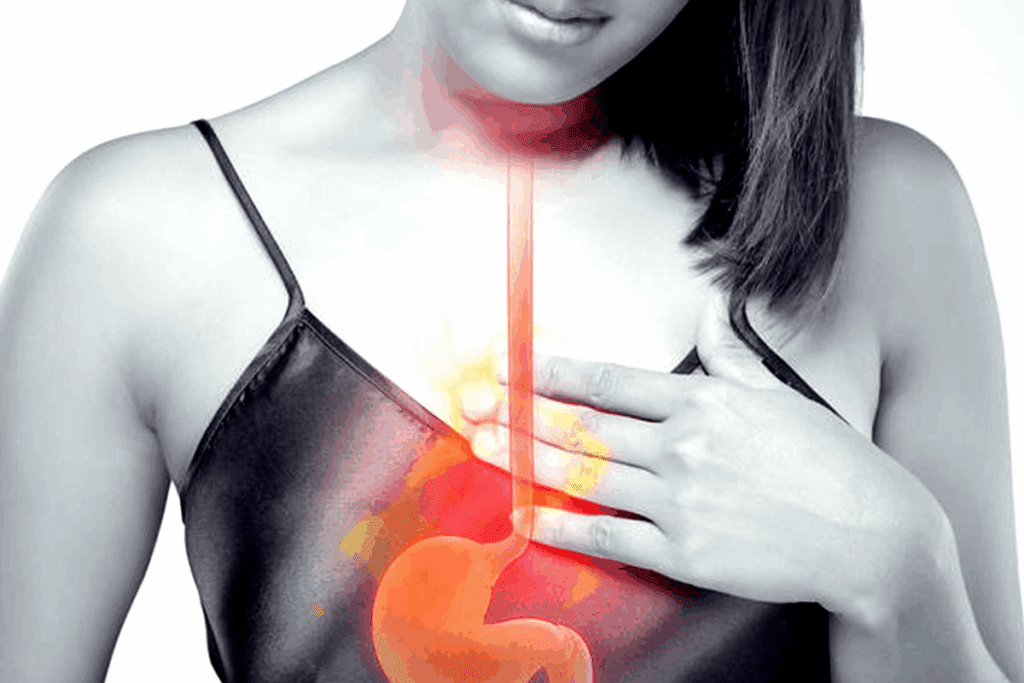
This ultimate list of foods to eat with acid reflux reveals 15 of the best, amazing, and safe options to help neutralize stomach acid. Gastroesophageal reflux disease (GERD) affects about 20 percent of people worldwide. It’s important to manage what we eat to control symptoms. Sarah Andrus, MS, RD, LDN, a dietitian at Mass General Brigham, says, “Your food should move from your mouth to your stomach smoothly. It should be digested quickly in your stomach.”
Studies show that choosing the right foods can greatly reduce or stop symptoms. We’ll look at 15 foods that help neutralize stomach acid and offer lasting relief from heartburn. This is based on medical advice and solid research.
Key Takeaways
- GERD affects a significant portion of the global population.
- Dietary management is key for symptom control.
- Certain foods can naturally neutralize stomach acid.
- Choosing the right foods can stop acid reflux symptoms.
- Medical experts recommend specific foods for heartburn relief.
Understanding GERD and the Role of Diet in Symptom Management
For those with GERD, knowing how diet helps manage symptoms is key. Gastroesophageal reflux disease (GERD) happens when stomach acid flows back into the esophagus. This can irritate the esophagus lining, causing discomfort.
How Acid Reflux Affects the Body
Acid reflux happens when the lower esophageal sphincter (LES) weakens. This lets stomach contents flow back into the esophagus. Symptoms include heartburn, chest pain, and trouble swallowing.
Sarah Andrus, MS, RD, LDN, says, “For people with chronic acid reflux or GERD, that process does not work perfectly.” This shows why managing GERD symptoms through diet and lifestyle is so important.
Why Food Choices Matter for GERD Sufferers
Diet is key in managing GERD symptoms. Some foods can make symptoms worse, while others can help. Foods high in fiber, like whole grains and oatmeal, can neutralize stomach acid.
Alkaline vegetables, such as broccoli and green beans, also help reduce symptoms. They have an alkalizing effect on stomach acid.
Food Group | Examples | Benefits for GERD |
Fiber-Rich Whole Grains | Oatmeal, Brown Rice, Whole Wheat | Helps neutralize stomach acid, reduces reflux episodes |
Alkaline Vegetables | Broccoli, Cauliflower, Green Beans | Alkalizing effect on stomach acid, reduces symptoms |
Root Vegetables | Sweet Potatoes, Carrots, Beets | Digestive benefits, can help minimize symptoms |
By choosing the right foods, people with GERD can lessen their symptoms. Using natural stomach acid reducers and avoiding triggers are important for managing GERD well.
How Dietary Changes Can Provide Natural GERD Relief
Knowing how diet affects GERD can help find natural relief. GERD is a condition where stomach acid flows back into the esophagus. This backwash can irritate the esophagus lining, causing discomfort.
Choosing the right foods is key to managing GERD symptoms. A diet full of whole foods and low in processed items can help reduce acid reflux symptoms. Sarah Andrus says, “Areas with more GERD tend to have diets that are more processed and less in fiber or whole foods.”
The Science Behind Food and Acid Production
The link between food and acid production is complex. Some foods can make the lower esophageal sphincter relax, letting stomach acid flow back. Knowing which foods help or hurt is essential for managing GERD.
Ginger tea is known to reduce stomach acid naturally. It has been used traditionally to soothe the digestive system. Adding ginger to your diet can help ease GERD symptoms.
Benefits of a GERD-Friendly Diet
Following a GERD-friendly diet has many benefits. It can reduce acid reflux symptoms and improve digestion. A diet rich in whole, nutrient-dense foods can help alleviate acid reflux naturally and prevent future episodes.
Food Group | Benefits for GERD |
Fiber-rich whole grains | Helps reduce reflux symptoms by improving digestion |
Alkaline vegetables | Can help neutralize stomach acid |
Ginger | Natural anti-inflammatory properties soothe the digestive system |
“A diet to prevent reflux should focus on whole, unprocessed foods like vegetables, whole grains, and lean proteins.”
By understanding how food affects acid production and following a GERD-friendly diet, you can lessen symptoms. This natural way to manage GERD is both effective and lasting.
Fiber-Rich Whole Grains: Oatmeal, Brown Rice, and Whole Wheat
Adding fiber-rich whole grains to your diet can really help with acid reflux. Foods like oatmeal, brown rice, and whole wheat are full of fiber. This fiber is key in easing GERD symptoms.
How Fiber Helps Reduce Reflux Symptoms
Fiber works in several ways to lessen acid reflux. It helps food move through your stomach, cutting down on acid reflux. It also absorbs stomach acid, lowering reflux risk. Oatmeal, for example, is great at soaking up stomach acid, making it a top pick for acid reflux sufferers.
Key benefits of fiber-rich whole grains include:
- Improved digestion
- Reduced symptoms of acid reflux
- Lower risk of chronic diseases such as heart disease and diabetes
Best Ways to Incorporate Whole Grains
It’s simple to add whole grains to your meals. Start with oatmeal for breakfast, topped with fruits and nuts. Switch to brown rice and whole wheat bread. Here are more tips:
- Begin your day with oatmeal or whole grain cereal.
- Use whole wheat flour for baking.
- Replace white rice with brown rice in your meals.
- Choose whole grain pasta for a healthier alternative.
By making these easy changes, you can greatly improve your diet and reduce acid reflux symptoms. A heartburn diet rich in fiber can effectively manage GERD symptoms.
Alkaline Vegetables: Broccoli, Cauliflower, and Green Beans
Adding alkaline vegetables to your meals can really help with acid reflux. Foods like broccoli, cauliflower, and green beans are low in fat and sugar. They’re also packed with nutrients that can ease GERD symptoms.
The Alkalizing Effect on Stomach Acid
Alkaline veggies can balance out stomach acid, reducing heartburn and GERD symptoms. Broccoli, for example, is full of vitamins and minerals that aid digestion.
- Broccoli: High in vitamin C and fiber, making it an excellent choice for GERD sufferers.
- Cauliflower: Rich in antioxidants and has anti-inflammatory properties.
- Green Beans: Low in acid and high in fiber, making them easy to digest.
Preparation Methods That Preserve Benefits
To get the most from alkaline veggies, choose cooking methods that keep their nutrients intact. Steaming is a great way to cook veggies without losing their goodness. Roasting also brings out their flavor without adding extra fat.
- Steaming: Helps retain vitamins and minerals.
- Roasting: Enhances flavor and texture without adding extra fat.
- Grilling: Can add a smoky flavor, but be cautious of charring, which can create carcinogens.
By adding these alkaline veggies to your meals and cooking them right, you can better manage GERD symptoms. A diet full of fruits, veggies, and whole grains is essential for avoiding heartburn and keeping your digestive system healthy.
Root Vegetables: Sweet Potatoes, Carrots, and Beets
For those with GERD, root vegetables are a great choice. They are full of fiber, vitamins, and minerals. These help manage acid reflux symptoms.
Digestive Benefits of Root Vegetables
Root veggies like sweet potatoes, carrots, and beets are packed with fiber. This fiber helps keep bowel movements regular and prevents constipation. Constipation can trigger GERD symptoms. The fiber also supports a healthy gut.
Key Benefits:
- High in dietary fiber
- Rich in antioxidants and anti-inflammatory compounds
- Good source of essential vitamins and minerals
Cooking Techniques for Maximum Relief
Cooking root vegetables the right way can make them easier to digest. Steaming or boiling is best. These methods keep nutrients in and avoid extra fats.
Vegetable | Cooking Method | Benefits |
Sweet Potatoes | Baking or Steaming | Retains fiber and vitamins |
Carrots | Steaming or Boiling | Easy to digest, rich in antioxidants |
Beets | Roasting or Boiling | High in fiber, anti-inflammatory properties |
Adding these root vegetables to your diet can help with acid reflux. Using the right cooking methods can also boost your digestive health.
Ginger: Nature’s Acid Reflux Remedy
Ginger is known for its natural anti-inflammatory properties. It has been used for centuries to help with acid reflux and GERD. Its ability to aid digestion makes it a great option for those with acid reflux symptoms.
Scientific Evidence Supporting Ginger for GERD
Ginger contains compounds like gingerol and shogaol, which are anti-inflammatory. Research shows ginger can reduce inflammation in the digestive tract. This can help alleviate GERD symptoms.
Studies also suggest ginger improves gastric motility. This can lower the risk of acid reflux.
Key Findings:
- Ginger’s anti-inflammatory properties can help reduce inflammation in the esophagus and stomach.
- Ginger may aid in improving gastric motility, reducing the likelihood of acid reflux.
- The active compounds in ginger, such as gingerol, have been shown to have a positive effect on digestive health.
How to Prepare Ginger Tea for Maximum Benefits
Making ginger tea is easy and effective for acid reflux relief. Start by peeling and slicing fresh ginger. Boil water and add the ginger slices, letting it steep for 5-10 minutes. You can strain the tea or leave the ginger in for added benefits.
Tips for Preparation:
- Use fresh ginger for the most potent benefits.
- Adjust the amount of ginger to your taste preference.
- You can add a squeeze of lemon or a bit of honey to enhance the flavor.
Adding ginger tea to your diet can help reduce your need for acid reflux medication. It offers a natural and soothing remedy.
Non-Citrus Fruits: Bananas, Melons, and Apples
Non-citrus fruits are great for a GERD-friendly diet. They offer important nutrients without making symptoms worse. These fruits are low in acid and high in fiber, making them perfect for managing acid reflux.
Why These Fruits Don’t Trigger Reflux
Non-citrus fruits like bananas, melons, and apples are less likely to cause reflux. They are gentler on the digestive system than citrus fruits. Bananas, for example, are low in acid and rich in potassium, which can reduce inflammation.
Melons are also good choices because they are alkaline and full of water. This helps dilute stomach acid. Apples, while sometimes debated due to their acidity, are generally safe in moderation, more so for sweeter and less acidic types.
Best Times to Consume Fruits for GERD Sufferers
Timing is key when eating fruits for GERD. Eating non-citrus fruits at the right time can help avoid triggering reflux. It’s best to eat them when your stomach is not empty to avoid discomfort.
Having non-citrus fruits as snacks or part of meals is a good idea. For example, a banana with oatmeal or an apple with almond butter is both tasty and GERD-friendly. Also, avoid fruits before bed to prevent nighttime reflux.
By adding non-citrus fruits to your diet at the right times, you can enjoy their health benefits while managing GERD symptoms.
Berries: Strawberries, Blueberries, and Raspberries
For those with GERD, berries like strawberries, blueberries, and raspberries are a tasty choice. They’re not just yummy but also full of nutrients that can ease acid reflux symptoms.
Antioxidant Benefits for Digestive Health
Berries are full of antioxidants, which are key for a healthy gut. Antioxidants reduce inflammation in the stomach and esophagus, making GERD symptoms less painful. Their high fiber content also helps with digestion and keeps the gut healthy.
Strawberries are rich in vitamin C and manganese, boosting their antioxidant power. Blueberries have a high antioxidant capacity, protecting the digestive tract. Raspberries are high in fiber and have anti-inflammatory compounds that soothe the digestive system.
Low-Acid Berry Options
Managing acid reflux means choosing low-acid foods. Luckily, many berries are naturally low in acid, making them perfect for this. Here’s how different berries compare in acidity levels:
Berry Type | pH Level | Acidity Level |
Strawberries | 3.5 | Low |
Blueberries | 3.2 | Low |
Raspberries | 3.0 | Moderate |
Adding these berries to your diet can be a delicious way to manage acid reflux. Enjoy them fresh, mix them into oatmeal or yogurt, or blend them into smoothies. By choosing the right foods, people with GERD can control their symptoms and improve their digestive health.
Complete List of Foods to Eat with Acid Reflux
Adding the right foods to your diet can help manage acid reflux symptoms. Making smart dietary changes can offer natural relief from GERD and prevent reflux.
All 15 Recommended Foods at a Glance
We’ve found 15 foods that can ease acid reflux symptoms. These include:
- Fiber-rich whole grains like oatmeal, brown rice, and whole wheat
- Alkaline vegetables such as broccoli, cauliflower, and green beans
- Root vegetables including sweet potatoes, carrots, and beets
- Ginger, known for its natural remedial properties
- Non-citrus fruits like bananas, melons, and apples
- Berries, including strawberries, blueberries, and raspberries
Creating a Balanced GERD-Friendly Meal Plan
To make a balanced meal plan, mix these foods to fit your needs. For instance, oatmeal and fruits for breakfast can help manage symptoms.
Sample Meal Plan:
- Breakfast: Oatmeal with bananas and berries
- Lunch: Grilled chicken with roasted vegetables like broccoli and carrots
- Dinner: Brown rice with steamed green beans and ginger-infused chicken
By using these foods and meal ideas, you can improve your diet. This can lead to natural GERD relief and a balanced diet to prevent reflux.
Dairy Considerations: Yogurt, Milk, and Plant-Based Alternatives
Dairy products like milk and yogurt can be good for some with GERD. But, they might not work for everyone. Some people find relief, while others see their symptoms get worse.
Is Milk Bad for Acid Reflux?
Whether milk is bad for acid reflux isn’t clear-cut. Whole milk has fat, which can slow digestion and make symptoms worse. Yet, low-fat or fat-free milk might be easier to digest.
Sarah Andrus says, “Dairy products are a reliable source of alkaline foods.” These can help balance stomach acid.
For those who can’t digest lactose, milk can cause bloating and gas. This can make GERD symptoms even harder to handle.
Fermented Dairy Options
Fermented dairy like yogurt is often suggested for its health benefits. It has probiotics, which help with digestion and might lessen acid reflux symptoms. The live cultures in yogurt also support a healthy gut.
When picking yogurt, choose low-sugar and low-fat options. Greek yogurt is a good choice because it’s high in protein and has less lactose than regular yogurt.
Non-Dairy Alternatives for Sensitive Individuals
For those who react badly to dairy, non-dairy options are a good alternative. Plant-based milks like almond, soy, and oat milk are popular. They might be less likely to trigger reflux, but everyone’s body is different.
When choosing non-dairy milk, go for unsweetened and unflavored types. This helps avoid adding extra sugars or irritants to your diet.
Practical Tips for Implementing a GERD-Friendly Diet
To manage GERD well, you need a diet that lessens symptoms and aids healing. It’s not just about avoiding certain foods. It’s also about eating habits that lower acid reflux. Here are some tips to help you follow this diet.
Meal Timing and Portion Control
Eating smaller meals often is key in managing GERD. This method reduces pressure on the lower esophageal sphincter, lowering acid reflux risk. Here’s what we recommend:
- Eat 4-6 small meals a day
- Avoid big meals that put stomach pressure
- Don’t lie down after eating; wait 2-3 hours before bed
By managing meal sizes and timing, you can lessen GERD symptoms and boost digestive health.
Food Combinations That Minimize Symptoms
Some food combinations worsen GERD symptoms, while others help. Knowing which foods pair well is important. For example:
- Pairing alkaline veggies like broccoli and cauliflower with lean proteins can neutralize stomach acid.
- Stay away from fatty foods with acidic or spicy ones to avoid acid reflux.
Try different food mixes to find what’s best for you.
“The key to managing GERD is not just about what you eat, but how you eat it. Paying attention to meal timing, portion control, and food combinations can make a significant difference.”
Tracking Food Triggers and Responses
Keeping a food diary helps track food triggers and how your body reacts. It lets you see which foods cause GERD symptoms. Here’s how to do it:
- Write down everything you eat and drink for two weeks
- Note the time and portion sizes
- Rate your symptoms after each meal
This method helps you find out which foods trigger GERD and make better diet choices.
By following these tips, you can control GERD symptoms and enhance your life quality. Remember, managing GERD is a journey that needs patience, persistence, and the right advice.
Conclusion
Adding the right foods and changes to your diet can help with GERD. This includes foods that prevent acid reflux and lifestyle changes. Sometimes, you might also need medical help.
We’ve looked at foods that can stop GERD symptoms. These include whole grains, alkaline veggies, and non-citrus fruits. Adding these to your meals can help with acid reflux.
A good diet, knowing which foods trigger GERD, and making smart food choices can greatly improve your life. By choosing the right foods, you can lessen GERD symptoms. This leads to a healthier and more balanced lifestyle.
Following a GERD-friendly diet takes dedication, but it’s worth it. Eating foods that help and avoiding triggers can give you natural relief from GERD. This improves your overall health and well-being.
FAQ
What are the best foods to eat with acid reflux?
We suggest adding fiber-rich whole grains and alkaline veggies to your diet. Also, include root veggies, ginger, non-citrus fruits, and berries. These can help ease GERD symptoms.
How can dietary changes provide natural GERD relief?
Understanding how food affects acid production is key. Making smart food choices can greatly reduce GERD symptoms. A diet friendly for GERD can make a big difference.
Are bananas good for acid reflux?
Yes, bananas are a good choice for those with GERD. They are less likely to cause reflux. You can eat them at any time of day.
Is milk bad for acid reflux?
Milk can be a problem for some with acid reflux. But it’s not a problem for everyone. Our guide explores the good and bad of milk, yogurt, and plant-based options.
What are some natural stomach acid reducers?
Ginger, alkaline veggies, and whole grains are natural reducers of stomach acid. They can help ease GERD symptoms.
How can I create a balanced GERD-friendly meal plan?
We offer tips for a balanced meal plan with 15 foods good for acid reflux. Learn about meal timing, portion sizes, and tracking food triggers.
Can ginger tea help with acid reflux?
Yes, ginger tea can help with digestion and inflammation. We share how to make ginger tea for the best benefits.
What foods can help neutralize stomach acid?
Alkaline veggies like broccoli and green beans can neutralize stomach acid. They have an alkalizing effect.
Are there any specific foods that can help alleviate heartburn?
Yes, ginger, non-citrus fruits, and berries can help with heartburn. We list the 15 best foods for acid reflux.
How can I track my food triggers and responses?
We offer tips on tracking food triggers and responses. This helps identify and avoid foods that worsen GERD symptoms.
References
Government Health Resource. Evidence-Based Medical Guidance. Retrieved from https://www.massgeneralbrigham.org/en/about/newsroom/articles/diet-for-gerd



 Departments
 Related Videos
 Our Doctors
 News
News






















