After getting Extracorporeal Shock Wave Lithotripsy (ESWL) for kidney stones, patients often feel a lot of pain. Lithotripsy, by definition, is a non-invasive procedure that uses shock waves to break kidney stones into smaller pieces so they can pass more easily. We know that managing pain well is key to a smooth recovery. Most patients, up to 90%, say they feel moderate to severe pain after it. So, finding good pain relief is very important. At our place, we make sure patients are comfortable. We use different pain management plans for each person.
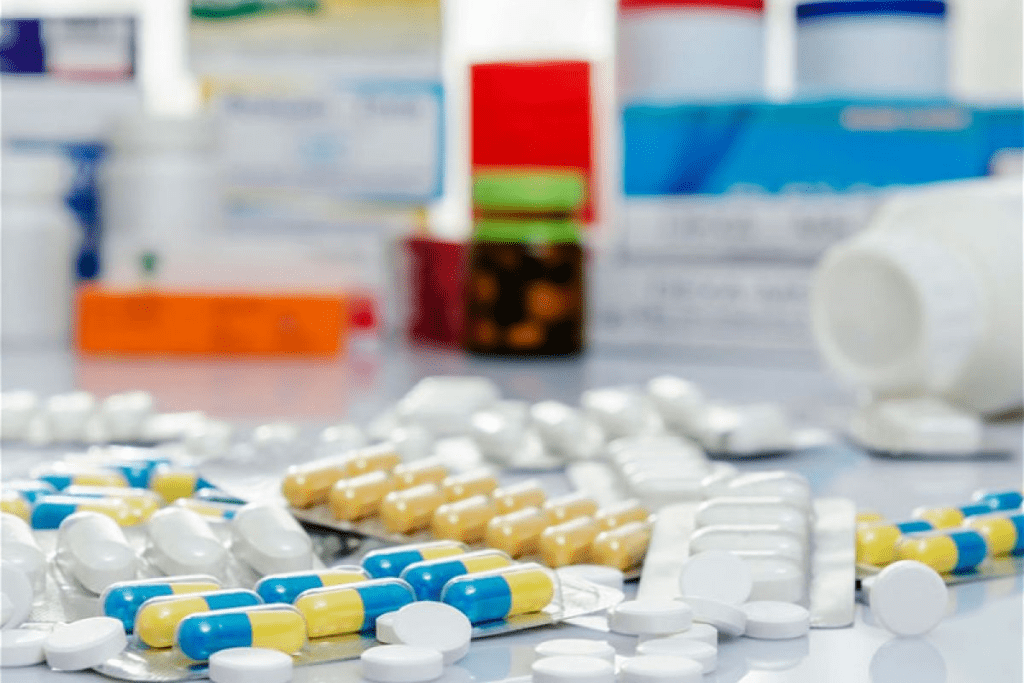
We talk about the best ways to ease pain, like NSAIDs and opioids. Knowing these options helps patients deal with their pain better during recovery.
Key Takeaways
- Effective pain management is key after ESWL.
- Up to 90% of patients feel a lot of pain.
- We use many ways to manage pain.
- NSAIDs and opioids are common pain relief choices.
- We always put patient comfort first during recovery.
Understanding Lithotripsy Definition and Post-Procedure Pain
It’s important to know about lithotripsy to manage pain after the procedure. Lithotripsy, or ESWL, is a non-invasive method. It uses shock waves to break down kidney stones into smaller pieces.
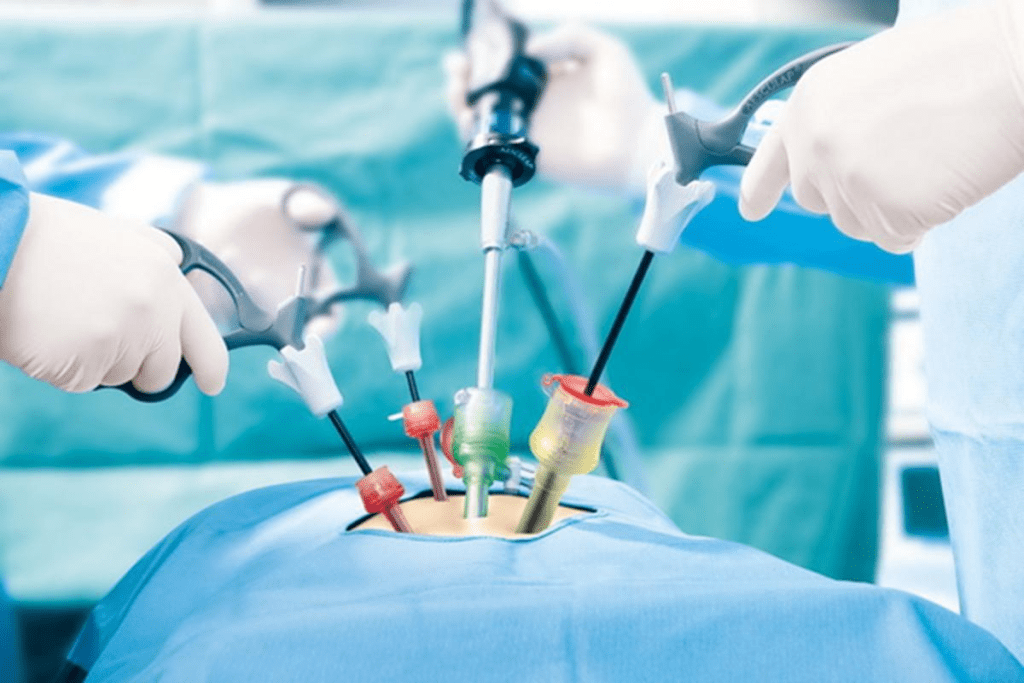
What is extracorporeal shock wave lithotripsy (ESWL)?
ESWL is a medical procedure that uses shock waves to break down kidney stones. This makes it easier for patients to pass the stone fragments. It’s a non-invasive technique that has changed how we treat kidney stones.
Why 90% of patients experience moderate to severe pain
The shock waves in ESWL can cause discomfort and pain. Up to 90% of patients feel this pain. The pain can come from several factors, including:
- The size and location of the stone
- The number of shock waves administered
- Individual pain tolerance
Common locations and characteristics of post-ESWL pain
Post-ESWL pain can occur in different areas, like the back, abdomen, and groin. The pain can feel like a dull ache or sharp, severe pain. Some common signs include:
- Pain that radiates from the back to the groin
- Discomfort that worsens with movement or urination
- Pain that is accompanied by other symptoms like nausea or fever
Understanding ESWL and post-procedure pain is key for healthcare providers. It helps them develop better pain management strategies.
NSAIDs: First-Line Pain Management After ESWL
Managing pain after ESWL is key, and NSAIDs are very effective. We often suggest NSAIDs first because they work well and have fewer side effects.
Effectiveness of Intramuscular Diclofenac Sodium
Intramuscular diclofenac sodium, at a dose of 75 mg, is very effective for pain after ESWL. Studies show big drops in pain scores using visual analogue scales, proving its success.
“Diclofenac sodium is a key part of our pain plan for ESWL patients,” says a top urologist. This is backed by many studies showing it works well.
Other NSAID Options
Other NSAIDs like ketorolac, ibuprofen, and naproxen are also used for ESWL pain. Each has its own strengths and possible side effects.
- Ketorolac is known for its strong pain relief.
- Ibuprofen is popular because it’s easy to get and works well.
- Naproxen lasts longer, which helps some patients.
Visual Analogue Pain Score Improvements with NSAIDs
NSAIDs’ success in ESWL pain is often checked with visual analogue pain scales. Big improvements in pain scores show their importance in pain care.
NSAIDs are vital in managing ESWL pain. Their effectiveness and fewer side effects make them a top choice for treatment.
Opioid Medications for Severe Post-ESWL Pain
For those with severe pain after ESWL, opioid meds might be an option. While NSAIDs are first, some need stronger relief.
When Morphine and Other Strong Opioids Are Necessary
When NSAIDs don’t work, morphine might be needed. It’s strong but has side effects to watch.
It’s for those with high pain tolerance or big trauma. Doctors decide based on your health and history.
Tramadol as a Moderate-Strength Alternative
Tramadol is for those needing more than NSAIDs but not strong opioids. It’s for moderate pain and has different side effects.
It works by affecting brain receptors and blocking pain signals. This can help manage pain well.
Managing Opioid Side Effects: Nausea and Respiratory Depression
Opioids can cause nausea and constipation. But respiratory depression is a big risk.
Doctors watch patients closely and adjust doses. They use antiemetics for nausea. They also check for signs of breathing problems.
By weighing risks and benefits, doctors can help manage pain after ESWL. This ensures comfort and safety during recovery.
Pre-emptive Analgesia Strategies Before Lithotripsy
Using pain relief medicine before ESWL can greatly lessen pain after the treatment. This method, called pre-emptive analgesia, is getting more attention. It’s believed to help patients feel less pain after the procedure.
Medications Administered Prior to the Procedure
Many medicines are used for pre-emptive analgesia before lithotripsy. Nonsteroidal anti-inflammatory drugs (NSAIDs) like diclofenac and ibuprofen are often given. They help reduce inflammation and pain. Sometimes, opioids are used too, if the pain is expected to be very bad.
Evidence for Preventive Pain Management Effectiveness
Research shows pre-emptive analgesia is very good at lowering pain after ESWL. A big study looked at many trials and found that those who got pre-emptive analgesia had less pain. They also needed fewer pain medicines after the treatment. This makes a strong case for using pre-emptive analgesia to manage pain after lithotripsy.
Balancing Sedation and Pain Control
One big challenge in pre-emptive analgesia is finding the right balance between sedation and pain relief. Too much sedation can cause serious problems like breathing issues. Doctors need to carefully adjust the doses of pain and sedation medicines to keep patients comfortable and safe.
By using pre-emptive analgesia, doctors can make ESWL better for patients. This approach not only makes patients more comfortable but also leads to better results overall.
Non-Pharmacological Pain Management Techniques
Non-pharmacological pain management techniques are great additions to traditional pain relief methods after ESWL. They help patients feel more comfortable and need less medication.
Acupuncture: Evidence from Meta-Analyses
Acupuncture is being looked at as a way to manage pain after ESWL. Meta-analyses show it can really cut down on pain. Adding acupuncture to a pain plan can be a good move.
The evidence for acupuncture includes:
- Lower pain scores
- Less need for pain meds
- Higher patient satisfaction
Transcutaneous Electrical Nerve Stimulation (TENS) Applications
TENS is another non-medical way to handle pain after ESWL. It sends electrical impulses to the area, blocking pain signals to the brain.
Benefits of TENS are:
- It’s safe and non-invasive
- Works well with other pain methods
- Gives quick pain relief
Heat Therapy and Positioning for Comfort
Heat therapy and the right position are simple but effective for pain after ESWL. Heat can relax muscles and lessen pain.
Positioning can also help by:
- Lessening strain on the area
- Boosting blood flow
- Making patients feel more comfortable
By using these non-medical pain management methods, we can help patients get better relief from post-ESWL pain.
Institutional Protocols and Patient-Specific Factors
Managing pain after ESWL changes a lot from one place to another. This is because of different institutional protocols and what each patient needs.
Determining Pain Management Approaches
Places decide how to handle pain based on their rules. These rules come from the latest studies and guidelines. Some might start with NSAIDs, while others might use opioids for more pain. These rules aim to help with pain while watching out for side effects.
Patient Factors Affecting Medication Selection
What each patient needs affects their pain medicine. Things like their health history, what meds they’re on, and other health issues matter. For example, someone with stomach problems might get a different NSAID or extra meds to help.
Multidisciplinary Approaches to Post-ESWL Care
Working together is key to the best care after ESWL. Urologists, pain doctors, nurses, and others team up. This way, they can make a plan that fits each patient’s needs, helping them feel better and avoiding complications after lithotripsy.
We know that treating pain after ESWL needs a plan that fits each person. By working together, doctors can make sure patients get the best care. This makes their recovery better and their experience more positive.
Conclusion: Optimizing Pain Relief After ESWL
Managing pain well is key after ESWL, a non-invasive treatment for kidney stones. We’ve looked at ways to reduce pain, like NSAIDs, opioids, and other methods. Knowing these options helps doctors create care plans for ESWL patients.
Improving recovery from lithotripsy involves both hospital rules and what’s best for each patient. Our study shows that treating pain in many ways is best. This approach helps patients get better and feel supported during their recovery.
FAQ
What is extracorporeal shock wave lithotripsy (ESWL)?
ESWL is a non-invasive treatment for kidney stones. It breaks stones into smaller pieces. These pieces can then be passed out of the body easily.
Why do patients experience pain after ESWL?
The shock waves from ESWL can cause pain in up to 90% of patients. The pain’s intensity and location depend on the stone’s size and where it is.
What pain relief options are available after ESWL?
NSAIDs like diclofenac sodium and ibuprofen are often first used for pain after ESWL. For severe pain, opioids like morphine might be considered.
How effective are NSAIDs in managing post-ESWL pain?
NSAIDs are very effective in reducing pain. Studies show they can significantly lower pain scores. Intramuscular diclofenac sodium is very effective.
What are the possible side effects of opioids used for post-ESWL pain?
Opioids can lead to nausea and breathing problems. It’s important to manage these side effects to keep patients safe and comfortable.
What is pre-emptive analgesia, and how does it help?
Pre-emptive analgesia is giving pain relief before ESWL to lessen pain later. It has been shown to be very effective in reducing discomfort after ESWL.
Are there non-pharmacological techniques to manage pain after ESWL?
Yes, techniques like acupuncture, TENS, heat therapy, and proper positioning can help manage pain after ESWL.
How do healthcare facilities determine their pain management strategies for ESWL?
Pain management strategies for ESWL vary between facilities. They are influenced by protocols and patient-specific factors. A team approach is key for the best care.
What is the role of patient-specific factors in pain management after ESWL?
Factors like the stone’s size and location affect the choice of medication and pain management plan.
How can patients optimize their pain relief after ESWL?
Patients can improve their pain relief by understanding available options, the importance of pre-emptive analgesia, and the role of protocols and factors specific to them. This helps navigate the recovery process better.
What is shock wave lithotripsy for kidney stones?
Shock wave lithotripsy, or ESWL, is a procedure to treat kidney stones. It breaks stones into smaller pieces that can be easily passed out of the body.
What are the complications or side effects of lithotripsy?
Complications or side effects of lithotripsy include pain, nausea, and breathing problems. Managing these side effects is important for patient safety and comfort.
References
- European Association of Urology. (2023). EAU Guidelines on Urolithiasis.https://uroweb.org/guidelines/urolithiasis/