


Gallbladder Health: Importance, Symptoms, and Prevention
Maintaining good gallbladder health is vital for proper digestion and overall wellness. The gallbladder plays an important role in storing bile and helping your body digest fats efficiently. Understanding how it functions, recognizing early symptoms of disease, and adopting preventive habits are key steps in protecting your gallbladder health.
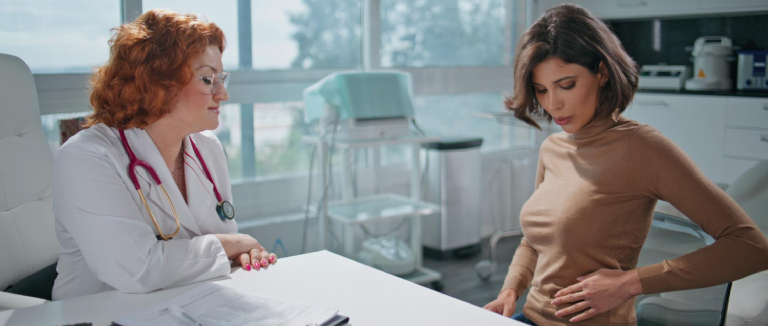
What Is the Gallbladder?
- The gallbladder is a small, hollow, pear-shaped organ tucked under the liver on the upper right side of the abdomen.
- Its primary role is storage and concentration of bile, a digestive fluid made by the liver.
- While the gallbladder is not responsible for producing bile itself, it regulates when and how much bile is released into the small intestine, particularly after eating foods that contain fat.
Where Is the Gallbladder Located?
- Anatomically, it lies beneath the right lobe of the liver and connects to the biliary tree via the cystic duct.
- The cystic duct merges with the common hepatic duct to form the common bile duct, which carries bile to the small intestine.
- Knowing this location helps explain why gallbladder pain is typically felt in the upper right abdomen and may radiate to the back or right shoulder blade.
What Is the Function of the Gallbladder?
Efficient bile release supports smoother digestion, reduced bloating after meals, and better absorption of fat-soluble vitamins (A, D, E, and K).
The gallbladder concentrates bile during fasting periods and releases it when food, especially fat, enters the small intestine.
Bile helps emulsify dietary fats, making them easier to digest and absorb.
Common Gallbladder Conditions
Gallstones: The most common issue affecting gallbladder health. When bile concentration decreases, sediment or stones may form, leading to pain or nausea after meals.
Gallbladder polyps: Benign growths on the gallbladder wall that may increase in size over time. Larger polyps carry a higher cancer risk.
Cholecystitis: Inflammation caused by gallstones blocking the cystic duct, often requiring urgent surgical care.
Obstructive jaundice: Occurs when stones block bile flow, leading to yellowing of the skin and eyes.
Gallstone pancreatitis: Pancreatitis is an inflammation of the pancreas caused by stones entering the bile duct.
Gallbladder cancer: A rare but aggressive condition that can spread rapidly if not detected early.
Regular check-ups and maintaining gallbladder health can reduce the risk of these serious conditions.
Signs That Indicate Gallbladder Problems
- Persistent upper-right abdominal pain after eating.
- Nausea or vomiting, especially after fatty meals.
- Yellowing of the skin and eyes (jaundice).
- Bloating and digestive discomfort.
- Unintentional weight loss and fatigue.
If you experience any of these symptoms, seek medical advice promptly to protect your gallbladder health.
How Are Gallbladder Dıseases Treated?
The most common treatment is cholecystectomy, or surgical removal of the gallbladder. This procedure does not cause deficiencies, as the organ only stores bile it does not produce it. Many patients notice improved digestion and comfort after surgery, helping restore gallbladder health.
Treatment Options
- Gallstones: Surgery is recommended when symptoms occur or stones are numerous and small.
- Gallbladder polyps: Surgery is advised for polyps near or over 1 cm in size.
- Cholecystitis: Requires emergency surgical treatment.
- Obstructive jaundice: May need ERCP (endoscopic removal) followed by surgery.
- Gallstone pancreatitis: Managed with pancreatitis treatment, then bile duct clearance and surgery.
- Gallbladder cancer: Early detection allows curative surgery, sometimes including nearby liver tissue removal.
Effective management and early diagnosis play a critical role in sustaining gallbladder health.
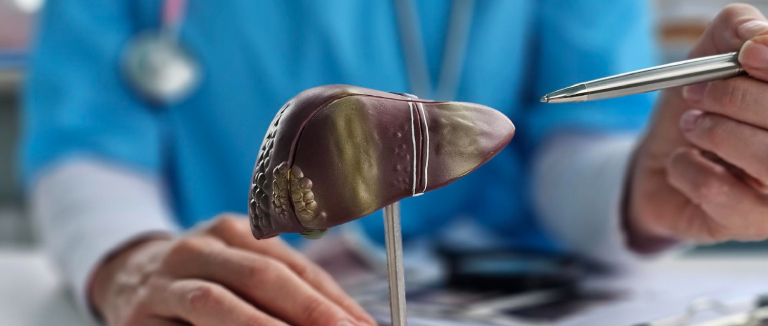
Warning Signs: Symptoms That May Indicate Gallbladder Problems
Some symptoms are subtle; others are unmistakable. Prompt attention can prevent complications.
- Persistent upper-right abdominal pain that may worsen after eating, particularly after fatty foods.
- Nausea or vomiting following meals.
- Jaundice (yellowing of the skin and eyes), dark urine, light-colored stools.
- Bloating, belching, and digestive discomfort.
- Unintentional weight loss, fatigue, or a prolonged decrease in appetite.
- Fever with abdominal pain (possible infection or inflammation requiring urgent care).
If you experience any of these symptoms, especially if they recur or intensify, seek medical advice promptly to evaluate your gallbladder health and avoid emergencies.
Best Practices for Maintaining Gallbladder Health
Prevention hinges on daily habits that reduce risk factors and support normal bile flow.
Monitor Risk Factors
- Family history of gallstones or gallbladder disease.
- Metabolic conditions such as diabetes and high cholesterol.
- Rapid weight changes (both gain and loss) and crash diets.
- Pregnancy or use of certain hormones (discuss individual factors with your clinician).
Follow a Balanced Diet
- Emphasize fiber-rich foods: vegetables, fruits, legumes, and whole grains support regular digestion and balanced bile composition.
- Choose lean proteins: fish, poultry, plant proteins, and low-fat dairy.
- Prefer healthy fats: olive oil, nuts, seeds, and avocados in moderate amounts help maintain bile flow without overwhelming digestion.
- Limit ultra-processed foods: reduce high-fat fried foods, refined sugars, and trans fats, which can strain bile dynamics.
- Eat consistent, moderate meals: very large, infrequent meals can trigger symptoms; regular, balanced intake is often gentler on the biliary system.
Maintain an Active Lifestyle
- Regular physical activity supports a healthy weight and metabolic balance, lowering gallstone risk.
- Even moderate-intensity activity (like brisk walking) most days of the week can help.
Avoid Rapid Weight Changes
- Rapid weight loss increases the risk of gallstone formation due to changes in bile composition and gallbladder motility.
- If pursuing weight loss, aim for gradual, sustainable changes under professional guidance.
Stay Hydrated
- Adequate hydration supports overall digestive function and may help maintain a healthier bile consistency.
Routine Check-Ups
- If you have risk factors or recurring symptoms, periodic evaluation can help catch issues early.
- Follow up promptly on any imaging or lab recommendations.
These lifestyle pillars nutrition, movement, steady weight management, hydration, and regular care —provide a strong foundation for gallbladder health.
Why Choose Liv Hospital for Gallbladder Care?
At Liv Hospital, our experienced gastroenterology team specializes in diagnosing and treating gallbladder health disorders. From advanced imaging to minimally invasive surgery, we offer personalized care for each patient. If you wish to improve your digestive wellness or need expert advice, schedule a consultation with our specialists for compassionate, professional care.
* Liv Hospital Editorial Board has contributed to the publication of this content .
* Contents of this page is for informational purposes only. Please consult your doctor for diagnosis and treatment. The content of this page does not include information on medicinal health care at Liv Hospital .
For more information about our academic and training initiatives, visit Liv Hospital Academy
