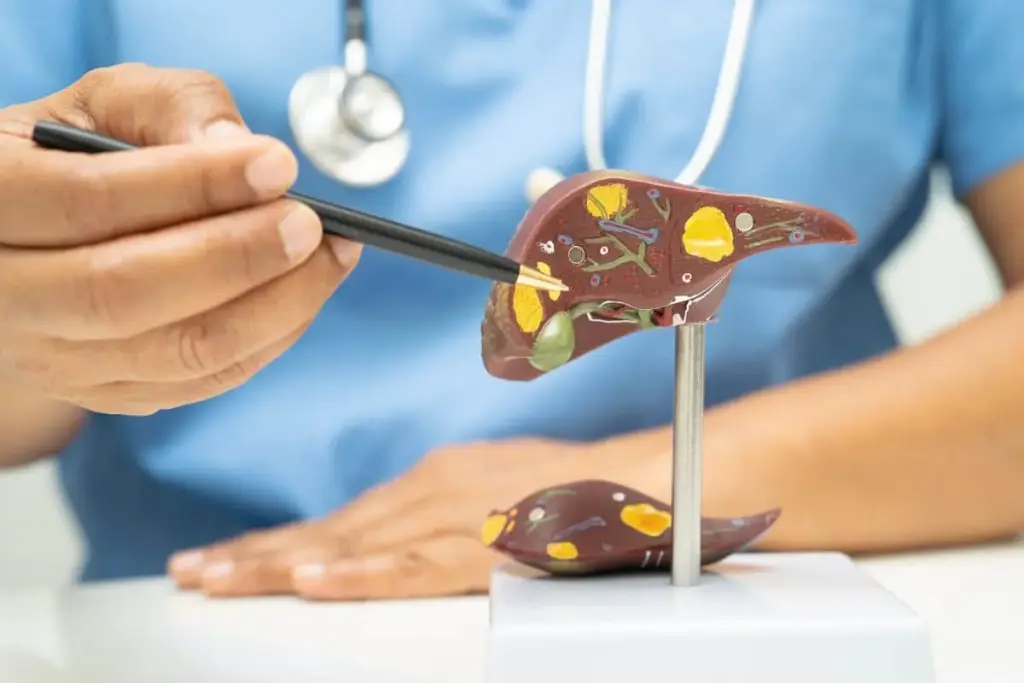
Liver cancer is a big problem worldwide. It’s the sixth most common cancer and the third leading cause of death from cancer. Hepatocellular carcinoma (HCC), the most common liver cancer, often comes from chronic liver disease.
Many things can lead to liver tumors. These include chronic viral hepatitis, drinking too much alcohol, and metabolic disorders. Understanding the causes of these tumors is essential for preventing hepatocellular carcinoma and other liver issues.
Key Takeaways
- Liver cancer is a major global health issue.
- HCC is the most common type of liver cancer.
- Chronic viral hepatitis, alcohol, and metabolic disorders are risk factors.
- Understanding the causes is key to prevention and treatment.
- Liver tumors can be benign or malignant.
The Liver: Location, Structure, and Essential Functions
It’s important to know where the liver is and what it does. The liver is a key organ that helps keep us healthy. It does many important jobs to keep our bodies working right.
Where Is Your Liver Located in the Body?
The liver sits in the upper right part of the belly, just below the diaphragm. This spot is perfect for it to do its job well. The liver’s location is key to its function. It gets blood from the digestive system and cleans it before sending it out to the body.
What Does the Liver Do? Key Functions
The liver does a lot of important things. It helps get rid of toxins, breaks down nutrients, and makes proteins and chemicals for digestion. It’s also important for removing toxins from the blood and helping with fat digestion by making bile.
Some of the liver’s main jobs are:
- Filtering the blood to remove toxins and waste products
- Producing bile to aid in fat digestion
- Metabolizing nutrients from food
- Regulating the metabolism of carbohydrates, fats, and proteins
- Storing glycogen, vitamins, and minerals
Knowing what the liver does shows how vital it is for our health. That’s why taking care of the liver is so important.
Defining Liver Tumors: Benign vs. Malignant
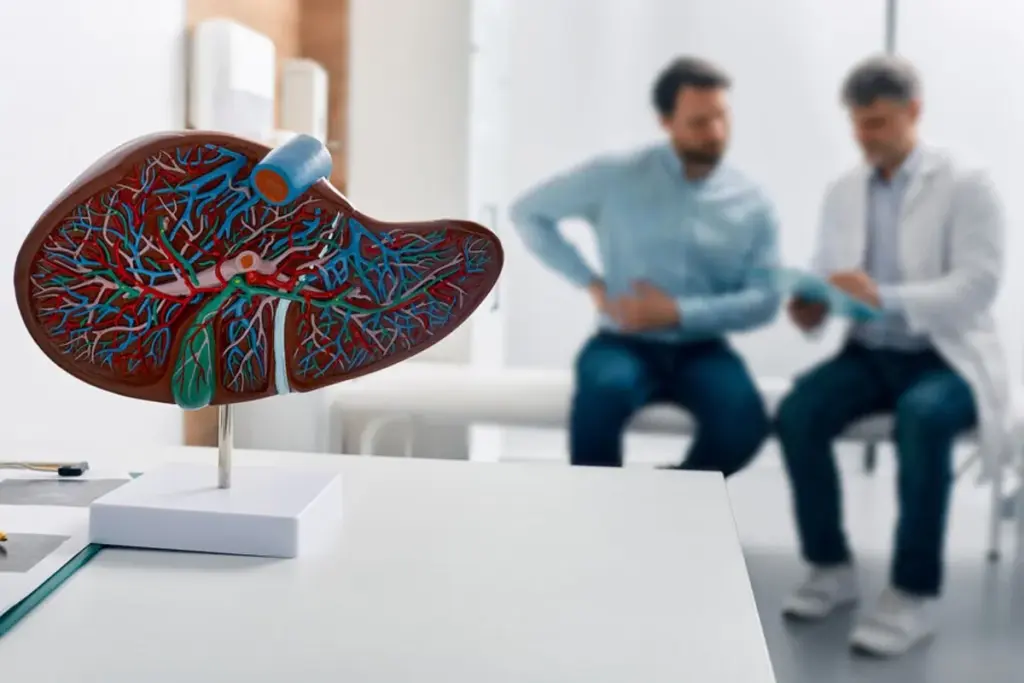
Liver tumors can be either benign or malignant. Each type has different effects on health. Knowing the type of tumor is key to choosing the right treatment.
How Tumors Form in the Liver
Liver tumors start when liver cells grow abnormally. This can happen for many reasons, like genetic changes, viral infections, or toxins. Benign liver tumors are not cancerous. They don’t spread or grow into other tissues.
Malignant liver tumors, on the other hand, are cancerous. They can grow fast and spread to other parts of the body. The most common cancerous liver tumor is hepatocellular carcinoma (HCC). It starts in the liver’s main cells.
Distinguishing Between Benign and Malignant Growths
Telling benign from malignant liver tumors is very important. Benign tumors might not need treatment unless they cause problems. But, malignant tumors need quick and strong treatment. This can include surgery, chemo, or other therapies.
Tests like imaging studies and biopsies help figure out what kind of tumor it is. Knowing if a tumor is benign or malignant helps doctors plan the best treatment for each patient.
Common Types of Benign Liver Tumors
Benign liver tumors are non-cancerous growths in the liver. Knowing their types is key for the right diagnosis and treatment. These tumors are usually not dangerous but can cause issues if not handled right.
Hemangioma: The Most Common Benign Liver Tumor
A hemangioma is a benign tumor made of blood vessels. It’s the most common benign liver tumor. It’s often found by chance during tests for other reasons. Hemangiomas are usually small and don’t cause problems, but big ones can.
Characteristics of Hemangiomas:
- Typically small and benign
- Often asymptomatic
- May grow over time
Focal Nodular Hyperplasia and Hepatic Adenoma
Other common benign liver tumors are focal nodular hyperplasia (FNH) and hepatic adenoma. FNH is a non-cancerous growth that’s usually alone and linked to liver blood vessel issues. Hepatic adenomas are rare, benign tumors that can turn cancerous or bleed.
Comparison of Benign Liver Tumors:
|
Tumor Type |
Characteristics |
Risk Factors |
|---|---|---|
|
Hemangioma |
Benign, vascular tumor |
None significant |
|
Focal Nodular Hyperplasia (FNH) |
Non-cancerous, often solitary |
Possible vascular abnormalities |
|
Hepatic Adenoma |
Rare, benign tumor |
Risk of malignant transformation and bleeding |
It’s important to know the differences between these benign liver tumors for the right treatment. While many don’t need treatment, watching them is often needed to prevent problems.
“Accurate diagnosis of benign liver tumors is essential to avoid unnecessary interventions and to provide appropriate management for those that may cause symptoms or complications.”
Expert Opinion
Malignant Liver Tumors: Understanding the Threat
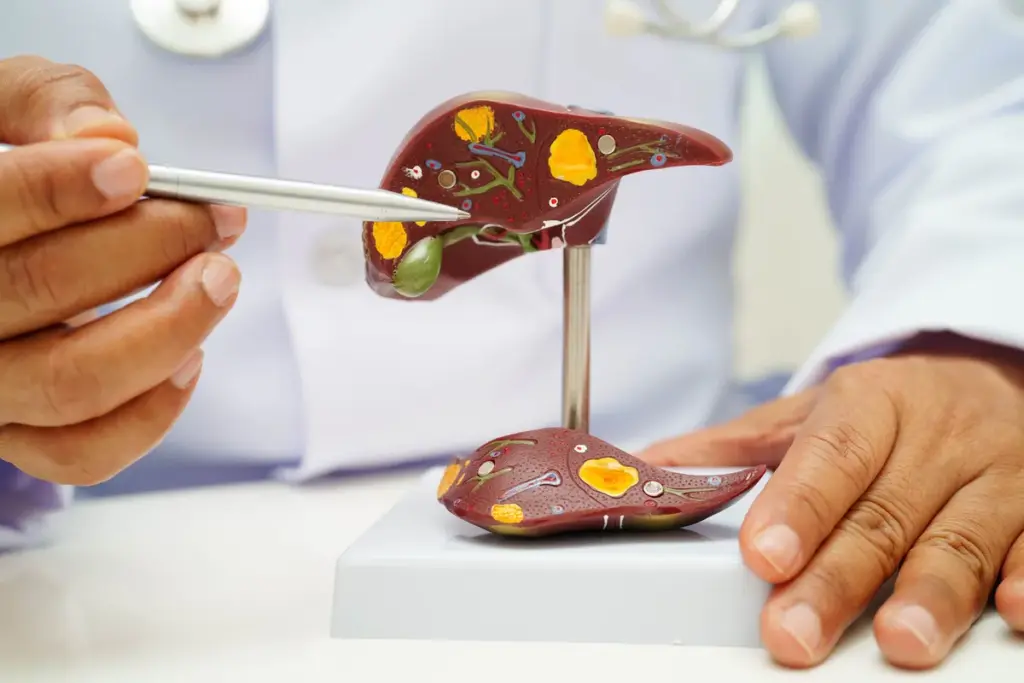
Malignant liver tumors are a big health risk worldwide. It’s important to know their types to manage them well. These tumors can start in the liver or come from other parts of the body.
Hepatocellular Carcinoma (HCC): Primary Liver Cancer
Hepatocellular carcinoma (HCC) is the main type of liver cancer. It’s a big part of liver cancer cases globally. It often starts in people with chronic liver disease, like those with viral hepatitis or cirrhosis.
Cholangiocarcinoma and Other Primary Liver Cancers
Cholangiocarcinoma is another primary liver cancer. It starts in the bile ducts. It’s less common than HCC but hard to diagnose and treat. Other rare liver cancers include angiosarcoma and hepatoblastoma, each with its own features.
Metastatic Liver Cancer: When Cancer Spreads to the Liver
Metastatic liver cancer happens when cancer cells from elsewhere reach the liver. The liver is a common place for cancer to spread because of its blood supply. Cancers like colorectal, breast, and lung often spread to the liver. Treating metastatic liver cancer needs a team effort, including medicines and local treatments.
|
Type of Liver Cancer |
Origin |
Common Risk Factors |
|---|---|---|
|
Hepatocellular Carcinoma (HCC) |
Liver cells |
Chronic hepatitis B and C, cirrhosis, aflatoxin exposure |
|
Cholangiocarcinoma |
Bile duct epithelium |
Primary sclerosing cholangitis, bile duct cysts, liver fluke infection |
|
Metastatic Liver Cancer |
Other parts of the body |
Varies depending on the primary cancer site |
Global Impact of Liver Cancer: Statistics and Trends
Liver cancer is a big problem worldwide. It’s one of the most common cancers. Its impact varies a lot in different places.
Many things affect liver cancer, like viruses, drinking too much alcohol, and health problems. Knowing these helps us find better ways to prevent and treat it.
Liver Cancer as the Sixth Most Diagnosed Cancer Worldwide
Liver cancer is the sixth most common cancer. It causes a lot of deaths. Every year, it leads to about 800,000 deaths.
Key statistics highlighting the global impact of liver cancer include:
- Over 900,000 new cases diagnosed worldwide each year.
- A mortality rate that is nearly equivalent to its incidence, indicating a poor prognosis for many patients.
- Significant regional variations in incidence and mortality rates.
Regional Variations in Liver Cancer Prevalence
Liver cancer is more common in some parts of Asia and Africa. This is because of risk factors like hepatitis B and C.
“The incidence of liver cancer varies significantly across different regions, reflecting differences in the prevalence of underlying risk factors such as hepatitis B and C infections.” – International Agency for Research on Cancer
Factors Driving Increasing Rates of Liver Tumors
Many things are making liver tumors more common. These include more obesity, drinking too much alcohol, and viral infections.
Key drivers of the increasing rates of liver tumors include:
- Rising incidence of obesity and metabolic syndrome.
- Increased alcohol consumption.
- Ongoing prevalence of viral hepatitis infections.
- Exposure to environmental toxins such as aflatoxins.
It’s important to understand these factors. This helps us find ways to lower liver cancer’s impact worldwide.
Viral Hepatitis: A Leading Cause of Liver Tumors
Viral hepatitis is linked to liver tumors, mainly caused by Hepatitis B and C. It’s a big health problem worldwide, affecting millions. It leads to a lot of sickness and death.
Hepatitis B Virus (HBV): Mechanism of Liver Damage
Hepatitis B Virus (HBV) is a big risk for liver cancer. It causes long-term liver inflammation, leading to cirrhosis. This increases the chance of getting liver cancer.
Chronic HBV infection means having HBsAg in your blood for over six months. This long-term infection causes ongoing liver damage. It sets the stage for liver cancer.
Hepatitis C Virus (HCV): Chronic Infection and Cancer Risk
Hepatitis C Virus (HCV) also causes liver cancer. Long-term HCV infection leads to chronic hepatitis and cirrhosis. This raises the risk of getting liver cancer.
Direct-acting antivirals (DAAs) have changed how we treat HCV. They offer high cure rates and can lower liver cancer risk. But, the risk of liver cancer stays high even after treatment. So, we need to keep watching closely.
How Viral Infections Progress to Liver Cancer
The journey from viral hepatitis to liver cancer is complex. Chronic infection causes ongoing liver inflammation and regeneration. This creates a perfect environment for genetic changes and tumor growth.
It’s key to understand how HBV and HCV lead to liver cancer. This knowledge helps us find better ways to prevent and treat it. We can do this through vaccination, screening, and treating chronic infections. This can help lower the global liver cancer burden.
Alcohol Consumption and Liver Tumor Development
Drinking too much alcohol can lead to liver tumors. The liver breaks down alcohol, but too much can harm it. This harm increases the chance of liver cancer.
Damage to Liver Cells
Alcohol is mainly processed in the liver. Excessive alcohol consumption can cause inflammation and damage liver cells. This can lead to alcoholic hepatitis.
Progression to Cirrhosis and Cancer
Alcoholic hepatitis can turn into cirrhosis, where liver tissue scars. This scarring can severely harm liver function. Cirrhosis is a big risk for liver cancer because it can cause genetic changes that lead to cancer.
It’s important to understand this process to prevent it. We’ll look at how to lessen the risks of alcohol damage.
Quantifying the Risk
The amount of alcohol that’s too much varies by person. It depends on genetics, gender, and health. But, chronic heavy drinking is a known risk for liver damage and cancer.
- Drinking more than 3-4 drinks a day raises liver damage risk.
- Other factors like hepatitis and obesity also increase the risk.
Knowing these risks helps people make better choices about drinking. This can lower the chance of liver problems.
Metabolic Dysfunction-Associated Steatotic Liver Disease (MASLD)
MASLD is a growing health issue worldwide. It’s when the liver holds too much fat. This is linked to problems like obesity, insulin resistance, and bad cholesterol levels.
Understanding MASLD as a Growing Global Health Concern
MASLD is now the most common liver disease globally. It affects about 25% of the world’s population. This condition is not just about fat in the liver; it’s a complex metabolic disorder that can lead to serious liver damage. The rise in MASLD is linked to more obesity and diabetes, showing the need for better metabolic health management.
How Fatty Liver Disease Progresses to Tumor Formation
The move from MASLD to liver tumors is complex. It involves metabolic issues, inflammation, and genetic changes. Simple steatosis, or fatty liver, can turn into steatohepatitis (MASH), with inflammation and damage to liver cells. This can lead to fibrosis, cirrhosis, and eventually, liver cancer (HCC).
The exact reasons for this progression are many. They include insulin resistance, oxidative stress, and inflammation. Knowing these factors is key to finding good prevention and treatment methods.
High-Risk Populations and Regional Variations
Some groups face a higher risk of MASLD and its complications. These include people with obesity, type 2 diabetes, and those with a family history of metabolic disorders. There are also regional differences in MASLD rates, with higher numbers in certain ethnic groups and areas with high obesity and metabolic syndrome rates.
Spotting these high-risk groups is vital for focused screening and intervention. To lessen the risk of liver cancer, public health efforts need to account for these regional and demographic differences.
Environmental Toxins That Cause Liver Tumors
Some environmental toxins can raise the risk of liver tumors. These toxins play a big role in liver cancer, along with genetics and lifestyle.
Aflatoxins: Food Contaminants Linked to Liver Cancer
Aflatoxins are harmful substances from molds that can spoil food, like nuts, seeds, and grains. The International Agency for Research on Cancer (IARC) has classified aflatoxins as a Group 1 carcinogen. This means they are harmful to humans. Being exposed to aflatoxins is a big risk for liver cancer, mainly in areas with bad food storage.
“Aflatoxin exposure is a major risk factor for hepatocellular carcinoma, mainly in areas with high hepatitis B virus infection,” a study in the Journal of the National Cancer Institute found.
Industrial Chemicals and Occupational Exposures
Some industrial chemicals and work exposures can also lead to liver cancer. Workers in jobs that handle chemicals like vinyl chloride, arsenic, and pesticides face higher risks. It’s important for workers to follow safety rules and for employers to offer good protection.
- Vinyl chloride, used in making PVC, is a known liver carcinogen.
- Arsenic exposure, common in mining and smelting, raises liver cancer risk.
- Certain pesticides have been linked to liver cancer in farm workers.
Synergistic Effects with Other Risk Factors
The danger from environmental toxins can grow when combined with other risks like hepatitis B and C, alcohol, and liver disease. The combined effect of these factors can greatly increase liver cancer risk.
For example, people with chronic hepatitis B and aflatoxin exposure face a much higher liver cancer risk than those without exposure. Knowing how these factors work together is key to preventing liver cancer.
Genetic and Hereditary Risk Factors
Liver cancer risk is greatly influenced by genetic and hereditary risk factors. We will dive into these in detail. Knowing these factors can help spot people at higher risk. This could lead to early action.
Inherited Liver Diseases That Increase Cancer Risk
Certain inherited liver diseases raise the risk of liver cancer. For example, hereditary hemochromatosis causes iron buildup. Wilson’s disease leads to copper accumulation. Both can damage the liver and raise cancer risk.
Alpha-1 antitrypsin deficiency also causes liver disease and can lead to cancer.
Genetic Mutations Associated with Hepatocellular Carcinoma
Specific genetic mutations increase the risk of hepatocellular carcinoma (HCC). HCC is the most common liver cancer. Mutations in TP53 and CTNNB1 are common in HCC tumors.
These mutations can cause cells to grow out of control, leading to tumors.
Genetic syndromes like Li-Fraumeni syndrome and familial adenomatous polyposis also raise cancer risk. This includes liver cancer, due to inherited genetic mutations.
Family History and Liver Cancer Susceptibility
A family history of liver cancer can signal a higher risk. This suggests a genetic link. Studies show people with a first-degree relative with liver cancer are at higher risk.
This increased risk might be due to shared genes, environmental factors, or both.
Knowing your family history and talking to a healthcare provider can help assess your risk. It may lead to screening or preventive measures.
Lifestyle Factors Contributing to Liver Tumor Risk
Many lifestyle choices can affect our risk of getting liver tumors. These choices are often things we can change. Knowing how to make better choices can help keep our liver healthy.
Obesity and Metabolic Syndrome
Being overweight and having metabolic syndrome can raise our risk of liver cancer. Metabolic syndrome includes high blood pressure, high blood sugar, and too much belly fat. It can cause inflammation and damage in the liver, leading to tumors.
Research shows that obese people are more likely to get liver cancer. This is because extra body fat causes inflammation and insulin resistance. “Maintaining a healthy weight is key,” says recent studies.
Diabetes and Insulin Resistance
Diabetes and insulin resistance also increase liver cancer risk. Insulin resistance can lead to high insulin levels. This can cause liver cells to grow abnormally, possibly leading to cancer.
Diabetes is a risk factor for liver cancer, known as hepatocellular carcinoma (HCC). Controlling diabetes through diet and treatment can lower this risk.
Smoking, Tobacco Use, and Other Lifestyle Factors
Smoking and using tobacco products are major risks for liver cancer. Tobacco smoke has harmful chemicals that can damage liver cells and increase tumor risk.
Other lifestyle choices, like eating too much processed food and not enough fruits and veggies, can also raise liver cancer risk. Eating a diet full of antioxidants and fiber can help protect the liver.
By understanding and changing these lifestyle factors, we can lower our risk of liver tumors. This can help us stay healthy overall.
Recognizing Signs of Liver Cancer: When to Seek Help
Knowing the warning signs of liver cancer is key to better health. Liver cancer often starts quietly, so it’s important to notice early signs.
Early Warning Signs Often Overlooked
In the early stages, liver cancer may not show clear symptoms. Yet, there are subtle signs to watch for, such as:
- General fatigue and weakness
- Loss of appetite
- Nausea or vomiting
- Weight loss without a clear reason
These signs can mean many things, making it hard to spot liver cancer early.
Advanced Symptoms of Liver Tumors
As liver cancer gets worse, symptoms become more obvious. Look out for:
- Abdominal pain or discomfort, mainly in the upper right
- Jaundice, which turns the skin and eyes yellow
- Swelling in the legs and abdomen from fluid buildup
- Dark urine and pale stools
These signs mean the disease is serious and needs quick medical help.
Differentiating Liver Cancer Symptoms from Other Conditions
Telling liver cancer symptoms from other liver issues is tricky. But, if you have several symptoms, and risk factors for liver cancer, see a doctor.
Here’s a look at how symptoms differ between liver conditions:
|
Condition |
Common Symptoms |
|---|---|
|
Liver Cancer |
Abdominal pain, jaundice, weight loss, fatigue |
|
Cirrhosis |
Jaundice, swelling in legs and abdomen, fatigue |
|
Hepatitis |
Fatigue, jaundice, loss of appetite, nausea |
If you notice these symptoms, and have risk factors for liver disease, see a doctor right away.
Diagnostic Approaches for Suspected Liver Tumors
To find out if you have a liver tumor, doctors use imaging, blood tests, and sometimes a biopsy. These steps help confirm the tumor’s presence and type. This is key for choosing the right treatment.
Imaging Techniques: Ultrasound, CT, and MRI
Imaging is key in finding liver tumors. Ultrasound is often the first choice because it’s non-invasive. It can tell if a lesion is solid or cystic. Computed Tomography (CT) scans give detailed images and show how far a tumor has spread. Magnetic Resonance Imaging (MRI) is great at finding and figuring out liver lesions, thanks to contrast agents.
Blood Tests and Tumor Markers
Blood tests are also vital in diagnosing liver tumors. Liver function tests check if the liver is working right. Tumor markers, like alpha-fetoprotein (AFP), are proteins found in liver cancer. These markers help when used with imaging tests.
Liver Biopsy: When and Why It’s Performed
A liver biopsy takes a small liver sample for a microscope check. It’s useful when imaging tests aren’t clear or to know the tumor type. Though it’s invasive, new biopsy methods make it safer and more precise.
These steps help us get an accurate diagnosis. A correct diagnosis is essential for planning effective treatment for liver tumors.
Treatment Options for Liver Tumors and Cancer
People with liver tumors or cancer have many treatment choices. These can be surgical, non-surgical, or systemic therapies. The right treatment depends on the tumor’s type, size, and location, and the patient’s health.
Surgical Approaches: Resection and Transplantation
Surgery is often the first choice for early-stage liver cancer or benign tumors. Liver resection is an option if the tumor is small and the liver is healthy. If the liver is badly damaged, liver transplantation might be needed, using a healthy liver from a donor.
Surgery can be very effective for the right patients. But, it’s important to weigh the risks and benefits before deciding.
Non-Surgical Treatments: Ablation, Embolization, and Radiation
For those not suited for surgery, or when surgery is not possible, non-surgical treatments are available. Ablation therapies like radiofrequency ablation (RFA) and microwave ablation (MWA) kill cancer cells with heat. Embolization techniques, such as transarterial chemoembolization (TACE) and radioembolization, block the tumor’s blood supply, starving it.
Radiation therapy also targets and kills cancer cells. Stereotactic body radiation therapy (SBRT) is a precise method that delivers high doses of radiation directly to the tumor.
Systemic Therapies: Targeted Drugs and Immunotherapy
Systemic therapies aim to treat cancer cells all over the body. Targeted therapy uses drugs that attack cancer cells while sparing normal cells. Immunotherapy boosts the body’s immune system to fight cancer cells better.
We are always improving systemic therapies for liver cancer patients.
Preventing Liver Tumors: Proactive Strategies
Liver tumor prevention is possible with medical steps and healthy living. Knowing and using these methods can lower the risk of liver tumors.
Hepatitis Vaccination and Treatment
Hepatitis B and C are big risks for liver cancer. Hepatitis B vaccination is key for those at high risk, like healthcare workers. It’s also important for those with hepatitis or liver disease history. For those with hepatitis B or C, antiviral treatments can help avoid liver damage and cancer.
Health experts say, “Vaccination against hepatitis B is a proven strategy to prevent liver cancer.”
“The implementation of hepatitis B vaccination programs has been shown to decrease the incidence of liver cancer in high-prevalence regions.”
Lifestyle Modifications for Liver Health
Healthy habits are key for liver health. Keeping a healthy weight is important, as obesity raises liver cancer risk. Also, limit alcohol consumption to avoid liver damage and cirrhosis.
- Eat a balanced diet with fruits, vegetables, and whole grains
- Stay away from foods high in saturated fats and sugars
- Do regular physical activity
Screening Recommendations for High-Risk Individuals
Screening is vital for early detection and treatment of liver tumors, mainly for those at high risk. This includes those with hepatitis B or C, cirrhosis, or other liver diseases. Regular ultrasound examinations and blood tests for alpha-fetoprotein (AFP) are common screening methods.
Combining hepatitis vaccination, lifestyle changes, and regular screening can help lower liver tumor risk. It’s a complete plan that tackles many risk factors and supports liver health.
Conclusion
Improving liver health needs a mix of awareness, care, and knowing what causes liver tumors. We’ve looked at why liver tumors happen, like viral hepatitis, drinking too much alcohol, and metabolic diseases. These are key to understanding liver health. We’ve talked about how to spot liver cancer signs, how doctors diagnose it, and treatment choices. Knowing this helps people protect their liver and get help when needed. It’s vital to spread the word about liver health to fight liver cancer better. We need to learn and teach others about liver tumor risks and how to prevent and find them early. Together, we can improve liver health awareness and care. This will help people and communities all over the world.
FAQ
Where is the liver located in the body?
The liver is in the upper right part of the belly, just below the diaphragm. It’s key for health, helping with detox, metabolism, and making bile and proteins.
What are the common symptoms of liver cancer?
Signs of liver cancer include belly pain, weight loss, and feeling tired. You might also lose your appetite and turn yellow. Later, you could see swelling in your legs, itchy skin, and dark urine.
What is the difference between benign and malignant liver tumors?
Benign tumors are not cancerous and don’t spread. Malignant tumors are cancerous and can spread to other areas.
What is hepatocellular carcinoma (HCC)?
Hepatocellular carcinoma (HCC) is the most common liver cancer. It starts in liver cells and is linked to liver disease.
How is liver cancer diagnosed?
Doctors use scans like ultrasound and CT to find liver cancer. Blood tests check for tumor markers. A liver biopsy might be needed to confirm the diagnosis.
What are the risk factors for developing liver cancer?
Risk factors include hepatitis B or C, too much alcohol, and metabolic diseases. Exposure to toxins and genetics also play a role.
Can liver cancer be prevented?
Yes, you can lower your risk. Get vaccinated against hepatitis B, drink less alcohol, and avoid toxins. Screening can also help catch cancer early.
What are the treatment options for liver cancer?
Treatments include surgery, liver transplant, and ablation. You might also get embolization, radiation, or systemic therapies. The right treatment depends on the cancer’s stage.
What is the role of lifestyle modifications in preventing liver tumors?
Healthy habits like a good diet and exercise help your liver. Avoiding too much alcohol and not smoking also lowers your risk.
What is MASLD, and how is it related to liver tumor development?
MASLD is a condition where liver cells store too much fat. It’s linked to metabolic syndrome and can lead to liver damage and tumors.
References
National Center for Biotechnology Information. Evidence-Based Medical Insight. Retrieved fromhttps://pmc.ncbi.nlm.nih.gov/articles/PMC10782000/