Thanks to better medical care, more kids with childhood cancer are living longer. Now, about 83% to 88% of them survive for five years. However, these survivors often face significant health problems later on, known as the long term effects of childhood cancer, which can include physical, psychological, and cognitive challenges that impact their quality of life.
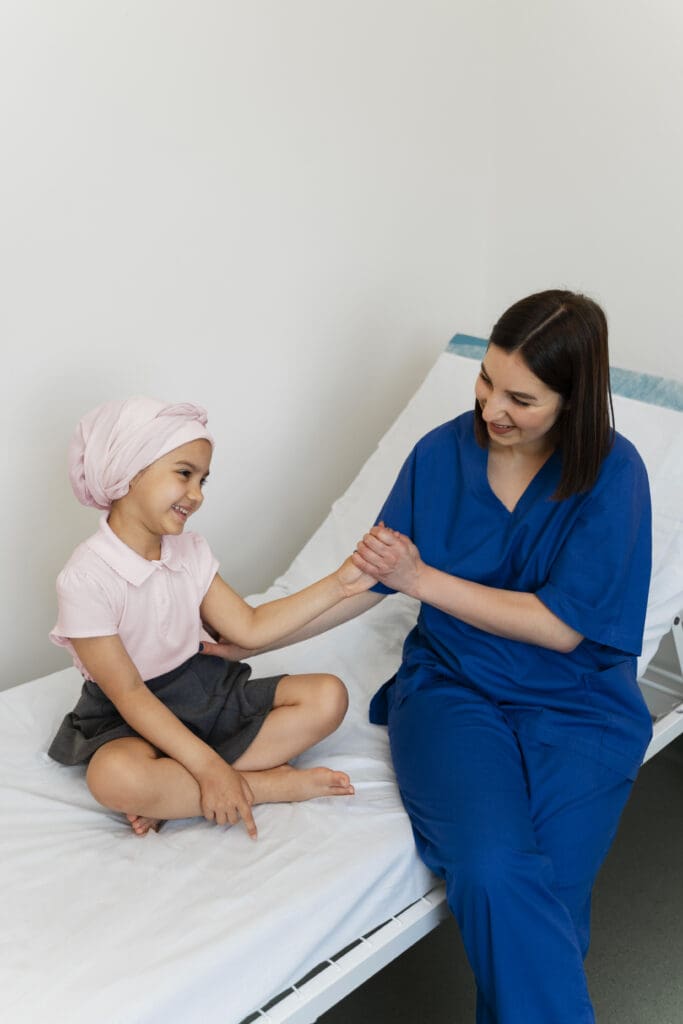
Almost all childhood cancer survivors will face a major health issue by age 45. This can include chronic diseases and mental health problems. So, it’s very important for them to get ongoing, top-notch care.
Key Takeaways
- Childhood cancer survivors are at risk of developing late effects, including physical, mental, and social problems.
- Up to 95% of survivors will face a significant health issue by age 45.
- Lifelong follow-up care is essential for managing these late effects.
- Survivors may experience chronic diseases and psychological impacts.
- High-quality care can help mitigate the risks associated with late effects.
The Improving Landscape of Childhood Cancer Survival
Recent years have seen a big change in how well kids with cancer survive. New treatments have made a big difference. Now, more kids with cancer are living longer.

erroneous image
Current Survival Statistics
The five-year survival rate for kids with cancer has gone up a lot. The American Cancer Society says about 85% of kids with cancer now live five years or more after being diagnosed. This is thanks to better treatments for kids with cancer.
Some important facts about the progress in childhood cancer survival are:
- Death rates from childhood cancer have gone down a lot in recent years.
- More kids with certain types of cancer are living longer.
- New treatments are designed to have fewer long-term side effects.
Historical Perspective on Treatment Advances
How we treat childhood cancer has changed a lot over time. We’ve moved from simple treatments like chemotherapy and radiation to more advanced and targeted ones. These new treatments have not only helped more kids survive but also reduced the chance of lasting side effects.
The changes in treatment have come from:
- Learning more about the genetic and molecular causes of childhood cancers.
- Creating more effective and less harmful chemotherapy drugs.
- Improving how radiation therapy is done to protect healthy tissues.
We’re always looking to do better in treating kids with cancer. Our goal is to make life better for kids with cancer and their families.
Understanding Long-Term Effects of Childhood Cancer
More children are surviving cancer, but they face long-term health issues. Up to 95% of survivors will have a significant health problem by age 45. It’s important to know how their treatment affects them.

Definition and Prevalence
Late effects are health, emotional, and cognitive problems after cancer treatment. These can come from the cancer or the treatment, like chemotherapy and radiation. They can include heart issues, secondary cancers, cognitive problems, and emotional challenges.
The National Cancer Institute says the risk of late effects depends on several factors. For example, some chemotherapy can harm the heart. Radiation therapy can raise the risk of getting secondary cancers.
“The risk of late effects is a critical consideration for childhood cancer survivors, as it can impact their quality of life and require ongoing medical care.”
Risk Factors for Developing Late Effects
Several factors increase the risk of late effects in survivors. These include the type and dose of treatment, the child’s age at treatment, and genetic predispositions. For instance, high doses of certain chemotherapy or radiation therapy can raise the risk.
Knowing these risk factors helps in providing the right follow-up care. Healthcare providers can target high-risk survivors for better screening and prevention. This can lessen the impact of late effects.
- The type and dose of chemotherapy and radiation therapy
- The age of the child at the time of treatment
- Genetic predispositions
By recognizing the long-term effects of childhood cancer and understanding risk factors, we can better support survivors. This helps them manage their health and improve their quality of life.
Cardiovascular and Pulmonary Complications
Surviving childhood cancer is just the start. Survivors often face heart and lung problems. These issues come from treatments like radiation and some chemotherapy.
Heart-Related Late Effects
Survivors worry about heart problems. Anthracycline chemotherapy can harm the heart muscle. This might lead to heart failure.
Radiation to the chest can also hurt the heart. It might cause fibrosis and coronary artery disease.
It’s vital to watch survivors for heart disease signs. Early detection helps manage heart problems better.
Lung Function Impairments
Lung issues are another worry for survivors. Some chemotherapy and chest radiation can cause lung scarring. This scarring can make breathing hard and lower lung function.
Monitoring lung function is key. We use tests like pulmonary function tests (PFTs) to check lung health. This helps us keep our lungs healthy.
Monitoring and Prevention Strategies
Regular check-ups are important for survivors. These visits help spot heart and lung problems early. They also teach healthy living tips.
- Eating a balanced diet rich in fruits, vegetables, and whole grains
- Engaging in regular physical activity tailored to the survivor’s health status
- Avoiding smoking and minimizing exposure to secondhand smoke
By following these tips, survivors can lower their risk of heart and lung issues. This improves their quality.
Endocrine and Metabolic Disorders
Childhood cancer survivors often face many health challenges. These include endocrine and metabolic disorders that can greatly affect their quality of life. These issues can come from the cancer itself or from treatments like radiation therapy or certain chemotherapies.
Growth and Development Issues
One big worry for childhood cancer survivors is how it affects their growth and development. Radiation to the brain can cause a lack of growth hormone. This can stop children from growing normally. We must watch their growth closely and consider growth hormone replacement therapy if needed.
A study in a well-known journal shows how important it is to keep an eye on these patients for a long time here.
Thyroid Dysfunction
Thyroid problems are common in childhood cancer survivors, too. This is often because of radiation to the head, neck, or upper spine. It can cause issues like hypothyroidism, hyperthyroidism, or thyroid nodules.
It’s key to check thyroid function regularly. We suggest survivors get screened often as part of their ongoing care.
Diabetes and Metabolic Syndrome Risk
Childhood cancer survivors also face a higher risk of diabetes and metabolic syndrome. This is true if they’ve had certain chemotherapy or radiation that harms the pancreas. Lifestyle factors can also play a role.
We stress the need for a healthy lifestyle. This includes eating well and staying active. It’s also important to screen for signs of metabolic syndrome, like high blood pressure, bad cholesterol, and insulin resistance.
By knowing the risks and taking steps to prevent them, we can help childhood cancer survivors stay healthy for a long time.
Neurocognitive and Neurological Effects
Surviving childhood cancer is a big win, but it often comes with lasting effects. Treatments like radiation and chemotherapy can harm a child’s brain. We’ll look at these effects, who’s at risk, and how to manage them.
Impact on Learning and Memory
Survivors often struggle with learning and memory. Research shows that cranial radiation therapy increases the risk of cognitive problems. This can hurt their schoolwork and happiness.
Motor and Sensory Deficits
Survivors may also face problems with movement and senses. These issues come from damage to the nervous system from treatment. Spotting and treating these problems early is very important.
Strategies for Cognitive Support
But there’s hope. Education and cognitive rehab programs can help a lot. These programs are made just for each survivor. They help improve learning and adaptation skills.
Knowing about the brain effects of childhood cancer treatment helps us support survivors better. This way, we can help them live a better life.
Fertility and Reproductive Health Concerns
Childhood cancer survivors often face big challenges with fertility and reproductive health. This is because of the treatments they went through. Some chemotherapy and radiation can harm fertility, making it a big worry for survivors.
Impact on Male Fertility
The effects of cancer treatment on male fertility can be significant. Chemotherapy and radiation therapy can hurt the testes. This can stop sperm production and lead to infertility. The risk depends on the treatment type and dose.
- Chemotherapy can damage sperm-producing cells.
- Radiation therapy, when aimed at the pelvic area, can harm testicular function.
Impact on Female Fertility
Female survivors also risk their fertility due to cancer treatment. Chemotherapy and radiation therapy can harm the ovaries. This can cause early menopause or lower fertility. The impact varies with the treatment type and dose.
- High-dose chemotherapy raises the risk of ovarian failure.
- Radiation to the pelvic area can damage ovarian function and the uterus.
Fertility Preservation Options
There are ways to preserve fertility for those getting cancer treatment. It’s important to talk about these options with healthcare providers before starting treatment.
- Sperm banking for males.
- Egg or embryo freezing for females.
- Ovarian tissue freezing is a new technique.
Knowing about these options and their meanings can help survivors make smart choices about their reproductive health.
By recognizing fertility concerns and looking into preservation options, we can better support childhood cancer survivors. This helps them on their journey to survivorship.
Secondary Malignancies and Cancer Risk
Childhood cancer survivors are at high risk for secondary malignancies. This is why they need close monitoring and preventive steps. Some treatments, like chemotherapy and radiation, can raise this risk.
Types of Secondary Cancers
Secondary cancers in survivors depend on their initial treatment. Here are some common ones:
- Leukemia: Linked to chemotherapy or radiation.
- Sarcomas: Often after radiation therapy.
- Carcinomas: More likely in those who received radiation to the chest or abdomen.
Screening Recommendations
Regular screenings help catch secondary cancers early. Here’s what’s recommended:
- See a healthcare provider experienced in survivor care yearly.
- Get imaging studies like MRI or CT scans as advised by your doctor.
- Get screened for specific cancers based on your treatment history.
Prevention Approaches
While some risks can’t be avoided, survivors can lower their risk with:
- Healthy Lifestyle Choices: Eat well, exercise, and don’t use tobacco.
- Vaccinations: Keep up with vaccines like the HPV vaccine to prevent infections that can lead to cancer.
- Regular Check-Ups: Stick to the screening schedule to catch issues early.
By knowing the risks and taking action, childhood cancer survivors can lower their chance of secondary malignancies. This helps improve their health outcomes.
Conclusion: Survivorship Care and Future Directions
Childhood cancer survivors often face long-term effects that can change their quality of life. As survival rates improve, we must focus on survivorship care. This is key to managing late effects well.
Regular follow-up care is vital for survivors. It helps monitor and address health issues early. This is why the American Cancer Society’s guidelines stress its importance.
Long-term effects of childhood cancer can affect many areas of health. This includes heart, hormone, and brain functions. The question of whether chemotherapy ages you is complex. Yet, with better treatments and care, we can reduce these effects.
Top institutions are working to give survivors the best care. They aim to lessen lifelong complications. By using a shared care model and encouraging healthy habits, we can boost survivors’ health and happiness.
As we look ahead, it’s important to keep researching. We need to fill gaps in evidence about long-term outcomes. This includes costs, healthcare use, and death rates.
FAQ
What are the long-term effects of childhood cancer?
How does chemotherapy affect growth and development in children?
Can chemotherapy cause long-term cognitive problems?
Are childhood cancer survivors at risk of developing secondary cancers?
How can fertility be preserved in children undergoing cancer treatment?
What are the risk factors for developing late effects after childhood cancer?
How can late effects be managed in childhood cancer survivors?
Does chemotherapy age you?
What are the chronic side effects of chemotherapy?
How many years does chemotherapy age you?
References:
- Schlichting, J. A., Bower, M., Pugh, L. F., & Vannatta, K. (2020). Psychosocial late effects in adolescent and young adult survivors of childhood cancer diagnosed with leukemia, lymphoma, and central nervous system tumor. Journal of Adolescent and Young Adult Oncology, 9(5), 593“600.
https://pubmed.ncbi.nlm.nih.gov/32857663



 Departments
 Related Videos
 Our Doctors
 News
News