

Iron-deficiency anemia is a big health worry for infants. It can slow down their growth and development. At Liv Hospital, we know how important it is to catch and treat infantile anemia early. This helps our young patients get the best care.
Infants need a lot of iron because they grow so fast. We’re dedicated to giving them the care they need. We aim to find and fix anemia in infants quickly and with care.
Key Takeaways
- Iron-deficiency anemia is a common health issue in infants.
- Early detection is key to good treatment.
- Liv Hospital offers top-notch care.
- Infantile anemia can really affect growth.
- We focus on caring for our patients.
Understanding Infantile Anemia: Causes and Prevalence

Anemia in infants is a big health worry. Iron deficiency is a main reason. It can come from not getting enough iron, stomach problems, or needing more iron because they grow fast.
What Causes Iron Deficiency in Babies?
Iron deficiency in babies comes from a few things. Inadequate dietary iron is a big one if they don’t eat iron-rich foods or start solids too late. Premature babies are at high risk because they have less iron at birth. Stomach problems like chronic diarrhea or gastrointestinal bleeding can also cause it.
Babies with certain health issues or those fed cow’s milk too early are also at risk. Parents need to know these risks to act fast.
How Common is Anemia in Infants?
Anemia is a big health problem for babies all over the world. The World Health Organization says it affects a lot of children, with iron deficiency being the main reason. In the U.S., studies show up to 7% of kids under 5 have iron deficiency anemia, with some groups being more affected.
| Age Group | Prevalence of Anemia | Causes |
| 0-6 months | Low | Premature birth, low birth weight |
| 6-24 months | High | Inadequate dietary iron, gastrointestinal issues |
| 2-5 years | Moderate | Persistent dietary deficiencies, chronic diseases |
The Impact of Low Iron in Infants on Development
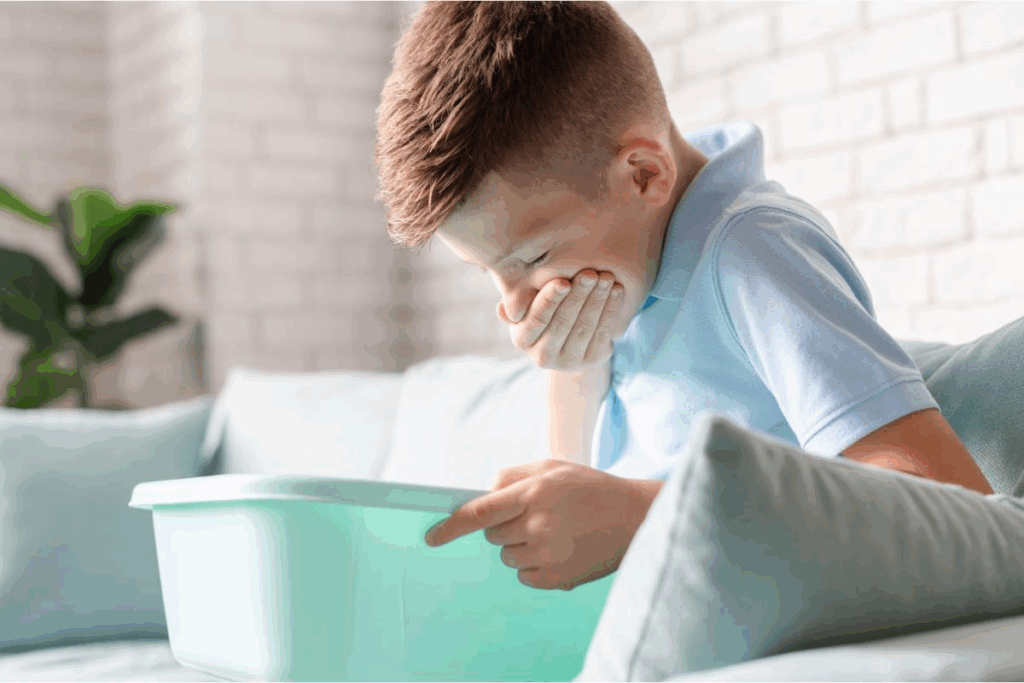
Iron is key for infant growth, and a lack of it can cause lasting problems. Low iron in infants affects their development in many ways. It’s not just a small nutritional issue but a big factor in a child’s growth.
Neurodevelopmental Effects
Iron is vital for brain development. Studies show that iron deficiency in babies can change brain structure and function. Infants with low iron may have slower cognitive and motor skill development, which is very important early on.
Research links iron deficiency anemia in babies to changes in brain wiring and neurotransmitters. These changes can make it hard for babies to learn and react to their world.
Long-term Cognitive Consequences
Iron deficiency in infancy can have lasting effects on thinking. Studies show that babies with iron deficiency anemia may have lower IQs and struggle with learning later on. Even after iron supplements, early iron deficiency can last, making early detection and treatment critical.
A study found that kids with early iron deficiency often face learning and memory problems. The table below shows some key findings on the cognitive effects of iron deficiency in infants.
| Cognitive Domain | Effects of Iron Deficiency |
| Memory | Reduced memory capacity and recall |
| Learning | Difficulties with learning new information |
| Attention | Decreased attention span and focus |
Parents and doctors need to understand how low iron affects babies. Catching and treating iron deficiency early can greatly help at-risk infants.
Physical Appearance Signs of Anemia
Infants with anemia show clear signs that need attention. As caregivers, spotting these signs early is key to helping them.
Sign 1: Pale Skin and Mucous Membranes
Pale skin and mucous membranes are common signs of anemia in babies. This happens because they have less hemoglobin, which is what makes skin look rosy. Pale skin can be seen on the face, lips, and inside the mouth.
Sign 2: Pale Whites of Eyes (Conjunctival Pallor)
Conjunctival pallor is another sign of anemia. It makes the whites of the eyes look pale. This is a clear sign of low hemoglobin levels. It’s often easier to spot than skin pallor.
Sign 3: Brittle Nails and Hair Changes
Anemia can also show in a baby’s nails and hair. Brittle nails and dry, brittle, or falling hair are signs of iron deficiency anemia. The body uses iron for important organs first, leaving nails and hair with excess iron.
Spotting these signs early is vital for treating anemia in infants. If you see any of these changes, get medical help right away.
Behavioral Symptoms of Low Hemoglobin in Infants
Behavioral changes in infants can signal low hemoglobin levels. As caregivers, we must watch for these signs to act quickly. Infants with anemia may show various behaviors that worry parents.
Unusual Irritability and Restlessness
One common sign of anemia in infants is unusual irritability and restlessness. They might become fussy and hard to calm down. This is because their bodies struggle to get enough oxygen to important organs.
Irritability can show as too much crying, fussiness, or restlessness. It’s important to see these behaviors as signs of a possible problem, like anemia.
Lethargy and Decreased Activity
Some anemic infants may seem very quiet or slow. They might not be as interested in their environment. This lethargy means their bodies might not be getting enough oxygen, which is very concerning.
Disrupted Sleep Patterns
Anemia can also mess with an infant’s sleep. Infants with low hemoglobin might have trouble sleeping, making irritability and lethargy worse. It’s key for caregivers to watch for these sleep issues and talk to a doctor if they don’t go away.
Spotting these behavioral signs early can help find and treat anemia in infants. By knowing the signs like irritability, lethargy, and sleep problems, we can help ensure they get the care they need.
Growth and Developmental Warning Signs
Growth and developmental warning signs in infants can show iron deficiency. Iron is key to their growth and health. Without enough iron, infants can face many health problems.
Sign 7: Poor Weight Gain and Growth
Infants with iron deficiency may not gain weight well. Iron helps make hemoglobin, which carries oxygen. This is vital for growth and development. It’s important to watch an infant’s weight and growth for signs of iron deficiency.
Sign 8: Developmental Delays
Iron deficiency can cause developmental delays in infants. This includes not sitting, standing, or walking on time. Developmental delays can show iron deficiency early. Finding these issues early is key to helping the infant.
| Developmental Milestone | Typical Age Range | Potential Indicator of Iron Deficiency |
| Sitting Up | 6-7 months | Delay beyond 7 months |
| Standing | 9-12 months | Delay beyond 12 months |
| Walking | 12-14 months | Delay beyond 14 months |
Parents and caregivers should know these signs. If they worry about an infant’s growth or development, they should talk to a healthcare professional.
Feeding-Related Indicators of Low Iron in Infants
Feeding issues in infants can signal problems, like low iron levels. As caregivers, we must watch for changes in how they eat. These changes can show if the infant is not feeling well.
Sign 9: Poor Appetite and Feeding Difficulties
Infants with low iron might not want to eat as much. They might also have trouble feeding. This could be because of how their body is working or because eating hurts.
- Reduced interest in feeding
- Difficulty latching or sucking
- Frequent spitting up or vomiting after feeding
Seeing these signs can worry parents. It makes them think about their baby’s food intake. If these problems keep happening, talk to a doctor.
Sign 10: Tongue Inflammation and Oral Issues
Low iron can also cause tongue inflammation and other mouth problems. This can include glossitis, where the tongue looks smooth and inflamed. Infants might also have:
- Painful sores or cracks on the tongue or at the corners of the mouth
- Inflammation of the oral mucosa
- Difficulty swallowing due to oral discomfort
These mouth problems can make eating hard for the baby. It might make them eat less. Keeping an eye on their mouth health is important for their nutrition and overall health.
Unusual Behaviors: Sign 11 and Beyond
Infants showing unusual behaviors might have health issues like anemia. Signs like pale skin and not wanting to eat are common. But some behaviors are not as obvious and need attention.
Sign 11: Breath-Holding Spells
Breath-holding spells are a sign of iron deficiency anemia in babies. These spells can scare parents and caregivers. It’s important to know that these spells might mean there’s anemia.
Other Possible Signs of Anemia in Babies
Other signs might show anemia in infants. These include:
- Being very irritable or restless
- Eating things that aren’t food (pica)
- Feeling weak or having no energy
Spotting these signs early can help get the right treatment. We need to watch for these signs to keep our babies healthy.
| Signs | Description | Possible Indication |
| Breath-holding spells | Infant stops breathing for a few seconds, often accompanied by crying or tantrums | Potential sign of iron deficiency anemia |
| Pica | Eating non-food items like dirt or paper | Possible indicator of nutritional deficiency, including iron |
| Weakness or lack of energy | The infant appears lethargic or shows decreased activity | It could be a sign of anemia or other underlying health issues |
Knowing about these signs can help parents get medical help early. This can stop anemia from affecting a baby’s growth.
Diagnosing and Treating Iron Deficiency Anemia in Neonates
To find iron deficiency anemia in newborns, we use blood tests and check-ups. We’ll look at how to spot and treat anemia in babies.
Blood Tests and Screening Procedures
Blood tests are key to finding iron deficiency anemia. Complete Blood Count (CBC) checks the blood’s parts, like hemoglobin. It helps see if a baby has anemia and what kind.
Other tests, like iron studies and reticulocyte count, check iron levels and new red blood cells. Together, they help confirm iron deficiency anemia.
Understanding Hemoglobin Levels in Infants
Hemoglobin levels show if a baby has anemia. Normal levels change as babies grow. Knowing these changes helps doctors diagnose anemia correctly.
“Hemoglobin levels below the normal range for age indicate anemia, necessitating further investigation into its cause and appropriate management.”
Checking hemoglobin levels is key to diagnosing and treating anemia. Regular blood tests help doctors adjust treatment plans.
By using tests and check-ups together, we can find and treat iron deficiency anemia in newborns. This ensures the best care for these young patients.
Conclusion: Prevention and Management of Infantile Anemia
Preventing and managing infantile anemia needs a full plan. This includes spotting anemia signs in babies and knowing how important iron is. Low iron can cause delays in growth and affect brain development, so acting fast is key.
We talked about how to spot anemia in babies. Signs include pale skin, being easily upset, and not gaining weight well. Knowing these signs helps parents get help early, leading to quick treatment.
To prevent anemia, diet and supplements are key. Babies need enough iron from breast milk, iron-fortified formula, or solid foods. If needed, doctors might suggest iron pills or other treatments.
By focusing on preventing and managing anemia, we can help babies grow well. Regular doctor visits and tests help find and fix low iron early. This keeps babies healthy and happy.
FAQ
What are the common signs of low iron in infants?
Signs include pale skin and unusual irritability. Poor appetite and developmental delays are also common. Look out for brittle nails, hair changes, and disrupted sleep patterns, too.
How does iron deficiency lead to anemia in infants?
Iron is key to making hemoglobin, which carries oxygen. Without enough iron, the body can’t make enough healthy red blood cells. This leads to anemia.
What are the long-term effects of iron deficiency anemia in infants?
Iron deficiency anemia can harm an infant’s brain and health. It may cause developmental delays, behavioral issues, and lower cognitive abilities.
How is anemia in infants diagnosed?
Doctors use blood tests to check for anemia. They look at hemoglobin levels and signs of iron deficiency. They also consider the infant’s health and development.
Can anemia in infants be treated, and how?
Yes, anemia can be treated. Iron supplements are often used. Sometimes, changing the diet to include more iron is also recommended.
How can I prevent anemia in my infant?
Ensure your infant gets enough iron through diet. Use an iron-fortified formula or breast milk. Regular check-ups can also help catch issues early.
What are the risk factors for iron deficiency anemia in infants?
Risk factors include premature birth and low birth weight. Not enough iron intake and certain health issues also increase the risk. Infants not on iron-fortified formula are at higher risk, too.
Are there any unusual behaviors that could indicate anemia in infants?
Yes, behaviors like breath-holding spells and increased irritability can signal anemia. Lethargy is another sign. If you notice these, see a healthcare provider.
How does iron deficiency affect an infant’s neurodevelopment?
Iron is vital for brain development. A deficiency can slow down cognitive and motor skill development.
What feeding practices can help prevent low iron in infants?
Breastfeeding and iron-fortified formula are key. Introduce iron-rich foods at the right age. Avoid cow’s milk too early to prevent iron deficiency.
References
- Moscheo, C., Licciardello, M., Samperi, P., La Spina, M., Di Cataldo, A., & Russo, G. (2022). New insights into iron deficiency anemia in children: A practical review. Metabolites, 12(4), 289. https://pmc.ncbi.nlm.nih.gov/articles/PMC9029079/