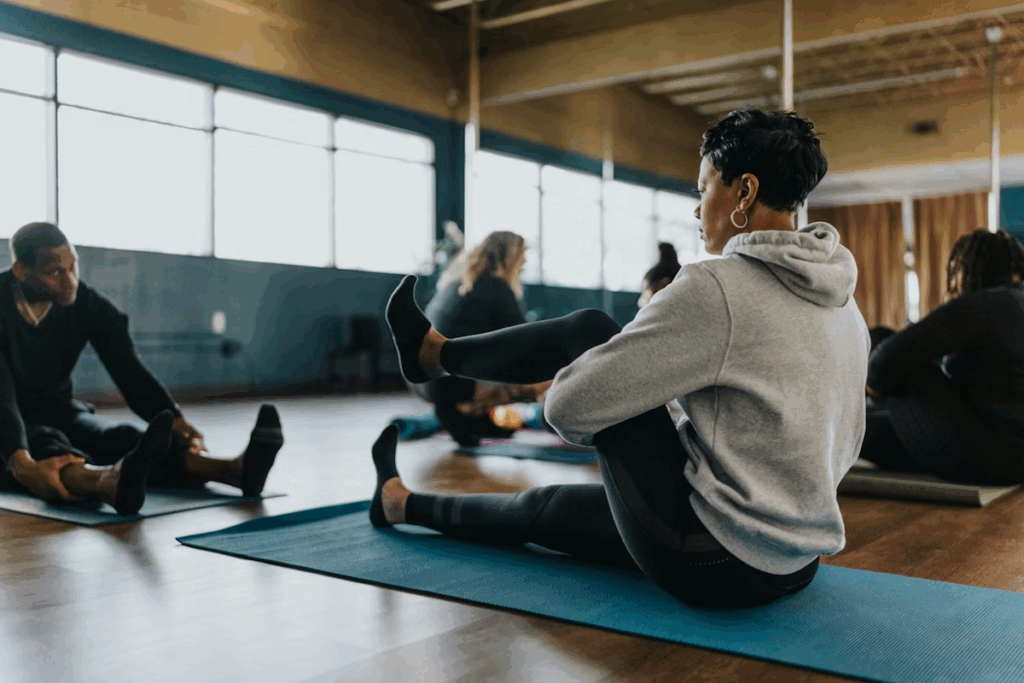
Do you often feel pain in your lower back and hips? You’re not alone. Lower back and hip pain is a big problem, hitting women more often. It can make even simple tasks hard.lower back and hip pain female reliefWhat Is a Back Doctor Called & When Should You See an Orthopedic Surgeon for Back Pain?
At Liv Hospital, we know how much this pain affects you. We’re here to help with targeted stretching techniques. These can ease your pain, help you recover, and move better.
Key Takeaways
- Understanding the prevalence of lower back and hip pain among women.
- Exploring the benefits of targeted stretches for pain relief.
- Learning simple, effective stretches to improve mobility.
- Discovering Liv Hospital’s approach to patient-centered care.
- Enhancing your quality of life through proven therapeutic strategies.
Understanding Lower Back and Hip Pain Female Relief: Causes and Science
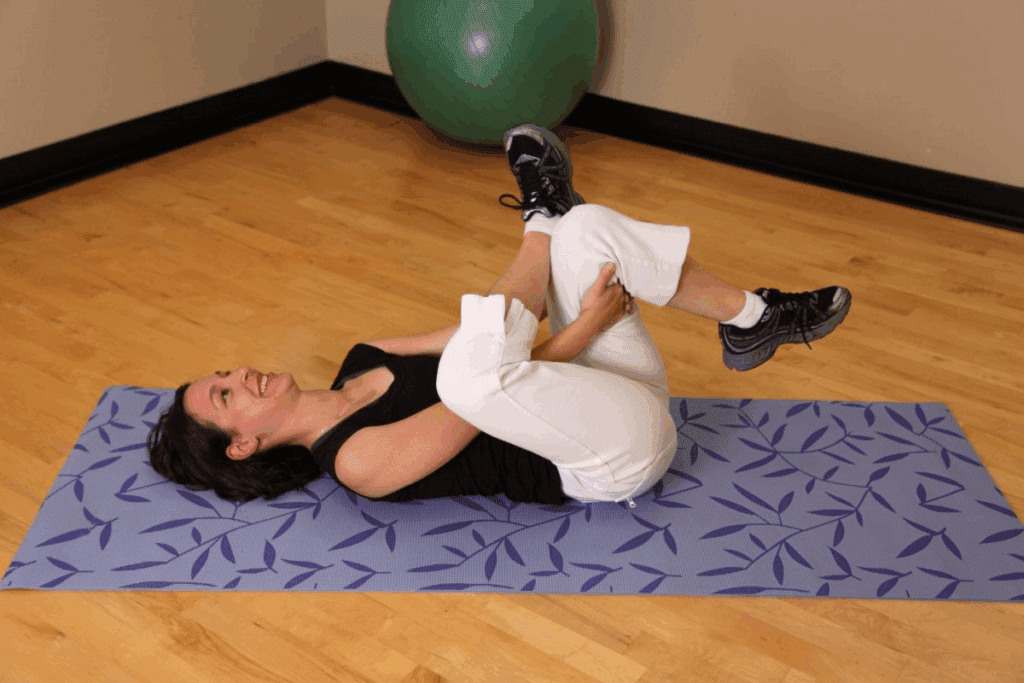
Women often face more lower back and hip pain than men. It’s important to know why. Studies show that musculoskeletal issues like lower back and hip pain affect women more. They have about 40% more disability-adjusted life years than men.
Why Women Experience More Lower Back and Hip Pain
Several reasons explain why women get more lower back and hip pain. Hormones, like estrogen, make ligaments looser. Pregnancy and childbirth also put extra strain on these areas. Knowing these reasons helps us find better ways to ease the pain.
- Hormonal influences on musculoskeletal health
- Pregnancy and childbirth-related strain
- Differences in muscle strength and flexibility
Common Causes and the Hip-Back Connection
Lower back and hip pain often come from the same causes. Problems like piriformis syndrome and sacroiliac joint dysfunction are common. The hip and lower back are connected by muscles and joints. Exercises that stretch and strengthen can help by making things more flexible and easing muscle tension.
- Piriformis syndrome and sciatic nerve compression
- Sacroiliac joint dysfunction
- Lumbar strain and muscle imbalances
How Stretching Alleviates Pain: Research-Backed Benefits
Studies show that regular exercise, like stretches for lower back and hip pain, can reduce pain. Doing stretches 1 to 5 times a week can lower the risk of low back pain. Stretching improves flexibility, reduces muscle tension, and makes joints move better. Regular stretching is a simple yet powerful way to manage and prevent pain.
Stretching Frequency | Pain Relief Benefit |
1-2 times per week | Moderate pain relief |
3-5 times per week | Significant pain relief |
Preparing Your Body and Space for Safe Stretching
Before you start stretching, get ready. Warm up with some light exercise. Find a quiet, clear space to stretch. Use the right tools, like mats or blocks. Listen to your body and don’t push too hard for safe and effective stretching.
- Warm up before stretching
- Create a safe and comfortable stretching environment
- Use appropriate stretching equipment
Stretch #1: Gentle Knee-to-Chest for Lower Back Release
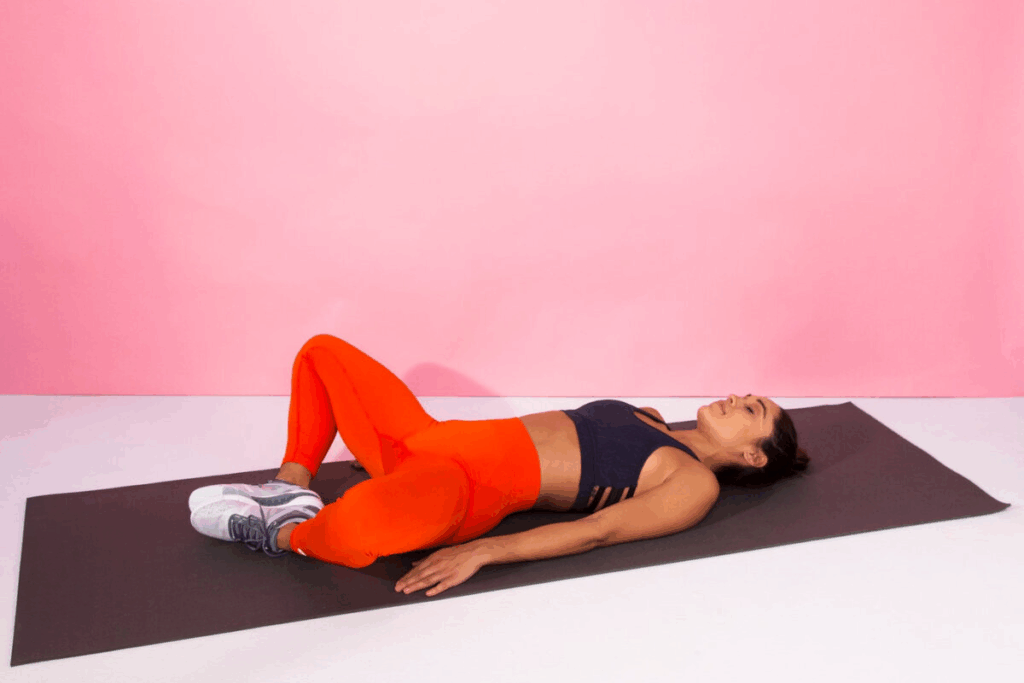
Starting to relieve lower back pain is easy with the knee-to-chest stretch. It’s great for those with tension in their lower back. By bringing one or both knees towards your chest, you can ease strain and boost flexibility.
Step-by-Step Instructions
To do the knee-to-chest stretch, just follow these steps:
- Lie on your back with both knees bent and your feet flat on the floor.
- Gently bring one knee towards your chest, holding onto your knee with your hand.
- Hold the stretch for 20-30 seconds, breathing deeply and feeling the release in your lower back.
- Slowly return your knee to the starting position and repeat with the other knee.
- For a deeper stretch, you can bring both knees towards your chest simultaneously.
Modifications for Different Fitness Levels
The knee-to-chest stretch can be adjusted for different fitness levels and comfort:
- For beginners or those with severe lower back pain, start by bringing just one knee towards your chest.
- For a more advanced stretch, bring both knees towards your chest and hold for a longer duration.
- If you experience any discomfort or pain, adjust the depth of your stretch or consult with a healthcare professional.
Benefits for Lower Back Pain Relief
The knee-to-chest stretch has many benefits for lower back pain relief:
- Relieves tension: Stretching the lower back muscles can ease tension and discomfort.
- Improves flexibility: Doing this stretch regularly can make your lower back more flexible and mobile.
- Reduces strain: This stretch helps lessen the strain on your lower back, making you feel more relaxed and comfortable.
Adding the knee-to-chest stretch to your routine can help manage lower back pain. It’s a great way to improve your spinal health.
Stretch #2: Piriformis Stretch for Hip and Sciatic Relief
Stretching the piriformis muscle can help reduce hip and lower back pain. This muscle is in the buttocks and can press on the sciatic nerve. This can cause pain and discomfort. Stretching it is key to easing this pain.
Step-by-Step Instructions
To do the piriformis stretch, follow these steps:
- Lie flat on your back with your knees bent and feet flat on the floor.
- Cross your right ankle over your left knee, keeping your ankle flexed.
- Gently pull your left knee towards your chest until you feel a stretch in your right buttock.
- Hold the stretch for 20-30 seconds.
- Repeat on the other side by crossing your left ankle over your right knee.
Proper Alignment and Form
It’s important to keep proper alignment and form for the piriformis stretch. Make sure your back is straight and your hips aren’t twisted. Keeping your core engaged helps stabilize your body and makes the stretch more effective.
“Proper form is key to avoiding injury and maximizing the benefits of any stretch.”
Expert Opinion
How This Targets Hip Pain
The piriformis stretch targets the piriformis muscle. This muscle can get tight and press on the sciatic nerve, causing hip and lower back pain. Stretching it can bring significant relief from this pain.
Benefits | Description |
Relieves Hip Pain | Stretches the piriformis muscle to alleviate compression on the sciatic nerve. |
Improves Flexibility | Enhances flexibility in the hip and lower back region. |
Reduces Sciatica Symptoms | Can help reduce pain and discomfort associated with sciatica. |
Stretch #3: Cat-Cow Pose for Spinal Mobility
The cat-cow stretch is great for improving spinal mobility and easing lower back pain. It involves two movements that boost flexibility and reduce spine tension.
To start, get into a tabletop pose on your hands and knees. Make sure your wrists are under your shoulders and knees under hips. This setup is key for keeping your body aligned.
Step-by-Step Instructions
When you inhale, arch your back, lifting your tailbone and head up. Your abdomen should sink towards the floor. This is the “cow” pose, with a gentle arch in your lower back.
As you exhale, round your back, tucking your chin and tailbone towards the floor. This is the “cat” pose, stretching your upper back.
Keep moving between these poses, matching your breath. Do this several times to loosen and relax your spine.
Breathing Techniques During the Movement
Breathing is key in the cat-cow stretch. Inhale in the cow pose, feeling your chest expand and spine stretch.
Exhale in the cat pose, letting your spine flex and release tension. This breath-movement sync makes the stretch more effective.
Benefits for Spinal Flexibility
The cat-cow stretch is great for spinal flexibility and health. Regular practice can boost your range of motion, reduce stiffness, and ease lower back pain.
Benefits | Description |
Improved Spinal Flexibility | The cat-cow stretch helps to increase flexibility and range of motion in the spine. |
Reduced Lower Back Pain | By alleviating tension and stiffness in the lower back, this stretch can help reduce pain. |
Enhanced Breathing | The synchronized breathing technique used in the cat-cow stretch can improve lung capacity and overall respiratory function. |
Stretch #4: Child’s Pose for Deep Lower Back Release
Child’s Pose is a key stretch in yoga, helping to ease lower back tension. It’s great for those with back pain because it releases tension without straining the back too much.
Step-by-Step Instructions
To do Child’s Pose right, start by kneeling on the floor. Make sure your knees are far apart for balance and comfort. Then, slowly lean back onto your heels and stretch your arms out in front.
Lower your forehead to the ground, relaxing your neck and shoulders. As you breathe, focus on letting go of lower back tension. Feel the stretch deepen with each breath. Hold for 30 seconds to a few minutes.
Variations for Different Body Types
Child’s Pose works for most, but there are tweaks for different bodies. If your hips or knees are tight, try using a cushion or block under your buttocks. This can help with comfort.
For those with larger bodies, make sure there’s enough space between your knees. You might need to adjust your knee position or use props for support.
“The beauty of Child’s Pose lies in its adaptability and the profound relaxation it offers. It’s a reminder that sometimes, the most therapeutic action is to simply let go and breathe.” – Yoga Therapist
How This Relieves Tension in the Lower Back
Child’s Pose is great for easing lower back tension. It stretches the back muscles and decompresses the spine. This can help reduce pain and discomfort from strained muscles.
Doing Child’s Pose regularly can improve your back’s flexibility and strength. This can lower the chance of future back pain. It’s a simple yet effective way to manage lower back pain without surgery.
Stretch #5: Hip Flexor Stretch for Anterior Hip Relief
Tight hip flexors can cause lower back pain. This makes the hip flexor stretch very important. These muscles help lift the knee and bend at the waist. When tight, they pull on the lower back, causing pain.
Step-by-Step Instructions
To do the hip flexor stretch right, follow these steps:
- Kneel on one knee with the other foot flat in front, making a 90-degree angle.
- Keep your back straight and engage your core for good posture.
- Slowly lean forward, putting weight on your front leg until you feel a stretch.
- Hold for 20-30 seconds and then switch legs.
Common Mistakes to Avoid
When doing the hip flexor stretch, avoid these mistakes:
- Don’t let your front knee go past your toes to avoid knee strain.
- Don’t arch your back to avoid lower back strain.
- Keep your core engaged for better posture and stretch effectiveness.
Experts say,
“Proper form is key to getting the most out of any stretch, including the hip flexor stretch.”
Benefits for Hip Mobility
The hip flexor stretch has many benefits for hip mobility:
- Increased flexibility: Stretching the hip flexors improves hip range of motion.
- Reduced pain: It relieves tension in the hip flexors, reducing pain.
- Improved posture: Stretching these muscles helps maintain a neutral spine alignment.
Adding the hip flexor stretch to your routine can greatly improve hip mobility and reduce lower back strain.
Stretch #6: Seated Figure-Four Stretch for Outer Hip Pain
The seated figure-four stretch is great for easing tension in the glutes and hips. It’s perfect for those with outer hip pain caused by tight gluteal muscles.
Step-by-Step Instructions
To do the seated figure-four stretch, follow these steps:
- Sit on the floor with your legs straight out in front.
- Bend your right knee and cross your right ankle over your left thigh, just above the knee.
- Put your right hand on the floor behind you for support.
- Gently push your right knee towards the floor to stretch more.
- Hold for 15-30 seconds and then switch sides.
Modifications for Comfort
If sitting on the floor is hard or hurts your lower back, try these:
- Use a chair: Sit on a chair and cross one ankle over the opposite knee.
- Support your back: Place a cushion or pillow behind your lower back for extra support.
A study in the Journal of Orthopaedic & Sports Physical Therapy found that making stretches fit your comfort can make them more effective.
“Modifying exercises to suit individual needs can significantly improve outcomes in pain management.”
How This Targets the Gluteal Muscles
The seated figure-four stretch targets the piriformis muscle. This muscle runs from the spine to the thigh bone. Tightness here can cause outer hip pain. Stretching this area can help relieve pain and improve movement.
Benefits | Description |
Relieves Outer Hip Pain | Stretches the piriformis muscle to alleviate tension. |
Improves Mobility | Enhances flexibility in the hip joint. |
Reduces Discomfort | Decreases pain associated with tight gluteal muscles. |
Adding the seated figure-four stretch to your routine can help with outer hip pain and improve hip mobility.
Stretch #7: Gentle Spinal Twist for Hip and Back Rotation
Try the gentle spinal twist to ease lower back pain and boost spinal mobility. It helps with hip and back rotation, easing tension and stiffness.
Step-by-Step Instructions
Start by sitting on the floor with your legs straight out. Bend one knee and cross your foot over the other, placing it outside your knee. Twist your torso towards the bent knee, using your arm for support.
Place your arm on the outside of your bent knee to deepen the stretch. Hold for a few breaths, then switch sides.
Proper Breathing During the Twist
Proper breathing is key during the gentle spinal twist. Inhale deeply before twisting, and exhale as you twist. This maximizes the stretch and relaxes muscles.
Keep breathing deeply and slowly while holding the twist.
Benefits for Spinal Mobility
The gentle spinal twist has many benefits for spinal mobility. Regular practice improves your range of motion and reduces stiffness. It also boosts overall spinal flexibility.
This can lead to better posture, less lower back pain, and improved well-being.
Stretch #8: Pelvic Tilt with Glute Bridge for Core and Back Support
Incorporating the pelvic tilt with glute bridge into your routine can be very helpful. It strengthens the muscles that support your spine. This can help reduce lower back pain.
Step-by-Step Instructions
To do the pelvic tilt with glute bridge right, follow these steps:
- Lie on your back with your knees bent and feet flat on the floor, hip-width apart.
- Tighten your abdominal muscles to tilt your pelvis upwards.
- Slowly lift your hips towards the ceiling, squeezing your glutes at the top of the movement.
- Hold for a few seconds, then lower your hips back down to the starting position.
Tips for Proper Form: Keep your back in a neutral position during the exercise. Don’t arch your back or use momentum to lift your hips.
Incorporating into Daily Activities
You can add the pelvic tilt with glute bridge to your daily routine in several ways:
- Do the exercise in the morning to keep your core stable all day.
- Include it in your workout routine, 2-3 times a week, to boost core strength.
- Use it as a warm-up before other exercises to get your glutes and lower back muscles ready.
How This Strengthens the Core to Support the Back
The pelvic tilt with glute bridge works both your gluteal muscles and core. Strengthening these muscles improves lower back support. This can lower the risk of pain and injury.
Healthcare experts say exercises that strengthen the core are key in managing and preventing lower back pain.
By doing the pelvic tilt with glute bridge regularly, you can improve your core stability. This can help reduce lower back pain. It can also improve your overall quality of life.
Conclusion: Creating a Consistent Stretching Routine for Long-Term Relief
Adding a regular stretching routine to your day can really help with lower back and hip pain. Start with simple stretches like the knee-to-chest stretch, Child’s Pose, or pelvic tilts. These can help ease the discomfort.
It’s important to make stretching a regular part of your routine for lasting relief. Regular stretching not only helps manage pain but also boosts flexibility and overall health.
Try to stretch at the same time every day to see the best results. This habit can lead to less pain and better movement. Taking this step can help you live a healthier, pain-free life.
FAQ
What are the most effective stretches for relieving lower back and hip pain?
Effective stretches include the knee-to-chest and piriformis stretches. Also, the cat-cow stretch, Child’s Pose, and hip flexor stretch are good. The seated figure-four, gentle spinal twist, and pelvic tilt with glute bridge are also helpful. These stretches target different areas of tension and can be adjusted for different fitness levels.
How often should I stretch to experience relief from lower back and hip pain?
Stretching at least 3-4 times a week is recommended. Daily stretching is even better. Consistency is key for long-term relief from pain.
Can stretching alone cure lower back and hip pain?
Stretching is important for managing pain, but it might not cure it alone. It’s best to combine stretching with healthy habits like maintaining a healthy weight and improving posture. Regular exercise also helps.
Are there any precautions I should take before starting a new stretching routine?
Yes, prepare your body and environment for safe stretching. Warm up before stretching and use proper alignment and form. Listen to your body’s limits. Always consult a healthcare professional if you have any medical conditions or concerns.
How long does it take to see results from a consistent stretching routine?
Results from stretching vary based on individual factors like stretching frequency and quality, overall health, and pain severity. Generally, you can expect relief within a few weeks of regular stretching.
Can I modify stretches if I have a certain fitness level or physical limitation?
Yes, most stretches can be modified for different fitness levels or physical limitations. Adjust the depth or duration of a stretch to fit your comfort level. Always listen to your body and work within your limits to avoid injury or discomfort.
Are there any specific stretches that target outer hip pain?
Yes, the seated figure-four stretch is effective for outer hip pain. It targets the gluteal muscles.
How can I incorporate stretching into my daily routine?
Start with short stretching sessions, ideally at the same time each day. Try stretching in the morning or before bed. You can also stretch after a workout or during work breaks.
References
National Center for Biotechnology Information. Evidence-Based Medical Guidance. Retrieved from https://pubmed.ncbi.nlm.nih.gov/24352629/



 Departments
 Related Videos
 Our Doctors
 News
News