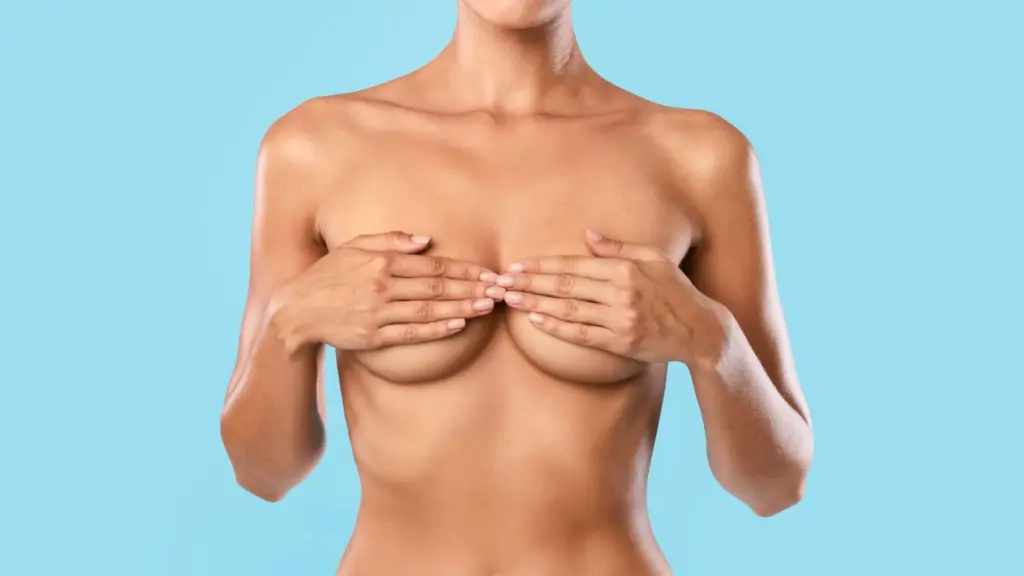
Many women worry about how their breast will look after breast cancer surgery. A lumpectomy tries to keep the breast looking natural by removing the tumor. Studies show that more than 70% of women are happy with their breast’s look after this surgery, thanks to new techniques.
Even though lumpectomy works well, it’s important to stay aware of breast cancer. A poll in the UK found that 45% of women don’t check their breasts often for cancer signs. We believe it’s key to treat breast cancer well and make sure women feel good and informed during treatment.
Key Takeaways
- Breast appearance is largely preserved after a lumpectomy.
- Over 70% of women report satisfaction with their breast’s appearance post-lumpectomy.
- Modern oncoplastic techniques enhance cosmetic outcomes.
- Regular breast checks are key for catching cancer early.
- A lumpectomy is a breast-conserving surgical option.
Understanding Lumpectomy: A Breast-Conserving Surgery
Lumpectomy is a surgery that helps keep the breast looking natural. It removes the cancerous part of the breast. This makes it a key treatment for early-stage breast cancer.
Definition and Purpose of Lumpectomy
Lumpectomy, also known as partial mastectomy or breast-conserving surgery, removes the tumor and some tissue around it. It keeps the rest of the breast intact. The main goal is to get rid of the cancer while keeping the breast looking good.
Research shows lumpectomy works as well as mastectomy for early-stage cancer. It also keeps the breast. A study found patients who had lumpectomy were very happy with their results three years later. Their satisfaction scores were higher than those who had mastectomy and implants.
“The goal of lumpectomy is not only to remove the cancer but also to preserve the patient’s body image and confidence.”
Comparison to Other Breast Cancer Surgeries
Lumpectomy is different from mastectomy, which removes the whole breast. Lumpectomy is less invasive for early-stage cancer. The choice between the two depends on the tumor’s size, location, and the patient’s wishes.
|
Surgical Option |
Description |
Patient Considerations |
|---|---|---|
|
Lumpectomy |
Removal of the tumor and a small margin of tissue |
Preserves breast appearance; suitable for early-stage cancer |
|
Mastectomy |
Removal of the entire breast |
May be necessary for larger tumors or multifocal cancer |
Candidates for Lumpectomy Procedures
People with early-stage breast cancer and small tumors are good candidates for lumpectomy. The decision is based on the tumor’s size, the patient’s health, and their wish to keep the breast.
Carmen Lorimer, a 40-year-old mother with stage one breast cancer, chose lumpectomy. Her story shows how important it is to talk with a doctor about treatment options.
Lumpectomy is a great option for many women with breast cancer. It balances treating the cancer with keeping the breast looking good.
The Immediate Post-Surgical Appearance
Lumpectomy recovery starts with noticing the breast’s immediate changes. After a lumpectomy, patients see several changes that are temporary and part of healing.
Swelling and Bruising
Swelling and bruising are common after a lumpectomy. These happen because of the surgery’s impact on the tissue. Swelling can make the breast appear larger, and bruising can cause discoloration. Both symptoms are temporary and usually go away in a few weeks.
A NHS national specialty advisor for breast screening, says, “Early detection and treatment of breast cancer significantly improve outcomes.” Knowing about these immediate changes helps patients cope better with their recovery.
Bandages and Surgical Dressings
After surgery, the breast is wrapped in bandages or dressings to protect the wound. These are key for keeping the area clean and helping it heal. Patients are told how to take care of their dressings and when to change them.
Drainage Tubes and Their Management
In some cases, drainage tubes are used to remove extra fluid from the site. Proper management of these tubes is essential to avoid infection and ensure a smooth recovery. Patients must follow their healthcare provider’s instructions for their tubes.
Initial Recovery Timeline
The recovery time varies, but most see big improvements in the first few weeks. It’s important to follow post-operative instructions and go to follow-up appointments.
Some women may notice mild indentation, asymmetry, or firmness after a lumpectomy. Knowing about these changes can help manage expectations and improve satisfaction.
immediate post-surgical appearance (1-3 Months)
Right after a lumpectomy, your breasts might look different for 1-3 months. This change comes from healing wounds, inflammation going down, and how the breast shape changes.
Healing Incision Sites
The cuts from a lumpectomy start to heal in the first few weeks. Taking good care of the wound is key to avoid big scars. Oncoplastic techniques used in surgery can make the scar look better and improve how you look overall.
Resolving Inflammation and Edema
Swelling and bruising are common after removing a breast tumor. These usually go away in a few weeks to months. Wearing compression clothes and following doctor’s orders can help lessen these effects.
“The way we care for our patients during the recovery period can significantly influence their satisfaction with the outcome,” said a leading breast surgeon. Regular follow-ups and supportive care are key in managing expectations and addressing concerns.
Initial Contour Changes
After a lumpectomy, the breast might look different at first. This is because of the tissue removal and healing. Oncoplastic techniques help shape the remaining tissue for a more natural look.
|
Timeline |
Cosmetic Changes |
Care Recommendations |
|---|---|---|
|
1-2 weeks |
Swelling and bruising peak |
Use compression garments, follow wound care instructions |
|
2-6 weeks |
Swelling starts to resolve, bruising fades |
Continue compression garments, attend follow-up appointments |
|
1-3 months |
Initial contour changes become apparent |
Massage as recommended, monitor for any unusual changes |
Skin Thickening and Texture Changes
Skin can get thicker and feel different after surgery and radiation. Good skin care can help manage these changes. Your doctor might suggest extra treatments too.
Choosing a nipple-sparing approach can make women happier with the results, with 75% being satisfied. Groups like Breast Cancer Now work to spread the word about breast health and the need for regular checks.
Long-Term Aesthetic Outcomes of Lumpectomy
It’s important for patients to know about the cosmetic results of lumpectomy. This surgery tries to keep the breast looking natural while removing cancer. But, the results can differ from person to person.
Permanent Changes in Breast Appearance
After a lumpectomy, some changes in the breast are permanent. These can include size, shape, and texture differences. The size of the tumor and where it is located play a big role in these changes.
It’s key to remember that while lumpectomy tries to keep the breast looking normal, some changes are unavoidable. How much these changes affect you can impact how happy you are with the look of your breast after surgery.
Statistical Overview of Cosmetic Results
Most patients are happy with how their breast looks after a lumpectomy. Over 86% say they are very satisfied with the cosmetic results. This shows that many people are pleased with how their breast looks after surgery.
“Regular breast checking is key for early detection and treatment of breast cancer. This can affect the aesthetic outcomes of treatments like lumpectomy.” – Manveet Basra, Associate Director of Public Health, Inclusion and Awareness at Breast Cancer Now.
Factors Affecting Final Cosmetic Results
Many things can affect how your breast looks after a lumpectomy. These include the tumor’s size and location, how much tissue is removed, and if you have radiation therapy. Everyone heals and scars differently, too.
- The size and location of the tumor can greatly affect the cosmetic outcome.
- How much tissue is removed and the surgical method used also play a role.
- Radiation therapy, often used with lumpectomy, can cause more changes in the breast’s appearance.
Knowing these factors can help patients prepare for the possible long-term effects of lumpectomy. It can also help them make better choices about their treatment.
Patient Satisfaction Rates After Lumpectomy

Looking into how happy patients are after a lumpectomy helps us see how well these surgeries work. Happiness after surgery isn’t just about how the breast looks. It’s also about how well the patient feels and their mental health.
BREAST-Q Satisfaction Scores
The BREAST-Q is a tool used to check how happy patients are with their breast surgery. Studies show that patients are very happy, with scores between 68 and 76 three years after surgery. This shows most patients are very pleased.
A study in the Journal of Clinical Oncology found patients happy with their breast look after lumpectomy. The scores show they’re not just happy with how they look. They’re also happy with their choice to have the surgery.
Comparison to Mastectomy Satisfaction
Studies comparing lumpectomy to mastectomy show different levels of happiness. Patients who had lumpectomy often say they’re happier than those who had mastectomy. This is because they kept more of their breast tissue.
|
Surgery Type |
Mean BREAST-Q Score |
Patient Satisfaction Rate |
|---|---|---|
|
Lumpectomy |
72 |
85% |
|
Mastectomy |
65 |
70% |
Psychological Impact of Preserved Breast Appearance
Keeping the breast look after lumpectomy has a big effect on patients’ minds. It helps them feel better about their body and less stressed about the surgery.
Carmen Lorimer, a breast cancer survivor, thanks her doctors for saving her. She talks about how keeping her breast helped her feel better about herself. This shows how important it is to keep the breast look.
Long-term Quality of Life Considerations
How well a patient does long-term after lumpectomy depends on many things. This includes how well the surgery worked, if they needed more treatments, and their overall health. Most patients say they feel good and can do what they did before surgery.
Every patient’s story is different. Things like the cancer stage, how much surgery they had, and their own health matter a lot. So, we need to think about these things when we talk about happiness and quality of life after lumpectomy.
Common Aesthetic Changes Following Lumpectomy

Lumpectomy is a surgery that aims to save the breast. But, it can lead to changes in how the breast looks and feels. These changes might affect how happy a woman is with her surgery.
Breast Asymmetry
One common change is breast asymmetry. This means the treated breast might look different from the other one. Studies say up to one-third of women might see some asymmetry after this surgery.
Things like how much tissue is removed, radiation, and healing differences can cause asymmetry. To fix it, doctors might use fat grafting or prosthetics to balance the breasts.
Indentation or Dimpling
Indentation or dimpling can also happen. It’s caused by removing tissue or scarring. Some women might notice a small change, while others see a bigger one.
To reduce dimpling, doctors might use oncoplastic surgery. Sometimes, a second surgery is needed to fix it.
Scarring Patterns and Visibility
Scarring is a part of lumpectomy. The look and pattern of scars can vary. It depends on the surgery method, where the incision is, and how well the skin heals.
Doctors try to make scars less noticeable. They might place incisions in hidden spots or use special closure methods. Scar revision can help if the scarring is bad.
Changes in Breast Firmness and Texture
After lumpectomy, the breast might feel firmer or denser. This is often due to radiation therapy. It can change how the breast looks and feels.
There are ways to manage these changes. Physical therapy or special garments can help support the breast during and after treatment.
|
Aesthetic Change |
Potential Causes |
Management Strategies |
|---|---|---|
|
Breast Asymmetry |
Tissue removal, radiation therapy, individual healing differences |
Fat grafting, prosthetic devices |
|
Indentation or Dimpling |
Tissue removal, scarring |
Oncoplastic surgery, secondary procedures |
|
Scarring |
Surgical technique, size and location of lumpectomy site, individual healing |
Minimizing scarring techniques, scar revision procedures |
|
Changes in Firmness and Texture |
Radiation therapy |
Physical therapy, supportive garments |
Modern Oncoplastic Techniques in Lumpectomy
Modern oncoplastic techniques are changing breast-conserving surgery for the better. They mix safe cancer removal with beauty to help patients. This new approach improves how surgery looks and feels.
Integration of Plastic Surgery Principles
Adding plastic surgery methods to lumpectomies has made a big difference. Surgeons use cosmetic surgery techniques to make results look more natural. This way, they focus on removing the tumor and also on how the breast will look after surgery.
Tissue Rearrangement Techniques
Tissue rearrangement is key in oncoplastic surgery. It moves the remaining breast tissue to shape and look natural. This can include using glandular flaps or moving tissue to keep the breast’s shape.
Immediate Reconstruction Options
Now, many patients can get their breast rebuilt right after the tumor is taken out. This can make the breast look better. Techniques like reducing the size of the breast or lifting it can be done at the same time to make it look even better.
Impact on Satisfaction Rates
Modern oncoplastic techniques have greatly improved patient satisfaction. Over 70% of women are happy with how their breasts look after surgery. A leading expert says better NHS screening and treatment also help improve breast cancer care.
By focusing on both cancer safety and beauty, modern oncoplastic techniques give patients great results. They improve survival rates and quality of life.
Nipple-Sparing Approaches and Their Results
Patients getting lumpectomy now have a new option: nipple-sparing methods. These techniques help keep the breast looking natural. This can boost the patient’s self-image and overall happiness.
Candidacy for Nipple Preservation
Not every patient can have a nipple-sparing lumpectomy. The choice depends on the tumor’s size and location, and the patient’s health. A team of experts must carefully check if preserving the nipple is right.
Satisfaction Rates with Preserved Nipples
Research shows that keeping the nipple leads to higher satisfaction. 75% of women are happy with how their breasts look after surgery. Carmen Lorimer, a breast cancer survivor, talks about how important it is to talk to your doctor about your options.
Potential Changes in Nipple Sensation and Appearance
Nipple-sparing methods look great, but they might change how the nipple feels and looks. Some women might feel numbness or different sensations after surgery. But, many say these changes are small and don’t last long.
Long-term Outcomes of Nipple Preservation
The long-term effects of keeping the nipple are mostly good. Most patients see their breasts looking natural again. It’s key to keep up with check-ups with your surgeon to make sure everything looks and feels right.
In short, nipple-sparing methods in lumpectomy are a great choice for those wanting to keep their breast’s natural look. Knowing what to expect and what’s involved helps patients make the best decision for themselves.
Radiation Therapy and Its Impact on Breast Appearance
Radiation therapy is often used after a lumpectomy to treat breast cancer. It helps kill any cancer cells left behind. This reduces the chance of cancer coming back.
Skin Changes During and After Radiation
Patients may see their skin change during radiation therapy. They might notice redness, irritation, and dryness. This is because radiation hits not just cancer cells but also the skin around them.
In some cases, the skin can turn hyper-pigmented or get radiation dermatitis. These are skin problems caused by the treatment.
- Keep the skin clean and moisturized to minimize irritation.
- Avoid direct sun exposure and use protective clothing.
- Use gentle skin care products recommended by your healthcare provider.
Long-term Effects on Breast Tissue
Radiation therapy can cause long-term changes in breast tissue. This includes fibrosis and shrinkage. These changes can make the breast look smaller or feel firmer.
Breast Cancer Now says being aware and catching problems early is key. This helps manage these changes and improves treatment results.
Some common long-term effects include:
- Breast firmness: The breast may become firmer due to fibrosis.
- Size reduction: Shrinkage can occur, making the breast appear smaller.
- Skin thickening: The skin may become thicker and less pliable.
Strategies to Minimize Radiation-Related Cosmetic Issues
To lessen the cosmetic impact of radiation therapy, several strategies can be used. These include:
- Using advanced radiation techniques that deliver more precise doses to the tumor site, reducing exposure to surrounding tissue.
- Implementing oncoplastic surgery techniques during lumpectomy to improve cosmetic outcomes.
- Engaging in post-radiation skin care to manage and reduce the severity of skin changes.
Timeline for Radiation-Related Changes
The time it takes for radiation-related changes to show up can vary. The immediate effects on the skin and breast tissue are seen during and shortly after treatment. Changes like edema, skin thickening, or scarring usually get better in two years. But, some changes can last forever.
It’s important for patients to talk to their healthcare provider about their situation. This way, they can understand what to expect and how to manage any changes in breast appearance.
Living With Your Post-Lumpectomy Breast
Life after a lumpectomy brings changes in how you look and feel. You’ll need to adjust to these changes in your daily life. This includes how you dress and how you stay active.
Clothing Considerations and Adaptations
Wearing the right clothes can make a big difference in comfort after a lumpectomy. Soft, breathable fabrics help avoid irritation. Look for clothes that offer gentle support without being too tight.
- Choose bras with adjustable straps and soft cups.
- Consider post-surgical bras or camisoles for added comfort.
- Loose-fitting tops can help reduce irritation.
Physical Activities and Exercise
Staying active is key for your health and recovery. But, always listen to your surgeon about when to start exercising again. Gentle exercises can help improve circulation and reduce stiffness.
- Start with light stretching exercises as recommended by your healthcare provider.
- Gradually increase the intensity of your workouts.
- Avoid heavy lifting or bending that may strain your chest area.
Intimate Relationships and Body Image
Changes in your breasts can affect how you feel about your body and relationships. It’s okay to feel self-conscious. Talking openly with your partner can help a lot. Support and understanding from loved ones are key to healing.
- Discuss your feelings and concerns with your partner.
- Explore ways to maintain intimacy that feel comfortable for you.
When to Consult Your Surgeon About Appearance Concerns
If you notice big changes in your breast appearance or feel discomfort, talk to your surgeon. Regular check-ups are important for addressing any issues and ensuring the best outcome.
Manveet Basra stresses the importance of regular breast checks and awareness. This is essential for keeping your breasts healthy after a lumpectomy.
Timeline of Breast Appearance Improvement
Knowing when your breasts will look better after a lumpectomy helps you feel better. The healing journey has different stages, each with its own signs and milestones.
First Weeks Post-Surgery
Right after a lumpectomy, swelling and bruising are common. Your breast might feel sore, and the skin might look different. It’s important to follow your doctor’s advice to heal well.
Carmen Lorimer, a breast cancer survivor, said:
“The first few weeks were tough, but knowing what to expect helped a lot. I was ready for the swelling and bruising, and I stuck to my doctor’s plan.”
Three to Six Months Recovery
By three to six months, swelling goes down, and your breast feels more like before. The cut will keep healing, and your skin will get back to normal. Some people might feel numb or tingly, but this usually goes away.
It’s key to keep up with doctor visits during this time. They help check on your healing and answer any questions.
One to Two Years Post-Treatment
Between one to two years, your breast can look even better. Effects like swelling, skin thickening, or scars often get better. But how fast it happens can vary.
Being patient and letting your body heal is important. Eating well and exercising can also help your recovery.
What Changes May Be Permanent
Some changes, like scars or texture changes, might not go away. Knowing this can help you prepare and make choices about your care.
If you’re worried about how your breasts look, talk to your doctor. There are ways to improve how they look, like surgery or non-surgical options.
Corrective Options for Suboptimal Cosmetic Results
There are ways to fix unsatisfactory cosmetic results after lumpectomy surgery. New surgical methods and care after surgery have made things better for breast cancer patients. But, some people might not be happy with how their breasts look after treatment.
Fat Grafting for Contour Irregularities
Fat grafting moves fat from one body part to the breast to fix unevenness. It’s great for those with indentations or uneven breasts after lumpectomy and radiation. A study on the National Center for Biotechnology Information site shows it can really help.
The fat grafting process is simple. First, fat is taken from another part of the body through liposuction. Then, it’s purified and injected into the breast. While it can greatly improve looks, some might need more than one session to get the look they want.
Scar Revision Techniques
Scar revision is an option for those unhappy with their lumpectomy scars. There are many ways to fix scars, from simple cuts and stitches to more complex methods. The right method depends on the scar, the patient’s health, and what they want.
Good scar revision can make the breast look better, making patients happier with their surgery. It’s key to talk to a surgeon to find the best way to fix the scar.
Secondary Reconstructive Procedures
Some choose secondary reconstructive procedures for a better breast look. These can be small tweaks or big changes, depending on what’s needed. It’s all about what the patient wants and what the first surgery was like.
Secondary reconstruction is great for those with big changes in their breast look after lumpectomy and radiation. Working with a skilled surgeon, patients can find the best plan for their look.
Non-Surgical Approaches to Appearance Enhancement
Not all fixes need surgery. Non-surgical methods, like prosthetics or special clothes, can also improve breast look. Some prefer these options because they avoid more surgery.
An expert talks about how better NHS screening and treatment help patients. A team effort to fix cosmetic issues after lumpectomy can lead to the best results, whether surgery is needed or not.
Conclusion: Making Informed Decisions About Breast Cancer Surgery
Breast cancer surgery is a key part of treatment. It’s important to understand the options well. We talked about lumpectomy and mastectomy, and how they compare.
Knowing what to expect after surgery helps patients prepare. This includes the immediate look, short-term changes, and long-term effects on appearance.
Groups like Breast Cancer Now stress the need for awareness and support. Being well-informed helps patients choose what’s best for them. Whether it’s lumpectomy or mastectomy, the aim is to improve life quality.
Choosing surgery should be a thoughtful decision. Patients should talk to doctors and gather all the information they need. This way, they can make the best choice for their care.
FAQ
What is a lumpectomy and how does it differ from a mastectomy?
A lumpectomy removes the tumor and some tissue around it, keeping the rest of the breast. It’s different from mastectomy, which removes the whole breast. Lumpectomy tries to keep the breast looking natural.
How long does it take to recover from a lumpectomy?
Recovery from a lumpectomy usually takes a few weeks. Most people can go back to normal activities in 2-4 weeks. But, it can take months for all swelling to go away.
What are the common aesthetic changes after a lumpectomy?
After a lumpectomy, you might see breast asymmetry, indentations, scarring, and changes in firmness. These changes depend on the tumor’s size and location, and your body.
How can oncoplastic techniques improve the cosmetic outcome of lumpectomy?
Oncoplastic techniques mix plastic surgery with lumpectomy. They use tissue rearrangement to reduce cosmetic changes. This improves the breast’s appearance.
What is the impact of radiation therapy on breast appearance after lumpectomy?
Radiation can cause skin issues like redness and dryness. It can also make the breast tissue firmer and change its texture. Proper skin care and sometimes extra treatments can help.
Can nipple-sparing approaches be used in lumpectomy procedures?
For some, nipple-sparing approaches can be used in lumpectomy. This depends on the tumor’s location and other factors. It aims to keep the nipple-areola complex, improving the look of the breast.
What are the corrective options for suboptimal cosmetic results after lumpectomy?
Options for improving the look of the breast after lumpectomy include fat grafting and scar revisions. There are also secondary reconstructive procedures and non-surgical ways to enhance appearance.
How can I manage my expectations regarding the appearance of my breast after lumpectomy?
Managing expectations means understanding the possible changes after lumpectomy. It’s important to talk to your surgeon about your concerns. This ensures you know what to expect.
What is the long-term quality of life after lumpectomy?
Studies show patients are usually happy with their decision to have a lumpectomy. They often have a better quality of life than those who had a mastectomy. Keeping the breast can positively affect their mental health.
When should I consult my surgeon about appearance concerns after lumpectomy?
If you notice any changes or concerns after lumpectomy, talk to your surgeon. They can help manage these issues and suggest ways to improve your appearance if needed.