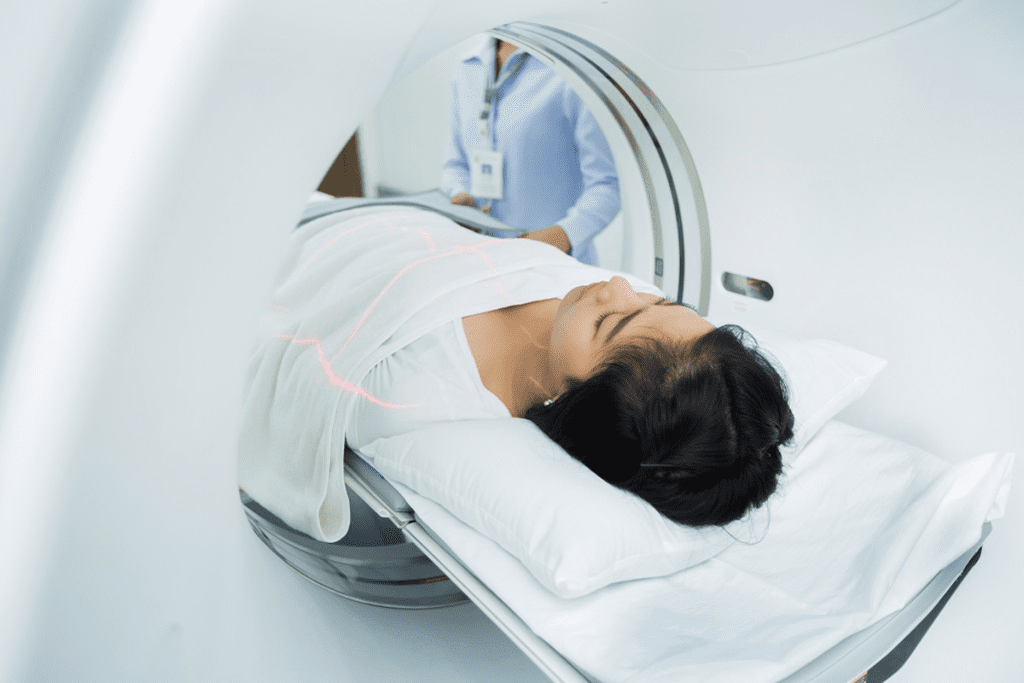
A negative PET scan doesn’t always mean you don’t have lung cancer, as they can produce false-negative results. This limitation is particularly critical when determining where lung cancer first spread, which is often to nearby lymph nodes.
It’s important to know the limits of PET scans in cancer diagnosis. While they are useful, they’re not perfect. A full check-up is needed to confirm if you have lung cancer.
Key Takeaways
- A negative PET scan doesn’t necessarily mean cancer is not present.
- Further evaluation is necessary to determine the presence of lung cancer.
- PET scans have limitations in detecting cancer.
- A complete diagnosis is key for accurate results.
- Understanding PET scan results is vital for effective treatment.
Understanding PET Scans in Cancer Detection
PET scan in cancer detection
PET scans are a key tool in finding and understanding cancer. They use a special substance that cancer cells love to eat. This helps doctors see where cancer is and how big it is.
How PET Scans Work
A PET scan starts with a tiny amount of radioactive tracer being given to the patient. This tracer is like sugar that cancer cells gobble up. The scan then shows where this sugar is, helping doctors spot cancer.
What PET Scans Can Detect
PET scans are great at finding lung cancer. They show where the cancer is and if it has spread. This helps doctors plan the best treatment.
| Cancer Type | PET Scan Utility |
| Lung Cancer | Detection of primary tumor and metastasis |
| Lymphoma | Staging and monitoring treatment response |
| Breast Cancer | Assessing spread to lymph nodes or distant sites |
Typical Uses in Cancer Diagnosis
PET scans are used a lot in cancer care. They help doctors see how far cancer has spread. This is important for choosing the right treatment.
Knowing how PET scans work helps everyone involved in cancer care. It leads to better decisions about treatment.
Limitations of PET Scan Technology
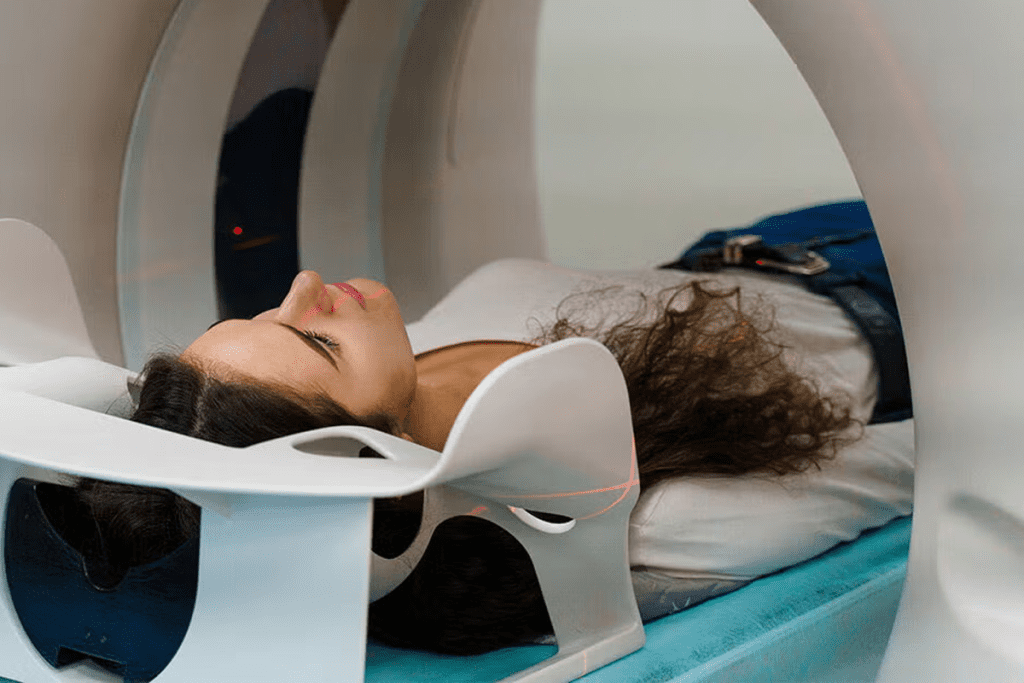
PET scan technology is advanced but has some limits. These limits can affect how well it finds cancer. It’s important for doctors and patients to know these limits to understand scan results and make good decisions.
Resolution Limitations
PET scans can’t always find small tumors or those in busy areas. This can lead to false negatives, where cancer is missed.
Resolution limitations are big problems in early cancer or with small tumors. For example, a study in the Journal of Nuclear Medicine showed PET scans struggle with small lung nodules. This makes it hard to find lung cancer early.
| Limitation | Description | Impact on Cancer Detection |
| Resolution Limitations | Inability to detect small tumors or those in areas with high background activity | Potential for false negatives, particularlly in early cancer stages |
| Metabolic Activity Requirements | Cells must be metabolically active to be detected | Slow-growing or low-metabolism tumors may not be detected |
| Technical Factors | Factors such as scanner quality, imaging protocol, and patient preparation | Variability in image quality can affect diagnostic accuracy |
Metabolic Activity Requirements
PET scans need cells to be active to find cancer. Slow-growing or low-activity tumors might not show up. This is a big problem for some cancers that don’t use a lot of energy.
The sensitivity of PET scans is highly dependent on the metabolic activity of the tumor. Tumors with low glucose metabolism may not be detectable, highlighting the need for complementary diagnostic approaches.
Technical Factors Affecting Results
Many technical things can change what a PET scan shows. This includes the scanner’s quality, the imaging method, and how the patient is prepared. These differences can make the scan’s results vary.
Patient preparation is key for good PET scan results. Things like blood sugar levels can affect how well the scan works. Making sure patients are ready for the scan is important for getting the best results.
False Negative Results in PET Scans
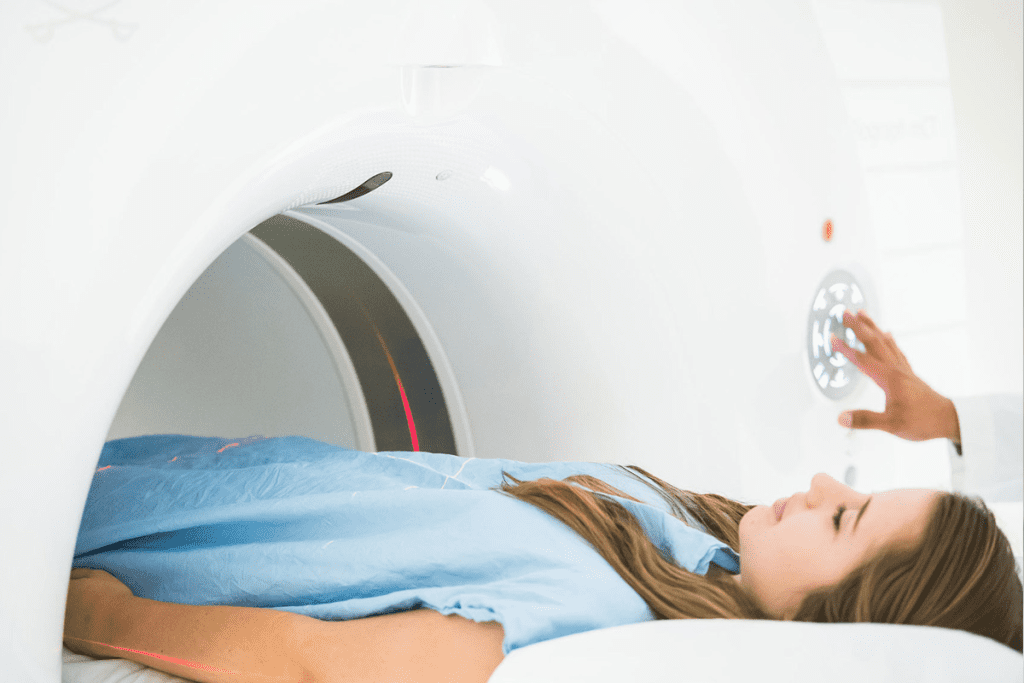
Getting a negative PET scan result doesn’t mean you definitely don’t have cancer. False negatives can happen for many reasons. It’s important to know the limits of PET scan technology.
Causes of False Negatives
There are several reasons for false negative PET scans. Small tumor size is a big one. Tumors that are too small might not show up on PET scans. Also, low metabolic activity in tumors can cause false negatives. This is because PET scans look for metabolic activity to find cancer cells.
Other reasons include the type and location of the cancer. For example, some lung cancers are harder to spot because they don’t have high metabolic rates.
Statistical Frequency of False Negatives
PET scans are usually accurate, but false negatives can happen. The rate of false negatives depends on several things. These include the cancer type, tumor size, and the PET scan technology used.
Research shows that false negative rates can be high in some cases. This means we need other tests when cancer is suspected, even with a negative PET scan.
Risk Factors for Inaccurate Results
Some risk factors can make PET scan results less reliable. For example, small cell lung cancer might not always be found. This is because it’s small or has low metabolic activity.
Patient factors, like blood glucose levels, can also affect accuracy. High blood sugar can mess with the PET tracer, leading to false negatives.
Knowing these risk factors helps us understand PET scan results better. It tells us when we might need more tests.
Lung Cancer First Spread: Why Early Metastasis May Be Missed
Finding early metastasis in lung cancer is tough. Even with new imaging tools like PET scans, some early signs can be missed.
Microscopic Metastases Below Detection Threshold
One big reason early metastasis is often missed is because the tumors are tiny. PET scans can’t spot very small tumors or early cancer spread. When cancer starts to spread, it might not be big enough for current scans to see.
Table 1: Detection Limits of PET Scans
| Imaging Modality | Typical Detection Limit |
| PET Scan | 4-5 mm |
| CT Scan | 2-3 mm |
Low Metabolic Activity in Early Spread
Early metastases might not show up well on PET scans because they don’t use a lot of energy. PET scans look for energy use in cells. But in the early stages, cancer cells might not use energy differently enough to be seen.
The sensitivity of PET scans in detecting metastatic disease is highly dependent on the metabolic activity of the tumor cells.
Challenging Anatomical Locations
Some parts of the body are hard to scan because of their shape or how they move. For example, tumors near the diaphragm or close to big blood vessels are tricky to spot.
Because of their small size, low energy use, and hard-to-reach spots, finding lung cancer early is really hard. Knowing these challenges helps doctors and patients deal with lung cancer’s complex diagnosis and treatment.
Lung Cancer Staging and Metastatic Progression
Lung cancer staging is a detailed process. It looks at the tumor’s size, where it is, and if it has spread. This helps doctors know how serious the cancer is and what treatment to use.
TNM Classification System
The TNM system is a key way to stage lung cancer. It considers three main things: the tumor’s size and spread (T), nearby lymph nodes (N), and if it has gone to distant places (M). This system helps doctors understand the cancer’s spread and plan treatment.
Regional vs. Distant Spread
Lung cancer can spread in two ways: to nearby lymph nodes or to distant organs. Spread to nearby lymph nodes is called regional. Spread to organs like the brain or liver is distant. Knowing this helps doctors stage the cancer correctly and plan treatment.
Timeline of Typical Cancer Progression
The progression of lung cancer varies. It starts with early-stage disease and can move to advanced-stage disease. Watching how the cancer grows is important for changing treatment plans and helping patients.
Several things affect lung cancer’s growth. These include the cancer type, genetic changes, and the patient’s health. Knowing these helps doctors create treatment plans that are just right for each patient.
Common Sites of Lung Cancer Metastasis
It’s important to know where lung cancer spreads. This helps doctors diagnose and treat it better. When lung cancer cells move to other parts of the body, they form new tumors.
Lymphatic System Involvement
The lymphatic system is a main path for lung cancer to spread. Cancer cells can reach nearby lymph nodes through this system. Knowing this helps doctors understand the cancer’s stage and how likely it is to spread.
Brain Metastases: Detection Challenges
Brain metastases are a big worry in lung cancer, mainly in NSCLC. Finding these metastases is hard because of the blood-brain barrier. But, MRI scans can help spot them.
Bone Metastases: Patterns and Detection
Bone metastases are common in lung cancer, more so in small cell lung cancer. They can lead to pain and fractures. Doctors use bone scans or PET scans to find these metastases.
| Metastatic Site | Common Symptoms | Diagnostic Challenges |
| Lymphatic System | Swollen lymph nodes, fatigue | Early detection requires thorough lymph node assessment |
| Brain | Headaches, neurological deficits | Blood-brain barrier limits some diagnostic techniques |
| Bones | Pain, fractures | Early detection requires sensitive bone scans |
Knowing where lung cancer spreads is key for better treatment. Understanding how and where it spreads helps doctors make better plans. This leads to better care for patients.
Additional Metastatic Sites in Lung Cancer
liver metastases lung cancer
Lung cancer can spread to distant organs, making treatment harder and outcomes worse. Knowing where cancer can go is key for treating it well.
Liver Metastases: Characteristics and Detection
Liver metastases from lung cancer are a big worry. They can cause liver problems and pain. Liver metastases are found with CT scans or MRI. Finding them means the cancer is likely advanced, needing a new treatment plan.
Adrenal Gland Involvement
The adrenal glands can also get lung cancer. Adrenal metastases might not show symptoms or might have vague ones. CT scans are important for spotting these.
Other Organs Affected by Metastatic Spread
Lung cancer can also go to other places like bones, brain, and sometimes kidneys, pancreas, and skin. The way cancer spreads depends on the type. Non-small cell lung cancer (NSCLC) and small cell lung cancer (SCLC) spread differently.
It’s important for doctors to know where cancer can go. Patients should also know about possible symptoms.
Different Types of Lung Cancer and Their Spread Patterns
Lung cancer types have unique ways of spreading, which affects how well patients do. Knowing the different types of lung cancer is key. It helps doctors decide on the best treatment and what the patient’s future might look like.
Small Cell Lung Cancer Metastasis
Small cell lung cancer (SCLC) grows fast and spreads quickly. It often goes to places like the brain, liver, and bones early. This is because it starts in cells that can grow and spread a lot.
Non-Small Cell Lung Cancer Spread
Non-small cell lung cancer (NSCLC) is the most common type. It includes adenocarcinoma and squamous cell carcinoma. NSCLC grows and spreads slower than SCLC but can go to lymph nodes, brain, and bones. The way it spreads depends on the specific type.
Adenocarcinoma vs. Squamous Cell Carcinoma Patterns
Adenocarcinoma and squamous cell carcinoma are two main types of NSCLC. Adenocarcinoma starts in smaller airways and can spread to many places, like the brain and bones. Squamous cell carcinoma starts in larger airways and spreads locally before going to distant places. Knowing these patterns helps doctors plan better treatments.
Complementary Diagnostic Methods When PET Is Negative
When PET scans don’t show cancer, doctors use other tests to confirm or rule out the disease. PET scans are great but can miss some cancers or early signs.
CT and MRI Imaging
CT and MRI scans are key tools for more checks. CT scans show detailed images of the body, helping spot tumors and their size. MRI scans focus on soft tissues, like the brain and spinal cord, with high detail.
These scans can find issues PET scans miss, like cancers that aren’t very active.
| Diagnostic Method | Strengths | Weaknesses |
| CT Scan | Quick, detailed images of internal structures | Exposure to radiation, less effective for soft tissue |
| MRI Scan | Excellent for soft tissue, no radiation | Time-consuming, not suitable for all patients (e.g., those with metal implants) |
| Liquid Biopsy | Non-invasive, can detect cancer DNA in blood | May not detect all types of cancer, sensitivity varies |
| Tissue Biopsy | Definitive diagnosis, provides tissue for analysis | Invasive, risk of complications, sampling errors |
Liquid Biopsies and Blood Tests
Liquid biopsies check blood or fluids for cancer DNA. This method is non-invasive and might catch cancer early. But, it works better for some cancers than others.
Tissue Biopsies and Their Importance
Tissue biopsies are the best way to diagnose cancer. They take a tissue sample from a tumor for a detailed look. Though invasive, they give a clear diagnosis and info on the cancer’s type and genetics.
Using these tests together helps doctors get a more accurate cancer diagnosis, even when PET scans are negative.
Clinical Case Studies: Cancer Present Despite Negative PET Scans
Negative PET scan results don’t always mean there’s no cancer. Many case studies show this. They point out the need for a detailed approach to cancer diagnosis, not just one test.
Real Patient Scenarios
Some patients were diagnosed with cancer even after PET scans showed nothing. For example, a smoker with lung issues was found to have lung cancer. This was after more tests, even though the PET scan was negative.
Another patient had signs of cancer spreading but the PET scan missed it. Later, biopsies and MRI scans showed lung cancer had spread.
Diagnostic Challenges Faced
Doctors face big challenges in diagnosing cancer. PET scans can miss tumors if they’re small or not very active. This leads to false negatives.
- The size and location of tumors can affect the accuracy of PET scans.
- Tumors with low metabolic activity may not be detected by PET scans.
- Technical factors, including the timing of the scan and the tracer used, can influence results.
How Cancer Was Eventually Detected
Cancer was found in these cases through a mix of tests. These included:
- CT and MRI imaging to provide more detailed anatomical information.
- Liquid biopsies and blood tests to detect circulating tumor DNA or other biomarkers.
- Tissue biopsies, which remain the gold standard for cancer diagnosis.
These stories show the value of using many tests to find cancer. This is key for patients at high risk or with ongoing symptoms, even after initial tests.
Symptoms That Warrant Further Investigation Despite Negative Imaging
Certain symptoms should make doctors look deeper than just imaging. Even if scans show nothing, some symptoms hint at a bigger issue.
Persistent Respiratory Symptoms
Chronic cough, wheezing, or shortness of breath need extra checks. These signs might point to lung problems, like cancer, even if scans look okay.
Key respiratory symptoms to watch for include:
- Prolonged cough lasting more than 8 weeks
- Recurring or persistent wheezing
- Unexplained shortness of breath
- Hemoptysis (coughing up blood or rust-colored mucus)
Systemic Symptoms of Concern
Some systemic symptoms hint at cancer, even if scans are clear. Unexplained weight loss, fatigue, and loss of appetite are red flags.
Notable systemic symptoms include:
- Unexplained weight loss of more than 10% body weight over 6 months
- Profound fatigue interfering with daily activities
- Loss of appetite or early satiety
Pain Patterns Suggesting Metastasis
Pain in specific areas can signal cancer spread, even with clear scans. Back, chest, or head pain that won’t go away needs more looking into.
- Back pain that is persistent or worsening
- Headaches that are new, severe, or changing in pattern
- Bone pain, specially if it’s localized to specific areas like the ribs or spine
Doctors must think about all symptoms when scans are negative. A full check-up, including history, physical exam, and more tests, is key to figuring out what’s next.
When to Seek a Second Opinion or Additional Testing
If you’re feeling worse or symptoms don’t go away after a PET scan, it might be time for a second look. A negative PET scan can give you peace of mind. But remember, it’s not a 100% guarantee against serious health issues.
Persistent or Worsening Symptoms
Feeling worse or having symptoms that won’t go away is a big red flag. Symptoms like unexplained weight loss, constant pain, or trouble breathing are serious. Even if your PET scan was okay, talk to your doctor about these signs. They might mean you need more tests or a different way to figure out what’s wrong.
“The presence of symptoms is a critical factor in determining the next steps in diagnosis and treatment.” This shows how important it is to talk openly with your doctor about your health worries.
Discrepancies Between Symptoms and Test Results
When your symptoms don’t match your test results, it can be scary. If your symptoms don’t fit with what your tests say, or if you got a negative test but feel sick, getting a second opinion is a good idea. Talking to your doctor or seeing a specialist can help clear things up and might lead to more tests.
“Sometimes, a fresh perspective or additional diagnostic tests can uncover what’s been missed initially.” A Physician
Advocating for Your Health
Being your own health advocate means being proactive and not giving up on finding answers. If you’re not happy with your care or diagnosis, don’t be afraid to ask for more opinions or tests. Your health is the most important thing, and there are people and resources ready to help you through tough medical times.
Knowing when to ask for more help or tests can help you take charge of your health. This way, you can make sure you’re getting the best care for your needs.
Conclusion: Navigating Uncertainty in Cancer Diagnosis
Dealing with the uncertainty of a cancer diagnosis needs a thorough check-up. Sometimes, it takes more than one test to find out what’s going on. PET scans are great for spotting cancer, but they can miss it sometimes.
When tests don’t show cancer but it’s there, doctors face a big challenge. They must use their knowledge, listen to the patient, and do more tests to find the truth.
Doctors might use CT and MRI scans, liquid biopsies, and tissue biopsies to get a clear picture. This way, they can figure out the best plan to fight cancer.
In the end, facing cancer’s uncertainty requires a focus on the patient. It’s about using the newest tech and doctor’s skills to get the right diagnosis and start treatment fast.
FAQ
Can a negative PET scan rule out lung cancer?
No, a negative PET scan doesn’t mean you definitely don’t have lung cancer. It might miss small tumors or early spread.
How accurate are PET scans in detecting lung cancer?
PET scans are usually good at finding lung cancer. But, their accuracy can change based on the tumor size and activity, and technical issues.
What are the common sites for lung cancer metastasis?
Lung cancer often spreads to the lymph nodes, brain, bones, liver, and adrenal glands.
Can lung cancer spread without being detected by a PET scan?
Yes, lung cancer can spread without a PET scan catching it. This is more likely if the spread is small or slow.
What are the limitations of PET scan technology?
PET scans have some limits. They can’t see very small things, need the tumor to be active, and technical issues can affect results.
How does the type of lung cancer affect its spread pattern?
Different lung cancers spread in different ways. Some types, like small cell, are more likely to go to certain places.
What are the symptoms that warrant further investigation despite negative imaging?
You should get checked again if you have ongoing breathing problems, general symptoms, or specific pains.
When should I seek a second opinion or additional testing?
Get a second opinion or more tests if your symptoms don’t go away or get worse. Or if what you’re feeling doesn’t match the test results.
What complementary diagnostic methods can be used when PET scans are negative?
When PET scans don’t show anything, you can try CT and MRI scans, liquid biopsies, or tissue biopsies.
How is lung cancer staging determined?
Lung cancer is staged using the TNM system. It looks at the tumor size, lymph nodes, and if it has spread.
Can microscopic metastases be detected by PET scans?
No, PET scans might not find tiny metastases because they’re too small and not very active.
What is the role of liquid biopsies in lung cancer diagnosis?
Liquid biopsies can help find lung cancer by looking for DNA or biomarkers in blood. They’re useful when scans don’t show anything.
References
- Cheran, S. K., et al. (2004). False-negative findings for primary lung tumors on FDG PET. American Journal of Roentgenology, 182(5), 1129“1134. https://ajronline.org/doi/10.2214/ajr.182.5.1821129
- Wang, S., et al. (2025). Comprehensive analysis of lung cancer metastasis. PMC. https://pmc.ncbi.nlm.nih.gov/articles/PMC12254191/
- Groheux, D., et al. (2016). FDG PET-CT for solitary pulmonary nodule and lung cancer: limitations and false negatives. European Journal of Nuclear Medicine and Molecular Imaging.https://www.sciencedirect.com/science/article/pii/S2211568416301747
- Li, S., Zheng, Q., Ma, Y., Wang, Y., Feng, Y., Zhao, B., et al. (2013). Implications of false negative and false positive diagnosis in lymph node staging of NSCLC by means of ^18F-FDG PET/CT. PLOS ONE, 8(10), e78552. https://journals.plos.org/plosone/article?id=10.1371/journal.pone.0078552
- Riihimäki, M., et al. (2014). Metastatic sites and survival in lung cancer. Lung Cancer, 86(1), 78“84.https://www.sciencedirect.com/science/article/abs/pii/S0169500214003201