
We’re always looking for ways to better our health, and lung cancer screening is a big part of that. Studies have found that Low Dose Computed Tomography (LDCT) screenings can cut down on lung cancer deaths by a lot. Yet, screening rates are surprisingly low.
LDCT screenings have been proven to lower death rates by 20-24% in adults at high risk, aged 50-80. But in 2023, only 4.5% of people in the U.S. got screened. Knowing the current guidelines and why early detection matters is vital to boosting these numbers.
Key Takeaways
- LDCT screening reduces lung cancer mortality by 20-24% in high-risk adults.
- The recommended age group for screening is 50-80 years.
- Despite guidelines, screening rates remain low, at 4.5% in the U.S. in 2023.
- Early detection is key to better lung cancer survival rates.
- Understanding current guidelines is essential for increasing screening rates.
The Critical Importance of Lung Cancer Screening
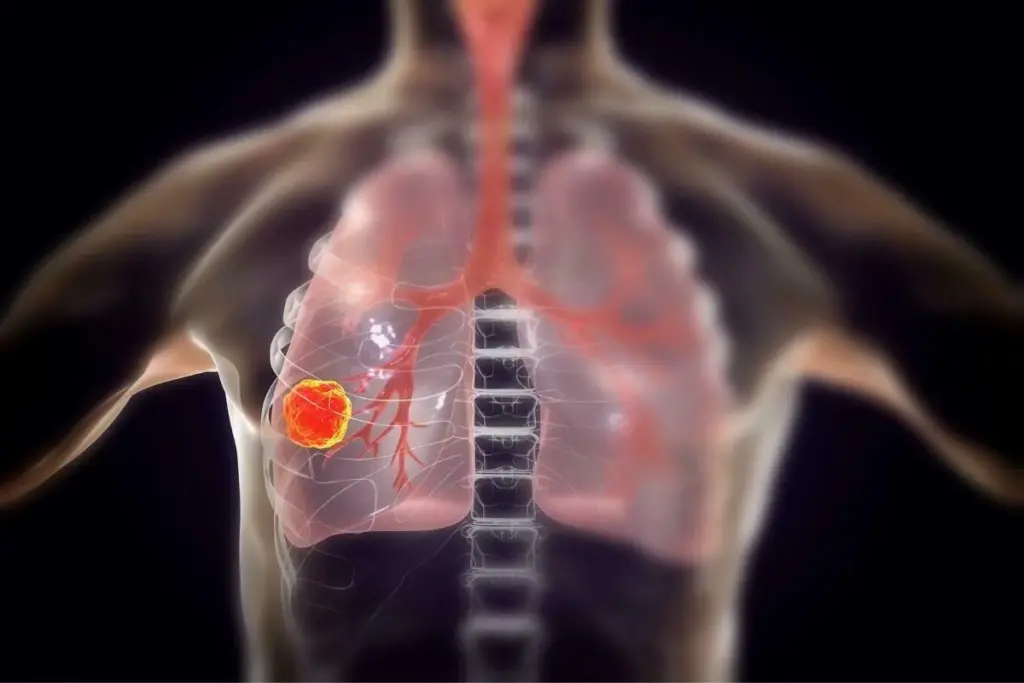
Lung cancer screening is a key weapon in the battle against this deadly disease. Looking at the numbers and the benefits of early detection shows why it’s so important for those at high risk.
Lung Cancer Statistics in the United States
Lung cancer is a top cancer diagnosis and the leading cause of cancer deaths globally. In the U.S., thousands of new cases are found each year, mostly in smokers.
The numbers are alarming: lung cancer kills more people than breast, colon, and prostate cancers combined. Knowing these lung cancer statistics helps us understand the problem’s size and why screening is so critical.
The Impact of Early Detection on Survival Rates
Early detection lung cancer greatly boosts survival chances. Finding lung cancer early means treatments work better, and survival rates go up.
Research shows that screening high-risk people with low-dose CT scans can cut lung cancer deaths. This early detection is essential for better patient outcomes.
While lung cancer is more common in older adults, it can also affect younger people, even in their 20s. Lung cancer in 20s is rare but serious, often linked to genetics or exposure to harmful substances.
Understanding Lung Cancer Screening Methods
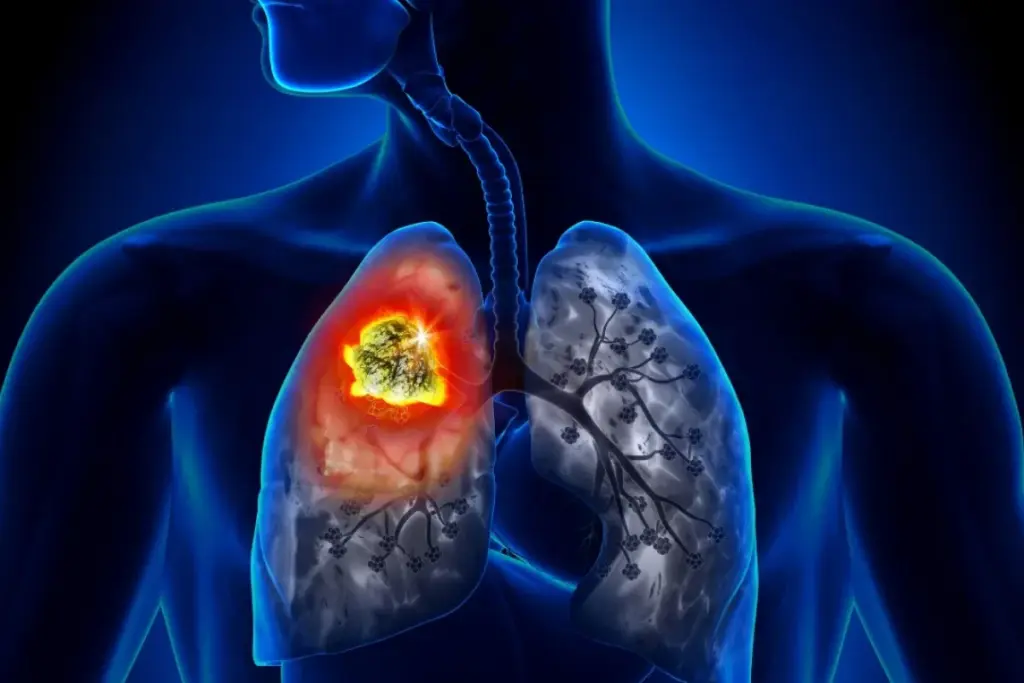
Early detection of lung cancer is now easier than ever. Advanced screening methods have made it possible. We will look at the different ways to screen for lung cancer, focusing on Low-Dose Computed Tomography (LDCT).
Low-Dose Computed Tomography (LDCT)
LDCT is the top choice for lung cancer screening. It uses low radiation to create detailed lung images. This helps find tumors or abnormalities early on.
How LDCT Works: The person lies on a table that slides into a big, doughnut-shaped machine. The machine takes X-rays from different angles. A computer then makes detailed lung pictures from these images.
Other Screening Approaches
While LDCT is the main screening method, other options are being looked into. Biomarkers and blood tests might spot lung cancer risk. But these are not yet widely used for screening.
The Importance of Screening: Lung cancer screening is key for early detection and treatment. Knowing about screening methods and their benefits helps people make health choices.
What usually leads to a screening test? A history of heavy smoking is a big risk factor. Other risks, like exposure to certain substances and family history, are also considered.
Evidence Behind Lung Cancer Screening Effectiveness
Lung cancer screening is a proven way to lower death rates in people at high risk. This is backed by big studies and detailed analyses.
Major Clinical Trials and Their Findings
Big studies have looked into how well Low-Dose Computed Tomography (LDCT) works for lung cancer screening. The National Lung Screening Trial (NLST) was a key study. It showed LDCT can cut lung cancer death rates by a lot.
The NLST found LDCT screening cuts lung cancer death rates by 20% compared to chest X-rays. Other studies, like the NELSON trial, also show LDCT can lower death rates from lung cancer.
Mortality Reduction Statistics
The death rate cuts from these studies are impressive. The NLST showed LDCT screening lowers lung cancer death rates by 20%. This means a lot of lives are saved. Other studies have found similar death rate cuts, sometimes up to 24% in high-risk groups.
Number Needed to Screen to Prevent One Death
Another key number is the number needed to screen (NNS) to prevent one lung cancer death. The NLST found the NNS is about 320. This means screening 320 people with LDCT can prevent one lung cancer death.
|
Study |
Mortality Reduction |
NNS |
|---|---|---|
|
NLST |
20% |
320 |
|
NELSON |
24% |
Not Available |
|
Other Studies |
15-20% |
Varies |
These numbers show how effective lung cancer screening is in saving lives. As more evidence comes in, it’s clear lung cancer screening is a key tool in the fight against this deadly disease.
Current Lung Cancer Screening Age Guidelines
It’s important to know the guidelines for lung cancer screening. This is because it can save lives by catching cancer early. Early detection and treatment can greatly improve survival chances.
USPSTF Recommendations
The United States Preventive Services Task Force (USPSTF) suggests annual lung cancer screening for certain adults. They recommend it for those aged 50 to 80 with a 20 pack-year smoking history. This includes current smokers and those who quit in the last 15 years.
This advice comes from studies that show a big drop in lung cancer deaths in this age group.
American Cancer Society Guidelines
The American Cancer Society (ACS) also has guidelines for lung cancer screening. They stress the need for patients and doctors to make decisions together. The ACS suggests that people aged 55 to 74 with a big smoking history should think about annual LDCT scans.
They consider a person’s health and what they prefer when making this decision.
Other Professional Organizations’ Recommendations
Other groups like the National Cancer Network (NCCN) and the American College of Radiology (ACR) also have guidelines. While they might slightly differ, they all agree on the need to screen high-risk people. For example, the NCCN suggests screening for those 50 and older with a big smoking history.
They also look at other risk factors. It’s key for people to talk to their doctors about when and if they should get screened. This way, we can lower lung cancer deaths by catching it early.
Who Should Get Screened for Lung Cancer?
First, we need to find out who is at high risk for lung cancer. Screening is most helpful for those with certain risk factors. These factors make them more likely to get the disease.
Risk Factors That Qualify Individuals for Screening
The main risk factor is a history of smoking. The United States Preventive Services Task Force (USPSTF) says screening is good for adults who have smoked. They should have:
- A smoking history of 20 pack-years or more
- Currently smoke or have quit within the past 15 years
- Be between 50 to 80 years old
Heavy Smoking History Definition
A heavy smoking history is 20 pack-years or more. This means someone who smoked one pack a day for 20 years, or two packs a day for 10 years, qualifies. The pack-year helps measure how much someone has smoked over time.
Additional Risk Factors to Consider
While smoking is the biggest risk, other factors can also raise the risk of lung cancer. These include:
- Exposure to carcinogens like asbestos, radon, or certain chemicals
- A family history of lung cancer
- A personal history of lung disease
- Previous radiation therapy to the chest
People with these risk factors should talk to their doctor about screening for lung cancer.
The Screening Process: What to Expect
The lung cancer screening process is simple and involves several steps. These include preparation before the scan and what happens after. Knowing these steps can make you feel more at ease and ready for your appointment.
Before Your Screening Appointment
Getting ready for a lung cancer screening is important. Here’s what you need to do:
- Tell your doctor about any health issues or concerns.
- Share your smoking history, as it affects your screening eligibility.
- Take off any metal items or jewelry that might get in the way.
- Wear a hospital gown for the procedure.
During the LDCT Scan
The LDCT scan is quick and doesn’t hurt. Here’s what happens during the scan:
- You’ll lie on a table that slides into a big, doughnut-shaped machine.
- You’ll hold your breath for a few seconds to get a clear image.
- The scan is painless, but you might feel a bit uncomfortable from lying there.
After Your Screening
After the scan, you’ll get your results. They’ll tell you if there’s a chance of lung cancer. The results are categorized as follows:
|
Category |
Description |
Next Steps |
|---|---|---|
|
Negative |
No lung nodules or abnormalities detected. |
Routine follow-up screening as recommended by your doctor. |
|
Benign |
Lung nodules or abnormalities detected, but they are likely non-cancerous. |
Possibly additional imaging or monitoring. |
|
Suspicious |
Lung nodules or abnormalities detected that may be cancerous. |
Further diagnostic testing, such as a biopsy or additional imaging. |
It’s important to talk to your healthcare provider about your results. They will explain what they mean and what to do next. Early detection through screening can greatly improve treatment outcomes.
Benefits of Lung Cancer Screening
Early detection through lung cancer screening greatly improves patient outcomes. It helps find lung cancer early, allowing for better treatment options. These options can increase survival rates and improve quality of life.
Early Detection Advantages
Lung cancer screening’s main benefit is finding cancer early, often before symptoms show. This early catch allows for timely treatment, which can greatly improve results. Research shows that screening can lead to early diagnosis, making treatment more effective.
Early-stage lung cancer often has no symptoms. This makes screening key for those at high risk. Early detection can significantly lower the risk of dying from lung cancer.
Treatment Options for Early-Stage Lung Cancer
Early detection opens up more treatment options, which are often more effective. Patients with early-stage lung cancer may be eligible for surgical resection, which can cure the disease. Other options include radiation therapy, chemotherapy, or a mix of these.
- Surgical resection to remove the tumor
- Radiation therapy to target cancer cells
- Chemotherapy to kill cancer cells
- Combination therapy for a complete treatment
These treatments are often less invasive and have fewer side effects. This is compared to treatments needed for more advanced lung cancer.
Quality of Life Considerations
Lung cancer screening not only boosts survival rates but also improves quality of life. Early detection and treatment mean avoiding harsh treatments. This helps keep physical and emotional health intact.
We see lung cancer screening as a valuable tool for better patient outcomes. Understanding its benefits helps individuals make informed health care choices.
Potential Risks and Limitations of Screening
Lung cancer screening has many benefits, but it also comes with risks. It’s important to know these to make smart choices.
False Positives and Unnecessary Procedures
One big risk is false positives. This means the test finds something abnormal, but it’s not cancer. This can cause:
- Unnecessary worry for the patient
- More tests, which can be expensive and invasive
- Possible unnecessary procedures, like biopsies
False positives happen often in lung cancer screening. For example, in the National Lung Screening Trial (NLST), about 25% of people got a positive result. But only a small number actually had lung cancer.
Radiation Exposure Concerns
LDCT lung cancer screening uses a small amount of radiation. While the dose is low, getting screened many times can add up. This is a worry because:
- There’s a small chance of getting cancer from the radiation.
- Heavy smokers might be more at risk from radiation.
Doctors need to think about the benefits of screening against the risks of radiation. This is important for younger patients or those who smoke a lot.
Psychological Impact of Screening Results
The emotional impact of lung cancer screening results is big. Patients may feel a lot of anxiety while waiting for results. A positive result, even if it’s wrong, can be very upsetting.
Also, getting diagnosed with lung cancer, even if it’s early, can deeply affect someone. They might need help dealing with the news and the treatment that comes with it.
In short, lung cancer screening is good for catching cancer early, but it’s not without risks. Knowing these risks is key to making good choices about screening.
The Cost-Effectiveness of Lung Cancer Screening Age Programs
Healthcare costs keep going up, making it key to look at lung cancer screening’s value. It helps find lung cancer early, which can save lives in high-risk groups.
Insurance Coverage for Eligible Individuals
Many insurance plans pay for lung cancer screening for those who qualify. This is a big plus for its value. The Affordable Care Act requires coverage for certain people, like those who smoke or are a certain age. Insurance coverage makes screening cheaper for patients, making it easier to get.
- Medicare covers lung cancer screening for people aged 55-77 who smoke or used to smoke.
- Private insurance usually follows Medicare’s rules for coverage.
- Some states also require insurance to cover lung cancer screening.
Economic Analysis of Screening Programs
Research shows lung cancer screening can save money, mainly for those at high risk. The analysis looks at screening costs, follow-up tests, and treatment for found cancers.
Early detection is a big reason why screening is cost-effective. Studies show it can greatly lower lung cancer deaths. This can also cut down on healthcare costs by catching cancers early.
- Cost per life-year saved is a key way to measure screening’s value.
- Comparing screening programs helps understand lung cancer screening’s cost-effectiveness.
Out-of-Pocket Costs Considerations
Even with insurance, some people face costs for lung cancer screening. These can include copays for the test and any extra tests needed after it.
Efforts to lower these costs, like patient help services and financial aid, can encourage more people to get screened.
|
Cost Component |
Average Cost |
Insurance Coverage |
|---|---|---|
|
LDCT Screening |
$200-$500 |
Covered by most plans |
|
Follow-up Procedures |
Variable |
Often covered, may require copay |
Current Screening Rates and Disparities
Lung cancer screening rates are low and vary a lot. This is a big problem that makes lung cancer screening less effective. It’s a big issue that affects many people.
National Statistics on Screening Uptake
Studies show that lung cancer screening rates in the U.S. are very low. In 2020, only about 5.7% of those who should get screened did. This is a worry because early detection can save lives.
Demographic Disparities in Screening
Some groups are less likely to get screened. For example:
- African Americans get screened less than whites.
- People with lower income find it hard to get screened.
- Those living in rural areas often can’t get to screening places.
These issues need a big effort to fix. We need to understand and solve the problems.
Geographic Variations in Access
Where you live also affects your chances of getting screened. Rural areas face big challenges:
|
Factor |
Rural Areas |
Urban Areas |
|---|---|---|
|
Access to LDCT |
Limited |
Wide availability |
|
Healthcare Facilities |
Fewer facilities |
Multiple facilities |
|
Specialist Availability |
Limited specialists |
More specialists available |
We must work to make screening more available everywhere. This will help save more lives and make sure everyone has a chance to get screened.
Barriers to Lung Cancer Screening
Many challenges stop lung cancer screening from being used more. It could help lower death rates. But, many people who could benefit don’t get screened.
Awareness and Education Gaps
Not knowing about lung cancer screening is a big problem. Both the public and doctors often lack information. We must teach everyone about its benefits to get more people screened.
Healthcare Access Issues
Getting to healthcare is hard for some. People in rural or poor areas face big challenges. They might not have insurance or can’t afford the costs of screening.
Stigma Associated with Lung Cancer
Lung cancer is often seen as a disease of smokers. This stigma makes people feel guilty or ashamed. It stops them from talking about their risks or getting screened.
To fix these issues, we need to educate the public, improve healthcare access, and fight lung cancer stigma. By working together, we can get more people screened and save lives.
Improving Lung Cancer Screening Rates
To boost lung cancer screening rates, we need a mix of public health efforts and doctor involvement. We must tackle the obstacles that stop people from getting screened.
Public Health Initiatives
Public health efforts are key in spreading the word about lung cancer screening. We can use ads, community programs, and educational materials to teach people about its value. For example, we can target ads at those at high risk, like smokers.
Awareness campaigns help by teaching the public about screening’s benefits and risks. Using simple language helps people understand and make health choices.
Provider Education and Engagement
Doctors play a big role in suggesting lung cancer screening. So, it’s vital to educate them on the latest guidelines. We can do this through continuing medical education (CME) programs, workshops, and online tools.
|
Education Method |
Description |
Impact |
|---|---|---|
|
CME Programs |
Structured education for healthcare providers |
Increases knowledge and adherence to guidelines |
|
Workshops |
Interactive sessions for providers |
Enhances understanding and application of screening guidelines |
|
Online Resources |
Accessible guidelines and educational materials |
Supports ongoing education and quick reference |
Patient Navigation Programs
Patient navigation programs help by removing barriers to screening. They offer personalized support from the start to aftercare.
By using these strategies, we can increase lung cancer screening rates. This can lead to fewer deaths from lung cancer. It’s important to keep improving these methods for the best results.
Special Considerations for Different Age Groups
Age is key in deciding if lung cancer screening is right. As people get older, their risk and health change. This affects how well screening works and its risks.
Screening Considerations for Ages 50-65
For those 50 to 65, screening is often suggested based on risk factors like smoking history. Early detection in this age can greatly improve treatment chances. We look at how long ago someone quit smoking and their overall health.
A study in the Journal of Clinical Oncology shows screening can cut lung cancer deaths in this age group. Here are the study’s main points.
|
Age Group |
Screening Benefit |
Mortality Reduction |
|---|---|---|
|
50-54 |
High-risk individuals |
20% reduction |
|
55-59 |
Moderate to high-risk |
25% reduction |
|
60-65 |
Low to high-risk |
30% reduction |
Screening Considerations for Ages 65-80
For those 65 to 80, screening’s benefits must be weighed against its risks. People in this group often have more health issues, making screening and treatment harder.
Healthcare providers should talk to patients about:
- Overall health and life expectancy
- Comorbid conditions
- Previous screening results
- What the patient wants regarding screening and treatment
When Screening May Not Be Recommended
In some cases, screening is not advised, like for those with severe health issues or very short life expectancy. Screening is not recommended if it’s unlikely to improve outcomes.
We look at the patient’s health, advanced diseases, and past treatments. A tailored approach ensures screening benefits those most likely to gain from it.
The Future of Lung Cancer Screening
Lung cancer screening is on the verge of a big change. New technologies and methods are coming. These will help find cancer earlier, cut down on false alarms, and make patients healthier.
Emerging Technologies and Approaches
New tech is being tested to make lung cancer screening better. Better imaging can show more with less radiation. Advancements in CT scan technology are key here.
Artificial intelligence (AI) and machine learning are also being looked at. They could help doctors spot cancer more easily and quickly.
Biomarkers and Blood-Based Tests
New biomarkers and blood tests are changing screening. They look for proteins, genetic changes, and other signs of lung cancer. Blood-based tests, or “liquid biopsies,” could find cancer early without surgery.
|
Biomarker Type |
Description |
Potential Benefit |
|---|---|---|
|
Protein Biomarkers |
Specific proteins associated with lung cancer |
Early detection, monitoring |
|
Genetic Mutations |
Mutations in genes related to lung cancer |
Risk assessment, targeted therapy |
|
Molecular Signatures |
Unique genetic or proteomic patterns |
Personalized medicine, prognosis |
Artificial Intelligence in Screening
AI is set to change lung cancer screening a lot. It can make LDCT scans more accurate and faster. AI can also figure out who needs screening the most.
These new technologies and methods are very promising. They could make lung cancer screening better and less scary. As we learn more, we’ll see even more progress.
Conclusion: Is Lung Cancer Screening Worth It?
Lung cancer screening with Low-Dose Computed Tomography (LDCT) is a valuable tool. It helps find cancer early and can improve survival chances. Despite this, only about 6% of people in the US get screened.
In California, the rate is even lower, at just 1%. This shows we need to spread the word and make screening easier to get.
Research shows that people aged 61-70 are more likely to get screened. Males and non-Hispanic Whites also tend to get screened more. The latest research found that while screening rates didn’t jump after new guidelines, we must keep trying to get more people screened.
In short, lung cancer screening is a good idea for those at high risk. It can catch cancer early and help with treatment. We urge those who qualify to talk to their doctors about getting screened. This way, we can lower lung cancer deaths.
FAQ
What is usually the cause for a screening test for lung cancer?
You might need a lung cancer screening if you’ve smoked a lot or have other risk factors. This is based on guidelines from groups like the USPSTF and American Cancer Society.
At what age should I start getting screened for lung cancer?
Guidelines suggest starting lung cancer screening at age 50 or 55. This is for people with a heavy smoking history or other risk factors.
What is considered a heavy smoking history for lung cancer screening?
A heavy smoking history is 20 pack-years or more. One pack-year is smoking one pack a day for a year.
Can non-smokers get lung cancer, and should they be screened?
Yes, non-smokers can get lung cancer. But, current guidelines mainly focus on those with a big smoking history. Other risk factors might also be considered.
What is Low-Dose Computed Tomography (LDCT) and how is it used in lung cancer screening?
LDCT is a low-radiation imaging test for the lungs. It’s the top choice for screening lung cancer because it finds cancer early.
What are the benefits of early detection of lung cancer?
Early lung cancer detection through screening can greatly improve survival chances. It allows for treatment when the disease is easier to manage.
Are there any risks associated with lung cancer screening?
Yes, there are risks like false positives, radiation exposure, and the emotional impact of screening results.
How often should I get screened for lung cancer?
If you’re eligible, you should get screened every year. Keep screening until you no longer meet the criteria.
Is lung cancer screening covered by insurance?
Many insurance plans cover lung cancer screening for those who qualify. But, coverage can differ, so check with your provider.
What can I expect during the lung cancer screening process?
The screening involves an LDCT scan, which is quick and painless. You’ll get instructions beforehand and results afterward.
Can lung cancer screening detect other health issues?
Yes, LDCT scans can find other health problems like heart disease or other lung issues.
References
National Cancer Institute (NCI): Lung Cancer Screening (PDQ®) – Health Professional Version
National Center for Biotechnology Information (NCBI) – PubMed Central: Lung Cancer Screening in High-Risk Populations
American Journal of Roentgenology (AJR): Article on DOI: 10.2214/AJR.25.32931
Centers for Disease Control and Prevention (CDC): Lung Cancer Screening
American Lung Association: State of Lung Cancer



 Departments
 Related Videos
 Our Doctors
 News
News