
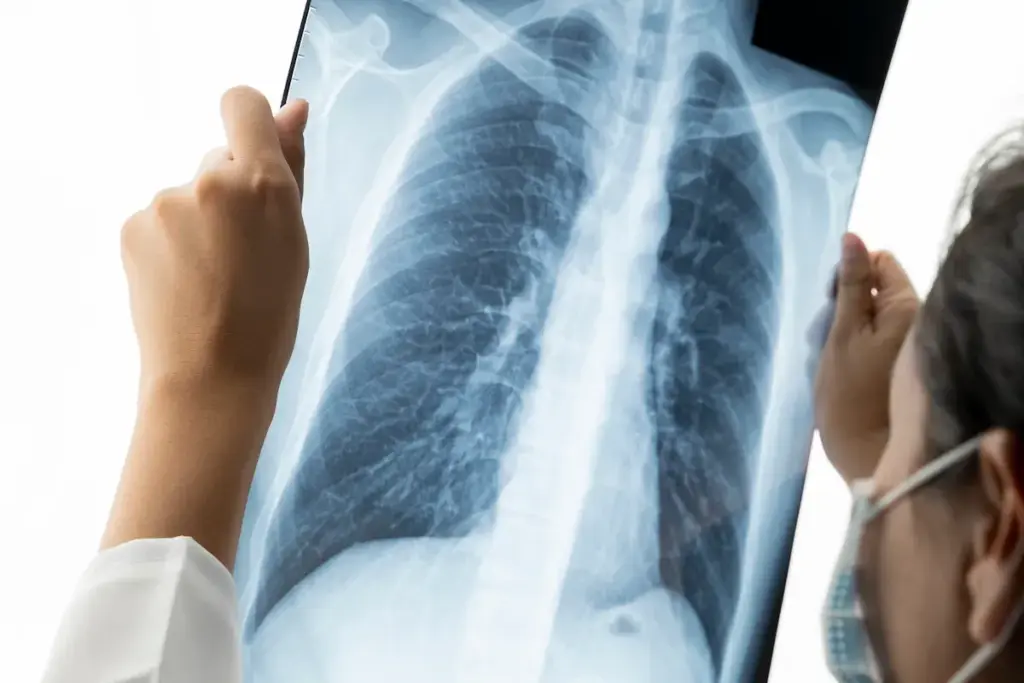
Finding lung cancer early is hard because it often doesn’t show symptoms at first. It’s very important to know the early signs to get help quickly.
In the U.S., there will be about 226,650 new cases and over 124,000 deaths from lung cancer in 2025. This shows how critical it is to catch it early. At Liv Hospital, we aim to give top-notch care and support to patients from around the world. We’re part of the fight against this major cancer killer.
Key Takeaways
- Early lung cancer is often asymptomatic, making awareness critical.
- Spotting early signs of lung cancer can lead to timely medical help.
- Liv Hospital is dedicated to providing top care for lung cancer patients.
- The expected number of new lung cancer cases in the U.S. is significant.
- Early detection is key to improving survival rates.
The Silent Nature of Early Lung Cancer
Lung cancer in its early stages can be very hard to detect. It often doesn’t show symptoms until it’s too late. Knowing the warning signs is key.
Why Early-Stage Lung Cancer Often Goes Unnoticed
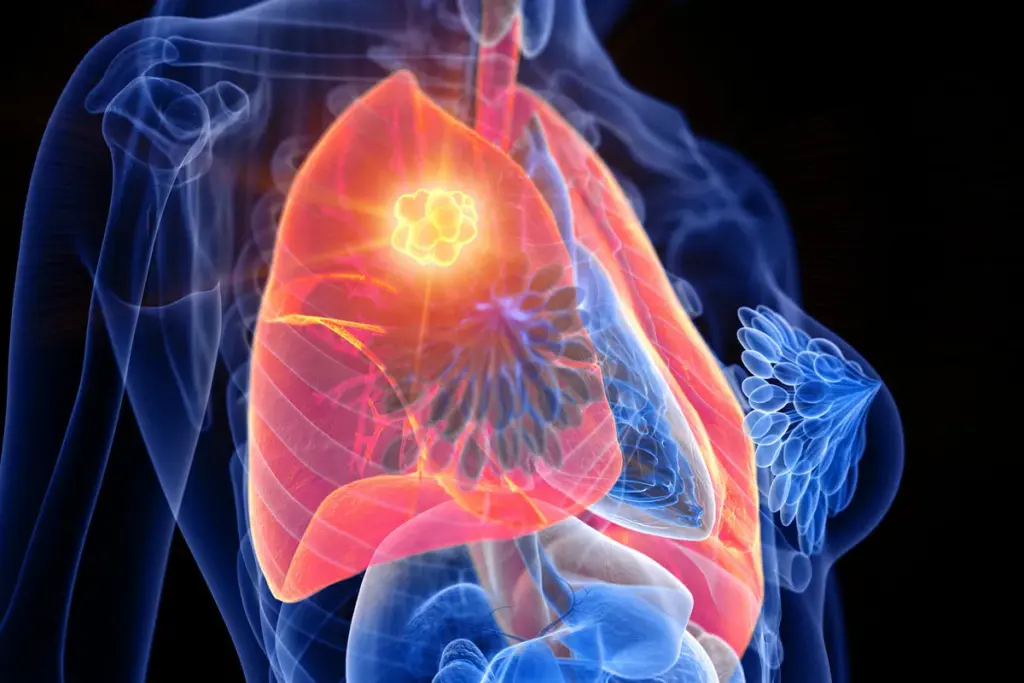
Early lung cancer usually doesn’t show symptoms. This is because the lungs can work well even with damage. Symptoms only show up when the cancer grows or spreads.
Several things make early lung cancer hard to spot:
- The lungs can handle a lot of damage before it shows.
- Cancer often starts in the lung’s outer parts, far from airways. This means symptoms take longer to appear.
- Early symptoms are often vague and can be mistaken for other, less serious issues.
The Importance of Recognizing Warning Signs
Knowing the warning signs of lung cancer is vital. Even without symptoms, being aware can lead to early detection. Early detection can greatly improve treatment chances.
Some common warning signs include:
|
Symptom |
Description |
|---|---|
|
Persistent Cough |
A cough that lasts more than two weeks or gets worse over time. |
|
Chest Pain |
Pain or discomfort in the chest, shoulder, or back that gets worse with deep breathing, coughing, or laughing. |
|
Shortness of Breath |
Difficulty breathing or feeling winded even when doing simple tasks. |
Knowing these signs and staying alert to health issues can lead to early diagnosis. This can mean more effective treatment. We urge readers to be aware of these signs and to see a doctor if they notice any.
Lung Cancer Statistics in the United States
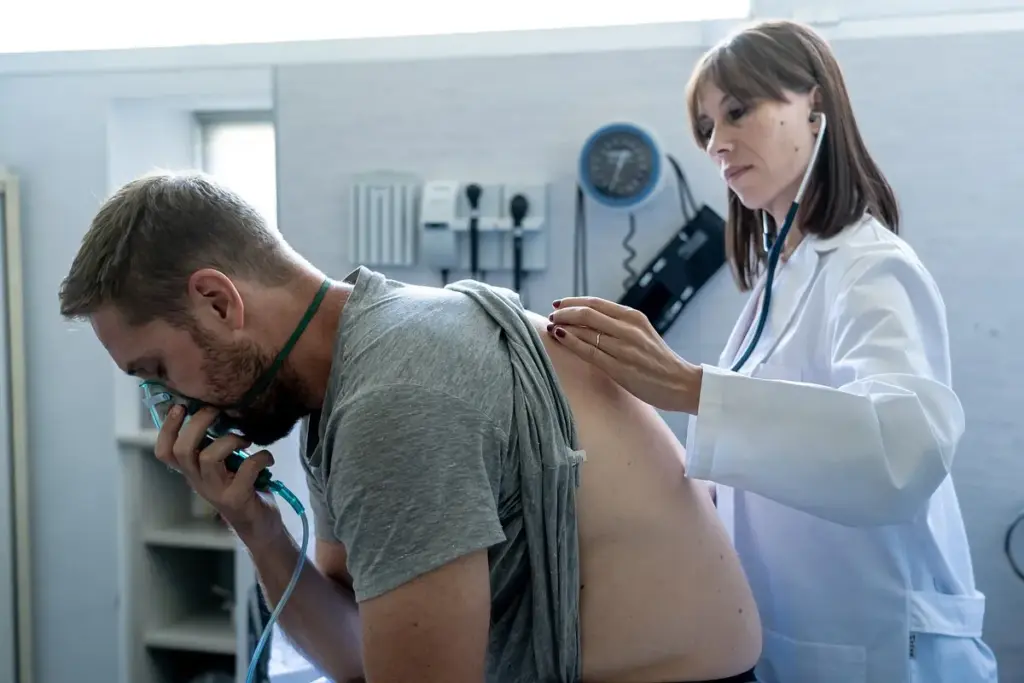
Lung cancer statistics in the U.S. show a worrying trend. It’s clear that lung cancer is a big health problem in our country.
Projected Cases and Deaths for 2025
The numbers for 2025 are alarming. We expect about 226,650 new lung cancer cases. Sadly, over 124,000 deaths are forecasted. These figures show how serious the issue is and why we need more awareness and research.
To understand these numbers better, let’s look at the data in detail:
|
Category |
Projected Numbers for 2025 |
|---|---|
|
New Cases |
226,650 |
|
Deaths |
124,000 |
Lung Cancer as the Leading Cause of Cancer Death
Lung cancer is not just common; it’s also the top cause of cancer deaths in the U.S. We need to find ways to detect it early and treat it effectively. Supporting research and awareness efforts is key to fighting this disease.
The impact of lung cancer goes beyond just numbers. It affects families, communities, and the healthcare system. It’s essential that we tackle this problem with a wide range of solutions, including prevention, early detection, and treatment.
Persistent Cough: A Primary Warning Sign
A persistent cough is one of the first signs of lung cancer. This cough can be dry or produce mucus. It may also change over time. Knowing how to spot a cancer-related cough is key to early detection.
Distinguishing a Cancer-Related Cough from Common Coughs
A cough linked to lung cancer is different from a regular cough. It can last for weeks or months and get worse. Unlike common coughs, it doesn’t get better with usual treatments.
Key characteristics of a cancer-related cough include:
- A persistent or worsening cough
- Coughing up blood or rust-colored mucus
- A change in the pattern or sound of the cough
When a Cough Warrants Medical Attention
If you have a persistent cough, knowing when to see a doctor is important. You should visit a healthcare provider if your cough:
- Lasts more than three weeks
- Is accompanied by coughing up blood or rust-colored mucus
- Is associated with chest pain or shortness of breath
Early evaluation can help identify the cause of your cough and potentially detect lung cancer at an early stage.
Breathing Difficulties as Lung Cancer Indicators
Difficulty breathing is a key sign of lung cancer. It can make everyday tasks hard. As the cancer grows, it can block airways or cause fluid in the lungs, making breathing tough.
Shortness of Breath During Normal Activities
Shortness of breath, or dyspnea, is common in lung cancer patients. It happens when cancer affects the lungs’ ability to take in air. Even simple tasks like walking or climbing stairs can be hard because of not getting enough air.
Key factors contributing to shortness of breath in lung cancer include:
- Tumors obstructing airways
- Fluid accumulation around the lungs (pleural effusion)
- Inflammation or infection in the lungs
Progressive Worsening of Breathing Capacity
As lung cancer gets worse, breathing problems can get worse too. This can happen because the tumor grows, spreads to other lung parts, or because of complications like pneumonia. It’s important to watch how breathing changes to manage lung cancer well.
Recognizing signs of worsening breathing can help get medical help quickly.
We suggest knowing these symptoms and seeing a doctor if you have ongoing or severe breathing issues. Early treatment can greatly help manage lung cancer.
Chest Pain and Discomfort Patterns
It’s important to know the patterns of chest pain and discomfort. This helps spot lung cancer symptoms early. Lung cancer chest pain can show up in different ways, so it’s key to know what to look for.
Characteristics of Lung Cancer-Related Chest Pain
Lung cancer chest pain often feels like a dull ache or pressure. It can be steady or come and go. The pain’s strength can change from mild to severe.
The pain might stay in one spot or spread to the shoulder or back. It’s important to remember that deep breathing, coughing, or laughing can make the pain worse.
The type of pain can hint at its cause. For example, sharp pain that gets worse with deep breaths might mean the pleura is involved. A dull ache that lasts could mean a tumor in the lung.
Differentiating from Other Causes of Chest Pain
Chest pain can have many causes, like muscle or heart problems. To tell if it’s from lung cancer, look at the pain’s details and any other symptoms. Important things to think about include how long the pain lasts, how bad it is, and what makes it better or worse.
- Pain that gets worse with deep breathing or coughing
- Pain that keeps going without getting better
- Pain with other symptoms like coughing up blood or trouble breathing
Spotting these patterns can help find lung cancer symptoms early. This makes it easier to get a diagnosis and start treatment.
Hemoptysis: Coughing Up Blood
Lung cancer can cause hemoptysis, a condition where you cough up blood or blood-tinged mucus. This symptom is a critical warning sign. It should not be ignored, as it can be associated with advanced lung cancer.
Why Lung Cancer Causes Bleeding
Lung cancer can lead to bleeding in the airways due to tumor growth. As tumors grow, they can erode into nearby blood vessels. This causes them to rupture and bleed.
This bleeding can result in coughing up blood or blood-streaked sputum. The presence of a tumor can also cause inflammation and irritation in the airways. This makes them more susceptible to bleeding.
In advanced stages, the tumor may invade major blood vessels. This leads to significant bleeding.
The Significance of Blood in Sputum
Coughing up blood is a significant symptom that warrants immediate medical attention. It is not only associated with lung cancer but can also be a sign of other serious conditions. When blood appears in sputum, it indicates that there is bleeding somewhere in the respiratory tract.
The amount of blood coughed up can vary, ranging from small streaks to large quantities. Regardless of the amount, it is critical to seek medical evaluation to determine the underlying cause.
Key Points to Consider:
- Coughing up blood is a symptom that requires immediate medical evaluation.
- Lung cancer can cause bleeding due to tumor growth and erosion into blood vessels.
- The presence of blood in sputum can indicate serious underlying conditions, including lung cancer.
Vocal Changes and Throat Symptoms
Vocal changes and throat symptoms can hint at lung cancer. These signs are often linked to common issues. Yet, if they persist, it’s important to see a doctor.
Hoarseness and Voice Alterations
Hoarseness or voice changes might point to lung cancer. This is true if the tumor hits the nerves of the larynx. Persistent hoarseness lasting over two weeks needs a doctor’s check-up.
- Changes in voice pitch or tone
- Voice fatigue or strain
- Complete loss of voice in severe cases
Swelling in the Neck and Face Region
Swelling in the neck and face can signal lung cancer. It happens when the tumor blocks blood vessels or lymph nodes. This swelling, called SVC syndrome (Superior Vena Cava syndrome), is a serious issue.
- Swelling of the face, neck, and arms
- Dilation of veins in the neck and chest
- Coughing or shortness of breath
Spotting these signs early is key for getting the right treatment.
Common Lung Cancer Symptoms: Systemic Effects
Lung cancer can cause more than just symptoms in one area. It can affect the whole body, impacting a person’s life and health.
Unexplained Weight Loss and Appetite Changes
Many people with lung cancer lose weight without trying. This happens because the cancer changes how the body uses energy. It also makes people eat less.
Some people don’t feel like eating as much. This can be because of the cancer or how their body reacts to it. Sometimes, the body burns more energy, leading to weight loss.
|
Symptom |
Description |
Potential Cause |
|---|---|---|
|
Unexplained Weight Loss |
Significant loss of weight over a short period |
Cancer-related metabolic changes |
|
Loss of Appetite |
Reduced desire to eat |
Cancer impact on metabolism and overall health |
Persistent Fatigue and Weakness
Fatigue is a big problem for lung cancer patients. They often feel very tired and weak. This makes it hard to do everyday things.
“The fatigue associated with lung cancer can be overwhelming, affecting not just the patient but also their family and caregivers.”
There are many reasons for this tiredness. It could be because of the cancer, anemia, or other health issues. Helping patients feel better is key to improving their life.
These systemic effects are tough for patients and their families. It’s important to understand and treat these symptoms. This is a big part of taking care of someone with lung cancer.
Recurrent Respiratory Infections
Frequent bouts of pneumonia or bronchitis might be more than just a sign of a weakened immune system; they could be indicative of lung cancer. When we experience recurring respiratory infections, it’s a signal that our body is fighting off underlying issues that aren’t being fully addressed.
Pneumonia as a Recurring Issue
Pneumonia is an infection that inflames the air sacs in one or both lungs, which may fill with fluid. Recurring pneumonia can be a sign that lung cancer is obstructing the lung or that the immune system is compromised. We need to pay attention to pneumonia that doesn’t resolve with standard treatment or keeps coming back.
Some key points to consider about recurring pneumonia include:
- Frequency: How often are you getting pneumonia?
- Duration: Is the pneumonia lingering longer than expected?
- Response to treatment: Is the pneumonia responding to antibiotics, or is it persistent?
Bronchitis and Other Infections That Don’t Resolve
Similar to pneumonia, chronic bronchitis or other respiratory infections that don’t seem to clear up can be warning signs of lung cancer. These infections can be a result of the tumor obstructing the airways or compromising the lung’s function.
Let’s examine some common characteristics of these infections:
|
Infection Type |
Common Symptoms |
Potential Link to Lung Cancer |
|---|---|---|
|
Pneumonia |
Cough, fever, chills, difficulty breathing |
Obstruction of lung or airways by tumor |
|
Bronchitis |
Cough, mucus production, wheezing |
Irritation or obstruction of airways |
|
Other Respiratory Infections |
Varying symptoms depending on the infection |
Compromised lung function or immune response |
It’s important to see a healthcare provider if you’re experiencing recurrent respiratory infections. Early detection and diagnosis can significantly impact the treatment and management of lung cancer.
Gender Differences in Lung Cancer Symptoms
Lung cancer symptoms can differ between men and women. This is important for both healthcare providers and patients to know. Studies show that lung cancer shows up differently in men and women, affecting how it’s diagnosed and treated.
Symptom Presentation in Men
Men with lung cancer often have symptoms like a persistent cough, chest pain, and coughing up blood. These symptoms are usually more noticeable and recognized, making it easier to diagnose lung cancer in men.
- Common symptoms in men:
- Coughing that doesn’t go away
- Chest pain that worsens with deep breathing
- Coughing up blood or rust-colored sputum
Unique Symptom Patterns in Women
Women, on the other hand, may have different symptoms. These are called “non-classic” symptoms. They can include shortness of breath, fatigue, and recurring respiratory infections. It’s key to understand these symptoms for early detection in women.
- Shortness of breath during normal activities
- Recurrent respiratory infections like pneumonia or bronchitis
- Unexplained fatigue and weakness
It’s important to remember that lung cancer symptoms can vary from person to person, regardless of gender. Knowing these differences can help in diagnosing lung cancer earlier and getting better treatment plans.
Beyond Smoking: Risk Factors and Non-Smokers
It’s important to know about lung cancer risk factors beyond smoking. This is true for the 20% of patients who have never smoked. Lung cancer in non-smokers is a big concern. We need to look at the different risk factors that lead to it.
The 20% Phenomenon: Lung Cancer in Never-Smokers
About 20% of lung cancer cases are in people who have never smoked. This shows that lung cancer isn’t just caused by smoking. Never-smokers can get lung cancer because of genetics, environment, and other factors.
Studies show that lung cancer in never-smokers is different from smokers. For example, some genetic mutations, like in the EGFR gene, are more common in never-smokers.
Other Risk Factors to Be Aware Of
There are many other things that can increase your risk of lung cancer. These include:
- Exposure to harmful substances like radon, asbestos, and chemicals at work.
- Being exposed to air pollution, like fine particulate matter (PM2.5).
- Having a family history of lung cancer.
- Having had radiation therapy to the chest before.
- Having certain genetic syndromes.
|
Risk Factor |
Description |
Prevention/Reduction Strategies |
|---|---|---|
|
Radon Exposure |
Radon is a radioactive gas that can build up in homes, mainly in basements. |
Test your home for radon and fix high levels. |
|
Asbestos Exposure |
Asbestos is a group of minerals used a lot in building before. |
Avoid touching asbestos; wear proper gear if you have to handle it. |
|
Air Pollution |
Being exposed to bad air quality, like fine particulate matter (PM2.5). |
Stay inside when air is bad; use air purifiers. |
Knowing about these risk factors helps people take steps to prevent lung cancer. It’s also key for doctors to think about these factors when checking a patient’s lung cancer risk.
When to Consult a Healthcare Provider
Knowing the warning signs for lung cancer is key. These symptoms can be mistaken for other issues. But, some signs are clear red flags that need immediate doctor visits.
Red Flags That Demand Immediate Attention
Some symptoms need you to see a doctor right away. These include:
- Persistence or worsening of a cough: A cough that doesn’t go away or gets worse over time.
- Coughing up blood: Hemoptysis, or coughing up blood, is a serious symptom that requires immediate evaluation.
- Shortness of breath: Difficulty breathing or feeling winded even when doing simple tasks.
- Chest pain: Pain or discomfort in the chest, shoulder, or back that worsens with deep breathing, coughing, or laughing.
- Unexplained weight loss: Losing weight without trying, which can be a sign of advanced lung cancer.
Don’t ignore these lung cancer warning signs. If you’re experiencing any, see a healthcare provider right away.
Preparing for Your Medical Consultation
Before your visit, prepare by gathering your symptoms and medical history. This includes:
- Listing your symptoms, including when they started and how they’ve changed over time.
- Noting any risk factors you have for lung cancer, such as smoking or exposure to carcinogens.
- Bringing any relevant medical records or test results.
Being ready for your consultation helps your doctor assess your symptoms better. They can then decide if more tests for lung cancer symptoms are needed.
Early detection and treatment are vital for lung cancer patients. Knowing the warning signs and when to seek medical care is essential.
Diagnostic Journey for Suspected Lung Cancer
The journey to diagnose lung cancer includes many tests and checks. Finding lung cancer early is key to treating it well. We’ll walk you through what happens during this process.
Initial Screening and Assessment
When lung cancer is thought of, we start with a detailed medical history and physical check. We look at risk factors like smoking and exposure to harmful substances. The first tests might be:
- Chest X-ray: To spot any lung issues.
- Computed Tomography (CT) scan: Gives clear lung images and finds tumors.
Advanced Diagnostic Procedures
If early tests suggest lung cancer, we do more detailed tests to confirm. These might include:
- Biopsy: Takes a lung tissue sample for lab tests.
- Positron Emission Tomography (PET) scan: Checks if cancer has spread.
- Magnetic Resonance Imaging (MRI): Shows detailed lung and tissue images.
These tests are vital for a correct lung cancer diagnosis. They help figure out how far the disease has spread. This information helps decide the best treatment.
Conclusion: Early Detection Saves Lives
Early detection is key to improving survival rates for lung cancer patients. It’s important to know the symptoms like a persistent cough, breathing troubles, and chest pain. This helps catch the disease early.
At Liv Hospital, we aim to give top-notch care to patients from around the world. We focus on supporting and treating lung cancer with advanced methods. Knowing the risks and watching for symptoms can help detect lung cancer early.
We urge everyone, but those at high risk, to see a doctor if they notice any unusual signs. Catching lung cancer early is vital for better outcomes. Together, we can fight lung cancer more effectively.
FAQ
What are the common symptoms of lung cancer?
Common symptoms include a persistent cough and shortness of breath. Chest pain and coughing up blood are also signs. Hoarseness, swelling in the neck and face, and unexplained weight loss are symptoms too. Persistent fatigue and recurrent respiratory infections are also common.
Why is early-stage lung cancer often asymptomatic?
Early-stage lung cancer often doesn’t cause noticeable symptoms. This is because the tumor is small. It hasn’t invaded surrounding tissues or spread to other parts of the body.
What are the risk factors for lung cancer beyond smoking?
Risk factors beyond smoking include exposure to carcinogens like asbestos and radon. Certain chemicals and genetic mutations also increase risk. Family history and lung conditions like COPD are factors too.
How does lung cancer affect breathing?
Lung cancer can cause shortness of breath by obstructing airways. It can also accumulate fluid in the lungs. Or it can affect the nerves controlling breathing.
What is hemoptysis, and what does it indicate?
Hemoptysis is coughing up blood or rust-colored sputum. It can be a symptom of lung cancer. This is because the tumor can erode into blood vessels or airways.
Are there differences in lung cancer symptoms between men and women?
Yes, men and women may experience different symptoms. Women are more likely to have non-small cell lung cancer. They often present with symptoms like cough and chest pain. Men may experience more aggressive forms of lung cancer.
What are the red flags that necessitate immediate medical attention for lung cancer?
Red flags include persistent cough and coughing up blood. Chest pain, shortness of breath, unexplained weight loss, and recurrent respiratory infections are also signs. These symptoms need immediate medical attention.
How is lung cancer diagnosed?
Diagnosis involves initial screening and assessment. This includes imaging tests like chest X-rays and CT scans. Advanced diagnostic procedures like biopsy, PET scans, and molecular testing are also used.
What is the significance of early detection in lung cancer?
Early detection is key for improving treatment outcomes and survival rates. Lung cancer is often more treatable when diagnosed early.
What are the common signs of advanced lung cancer?
Advanced lung cancer symptoms include worsening shortness of breath and increased chest pain. Coughing up blood is also a sign. Systemic effects like weight loss, fatigue, and weakness are common too.
Can lung cancer cause vocal changes?
Yes, lung cancer can cause vocal changes like hoarseness. This is due to tumor invasion of the nerves controlling the vocal cords.
How can I prepare for a medical consultation regarding potentially lung cancer symptoms?
Prepare by making a list of your symptoms, medical history, and any questions or concerns. Be ready to discuss your risk factors and any changes you’ve noticed.
References
Pfizer – Lung Cancer: Symptoms, Signs, Treatment and Causes. https://www.pfizer.com/disease-and-conditions/lung-cancer