
When a tumor grows, it can cause pain in the side of the chest. This pain can spread to the shoulder, back, or arms in more serious cases. Knowing these symptoms is key to catching the disease early and improving chances of survival.
Studies have shown that symptoms like pain are often missed. This leads to late-stage diagnoses. We will look into the pain linked to lung cancer, its causes, and how it progresses, to gain a deeper understanding of the disease.
Key Takeaways
- Pain associated with lung cancer typically occurs on the side of the chest where the tumor is located.
- Advanced cases may experience radiating pain to the shoulder, back, or arms.
- Understanding symptoms is key for early detection.
- Overlooked symptoms contribute to late-stage diagnoses.
- Recognizing early warning signs can improve survival rates.
The Nature of Lung Cancer Pain
Lung cancer pain comes from the tumor pressing on nearby tissues. This happens when the tumor grows and presses on nerves, blood vessels, and bones.
Studies show that lung cancer patients feel pain differently. This is because their brains process pain in unique ways. Knowing how tumors cause pain helps doctors find better ways to manage it.
How Tumors Cause Pain
Tumors can cause pain in several ways. As they grow, they can press on nerves and blood vessels. This can release chemicals that make us feel pain.
The pain’s location in the lung also matters. Tumors near nerves or blood vessels can cause more pain. This is because they press on these important structures.
Prevalence of Pain in Lung Cancer Patients
Pain is common in lung cancer patients. Chest pain affects about 25-50% of patients at some point. The amount of pain varies based on the disease’s stage, tumor location, and individual factors.
Managing pain well is key to improving lung cancer patients’ lives. By understanding how tumors cause pain and how common it is, doctors can create better pain management plans.
Identifying Lung Cancer Symptoms

Spotting lung cancer symptoms early is key to better treatment results. Early detection is vital, as studies show a 60% five-year survival rate for localized lung cancer. We’ll look at early signs, systemic symptoms, and pain patterns that help diagnose the disease.
Early Warning Signs
Lung cancer often shows non-specific symptoms in its early stages, making it hard to diagnose. Common signs include a persistent cough, coughing up blood or rust-colored sputum, and shortness of breath. Chest pain that is often described as a dull ache or feeling of pressure is also an early sign.
Other early symptoms include wheezing or hoarseness. These happen when the tumor affects the airways or nearby nerves. It’s important to note that these symptoms can also be seen in less serious conditions. So, it’s critical for doctors to check persistent or worsening symptoms.
Systemic Symptoms
Systemic symptoms happen when cancer affects the body beyond the lungs. Common signs include unexplained weight loss, fatigue, and loss of appetite. These symptoms are hard to diagnose because they can be linked to many other conditions.
In some cases, lung cancer can cause rare disorders triggered by an altered immune response to a tumor. These disorders can show up as neurological, endocrine, or dermatological symptoms. This makes diagnosis even harder.
Pain as a Diagnostic Indicator
Pain is a major symptom in lung cancer and can help doctors diagnose it. The type and location of pain can give clues about the tumor’s location and stage. For example, pain that gets worse with deep breathing or coughing may mean the tumor has spread to the pleura.
Understanding pain patterns is key to diagnosing lung cancer. The table below shows common pain characteristics and what they might mean.
|
Pain Characteristic |
Potential Implication |
|---|---|
|
Dull, aching pain |
Tumor growth into surrounding tissues |
|
Sharp, stabbing pain |
Pleural involvement or nerve irritation |
|
Pain worsening with breathing |
Pleural or chest wall involvement |
By knowing these symptoms and their meanings, doctors can catch lung cancer early. Early detection and treatment are essential for better patient outcomes.
Pain Location Based on Tumor Position
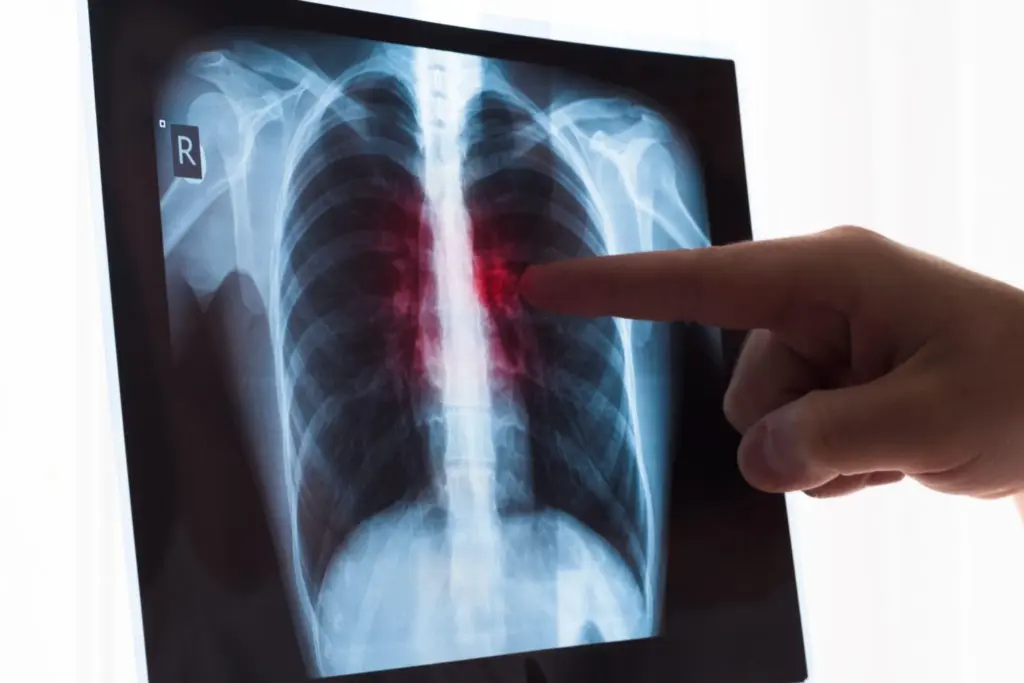
Pain from lung cancer usually happens on the side of the chest where the tumor is. The tumor’s position in the lung affects the pain pattern. Studies show that the tumor’s location can change the type and how severe the pain is.
Correlation Between Tumor Site and Pain
The tumor’s location in the lung matches the pain’s location and type. Tumors on the lung’s edge can cause sharp pain that gets worse with breathing or coughing. Tumors near big airways or blood vessels might cause dull or aching pain.
A tumor near the diaphragm can send pain to the abdomen or shoulder. Knowing this helps doctors diagnose and treat lung cancer pain better.
Why Pain Occurs on the Affected Side
Pain on the affected side comes from the tumor’s local effects. As it grows, it can press on nerves, ribs, or vertebrae, causing pain. This is because the tumor can activate pain receptors in these areas.
Also, tumors can irritate the pleura, the lung’s lining, causing sharp pain. This pain gets worse with deep breathing or coughing.
Referred Pain Patterns
Referred pain is common in lung cancer, where pain feels like it’s coming from somewhere else. This happens because of how our nervous system handles pain. For example, a tumor in the upper lung can send pain to the shoulder or arm, known as Pancoast tumors.
|
Tumor Location |
Common Referred Pain Sites |
|---|---|
|
Upper Lobe |
Shoulder, Arm |
|
Lower Lobe |
Back, Abdomen |
|
Central |
Chest, Mediastinum |
Understanding referred pain is key to treating lung cancer well. It needs a full check of symptoms and often imaging to find the tumor’s exact spot.
Right-Sided Lung Cancer Pain
Understanding right-sided lung cancer pain is key to managing it well. This type of cancer can cause pain in different ways. It depends on where the tumor is and how it affects nearby areas.
Distinctive Characteristics
Right-sided lung cancer pain has its own signs. Tumors in the upper right lung can lead to shoulder, upper back, or arm pain. This is because they press on nerves nearby. This pain is sometimes called Pancoast syndrome or superior sulcus syndrome.
- Pain radiating to the shoulder or arm
- Weakness or numbness in the arm or hand
- Pain that worsens with deep breathing or movement
Associated Symptoms
Right-sided lung cancer also brings other symptoms. These can include:
- Coughing or shortness of breath
- Chest tightness or discomfort
- Recurring respiratory infections
- Weight loss or loss of appetite
It’s important to remember that these symptoms can vary a lot from person to person.
Case Examples
Doctors have learned a lot from studying right-sided lung cancer. For example, a tumor in the upper right lung can cause shoulder and arm pain. It can also make the hand weak. This shows how important it is to think about where the tumor is when looking at pain.
There have been cases where the pain was thought to be from muscles, not cancer. This made it harder to get a diagnosis. Getting a clear diagnosis is vital for the right treatment.
Left-Sided Lung Cancer Pain
Left-sided lung cancer pain is tricky to spot because it looks like heart pain. We need to know how pain from left-sided tumors is different.
Unique Features
Left-sided lung cancer pain can show up in many ways. It might be persistent and localized, showing the cancer has spread. We must look at these signs closely when checking patients.
“The pain from left-sided lung cancer can show how far the disease has spread,” studies say. Knowing these signs helps doctors make better choices.
Differentiating from Cardiac Pain
Telling left-sided lung cancer pain from heart pain is hard. Both can cause chest pain or discomfort. But, lung cancer pain usually stays in one place and doesn’t go away. Heart pain often spreads to the arm or jaw.
- Lung cancer pain doesn’t get better with rest or heart meds.
- Heart pain starts suddenly, unlike lung cancer pain which grows slowly.
Clinical Significance
Getting left-sided lung cancer pain right is very important. If we get it wrong, treatment is delayed, hurting the patient. We must look at all the signs, tests, and biopsies to make a correct diagnosis.
Research shows, “telling lung cancer pain from heart pain is key for the right treatment.” This helps patients get the best care.
Upper Lobe Lung Cancer and Pancoast Tumors
Pancoast tumors are a type of lung cancer found in the upper lobe. They can cause many symptoms that affect a person’s life quality. These tumors are at the lung’s top and can harm nearby areas, making treatment complex.
Shoulder and Arm Pain
Pancoast tumors can lead to shoulder, upper back, or arm pain. This pain happens because the tumors are close to nerves and other parts. It’s a common reason for people to see doctors.
Neurological Symptoms
These tumors also cause neurological symptoms like numbness or tingling in the hands. This happens when the tumor presses on or damages nearby nerves.
Horner’s Syndrome
A unique problem with Pancoast tumors is Horner’s Syndrome. It shows as a drooping eyelid, less sweating, and a small pupil. This happens when the tumor affects the sympathetic nervous system.
Lower Lobe Lung Cancer Pain Patterns
Lung cancer in the lower lobe can cause specific pain patterns. It’s important for both patients and doctors to know these patterns. This knowledge helps in making accurate diagnoses and treatments.
Back and Abdominal Discomfort
Pain from lower lobe lung cancer often goes to the back and abdomen. This happens because the tumor is close to the diaphragm. It can also invade nearby areas.
Patients might feel a dull ache or sharp pains in these spots. These pains can get worse when they move or breathe deeply.
Diaphragmatic Involvement
The diaphragm is key for breathing, and lung cancer can affect it. When this happens, patients might feel pain in their shoulders or neck. This pain comes from shared nerve roots.
Pleural Pain
Pleural involvement is common in lower lobe lung cancer. It leads to sharp chest pain that gets worse with deep breathing or coughing. The pleura is a thin membrane around the lungs, and irritation from the tumor causes pain.
Knowing these pain patterns is key to managing lower lobe lung cancer. By recognizing these signs, doctors can provide better care to patients.
Factors That Exacerbate Lung Cancer Pain
Knowing what makes lung cancer pain worse is key to managing it well. Many things can affect lung cancer pain. It’s important to find and fix these issues to help patients feel better.
Physical Activities and Movements
Some physical actions can make lung cancer pain worse. For example, heavy lifting, bending, or hard exercise can strain the body more. This can increase pain.
- Lifting heavy objects
- Bending or twisting
- Strenuous exercise
Breathing Patterns
Breathing can also affect lung cancer pain. Deep breathing, in particular, can be uncomfortable. It may press too hard on the lungs and nearby tissues.
Coughing and Laughing
Coughing and laughing can also make pain worse. These actions raise pressure in the chest. This can irritate the tumor and the areas around it.
|
Action |
Effect on Lung Cancer Pain |
|---|---|
|
Deep Breathing |
Increases pressure on lungs and surrounding tissues |
|
Coughing |
Irritates tumor site and increases chest pressure |
|
Laughing |
Similar to coughing, increases chest pressure |
Understanding these factors helps patients and doctors find better ways to manage pain. This way, they can work together to improve lung cancer pain management.
Distinguishing Lung Cancer Pain from Other Conditions
It’s hard to tell if pain is from lung cancer or something else. Getting the right diagnosis is key for good treatment. Studies show it’s tough to tell lung cancer pain from other kinds.
Musculoskeletal vs. Lung Cancer Pain
Muscle and bone pain can look like lung cancer pain. But, lung cancer pain usually comes from the tumor’s location. For example, lung cancer pain may get worse when you breathe deeply or cough, which isn’t true for muscle pain.
Respiratory Infections vs. Lung Cancer
Respiratory infections like pneumonia can feel like lung cancer. But, lung cancer pain keeps coming back and gets worse. Infections usually get better with treatment.
Cardiovascular Conditions vs. Lung Cancer
Heart problems like angina can also cause chest pain. It’s important to look at the pain’s details. For instance, angina pain comes from exertion and goes away with rest, unlike lung cancer pain.
Gastrointestinal Issues vs. Lung Cancer
Stomach problems like acid reflux can also cause chest pain. But, stomach pain is often linked to eating. Lung cancer pain doesn’t usually follow this pattern.
In summary, figuring out if pain is from lung cancer needs a full look at the patient’s symptoms and history. By carefully checking these things, doctors can make better diagnoses and treatment plans.
Understanding Lung Cancer Symptoms in Detail
It’s important to know the different symptoms of lung cancer to catch it early. Lung cancer can show many symptoms, affecting not just the lungs but other parts of the body too.
Primary Respiratory Symptoms
The first signs of lung cancer often involve breathing. These symptoms include:
- Persistent coughing
- Difficulty breathing or shortness of breath
- Coughing up blood or rust-colored sputum
- Chest pain or discomfort that worsens with deep breathing, coughing, or laughing
These symptoms happen because the tumor blocks airways, invades tissues, or causes inflammation.
Pain-Related Symptoms
Pain is a big symptom in lung cancer. It comes from the tumor pressing on nearby structures like the chest wall, ribs, or nerves. The pain’s type and how bad it is can differ a lot between people.
“Pain is one of the most feared symptoms of cancer, and it can significantly impact a patient’s quality of life.”
Pain symptoms can be:
- Localized pain in the chest or back
- Referred pain in the shoulder, arm, or neck
- Pain that worsens with movement or deep breathing
Systemic Manifestations
Lung cancer can also cause symptoms that affect the whole body. These include:
- Weight loss
- Loss of appetite
- Fatigue or weakness
- Fever
These symptoms usually show up when the disease is more advanced. They can be caused by the tumor’s metabolic effects or paraneoplastic syndromes.
Paraneoplastic Syndromes
Some lung cancer patients may get paraneoplastic syndromes. These are rare disorders caused by the immune system reacting to the tumor. They can affect many parts of the body and show different symptoms, like neurological, endocrine, or skin problems.
It’s key for doctors to know about these symptoms to diagnose and treat lung cancer well. Spotting these symptoms early can help patients get better faster.
When to Seek Medical Attention
Lung cancer symptoms can be hard to spot, but some signs are urgent. Catching it early is key to better treatment. Studies show it’s critical to know the warning signs and act fast.
Red Flag Symptoms
Some symptoms mean you might have lung cancer and need to see a doctor right away. These include:
- Persistent coughing or changes in cough pattern
- Unexplained weight loss
- Difficulty breathing or shortness of breath
- Chest pain or discomfort that worsens with deep breathing, coughing, or laughing
- Coughing up blood or rust-colored mucus
Seeing these symptoms doesn’t mean you definitely have lung cancer. But, you should get checked out by a doctor.
Emergency Warning Signs
Some symptoms are so serious they need emergency care. If you or someone you know has any of these, call for help right away:
- Severe difficulty breathing or sudden shortness of breath
- Chest pain or pressure that radiates to the arm, neck, or jaw
- Coughing up large amounts of blood
- Fainting or severe dizziness
- Severe headache or confusion
These signs could mean serious disease or complications. You need to get help fast.
Persistent Symptoms Requiring Evaluation
Some symptoms aren’t life-threatening but need a doctor’s check if they last. These include:
- Hoarseness or changes in voice lasting more than two weeks
- Recurring respiratory infections
- Loss of appetite
- Fatigue or weakness
If you’re feeling any of these, see a doctor for a full check-up.
Doctors say, “Finding lung cancer early makes treatment better.”
“The sooner lung cancer is found, the more treatment options you have. This means better chances of living longer.”
|
Symptom Category |
Examples |
Action Required |
|---|---|---|
|
Red Flag Symptoms |
Persistent cough, unexplained weight loss, difficulty breathing |
Seek medical attention within a few days |
|
Emergency Warning Signs |
Severe difficulty breathing, chest pain, coughing up blood |
Seek immediate emergency care |
|
Persistent Symptoms |
Hoarseness, recurring infections, loss of appetite |
Schedule a medical evaluation within a week or two |
Diagnostic Approach to Lung Cancer
Diagnosing lung cancer requires a detailed strategy. This ensures accurate staging and treatment planning. Accurate diagnosis is key to finding the best treatment and improving patient outcomes.
Initial Assessment and History Taking
The first step in diagnosing lung cancer is a thorough medical history and physical exam. We learn about the patient’s symptoms, smoking history, and exposure to harmful substances. This helps us identify risk factors and decide on further tests.
Imaging Studies
Imaging studies are vital in diagnosing and staging lung cancer. We use chest X-rays, CT scans, PET scans, and MRI to see the tumor. These tests help us understand the tumor’s size, location, and if it has spread.
Biopsy Procedures
A biopsy is essential to confirm lung cancer. We use bronchoscopy, needle biopsy, or surgical biopsy to get tissue samples. These samples are then examined to determine the cancer type and grade.
Staging Evaluations
After confirming lung cancer, we do staging evaluations. We assess the tumor’s size, lymph node involvement, and metastasis. The TNM staging system helps us classify the cancer and guide treatment.
|
Stage |
Description |
Typical Treatment Approach |
|---|---|---|
|
I |
Early-stage cancer, tumor limited to the lung |
Surgery or localized treatments |
|
II |
Locally advanced cancer, possible lymph node involvement |
Combination of surgery, chemotherapy, and radiation therapy |
|
III |
Locally advanced cancer with significant lymph node involvement |
Multimodal treatment including chemotherapy and radiation therapy |
|
IV |
Metastatic cancer, spread to distant organs |
Systemic treatments such as chemotherapy, targeted therapy, or immunotherapy |
Accurate diagnosis and staging are vital for effective treatment planning. A detailed diagnostic approach improves patient outcomes.
Pain Management Strategies for Lung Cancer
Managing pain in lung cancer needs a detailed plan. This plan should include different types of treatments. It’s key to make life better for those with lung cancer. Studies show that a team effort in pain care can lead to better results.
Pharmacological Approaches
Medicines are a big part of fighting lung cancer pain. Nonsteroidal anti-inflammatory drugs (NSAIDs) and opioids are used to ease pain. The right medicine depends on how bad the pain is and the patient’s health history.
For light pain, NSAIDs are usually the first choice. But for more intense pain, opioids might be needed. It’s important to watch patients on opioids closely because of the risk of side effects and addiction.
Interventional Techniques
When medicines don’t work, other methods can help. Nerve blocks and ablation procedures are examples. These methods target specific nerves or areas to block pain signals.
Complementary Therapies
Other treatments can also help with pain. Acupuncture, massage therapy, and mindfulness meditation can lessen pain and boost well-being. These methods can be used along with regular treatments for better care.
Palliative Care Integration
Palliative care is a big part of lung cancer care. It focuses on easing symptoms and stress from serious illness. Starting palliative care early can help manage pain and improve life quality. Palliative care teams work with doctors to offer full support.
Using a variety of methods to manage pain can greatly improve lung cancer patients’ lives. It’s important to make pain care plans that fit each patient’s needs. This ensures they get the best care possible.
Stages of Lung Cancer and Pain Progression
Lung cancer goes through different stages, and pain changes with it. It’s important for patients and doctors to understand these changes. This helps in controlling pain and improving life quality.
Early Stage (I-II) Pain Characteristics
In the early stages, pain might be minimal or not there at all. If it is, it’s usually mild and feels like a dull ache or discomfort in the chest or back. Early detection is key, as it helps in reducing severe pain.
Locally Advanced (Stage III) Pain Patterns
When lung cancer reaches Stage III, pain gets more serious and lasts longer. Patients might feel sharp pains or a constant dull ache. This is because the tumor is pressing on nearby structures like the chest wall or nerves. Pain management is very important at this stage to keep patients comfortable.
Metastatic (Stage IV) Pain Manifestations
In Stage IV, pain can spread to other parts of the body, like the bones, brain, or other organs. This stage has complex pain patterns. It needs a mix of treatments, including medicines, interventional therapies, and other methods.
Survival Rates and Early Detection Benefits
Finding lung cancer early greatly improves survival chances. Studies show that the five-year survival rate for localized lung cancer is about 60%. Timely diagnosis and treatment are key. They show how important awareness and screening are.
|
Stage |
Pain Characteristics |
Management Strategies |
|---|---|---|
|
Early Stage (I-II) |
Mild, dull ache or discomfort |
Monitoring, minimal intervention |
|
Locally Advanced (Stage III) |
Sharp pains, constant dull ache |
Pharmacological, interventional therapies |
|
Metastatic (Stage IV) |
Widespread, complex pain patterns |
Multifaceted approach including complementary therapies |
Treatment Modalities for Lung Cancer
Lung cancer treatment uses many approaches to fight the disease. It’s important to treat it well to improve survival and quality of life. Studies show that a team effort in treatment can lead to better results for patients.
Surgical Approaches
Surgery is key for early-stage lung cancer. Surgical resection is the best hope for cure in early cases. The surgery type depends on the tumor’s location and the patient’s health.
There are different surgeries, like lobectomy, segmentectomy, and pneumonectomy. Minimally invasive techniques, like video-assisted thoracic surgery (VATS), help patients recover faster and do better.
Radiation Therapy
Radiation therapy treats lung cancer that’s local or has spread. It can be used alone or with other treatments. Common types include external beam radiation therapy (EBRT) and brachytherapy.
New radiation methods, like stereotactic body radiation therapy (SBRT), are more precise and have fewer side effects. SBRT works well for early-stage lung cancer and for those who can’t have surgery.
Systemic Treatments
Systemic treatments, like chemotherapy, targeted therapy, and immunotherapy, treat lung cancer that has spread. Chemotherapy uses drugs to kill cancer cells.
|
Treatment Type |
Description |
Application |
|---|---|---|
|
Chemotherapy |
Uses drugs to kill cancer cells |
For advanced or metastatic lung cancer |
|
Targeted Therapy |
Targets specific cancer cell mutations |
For patients with specific genetic mutations |
|
Immunotherapy |
Boosts the immune system to fight cancer |
For advanced lung cancer with certain biomarkers |
Targeted Therapies
Targeted therapies aim at specific cancer cell mutations. These therapies help patients with certain genetic changes, like EGFR or ALK mutations.
Personalized medicine uses molecular profiling to tailor treatments. This ensures patients get the best treatment for their lung cancer type.
Conclusion: Recognizing and Addressing Lung Cancer Pain
It’s key to spot and tackle lung cancer pain to better patient results. Studies show that good pain care boosts life quality for lung cancer patients.
We’ve looked at lung cancer pain’s causes, signs, and how to manage it. Knowing about lung cancer pain helps doctors create better care plans for each patient.
Managing pain well is a big part of caring for patients. We need to keep stressing its role in lung cancer treatment. This way, we can make patients’ lives better, lessen their pain, and improve their health.
In wrapping up, it’s clear that we must focus on lung cancer pain to give top-notch care. We should keep working to offer full support and treatment options for lung cancer patients.
FAQ
What are the common symptoms of lung cancer?
Symptoms of lung cancer include pain, coughing, and trouble breathing. You might also lose weight or feel very tired. The pain’s location can tell us a lot about the disease.
How do tumors cause pain in lung cancer patients?
Tumors can press on nerves, blood vessels, and bones, causing pain. Knowing how tumors cause pain helps us find better ways to manage it.
What is the correlation between the tumor site and pain location in lung cancer?
Where the tumor is affects where the pain is. Pain often shows up on the side of the tumor. But, pain can also show up in other places, making diagnosis tricky.
What are the distinctive characteristics of right-sided lung cancer pain?
Pain from right-sided lung cancer has its own patterns and symptoms. Knowing these helps doctors diagnose and treat it better.
How can left-sided lung cancer pain be differentiated from cardiac pain?
Left-sided lung cancer pain has unique signs that need careful diagnosis. It’s important to tell it apart from heart pain for the right treatment.
What are the characteristic features of Pancoast tumors?
Pancoast tumors, in the lung’s upper lobe, cause specific symptoms. These include shoulder and arm pain, nerve problems, and Horner’s Syndrome.
What factors can exacerbate lung cancer pain?
Many things can make lung cancer pain worse. This includes physical activity, breathing, and actions like coughing or laughing. Knowing these helps manage pain better.
How can lung cancer pain be distinguished from other conditions?
It’s important to tell lung cancer pain from other pains, like muscle or bone pain. This ensures the right treatment.
What are the different types of symptoms associated with lung cancer?
Lung cancer symptoms vary widely. They include breathing problems, pain, general symptoms, and rare syndromes caused by the tumor.
When should I seek medical attention for lung cancer symptoms?
Look out for warning signs and symptoms that don’t go away. Seeing a doctor early is key to treating lung cancer.
What is the diagnostic approach to lung cancer?
Diagnosing lung cancer involves several steps. These include an initial check-up, imaging, biopsies, and figuring out the cancer’s stage.
What are the pain management strategies for lung cancer?
Managing lung cancer pain involves many approaches. This includes medicines, procedures, and using other therapies. Palliative care is also important.
How do the stages of lung cancer influence pain patterns?
The cancer’s stage affects pain and treatment. Knowing the pain patterns for each stage helps in managing pain effectively.
What are the treatment modalities for lung cancer?
Lung cancer treatment includes surgery, radiation, and medicines. Targeted therapies are also used.
References:
• Lung Cancer Foundation. (2022). Symptoms and side effects of lung cancer. https://www.lungcancerresearchfoundation.org/for-patients/print-and-digital-resources/living-with-lung-cancer/symptoms-and-side-effects/.



 Departments
 Related Videos
 Our Doctors
 News
News