
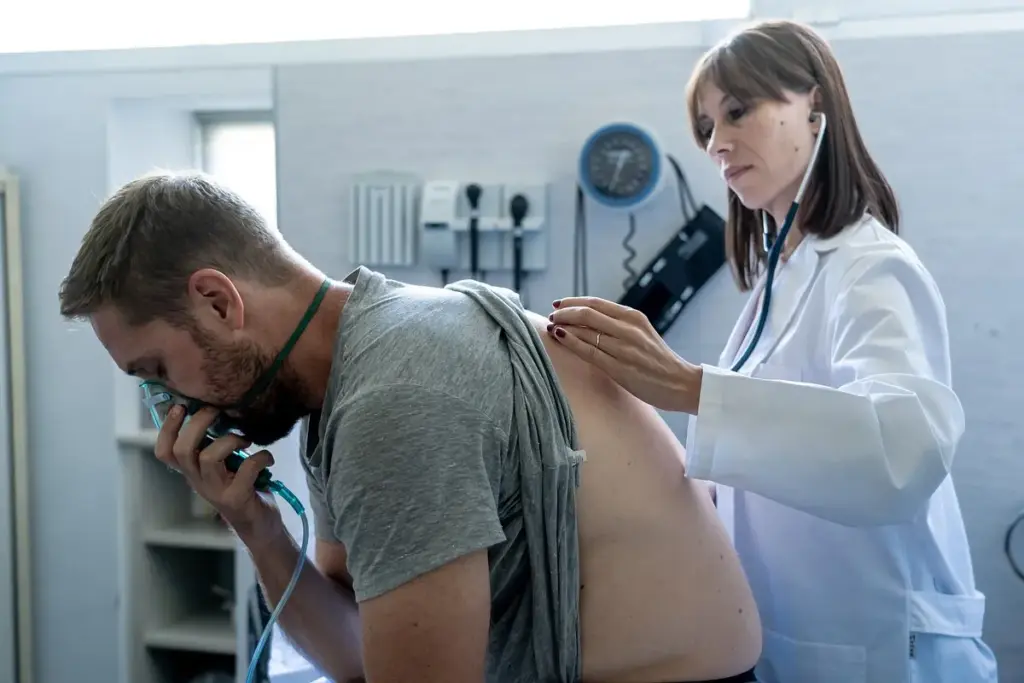
Lung cancer is a major global health problem that can affect anyone, regardless of age or smoking status. In America, 226,650 new cases and 124,730 deaths are expected in 2025. It’s key to know its causes and signs of lung cancer.
At Liv Hospital, we focus on catching lung cancer early and preventing it. Our goal is to give top-notch healthcare to everyone, including international patients. By learning about the risks and symptoms of lung cancer, people can act early and get the right care.
Key Takeaways
- Understanding lung cancer causes and symptoms is key to stopping it.
- Liv Hospital offers full support for patients from abroad.
- Spotting lung cancer early can greatly help patients.
- Knowing the signs of lung cancer can lead to timely medical help.
- Lung cancer can affect anyone, no matter their age or if they smoke.
The Growing Impact of Lung Cancer
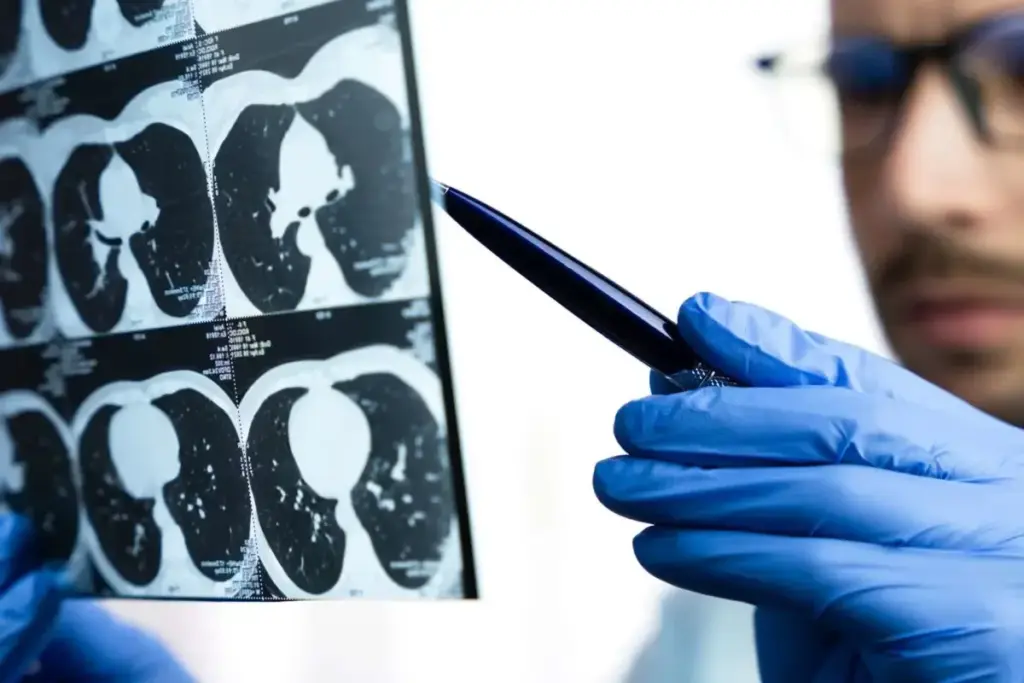
Lung cancer is a major cause of death worldwide. It’s affecting more people every year. We need to know what it is, its types, and how it impacts us globally and in the U.S.
What Is Lung Cancer?
Lung cancer starts in the lungs. It happens when lung cells grow out of control. This forms a tumor. There are two main types: non-small cell lung cancer (NSCLC) and small cell lung cancer (SCLC). NSCLC makes up about 85% of cases.
Global and U.S. Burden
Lung cancer is a big killer worldwide. It’s a leading cause of cancer deaths globally. In the U.S., it’s also a top cause of cancer deaths, with many new cases each year.
The disease is linked to harmful substances like tobacco smoke and radon. Knowing these risks helps us fight lung cancer better.
Lung Cancer by the Numbers: 2025 Projections
Lung cancer is a big health problem, with many new cases expected in 2025. Looking at the numbers, it’s clear lung cancer is a major issue. We need to keep working on it.
226,650 New Diagnoses Expected in America
The American Cancer Society’s latest numbers show about 226,650 new lung cancer cases in the U.S. in 2025. This number shows lung cancer is a big deal. We must keep fighting to prevent, find early, and treat it.
Understanding the 124,730 Annual Deaths
Lung cancer is also expected to cause about 124,730 deaths in the U.S. in 2025. Let’s look at the death numbers more closely.
|
Category |
Number |
Percentage |
|---|---|---|
|
Total Deaths |
124,730 |
100% |
|
Male Deaths |
61,420 |
49.2% |
|
Female Deaths |
63,310 |
50.8% |
Lung cancer is a top cause of cancer deaths in both men and women. Knowing these numbers helps us fight the disease better.
We must keep raising awareness about lung cancer. We need to talk about its risks and why finding it early is key. This way, we can lower the number of cases and deaths from this deadly disease.
Who Gets Lung Cancer?
It’s important to know who gets lung cancer to catch it early and prevent it. Lung cancer follows certain patterns based on age and other factors. This helps us figure out who might be at higher risk.
Age Distribution: Why 70 Is the Average Diagnosis Age
The average age for lung cancer diagnosis is about 70. This doesn’t mean young people can’t get it. But, the risk goes up with age because of more exposure to harmful substances and natural aging of the lungs.
Gender Patterns in Lung Cancer Incidence
Lung cancer used to hit men more often because they smoked more. But, as smoking habits have changed, so has the gender breakdown of lung cancer cases.
Now, men and women get lung cancer at similar rates. This change might be due to different smoking habits and other environmental factors. Here’s a table showing lung cancer cases by gender and age.
|
Age Group |
Male Cases |
Female Cases |
Total Cases |
|---|---|---|---|
|
50-59 |
15,000 |
13,000 |
28,000 |
|
60-69 |
25,000 |
22,000 |
47,000 |
|
70+ |
40,000 |
38,000 |
78,000 |
|
Total |
80,000 |
73,000 |
153,000 |
Smoking: The Leading Cause of Lung Cancer
Tobacco smoking is the main cause of lung cancer, leading to about 80% of lung cancer deaths. It’s well-known that smoking harms lung tissue. Tobacco smoke has many harmful chemicals.
How Tobacco Damages Lung Tissue
Tobacco smoke has over 7,000 chemicals, many of which are harmful. These chemicals can change lung cells’ DNA, leading to cancer. Carcinogens in tobacco smoke also cause inflammation and stress, harming lung tissue.
The damage from smoking is complex. It involves many steps leading to lung cancer. Smoking not only raises the risk of lung cancer but also affects treatment outcomes.
The 80% Connection: Smoking and Lung Cancer Deaths
Smoking causes about 80% of lung cancer deaths in the U.S. This shows how important quitting smoking is for preventing lung cancer. Quitting smoking lowers the risk of lung cancer, but it’s higher than for non-smokers.
Smoking also makes lung cancer treatment harder. It can make some treatments less effective and increase surgery risks.
Lung Cancer Symptoms: Early Warning Signs You Shouldn’t Ignore
Knowing the early signs of lung cancer is key to better treatment and outcomes. Lung cancer often shows symptoms in the lungs and body.
Respiratory Symptoms
Respiratory symptoms are common first signs of lung cancer. These include:
- A persistent cough that doesn’t go away or worsens over time
- Chest pain that is often worse with deep breathing, coughing, or laughing
- Coughing up blood or rust-colored sputum
These symptoms show the tumor might be affecting airways or nearby areas.
Systemic Symptoms
Systemic symptoms happen when cancer affects the body’s health. Common ones are:
- Weight loss without a known reason
- Fatigue or feeling weak and tired
- Loss of appetite
These signs can mean advanced disease but can also show up early.
Seeing these symptoms early and talking to a doctor is very important. It can greatly help in finding and treating the disease.
Understanding the Two Main Types of Lung Cancer
Lung cancer is divided into two main types: Small Cell Lung Cancer (SCLC) and Non-Small Cell Lung Cancer (NSCLC). Each type has its own traits. These traits affect how doctors diagnose and treat the disease.
Characteristics of Small Cell Lung Cancer (SCLC)
Small Cell Lung Cancer is aggressive and grows fast. It’s often linked to smoking. SCLC spreads quickly and early, making it hard to catch early.
The main traits of SCLC include:
- Rapid growth rate
- Early spread to distant sites
- Strong association with smoking
Characteristics of Non-Small Cell Lung Cancer (NSCLC)
Non-Small Cell Lung Cancer is the more common type, making up about 85% of cases. It grows and spreads slower than SCLC. NSCLC is split into subtypes like adenocarcinoma, squamous cell carcinoma, and large cell carcinoma.
The main traits of NSCLC are:
- Slower growth rate compared to SCLC
- Variety of subtypes with different behaviors
- Potential for surgical treatment in early stages
Knowing the differences between SCLC and NSCLC is key to finding the right treatment. SCLC is usually treated with chemotherapy and radiation because of its aggressive nature. NSCLC, on the other hand, might be treated with surgery, targeted therapy, or immunotherapy, based on the stage and subtype.
The 20% Mystery: Lung Cancer in Never-Smokers
Smoking is a big risk for lung cancer, but about 20% of cases happen in people who never smoked. This shows lung cancer is complex and we need to look at other risk factors.
Lung cancer in never-smokers is common and affects many people around the world. Research has found several important factors that lead to lung cancer in this group.
Genetic Factors in Lung Cancer Development
Genetic mutations are key in lung cancer, even in those who never smoked. Some genetic changes can make people more likely to get lung cancer by messing with how cells grow and divide.
Specific genetic mutations linked to lung cancer include EGFR, ALK, and ROS1. These can cause non-small cell lung cancer (NSCLC), the most common lung cancer type.
Family History and Inherited Risk
Having a family history of lung cancer can raise your risk. Studies show that if you have a first-degree relative with lung cancer, your risk goes up.
Genetics and environment can work together in complex ways. Some genetic changes are passed down, while others come from the environment. Understanding this mix is key to finding who’s at higher risk and stopping lung cancer in never-smokers.
We need more research on the genetic and family links to lung cancer. By studying these areas, we can learn more about lung cancer in never-smokers. This knowledge could help us find new ways to prevent and treat the disease.
Radon Gas: The Silent Killer in American Homes
Radon gas is a colorless, odorless gas that can cause lung cancer in non-smokers. It gets into homes through soil, water, and building materials. We must know the dangers of radon and take steps to keep it out of our homes.
What Is Radon and How It Causes Cancer
Radon gas comes from uranium in soil, rock, and water. When we breathe it in, it harms our lung linings, which can lead to lung cancer. Smokers are at even higher risk because radon and smoking together can greatly increase lung cancer chances.
Testing and Mitigation Strategies
Testing for radon is the first step to fight its dangers. Homeowners can use DIY kits or get professionals to check radon levels. If levels are high, there are ways to lower radon, like better ventilation, sealing gaps, and using radon-resistant barriers. Prevention is key, as lowering radon levels can greatly reduce lung cancer risk.
“Radon awareness is key for public health. By knowing the risks and acting, we can safeguard our families and communities from this silent killer.”
Occupational Carcinogens: Workplace Exposures
Occupational carcinogens are a big threat to workers’ health, often causing lung cancer. We look at the dangers of workplace exposures, focusing on substances that can cause cancer.
Many jobs expose workers to harmful substances that can lead to lung cancer. Asbestos is a well-known danger. It’s used in construction, insulation, and manufacturing. When asbestos fibers are inhaled, they can harm the lungs, leading to mesothelioma, a rare and aggressive cancer.
Asbestos and Mesothelioma Risk
Asbestos exposure is the main risk for mesothelioma. Workers in construction, shipbuilding, and mining are at higher risk. The disease can take decades to show up, making it hard to diagnose and treat.
We must note that asbestos is not the only danger. Other substances like radon, arsenic, and certain chemicals also pose risks.
Other Industrial Carcinogens
Besides asbestos, many other substances can cause lung cancer. These include:
- Radon: A radioactive gas found in mines and some workplaces.
- Arsenic: Used in smelting and refining.
- Chemicals like vinyl chloride and certain PAHs.
Workers exposed to these substances face a higher risk of lung cancer. Prevention and early detection are key. Employers must follow safety rules, provide protective gear, and check exposure levels.
By understanding the dangers of occupational carcinogens and acting early, we can lower lung cancer rates among workers. It’s a team effort involving employers, employees, and regulators to make workplaces safer.
Air Pollution’s Growing Role in Lung Cancer Cases
Lung cancer cases linked to air pollution are rising fast. This is a big challenge for health. As cities grow and industries expand, our air gets more polluted. This pollution includes harmful substances that can cause cancer.
Air pollution is made up of many harmful things. These include tiny particles, gases, and other pollutants. Particulate matter (PM) is very dangerous. It can go deep into our lungs and even into our blood.
Particulate Matter and Cancer Risk
Particulate matter, like PM2.5, is very harmful. The International Agency for Research on Cancer (IARC) says it can cause cancer. These tiny particles come from cars, factories, and burning fossil fuels.
When we breathe in PM2.5, it can hurt our lungs. This can increase our risk of lung cancer. Studies show that even small amounts of PM2.5 can raise this risk. This is true even if it’s below what’s considered safe.
Urban vs. Rural Cancer Incidence
The effect of air pollution on lung cancer is different in cities and countryside. Cities have more people and more pollution from cars and factories.
To show the difference, let’s look at some data:
|
Area Type |
Lung Cancer Incidence Rate |
Average PM2.5 Concentration |
|---|---|---|
|
Urban |
65.2 per 100,000 |
12.5 μg/m³ |
|
Rural |
45.1 per 100,000 |
8.2 μg/m³ |
This data shows that cities have more PM2.5 and more lung cancer. This is because cities have more pollution.
It’s important to understand how air pollution causes lung cancer. By reducing pollution, we can lower lung cancer rates. This can make our health better.
Early Detection: Screening and Diagnosis
Early detection is key to managing lung cancer. It involves using effective screening and diagnosis methods. This approach is vital for improving lung cancer outcomes by allowing for timely treatment.
Who Should Get Screened and When
Lung cancer screening is for those at high risk, mainly heavy smokers. The United States Preventive Services Task Force (USPSTF) suggests annual screening for adults aged 50 to 80. They must have a 20 pack-year smoking history and either smoke now or have quit in the last 15 years.
Screening Guidelines:
- Ages 50-80 years
- 20 pack-year smoking history
- Currently smoke or have quit within the past 15 years
Diagnostic Procedures and Tests
Diagnosing lung cancer involves imaging tests and biopsies. Low-dose computed tomography (LDCT) is the top choice for screening. If something looks off, tests like biopsy, CT scans, and PET scans help confirm the diagnosis.
It’s also important to know the symptoms of lung cancer. Common signs include a persistent cough, chest pain, and trouble breathing. Spotting these symptoms early can lead to better treatment outcomes.
Talking to a healthcare provider about screening is essential, mainly for those at high risk. Early detection and quick diagnosis can greatly improve treatment success and survival rates.
Staging Lung Cancer: What the Numbers Mean
The stage of lung cancer at diagnosis is key in planning treatment. Lung cancer staging helps doctors understand how far the disease has spread. This is vital for picking the best treatment.
TNM Classification System Explained
The TNM system is the main way to stage lung cancer. It looks at three main parts:
- T (Tumor): This part shows the size of the main tumor and if it has grown into nearby tissues.
- N (Node): It tells if the cancer has reached nearby lymph nodes and how far it has spread.
- M (Metastasis): This part shows if the cancer has moved to other parts of the body.
By combining these parts, we can find the overall stage of the cancer. This ranges from Stage I (early) to Stage IV (advanced).
How Stage Affects Treatment Decisions
The stage of lung cancer greatly affects treatment choices. For cancers in early stages (Stages I and II), surgery is usually the first step. For cancers in later stages (Stages III and IV), treatments like chemotherapy, radiation, and targeted therapy are often used together.
Knowing the stage of lung cancer helps us:
- Understand the prognosis and possible outcomes.
- Choose the best treatment plan.
- Find clinical trials that might help.
Getting the staging right is critical. It ensures patients get the right care for their specific situation.
Treatment Advances Improving Survival Rates
Medical technology and treatment strategies are getting better for lung cancer patients. We’re seeing a big change in how lung cancer is treated. Now, treatments are more personalized and effective.
Traditional Approaches: Surgery, Radiation, Chemotherapy
For years, surgery, radiation, and chemotherapy have been key in treating lung cancer.
- Surgery: Surgical removal is best for early-stage non-small cell lung cancer (NSCLC).
- Radiation Therapy: This uses high-energy rays to kill cancer cells. It’s for those who can’t have surgery.
- Chemotherapy: Chemotherapy kills cancer cells with drugs. It’s often used with other treatments.
Targeted Therapies and Immunotherapy
Recently, targeted therapies and immunotherapy have shown promise for lung cancer. These new methods offer hope, even for those with advanced disease.
|
Treatment Type |
Description |
Benefit |
|---|---|---|
|
Targeted Therapies |
Drugs that target specific genetic mutations driving cancer growth. |
More precise treatment with fewer side effects. |
|
Immunotherapy |
Treatments that harness the immune system to fight cancer. |
Potential for long-term cancer control. |
These new treatments are not just helping patients live longer. They’re also making life better for those with lung cancer. As research keeps improving, we’ll see even better treatments come along.
From 17% to 27%: The Improving Survival Rate Story
Lung cancer survival rates have seen a big jump, from 17% to 27%. This shows how far medical science has come. Modern treatments are making a big difference.
Several things have led to better survival rates. Treatment advances are key, with new surgery, radiation, and chemotherapy methods. Also, targeted therapies and immunotherapy offer more effective treatments for each patient.
Factors Behind Improved Outcomes
Early detection is a big reason for better survival rates. Screening programs help catch cancer early. New diagnostic tools also help plan treatments better.
Multidisciplinary care teams are also important. They bring together experts for a complete care plan. This teamwork improves patient outcomes and quality of life.
Prognostic Indicators for Lung Cancer Patients
Knowing what affects lung cancer outcomes is key. The cancer’s stage, the patient’s health, and genetic mutations are important. These factors help predict how well a patient will do.
Early-stage lung cancer patients usually have a better chance. Genetic profiling helps find biomarkers for treatment. This makes care more personal.
Healthcare providers use these indicators to give accurate predictions. They can then tailor treatments to meet each patient’s needs.
Prevention Strategies: Beyond “No Smoking”
Stopping smoking is key, but we also need other ways to fight lung cancer. Prevention is vital to lower lung cancer risk. There are many ways to do this.
Effective Smoking Cessation Programs
Stopping smoking is a big step in preventing lung cancer. Programs that use counseling and medicine work well. The says quitting smoking greatly lowers lung cancer risk.
Good smoking cessation programs include:
- Nicotine replacement therapy (NRT) to manage withdrawal symptoms
- Prescription medications like bupropion and varenicline
- Counseling sessions to provide support and guidance
- Mobile apps and online resources for tracking progress
Environmental and Lifestyle Modifications
Changing our environment and lifestyle also helps prevent lung cancer. Cutting down on harmful substances and living healthier can help a lot.
Some environmental changes include:
- Testing for and reducing radon levels in homes, as radon is a known lung carcinogen
- Avoiding exposure to asbestos and other occupational carcinogens
- Reducing exposure to air pollution by using air purifiers and avoiding heavily polluted areas
Lifestyle changes that help prevent lung cancer include:
- Eating a healthy diet full of fruits, vegetables, and whole grains
- Staying active to improve overall health
- Avoiding secondhand smoke and other environmental toxins
By using these strategies together, we can greatly lower lung cancer risk and improve health.
Conclusion: The Future of Lung Cancer Care
At Liv Hospital, we’re all about top-notch care for lung cancer patients. We’ve talked about how lung cancer is a tough disease. It can be caused by smoking, radon gas, and certain work-related exposures.
Spotting lung cancer early and preventing it is key to saving lives. We’ve shown how important screening and finding the disease early are. We’ve also talked about new treatments like targeted therapies and immunotherapy.
Looking ahead, we’re all about giving our patients the best support. Our team is always learning about new research and tech. This way, we make sure our patients get the best care possible.
We’re combining the latest treatments with a focus on our patients. We’re sure this will help a lot in the fight against lung cancer. At Liv Hospital, we’re leading the way in lung cancer care. We’re here to improve our patients’ lives.
FAQ
What is lung cancer and how does it develop?
Lung cancer starts in the lungs and is often caused by harmful substances like tobacco smoke and radon. It’s divided into two main types: non-small cell lung cancer (NSCLC) and small cell lung cancer (SCLC).
What are the common symptoms of lung cancer?
Symptoms include coughing, chest pain, and trouble breathing. You might also feel tired, lose weight, and lose your appetite.
How does smoking contribute to lung cancer?
Smoking is the main cause of lung cancer, leading to about 80% of deaths. It damages lung tissue and can cause cancer by changing genes.
Can non-smokers get lung cancer?
Yes, non-smokers can get lung cancer. It’s often due to genetic factors, radon, asbestos, or air pollution.
What is radon and how does it cause lung cancer?
Radon is a radioactive gas that can build up in homes, like basements. Long-term exposure to high levels can raise lung cancer risk.
How is lung cancer diagnosed?
Doctors use CT scans and biopsies to find and confirm lung cancer.
What are the treatment options for lung cancer?
Treatments include surgery, radiation, chemotherapy, targeted therapies, and immunotherapy. The choice depends on the cancer’s stage and type.
How is lung cancer staged?
Lung cancer is staged using the TNM system. It looks at the tumor size (T), lymph node involvement (N), and if it has spread (M).
What is the prognosis for lung cancer patients?
Prognosis depends on the cancer’s stage, overall health, and treatment response. Early-stage cancer has a better outlook than advanced stages.
How can lung cancer be prevented?
To prevent lung cancer, avoid smoking, limit exposure to harmful substances like asbestos and radon, and live a healthy lifestyle.
What is the role of air pollution in lung cancer?
Poor air quality, like particulate matter, can increase lung cancer risk. This is more common in cities.
Are there any new treatments for lung cancer?
Yes, new treatments like targeted therapies and immunotherapy have improved outcomes for many patients.
How can I reduce my risk of lung cancer if I have a family history?
If you have a family history, avoid smoking and limit exposure to harmful substances. Talk to your doctor about screening options.
References
National Center for Biotechnology Information. Symptoms and signs of lung cancer prior to diagnosis: case–control study using electronic health records from ambulatory care within a large US-based tertiary care centre. Retrieved from https://pmc.ncbi.nlm.nih.gov/articles/PMC10124310/