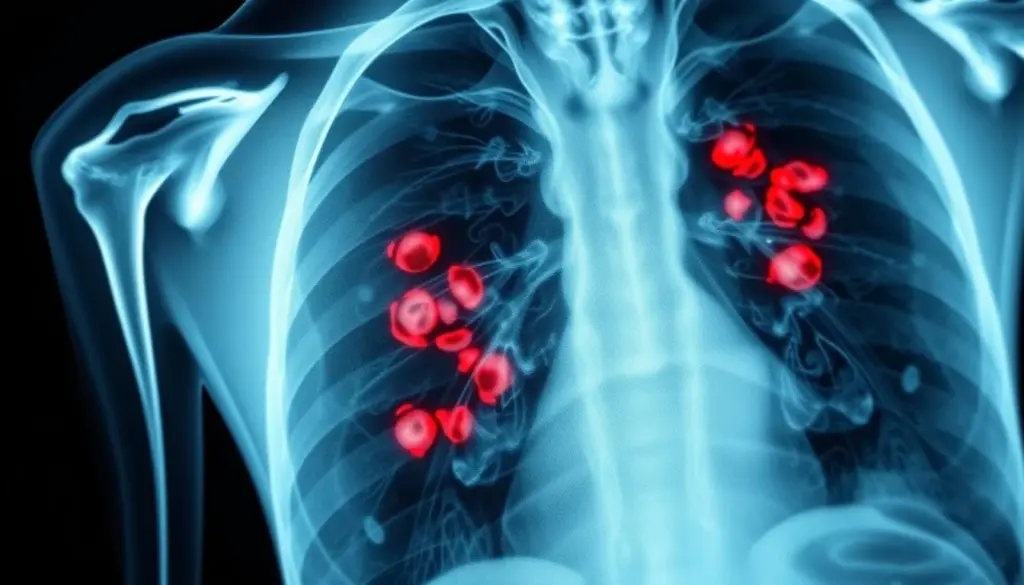
Recognizing the progression of lung cancer is essential. It can mean the difference between getting help on time and seeing the disease get worse fast. As the disease gets worse, symptoms often get stronger or change, showing the disease is moving forward.
At first, lung cancer usually doesn’t show any symptoms. But as it gets worse, people might start to feel more breathless. They might also have a cough that won’t go away, chest pain, or cough up blood.
We’ll talk about these common signs that show the disease is getting worse. These include new bone pain, headaches, losing weight without trying, feeling very tired, or having neurological symptoms.
Key Takeaways
- Spotting worsening lung cancer symptoms is key for getting medical help on time.
- Common signs include feeling more breathless and having a cough that won’t stop.
- At more advanced stages, new bone pain, headaches, or neurological symptoms may appear.
- Knowing these signs helps patients and families find the right care.
- Recognizing these signs early can greatly improve treatment results.
Understanding Lung Cancer Progression
Lung cancer’s growth is shaped by several factors. These include the disease’s type and stage. Knowing these details is key for patients and their caregivers to manage the disease well.
Types of Lung Cancer and Their Growth Patterns
Lung cancer is mainly split into two types based on cell appearance: Small Cell Lung Cancer (SCLC) and Non-Small Cell Lung Cancer (NSCLC).
- SCLC is less common but grows and spreads fast.
- NSCLC is more common and includes subtypes like adenocarcinoma and squamous cell carcinoma. Each subtype grows differently.
Staging of Lung Cancer and What It Means
The stage of lung cancer is very important. It helps predict the outcome and treatment plan. It looks at the tumor size, lymph node involvement, and if the cancer has spread.
Knowing the stage and type of lung cancer helps doctors create a treatment plan that fits the patient’s needs.
Common Lung Cancer Symptoms That Intensify With Progression
It’s important to know the signs of lung cancer getting worse. This helps get medical help early. We’ll look at symptoms that get worse as the disease advances. This helps patients and their families know what to look out for.
Increasing Breathlessness and Respiratory Distress
As lung cancer gets worse, breathing gets harder. This is called dyspnea. The tumor can block airways or fill the lungs with fluid. Even sitting or lying down can be hard to breathe.
Respiratory distress is a serious sign that needs quick doctor visits.
Signs of harder breathing include:
- Getting harder to breathe over time
- Shortness of breath even when resting
- Feeling like you can’t catch your breath
Persistent or Worsening Cough Patterns
A cough that doesn’t go away or gets worse is common. It can be dry or wet and really disrupt your day. Sometimes, it can also make your voice sound different.
Important signs of a bad cough are:
- A cough that doesn’t get better or gets worse
- A cough that keeps you up at night or makes daily tasks hard
- A cough that sounds different or feels different
Coughing Up Blood (Hemoptysis) as a Warning Sign
Coughing up blood is a big warning sign. It means the tumor is touching a blood vessel and bleeding. It can be a little bit of blood or a lot. It’s a sign that the cancer is getting worse and needs quick attention.
If you cough up blood, you should:
- Go see a doctor right away
- Don’t ignore this symptom, as it can mean serious disease
- Know that coughing up blood can mean the cancer is getting worse
Chest-Related Signs of Advancing Disease
Chest-related signs are common in lung cancer as it gets worse. These symptoms affect many parts of a patient’s health. They can make life much harder for the patient.
Intensifying Chest Pain and Discomfort
Intensifying chest pain is a big problem in lung cancer. The tumor can grow into the chest wall or ribs. This pain can feel like a dull ache or a sharp stab.
Chest pain from lung cancer can also feel in other places. For example, it might feel in the shoulder or back. It’s important for patients to tell their doctors exactly where they feel pain.
Changes in Voice and Developing Hoarseness
Changes in voice and hoarseness are also signs of lung cancer getting worse. The tumor can hurt the nerves that control the voice box. This can make it hard to speak clearly.
Hoarseness can really affect a patient’s life. It makes talking hard. Patients with hoarseness should see a doctor to find out why and how to feel better.
As lung cancer gets worse, it’s key to watch and manage chest symptoms. We aim to help patients with these symptoms. Our goal is to improve their quality of life.
Systemic Symptoms Indicating Worsening Lung Cancer
Lung cancer can cause many symptoms that affect the whole body. These symptoms are not just in the lungs. They can show that the disease is getting worse.
Unexplained Weight Loss and Appetite Changes
Unexplained weight loss is a common symptom of lung cancer getting worse. The cancer can change how the body uses food, leading to weight loss. This can make the patient very weak.
Appetite changes are also common. Some people might eat less or feel full quickly. This can be because of the cancer or the treatments. It’s important to watch weight and nutrition closely.
Increasing Fatigue and Weakness
Fatigue is a symptom that often gets worse as lung cancer progresses. Patients may feel very tired and weak. This can make it hard to do everyday things.
Fatigue can come from many things, like the cancer itself, treatments, or not enough nutrients. To fight fatigue, rest, exercise, and good nutrition are key.
Recurring Infections and Persistent Fever
Lung cancer patients are more likely to get infections, like respiratory ones. Recurring infections and persistent fever mean the disease is getting worse. These symptoms need quick medical help to avoid more problems.
The table below shows symptoms of worsening lung cancer and their effects on patients.
|
Systemic Symptom |
Description |
Potential Impact |
|---|---|---|
|
Unexplained Weight Loss |
Loss of weight due to changes in metabolism and appetite |
Malnutrition, weakened health |
|
Increasing Fatigue |
Tiredness and weakness affecting physical and mental health |
Reduced quality of life, inability to perform daily activities |
|
Recurring Infections |
Frequent infections, particularlly respiratory infections |
Increased risk of complications, need for prompt medical attention |
Knowing and spotting these symptoms early can help manage the disease better. It’s important for patients and caregivers to talk about these signs with doctors. This way, treatment plans can be adjusted to help more.
Signs of Lung Cancer Metastasis to Distant Organs
It’s important for patients to know the signs of lung cancer spreading to other parts of the body. This knowledge can help with treatment choices and improve life quality. Lung cancer often goes to the brain, bones, liver, and adrenal glands, causing different symptoms.
Bone Pain and Pathological Fractures
Lung cancer in the bones can cause a lot of pain and increase fracture risk. This pain doesn’t go away and can get worse. Pathological fractures happen when cancer weakens bones, making them break easily.
The spine, ribs, and limbs are often affected. Patients might feel:
- Persistent bone pain
- Increased risk of fractures
- Swelling or tenderness at the site of the metastasis
Neurological Symptoms and Headaches
Brain metastasis can cause headaches, seizures, and changes in thinking. These happen because the tumor presses on or invades brain tissue, affecting brain function.
Common symptoms include:
- Headaches that are often worse in the morning
- Seizures or convulsions
- Confusion, memory loss, or difficulty concentrating
- Weakness or numbness in the limbs
Liver Metastasis Indicators
Lung cancer in the liver can cause symptoms because of the liver’s role in metabolism and detoxification. Common signs are:
- Abdominal pain or discomfort
- Jaundice (yellowing of the skin and eyes)
- Loss of appetite
- Unexplained weight loss
Liver function tests can show problems related to liver metastasis.
Adrenal Gland and Other Organ Involvement
Metastasis to the adrenal glands can affect hormone production, leading to symptoms. Lung cancer can also spread to other organs like the kidneys and pancreas, causing various symptoms.
|
Organ |
Common Symptoms of Metastasis |
|---|---|
|
Adrenal Glands |
Fatigue, weight loss, hormonal imbalances |
|
Kidneys |
Changes in urination, flank pain |
|
Pancreas |
Abdominal pain, diabetes, digestive issues |
It’s key to recognize these signs of lung cancer metastasis for timely medical help and to adjust treatment plans.
Small Cell Lung Cancer: Unique Progression Indicators
Small cell lung cancer (SCLC) is a very aggressive type of lung cancer. It has its own signs as it gets worse. We will look at these signs to help patients and their families know when the disease is getting worse.
Rapid Symptom Development in SCLC
SCLC grows fast and spreads early, causing symptoms quickly. Patients often see their symptoms get much worse fast. This can include breathing problems, a persistent cough, and chest pain. This fast growth means patients need to see a doctor right away.
Paraneoplastic Syndromes as Critical Warning Signs
SCLC can cause paraneoplastic syndromes, which are problems caused by the body’s immune response to the tumor. These can be neurological disorders, hormonal imbalances, or other systemic effects. For example, SIADH is a common problem in SCLC, causing low sodium levels. Spotting these syndromes is key, as they can signal that SCLC is getting worse.
|
Paraneoplastic Syndrome |
Symptoms |
Clinical Significance |
|---|---|---|
|
SIADH |
Hyponatremia, confusion, seizures |
Indicates SCLC progression, requires immediate medical attention |
|
Eaton-Lambert Syndrome |
Muscle weakness, fatigue |
Associated with SCLC, may precede diagnosis |
Knowing these special signs is key to managing SCLC well. By spotting the signs of fast symptom growth and paraneoplastic syndromes, doctors can create better treatment plans for SCLC patients.
Non-Small Cell Lung Cancer: Progression Patterns
Non-small cell lung cancer (NSCLC) includes several subtypes. Each subtype has its own way of growing, affecting patient outcomes. Knowing these patterns helps doctors plan better treatments. It also helps patients understand their disease journey.
Adenocarcinoma Progression Symptoms
Adenocarcinoma is the most common NSCLC type, often found in non-smokers. Its symptoms start off mild but get worse over time. Patients may feel breathlessness and a cough that doesn’t go away. They might also cough up blood, known as hemoptysis.
For more on treating NSCLC, check out the .
Squamous Cell Carcinoma Advancement Signs
Squamous cell carcinoma grows in the larger airways. As it gets worse, symptoms like intensifying chest pain and hoarseness appear. These happen because the tumor grows and may invade nearby areas.
Large Cell Carcinoma Progression Indicators
Large cell carcinoma grows fast and aggressively. Symptoms include unexplained weight loss, fatigue, and recurring infections. If the cancer spreads to the brain, it can cause neurological symptoms.
Recognizing Lung Cancer Symptoms by Stage
It’s key to spot lung cancer symptoms at different stages early. As the disease advances, symptoms change, affecting life quality and treatment choices.
Stage III Symptoms: What to Watch For
At Stage III, lung cancer has spread to nearby tissues or lymph nodes. This can lead to more severe symptoms. Look out for:
- Persistent or worsening cough
- Increasing breathlessness or difficulty breathing
- Chest pain or discomfort that may radiate to the shoulder or back
- Fatigue or feeling weak
- Loss of appetite
These symptoms can greatly affect daily life. It’s important to get medical help if they don’t go away or get worse.
Stage IV Symptoms: Signs of Metastatic Disease
Stage IV lung cancer has spread to distant organs like the brain, bones, or liver. Symptoms at this stage are often more severe. They may include:
- Bone pain or pathological fractures due to metastasis
- Neurological symptoms such as headaches, dizziness, or seizures if the cancer has spread to the brain
- Jaundice or abdominal pain if the liver is affected
- Shortness of breath or coughing up blood due to the tumor’s impact on the lungs
Knowing these symptoms is critical for managing the disease well. It helps improve the patient’s quality of life.
It’s vital to watch for these symptoms and seek medical help quickly if they appear or get worse. Early detection and treatment can greatly improve outcomes.
Statistical Outlook for Progressive Lung Cancer
It’s important to know the stats on progressive lung cancer for patients and doctors. The outlook changes a lot based on when the cancer is found and how far it has spread.
Survival Rates by Stage and Disease Advancement
How long lung cancer patients live depends a lot on when they get diagnosed. The Surveillance, Epidemiology, and End Results (SEER) Program shows big differences in survival rates based on the stage.
|
Stage at Diagnosis |
5-Year Relative Survival Rate |
|---|---|
|
Localized |
63.1% |
|
Regional |
35.4% |
|
Distant (Metastatic) |
9.7% |
The table shows survival rates drop a lot as the disease gets worse. For those diagnosed with distant (metastatic) cancer, the 5-year survival rate is only 9.7%. This shows how critical early detection is.
“The survival rate for lung cancer patients has improved over the years, but there is a big gap based on when they are diagnosed,” said a leading oncologist.
Annual Mortality and Future Incidence Projections
Lung cancer is a top cause of cancer deaths globally. The death rate is likely to keep going up unless we find better ways to catch and treat it early.
Experts predict lung cancer cases will rise. This is due to changes in the population and more exposure to risk factors.
Understanding these numbers is key to fighting lung cancer. By looking at survival rates and death trends, we can see how the disease progresses. This helps us find ways to improve treatment and care.
Diagnostic Tests That Confirm Worsening Lung Cancer
Diagnostic tests are key to figuring out if lung cancer is getting worse. They help doctors decide on the best treatment. These tests show how far the cancer has spread and what to do next.
Advanced Imaging Studies: CT, PET, and MRI
Advanced imaging is vital for tracking lung cancer. Computed Tomography (CT) scans show detailed lung images. They help spot tumors and how they’ve grown. Positron Emission Tomography (PET) scans check tumor activity, telling apart cancer from scar tissue. Magnetic Resonance Imaging (MRI) is great for looking at the brain and spine for cancer spread.
Blood Tests and Tumor Markers
Blood tests give clues about lung cancer’s progress. Tumor markers like carcinoembryonic antigen (CEA) and cytokeratin 19 fragment (CYFRA 21-1) can be found in lung cancer patients’ blood. These markers help confirm other test results and track the disease’s growth.
Biopsy and Molecular Testing for Disease Progression
A biopsy takes a tumor sample for detailed study. It confirms cancer and gives details on its type and genetics. Molecular testing finds specific DNA changes in the tumor. This helps choose targeted treatments and understand treatment resistance.
Treatment Challenges in Progressive Lung Cancer
Progressive lung cancer is tough to treat. As it gets worse, the first treatments don’t work as well anymore. We need to change our approach.
When First-Line Treatments Show Diminishing Results
At first, treatments like surgery, chemo, radiation, or targeted therapy work well. But as the cancer grows, these treatments may not be as effective. It’s important to watch how the cancer responds to see when we need to switch.
We keep an eye out for signs that the cancer isn’t responding well. This includes regular scans and checking how symptoms are doing.
Treatment Resistance Indicators
When lung cancer stops responding to treatment, it shows in different ways. Big tumors, new tumors, or getting worse symptoms mean the current treatment isn’t working.
We also look for biomarkers that show resistance to certain treatments. Knowing these helps us pick better treatments next time.
Second-Line and Experimental Treatment Options
When first treatments don’t work, we look at second options. These might be different chemo, immunotherapy, or clinical trials for new treatments.
Immunotherapy uses the body’s immune system to fight cancer. It’s promising for advanced lung cancer. New targeted therapies and combos offer hope for those with tough-to-treat cancer.
We work with patients to find the best treatment. We consider their health, what they want, and their cancer’s details.
Managing Worsening Lung Cancer Symptoms
As lung cancer gets worse, it’s key to manage symptoms well. This helps keep the patient’s quality of life good. Healthcare providers work hard to ease pain and improve life for patients and their families.
Lung cancer can cause many symptoms. We focus on palliative care approaches for symptom relief. This means we put the patient’s comfort first.
Palliative Care Approaches for Symptom Relief
Palliative care helps with the physical, emotional, and social needs of patients with serious illnesses. It’s a big part of treating lung cancer. It helps manage symptoms, reduce pain, and improve life quality.
Key parts of palliative care for lung cancer include:
- Comprehensive assessment of symptoms and patient needs
- Development of personalized care plans
- Collaboration with a multidisciplinary team of healthcare professionals
- Provision of emotional and spiritual support
Pain Management Strategies
Pain is a big problem for lung cancer patients, getting worse as the disease does. Good pain management strategies are vital to ease suffering and make patients more comfortable.
We use many ways to manage pain, including:
- Pharmacological interventions (e.g., analgesics, opioids)
- Non-pharmacological interventions (e.g., relaxation techniques, cognitive-behavioral therapy)
- Interventional procedures (e.g., nerve blocks, epidural injections)
Respiratory Support Options
As lung cancer gets worse, patients may have trouble breathing. They need respiratory support options to help breathe better.
Some options include:
- Oxygen therapy
- Non-invasive ventilation (e.g., CPAP, BiPAP)
- Palliative care interventions (e.g., morphine for dyspnea)
By focusing on symptom management, including palliative care, pain management, and respiratory support, we can greatly improve life for patients with worsening lung cancer.
Psychological Impact of Advancing Lung Cancer
Lung cancer advancing has a big impact on patients and their families. Hearing the disease is getting worse can make people feel anxious, scared, depressed, and hopeless.
Coping with Progression News
Dealing with lung cancer getting worse is tough. It means patients and their families have to adjust to a new reality. This can be really hard.
“The psychological burden of a cancer diagnosis is well-documented, but the impact of disease progression can be just as profound,” says a leading oncologist.
It’s important to find ways to cope during this time. These can include:
- Seeking support from loved ones and support groups
- Engaging in counseling or therapy
- Practicing mindfulness and relaxation techniques
Support Resources for Patients and Families
Having the right support can really help. This support can include:
- Palliative care services to manage symptoms and improve quality of life
- Psychological counseling to address emotional and mental health needs
- Support groups, either in-person or online, to connect with others facing similar challenges
It’s essential for patients and their families to know they are not alone in this journey. We aim to provide all the support needed. This support covers physical, emotional, and psychological needs of those dealing with lung cancer.
“Support is key in dealing with lung cancer progression. By giving emotional, psychological, and physical support, we help patients and their families face challenges with more resilience and hope.”
The Role of Carcinogens in Accelerating Disease Progression
Carcinogens are key in speeding up lung cancer. They are found in many things we do and our environment. These substances make lung cancer symptoms worse and the disease progress faster.
Exposure to carcinogens is a big risk for lung cancer. Tobacco smoke is the most known carcinogen. It has harmful chemicals that damage lung cells and can cause cancer.
Smoking Cessation Benefits Even in Advanced Disease
Stopping smoking is very important for lung cancer, even in late stages. Smoking cessation can slow down the disease and make life better for patients. Research shows quitting smoking reduces symptoms and improves health.
Quitting smoking helps not just those with early lung cancer. It also helps those with advanced disease. It lowers the risk of serious problems and can make treatments work better.
|
Benefits of Smoking Cessation |
Impact on Lung Cancer |
|---|---|
|
Reduces symptoms |
Improves quality of life |
|
Slows disease progression |
Enhances treatment outcomes |
|
Decreases risk of complications |
Improves overall health |
Environmental Exposures and Progression Risk
Smoking is not the only risk for lung cancer. Environmental carcinogens like radon also increase risk. Other things like asbestos and air pollution can make the disease worse.
It’s important to know how environmental exposures affect lung cancer. This helps us create better prevention and treatment plans. We need to think about these factors when we plan care for patients.
Understanding how carcinogens affect lung cancer helps us improve patient care. We can work on reducing these risks. This includes helping people quit smoking and lowering exposure to harmful substances.
When to Contact Your Healthcare Provider
Knowing when to reach out to a healthcare provider is key in managing lung cancer. It’s important for patients to recognize signs that mean they need to see a doctor. This is vital for good care.
Emergency Warning Signs Requiring Immediate Attention
Certain symptoms need quick medical help. These include:
- Severe difficulty breathing or sudden shortness of breath
- Chest pain or pressure that gets worse over time
- Coughing up blood or rust-colored mucus
- Severe headache or confusion, which could mean brain metastasis
- Severe fatigue or weakness that makes daily tasks hard
Preparing for Medical Appointments
Before you call your healthcare provider, get ready. Here are some steps:
- Make a list of your symptoms, including when they started and how long they’ve lasted.
- Gather any relevant medical records or test results.
- Write down your questions and concerns to talk about during the appointment.
- Bring a family member or friend for support, if you can.
Being ready can help you get the most from your medical visit. It ensures your concerns are heard and addressed well.
Conclusion: Navigating the Journey of Progressive Lung Cancer
Understanding progressive lung cancer is key. At LIV Hospital, we follow international standards to manage the disease. This ensures patients get the best care.
Knowing the signs of lung cancer is important. Symptoms can include breathlessness, chest pain, and even neurological issues. These symptoms can change as the disease gets worse.
Recognizing these symptoms helps patients work with their healthcare team. Our team at LIV Hospital is dedicated to providing top-notch care. We support international patients with compassion and care.
Staying informed is vital when facing progressive lung cancer. Patients and their families can make better choices. This improves their quality of life.
FAQ
What are the common signs that indicate lung cancer is getting worse?
Signs include breathlessness, a persistent cough, and chest pain. Coughing up blood, bone pain, and headaches are also signs. Unexplained weight loss, fatigue, and neurological symptoms are other indicators.
How do the different types of lung cancer progress?
Lung cancer types like small cell lung cancer (SCLC) and non-small cell lung cancer (NSCLC) grow differently. SCLC grows fast and spreads quickly. NSCLC grows slower.
What is the significance of staging in lung cancer?
Staging shows how far the disease has spread. It helps decide treatment and gives a prognosis. The later the stage, the worse the outlook.
What are the symptoms of lung cancer at different stages?
Early lung cancer might not show symptoms or have mild ones. But, stage III and IV have severe symptoms. These include hard breathing, chest pain, and signs of cancer spreading.
How is worsening lung cancer diagnosed?
Tests like CT, PET, MRI scans, blood tests, and biopsies confirm disease spread. They help understand how far the cancer has gone.
What are the treatment challenges in progressive lung cancer?
Treating lung cancer that’s getting worse is tough. It includes managing symptoms, dealing with treatment resistance, and looking into new treatments.
How can symptoms of lung cancer be managed?
Palliative care, pain management, and breathing support help. They improve life quality and reduce symptoms.
What is the psychological impact of advancing lung cancer?
The mental impact of lung cancer getting worse is big. Coping with bad news is hard. Support for patients and families is key.
How do carcinogens affect disease progression?
Carcinogens, like in tobacco smoke, speed up cancer growth. Quitting smoking, even with advanced disease, can help.
When should I contact my healthcare provider?
Call your doctor for emergency signs like hard breathing, chest pain, or coughing up blood. Tracking symptoms and asking questions at appointments is also important.
What is the statistical outlook for progressive lung cancer?
Survival rates depend on the stage and how far the disease has spread. Knowing these stats helps patients and caregivers understand their situation.
How does small cell lung cancer progress differently from non-small cell lung cancer?
Small cell lung cancer grows fast and can cause unusual symptoms. Non-small cell lung cancer grows slower and has different types, like adenocarcinoma and squamous cell carcinoma.
What are the signs of lung cancer metastasis to distant organs?
Signs include bone pain, neurological symptoms, and liver or adrenal gland involvement. These show the cancer has spread.
References
National Center for Biotechnology Information. Symptoms and signs of lung cancer prior to diagnosis: case–control study using electronic health records from ambulatory care within a large US-based tertiary care centre. Retrieved from https://pmc.ncbi.nlm.nih.gov/articles/PMC10124310/