Asthma is the most common lung disease in kids worldwide, affecting over 350 million. Early diagnosis and good care are key in treating it.
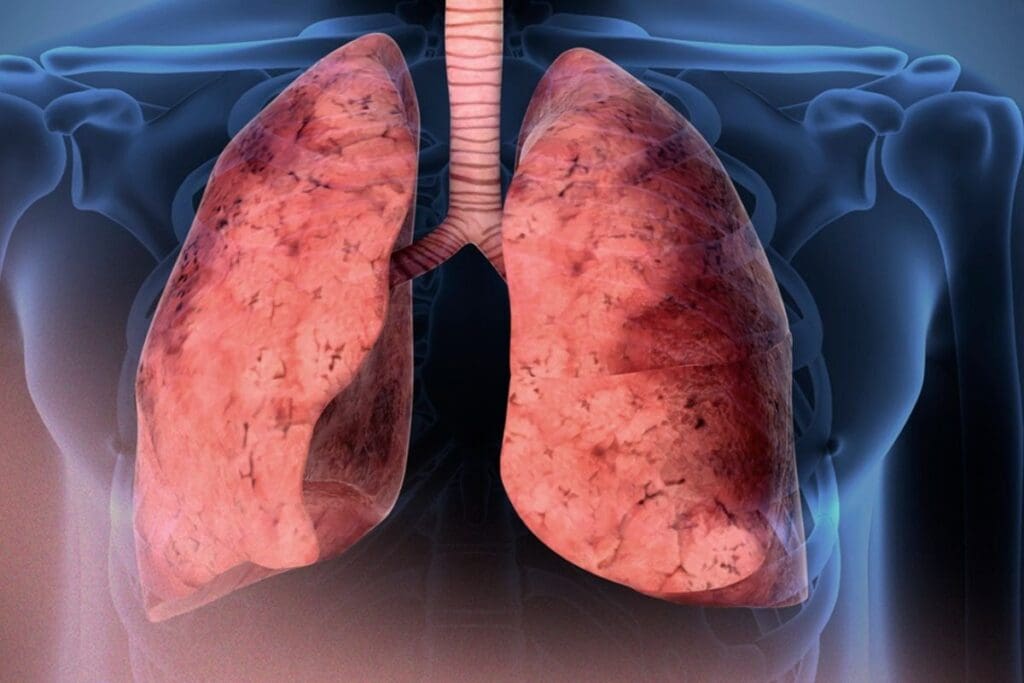
At LivHospital, we offer top-notch care for kids with lung disease. Knowing the signs of lung problems helps us act fast and manage it well.
Problems with breathing can really affect a child’s life. We aim to give full support and help to families all over the world.
Key Takeaways
- Asthma is the most common pulmonary disease in childhood.
- Early diagnosis is key for good management.
- Liv Hospital provides world-class care for children with lung disease.
- Understanding signs of lung problems is vital for timely intervention.
- Comprehensive care improves the quality of life for children with respiratory issues.
Understanding Childhood Pulmonary Diseases
It’s key to understand childhood pulmonary diseases well. This knowledge helps us give the best care and support. These diseases can really affect a child’s life and growth.
Definition and Classification of Pulmonary Diseases
Pulmonary diseases in kids cover many lung and breathing issues. These can be short-term or long-lasting and vary in how severe they are. Chronic lung disease (CLD) in babies, for example, can cause long-term breathing problems and affect growth.
These diseases can come from many sources, like genes, the environment, or infections. For instance, perihilar inflammation can be a big problem in some lung conditions, affecting the lung’s edges. Knowing exactly what disease a child has helps us create the right treatment plan for them.
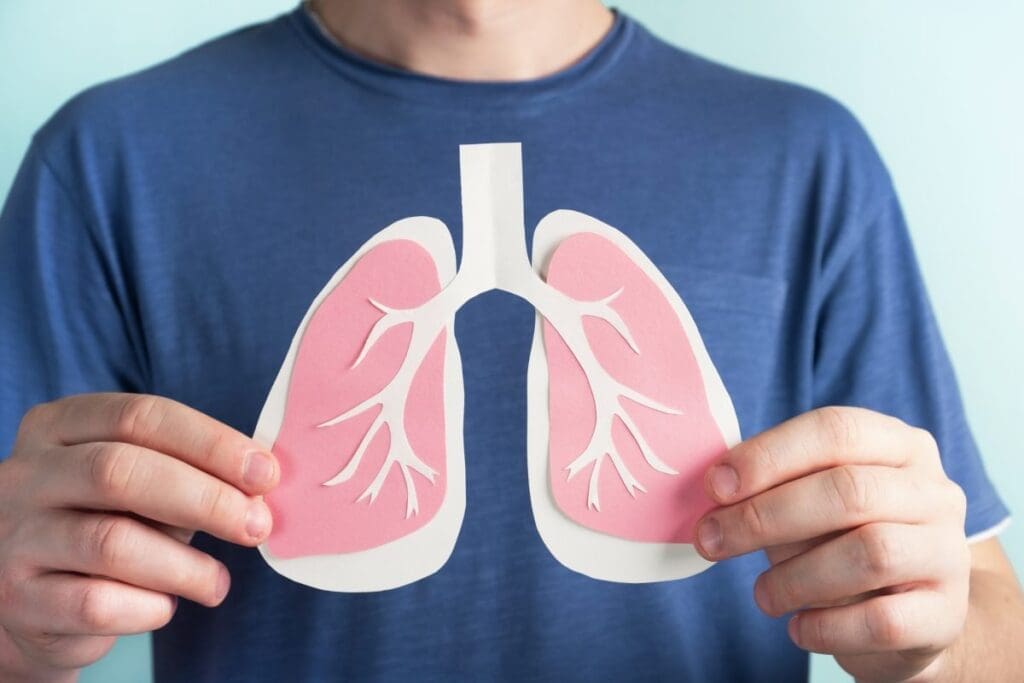
Impact on Child Development and Quality of Life
Pulmonary diseases have a big impact on kids’ growth and happiness. Chronic conditions can slow down physical growth, affect mood, and limit social interactions. Kids with lung diseases might have trouble doing everyday things and need a lot of medical care.
We need to think about all the ways these diseases affect kids. We should aim to give care that helps with both the medical and emotional needs of the child. This way, we can make life better for kids with lung diseases and help them grow and develop fully.
Asthma: The Leading Pulmonary Disease in Children
Asthma is the most common chronic respiratory disease in kids worldwide. It greatly affects their quality of life. If not managed well, it can lead to serious complications.
Global Prevalence and Statistics
Asthma affects over 350 million people globally, with many being children. In the United States, asthma emergency room visits for kids hit 47 per 10,000 in 2020. These numbers show we need better management and treatment plans.
The high rate of asthma in kids worldwide is a big concern. We must understand its causes and risk factors. Environmental, genetic, and socioeconomic factors play a big role in asthma development and worsening.
Key Statistics:
- Over 350 million people worldwide suffer from asthma.
- Asthma is the most prevalent chronic condition among children.
- 47 emergency room visits per 10,000 children in the United States in 2020.
Pathophysiology of Childhood Asthma
Childhood asthma involves inflammation, airway hyperresponsiveness, and reversible airflow obstruction. Knowing how it works is key to creating effective treatments.
The airways of kids with asthma are very sensitive to triggers. This leads to inflammation and constriction. Symptoms include wheezing, coughing, and shortness of breath.
Risk Factors and Triggers
Several factors increase the risk of asthma in kids, including genetics, environmental exposures, and socioeconomic status. Common triggers include allergens, respiratory infections, and air pollutants.
Common Triggers:
- Allergens such as dust mites, pet dander, and pollen.
- Respiratory infections like the common cold.
- Air pollutants, including tobacco smoke and diesel exhaust.
Knowing and managing these triggers is key to controlling asthma symptoms. It helps improve the quality of life for kids with asthma.
Common Signs of Lung Problems in Children
It’s important to know the signs of lung problems in kids early. This helps get them the care they need quickly. As parents, spotting these signs early can be a big help.
Early Warning Signs and Symptoms
Kids with lung issues might show different symptoms. Look for rapid and difficult breathing, grunting, and flared nostrils. They might also lose weight because breathing hard uses a lot of energy.
Signs like nasal flaring, belly breathing, or trouble speaking in full sentences mean serious breathing problems. It’s key for parents to watch for these signs and know when to get help.
When to Seek Medical Attention
If a child shows any of these signs, get medical help right away:
- Rapid breathing or trouble breathing
- Grunting or wheezing sounds while breathing
- Flaring of the nostrils or retracting of the chest
- Cyanosis, or a bluish discoloration of the skin
- Inability to speak or cry normally due to breathing difficulties
Spotting these signs of lung issues early can help a lot. It can prevent serious problems and improve health. If unsure, always talk to a doctor.
Other Significant Childhood Pulmonary Conditions
Beyond asthma, other lung conditions affect kids, like pneumonia and bronchiolitis. These can really impact a child’s life and, in severe cases, can be deadly.
Pneumonia: A Major Acute Respiratory Illness
Pneumonia is a big problem for kids all over the world. In 2019, it caused about 650,000 deaths in kids under 5. It’s when the lung gets inflamed, usually from an infection.
Kids with pneumonia might cough, have a fever, find it hard to breathe, and feel pain in their chest. It’s important to catch it early and treat it to avoid serious problems.
Bronchiolitis and Respiratory Syncytial Virus (RSV)
Bronchiolitis is a common illness in babies and young kids, often from Respiratory Syncytial Virus (RSV). It makes the small airways swell, causing wheezing, coughing, and trouble breathing.
RSV is very contagious and spreads easily. Most kids get it by the time they’re 2 years old.
Childhood Interstitial Lung Disease
Childhood Interstitial Lung Disease (ILD) is a group of rare lung problems in kids. It causes inflammation and scarring in the lungs. It’s hard to diagnose and treat, needing a team of experts.
Kids with ILD might cough a lot, have trouble breathing, and not grow well. Treatment varies based on the cause and might include medicine, oxygen, and other support.
Diagnosis of Pediatric Pulmonary Diseases
We diagnose pediatric pulmonary diseases by using clinical evaluation, medical history, and advanced tests. This method helps healthcare providers accurately identify and manage lung conditions in children.
Clinical Evaluation and Medical History
A thorough clinical evaluation is key in diagnosing pediatric pulmonary diseases. It involves checking the child’s symptoms, medical history, and physical exam. Key aspects of the clinical evaluation include:
- Detailed medical history to identify risk factors and previous respiratory conditions
- Physical examination to detect signs of respiratory distress or other related symptoms
- Assessment of growth and development to identify any impacts of pulmonary disease
Diagnostic Tests and Imaging
Various tests and imaging studies are used to assess lung function and identify specific conditions. Common diagnostic approaches include:
- Spirometry to measure lung function and assess for obstructive or restrictive patterns
- Chest radiography (X-ray) to visualize lung structures and detect abnormalities
- Advanced imaging techniques like computed tomography (CT) scans for detailed lung assessment
- Blood gas analysis to evaluate oxygenation and ventilation status
Differential Diagnosis Considerations
When diagnosing pediatric pulmonary diseases, it’s important to consider many possible conditions. Differential diagnosis involves distinguishing between various pulmonary conditions, such as asthma, pneumonia, and bronchiolitis. It also considers other causes of respiratory symptoms.
Symptoms of childhood lung cancer can be non-specific and may mimic other conditions. A detailed diagnostic approach is needed to find the cause of respiratory symptoms. This helps guide the right treatment.
Treatment Approaches for Childhood Lung Diseases
Managing lung diseases in children requires a mix of medication, therapy, and specialist care. Each child’s treatment plan is unique, based on their lung disease type and severity.
Medication Management for Asthma
Children with asthma often use bronchodilators and corticosteroids. Bronchodilators open airways, making breathing easier. Corticosteroids reduce inflammation. The right medication and how it’s given depend on the child’s age and asthma severity.
Therapeutic Interventions for Other Pulmonary Conditions
For conditions likechildren’s interstitial lung disease, treatment goes beyond medication. It may include oxygen therapy and nutritional support to help with growth and development.
In severe cases, children might need hospital care. Here, they receive treatments like intravenous antibiotics or corticosteroids.
The Role of Specialists in Pediatric Pulmonary Care
Pediatric pulmonologists are key in treating childhood lung diseases. They create detailed treatment plans and monitor progress. They also help families manage their child’s condition and improve their quality of life.
With a detailed and personalized approach, we can greatly improve the lives of children with lung diseases. This allows them to live active and fulfilling lives.
Health Disparities in Pediatric Pulmonary Disease
Pediatric pulmonary diseases hit some groups harder, showing we need to tackle health disparities. Even with better medical care, some kids with these diseases don’t get the same health results. This is because of many factors, like race, ethnicity, and money status.
Racial and Ethnic Disparities in Asthma Outcomes
Asthma is a big problem for kids all over, with big differences in how it affects different races and ethnicities. Studies show that kids from minority groups often end up in the hospital more for asthma. They also have worse asthma problems than kids from other groups.
There are many reasons for these differences. For example, kids from poorer families might breathe in more asthma triggers. This could be because of bad air or living in poor housing.
Key factors contributing to racial and ethnic disparities in asthma outcomes include:
- Limited access to quality healthcare services
- Increased exposure to environmental asthma triggers
- Socioeconomic barriers to effective asthma management
Socioeconomic Factors Affecting Care
Money status is a big deal for kids with lung diseases. Families with less money often struggle to get the care they need. This can mean kids get diagnosed and treated too late.
Money also affects how well families can follow treatment plans. It can make it hard to avoid asthma triggers and deal with the healthcare system.
Addressing Inequities in Respiratory Health
To fix health disparities in lung diseases in kids, we need to do many things. We must make sure all kids can get good healthcare, reduce asthma triggers, and help families with education and resources.
Doctors and lawmakers need to work together. They should focus on making sure everyone gets fair treatment for lung diseases. This includes:
- Getting more kids into asthma management programs
- Improving air quality in poor areas
- Helping families understand and manage lung diseases
By facing these disparities head-on, we can make sure all kids get the health care they deserve.
Conclusion: Advancing Pediatric Pulmonary Care
Improving care for kids with lung diseases is key. At LivHospital, we aim to give top-notch care. We use the best methods and always put ethics first.
Spotting problems early and treating them fully is critical. This helps kids with asthma and pneumonia live better lives. These conditions can really affect a child’s happiness and health.
Knowing what causes lung disease is important. Things like pollution and genes can play a part. We’re all about giving kids with lung issues the best care possible.
We’re working hard to make care better for kids with lung diseases. Our goal is to find new ways to help them. We also want to make sure all kids get the care they need, no matter who they are.
FAQ’s:
What are the common signs of lung problems in children?
Signs include a persistent cough and wheezing. Shortness of breath and chest tightness are also common. Look out for symptoms that get worse over time and breathing difficulties.
How is asthma diagnosed in children?
Asthma diagnosis starts with a detailed medical history and physical check-up. Tests like spirometry and peak flow monitoring are used. Symptoms like wheezing and coughing are also considered.
What is interstitial lung disease in children?
Interstitial lung disease (ILD) in kids is a rare lung disorder. It causes inflammation and scarring in the lungs. Symptoms include cough, breathing trouble, and not growing well. It needs careful diagnosis and treatment by a specialist.
How can we manage asthma in children?
Managing asthma in kids involves medication, lifestyle changes, and monitoring. We use inhaled corticosteroids and bronchodilators. Avoiding triggers and a healthy lifestyle are key.
What are the risk factors for developing pulmonary diseases in children?
Risk factors include genetic predisposition and environmental pollutants. Respiratory infections and socioeconomic factors also play a role. Second-hand smoke and allergies are important too.
How do socioeconomic factors affect pediatric pulmonary care?
Socioeconomic factors can affect access to care and health outcomes. We aim to address these issues through better care and support.
What is perihilar inflammation, and how is it related to lung disease?
Perihilar inflammation is around the lung’s hilar area. It’s linked to various lung conditions, like infections and ILD. Accurate diagnosis and treatment depend on finding the cause.
Can children outgrow lung diseases like asthma?
Some kids may outgrow asthma symptoms. But, it’s important to keep monitoring and managing it. We help families plan for long-term symptom control and better quality of life.
What are the latest advancements in treating childhood lung diseases?
New treatments include medications and better diagnostic tools. We stay updated on research and guidelines to provide the best care for kids with lung diseases.
How can parents identify early warning signs of lung problems in their children?
Parents should watch for changes in breathing, like wheezing or coughing. If symptoms worsen or are severe, seek medical help.
REFERENCES:
- Serebrisky, D., & Wiznia, A. (2019). Pediatric asthma: A global epidemic. Frontiers in Pediatrics, 7, 223.https://pmc.ncbi.nlm.nih.gov/articles/PMC7052318/
- Kim, T. H., Kim, J., & Lee, S. H. (2025). Global burden of asthma among children and adolescents: Epidemiology and regional variations. Clinical and Experimental Pediatrics, 68(2), 121-130.https://www.e-cep.org/journal/view.php?number=20125555814
- Yuan, L., Wang, Y., & Liu, J. (2025). Global, regional, and national burden of asthma from 1990 to 2019: A systematic analysis. EClinicalMedicine, 50, 101627.https://www.thelancet.com/journals/eclinm/article/PIIS2589-5370(24)00630-8/fulltext