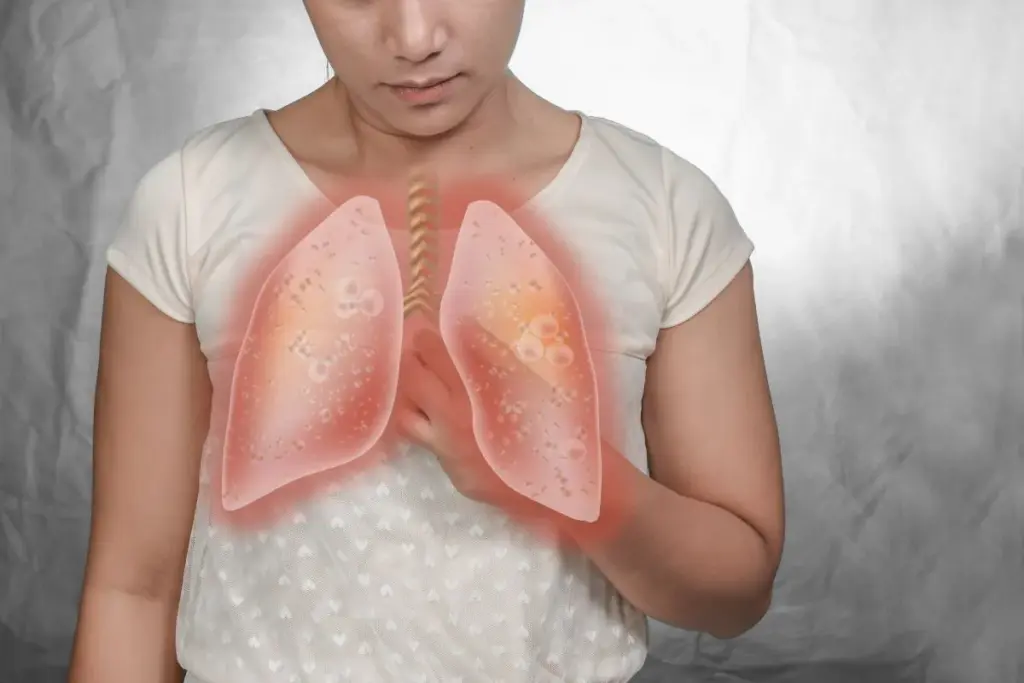
Did you know that problems with breathing can show up in unexpected places? Often, people feel discomfort in their back, even if it’s related to their lungs. This happens because of how the lungs, pleura, and nerves are connected.
This connection can cause back pain that’s linked to lung pain. It’s important to understand this link. It helps doctors figure out what’s wrong and how to treat it.
Key Takeaways
- Lung issues can cause discomfort in the back due to shared nerve pathways.
- Breathing pain or chest discomfort can radiate to the back.
- Understanding the relationship between lung pain and back pain is key for diagnosis.
- Respiratory discomfort can show up in many ways, including back pain.
- Getting an accurate diagnosis is essential for managing conditions well.
The Anatomical Relationship Between Lungs and Back
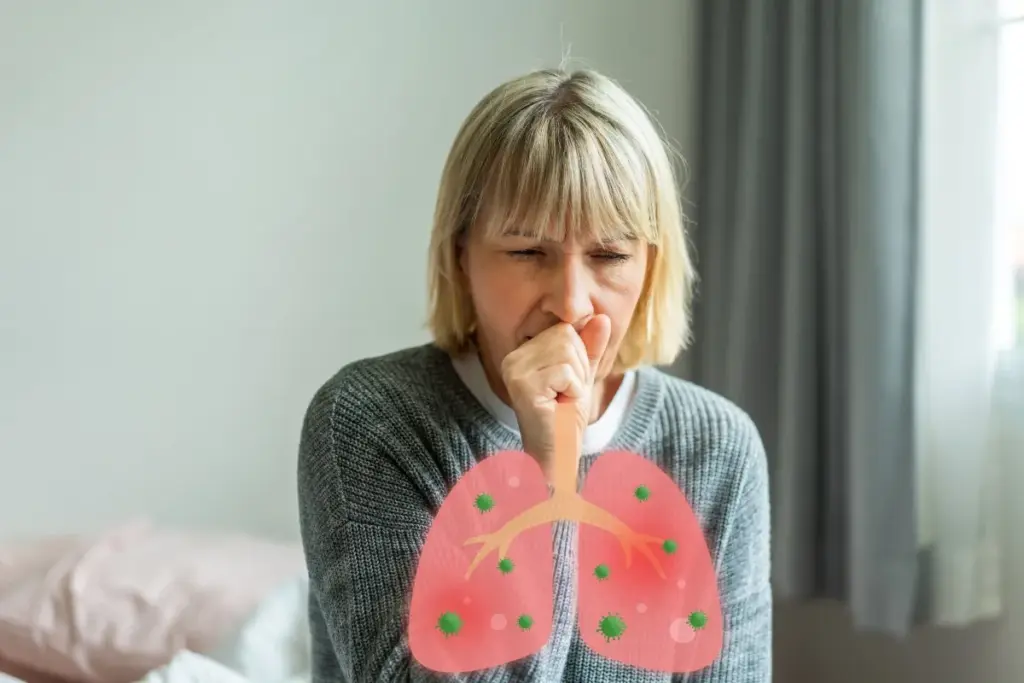
To understand how lung problems can cause back pain, we need to look at how the lungs and back are connected. The lungs sit in the thoracic cavity. This space is surrounded by the rib cage and muscles between the ribs.
Structure and Position of the Lungs in the Thoracic Cavity
The lungs are cone-shaped and take up a lot of space in the thoracic cavity. They are covered by the pleura, a double-layered membrane. This membrane is key to how the lungs work and connect to the back.
The pleura has two layers. The parietal pleura sticks to the inside of the thoracic cavity. The visceral pleura sticks to the lungs. This setup helps the lungs move smoothly when we breathe.
How the Pleura Connects to the Back

The parietal pleura is attached to the inside of the thoracic cavity, including the ribs and vertebrae. This connection creates a space between the parietal and visceral pleura. This space, called the pleural space, can be where problems start.
|
Anatomical Structure |
Function |
Relation to Back Pain |
|---|---|---|
|
Pleura |
Facilitates lung movement |
Inflammation can cause referred pain |
|
Intercostal Muscles |
Assists in breathing |
Strain can contribute to back pain |
|
Nerve Pathways |
Transmits pain signals |
Critical in transmitting lung pain to the back |
Nerve Pathways That Transmit Lung Pain to the Back
The nerves that carry pain from the lungs to the back are important. The phrenic and intercostal nerves are key. They send pain signals from the lungs and pleura to the back, causing pain in the back.
Knowing how the lungs and back are connected helps doctors diagnose and treat lung-related back pain better.
Common Locations of Lung Pain in the Back
Knowing where lung pain is felt in the back is key to finding and treating the cause. Lung pain can spread to different back areas because of the complex nerve network. This network connects both the lungs and the back.
The spot where lung pain is felt in the back can give clues about the problem. Different back areas can be affected by different lung issues and nerves.
Upper Back Pain Between Shoulder Blades
Pain in the upper back, between the shoulder blades, might be linked to lung issues or the trachea. This pain could be from conditions like pneumonia or lung cancer. It might feel like a dull ache or a sharp pain, getting worse with deep breaths or coughs.
A medical expert says, “Pain between the shoulder blades can come from the lungs. It’s important to find out why.”
Middle Back Pain Around the Ribcage
Pain in the middle back, near the ribcage, might be from pleurisy or pneumonia in the lower lobes. Pleurisy can cause sharp chest pain that gets worse with breathing. This pain can spread to the middle back and might come with fever and cough.
The ribcage is a common spot for lung-related pain because of its closeness to the lungs. Issues like pneumonia or pleurisy can cause inflammation. This inflammation can irritate the nerves around the ribs, leading to pain.
Lower Back Discomfort Related to Lung Issues
Lower back pain can sometimes be caused by lung problems, but it’s not common. Pneumonia or lung cancer might cause pain that goes to the lower back. But, it’s important to check for other reasons for lower back pain, as it can have many causes.
|
Location of Back Pain |
Possible Lung Conditions |
|---|---|
|
Upper Back |
Pneumonia, Lung Cancer, Tracheal Conditions |
|
Middle Back |
Pleurisy, Pneumonia |
|
Lower Back |
Pneumonia, Lung Cancer (less common) |
Seeing a healthcare professional is key to figuring out back pain linked to lung issues. A detailed check-up and tests can find the real cause.
Recognizing Lung Pain: Symptoms and Sensations
It’s important to know the signs of lung pain that can feel like back pain. This pain can feel sharp, dull, or aching. Knowing these symptoms helps figure out what’s causing the pain.
Characteristics of Lung-Related Back Pain
Lung pain in the back can feel different for everyone. It might be there all the time or come and go. The pain can be mild or very strong.
The pain might stay in one spot or spread across your back. Lung pain can feel like it’s coming from your back because of shared nerves. The type of pain can tell doctors a lot about what’s wrong.
For example, sharp pain that gets worse when you breathe deeply might mean you have pleurisy. This is when the lining around your lungs gets inflamed.
Pain That Worsens with Breathing
Pain that gets worse when you breathe is a common sign of lung problems. This pain often comes from inflammation or irritation of the pleura. Deep breathing, coughing, or moving can make the pain worse.
If your lung pain gets worse with breathing, it’s important to see a doctor fast. Conditions like pneumonia or pulmonary embolism need quick treatment to avoid serious problems.
Associated Respiratory Symptoms
People with lung issues might also have other symptoms. These can include coughing, feeling short of breath, wheezing, or trouble breathing. How bad these symptoms are can help doctors understand what’s going on.
|
Respiratory Symptom |
Possible Lung Condition |
|---|---|
|
Coughing |
Pneumonia, Bronchitis |
|
Shortness of Breath |
Pulmonary Embolism, Chronic Obstructive Pulmonary Disease (COPD) |
|
Wheezing |
Asthma, COPD |
Why Does My Back Hurt When I Breathe?
Back pain when breathing can be scary and linked to many respiratory issues. Breathing uses the diaphragm, rib cage, and muscles to move air in and out. If these parts or their nerves get hurt, it can cause pain.
Mechanics of Breathing and Pain Triggers
Breathing is a complex process with many parts that can hurt if damaged. The diaphragm is a key muscle for breathing. It moves down and the rib cage expands, letting air into the lungs.
Issues with the diaphragm or its nerves, like the phrenic nerve, can lead to back pain.
Pain triggers can come from many places, like muscle problems, pleurisy, or lung issues. For example, pleurisy can cause sharp chest pain that gets worse with breathing and spreads to the back.
Pain During Inhalation vs. Exhalation
The timing of back pain can hint at its cause. Pain during inhalation might be from lung or rib issues, like costochondritis or broken ribs. On the other hand, pain during exhalation could be from airway or exhaling problems, like COPD.
“Understanding the timing and characteristics of pain during breathing is key to finding the cause.”
The Role of Chest Expansion in Back Pain
Chest expansion is vital for breathing, and any issues can cause back pain. Conditions like ankylosing spondylitis or severe kyphosis can strain back muscles, leading to pain. Also, lung or pleura diseases can affect chest expansion and cause back pain.
A medical expert says, the link between chest expansion and back pain is complex, with both mechanical and disease factors. Knowing this helps tackle back pain linked to breathing.
Understanding Lung Pain: Causes and Mechanisms
Lung pain can come from many sources, like inflammation, infection, and changes in lung structure. To understand lung pain, we need to look at the different reasons it happens.
The lungs are covered by a thin membrane called the pleura. This membrane is key to lung pain. When it gets inflamed, it leads to pleurisy.
Inflammation of the Pleural Lining
Pleurisy is a big reason for lung pain. It can happen from infections, autoimmune diseases, or chest injuries. The inflammation hurts the nerves in the pleura, causing sharp pain that gets worse when you breathe or cough.
“Pleurisy is characterized by inflammation of the pleura, which can cause severe chest pain and discomfort.”
Infection-Related Lung Pain
Infections like pneumonia can also cause lung pain. They inflame the lung tissue and pleura. This pain often comes with fever, cough, and trouble breathing.
|
Infection |
Common Symptoms |
Pain Characteristics |
|---|---|---|
|
Pneumonia |
Fever, cough, difficulty breathing |
Sharp, worsens with deep breathing |
|
Tuberculosis |
Cough, weight loss, night sweats |
Variable, can be chronic |
Pressure and Structural Changes in the Lungs
Changes in the lungs, like those from COPD or lung cancer, can also cause pain. These conditions lead to coughing, wheezing, and shortness of breath. This makes breathing uncomfortable and painful.
Knowing why lung pain happens is key to treating it. Doctors can find the cause and help fix it. This way, they can ease symptoms and treat the pain’s root cause.
Respiratory Conditions That Cause Back Pain
Many respiratory conditions can cause back pain. These issues can lead to inflammation, infection, or other problems that hurt the back. It’s important to know about these conditions to get the right treatment.
Pneumonia and Its Impact on the Back
Pneumonia is an infection that inflames the air sacs in the lungs. This inflammation can cause sharp chest pains that spread to the back. Pneumonia-related back pain gets worse when you breathe deeply or cough.
Pneumonia is a big cause of sickness and death worldwide. Knowing its symptoms, like back pain, is key to getting help quickly.
Pleurisy: Inflammation of the Lung Lining
Pleurisy is when the pleura, the lung’s membrane, gets inflamed. This can cause severe chest pain that goes to the back, making it hard to breathe. The pain from pleurisy can be sharp and stabbing, getting worse with deep breaths.
“Pleurisy is characterized by inflammation of the pleura, leading to pain that can be felt in the back.”
Medical Reference
Pulmonary Embolism and Associated Back Pain
A pulmonary embolism happens when a blood clot blocks a lung blood vessel. This can cause sudden and severe back pain, along with shortness of breath.
|
Condition |
Symptoms |
Back Pain Characteristics |
|---|---|---|
|
Pulmonary Embolism |
Sudden shortness of breath, chest pain |
Sudden, severe back pain |
|
Pleurisy |
Sharp chest pain |
Sharp, stabbing pain radiating to the back |
|
Pneumonia |
Cough, fever, chills |
Pain worsens with deep breathing or coughing |
Bronchitis and Chronic Coughing Effects
Bronchitis is an inflammation of the bronchial tubes that can cause chronic coughing. This constant coughing can strain the back muscles, leading to discomfort or pain. Chronic coughing from bronchitis can cause long-term back pain if not managed well.
The Connection Between Coughing and Back Pain
Persistent coughing can strain back muscles, leading to discomfort. This strain is not just a simple muscle ache. It’s a complex issue that involves the mechanics of coughing and its impact on the back.
Mechanical Strain from Persistent Coughing
Coughing is a violent action that can put significant stress on the muscles and bones of the back. When coughing is persistent, this stress can lead to mechanical strain. The repeated contraction of the diaphragm and other respiratory muscles can cause fatigue and strain in the back muscles that support the spine.
Key factors contributing to mechanical strain include:
- Forceful contraction of abdominal and chest muscles
- Repeated shock to the spine
- Potential for muscle imbalances
Aching Back from Prolonged Coughing Episodes
Prolonged coughing episodes can lead to an aching back due to the continuous strain on the back muscles. This aching can range from a dull discomfort to a sharp pain, depending on the severity and duration of the coughing.
|
Coughing Duration |
Potential Back Pain |
|---|---|
|
Short-term (less than a week) |
Mild discomfort |
|
Medium-term (1-3 weeks) |
Moderate aching |
|
Long-term (more than 3 weeks) |
Severe pain |
When Coughing and Sore Lower Back Indicate Lung Issues
Coughing accompanied by a sore lower back can sometimes indicate underlying lung issues. Conditions such as pneumonia, pleurisy, or even lung cancer can cause both coughing and back pain. It’s essential to seek medical attention if the coughing persists or is accompanied by other concerning symptoms.
It’s important to watch for red flag symptoms such as:
- Difficulty breathing
- Chest pain
- Coughing up blood
- Severe back pain
Serious Conditions Associated with Lung Pain in the Back
Several serious medical conditions can cause lung pain that radiates to the back. These conditions often present with additional symptoms beyond back pain. Understanding their manifestations is key for timely medical intervention.
Lung Cancer and Back Pain Symptoms
Lung cancer can cause back pain when tumors press on the spine or nerves. This pain can be persistent and may worsen over time. Other symptoms may include coughing, difficulty breathing, and weight loss.
Key symptoms of lung cancer:
- Persistent cough or change in cough pattern
- Difficulty breathing or shortness of breath
- Chest pain or discomfort that worsens with deep breathing
- Unexplained weight loss
Tuberculosis Manifestations
Tuberculosis (TB) is an infectious disease that mainly affects the lungs but can also impact other parts of the body. Back pain can occur if TB affects the spine, a condition known as Pott’s disease.
Common symptoms of TB include:
- Prolonged coughing, sometimes with blood
- Chest pain or pain with breathing
- Fatigue, fever, and night sweats
- Weight loss and loss of appetite
COVID-19 and Back Pain Correlation
COVID-19, caused by the SARS-CoV-2 virus, mainly affects the respiratory system. While less common, some individuals with COVID-19 report back pain. This might be due to the body’s inflammatory response or prolonged coughing.
|
Symptom |
Frequency in COVID-19 Patients |
|---|---|
|
Fever |
Common |
|
Cough |
Very Common |
|
Back Pain |
Less Common |
|
Shortness of Breath |
Common |
Pulmonary Hypertension Effects
Pulmonary hypertension is characterized by high blood pressure in the arteries that supply blood to the lungs. It can lead to right heart failure and may cause back pain due to the strain on the heart and lungs.
Symptoms of pulmonary hypertension:
- Shortness of breath during daily activities
- Chest pain or pressure
- Swelling in the legs and ankles
- Back pain due to strain on the heart
It’s essential to seek medical attention if you experience persistent or severe back pain. This is true, even if it’s accompanied by other concerning symptoms like difficulty breathing or unexplained weight loss.
Diagnosing the Source of Back Pain Related to Lungs
Figuring out why back pain is linked to lung issues needs a detailed approach. Doctors look at many possible causes. They use different tools to find the real problem.
Medical History and Physical Examination
The first step is a thorough medical history and physical examination. This helps spot signs of lung trouble.
Doctors ask about symptoms like back pain and breathing issues. They want to know how long the pain lasts and what it feels like.
Imaging Tests: X-rays, CT Scans, and MRIs
Imaging tests are key in finding lung-related back pain causes. They show up problems in the lungs and nearby areas.
Tests include:
- Chest X-rays to see the lungs and pleura
- CT scans for detailed lung and tissue images
- MRIs to check soft tissues and nerves
Laboratory Tests and Pulmonary Function Testing
Laboratory tests and pulmonary function tests help check lung health. They find out why back pain happens.
Lab tests look for infections or inflammation. Pulmonary function tests measure lung capacity and function.
“Pulmonary function tests are critical in diagnosing and managing lung conditions that may be contributing to back pain.” – A Pulmonologist
Differential Diagnosis Approaches
Differential diagnosis is a method to find the cause of back pain. Doctors look at many possible reasons, like lung problems or muscle issues.
They use medical history, physical exams, imaging, and lab results. This helps them figure out the cause and plan treatment.
Treatment Approaches for Lung-Related Back Pain
Managing lung-related back pain requires a detailed plan. It includes treating the lung condition and managing pain. This approach helps reduce symptoms and improve life quality.
Addressing the Underlying Lung Condition
The first step is to diagnose and treat the lung condition. This might involve antimicrobial therapy for infections or anti-inflammatory drugs for conditions like pleurisy. Treatments are chosen based on the condition.
Pain Management Strategies
Pain management is key in treating lung-related back pain. It includes medicines like analgesics and non-medical methods like physical therapy. The right strategy depends on the pain’s severity and the patient’s health.
Medications for Lung Inflammation and Infection
For lung issues with inflammation or infection, specific medicines are used. Anti-inflammatory drugs reduce inflammation, while antibiotics or antivirals fight infections. The choice depends on the condition and symptoms.
Rehabilitation and Physical Therapy Options
Rehabilitation and physical therapy are essential for recovery. They aim to improve lung function and strengthen muscles. Techniques include breathing exercises, posture correction, and exercises for mobility and strength.
A detailed treatment plan that covers both lung condition and back pain can greatly help. Patients can see a big improvement in their quality of life.
When to Seek Immediate Medical Attention
Knowing when to get emergency care for lung-related back pain is key. Some symptoms mean you need to see a doctor fast to avoid serious problems.
Red Flag Symptoms That Shouldn’t Be Ignored
Some symptoms are red flags that mean you should act fast. These include severe difficulty breathing, chest pain, and severe back pain that gets worse. If you have any of these, get medical help right away.
Other red flags are coughing up blood, fever with chills, and unexplained weight loss. These signs can mean serious issues like infections, pulmonary embolism, or cancer.
Emergency Situations Requiring Urgent Care
Some emergencies need urgent care. These include acute shortness of breath, severe chest pain or pressure, and confusion or loss of consciousness. These can be very serious and need quick medical help.
- Severe difficulty breathing or shortness of breath
- Chest pain or discomfort that doesn’t go away
- Severe back pain that worsens over time
- Coughing up blood or rust-colored mucus
What Information to Provide to Healthcare Providers
When you see a doctor, give them all the details you can. Tell them about your symptoms, medical history, and any medicines you’re taking.
Be ready to talk about when your symptoms started, how bad they are, and what makes them better or worse. This helps doctors figure out what’s wrong and how to fix it.
By knowing when it’s an emergency and being ready to share information, you get the right care for lung-related back pain fast.
Prevention Strategies for Lung Health and Back Pain
There are steps you can take to prevent lung-related back pain. Focus on keeping your lungs healthy. A healthy lifestyle and knowing about lung health risks can help avoid back pain.
Lifestyle Modifications for Respiratory Health
Changing your lifestyle can improve your lung health. Avoiding smoking and staying away from pollutants are key. Quitting smoking and avoiding polluted areas can protect your lungs.
Eating well and staying active also helps. A diet full of fruits, veggies, and whole grains is good for your lungs. Regular exercise makes your lungs stronger and boosts your health.
Breathing Exercises and Respiratory Fitness
Doing breathing exercises and fitness for your lungs can boost your health. Diaphragmatic breathing, yoga, and pulmonary rehab can increase lung capacity. These activities also reduce stress and improve fitness.
They help prevent back pain by improving posture and easing muscle tension.
Vaccination and Preventive Healthcare Measures
Getting vaccinated against flu and pneumococcus can stop infections that cause lung and back pain. Keeping up with vaccinations is important.
Regular doctor visits can catch lung health problems early. This allows for quick action.
Environmental Factors and Exposure Reduction
It’s important to reduce exposure to pollutants for lung health. Use air purifiers, avoid polluted areas, and wear masks when needed. This helps protect you from harmful substances.
Knowing about indoor air quality and improving it is also key. Reducing mold and using safe household products can help your lungs stay healthy.
Conclusion
Lung pain in the back can come from many respiratory issues. It’s important to know how the lungs and back are connected. This helps find the real cause of lung pain.
To figure out the cause of back pain, a detailed check-up is needed. This might include scans, blood tests, and lung function tests. Knowing where lung pain usually is and what it feels like is key to treating it well.
Fixing the lung problem and using the right treatments can help ease symptoms. It’s also important to watch out for serious conditions that might cause lung pain. If pain doesn’t go away or gets worse, see a doctor right away.
In short, knowing about lung pain and its link to back pain is key to good lung health. Being informed and taking action can help avoid respiratory issues. This way, people can manage their health better and lower the chance of respiratory problems.
FAQ
Why does my back hurt when I breathe?
Back pain when breathing can come from many sources. It might be due to inflammation of the pleura, infections like pneumonia, or changes in the lungs. These changes can happen in conditions like COPD or lung cancer.
What are the common locations of lung pain in the back?
Lung pain can affect different parts of the back. It might be in the upper back, the middle back, or the lower back. The exact spot depends on the cause and the nerves involved.
Can coughing cause back pain?
Yes, coughing can strain the back muscles and spine. This can cause aching or soreness. If coughing persists or gets worse, it’s important to check for lung problems.
What are the symptoms of lung pain?
Lung pain can feel sharp, dull, or aching. It often gets worse with deep breathing, coughing, or moving. You might also have symptoms like coughing, trouble breathing, or wheezing.
How is lung-related back pain diagnosed?
Finding the cause of back pain linked to the lungs involves several steps. A doctor will take your medical history, do a physical exam, and use imaging like X-rays or CT scans. They might also do lab tests and pulmonary function tests.
What are the treatment options for lung-related back pain?
Treatment aims to fix the lung issue first. This could mean antibiotics for infections, anti-inflammatory meds for pleurisy, or other specific treatments. Managing pain is also key, using both medicine and non-medical methods.
When should I seek immediate medical attention for lung pain?
You should get help right away if you have severe breathing trouble, chest pain, or back pain. Knowing when to act fast and what to tell doctors is important for getting the right care.
How can I prevent lung-related back pain?
Keeping your lungs healthy can help prevent back pain. Avoid smoking and stay away from pollutants. Doing breathing exercises and staying fit can also help.
Can lung cancer cause back pain?
Yes, lung cancer can cause back pain. It often comes with other symptoms too.
What is the role of the pleura in lung pain?
The pleura is a membrane around the lungs. Inflammation of the pleura, or pleurisy, can cause a lot of pain. This pain usually gets worse when you breathe or move.
References
https://pubmed.ncbi.nlm.nih.gov/32025486