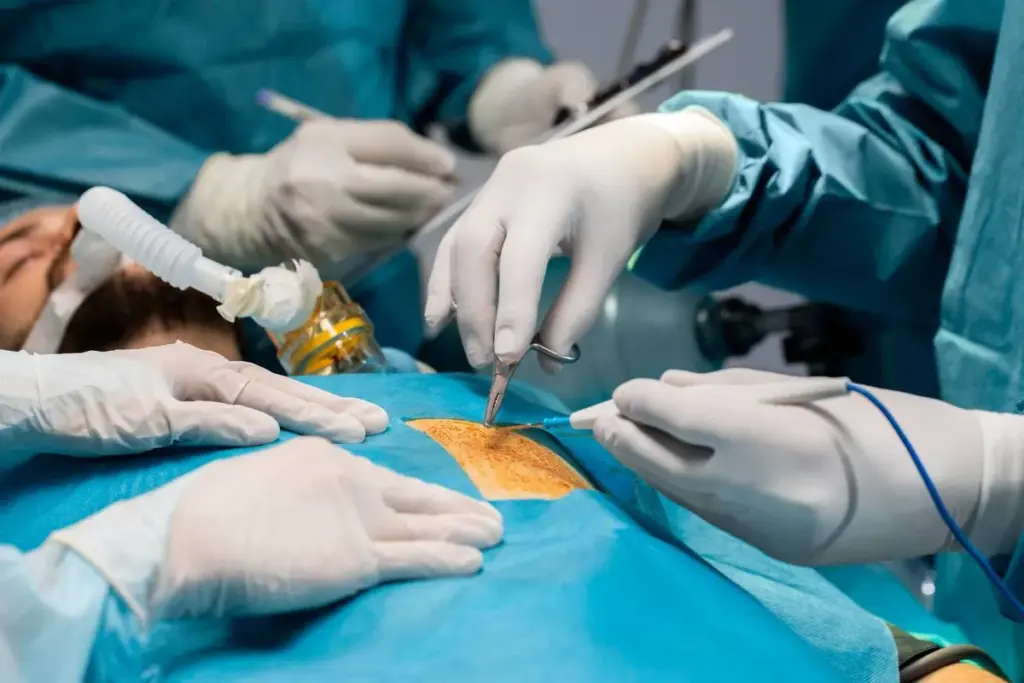
About 17% of patients with severe heart failure get a Left Ventricular Assist Device (LVAD) implant. This device has shown great promise in helping these patients live longer.
What is the LVAD surgery survival rate? Get the amazing and positive facts on the powerful survival statistics for this serious procedure today.
The INTERMACS registry has found different LVAD surgery success rates. But studies agree that getting an LVAD greatly increases the chances of survival for those with severe heart failure.
Key Takeaways
- LVAD implantation improves survival for end-stage heart failure patients.
- The survival rate varies according to the INTERMACS registry.
- Studies show significant improvement in survival statistics with LVAD.
- LVAD is a life-saving option for patients with advanced heart failure.
- Understanding LVAD surgery success rates is key for patient care.
Understanding LVAD Surgery: A Life-Saving Heart Failure Treatment

For those with severe heart failure, Left Ventricular Assist Device (LVAD) surgery can be a lifesaver. LVADs are mechanical aids that help the heart pump in advanced heart failure cases. They can be a bridge to a heart transplant or a long-term treatment.
What is an LVAD and How Does it Work?
An LVAD is a device that supports the left ventricle, the heart’s main pumping chamber. It helps the heart pump blood better. The device has a pump in the heart, a control unit, and a power source.
The LVAD takes some blood from the left ventricle and pumps it into the aorta. This improves blood flow and relieves symptoms like fatigue and shortness of breath.
Types of Left Ventricular Assist Devices
There are different LVADs, each with its own benefits. The main types are:
- Pulsatile-flow LVADs: These mimic the heart’s natural flow.
- Continuous-flow LVADs: These are the most common, providing constant blood flow.
Continuous-flow LVADs are divided into axial and centrifugal pumps, each with unique designs.
Who Qualifies for LVAD Implantation?
LVAD surgery is for patients with advanced heart failure who haven’t improved with medicine. Doctors evaluate each patient to see if they’re a good fit. They look at the heart failure’s severity, overall health, and any issues that might prevent surgery.
Patients who are INTERMACS 3 or 4 are often good candidates. These are people who are stable on certain medicines but are getting worse or have big limitations despite the best care.
LVAD Surgery Survival Rate: Current Statistics

Recent studies have given us valuable insights into LVAD surgery survival rates. These numbers are key to understanding how well Left Ventricular Assist Devices work for heart failure.
Short-Term Survival Statistics (30-Day Outcomes)
The short-term survival rate for LVAD surgery patients is a key indicator of success. Studies show that about 94% of patients survive the first 30 days after surgery. This high rate shows how far LVAD technology and surgery have come.
One-Year Survival Rates After LVAD Implantation
One-year survival rates give us a glimpse into the medium-term success of LVAD therapy. The current stats show a survival rate of about 78% at one year after surgery. This means many patients see benefits from the therapy, even in the first year.
Long-Term Survival Statistics (2-5 Years)
Long-term survival statistics give us a full picture of LVAD therapy’s effectiveness. At two years, the survival rate is around 71%. By five years, the rate stays high, but it naturally drops due to health issues and device problems.
The table below shows survival trends more clearly:
|
Time Post-Implantation |
Survival Rate |
|---|---|
|
30 Days |
94% |
|
1 Year |
78% |
|
2 Years |
71% |
These numbers show how vital it is to keep improving LVAD technology and care. This will help patients live better lives in the long run.
Evolution of LVAD Technology and Improving Outcomes
Left Ventricular Assist Device (LVAD) technology has seen big changes over time. These changes have greatly helped in making LVAD operation success rates better and patient outcomes more positive.
The technology behind LVADs has evolved a lot. We now have better designs, functions, and ways to care for patients. These improvements have led to more patients living longer and enjoying better lives despite heart failure.
First-Generation vs. Current LVAD Devices
Old LVADs were big and needed big cuts to install. Today’s LVADs are smaller, work continuously, and last longer. They also have fewer problems. Moving to continuous-flow devices has really helped in making LVAD implant survival rates better.
Technological Advancements Improving Survival
Many new technologies have helped LVAD patients live better lives. These include:
- Smaller device parts
- Better batteries for longer use
- Advanced control systems
- Materials that lower the risk of blood clots
These changes have all helped in making ventricular assist device procedure outcomes better. This means more people can now get help from LVAD therapy.
Future Innovations in Ventricular Assist Technology
The future of LVAD technology looks bright for even better patient care. We can expect:
- LVADs that are totally implantable
- Smart LVADs with better monitoring
- Less invasive ways to put in LVADs
These new ideas are set to make LVAD operation success rates even higher. They will also help patients with advanced heart failure live better lives.
Factors Affecting LVAD Surgery Success Rates
The success of LVAD surgery depends on several key factors. It’s important for patients, doctors, and families to know these factors. This knowledge helps make informed decisions about this life-saving treatment.
Patient Selection Criteria and Risk Assessment
Choosing the right patient for LVAD surgery is critical. This means doing a thorough risk assessment. The assessment looks at the patient’s health, heart failure severity, and if they’re a good fit for the device. Identifying the right patients is key to successful LVAD therapy.
A team of doctors, including cardiologists and cardiac surgeons, makes this decision. They look at the patient’s medical history, current health, and how well they might do with LVAD support.
Pre-Existing Conditions and Their Impact
Pre-existing health issues can greatly affect LVAD surgery results. Conditions like diabetes, kidney disease, and past heart surgeries can make things harder. Managing these conditions well before, during, and after surgery is vital for the best results.
Patients with these conditions might face more risks, like infections or device problems. So, it’s important to manage these conditions closely and watch patients after surgery.
Surgical Expertise and Hospital Volume
The skill of the surgical team and how often they do LVAD surgeries matter a lot. Centers that do a lot of these surgeries and have experienced surgeons usually have better results. This is because they have honed their techniques and have detailed care plans.
Geographic and Demographic Variations in Outcomes
LVAD surgery results can differ based on where you are and who you are. Things like healthcare access, money status, and where you live can affect how well you do. It’s important to understand these differences to improve care for LVAD patients.
Studies show that patients at experienced centers with a team approach do better. They live longer and have a better quality of life. So, it’s best to go to these centers for LVAD surgery if you can.
Comparing LVAD Outcomes: Bridge to Transplant vs. Destination Therapy
LVADs are used in two main ways: as a bridge to heart transplant or as destination therapy. Each approach has different effects on survival and quality of life. It’s important for patients and doctors to know these differences to choose the best treatment.
Survival Differences Between BTT and DT Patients
LVADs used as a bridge to transplant often lead to better survival rates. This is because these patients are generally healthier and have conditions that make them good candidates for transplant.
A study in the Journal of Heart and Lung Transplantation found BTT patients live longer than DT patients at one year. Even after adjusting for other factors, BTT patients had a survival edge.
“The survival benefit observed in bridge to transplant patients highlights the importance of choosing the right treatment based on a patient’s health status.”
|
Patient Group |
1-Year Survival Rate |
2-Year Survival Rate |
|---|---|---|
|
Bridge to Transplant |
85% |
75% |
|
Destination Therapy |
70% |
55% |
Quality of Life Considerations for Each Approach
Both BTT and DT patients see big improvements in quality of life after getting an LVAD. But the extent and type of these improvements can differ.
DT patients see big gains in function and well-being, even without a transplant. BTT patients, on the other hand, are working towards a transplant.
Long-Term Prognosis Comparisons
Long-term outcomes for LVAD patients depend on many factors. These include device complications, medication adherence, and comorbid conditions.
BTT patients’ long-term success hinges on a successful transplant. DT patients need ongoing care and watch for device problems.
- Regular follow-up care is essential for all LVAD patients.
- Monitoring for signs of device malfunction or failure is critical.
- Managing comorbid conditions effectively improves overall outcomes.
In conclusion, while both BTT and DT patients benefit from LVAD therapy, their outcomes vary. Understanding these differences is key to improving care and outcomes for all patients.
Common Complications Affecting LVAD Patient Survival
LVAD surgery can lead to complications that affect patient survival. While it saves lives for many with heart failure, it comes with risks. Knowing these complications helps in better patient care.
Device-Related Complications
Device-related issues are a big worry for LVAD patients. These include device malfunction, pump failure, and driveline infections. Keeping an eye on these and doing regular maintenance is important.
Some problems come from the LVAD’s design and how it works. For example, pump thrombosis is a worry with some models. This means patients need close watch and anticoagulation therapy.
Infection Risks and Prevention
Infections are a big problem for LVAD patients, with driveline infections being common. To prevent this, good wound care, teaching patients about hygiene, and regular check-ups are key.
- Driveline exit site care
- Antibiotic prophylaxis
- Monitoring for signs of infection
Bleeding and Thrombosis Concerns
Bleeding and thrombosis are big risks for LVAD patients because of anticoagulation therapy. Finding the right balance to prevent both is tricky and needs careful management.
Stroke Risk in LVAD Patients
Stroke is a serious risk for LVAD patients, often due to thromboembolism or bleeding. This highlights the need for good anticoagulation management and regular checks.
Recovery and Post-Operative Care After LVAD Surgery
The recovery after LVAD surgery is complex. It includes immediate care, long-term management, and lifestyle changes. Proper care is key for LVAD patients’ survival and quality of life.
Immediate Post-Surgical Recovery Process
LVAD patients start their recovery in an ICU. Close monitoring is vital to manage risks and ensure the device works right.
Immediate care focuses on:
- Watching vital signs and device performance
- Managing pain
- Preventing infections
- Moving early to avoid problems
Long-Term Management and Follow-Up Care
After leaving the hospital, LVAD patients need ongoing care. This ensures the device works well and manages their condition.
- Regular visits with healthcare teams
- Checking device and patient status
- Changing medications as needed
- Guidance on lifestyle
|
Follow-Up Care Aspect |
Description |
Frequency |
|---|---|---|
|
Device Parameter Checks |
Monitoring LVAD settings and performance |
At each visit |
|
Medication Management |
Adjusting anticoagulation and other meds |
As needed, based on condition |
|
Lifestyle Counseling |
Advice on diet, exercise, and lifestyle |
Ongoing, with periodic updates |
Lifestyle Modifications for LVAD Patients
LVAD patients need to make big lifestyle changes. These include diet, exercise, and avoiding activities that could harm the device or the patient.
Caregiver Support and Training
Caregivers are essential for LVAD patients. Comprehensive training is given to caregivers on managing the device, solving problems, and emergency actions. This ensures they can support the patient well.
Understanding the recovery and following care guidelines helps LVAD patients live better. Medical care, lifestyle changes, and caregiver support are all important for the best outcomes.
Quality of Life After Successful LVAD Implantation
LVAD implantation has changed the lives of many heart failure patients. It greatly improves their quality of life. This surgery does more than just help them live longer. It also affects their daily life and overall happiness.
Physical Functioning and Activity Levels
LVAD implantation boosts physical health. Patients feel more energetic and can do things they couldn’t before. This is because heart failure no longer holds them back.
A study in the Journal of Heart and Lung Transplantation showed big improvements. Patients could walk farther in the 6-minute walk test. This means they can do more without getting tired easily.
Psychological Adjustment and Mental Health
The mental benefits of LVAD implantation are huge. Feeling better physically can lower anxiety and depression. Patients feel more in control and can join in social activities.
But, adjusting to life with a mechanical device is tough. Support from doctors, family, and groups is key. It helps patients cope with the change.
Returning to Daily Activities and Work
Many patients can go back to their usual routines and even work again. They can drive, travel, and enjoy hobbies. This makes life much better.
A study showed many LVAD patients went back to work. This boosts their finances and self-worth. It gives them a sense of purpose.
|
Aspect of Life |
Pre-LVAD |
Post-LVAD |
|---|---|---|
|
Physical Functioning |
Limited by heart failure |
Improved energy and capacity |
|
Psychological State |
Often anxious or depressed |
Reduced anxiety, improved mood |
|
Daily Activities |
Limited, with significant fatigue |
Able to resume daily activities and work |
In conclusion, LVAD implantation greatly improves life for heart failure patients. It boosts physical health, mental well-being, and daily activities.
Conclusion: The Future of LVAD Surgery and Patient Outcomes
The world of LVAD surgery is changing fast. New tech and better surgical methods are on the horizon. This means better care for those with heart failure.
New LVAD tech is making a big difference. It’s leading to fewer problems and a better life for patients. We’re excited to see what’s next.
LVADs and surgery are getting better all the time. This means patients can live longer and feel better. The future of LVAD surgery is bright, thanks to ongoing research.
FAQ
What is the overall survival rate for patients undergoing LVAD surgery?
The survival rate for LVAD surgery patients varies. Studies show a one-year survival rate of about 80%. Some studies report up to 85% for certain groups.
How does the type of LVAD device affect patient outcomes?
The type of LVAD device greatly affects patient outcomes. Newer devices have better survival rates and fewer complications than older ones.
What are the most common complications associated with LVAD surgery?
Common complications include device issues, infections, bleeding, and blood clots. These can affect survival and quality of life.
How does patient selection impact the success of LVAD surgery?
Choosing the right patient is key to LVAD surgery success. Evaluating risk factors and pre-existing conditions is essential for good outcomes.
What is the difference in survival rates between bridge to transplant and destination therapy patients?
Survival rates differ between BTT and DT patients. BTT patients generally have better rates because they may get a heart transplant.
How has the evolution of LVAD technology impacted patient outcomes?
Advances in LVAD technology have greatly improved outcomes. Patients now have better survival rates, fewer complications, and a better quality of life.
What lifestyle modifications are necessary for LVAD patients?
LVAD patients need to make big lifestyle changes. They must follow medication regimens, attend regular check-ups, and adjust daily activities to manage their condition.
Can LVAD patients return to their daily activities and work?
Many LVAD patients can return to daily activities and work. But, it depends on their health and specific condition.
What is the long-term prognosis for LVAD patients?
The long-term prognosis for LVAD patients varies. It depends on their condition, device type, and how well they respond to therapy. Some patients live longer and have a better quality of life.
How do pre-existing health conditions impact LVAD surgery outcomes?
Pre-existing health conditions can greatly affect LVAD surgery outcomes. Conditions like diabetes, kidney disease, and previous heart surgery can influence survival and complication rates.
What is the role of surgical expertise in LVAD surgery success rates?
Surgical expertise is critical for LVAD surgery success. Experienced teams and high-volume centers usually achieve better results.
References
New England Journal of Medicine. Evidence-Based Medical Insight. Retrieved from https://www.nejm.org/doi/10.1056/NEJMoa2115028