
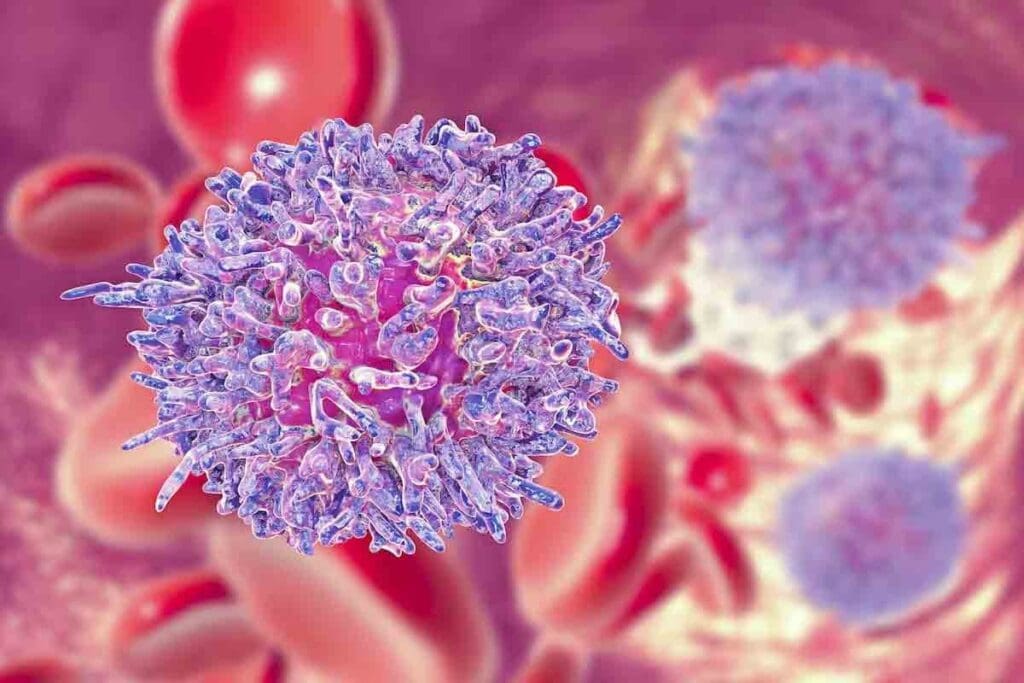
At Liv Hospital, we understand how challenging it can be to diagnose blood cancers. When someone—child or adult—is diagnosed with Acute Lymphocytic Leukemia (ALL), understanding the details is essential for proper treatment.
The terms lymphoblastic vs lymphocytic are often used interchangeably when describing ALL, but they highlight different aspects of the disease. “Lymphocytic” refers to the type of white blood cells affected, while “lymphoblastic” describes their immature, rapidly dividing form. Both terms refer to the same aggressive cancer that begins in the bone marrow and grows quickly.
Acute Lymphocytic (or Lymphoblastic) Leukemia most commonly affects children aged 2 to 5, though adults can develop it as well. At Liv Hospital, we use the latest diagnostic tools and treatment methods to ensure each patient receives personalized, world-class care.
Key Takeaways
- Acute Lymphocytic Leukemia (ALL) and Acute Lymphoblastic Leukemia are terms often used interchangeably.
- ALL is a fast-growing blood cancer that starts in the bone marrow and spreads.
- It mainly affects children aged 2 to 5 but can also occur in adults.
- Understanding the nuances between the terms is vital for precise diagnosis and treatment.
- Liv Hospital uses the latest diagnostic tools and protocols for tailored, high-quality outcomes.
Understanding Acute Leukemia and ALL
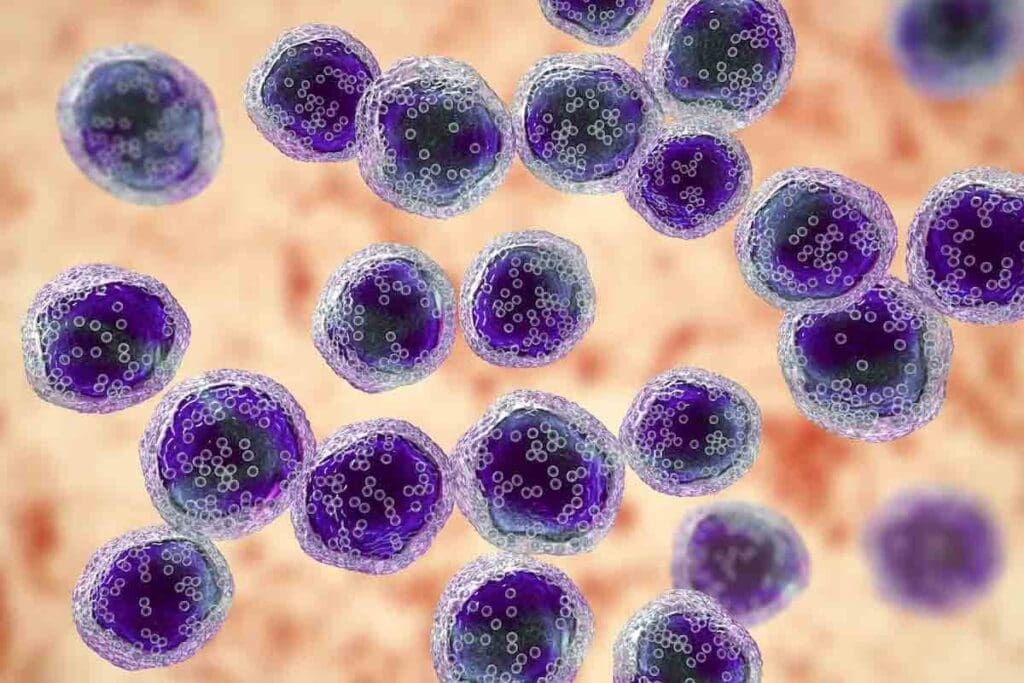
Acute leukemia is a cancer that affects the blood and bone marrow. It causes the fast growth of abnormal white blood cells. This disrupts the normal blood cell production, leading to health problems. We will look into what acute leukemia is, its commonness, and its effects, focusing on Acute Lymphocytic Leukemia (ALL).
What Defines Acute Leukemia
Acute leukemia is when abnormal blood cells grow too fast in the bone marrow. These cells are not mature and don’t work right. They take over the bone marrow, making it hard for the body to fight off infections and make normal blood cells.
The term “acute” means the disease gets worse quickly if not treated. Unlike chronic leukemia, which grows slower, acute leukemia needs quick medical help because it’s so aggressive.
The Prevalence and Impact of ALL
Acute Lymphocytic Leukemia (ALL) is the top cancer in kids, but it can also hit adults. It’s most common in kids aged 2 to 5. ALL is a big part of childhood cancers, showing the need for more research and awareness.
ALL affects not just the person with the disease but also their families and communities. Thanks to better treatments, more people are surviving. But, there are ongoing challenges, like dealing with the disease’s long-term effects.
Who Is Most Affected by ALL
ALL can happen to anyone, but it mostly hits kids. Kids with Down syndrome or those exposed to radiation or certain chemicals are at higher risk.
- Children between 2 and 5 years old are at the highest risk.
- Adults over 65 are also at an increased risk.
- Individuals with certain genetic disorders are more susceptible.
Knowing who’s at risk helps catch and treat ALL early. We keep studying these factors to help those with ALL.
Terminology Explained: Lymphoblastic vs Lymphocytic

It’s important to know the difference between ‘lymphoblastic’ and ‘lymphocytic’ when talking about Acute Lymphoblastic Leukemia. These terms are related but mean different things in the medical world.
Origin and Meaning of Both Terms
The word ‘lymphoblastic‘ means the cancer cells in ALL are immature. ‘Lymphocytic‘ refers to the type of cells affected, which are lymphoid cells. The ‘lympho-‘ part means it affects the lymphatic system.
Lymphoblastic points out the presence of lymphoblasts, which are young cells that don’t grow into full lymphocytes. This is key because it shows how aggressive the disease is and how the cells can’t mature.
Why These Terms Are Used Interchangeably
Even though ‘lymphoblastic’ and ‘lymphocytic’ have different meanings, they’re often used the same way in ALL. This is because both terms deal with lymphoid cells and the disease’s traits. But ‘lymphoblastic‘ is more specific to the young cells in ALL.
The reason for using these terms the same way is the complexity of leukemia and how medical language has changed over time. As we learn more about the disease, our words to describe it also change.
Medical Context and Preference
In medical talk, which term to use can depend on what aspect of the disease is being discussed. For example, ‘lymphoblastic‘ might be used when talking about the cell type and disease pathology. On the other hand, ‘lymphocytic‘ is better for discussing the disease’s effect on lymphoid cells more generally.
Clear terms are key for good communication among healthcare workers and with patients. So, knowing the difference between ‘lymphoblastic’ and ‘lymphocytic’ is not just about words. It’s vital for accurate diagnosis and treatment plans.
The First Key Distinction: Cell Type Focus
The main difference between acute lymphocytic leukemia (ALL) and acute lymphoblastic leukemia is in cell type. Knowing this helps doctors diagnose and plan treatment better.
‘Lymphocytic’ Emphasizes Affected Cell Lineage
The term ‘lymphocytic’ points to the cell lineage affected by leukemia. It shows the cancer involves lymphoid cells, which is key for diagnosis and understanding the leukemia.
Key aspects of ‘lymphocytic’:
- Refers to the lymphoid cell lineage
- Involves cells that are part of the immune system
- Critical for understanding the leukemia’s impact on the body’s immune response
‘Lymphoblastic’ Highlights Immature Cell Characteristics
‘Lymphoblastic’ focuses on the immature nature of the cells in the leukemia. It means the cancer cells are immature or blast cells, a key feature of acute leukemia.
The significance of ‘lymphoblastic’:
- Indicates the presence of immature or blast cells
- Suggests an aggressive form of leukemia due to the rapid proliferation of these immature cells
- Guides treatment decisions towards targeting these rapidly dividing cells
Clinical Significance of This Distinction
Knowing the difference between ‘lymphocytic’ and ‘lymphoblastic’ is very important. It helps in diagnosing, planning treatment, and predicting outcomes.
The difference between ‘lymphocytic’ and ‘lymphoblastic’ is not just about words. It shows big differences in cell types and their maturity. This knowledge is vital for creating targeted treatments and better patient care.
By understanding the cell type focus of ‘lymphocytic’ and ‘lymphoblastic,’ doctors can give more precise and effective care to ALL patients.
The Second Key Distinction: Diagnostic Implications
Understanding the diagnostic implications of Acute Lymphoblastic Leukemia (ALL) is key for effective treatment. It involves a range of tests, including bone marrow examination.
Diagnostic Criteria for ALL
Diagnosing ALL means finding specific traits of lymphoblasts. These are immature cells that grow in the bone marrow. The criteria include:
- Morphological examination of bone marrow and blood
- Immunophenotyping to identify specific cell surface markers
- Genetic testing to detect chromosomal abnormalities
These tests are vital for confirming ALL and differentiating it from other leukemias.
Bone Marrow Examination and Cell Identification
Bone marrow examination is essential for ALL diagnosis. It analyzes the bone marrow aspirate and biopsy to spot lymphoblasts and check marrow involvement.
Key aspects of bone marrow examination include:
- Assessing the percentage of lymphoblasts in the marrow
- Identifying morphological features of lymphoblasts
- Detecting specific genetic mutations associated with ALL
Immunophenotyping and Genetic Testing
Immunophenotyping is a vital tool for identifying ALL subtypes by analyzing lymphoblast surface proteins. Genetic testing, including cytogenetic analysis and molecular diagnostics, finds chromosomal abnormalities and genetic mutations. These are key for risk stratification and treatment planning.
The combination of these diagnostic approaches enables:
- Accurate diagnosis of ALL
- Identification of specific prognostic factors
- Tailoring treatment strategies to individual patient needs
Understanding ALL’s diagnostic implications helps healthcare providers create targeted treatment plans. This improves patient outcomes.
The Third Key Distinction: Classification Systems
Doctors use different ways to classify ALL to make treatment plans better fit each patient. They look at the type of lymphocyte and genetic traits.
B-Cell vs T-Cell ALL
ALL is split into B-cell ALL and T-cell ALL based on the lymphocyte type. B-cell ALL is more common in kids and usually has a better outlook. On the other hand, T-cell ALL often has more white blood cells and a higher risk of brain involvement.
Knowing if it’s B-cell or T-cell ALL is key for treatment. Some treatments work better for B-cell ALL, while T-cell ALL might need stronger chemotherapy.
WHO Classification Framework
The World Health Organization (WHO) has a detailed way to classify ALL. It looks at genetic and molecular traits. This helps spot specific ALL types with different outlooks.
- The WHO framework includes B-lymphoblastic leukemia/lymphoma, not specified.
- It also has subtypes with certain genetic changes, like BCR-ABL1 or KMT2A rearrangements.
This system helps in figuring out the risk and planning treatment. It points out who might need special targeted therapies.
Risk Stratification Approaches
Risk stratification in ALL means looking at how likely a relapse is. Factors include age, white blood cell count, genetic traits, and how well the leukemia responds to treatment.
Patients are put into risk groups like standard, high, or very high risk. This helps tailor treatment. High-risk patients get more intense therapy, while lower risk ones might avoid harsh treatments.
It’s vital to grasp these classification and risk stratification methods for managing ALL well. By accurately classifying the disease, doctors can create targeted treatment plans that boost patient results.
The Fourth Key Distinction: Treatment Protocols
Effective treatment of ALL includes chemotherapy, targeted therapies, and sometimes stem cell transplantation. The treatment plan depends on the patient’s age, health, and disease details.
Chemotherapy Regimens
Chemotherapy is key in treating ALL. It uses drugs to kill leukemia cells. The treatment has several phases: induction, consolidation, and maintenance.
Induction therapy aims to kill leukemia cells in the bone marrow. Consolidation therapy comes next to get rid of any leftover cells. Maintenance therapy is longer and helps prevent leukemia from coming back.
| Therapy Phase | Objective | Typical Duration |
| Induction | Achieve remission | Several weeks |
| Consolidation | Eliminate remaining leukemia cells | Several months |
| Maintenance | Prevent leukemia return | 1-2 years |
Targeted Therapies
Targeted therapies focus on specific leukemia cell traits. They aim to harm fewer normal cells. Examples include tyrosine kinase inhibitors (TKIs) and monoclonal antibodies.
Stem Cell Transplantation Considerations
Stem cell transplantation is for high-risk ALL patients or those who’ve relapsed. It replaces diseased bone marrow with healthy stem cells. The decision to transplant depends on the patient’s health and donor availability.
Dealing with ALL treatment can be tough. Our team offers full support and care to patients and their families during treatment.
The Fifth Key Distinction: Research and Clinical Trials
Research and clinical trials are key in understanding Acute Lymphoblastic Leukemia (ALL). They help improve treatment options. The field of ALL is growing thanks to new research, trial designs, and therapies.
Current Research Directions
Research aims to find better, less harmful treatments for ALL. Immunotherapy is showing great promise. It uses the immune system to fight cancer cells.
A recent study found immunotherapy is changing ALL treatment. It offers hope to those who haven’t responded to traditional treatments.
“The integration of immunotherapy into frontline treatment regimens is a significant step forward in the management of ALL.”
Terminology in Clinical Trial Design
Clinical trials for ALL need clear terms to ensure accurate results. Standardized terms help compare studies. Trials now focus on personalized medicine, using genetic and molecular profiles.
Emerging Therapies and Approaches
New treatments for ALL include targeted therapies that target specific genetic mutations. Tyrosine kinase inhibitors (TKIs) are effective for some ALL subtypes. CAR-T cell therapy is also a powerful option for relapsed or refractory ALL, with high remission rates.
The future of ALL treatment depends on ongoing research and teamwork. By joining clinical trials, patients get new treatments and help advance medical science.
ALL vs AML: Understanding the Critical Differences
It’s important to know the differences between Acute Lymphoblastic Leukemia (ALL) and Acute Myeloid Leukemia (AML). This knowledge helps in making the right diagnosis and treatment plan. We will look at how these two types of leukemia differ, focusing on their origins, symptoms, and treatment options.
Cell Lineage and Development
ALL and AML differ mainly in the type of cells they affect. ALL targets lymphoid cells, which are key to our immune system. On the other hand, AML affects myeloid cells, which help make different blood cells.
Key differences in cell lineage:
- ALL: Lymphoid cells, precursors to lymphocytes
- AML: Myeloid cells, precursors to various blood cells
This difference is key because it affects how the disease progresses and the treatment options available.
Symptoms and Presentation
Both ALL and AML can cause similar symptoms like fatigue, fever, and bruising. Yet, they can show up differently in patients.
Common symptoms:
- Fatigue and weakness
- Fever and infections
- Bruising and bleeding
AML is more likely to cause gum problems, solid tumors, and affect the brain.
Treatment Approaches and Outcomes
Treatment for ALL and AML varies due to their different origins and genetic makeup.
Treatment approaches:
- ALL: Often involves strong chemotherapy, sometimes followed by stem cell transplant
- AML: Treated with chemotherapy, but the type may differ, and targeted therapy might be used based on genetic mutations
Results can vary, with ALL often having a better outlook in children. AML is harder to treat in all age groups.
Knowing these differences is essential for the best care for leukemia patients.
Living with ALL: Prognosis and Quality of Life
Getting a diagnosis of Acute Lymphoblastic Leukemia (ALL) can change your life. Knowing about the prognosis and quality of life can offer hope and guidance. It’s important to understand the factors that affect survival rates and the long-term effects of the disease.
Survival Statistics and Trends
Survival rates for ALL have gotten better, thanks to advances in medicine. For kids, the 5-year survival rate is over 90%. But, survival rates can change based on age, with adults facing tougher challenges.
There’s a big difference in survival rates by age. Kids under 5 usually have a better chance than older adults. Knowing this helps patients and their families make treatment choices.
| Age Group | 5-Year Survival Rate |
| Children (0-14 years) | 90% |
| Adolescents and Young Adults (15-39 years) | 65% |
| Adults (40+ years) | 40% |
Long-term Effects and Monitoring
As treatment for ALL gets better, managing long-term effects is key. Patients might face issues like heart problems, secondary cancers, or brain issues. Regular check-ups and care are vital to reduce these risks.
Creating a detailed care plan is essential. It should include monitoring for long-term effects. This proactive approach helps in early detection and management, improving survivors’ quality of life.
Support Resources for Patients and Families
ALL affects not just the patient but also their family and loved ones. Having access to counseling, support groups, and educational materials can help a lot. These resources aid in dealing with the emotional and psychological aspects of the disease.
We know how important a strong support system is for those with ALL. By providing various support resources, we aim to improve the well-being of our patients and their families.
Conclusion: Navigating ALL Terminology and Treatment
Understanding Acute Lymphoblastic Leukemia (ALL) is key for both patients and doctors. We’ve looked into the differences between ‘lymphocytic’ and ‘lymphoblastic’ leukemia. This shows how important the right words are in diagnosing and treating the disease.
Dealing with ALL treatment means using many approaches. This includes chemotherapy, targeted therapies, and thinking about stem cell transplants. Keeping up with new research and trials is also critical for better patient results.
Getting the right terms for ALL is more than just words. It affects how treatments are chosen and how patients are cared for. Doctors can make better plans by knowing the difference between ‘lymphocytic’ and ‘lymphoblastic.’ This helps improve patients’ lives.
As we learn more about ALL, we must keep researching and supporting those affected. Together, we can make treatments better and help more people with ALL.
FAQ
What is Acute Lymphocytic Leukemia (ALL)?
Acute Lymphocytic Leukemia (ALL) is a blood and bone marrow cancer. It happens when too many immature white blood cells are made. It’s also called Acute Lymphoblastic Leukemia.
Are Acute Lymphocytic Leukemia and Acute Lymphoblastic Leukemia the same?
Yes, they are the same. Both names describe the same blood cancer.
What is the difference between ‘lymphocytic’ and ‘lymphoblastic’?
‘Lymphocytic’ means the type of cell affected. ‘Lymphoblastic’ shows the cells are immature.
How is ALL diagnosed?
Doctors use bone marrow tests, cell checks, and genetic tests to find ALL.
What are the treatment options for ALL?
Treatments include chemotherapy, targeted therapies, and sometimes stem cell transplants.
What is the difference between B-cell and T-cell ALL?
B-cell ALL is more common, mainly in kids. T-cell ALL is less common.
How does the WHO classification framework impact ALL diagnosis?
The WHO framework helps standardize ALL diagnosis. It guides treatment and predicts outcomes.
What is the significance of risk stratification in ALL?
Risk stratification helps find patients at high risk. This allows for more aggressive treatments.
How does ALL differ from Acute Myeloid Leukemia (AML)?
ALL affects lymphoid cells, while AML affects myeloid cells. Symptoms and treatments differ.
What are the current research directions in ALL?
Research aims to find better treatments and understand the disease’s genetics.
What is the prognosis for patients with ALL?
Prognosis depends on age, treatment response, and genetic factors. New treatments have improved survival rates.
What support resources are available for patients and families affected by ALL?
There are counseling, support groups, and educational materials to help cope with ALL.
References
- Inaba, H., Mullighan, C. G., & Hunger, S. P. (2020). Acute lymphoblastic leukemia. Lancet, 395(10230), 1146–1162. https://pubmed.ncbi.nlm.nih.gov/32222110/