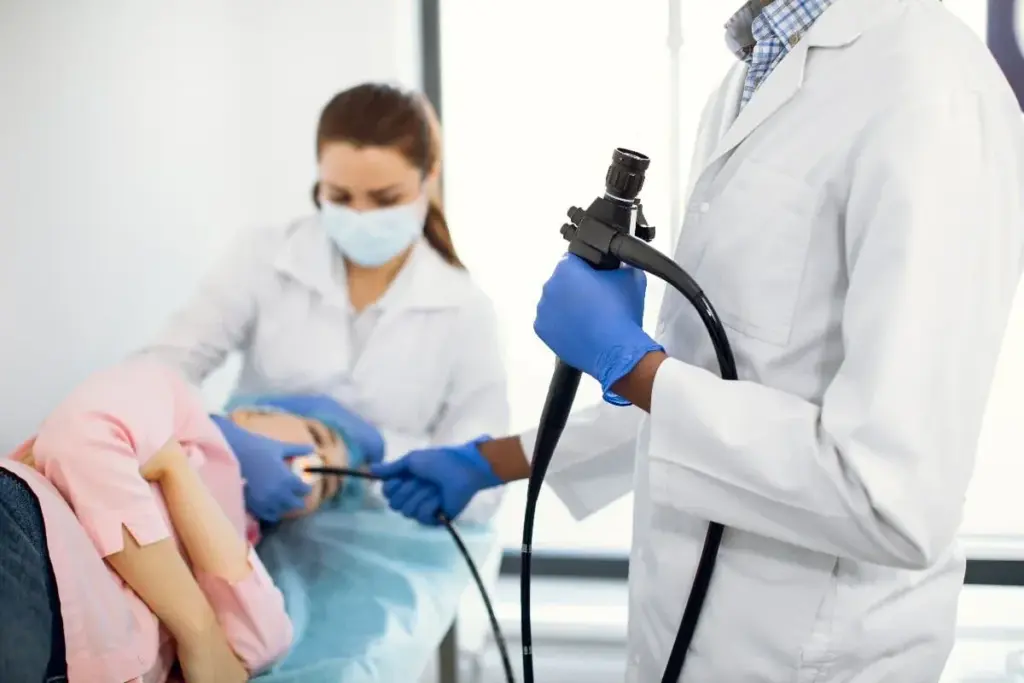
Knowing the cost of medical procedures is a big worry for many. For a colonoscopy, the anesthesia cost is a key factor. It can range from $200 to $1,200.
The type of anesthesia and the provider’s fees play a big role in the final cost. For example, propofol anesthesia is often used. Its price can change based on who provides it and where. To fully understand the costs, it’s important to look at these factors.
Key Takeaways
- The cost of anesthesia for a colonoscopy ranges from $200 to $1,200.
- The type of anesthesia used affects the overall cost.
- Provider fees also influence the final bill.
- Propofol anesthesia is commonly used for colonoscopies.
- Understanding the factors that influence anesthesia costs can help patients make informed decisions.
The Real Cost of Colonoscopy Anesthesia
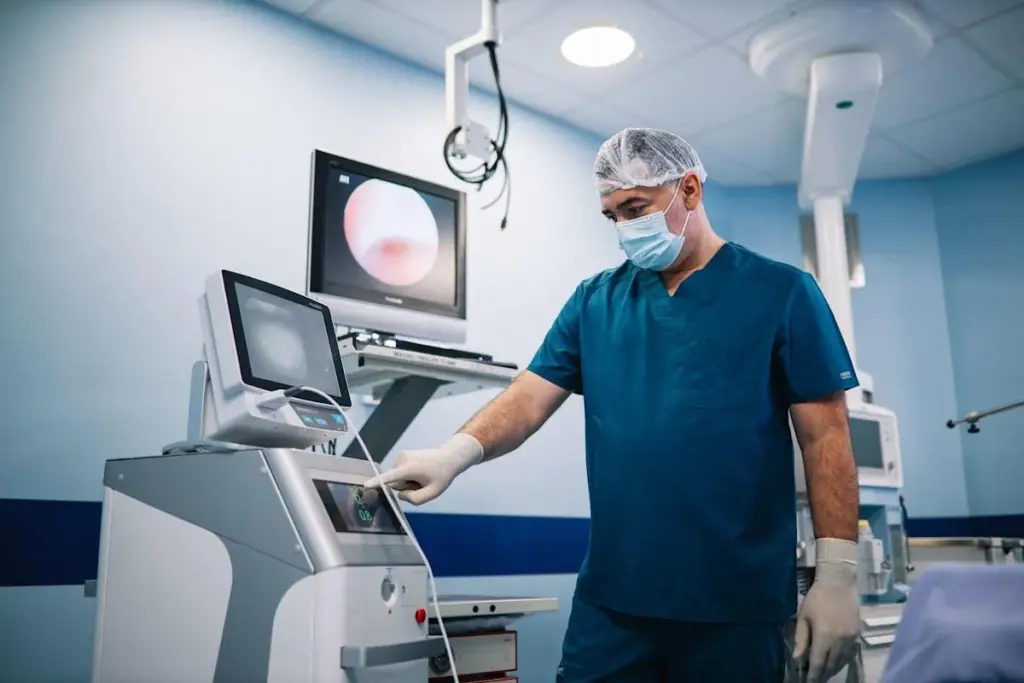
Colonoscopy anesthesia costs are a big part of the total cost. When getting ready for a colonoscopy, knowing what affects anesthesia costs is key. This helps in planning for the total expense.
Key Factors That Influence Your Final Bill
Several things can affect the final cost of colonoscopy anesthesia. These include:
- The type of sedation used, such as conscious sedation, deep sedation with propofol, or general anesthesia.
- The professional administering the anesthesia, whether it’s an anesthesiologist or a nurse anesthetist.
- The location where the procedure is performed, such as a hospital or an outpatient facility.
- The patient’s insurance coverage and the specific policies regarding anesthesia costs.
Knowing these factors helps patients and their families prepare for anesthesia costs. By understanding these elements, people can make better decisions about their care. This can also help reduce expenses.
Breaking Down the Total Colonoscopy Procedure Cost

Colonoscopy costs, including anesthesia, can be a big financial worry for many. It’s key to know the total cost before your procedure. This helps you make smart choices about your care.
National Average Costs: $1,200-$4,800
In the U.S., colonoscopy costs range from $1,200 to $4,800 on average. This wide range comes from different factors. These include the place of the procedure, location, and anesthesia type.
Here are the main parts that make up the total cost:
- Facility Fees: Charges from hospitals or outpatient centers.
- Physician Fees: What the gastroenterologist charges for the procedure.
- Anesthesia Expenses: Costs for sedation or anesthesia used.
- Pathology Fees: Fees for examining any biopsies taken.
How Anesthesia Contributes to Overall Expense
Anesthesia is a big part of the colonoscopy cost. The type of sedation used affects the total cost. This includes conscious sedation, deep sedation with propofol, or general anesthesia.
Anesthesia can make up 30% to 50% of the total cost. This percentage changes based on the anesthesia’s complexity and who administers it (anesthesiologist or nurse anesthetist).
Knowing these costs helps plan financially for the procedure. It’s also important to talk about these costs with your healthcare provider. They can give you a detailed breakdown of what you’ll be charged for.
Types of Sedation and Their Price Points
The type of sedation used in colonoscopies can greatly affect the cost. Sedation is key to making patients comfortable and relaxed. The choice depends on the patient’s health, the procedure’s complexity, and the doctor’s preference.
Conscious Sedation Options
Conscious sedation, or moderate sedation, is a popular choice for colonoscopies. It makes patients feel relaxed and comfortable but keeps them somewhat alert. The cost of this sedation varies but is usually less than deeper sedation. It can add $100 to $500 to the total cost.
Deep Sedation with Propofol
Deep sedation with propofol is another option. It uses a medication that induces deep sedation. Propofol is known for its quick onset and recovery. But, it can make the procedure more expensive.
General Anesthesia Considerations
General anesthesia is the most intense sedation, making patients completely unconscious. It’s not often used for routine colonoscopies but may be needed in some cases. General anesthesia requires an anesthesiologist and more staff, raising the cost. Prices can range from $500 to $2,000 or more, depending on the procedure’s length and the anesthesiologist’s fees.
In conclusion, the sedation type chosen for a colonoscopy can significantly affect the cost. Patients should talk to their healthcare provider about the costs and benefits of each option. This way, they can make an informed choice and manage their expenses effectively.
MAC Anesthesia: What It Is and What You’ll Pay
Many patients choose Monitored Anesthesia Care (MAC) for their colonoscopies. It offers a safe and calming experience. MAC anesthesia is common in medical settings because it ensures patient comfort during procedures.
Understanding Monitored Anesthesia Care
MAC sedation uses sedatives and painkillers under an anesthesiologist’s watch. It’s customized for each patient, making the colonoscopy stress-free. The sedation level can vary from light to deep, based on the patient’s needs and the procedure’s complexity.
MAC anesthesia is flexible. The anesthesiologist can change the sedation level as needed. This keeps the patient comfortable throughout the colonoscopy. It also helps reduce anxiety and discomfort.
MAC Sedation Cost Structure
The cost of MAC anesthesia for a colonoscopy varies. It depends on location, medical facility fees, and the anesthesiologist’s rates. Studies show anesthesia adds over $1.1 billion yearly to U.S. healthcare spending on endoscopies. This shows how much anesthesia costs impact healthcare spending.
The average cost for MAC sedation during a colonoscopy is between $500 and $1,500. Patients should talk to their healthcare provider and insurance about these costs. This helps understand the financial side.
Why Doctors Recommend MAC for Colonoscopies
Doctors often suggest MAC anesthesia for colonoscopies because it’s safe and effective. It allows for adjusting sedation levels during the procedure. Also, MAC sedation leads to faster recovery times than general anesthesia, letting patients get back to their daily activities sooner.
Knowing the benefits and costs of MAC anesthesia helps patients make better choices. It’s important to talk to a healthcare professional about any concerns or questions. This way, you can find the best sedation option for your needs.
Twilight Sedation: A More Affordable Alternative?
For those getting a colonoscopy, the cost of anesthesia is a big worry. Twilight sedation might be a cheaper choice. It’s important to know how it differs from other sedations and its effect on your medical bills.
What Makes Twilight Anesthesia Different
Twilight sedation, or conscious sedation, makes you relaxed and less in pain during procedures. It’s not as deep as general anesthesia. This makes it great for colonoscopies.
Twilight sedation’s main benefits are:
- Less time to recover than general anesthesia
- Lower chance of problems
- Could save money
Cost Comparison with Other Sedation Types
Twilight sedation is often cheaper for colonoscopies. Costs vary by location and doctor, but it’s usually less than general anesthesia or deep sedation with propofol.
A study showed twilight sedation can save patients 20-30% compared to propofol sedation.
The “Gift from Room7”: Patient Experiences
Stories from “The Gift from Room7” share how well twilight sedation works. One patient said they had a
“surprisingly smooth recovery and minimal discomfort during the procedure”
. Many others have had similar good experiences.
These stories highlight the benefits of twilight sedation. It’s not just cheaper but also makes colonoscopies better for patients.
Propofol Anesthesia: Worth the Premium Price?
Propofol anesthesia is often chosen for colonoscopies because it offers deep sedation. But is it worth the extra cost? It makes colonoscopies more comfortable for patients.
What Is Propofol Used For in Colonoscopies?
Propofol is a medication that helps patients relax deeply during colonoscopies. It’s great for outpatient procedures because it starts working fast and doesn’t last long.
Why Propofol Requires Additional Personnel
Propofol needs a team of experts, like anesthesiologists or CRNAs, because it can affect breathing and heart rate. This need for extra help adds to the cost of propofol anesthesia.
Cost-Benefit Analysis for Patients
Using propofol can make procedures more expensive, by $150–$1,200. Patients need to think about their own needs and situations. We’ve made a cost-benefit analysis to help them decide.
|
Factors |
Benefits |
Costs |
|---|---|---|
|
Patient Comfort |
Deep sedation ensures a pain-free experience |
Additional $150-$1,200 for propofol anesthesia |
|
Procedure Efficiency |
Rapid onset and recovery allow for quicker turnover |
Requires specialized personnel, increasing labor costs |
|
Medical Requirements |
Effective for patients with high anxiety or discomfort |
Potential need for additional medical staff |
Patients can weigh these points to see if propofol’s benefits are worth the extra cost. For many, the comfort and reduced anxiety make it a good choice.
Who Administers Your Anesthesia Matters: Cost Implications
Anesthesia administration is more than just the sedation type. The professional giving it also affects the cost. The cost of anesthesia care can change a lot based on who gives it and where it happens.
Anesthesiologist vs. Nurse Anesthetist Fees
The cost for anesthesia services can be different if an anesthesiologist or a nurse anesthetist does it. Anesthesiologists, being doctors with special training, usually charge more than nurse anesthetists. A study in the Journal of Clinical Anesthesia found that anesthesiologists’ costs are often higher.
For example, a colonoscopy with an anesthesiologist might cost more than with a nurse anesthetist. But, an anesthesiologist might be needed for more complex cases or certain medical conditions.
Hospital vs. Outpatient Facility Pricing
The place where a colonoscopy is done also affects the anesthesia cost. Hospitals usually charge more for anesthesia than outpatient facilities. This is because hospitals have higher costs and handle more complex cases.
Outpatient facilities, though, can be cheaper for procedures like colonoscopies. A study showed that outpatient facilities can save a lot on anesthesia without sacrificing quality or safety.
The Billion-Dollar Impact on Healthcare Spending
Anesthesia services add over $1.1 billion a year to U.S. healthcare spending on endoscopies. This big number shows how important it is to understand anesthesia costs. By choosing wisely who administers anesthesia and where procedures are done, we can cut costs without lowering care quality.
Understanding anesthesia’s role in healthcare costs is key. By looking at what affects these costs, we can aim for more affordable and patient-focused care.
Insurance Coverage: What’s Included and What’s Not
Understanding insurance for colonoscopies is key. It affects how much you’ll pay for the procedure and the anesthesia. We’ll explain the important parts of insurance coverage to help you know what to expect financially.
Preventative vs. Diagnostic Procedure Coverage
Preventative colonoscopies are usually covered by insurance, including the anesthesia. But, if it’s a diagnostic colonoscopy, you might get a separate bill for the anesthesia. This depends on your insurance and policy.
Avoiding Surprise Anesthesia Bills
Knowing the costs of a colonoscopy before it happens can prevent surprise bills. Many people don’t know that anesthesia can lead to extra charges. This can increase the total cost of the procedure.
Separate Billing Practices
Anesthesiologists often bill separately, which can lead to surprise bills. This means you might get a bill from the anesthesiologist in addition to the hospital’s bill. It’s important to know you could get multiple bills for one procedure.
- The facility or hospital bill
- The physician’s fee (for performing the colonoscopy)
- The anesthesiologist’s fee (for administering anesthesia)
Knowing about these separate charges can help you budget better and avoid unexpected costs.
Questions to Ask Before Your Procedure
To avoid surprise bills, ask the right questions before your colonoscopy. Here are some important ones to ask:
- What is the total cost of the colonoscopy, including anesthesia?
- Are there any additional fees associated with the procedure?
- Will I receive separate bills for anesthesia services?
- Are there any out-of-pocket expenses or copays for anesthesia?
By asking these questions, you can better understand your costs and plan your finances.
Negotiating Costs and Payment Plans
If you’re worried about the cost of anesthesia for your colonoscopy, there are ways to make it more affordable. Negotiating costs and payment plans can help.
Here are some steps to consider:
- Discuss your financial concerns with your healthcare provider or the billing department.
- Ask about available payment plans or financial assistance programs.
- Compare prices among different providers to ensure you’re getting the best value.
By being proactive and informed, you can reduce the financial stress of colonoscopy anesthesia costs.
Colonoscopy Without Sedation: Is It Worth the Savings?
Some patients choose not to use sedation during colonoscopies to save money. But, this choice is not just about the cost.
Potential Cost Reduction
One big reason for skipping sedation is to cut down on medical bills. Anesthesia can be pricey, and avoiding it can save a lot of money.
- Anesthesia fees vary based on the type and who gives it.
- Facility costs might drop if no sedation is used, as it could be done in a cheaper place.
- Some insurance plans cover procedures differently, with or without sedation.
Pros and Cons of Skipping Anesthesia
Choosing to have a colonoscopy without sedation is complex. It’s about weighing the good and bad sides.
The benefits include:
- Cost savings are a big plus.
- Patients might recover faster without sedation.
- Not using sedation could lower the risk of anesthesia problems.
But, there are downsides too:
- Patients might feel discomfort or pain during the test.
- Without sedation, anxiety or stress could be worse.
- The test might not work as well if the patient is not relaxed.
Patient Suitability Factors
Not everyone can have a colonoscopy without sedation. Certain factors decide if it’s right for you.
- Medical history: Some health issues might mean you can’t have sedation.
- Anxiety levels: High anxiety makes it hard to do without sedation.
- Previous experiences: If past colonoscopies were uncomfortable, you might want sedation.
Deciding on sedation for a colonoscopy should be a team effort. Talk to your doctor about what’s best for you.
Recovery Time and Its Financial Impact
Recovering from a colonoscopy is not just about getting better physically. It also affects your wallet. Patients need to think about the time spent recovering, which can add to their costs.
Procedure and Recovery Duration
The whole process, from prep to recovery, can take hours. The actual procedure might last 30 minutes to an hour. But, how long you stay in recovery can vary a lot, depending on the sedation.
Factors Influencing Recovery Time:
- Type of sedation administered
- Patient’s overall health and age
- Complexity of the procedure
Recovery Time After Colonoscopy
Many worry about how long it takes to wake up after a colonoscopy. The time it takes for sedation to wear off can differ. Usually, patients are watched for 30 to 60 minutes before going home.
It’s important for patients to have someone with them when they go home. They might not be fully awake yet.
Hidden Costs Associated with Recovery
There are costs beyond just the medical bills. Time off work and transportation costs can add up. These expenses can make the total cost of the procedure higher.
|
Hidden Cost |
Average Cost |
|---|---|
|
Time off work |
$100-$300 |
|
Transportation |
$20-$100 |
|
Caregiver costs (if needed) |
$50-$200 |
Knowing these costs can help patients plan better for their colonoscopy. This includes understanding the recovery time and any extra expenses.
Combined Procedures: Colonoscopy and Endoscopy Cost Efficiency
Many patients wonder if combining medical procedures like colonoscopy and endoscopy can save money. This practice is common and might help lower costs for patients.
Single vs. Multiple Anesthesia Sessions
The cost of combining procedures is often lower because of fewer anesthesia sessions. A single session for both can save a lot compared to separate ones. Anesthesia costs a lot, so this is a big factor.
With a single session, patients save on anesthesia fees and supplies. They also save on recovery time. This can lead to big savings, as they don’t have to pay for each session separately.
Insurance Billing for Combined Procedures
Insurance billing for combined procedures varies by provider and policy. Some cover it all under one code, while others bill each procedure separately.
It’s key for patients to know their insurance before getting procedures. We suggest talking to your insurance to understand what’s covered and what you might have to pay out of pocket.
When Combined Procedures Make Financial Sense
Combined procedures can be cheaper for patients needing multiple tests. They reduce the need for multiple anesthesia sessions. But, the choice should be based on medical need and health.
Patients should talk to their doctor about the best and most affordable option. Knowing the costs and benefits helps them make smart choices about their care.
General Anesthesia vs. Sedation: Cost and Recovery Differences
General anesthesia and sedation are two ways to manage pain during colonoscopies. Each has its own cost and recovery time. Knowing these differences helps you choose the best option for your care.
Price Comparison Between Options
The cost of general anesthesia and sedation varies a lot. General anesthesia needs a skilled anesthesiologist, making it more expensive.
|
Anesthesia Type |
Average Cost |
Factors Influencing Cost |
|---|---|---|
|
General Anesthesia |
$1,000 – $2,500 |
Complexity of administration, anesthesiologist fees |
|
Sedation |
$500 – $1,500 |
Type of sedation used, personnel required |
Recovery Time Variations
Recovery times vary between general anesthesia and sedation. General anesthesia takes longer because it’s a deeper form of anesthesia.
- General Anesthesia: Recovery can take 1 to 2 hours, with close monitoring.
- Sedation: Recovery is faster, usually within 30 minutes to 1 hour, based on the sedation type and amount.
Which Option Provides Better Value
Choosing the best option depends on several factors. These include your health, the procedure’s complexity, and your preferences for recovery time and cost.
Talk to your healthcare provider about these factors. They can help you decide what’s best for you, balancing cost, recovery, and care quality.
Conclusion: Making Informed Decisions About Colonoscopy Anesthesia Costs
It’s important for patients to know about colonoscopy anesthesia costs. We’ve looked at what affects these costs. This includes the sedation type, who administers it, and where it’s done.
MAC anesthesia is a key factor. It’s safe and effective. Knowing the costs of MAC and other sedations helps patients manage their finances better.
Patients should talk to their healthcare provider about their options. They should think about insurance and what they’ll have to pay out of pocket. This way, they can get the most value for their money.
Knowing about colonoscopy anesthesia costs helps patients manage their healthcare expenses. It’s key to understanding these costs to make the best choices for their care.
FAQ
How much does anesthesia for a colonoscopy typically cost?
Anesthesia for a colonoscopy can cost between $200 and $1,200. This depends on the type of anesthesia and who provides it.
What are the different types of sedation used during colonoscopies?
Colonoscopies use different sedations. These include conscious sedation, deep sedation with propofol, and general anesthesia. Each has its own price.
What is MAC anesthesia, and why is it recommended for colonoscopies?
MAC anesthesia is a sedation type that requires an anesthesiologist’s watchful eye. It’s often chosen for colonoscopies because it’s safe and effective.
How long does a colonoscopy take, including recovery?
A colonoscopy, including recovery, can take a few hours to half a day. This varies based on the person and the place.
How long does it take to wake up after a colonoscopy?
Waking up after a colonoscopy can take 30 minutes to an hour. This depends on the sedation used.
Can I undergo a colonoscopy without sedation?
Yes, you can have a colonoscopy without sedation. But it’s not right for everyone. Talk to your doctor about it.
What is propofol used for in colonoscopies?
Propofol is used for deep sedation in colonoscopies. It makes the procedure very comfortable and relaxing.
How does insurance coverage vary for colonoscopies?
Insurance for colonoscopies can change based on your insurance, the reason for the test, and your provider’s rules.
Can I negotiate the costs of anesthesia for my colonoscopy?
Yes, you can talk about costs and payment plans with your healthcare provider. It’s good to ask about billing before your procedure.
Is it cost-efficient to combine colonoscopy and endoscopy procedures?
Combining colonoscopy and endoscopy might save money. It could lower the cost of anesthesia and facility fees. But, insurance and personal situations can affect the total cost.
What are the cost and recovery differences between general anesthesia and sedation?
General anesthesia costs more and takes longer to recover from than sedation. Sedation is usually cheaper and has a quicker recovery.
References
- GoodRx. (n.d.). Colonoscopy cost [Information page]. Retrieved from https://www.goodrx.com/conditions/colon-cancer/colonoscopy-cost