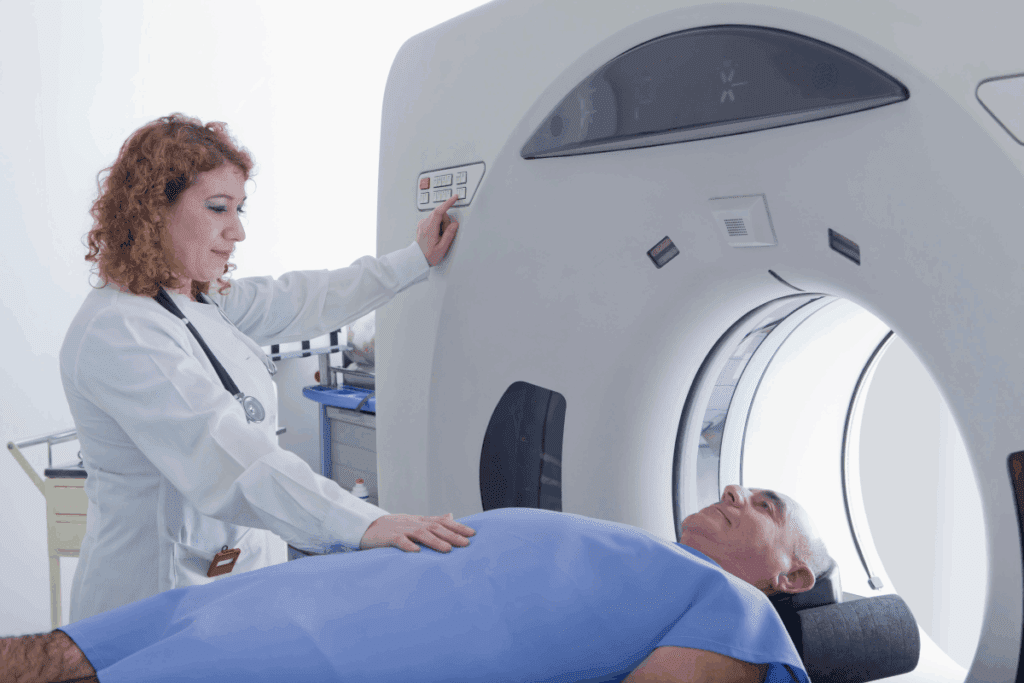
A PET scan is a test that uses a radioactive tracer to see how active the body’s cells are. It looks at the lungs to find and track lung problems, like cancer. It’s key for checking how well the lungs are working. Discover how magnesium levels can impact PET scans of the lungs and what this connection means for accuracy.
The test works by putting a tiny bit of radioactive material into the body. This material is taken up by cells. Then, the PET scanner picks up the radiation and makes detailed pictures of the lungs. Doctors use these images to find and treat lung diseases. Sometimes, a PET scan is paired with an echocardiogram to check the heart’s health and how it affects the lungs.
Keeping the lungs healthy is very important. Some nutrients, like magnesium, are important for staying well.
Key Takeaways
- A PET scan is a test that shows how active the lungs are.
- It helps find and track lung problems, like cancer.
- PET scans check lung health and might be used with an echocardiogram.
- Good lung health is key for overall health.
- Nutrients like magnesium help keep the lungs healthy.
Understanding PET Scans: Basic Principles and Technology
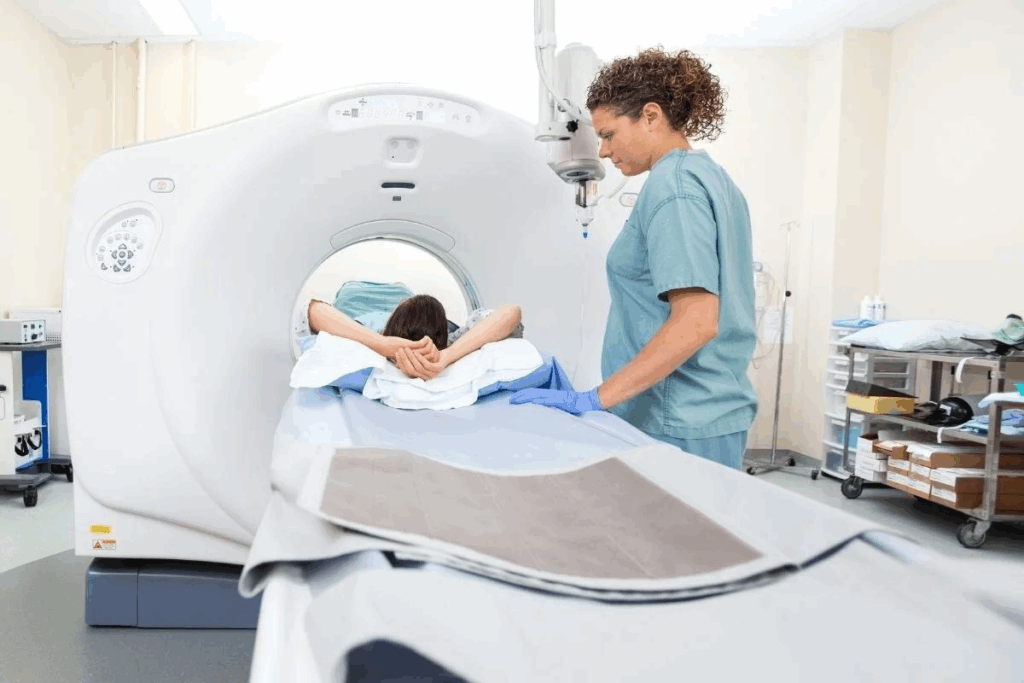
PET scanning is a cutting-edge imaging method. It gives a unique view of how the body works. It uses a radioactive tracer to spot metabolic activity in tissues, showing things other tests can’t.
Definition and Purpose of PET Scanning
PET scanning is a nuclear medicine technique. It creates three-dimensional images of the body’s functions. Its main goal is to find and track health issues like cancer, brain disorders, and heart disease.
The radioactive tracer in PET scans goes to areas with high activity, like growing tumors. This helps spot problems. It’s key for seeing how cancer spreads, checking if treatments work, and finding cancer again.
How PET Scans Differ from Other Imaging Tests
PET scans are different from CT scans or X-rays. While those show body structure, PET scans reveal metabolic activity. This makes PET scans great for checking tissue function, not just shape.
PET scans can work with other tests, like CT scans, for a better view of the body. This combo helps doctors make more accurate diagnoses and plan treatments.
The Science Behind PET Scans: How They Work
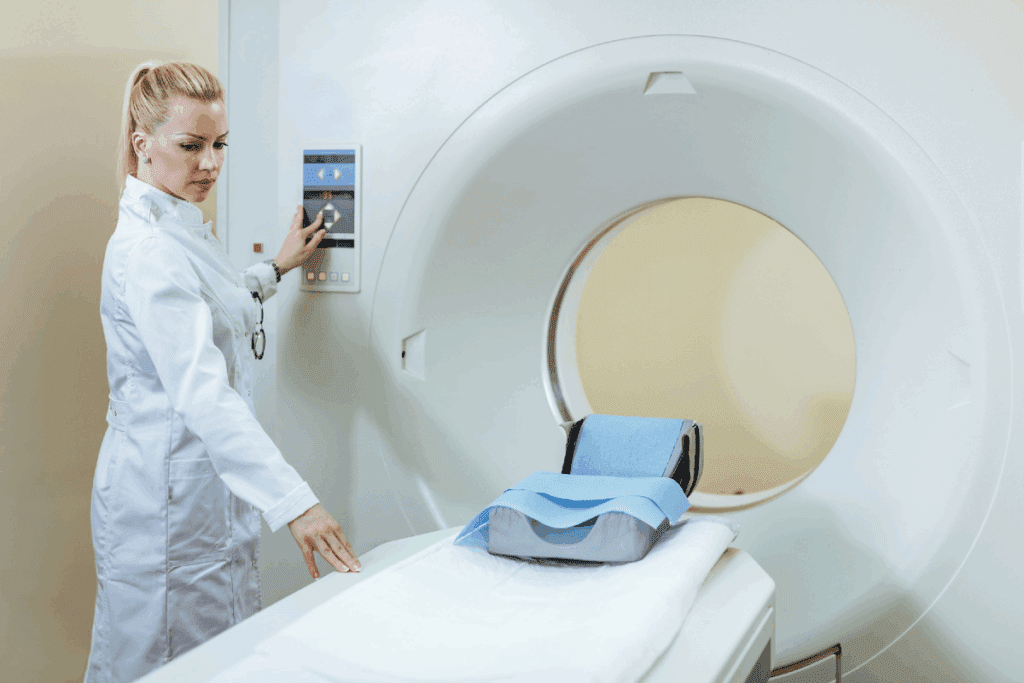
PET scans use radioactive tracers to show how cells work. This tech gives us a peek into the body’s metabolic processes.
Radioactive Tracers and Their Function
PET scans use radioactive tracers to see metabolic activity. The most used tracer is FDG (fluorodeoxyglucose), a glucose molecule that builds up in active areas. A nuclear medicine expert, says, “FDG in PET scans has changed how we find and track diseases, like cancer.”
“The development of PET scanning has been a significant advancement in medical imaging, allowing for the early detection and treatment of diseases.”
A nuclear Medicine Expert
Detecting Metabolic Activity in Tissues
PET scans show metabolic activity, which tells us about body processes. Areas with high activity, like cancer, take up more FDG. This makes them stand out during the scan.
- Cancerous tissues often show high glucose metabolism.
- Areas of inflammation or infection also show high metabolic activity.
- The amount of tracer taken up helps us understand disease severity and spread.
The Role of Glucose in PET Imaging
Glucose is key in PET imaging, thanks to FDG. Cancer cells take up more glucose because they’re very active. This makes FDG PET scans good at spotting cancer. A study in the Journal of Nuclear Medicine explains, “The Warburg effect, where cancer cells use glycolysis even with oxygen, is why we use FDG in PET scans.”
In summary, PET scans work by using radioactive tracers to spot metabolic activity. Glucose is central to this, making PET scans powerful for diagnosis.
Why Doctors Order PET Scans for Lung Evaluation
PET scans have changed how we look at lung health. They give doctors insights they couldn’t get before. This makes them key in diagnosing and treating lung diseases, like lung cancer.
Diagnosing Lung Cancer and Determining Stage
PET scans help find lung cancer by showing where cancer cells are active. They help spot the main tumor and if it has spread. This helps doctors know how serious it is.
A study in the Journal of Clinical Oncology found PET scans help stage lung cancer better. This helps doctors choose the right treatment and improves patient care.
“PET scans have revolutionized the way we diagnose and stage lung cancer, allowing for more precise treatment planning and improved patient care.”
Monitoring Treatment Response
PET scans also check how well lung cancer treatments are working. They look at how active the cancer cells are. This helps doctors see if the treatment is working and if they need to change it.
| Treatment Modality | PET Scan Findings | Implication |
| Chemotherapy | Reduced SUV values | Positive response to treatment |
| Radiation Therapy | Decreased metabolic activity | Effective tumor control |
Detecting Recurrence of Lung Disease
PET scans are also good at finding lung cancer again after treatment. They can spot early signs of cancer coming back. This means doctors can act fast.
Early detection of recurrence is key to better survival and quality of life for patients.
Evaluating Other Pulmonary Conditions
PET scans aren’t just for lung cancer. They can also check other lung problems, like infections or inflammation. They might not be used for stomach issues like gastritis, but they’re useful for lung conditions.
In summary, PET scans are a powerful tool for lung health. They help find lung cancer, see how treatments are working, find cancer coming back, and check other lung issues.
PET-CT Combination: Enhanced Diagnostic Capabilities
PET-CT scans are a big step forward in medical imaging. They let doctors see both how the body works and its structure in one go. This mix of imaging has changed how we diagnose diseases.
Benefits of Combined Imaging Techniques
When you combine PET and CT scans, you get a clearer picture of what’s going on inside the body. This dual method boosts how well doctors can diagnose by mixing metabolic data from PET scans with detailed CT images.
The perks of PET-CT scans include:
- Improved diagnostic precision
- Early detection of diseases
- Tracking how well treatments work
- Accurate cancer staging
Anatomical and Functional Information in One Scan
PET-CT scans give you both the body’s layout and its metabolic activity in one scan. This integrated method helps doctors link metabolic signs with exact body parts. It makes diagnosis more confident.
| Imaging Modality | Information Provided | Clinical Utility |
| PET | Metabolic activity | Disease detection, treatment monitoring |
| CT | Anatomical detail | Structural assessment, lesion localization |
| PET-CT | Combined metabolic and anatomical information | Enhanced diagnostic accuracy, improved patient management |
The PET-CT combo is a top-notch diagnostic tool. It brings together metabolic and anatomical data in one scan. This gives doctors unmatched diagnostic power.
Preparing for Your Lung PET Scan
Getting ready for a lung PET scan is important. It helps make sure the test goes well. People with conditions like pneumonia need to follow certain steps. This ensures accurate results and a comfortable experience.
Dietary Restrictions Before the Procedure
Following dietary rules is key before a lung PET scan. You might need to fast for a few hours before the test. This means avoiding food and drink for 4-6 hours.
For 24 hours before, eating low-carb, high-fat foods is recommended. Avoiding sugary foods and drinks is also important. They can affect how the radioactive tracer works.
| Food/Drink | Allowed | Not Allowed |
| Water | Yes | |
| Sugary Foods/Drinks | No | |
| Low-carb, high-fat meals | Yes (24 hours prior) |
Medication Considerations
Tell your doctor about all medications you’re taking. Some might need to be changed or stopped before the scan.
- List all your medications, including supplements and vitamins.
- Discuss any concerns with your doctor.
- Follow your doctor’s instructions regarding medication adjustments.
What to Wear and Bring
Wear comfy clothes on the day of the scan. Avoid anything with metal, like jewelry or clothes with metal parts.
Bring important documents like insurance cards and identification. Also, don’t forget a list of your medications.
Managing Anxiety About the Procedure
Feeling anxious about a PET scan is normal. Talking to your doctor or a counselor can help.
“The more you know about what to expect, the less anxious you’ll feel.”
Medical Expert
Relaxation techniques like deep breathing or meditation can also help. They can make you feel calmer.
The Role of Magnesium and Other Electrolytes in PET Scan Preparation
Keeping electrolyte levels right is key for a good PET scan. Electrolytes like magnesium, potassium, and sodium are important for many body functions. They can affect how well the scan goes.
How Electrolyte Balance Affects Scan Quality
Electrolytes help with nerve and muscle work, keeping us hydrated, and balancing our body’s pH. If they’re off, it can cause problems during the scan. For example, not enough magnesium can lead to muscle cramps or heart issues, which might mess up the scan.
Managing Magnesium Levels Before Your Scan
To keep magnesium levels up, eat foods rich in it like dark greens, nuts, and whole grains. Sometimes, doctors might suggest supplements. But always get them from a doctor first. Your healthcare team will give you clear instructions on managing magnesium and other electrolytes before your scan.
Also, conditions like strep throat can mess with electrolytes because of fever and less drinking. It’s important to stay hydrated and keep electrolyte levels right in these situations.
“Proper preparation is key to a successful PET scan. Ensuring electrolyte balance is part of this preparation.”
In short, having the right magnesium and electrolyte levels is vital for a good PET scan. By knowing how electrolytes matter and following doctor’s advice, patients can get the best results from their scan.
Step-by-Step: The PET Scan Procedure Experience
The PET scan procedure might seem scary at first. But, breaking it down into steps can make it easier. Knowing what to expect can help reduce your anxiety and prepare you for the test.
Arrival and Initial Preparations
When you arrive, you’ll go to a waiting area to fill out paperwork. Try to arrive on time, as the schedule is tight. The radiology team will then take you to the PET scan suite.
Before the scan starts, you’ll change into a gown and remove any metal items or jewelry. This is to prevent any interference with the imaging.
Tracer Injection and Uptake Period
Next, you’ll get an injection of a radioactive tracer in your arm. This tracer is a special glucose that goes to active areas in your body. After the injection, you’ll wait in a quiet area for the tracer to spread.
The uptake period lasts from 30 minutes to an hour. You’ll need to stay very quiet and not move much during this time.
The Scanning Process
After the uptake period, you’ll lie down on a table that slides into the PET scanner. The scanning process takes about 30 minutes. You must stay very quiet and not move.
The scanner will move around you, taking detailed images of where the tracer is in your body.
What to Expect During the Scan
During the scan, you might hear some noise from the machine. It’s important to listen to the radiology team’s instructions to get the best images.
Try to stay calm and relaxed during the scan. If you’re worried or uncomfortable, tell the staff right away.
Potential Risks and Side Effects of Lung PET Scans
PET scans are generally safe, but there are risks and side effects to know. The benefits of PET scans usually outweigh the risks. It’s important for patients to understand the possible complications.
Safety Measures and Precautions
Healthcare providers take steps to keep patients safe. They use the lowest dose of radioactive tracer and make sure patients drink water before and after. They also watch for any bad reactions.
Common Side Effects: Some people might feel a little uncomfortable at the injection site or have an allergic reaction. They might also feel anxious during the scan. These feelings usually go away quickly.
Special Considerations: People with type 1 diabetes need extra care before a PET scan. Pregnant or nursing women should talk to their doctor about the risks and benefits.
In rare cases, PET scans can cause serious side effects. If you have certain medical conditions or are going through treatments like IVF, tell your doctor. They can check if there are any risks.
Even though PET scans use some radiation, the benefits are usually worth it. The information gained from the scan is very important.
Interpreting PET Scan Results for Lung Conditions
Understanding PET scan results is key to lung health. PET scans show how active body tissues are. This helps doctors spot and treat lung problems.
Understanding SUV Values and “Hot Spots”
SUV stands for Standardized Uptake Value. It shows how much a tracer is taken up in PET scans. High SUV values mean active areas, like in lung cancer. “Hot spots” are areas that take up more tracer, showing possible issues.
Interpreting SUV values needs looking at several things. This includes the tracer type, patient glucose levels, and scan timing.
What Different Patterns May Indicate
Tracer uptake patterns tell a lot about lung conditions. A single spot might mean a tumor. Spread-out uptake could point to inflammation or infection. Knowing these patterns helps doctors diagnose and plan treatment.
- Focal uptake: Possible tumor or localized disease
- Diffuse uptake: Inflammation, infection, or systemic disease
- No uptake: Normal tissue or non-metabolic activity
Timeframe for Receiving Results
When you get your PET scan results depends on the place and case details. Usually, it’s a few days to a week. Your doctor will talk about the results and what’s next.
It’s important to talk to your doctor about your PET scan results. They can explain everything and discuss more tests or treatments.
PET Scans vs. Other Lung Imaging Techniques
Different imaging methods have their own benefits in diagnosing lung diseases. It’s important for doctors to know what each can do best.
Comparison with CT Scans
CT scans and PET scans are both key in lung imaging. But they’re used for different things. CT scans show the body’s structure, like tumors or cysts. PET scans, on the other hand, show how tissues work, helping to tell if something is cancer.
Key differences between PET and CT scans include:
- PET scans are more sensitive to metabolic changes, while CT scans focus on anatomical details.
- PET scans are great for cancer staging and tracking treatment.
- CT scans are often used first to find and describe lung lesions.
Comparison with X-rays and Ultrasound
Chest X-rays are often the first choice for lung issues because they’re easy to get and don’t use much radiation. But they’re not as good as PET or CT scans. Ultrasound is not as common for lung checks but can help with certain problems, like fluid in the chest.
The advantages and limitations of these techniques are as follows:
| Imaging Technique | Advantages | Limitations |
| X-rays | Quick, low radiation, widely available | Limited detail, not sensitive for early disease |
| Ultrasound | Useful for pleural effusions, no radiation | Limited by bone and air, not suitable for lung parenchyma |
| PET Scans | Sensitive to metabolic activity, useful for cancer staging | Involves radiation, not as detailed anatomically as CT |
When Each Imaging Method Is Most Appropriate
The right imaging choice depends on the situation and what’s being looked for. For example, PET scans are best for cancer staging and tracking treatment. CT scans are good for checking lung nodules first and later. X-rays are useful for quick checks and follow-ups of common lung issues.
In summary, each imaging method has its role in lung disease diagnosis and care. Knowing their strengths and weaknesses is key for the best patient care.
Cost and Insurance Coverage for Lung PET Scans
Knowing the cost of a lung PET scan is important for both patients and doctors. The price can be high, and understanding insurance is key to managing costs.
Average Costs in the United States
The price of a lung PET scan varies a lot in the U.S. It can cost between $1,000 and $5,000 or more. This depends on where you are, the type of PET scan, and if you have other tests like CT scans too.
| Service | Average Cost Range |
| PET Scan | $1,000 – $3,000 |
| PET-CT Scan | $2,000 – $5,000 |
| Additional Fees (e.g., interpretation, consultation) | $200 – $1,000 |
Insurance Approval Process
Insurance for lung PET scans differs by provider. Most plans cover them when they’re needed for diagnosis. But getting approval can be tricky and often needs pre-authorization. It’s best to talk to your insurance about what’s needed and what’s covered.
Steps in the Insurance Approval Process:
- Pre-authorization request by the healthcare provider
- Review of medical necessity by the insurance company
- Approval or denial notification to the patient and healthcare provider
- Potential appeal process if the request is denied
Options for Uninsured Patients
Patients without insurance have a few options for lung PET scans. Some providers offer financial help or discounts for those paying out of pocket. Others might be part of clinical trials that offer free or low-cost scans.
It’s vital for uninsured patients to talk to their doctors about their financial situation. This way, they can find out what help is available.
Recovery and Post-Scan Care
After a PET scan, you can usually go back to your normal activities. But, it’s important to follow some aftercare instructions for a smooth recovery.
Immediate Aftercare Instructions
Drink lots of water after your PET scan to get rid of the tracer. Also, avoid being close to pregnant women and young kids for a few hours. This is just to be safe.
Key aftercare tips include:
- Staying hydrated
- Avoiding strenuous activities
- Removing any remaining tracer by urinating frequently
Radiation Safety Considerations
The tracer in PET scans is safe, but follow your doctor’s advice to protect others. This helps keep everyone safe from radiation.
Some key radiation safety considerations:
- Limiting close contact with others, specially vulnerable groups like pregnant women and children
- Following proper hygiene practices
When to Contact Your Doctor
Complications from PET scans are rare, but it’s important to know when to call your doctor. If you have any unusual symptoms or concerns, reach out to your healthcare provider.
Follow-up Appointments and Next Steps
Your doctor will schedule a follow-up to talk about the scan results and your treatment plan. This could include more tests, treatment, or just keeping an eye on your condition.
| Follow-up Activity | Purpose | Typical Timeline |
| Discussing PET scan results | Understanding the diagnosis and determining the stage of lung disease | Within a few days to a week after the scan |
| Additional diagnostic tests | Further evaluating lung conditions or other related health issues | As recommended by your doctor |
| Treatment planning | Developing a personalized treatment plan based on PET scan results | Following the discussion of scan results |
Also, conditions like sinusitis might be found during a PET scan. Your doctor will tell you what to do next if this happens.
Advancements in PET Scanning Technology for Lung Assessment
PET scanning technology is getting better fast. New research and tech are making PET scans more accurate for lung diseases. This means doctors can diagnose and treat lung conditions better.
New Tracers and Their Applications
New tracers are a big step forward in PET scanning. These tracers focus on specific lung processes, giving doctors more detailed info. For example, new tracers can spot certain lung cancers or inflammation better than old ones.
Improved Resolution and Detection Capabilities
Modern PET scanners can see smaller details and assess lung tissue better. This is key for catching lung cancer early and tracking treatment success. It helps doctors make more accurate diagnoses.
Artificial Intelligence in PET Scan Interpretation
Artificial intelligence (AI) is changing how PET scans are read. AI algorithms find patterns and issues that humans might miss. This leads to more precise diagnoses and tailored treatment plans for lung patients.
Future Directions in PET Imaging
The future of PET imaging looks bright. Expect better tracers, more AI use, and maybe combining PET with MRI. These advancements could lead to even better patient care by catching diseases sooner and more accurately.
Special Considerations for Different Patient Populations
Different patient groups, like kids and pregnant women, face unique challenges with PET scans. The scan is usually safe but needs careful thought to ensure the best results and safety.
PET Scans for Pediatric Patients
For kids, the big worry is keeping radiation low while getting the needed info. Experts say finding the right balance is key. They adjust the tracer dose based on the child’s weight and use special kid-sized equipment.
Considerations for Pregnant or Nursing Women
Pregnant or nursing women also have special concerns. The main worry is the risk to the baby from radiation. Doctors usually only do PET scans when the benefits are clear and other tests won’t work.
For nursing moms, stopping breastfeeding for a bit after the scan is often advised. This helps keep the baby safe from the tracer in breast milk.
Key considerations include:
- Deciding if the PET scan is really needed
- Using the least amount of radioactive tracer needed
- Taking steps to reduce exposure
PET Scans for Patients with Diabetes
Diabetes patients need special care with PET scans, like those using glucose tracers. “Keeping blood sugar levels right before the scan is key for accurate results,” experts stress. This might mean changing meds, fasting, or other prep steps.
In short, each patient group needs a custom approach for PET scans. Understanding these needs helps doctors make sure scans are safe and effective.
Conclusion: The Value of PET Scans in Lung Health Management
PET scans are key in finding, checking, and treating lung diseases, like lung cancer. They show how active cells are, helping doctors plan the best treatment.
For those with lung issues, PET scans are very helpful. Some people with low blood pressure or using an IUD might need extra care before a scan. Also, conditions like croup can affect lung health, showing the need for full care.
PET scans are very useful, but it’s important to think about personal health factors, like testosterone levels. Knowing the good and bad of PET scans helps patients make better choices for their health.
FAQ
What is a PET scan, and how does it work?
A PET scan is a test that uses a radioactive tracer to see how tissues in the body work. It injects a small amount of radioactive material into your blood. This material is then absorbed by your body’s tissues.
The PET scanner picks up signals from the tracer. It creates detailed images of how your lungs are working.
Why do doctors order PET scans for lung evaluation?
Doctors use PET scans to find lung cancer and check how well treatments are working. They also use it to see if cancer has come back. It helps doctors understand how serious lung diseases are and plan the best treatment.
How do I prepare for a lung PET scan?
To get ready for a lung PET scan, you might need to fast for a while. Tell your doctor about any medicines you’re taking. Wear comfy clothes and avoid metal jewelry.It’s also good to manage your stress before the scan. This can make the experience easier.
What is the role of magnesium in PET scan preparation?
Magnesium is important for PET scan prep. It helps make sure the scan works well. Having the right amount of magnesium can make the scan more accurate.
What happens during a PET scan procedure?
During a PET scan, you’ll get a radioactive tracer. You’ll wait for 30-60 minutes for it to spread through your body. Then, the PET scanner will make detailed images of your lungs.
Are there any risks or side effects associated with lung PET scans?
PET scans are mostly safe, but there are some risks. These include radiation, allergic reactions, and feeling claustrophobic. But, these risks are kept low by following safety steps.
How are PET scan results interpreted?
PET scan results are read by looking at the SUV and finding “hot spots.” These spots show where the body is most active. This helps doctors see if you have lung disease, like cancer.
How do PET scans compare to other lung imaging techniques?
PET scans are special because they show how tissues work, not just what they look like. CT scans show structure, but PET scans show function. The right choice depends on what you need to know.
How much does a lung PET scan cost, and is it covered by insurance?
The cost of a lung PET scan varies. It’s usually between $1,000 and $3,000. Many insurances cover it, but how much depends on your plan. If you don’t have insurance, you might get help paying for it.
What are the latest advancements in PET scanning technology for lung assessment?
New PET scan tech includes better tracers and AI for reading images. These changes make PET scans more accurate and personalized. They help doctors give better care.
Are there any special considerations for different patient populations undergoing PET scans?
Yes, kids, pregnant women, and people with diabetes need special care with PET scans. Kids might get smaller doses, and pregnant women should think carefully about the risks. People with diabetes might need to adjust their diet or meds.
What is the significance of electrolyte balance, including magnesium, in PET scan preparation?
Electrolytes, like magnesium, are key for PET scans. They help make sure the scan works well. Keeping electrolytes balanced is important for accurate results.
How do I manage anxiety related to the PET scan procedure?
To deal with PET scan anxiety, learn about the process and ask questions. Try relaxation techniques like deep breathing or meditation. Having someone with you during the scan can also help.
Reference
- Basu, S., & Alavi, A. (2013). FDG PET in infection and inflammation: The quest continues. Journal of Nuclear Medicine, 54(5), 667–670. https://pubmed.ncbi.nlm.nih.gov/23515130/