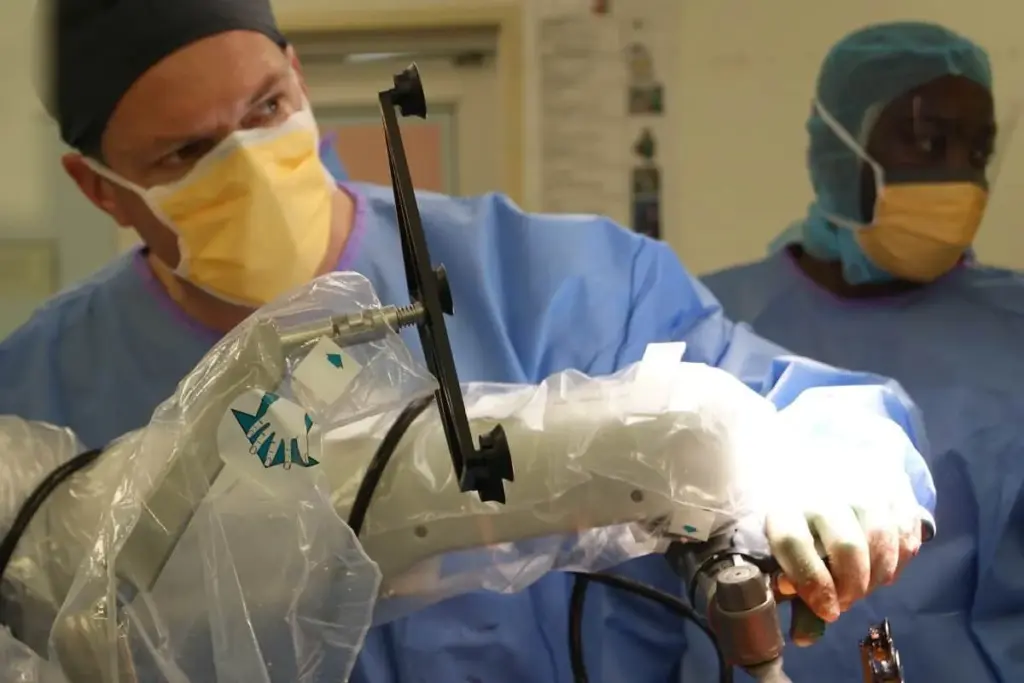
Robotic total knee replacement is changing how knee surgeries are done. It uses robotic-arm technology for better accuracy and precision. This makes the surgery a big improvement for those with knee pain.
The Mako total knee replacement system is a new technology. It lets surgeons make a plan for each patient based on their body. This means the implant fits better, leading to better results and faster healing.
This method is a minimally invasive way to do surgery. It might mean fewer problems for patients. To get into the details of this new way, let’s look at how robotic knee replacement works.
Key Takeaways
- Robotic total knee replacement uses robotic-arm technology for better accuracy.
- The Mako system allows for personalized surgical planning.
- Minimally invasive procedure potentially leads to quicker recovery times.
- Precision fit of the implant may result in better outcomes.
- Robotic knee replacement is a significant advancement in orthopedic surgery.
The Evolution of Knee Replacement Surgery
Knee replacement surgery has changed a lot over time. It has moved from old methods to new robotic-assisted ones. These changes have made the surgery more precise, faster to recover from, and better for patients.
Traditional Knee Replacement Techniques
Old knee replacement surgeries depended a lot on the surgeon’s skill. They used special tools to shape the bones and line up the joint. But, these methods were not perfect in terms of precision and fitting each patient’s needs.
“The traditional method, while effective, has its limitations. The introduction of robotic-assisted surgery has been a game-changer, bringing better precision and results.”
The Emergence of Robotic-Assisted Surgery
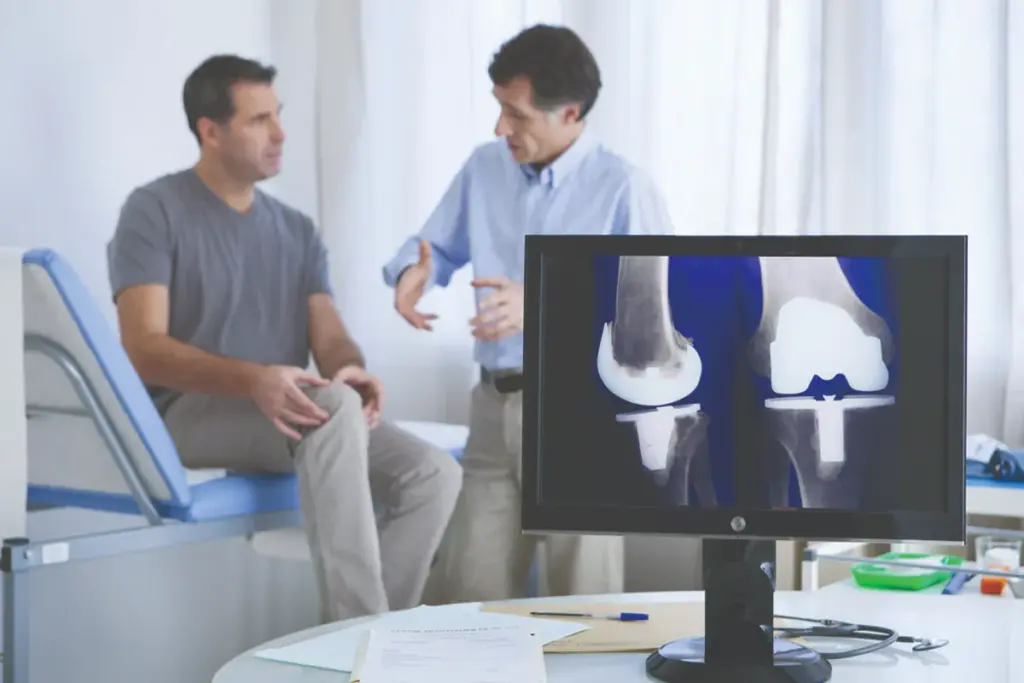
Robotic-assisted knee replacements use advanced technology. They plan the surgery in 3D before starting and guide it in real-time. This tech boost has made knee surgeries more accurate.
|
Aspect |
Traditional Techniques |
Robotic-Assisted Surgery |
|---|---|---|
|
Precision |
Limited by human skill |
Enhanced by robotic accuracy |
|
Customization |
Standardized approach |
Personalized to patient anatomy |
The move to robotic-assisted surgery is a big step forward. It brings better precision and could lead to better long-term results for patients.
What is Makoplasty? Understanding Robotic Knee Replacement
Makoplasty is a big step forward in robotic-assisted knee replacement surgery. It uses the Mako Robotic-Arm Assisted Surgery System. This system makes knee replacement surgeries more precise and tailored to each patient.
Definition and Technology Behind Makoplasty
Makoplasty is a cutting-edge technology for knee replacement surgery. It lets surgeons plan the surgery before it starts and get feedback during it. This makes the surgery fit each patient’s body perfectly.
The Mako Robotic-Arm Assisted Surgery System
The Mako System is a robotic-assisted surgery platform. It gives surgeons real-time feedback and control during knee replacement. This helps place implants more accurately.
Components of the Mako System
The Mako System has a few main parts: a robotic arm, a tactile feedback system, and advanced software. These work together to help surgeons get the best results in robotic knee replacement surgeries.
Advanced degenerative knee disease can be treated with robotic total knee replacement. This offers a precise surgical solution.
Robotic knee replacement is for patients with degenerative knee disease. This includes osteoarthritis, rheumatoid arthritis, and other conditions causing knee damage. The right patient for robotic knee replacement depends on knee damage, health, and past surgeries.
Conditions Treated with Robotic Knee Replacement:
- Degenerative knee disease
- Osteoarthritis
- Rheumatoid arthritis
- Post-traumatic arthritis
- Other degenerative conditions
The Mako Robotic-Arm Assisted Surgery System is great for precise alignment and implant placement. Its advanced technology allows for personalized surgery. This can lead to better results and faster recovery.
|
Patient Profile |
Suitability for Robotic Knee Replacement |
|---|---|
|
Patients with severe degenerative knee disease |
Highly suitable |
|
Patients with moderate knee damage |
Suitable, depending on individual factors |
|
Patients with mild knee damage |
May not be necessary; conservative treatments may be recommended |
Patients should talk to an orthopedic surgeon to see if robotic knee replacement is right for them. The surgeon will look at the patient’s health, medical history, and knee damage. This helps make a well-informed decision.
Pre-Surgical Planning for Robotic Knee Replacement
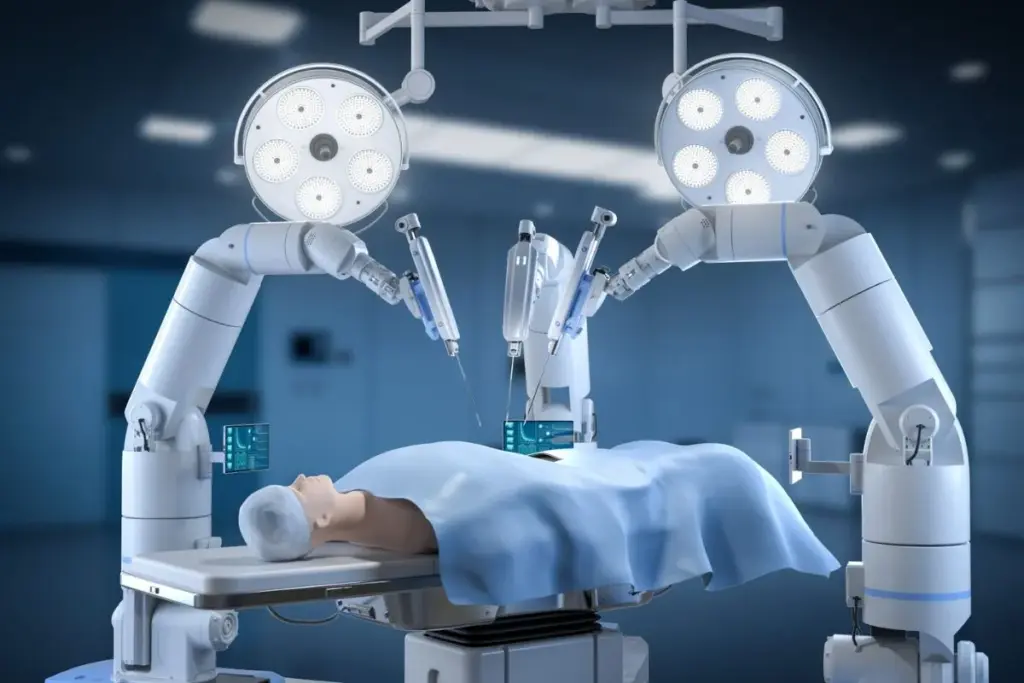
The journey to robotic knee replacement starts with careful planning. This planning is tailored to each patient’s unique anatomy. It’s key for a successful surgery.
Initial Consultation and Evaluation
The first step is an initial consultation. Here, the patient’s medical history is reviewed. A physical examination is also done to check the knee’s condition.
CT Scan and 3D Modeling Process
A CT scan is done to create a 3D model of the knee. This detailed imaging helps with precise preoperative planning. Surgeons can then plan the best surgical approach.
Creating a Personalized Surgical Plan
The 3D model is used to make a personalized surgical plan. This plan includes:
- Implant Selection: Choosing the right implant for the patient’s anatomy.
- Alignment Planning: Making sure the implant is aligned correctly for best function and longevity.
Advanced imaging and 3D modeling technology help surgeons. They make the surgery more precise. This can lead to better results and faster recovery.
The Makoplasty Procedure: Step-by-Step
Makoplasty is a new way to replace knees that’s both precise and minimally invasive. It uses a robotic arm to help the surgeon. This makes preparing the bone and placing the implant more accurate.
Anesthesia and Patient Preparation
The Makoplasty starts with the right anesthesia to keep the patient comfortable. Then, the patient is set up for surgery. This includes getting the surgical area ready and cleaned.
Surgical Incision and Exposure
A small incision is made to get to the knee. The surgeon carefully moves soft tissue out of the way. This is done to avoid harming the surrounding areas.
Robotic Arm Guidance and Bone Preparation
The Mako robotic arm helps prepare the bone for the implant. It gives the surgeon real-time feedback. This allows for precise adjustments and accurate bone cutting.
“The precision offered by the Mako robotic arm is unparalleled, enabling us to achieve optimal bone preparation and implant placement.”Orthopedic Surgeon
Implant Placement and Alignment
Once the bone is ready, the surgeon puts in the implant. The robotic arm guides it to the right spot, following the pre-surgery plan.
Final Adjustments and Closure
After the implant is in, the surgeon makes any final adjustments. The incision is then closed. The patient is moved to the recovery room for care.
Makoplasty is a big step forward in knee replacement surgery. It could lead to better results and quicker recovery times. As shown in videos of robotic knee replacement, this technology offers a detailed and personalized surgery approach.
Visual Understanding: What Robotic Knee Replacement Looks Like
To understand robotic knee replacement, looking at pictures and videos is key. These visual aids help patients get a clear picture of the surgery and its results.
Key Moments in Robotic Knee Replacement Videos
Videos of robotic knee replacement surgeries show the whole process. They highlight the first cut, the robotic arm’s precise work on the bones, and the final placement of the implant. These visuals make the surgery’s complexity and precision clear.
Before and After Images of Knee Replacement
Before and after pictures show the big change robotic knee replacement makes. They show how the knee works better and hurts less. These images prove the surgery’s success.
Understanding Surgical Imagery for Patient Education
Surgical pictures are very important for teaching patients. They let people see what happens during and after surgery. This helps patients feel less scared and more ready for the surgery.
|
Visual Aid |
Description |
Benefit to Patients |
|---|---|---|
|
Robotic Knee Replacement Videos |
Detailed footage of the surgery |
Enhanced understanding of the procedure |
|
Before and After Images |
Comparison of pre-surgery and post-surgery outcomes |
Illustrates the possible improvement in knee function and pain reduction |
Using these visual aids, patients can learn more about robotic knee replacement. This helps them make better choices about their health.
The Role of the Surgeon in Robotic Knee Replacement
In robotic knee replacement, the surgeon plays a key role. They use their skills with the help of robotic precision. The goal is to improve what the surgeon can do, not replace them.
Surgeon Control and Robot Assistance
The surgeon controls the robotic arm during surgery. They use it to make the procedure more accurate and precise. Robotic orthopedic surgery systems like Makoplasty give real-time data and feedback. This helps the surgeon make better decisions during the surgery.
Training and Certification for Makoplasty
Surgeons go through tough training and certification for Makoplasty. They learn both the theory and practical use of the robotic technology. This ensures they can use it well.
Collaboration Between Human Expertise and Robotic Precision
The success of robotic knee replacement comes from the mix of surgeon skill and robotic precision. As one surgeon said,
“The Mako system allows us to create a personalized surgical plan and execute it with unparalleled accuracy.”
|
Key Aspects |
Description |
|---|---|
|
Surgeon Control |
The surgeon guides the robotic arm, making real-time adjustments as needed. |
|
Robotic Assistance |
The robotic system provides enhanced precision and accuracy. |
|
Training and Certification |
Surgeons receive thorough training to master the Makoplasty system. |
Benefits of Makoplasty Over Traditional Knee Replacement
Makoplasty is changing knee replacement surgery with its advanced tech. It offers many benefits over old methods.
Enhanced Precision and Accuracy
Makoplasty uses a robotic arm for precise bone preparation and implant placement. This accuracy can lower complication risks and improve surgery results.
Preservation of Healthy Bone and Tissue
Makoplasty is great at preserving healthy bone and tissue. This means less trauma for the patient and a more natural feel post-surgery.
Improved Implant Positioning and Alignment
Makoplasty’s precision leads to improved implant positioning and alignment. Proper alignment is key for implant longevity and function, leading to happier patients.
Potential for Better Long-Term Outcomes
Research shows robotic-assisted knee replacement, like Makoplasty, can lead to improved outcomes. This includes better implant alignment and fewer complications, hinting at better long-term results for patients.
With Makoplasty, patients get a more tailored and precise knee replacement. It’s a step forward in orthopedic care.
Recovery After Robotic Knee Replacement Surgery
After robotic knee replacement surgery, patients follow a structured recovery. This uses the precision of robotic technology. It aims for a faster and more comfortable recovery.
Immediate Post-Operative Care
Right after surgery, patients are watched for any complications. Managing pain is key, with medication and other methods used to keep patients comfortable.
Physical Therapy and Rehabilitation
Physical therapy is vital for recovery. It helps patients regain strength and mobility in their knee. A personalized rehabilitation plan starts soon after surgery.
Timeline for Recovery Milestones
The recovery time varies, but there are common milestones.
First Few Days
- Manage pain and discomfort
- Begin gentle exercises as recommended by healthcare providers
First Few Weeks
In this time, patients see big improvements in knee function. They become more mobile. It’s important to keep up with physical therapy.
Long-Term Recovery
Full recovery and long-term benefits take months. Sticking to the rehabilitation plan and following up with healthcare providers is key.
Throughout recovery, staying positive and following the rehabilitation plan is important. Robotic knee replacement surgery helps many patients get back to their normal lives with comfort and confidence.
Patient Experiences with Mako Total Knee Replacement
Patients who have had Mako total knee replacement share their stories. They talk about the surgery and recovery. Their stories give us a real look at robotic knee replacement.
Common Patient Testimonials
Many patients love the Mako system for its accuracy and small incision. For example, one might say, “I was back on my feet within a few weeks, which was faster than I expected.” This shows the benefits of robotic knee replacement.
Reviews show that patients recover faster and feel less pain after surgery. Here’s a table with some of their feedback:
|
Aspect |
Traditional Knee Replacement |
Mako Total Knee Replacement |
|---|---|---|
|
Recovery Time |
Several months |
A few weeks to a couple of months |
|
Post-Operative Pain |
Often significant |
Generally less due to precise technique |
|
Implant Longevity |
Variable |
Potentially longer due to accurate placement |
Expectations vs. Reality
Patients often have high hopes, but Mako usually meets or beats them. The reality often exceeds expectations in terms of reduced pain and better mobility.
It’s key to remember that results can differ. Your health, how well you follow up with therapy, and your surgeon’s skill all matter.
Tips from Previous Patients
Those who’ve had Mako total knee replacement offer advice. They say to:
- Follow the pre-operative instructions carefully to ensure the best possible outcome.
- Engage fully with post-operative physical therapy to maximize recovery.
- Maintain realistic expectations about the recovery process.
Cost and Insurance Considerations for Makoplasty
It’s important for patients to understand the costs of Makoplasty before deciding. The price can change based on where you are, who does the surgery, and what you need.
Average Costs of Robotic Knee Replacement
The cost of robotic knee surgery can be between $20,000 and $30,000. This price can go up or down based on how complex the surgery is and the technology used. It’s best to talk to your doctor for a more precise cost estimate.
Insurance Coverage in the United States
In the U.S., insurance for Makoplasty can vary. Many plans cover this surgery, but how much they cover can differ. It’s key to check with your insurance to know what you’ll have to pay out of pocket.
Questions to Ask Your Provider
When talking to your healthcare provider, ask about the costs of Makoplasty. You should ask: “What is the total cost of the procedure?” “What is covered by insurance?” and “Are there any extra costs I should know about?”
Comparing Costs with Traditional Surgery
Makoplasty might cost more upfront than traditional knee surgery. But, it could offer long-term benefits and quicker recovery times. It’s wise to talk to your doctor about the costs and benefits to decide what’s best for you.
Conclusion
Robotic knee replacement surgery has changed orthopedic care a lot. It offers a precise and less invasive option compared to old methods. The Makoplasty system is a key part of this change.
We’ve looked at how knee replacement surgery has grown. We’ve also talked about Makoplasty’s technology and its benefits. These include better precision, saving healthy bone and tissue, and better implant placement.
This technology helps patients get better results and feel happier with their treatment. As orthopedic care keeps getting better, robotic knee surgery will play a bigger role. Knowing about its benefits helps both patients and doctors make better choices.
FAQ
What is robotic knee replacement surgery?
Robotic knee replacement surgery uses a robotic system, like the Mako system. It helps surgeons do knee replacement with better precision and accuracy.
How does Makoplasty differ from traditional knee replacement surgery?
Makoplasty uses a robotic arm to help the surgeon. This leads to more precise bone preparation and implant placement. It might result in better outcomes and faster recovery.
What are the benefits of robotic knee replacement surgery?
Robotic knee replacement offers better precision and accuracy. It helps preserve healthy bone and tissue. It also ensures better implant positioning and alignment, leading to potentially better long-term results.
Is robotic knee replacement surgery more expensive than traditional knee replacement?
Robotic knee replacement might cost more than traditional surgery. This is because it uses advanced technology and equipment.
Will insurance cover the cost of robotic knee replacement surgery?
Insurance coverage for robotic knee replacement varies. Patients should check with their insurance providers to see what’s covered.
How long does it take to recover from robotic knee replacement surgery?
Recovery times for robotic knee replacement vary. Patients usually start physical therapy soon after surgery. They can reach significant recovery milestones in weeks to months.
Can I watch a video of robotic knee replacement surgery?
Yes, there are videos showing robotic knee replacement surgery. These include the Makoplasty procedure from start to finish.
How do I know if I’m a candidate for robotic knee replacement surgery?
Patients should talk to their orthopedic surgeon to see if they’re a candidate. It depends on their condition and profile.
What kind of training do surgeons receive for Makoplasty?
Surgeons get specialized training and certification for Makoplasty. This ensures they’re skilled in using the Mako system and integrating robotic assistance into their practice.
Can robotic knee replacement surgery be used for both partial and total knee replacement?
Yes, robotic knee replacement, including Makoplasty, can be used for both partial and total knee replacements. It depends on the patient’s specific needs and condition.
Reference
National Center for Biotechnology Information. Evidence-Based Medical Insight. Retrieved from https://pmc.ncbi.nlm.nih.gov/articles/PMC10890000/