The abdomen, also known as the belly, is the biggest space between the chest and pelvis. It holds many important organs that help us live. Knowing about the abdominal area is key because it controls digestion, waste, and making babies. Get an essential male abdomen anatomy guide. Learn about the organs, muscles, and key landmarks of the male abdomen clearly.
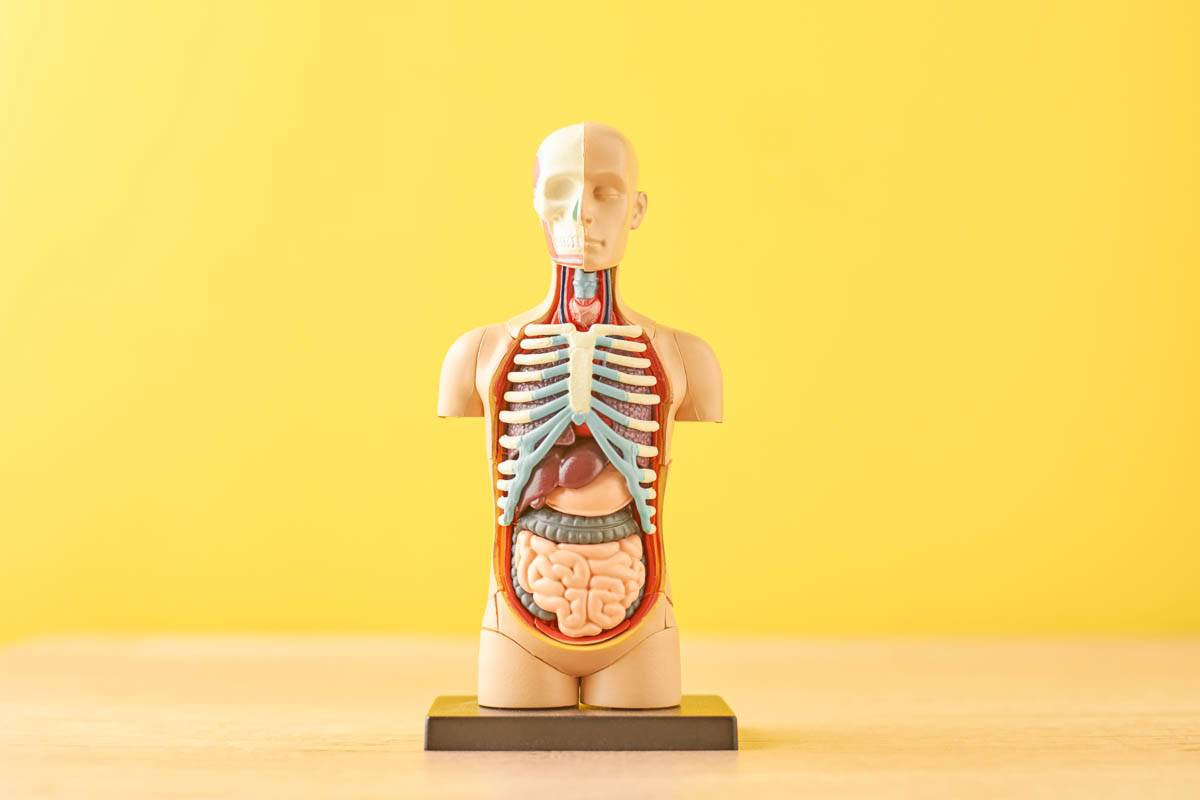
The abdominal cavity is covered by a membrane called the peritoneum. Inside, you’ll find organs like the stomach, intestines, liver, and kidneys. Knowing where these organs are and how they work helps us make better health choices.
It’s important to understand the abdominal meaning anatomy to spot and treat health issues. At Liv Hospital, we stress how knowing about the abdomen is vital for staying healthy.
Key Takeaways
- The abdomen contains vital organs essential for human function.
- The peritoneum lines the abdominal cavity, enclosing organs like the stomach and intestines.
- Understanding abdominal anatomy is key for making health decisions.
- The abdominal region controls digestion, waste, and reproduction.
- Knowing about abdominal structures is vital for diagnosing and treating health issues.
Understanding the Abdomen: Definition and Location
The abdomen is the area between the chest and the lower pelvis. It houses vital organs. This belly area is key to our health and well-being.
The abdomen has clear boundaries. Knowing these helps us understand its organs and their functions.
Basic Definition of the Abdominal Region
The abdominal region is a muscular wall covered in fatty tissue and skin. It shapes our body from the chest to the lower pelvis. It holds important organs like the stomach, intestines, liver, and kidneys.
These organs are vital for digestion and nutrient absorption. They also handle other essential bodily functions.
Anatomical Boundaries of the Abdomen
The abdomen starts below the diaphragm and goes to the lower pelvis. Its boundaries are:
- The diaphragm is at the top.
- The pelvic brim is at the bottom.
- The abdominal muscles and fascia are on the sides and front.
- The vertebral column and muscles are at the back.
Relationship to Other Body Regions
The abdomen is linked to the thoracic cavity above and the pelvic cavity below. The abdominal wall supports and protects the organs inside. It also aids in movements like bending and twisting.
Knowing the abdomen’s location and boundaries is vital for diagnosing and treating health issues. It shows how our body’s parts are connected.
The Nine Regions of the Abdomen
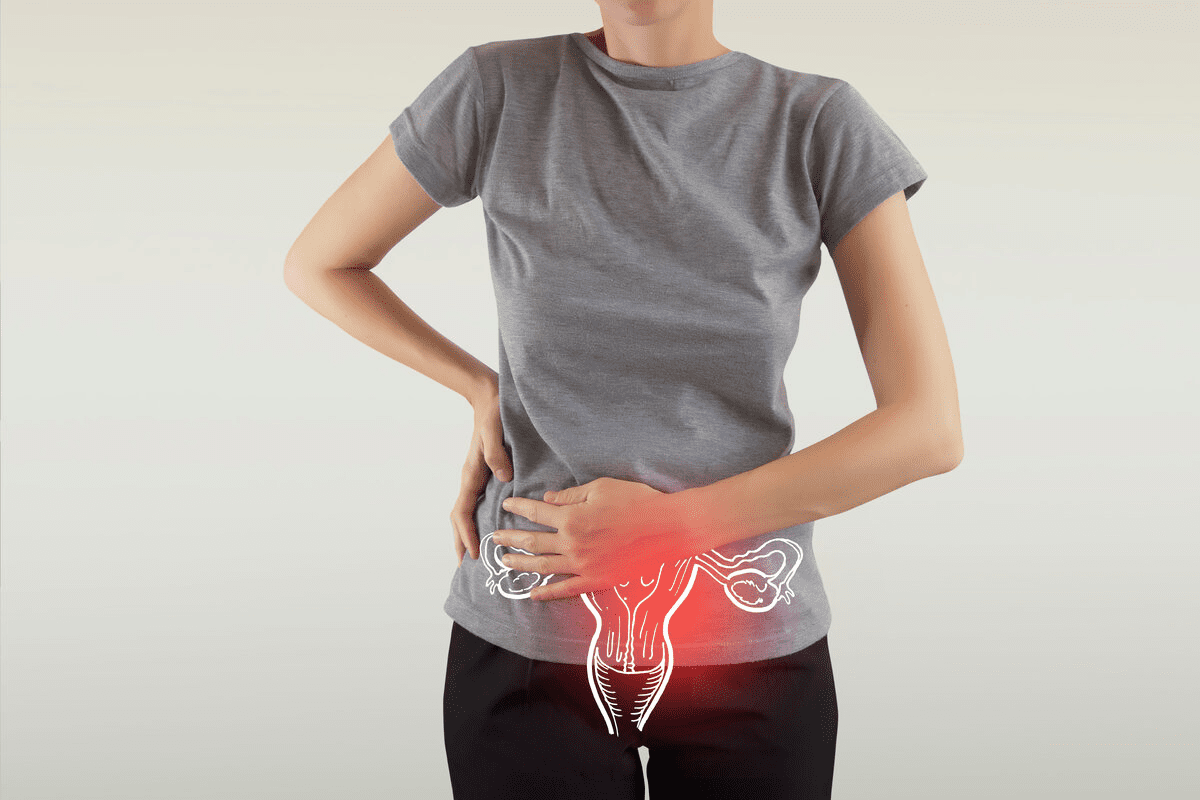
The abdomen is divided into nine parts for medical purposes. These parts are defined by specific landmarks. This helps doctors find and treat problems in the abdominal area.
Clinical Division System
Two horizontal and two vertical lines are drawn on the abdomen. The horizontal lines are at the ninth rib and the top of the iliac crest. The vertical lines are along the left and right mid-clavicular lines.
This creates nine distinct areas: the right and left hypochondriac, lumbar, and iliac regions. There are also the epigastric, umbilical, and hypogastric regions. Knowing these areas is key for understanding medical findings and images.
Importance in Medical Assessment and Diagnosis
Dividing the abdomen into nine parts helps doctors pinpoint and diagnose issues. This method is critical in medical practice and education. It offers a clear way to describe where pain or problems are located.
The nine-region system is very useful:
- It makes it easier for healthcare providers to talk about symptoms or findings.
- It helps match clinical findings with possible anatomy.
- It guides how to read diagnostic images.
Region | Location | Common Pathologies |
Right Hypochondriac | Right upper abdomen | Gallbladder disease, liver pathology |
Epigastric | Upper middle abdomen | Gastritis, peptic ulcer disease |
Left Hypochondriac | Left upper abdomen | Splenic pathology, stomach issues |
Using the nine-region system improves our grasp of abdominal anatomy. It also boosts our ability to diagnose and manage issues in this complex area.
Abdominal Wall Structure and Composition
The abdominal wall is made up of several layers that work together. These layers support and protect the organs inside. It’s not just a simple barrier; it’s a complex structure that keeps the abdominal cavity safe.
Skin and Subcutaneous Layers
The outermost layer is the skin, which protects us from the outside world. Underneath the skin is the subcutaneous tissue, a mix of fat and connective tissue. This layer helps keep us warm and cushions us.
The subcutaneous layer also has blood vessels and nerves. These supply the skin and the tissues below.
- The skin acts as the first line of defense against infections.
- The subcutaneous layer aids in the storage of fat, which can be metabolized when needed.
- This layer also contains superficial fascia, which is a layer of connective tissue that underlies the skin.
Fascial Layers
Underneath the subcutaneous tissue is the fascial layer, made of several layers of connective tissue. The fascia supports the abdominal muscles and organs. It acts as a framework that holds everything in place.
- The superficial fascia is in direct contact with the subcutaneous tissue.
- The deep fascia surrounds the muscles, providing them with support and enabling their contraction and relaxation.
- The transversalis fascia is a deeper layer that lies between the transverse abdominis muscle and the peritoneum.
Neurovascular Supply to the Abdominal Wall
The abdominal wall gets its neurovascular supply from nerves and blood vessels. The nerves come from the intercostal nerves (T7-T12) and the lumbar plexus. The blood supply comes from the superior and inferior epigastric arteries.
“The complex neurovascular supply to the abdominal wall showcases its importance in overall abdominal health and function.” –
A leading anatomist
In conclusion, the abdominal wall is a complex structure. It includes the skin, subcutaneous tissue, fascia, and muscles. Knowing about its layers and function helps us understand its role in protecting our organs and keeping us healthy.
Male Abdomen Anatomy: The Muscular System
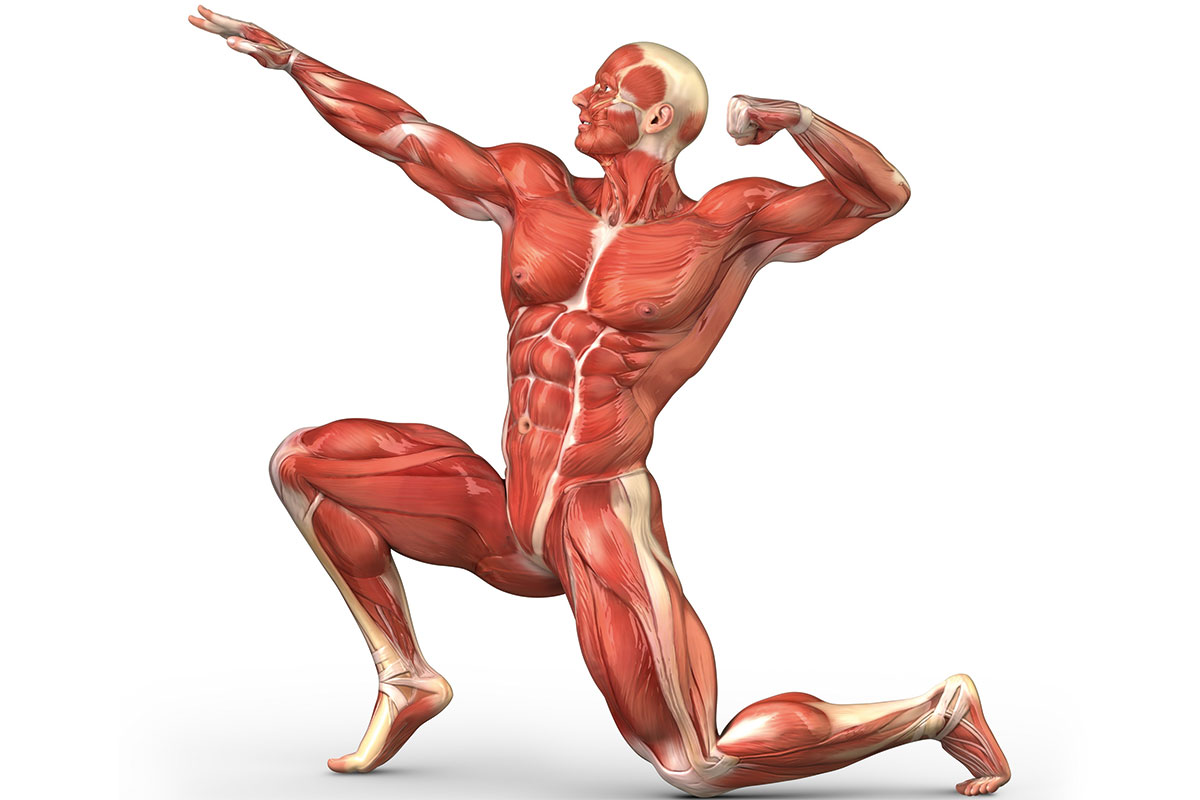
Knowing the muscles of the male abdomen is key for doctors and those who love human anatomy. These muscles help hold the body together, move it, and protect the organs inside.
The male abdomen has several muscle layers. These include the external obliques, internal obliques, transverse abdominis, and rectus abdominis. Together, they give the body strength, stability, and flexibility.
External Oblique Muscles
The external obliques are the outermost muscles. They start from the lower eight ribs and attach to the linea alba, pubic crest, and iliac crest. These muscles help turn the body and squeeze the belly.
Internal Oblique Muscles
The internal obliques are under the external obliques. They start from the iliac crest, inguinal ligament, and thoracolumbar fascia, and attach to the lower three ribs, linea alba, and pubic crest. They also help turn the body and squeeze the belly.
Transverse Abdominis
The transverse abdominis is the deepest muscle. It starts from the iliac crest, inguinal ligament, and thoracolumbar fascia, and attaches to the linea alba and pubic crest. This muscle is key in squeezing the belly and stabilizing the spine.
Rectus Abdominis
The rectus abdominis runs vertically from the pubic crest to the xiphoid process. It is covered by a fibrous sheath. This muscle helps bend the back and squeeze the belly.
Muscle | Origin | Insertion | Function |
External Oblique | Lower 8 ribs | Linea alba, pubic crest, iliac crest | Rotate torso, compress abdomen |
Internal Oblique | Iliac crest, inguinal ligament, thoracolumbar fascia | Lower 3 ribs, linea alba, pubic crest | Rotate torso, compress abdomen |
Transverse Abdominis | Iliac crest, inguinal ligament, thoracolumbar fascia | Linea alba, pubic crest | Compress abdomen, stabilize spine |
Rectus Abdominis | Pubic crest | Xiphoid process | Flex lumbar spine, compress abdomen |
As noted by a leading anatomist,
“The abdominal muscles are key for keeping the core stable and helping with movement. Knowing their anatomy is vital for doctors and sports medicine.”
In summary, the muscles of the male abdomen are complex and vital. They support the body and help it move. Understanding these muscles helps us appreciate the human body and treat belly injuries and conditions better.
The Peritoneum: The Protective Abdominal Membrane
The peritoneum is a key part of the abdominal anatomy. It acts as a shield for the organs inside. This membrane lines the abdominal cavity and covers the organs, supporting and protecting them.
Structure and Function
The peritoneum is made up of mesothelial cells. These cells line the abdominal cavity and cover the organs. Its main job is to reduce friction between organs and the abdominal wall, allowing for smooth movement. It also helps in the exchange of fluids and nutrients between organs and the bloodstream.
The peritoneum’s structure is complex, consisting of two main layers: the parietal peritoneum, which lines the abdominal wall, and the visceral peritoneum, which covers the organs. This dual-layer structure is key to its function.
Parietal vs. Visceral Peritoneum
The parietal and visceral peritoneum are different. The parietal peritoneum sticks to the abdominal wall, while the visceral peritoneum sticks to the organs. This difference is important for understanding the peritoneum’s role.
The parietal peritoneum is sensitive to pain because it’s innervated with somatic nerves. On the other hand, the visceral peritoneum is less sensitive to pain but responds to stretch and inflammation.
Peritoneal Spaces and Clinical Significance
The peritoneum has several spaces within the abdominal cavity. These spaces are important because they can collect fluid, infection, or tumor spread.
Peritoneal Space | Location | Clinical Significance |
Greater Sac | Main compartment of the peritoneal cavity | Common site for peritoneal fluid accumulation |
Lesser Sac | Behind the stomach and liver | Can be involved in pancreatitis or tumor spread |
Paracolic Gutters | Alongside the ascending and descending colon | Pathways for fluid spread or infection |
A study shows that the peritoneum is vital in many abdominal diseases, like peritonitis and carcinomatosis.
“Understanding the anatomy and function of the peritoneum is essential for the diagnosis and treatment of abdominal conditions.”
— Medical Research Journal
Digestive Organs in the Male Abdomen
In the male abdomen, several key digestive organs work together. They help with digestion and nutrient absorption. These organs are vital for our health and well-being.
Liver: Structure and Function
The liver is one of the largest and most vital organs in the abdominal cavity. It performs many functions. It makes bile, which is key for fat digestion. The liver also detoxifies, metabolizes, and stores glycogen.
Stomach and Its Regions
The stomach is a sac-like organ that secretes gastric juice. This juice contains enzymes and acids that break down food. The stomach has several regions, each with its own function.
Small and Large Intestines
The small intestine is key for nutrient absorption. It has a large surface area and special lining. The large intestine, or colon, absorbs water and electrolytes. It also houses a lot of the body’s microbiome.
- The small intestine is divided into the duodenum, jejunum, and ileum.
- The large intestine includes the cecum, colon, rectum, and anus.
Pancreas and Its Dual Role
The pancreas has a unique role in both digestion and endocrine function. It makes digestive enzymes for the small intestine. These enzymes break down carbs, proteins, and fats. The pancreas also produces hormones like insulin and glucagon for glucose regulation.
Understanding these digestive organs is key. It shows the complexity of the human digestive system. It also highlights the importance of maintaining abdominal health.
Additional Vital Organs in the Abdomen
The abdomen is more than just the digestive system. It houses vital organs like the spleen and adrenal glands. These organs are key to our health, filtering blood and making hormones.
Spleen: Location and Functions
The spleen sits in the upper left part of the abdomen. It’s a big part of our immune system. It filters blood, gets rid of old red blood cells, and recycles iron.
The spleen also stores lymphocytes. These cells help fight off infections by being released into the blood.
Adrenal Glands
The adrenal glands sit on top of each kidney. They make hormones like adrenaline and cortisol. These hormones help control our metabolism, stress response, and blood pressure.
Relationship Between Abdominal Organs
The organs in the abdominal cavity work together. For example, the spleen helps the liver by filtering blood. The adrenal glands make hormones that affect many bodily systems.
Some important connections include:
- The spleen and liver work together to filter and detoxify the blood.
- The adrenal glands interact with the kidneys to regulate blood pressure and electrolyte balance.
- The pancreas produces digestive enzymes that work in conjunction with the stomach and intestines to facilitate nutrient absorption.
Understanding these relationships helps us diagnose and treat abdominal issues. A holistic approach to abdominal health is essential. It considers the complex connections between organs in the abdominal cavity.
Urinary System Components in the Abdomen
In the abdominal area, we find important parts of the urinary system. These include the kidneys, ureters, and bladder. They work together to filter waste, keep electrolyte levels right, and balance acid and base.
Kidneys: Location and Function
The kidneys are shaped like beans and sit in the back of the body. They are on each side of the spine. These organs are key in filtering blood, removing waste, and controlling many body functions.
Kidney Functions:
- Filtering waste and excess fluids from the blood
- Regulating electrolyte levels
- Maintaining acid-base balance
- Producing hormones that help regulate blood pressure and stimulate red blood cell production
Ureters and Their Path
The ureters are muscular tubes that carry urine from the kidneys to the bladder. They are covered in urothelial cells and have smooth muscle. This muscle helps push urine down through a process called peristalsis.
The ureters’ path: They start from the renal pelvis of each kidney. Then, they go through the retroperitoneal space and enter the bladder at the trigone area.
Bladder Anatomy in Males
The bladder is a muscular, hollow organ that holds urine until it’s time to go. In males, it’s found in the pelvis, in front of the rectum.
The bladder’s anatomy includes:
Layer | Description |
Mucosa | Lined with urothelial cells, allowing for stretching and distension |
Submucosa | Contains blood vessels and nerves |
Muscularis | Comprised of smooth muscle, enabling contraction and relaxation |
We’ve looked at the main parts of the urinary system in the abdominal cavity. We’ve talked about their structure and function. Knowing these details is key for diagnosing and treating problems.
Male-Specific Abdominal Features
We look at the unique parts of the male abdomen. These parts are key to understanding men’s health and body structure.
The Inguinal Canal and Spermatic Cord
The inguinal canal is a key path through the abdominal wall. It lets the spermatic cord pass through in males. This canal is vital for linking the testes to the rest of the reproductive system.
The spermatic cord, found in the inguinal canal, is very important. It has blood vessels, nerves, and the vas deferens. It’s needed for the male reproductive system to work right.
Differences Between Male and Female Abdominal Anatomy
Male and female abdominal structures differ, mainly because of reproductive functions. The presence of the inguinal canal and spermatic cord in males is a big difference.
Also, fat and muscle distribution can vary between men and women. This affects the look and structure of the abdomen.
Hormonal Influences on Male Abdominal Structure
Hormones, like testosterone, shape male abdominal anatomy. Testosterone helps build muscle and changes its distribution. This creates the typical male abdominal shape.
Knowing how hormones work is key to understanding male abdominal anatomy. It helps us see how it changes with different health conditions.
Vascular and Lymphatic Supply of the Abdomen
It’s important to know about the blood and lymph systems in the abdomen. These systems help the organs work right. The blood and lymph networks are complex and vital.
Major Arteries and Veins
The main artery, the abdominal aorta, brings blood to the organs in the belly. It splits into smaller arteries like the celiac trunk and the superior mesenteric artery. These arteries feed different parts of the digestive system.
The inferior vena cava is the main vein that takes blood away from the belly to the heart. This vein is key for the heart to get the blood it needs.
The veins in the belly are just as complex. The inferior vena cava gets blood from many places, like the kidneys and liver. Knowing about these veins helps doctors find and fix problems in the belly.
Lymphatic Drainage Patterns
The lymph system in the belly is important for fighting off infections and getting rid of waste. Lymph vessels go with the blood vessels, taking lymph to lymph nodes. The lymph nodes near the aorta are very important. They help clean the lymph and catch bad guys.
The way lymph moves in the belly is complex. It can change if there’s disease or injury. Knowing this helps doctors find and treat problems like lymphoma or cancer that has spread.
Clinical Implications of Abdominal Vasculature
Problems with the blood vessels in the belly can be serious. Issues like aneurysms or blood clots can lead to organ failure or even death. Doctors need to know about the blood vessels to plan surgeries.
Also, knowing about the lymph system is key for treating cancer. Cancer often spreads through the lymph, so understanding how it moves is critical for treatment.
Conclusion: The Importance of Understanding Male Abdominal Anatomy
Knowing about male abdominal anatomy is key for spotting and treating health issues. It helps us give top-notch care and improve health results. The belly area is complex, with many organs and structures. We need to understand it well to diagnose and treat problems accurately.
Understanding the belly’s anatomy is very important. Doctors need to know the belly well to make good treatment plans. Knowing the belly’s details helps us see how all the organs work together. This leads to better diagnoses and treatments.
As medical science gets better, knowing about the belly’s anatomy stays vital. We must keep studying and understanding this complex area. This ensures the best care for our patients.
FAQ
What is the abdomen in the human body?
The abdomen is a complex area in the body. It houses vital organs like the liver, stomach, and intestines. It also includes the kidneys, spleen, pancreas, bladder, and adrenal glands. The diaphragm is above it, and the pelvic brim is below.
Where is the abdomen located?
The abdomen sits between the chest and pelvis. It’s a key area in the body.
What are the nine regions of the abdomen?
The abdomen is divided into nine regions for medical purposes. This helps doctors find and treat problems in the area.
What is the abdominal wall composed of?
The abdominal wall has several layers. It includes skin, subcutaneous tissue, fascia, and muscles. The muscles are the external obliques, internal obliques, transverse abdominis, and rectus abdominis.
What is the peritoneum, and what is its function?
The peritoneum is a protective layer in the abdomen. It lines the cavity and covers the organs. It’s made of parietal and visceral layers and supports the organs.
What are the vital digestive organs in the male abdomen?
The male abdomen has important digestive organs. These include the liver, stomach, small and large intestines, and pancreas. Each organ has a unique role in digestion.
What is the role of the spleen in the abdomen?
The spleen is a vital organ in the abdomen. It filters the blood and stores red blood cells.
What is the urinary system in the abdomen?
The urinary system includes the kidneys, ureters, and bladder. It filters waste and excess fluids from the body.
What are the male-specific features of the abdomen?
The male abdomen has unique features. It includes the inguinal canal and spermatic cord. Hormones also influence the male abdominal structure.
Why is understanding male abdominal anatomy important?
Knowing male abdominal anatomy is key for doctors. It helps them diagnose and treat conditions accurately. This improves health outcomes.
What is the abdominal vasculature?
The abdominal vasculature is a network of arteries and veins. It supplies blood to the abdominal organs. It’s essential for their function and health.
What is the lymphatic drainage system of the abdomen?
The lymphatic system removes waste and excess fluids from the abdomen. It helps maintain health and prevent disease.
References
National Center for Biotechnology Information. Abdomen Anatomy: Complete Guide for Males. Retrieved from https://www.ncbi.nlm.nih.gov/books/NBK537350/