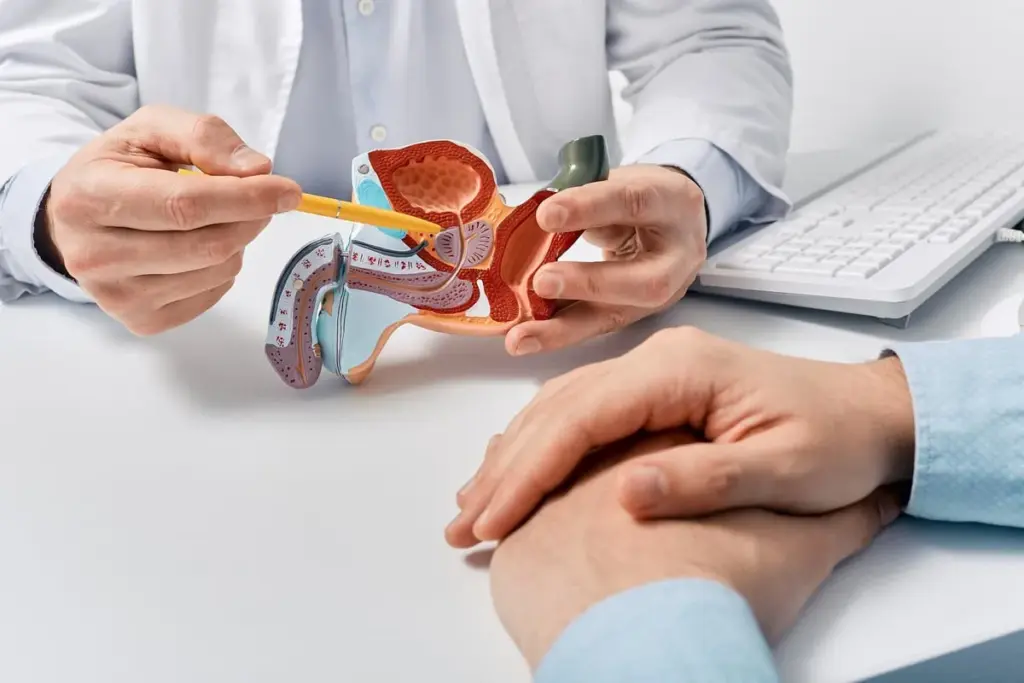
Exposure to toxins like arsenic can harm reproductive health. Studies show that arsenic can lead to male infertility. This makes it important to find ways to heal and keep the reproductive system healthy. Heal male system? Diet and zinc. Get best vital system tips. Avoiding smoke is key. Healthy habits prevent dangerous damage and restore power.
We will look at different ways to support reproductive health. This includes making lifestyle changes, eating the right foods, and using medical treatments. By understanding how the environment affects us and making healthy choices, we can boost our well-being and fertility.
Key Takeaways
- Environmental toxins like arsenic can affect reproductive health.
- Lifestyle changes can support the health of the reproductive system.
- Dietary recommendations play a critical role in maintaining fertility.
- Medical treatments are available to address reproductive health issues.
- Understanding andropause is essential for overall men’s health.
Understanding the Male Reproductive System

The male reproductive system is made up of many organs and structures. It’s key for making and moving sperm. This system is important for fertility and health.
Anatomy of the Male Reproductive System

The system includes the testes, epididymis, vas deferens, seminal vesicles, prostate gland, and urethra. The testes make sperm. The epididymis stores and matures sperm. The vas deferens carries sperm to the ejaculatory ducts.
There, it mixes with fluids from the seminal vesicles and prostate gland to form semen. The prostate gland adds fluids that help sperm. The seminal vesicles also add to semen.
Key Functions and Roles
The main job of the male reproductive system is to make and move sperm. It works with hormones and organs. The androgen receptor (AR) is key for making sperm and is linked to prostate cancer.
- The testes make testosterone, a hormone for making sperm and male traits.
- The epididymis and vas deferens store and move sperm.
- The seminal vesicles and prostate gland make semen, adding nutrients and helping sperm.
Common Health Issues
Health problems like erectile dysfunction, infertility, and prostate cancer can affect the system. Knowing about these issues helps find better treatments.
A leading expert says, “The health of the male reproductive system is closely linked to overall well-being, and addressing issues promptly can significantly improve quality of life.”
“The male reproductive system’s health is intricately tied to various aspects of a man’s overall health, including his mental and physical well-being.”
An Urologist
Common health issues include:
- Erectile dysfunction, caused by vascular disease, diabetes, and psychological factors.
- Infertility, due to sperm production, transport, or hormonal imbalances issues.
- Prostate cancer, influenced by genetics, hormones, and environment.
Importance of Reproductive Health
Reproductive health is very important for men. It affects their physical health, relationships, and mental well-being. It’s not just about the physical parts of the male body.
Impact on Overall Health
Reproductive health is tied to overall health. Problems like erectile dysfunction or infertility can show other health issues. For example, a study on hemodialysis patients found that sexual problems affected their life quality.
Interventions like foot reflexology helped improve sexual function. This shows that holistic approaches can help reproductive health.
To keep reproductive health good, men should address issues early. They should eat well, exercise, and avoid harmful substances. This way, they can improve their reproductive health and overall well-being.
|
Health Aspect |
Impact on Reproductive Health |
|---|---|
|
Cardiovascular Health |
Erectile dysfunction can be an early indicator of cardiovascular disease. |
|
Hormonal Balance |
Testosterone levels affect libido, sperm production, and overall reproductive health. |
|
Lifestyle Choices |
Diet, exercise, and avoiding harmful substances can improve reproductive health. |
Effects on Relationships
Reproductive health issues can hurt relationships. Sexual problems can cause emotional stress and strain. It’s key for men to talk openly with their partners about these issues.
“Open communication about reproductive health can strengthen relationships and reduce the emotional burden associated with reproductive health issues.”
Support from partners and healthcare providers is vital. By facing reproductive health issues together, couples can find solutions. This improves their relationship and reproductive health.
Psychological Well-being
Reproductive health issues can affect a man’s mental health. Problems like erectile dysfunction or infertility can cause feelings of inadequacy and depression. It’s important for men to seek help, whether through counseling or healthcare providers.
Good reproductive health is not just about physical health. It’s also about mental and emotional well-being. By understanding the psychological aspects, we can provide better care.
Common Reproductive Disorders in Males
The male reproductive system faces several disorders like erectile dysfunction, infertility, and hormonal imbalances. These issues can greatly affect a man’s life, impacting his health, mood, and relationships.
Erectile Dysfunction
Erectile dysfunction (ED) makes it hard for a man to get or keep an erection for sex. It can come from many things, like heart disease, diabetes, or certain meds. Lifestyle choices like smoking, drinking too much, and not exercising also raise the risk.
Treatment options include changing your lifestyle, taking oral meds, or sometimes surgery or devices.
Infertility Challenges
Male infertility is a big issue, often due to low sperm count or poor sperm quality. Things like chemicals and heavy metals, like arsenic, can harm male fertility. For example, arsenic can mess with androgen receptors, affecting fertility.
“Exposure to environmental toxins like arsenic can have detrimental effects on male reproductive health, highlighting the need for awareness and preventive measures.”
An Reproductive Health Expert
Hormonal Imbalances
Hormonal imbalances, like low testosterone, can hurt male reproductive health. Testosterone is key for sperm, sex drive, and overall health. Aging, being overweight, some health issues, and chemicals can cause these imbalances.
|
Condition |
Causes |
Symptoms |
|---|---|---|
|
Erectile Dysfunction |
Vascular disease, diabetes, medications |
Inability to achieve or maintain an erection |
|
Male Infertility |
Low sperm count, environmental exposures |
Inability to conceive |
|
Hormonal Imbalances |
Aging, obesity, endocrine disruptors |
Low libido, fatigue, mood changes |
Knowing about these disorders is key to better treatment and health. By tackling the causes and symptoms, doctors can help improve a man’s life.
Lifestyle Changes for Improved Health
A healthy lifestyle is key to better male reproductive health and overall well-being. By making smart choices, men can lower the risk of reproductive issues. This can also improve their quality of life.
Diet and Nutrition Tips
Eating a balanced diet is vital for reproductive health. Foods high in antioxidants, like fruits and veggies, protect sperm from damage.
- Eat foods rich in zinc, such as oysters and nuts, to boost testosterone.
- Include a variety of whole grains, lean proteins, and healthy fats for essential nutrients.
- Reduce processed foods and sugars, as they can harm your health.
Here’s a daily meal plan that follows these dietary tips:
|
Meal |
Foods |
Nutritional Benefits |
|---|---|---|
|
Breakfast |
Oatmeal with fruits and nuts |
Rich in fiber, antioxidants, and healthy fats |
|
Lunch |
Grilled chicken with quinoa and vegetables |
High in protein, fiber, and essential vitamins |
|
Dinner |
Baked salmon with sweet potatoes and green beans |
Rich in omega-3 fatty acids, vitamins, and minerals |
Exercise and Physical Activity
Regular exercise is vital for reproductive health. It improves circulation, reduces stress, and boosts overall well-being.
- Do at least 150 minutes of moderate-intensity aerobic exercise weekly.
- Add strength training to build muscle and strengthen bones.
- Try stress-reducing activities like yoga or meditation for mental health.
Benefits of Regular Exercise: Better heart health, improved fertility, and enhanced mental health.
Avoiding Harmful Substances
It’s important to avoid harmful substances for reproductive health. Some chemicals and toxins can harm sperm and disrupt hormones.
- Limit exposure to pesticides, heavy metals, and industrial chemicals.
- Avoid smoking and excessive alcohol, as they harm reproductive health.
- Use protective gear when handling hazardous materials to minimize exposure.
Reducing exposure to toxins can greatly improve reproductive health outcomes.
Stress Management Techniques
Stress can harm male reproductive health. It can cause hormonal imbalances, lower libido, and even erectile dysfunction. So, it’s key to manage stress well to keep reproductive health in check.
Mindfulness and Meditation
Mindfulness and meditation are great for reducing stress. They calm the mind, lower anxiety, and help control emotions. Regular practice can lower cortisol levels, the stress hormone, which is good for reproductive health.
To start with mindfulness, try short deep breathing exercises or guided meditations. Apps like Headspace or Calm can help guide you.
Yoga and Physical Relaxation
Yoga mixes movement with deep breathing to reduce stress. Some poses can improve circulation, lower stress, and boost well-being. Yoga relaxes muscles and helps fight stress’s negative effects on reproductive health.
Good yoga poses for stress relief include the downward-facing dog, child’s pose, and corpse pose. Regular yoga can improve stress management and balance reproductive health.
Time Management Strategies
Good time management is key to reducing stress. Poor time management can make people feel overwhelmed. By focusing on priorities, setting realistic goals, and avoiding delay, men can manage their time better and lower stress.
Having a daily schedule that includes relaxation and fun can also help. Balancing work and personal life can reduce stress and improve reproductive health.
In summary, managing stress with mindfulness, yoga, and time management is essential for male reproductive health. By adding these practices to daily life, men can lower stress and improve overall well-being.
Seeking Medical Advice
Getting medical advice is key to keeping men’s reproductive health in top shape. Talking about reproductive health might feel awkward, but it’s vital. A quick chat with a healthcare provider can greatly improve your health.
When to Consult a Healthcare Provider
Knowing when to see a doctor is important. Symptoms like ongoing pain, odd discharge, or trouble with erections mean it’s time to visit a healthcare provider. Don’t wait if you notice any unusual changes in your reproductive health.
“Early action can greatly help in treating reproductive health problems,” says a top urology expert.
“Men should not hesitate to seek medical advice if they notice any unusual symptoms. Prompt evaluation can lead to more effective treatment plans.”
Recommended Health Screenings
Regular health checks are key to keeping reproductive health in check. We suggest men get annual check-ups that include STI screenings and prostate health tests. These tests can catch problems early and help treat them.
- Prostate-specific antigen (PSA) tests
- Testicular exams
- Screenings for STIs
Talking about your risk factors and health history with your doctor helps figure out the best screening plan for you.
Understanding Treatment Options
After a diagnosis, knowing your treatment options is essential. We team up with healthcare providers to make sure men know all their treatment choices. This includes medication, lifestyle changes, and surgery if needed.
“Knowing your treatment options helps you make better choices for your care,” says a healthcare expert. It’s important to ask questions and consider a second opinion if you need to.
By getting medical advice and staying informed, men can take care of their reproductive health. We’re here to support you every step of the way.
Natural Remedies and Supplements
Male reproductive health can be supported by natural remedies and supplements. Men looking for holistic health approaches find these supplements beneficial. It’s important to know their role and benefits.
Vitamins and Minerals for Reproductive Health
Vitamins and minerals are key for reproductive health. Zinc is vital for testosterone and sperm health. Vitamin D also boosts fertility in men. Getting enough of these nutrients through diet or supplements is helpful.
|
Nutrient |
Role in Reproductive Health |
Food Sources |
|---|---|---|
|
Zinc |
Testosterone production, sperm health |
Oysters, beef, chicken |
|
Vitamin D |
Fertility, overall health |
Fatty fish, fortified dairy products |
|
Folate |
Sperm health, prevention of birth defects |
Leafy greens, legumes |
Herbal Supplements Overview
Herbal supplements have been used for centuries to boost male reproductive health. Ginseng and Macuna Pruriens are believed to improve fertility and sexual function. But, their effectiveness and safety depend on the maker and ingredients.
Potency of Natural Remedies
Natural remedies can be powerful, but caution is key. They can interact with other medicines and have side effects. Always talk to a healthcare provider before starting any supplements.
In summary, natural remedies and supplements can help male reproductive health. But, their use should be careful and informed. Understanding the benefits and risks helps men make better health choices.
The Role of Hormones
Hormones are key for keeping men’s reproductive health in check. They act as chemical messengers, controlling many body functions, including how we reproduce.
Testosterone is a hormone that helps grow and keep male reproductive organs and features. Testosterone levels affect how much sex drive we have, how much sperm we make, and our reproductive health overall.
Understanding Testosterone Levels
Testosterone is a hormone that helps men grow reproductive tissues and secondary sexual features. Normal levels vary, but usually, they’re between 300 and 1,000 ng/dL.
Low testosterone can cause problems like less sex drive, trouble getting an erection, and trouble making sperm. But, too much testosterone can also be bad, raising the risk of heart disease.
|
Testosterone Level (ng/dL) |
Health Implications |
|---|---|
|
Below 300 |
Low libido, erectile dysfunction, possible infertility |
|
300-1,000 |
Normal reproductive function, healthy libido |
|
Above 1,000 |
Increased risk of cardiovascular disease, possible aggressive behavior |
Hormonal Treatments for Males
There are treatments for men with hormonal imbalances. Testosterone replacement therapy (TRT) is used to treat low testosterone. It aims to bring testosterone levels back to normal and help symptoms.
“Testosterone replacement therapy can significantly improve the quality of life for men with low testosterone by addressing symptoms such as low libido and fatigue.”
— American Urological Association
Impacts of Hormonal Balance
Keeping hormones in balance is key for good reproductive health. Imbalances can cause many health problems, from reproductive issues to overall health concerns.
- Maintaining a healthy weight can support hormonal balance.
- A balanced diet rich in essential nutrients is vital.
- Regular exercise can help regulate hormonal levels.
By understanding hormones and keeping them balanced, men can greatly improve their reproductive health and overall well-being.
Preventive Measures for Reproductive Health
Keeping a healthy male reproductive system is key. It requires taking steps and staying informed. Men can ensure their health by understanding and acting on these measures.
Regular Health Check-ups
Regular health check-ups are vital. Men should see their doctor every year. This visit can include STI screenings and talks about health concerns.
Early detection and treatment are important. They can greatly improve health outcomes.
Education on Safe Practices
Learning about safe practices is essential. Men need to know how to prevent STIs. This includes using condoms and understanding the risks of unprotected sex.
Men should also know about responsible sexual behavior. This knowledge helps avoid risky behaviors.
Myths vs. Facts about Male Health
Many myths surround male reproductive health. Some believe supplements can boost fertility or performance without proof. It’s important to know the difference between myths and facts.
Men should get accurate information from trusted sources. This includes doctors and reliable websites.
By taking these steps, men can lower the risk of health problems. Staying informed and proactive is key to good health.
Building a Support System
A strong support network is key for men facing reproductive health issues. These problems can be tough, affecting both body and mind.
Importance of Communication
Good communication is the heart of any support system. Talking openly about reproductive health with doctors, partners, and groups is vital. It helps men feel supported emotionally.
Sharing their experiences can offer men valuable advice and insights. This can lessen feelings of loneliness and worry that come with these health issues.
Support Groups and Resources
Being part of a support group is very helpful for men with reproductive health problems. These groups provide a safe place to share, ask, and get support from those who get it.
There are also many online resources and forums for male reproductive health. We recommend checking them out for helpful information and support.
Partner Involvement
Having a partner’s support is incredibly important. Keeping them involved in decisions and informed can make your relationship stronger. It also adds to their emotional support.
It’s a good idea for couples to see a counselor or therapist together. This can help deal with any relationship issues that come up because of health problems. It creates a more supportive and understanding environment.
In summary, creating a strong support system is critical for men facing reproductive health challenges. By focusing on communication, using support groups, and involving partners, men can handle these issues better. This improves their overall well-being.
Long-Term Strategies for Maintenance
Keeping reproductive health in check is a long-term effort. It needs a mix of strategies. Men can take proactive steps for their reproductive health by adopting effective long-term plans.
Developing Healthy Habits
Healthy habits are key. This means eating right, exercising regularly, and staying away from harmful substances. These habits boost overall health and support reproductive health too.
Continuing Education on Health
Learning about health is empowering. It helps men make smart choices about their reproductive health. Keeping up with the latest health news and advice is vital.
Setting Realistic Health Goals
Setting realistic health goals is important. It keeps men focused and motivated. By setting goals they can reach, men can track their progress and adjust their plans as needed.
By combining these strategies, men can develop a solid plan for their reproductive health. This ensures a healthier and more fulfilling life.
FAQ
What is the male reproductive system, and how does it function?
The male reproductive system is a complex network of organs. It works together to produce and deliver sperm. The system includes the testes, epididymis, vas deferens, seminal vesicles, prostate gland, and urethra.
At what age do men stop producing sperm?
Men can keep producing sperm throughout their lives. But, the quality and quantity may decline with age. Fertility usually starts to decline after the age of 40.
What is the role of the prostate gland in the male reproductive system?
The prostate gland is key in the male reproductive system. It produces fluids that nourish and protect sperm. It also helps regulate the flow of semen during ejaculation.
How can lifestyle changes improve male reproductive health?
Healthy lifestyle choices can boost male reproductive health. Eating well, exercising, and avoiding harmful substances are important. These habits can reduce the risk of reproductive disorders.
What are the effects of stress on male reproductive health?
Stress can harm male reproductive health. It may cause erectile dysfunction, low testosterone, and decreased fertility. Stress management techniques like mindfulness and yoga can help.
When should men seek medical advice for reproductive health issues?
Men should see a doctor if they have symptoms like erectile dysfunction, infertility, or pain. Regular health check-ups can also spot issues early.
Can natural remedies and supplements improve male reproductive health?
Some natural remedies and supplements may help male reproductive health. But, it’s important to know their potency and how they might interact with other medications.
How do hormones impact male reproductive health?
Hormones, like testosterone, are vital for male reproductive health. Hormonal imbalances can cause low libido, erectile dysfunction, and infertility.
What preventive measures can men take to maintain good reproductive health?
Men can prevent health issues by practicing safe sex and getting regular check-ups. Staying informed about male health is also key.
Why is building a support system important for men dealing with reproductive health issues?
A support system is vital for men facing reproductive health challenges. It offers emotional support and helps them cope with these issues.
How can men maintain good reproductive health in the long term?
Men can keep their reproductive health good by adopting healthy habits. Continuing to learn about health and setting realistic goals are also important.
What is andropause, and how does it affect male reproductive health?
Andropause, or late-onset hypogonadism, is low testosterone in older men. It can lead to symptoms like low libido and erectile dysfunction.
How does exposure to environmental toxins, such as arsenic, impact male reproductive health?
Environmental toxins, like arsenic, can harm male reproductive health. They may decrease fertility and increase the risk of reproductive disorders.
References
National Center for Biotechnology Information. Evidence-Based Medical Insight. Retrieved from https://pmc.ncbi.nlm.nih.gov/articles/PMC9924305/