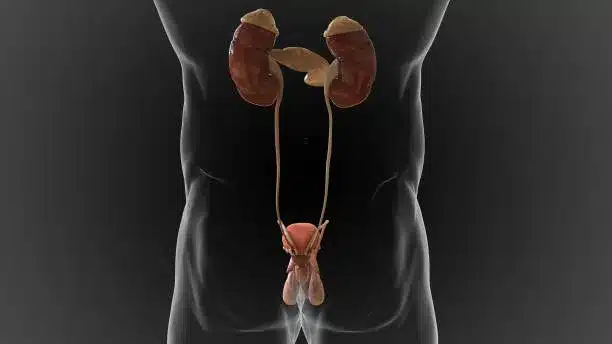
Maintaining a healthy reproductive system is crucial for overall well-being and fertility. Understanding the anatomy and functions of the male reproductive system is the first step towards achieving this goal.
Adopting a balanced diet, exercising regularly, managing stress, and avoiding harmful habits are essential for men’s wellness. A healthy lifestyle can significantly impact the overall health of the reproductive system.
Key Takeaways
- Understand the anatomy and functions of the male reproductive system.
- Adopt a balanced diet rich in essential nutrients.
- Exercise regularly to maintain overall health.
- Manage stress through relaxation techniques.
- Avoid harmful habits such as smoking and excessive drinking.
1. Understanding the Male Reproductive System
Understanding the intricacies of the male reproductive system is essential for maintaining optimal reproductive health. The male reproductive system is a complex system that plays a vital role in fertility and overall well-being.
Anatomy of the Male Reproductive System
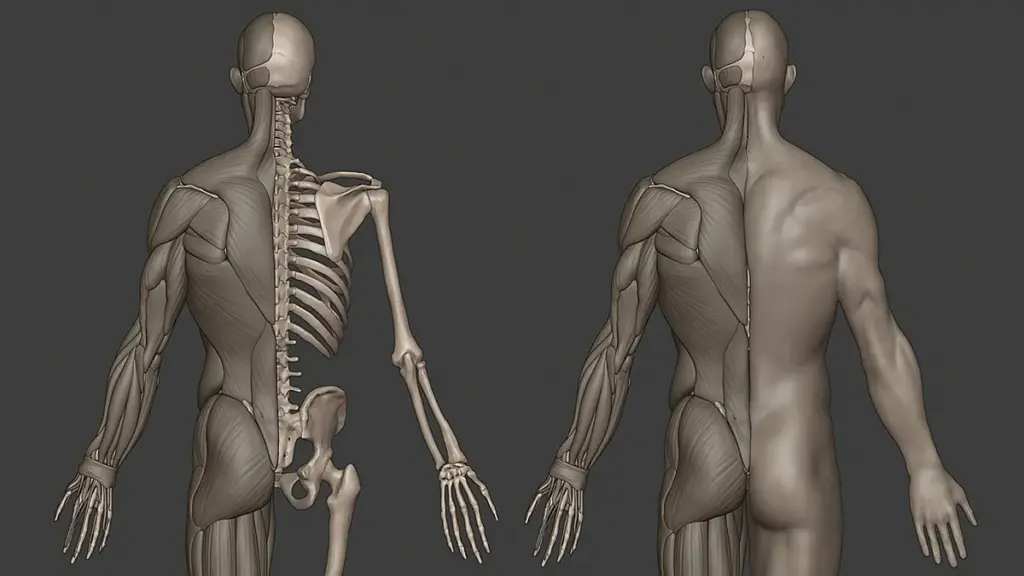
The anatomy of the male reproductive system includes several key components: the testes, where sperm is produced; the epididymis, where sperm matures and is stored; the vas deferens, a muscular tube that carries sperm; the seminal vesicles, which produce seminal fluid; the prostate gland, contributing additional fluids to semen; and the urethra, the tube through which semen is ejaculated.
Each part of the male reproductive system has a unique function. For instance, the testes are responsible for producing sperm cells or spermatozoa, which are crucial for fertilization. The epididymis is where sperm morphology and sperm motility develop, ensuring that sperm are capable of fertilizing an egg.
Functions of the Male Reproductive System

The primary functions of the male reproductive system include producing testosterone, a hormone essential for male characteristics and reproductive processes; sperm production, or spermatogenesis; and ejaculation, the process by which sperm is released from the body.
- Sperm production is a continuous process that occurs within the testes.
- Sperm motility and sperm morphology are critical for successful fertilization.
- Understanding how long sperm live inside and outside the body can provide insights into fertility.
Maintaining the health of the male reproductive system involves understanding its anatomy and functions. Factors such as sperm retention and overall reproductive health are influenced by lifestyle, nutrition, and overall health.
2. Importance of Male Reproductive Health
Male reproductive health is a vital aspect of a man’s overall health, influencing fertility, sexual performance, and the risk of various health issues. A healthy reproductive system is essential for the production of sperm and testosterone, which are critical for fertility and sexual function.
Preventing Infertility
Infertility affects a significant number of couples worldwide, and male factors are responsible for about 50% of these cases. Maintaining a healthy lifestyle, including a balanced diet rich in antioxidants, vitamins, and minerals, can help prevent infertility. Foods high in zinc, such as oysters and nuts, are particularly beneficial for sperm health. Additionally, avoiding excessive heat, reducing stress, and limiting exposure to toxins can also support sperm production and quality.
For men looking to improve their fertility, certain supplements like male fertility supplements can be beneficial. These supplements often contain ingredients that help improve sperm count and motility. However, it’s crucial to consult with a healthcare provider before starting any supplement regimen to ensure safety and efficacy.
Enhancing Sexual Performance
Sexual performance is closely linked to overall reproductive health. Factors such as cardiovascular health, hormone levels, and psychological well-being play significant roles. Regular exercise, a healthy diet, and adequate sleep can enhance sexual performance by improving blood flow and boosting testosterone levels.
Moreover, managing stress through techniques like meditation or yoga can also positively impact sexual function. For some men, addressing underlying health issues, such as erectile dysfunction, with the help of a healthcare provider is necessary.
Reducing the Risk of Health Issues
Maintaining reproductive health also involves reducing the risk of health issues such as testicular cancer and prostate problems. Regular self-examinations and check-ups with a healthcare provider can lead to early detection and treatment of these conditions.
A healthy lifestyle, including a balanced diet and regular physical activity, can also reduce the risk of prostate issues. Furthermore, being aware of family medical history and discussing it with a healthcare provider can help in assessing and mitigating risks.
3. Nutrition for a Healthy Male Reproductive System
Nutrition is fundamental to the overall health and functioning of the male reproductive system. A diet rich in essential nutrients can significantly enhance sperm quality and overall reproductive health.
Essential Nutrients: Vitamins and Minerals
Vitamins and minerals play a crucial role in maintaining reproductive health. Zinc, for example, is vital for sperm production and testosterone regulation. Foods high in antioxidants, such as vitamins C and E, help protect sperm from damage.
Some key nutrients include:
- Zinc: Found in oysters, beef, and chicken, zinc supports testosterone production and sperm health.
- Folate: Important for preventing birth defects, folate is found in leafy greens and fortified cereals.
- Vitamin D: Crucial for overall health, vitamin D is obtained through sunlight exposure, supplements, and fortified foods.
Foods to Include in Your Diet
Incorporating certain foods into your diet can support male reproductive health. Leafy greens, berries, and fatty fish are among the beneficial foods due to their high content of antioxidants and essential nutrients.
|
Food |
Nutrient |
Benefit |
|---|---|---|
|
Oysters |
Zinc |
Supports testosterone production |
|
Spinach |
Folate |
Prevents birth defects |
|
Salmon |
Omega-3 Fatty Acids |
Improves sperm quality |
Foods to Avoid
Avoiding certain foods can also contribute to better reproductive health. Processed meats and foods high in sugar and unhealthy fats should be limited or avoided.
“A healthy diet is not just about what you eat, but also about what you avoid. Limiting processed foods and excessive sugar intake can significantly impact your reproductive health.”
By focusing on a balanced diet and making informed food choices, men can support their reproductive health and overall well-being.
4. The Role of Exercise and Physical Activity
Physical activity is a key factor in supporting the overall well-being of the male reproductive system. Regular exercise not only enhances physical health but also contributes to improved reproductive health.
Benefits of Regular Exercise
Engaging in regular physical activity offers numerous benefits for male reproductive health. One of the most significant advantages is the potential to boost testosterone levels, a hormone crucial for male fertility and sexual health. Exercise can also improve sperm quality and enhance overall fertility.
Furthermore, regular exercise helps in maintaining a healthy weight, reducing the risk of obesity-related reproductive issues. It also improves cardiovascular health, ensuring better blood flow to the reproductive organs, which is vital for their optimal functioning.
Recommended Types of Physical Activities
A well-rounded exercise routine includes a mix of different physical activities. Cardio exercises such as running, cycling, or swimming are excellent for improving cardiovascular health. Strength training exercises, like weightlifting, help in building muscle mass and boosting testosterone levels.
Flexibility exercises, including yoga or Pilates, can enhance flexibility and reduce stress levels. It’s essential to find a balance and engage in a variety of exercises to maximize the benefits for reproductive health.
For men looking to maximize testosterone and improve reproductive health, incorporating high-intensity interval training (HIIT) can be particularly beneficial. HIIT involves short bursts of intense exercise followed by brief periods of rest.
- Cardio exercises: running, cycling, swimming
- Strength training: weightlifting, resistance band exercises
- Flexibility exercises: yoga, Pilates
- HIIT: high-intensity interval training
It’s recommended to consult with a healthcare professional before starting any new exercise regimen, especially if you have any underlying health conditions.
5. Managing Stress and Its Impact
Stress management is crucial for maintaining a healthy male reproductive system. Chronic stress can have far-reaching effects on both physical and mental health, and its impact on reproductive health is no exception.
How Stress Affects Reproductive Health
When the body experiences stress, it releases stress hormones like cortisol. Elevated cortisol levels can disrupt the balance of reproductive hormones, potentially affecting sperm production and quality. Chronic stress has been linked to decreased testosterone levels, reduced sperm count, and impaired sperm motility, all of which can impact fertility.
Moreover, stress can indirectly affect reproductive health by influencing behaviors and lifestyle choices. For instance, men under stress might be more inclined to engage in unhealthy habits such as smoking or excessive drinking, further compromising reproductive health.
Techniques for Reducing Stress
Fortunately, there are several effective techniques for managing stress that can benefit male reproductive health. Mindfulness practices, including meditation and yoga, have been shown to reduce stress levels by promoting relaxation and improving emotional well-being.
- Deep breathing exercises can help calm the mind and body.
- Regular physical activity, such as walking or jogging, can reduce stress and improve overall health.
- Engaging in hobbies or activities that bring joy can help distract from stressors and improve mood.
By incorporating these stress-reducing techniques into daily life, men can not only improve their reproductive health but also enhance their overall quality of life.
6. The Influence of Sleep on Reproductive Health
The quality of sleep can significantly impact male fertility and reproductive health. During sleep, the body repairs and regenerates tissues, builds bone and muscle, and strengthens the immune system. Moreover, sleep plays a crucial role in hormone regulation, including the production of testosterone, which is vital for male reproductive health.
Why Quality Sleep Matters
Quality sleep is essential for maintaining the balance of hormones necessary for reproductive functions. Poor sleep quality or duration can disrupt the production of testosterone, leading to issues such as low libido, erectile dysfunction, and decreased fertility. Sleep deprivation can also lead to increased levels of stress hormones, such as cortisol, which can further interfere with reproductive health by suppressing the production of gonadotropin-releasing hormone (GnRH), a hormone crucial for testosterone production.
Research has shown that men who experience sleep disorders, such as sleep apnea or insomnia, are more likely to have lower testosterone levels and experience reproductive issues. Ensuring adequate sleep is, therefore, a critical component of maintaining reproductive health.
Tips for Improving Sleep Quality
Improving sleep quality involves establishing a consistent sleep schedule and creating a sleep-conducive environment. Going to bed and waking up at the same time every day, including weekends, can help regulate the body’s internal clock. Additionally, creating a relaxing bedtime routine, such as reading or taking a warm bath, can signal to the body that it is time to sleep.
- Avoid caffeine and electronics before bedtime, as they can interfere with the ability to fall asleep.
- Ensure the bedroom is dark, quiet, and at a comfortable temperature.
- Invest in a comfortable mattress and pillows to promote better sleep.
By implementing these strategies, individuals can improve their sleep quality, which in turn can positively impact their reproductive health. Prioritizing sleep is an essential step in maintaining overall health and well-being.
7. Avoiding Harmful Habits
Maintaining a healthy male reproductive system requires avoiding certain harmful habits that can significantly impact fertility and overall well-being. Harmful habits can affect not just the individual’s health but also have broader implications on family and relationships.
The Dangers of Cigarette Smoking
Cigarette smoking is a well-documented risk factor for numerous health issues, including those affecting the male reproductive system. Smoking can damage sperm DNA, reduce sperm count, and impair sperm motility, all of which are critical for fertility.
- Reduced sperm count and motility
- Increased risk of erectile dysfunction
- Higher risk of testicular cancer
Quitting smoking can significantly mitigate these risks and improve overall reproductive health.
Alcohol Consumption Guidelines
Alcohol consumption is another lifestyle choice that can impact male reproductive health. Excessive alcohol consumption can lead to decreased testosterone levels, reduced sperm quality, and increased risk of erectile dysfunction.
“Moderation is key when it comes to alcohol consumption. Limiting alcohol intake can help protect reproductive health.”
Guidelines suggest that men limit their alcohol intake to moderate levels, typically defined as up to two drinks per day.
The Impact of Recreational Drugs
Recreational drugs, including marijuana, cocaine, and steroids, can have detrimental effects on male reproductive health. These substances can alter hormone levels, impair sperm production, and affect sexual function.
- Marijuana use has been linked to decreased sperm count and motility.
- Anabolic steroid use can lead to testicular atrophy and infertility.
- Cocaine use is associated with sexual dysfunction and decreased fertility.
Avoiding these substances is crucial for maintaining optimal reproductive health.
8. Regular Health Check-Ups and Screenings
The importance of regular health check-ups cannot be overstated when it comes to male reproductive health. Regular medical check-ups and screenings are vital for the early detection and prevention of health issues.
Importance of Routine Medical Check-Ups
Routine medical check-ups provide an opportunity for healthcare professionals to assess overall health, identify potential issues early, and offer guidance on maintaining optimal reproductive health. These check-ups can help detect problems before symptoms arise, ensuring timely intervention.
Early detection is key to managing and treating conditions that could impact fertility and overall well-being. Regular check-ups also foster a stronger relationship between patients and healthcare providers, encouraging open discussions about health concerns.
Suggested Tests for Male Reproductive Health
Several tests are recommended for assessing male reproductive health, including semen analysis, hormone level checks, and screenings for sexually transmitted infections (STIs). Semen analysis, in particular, is crucial for evaluating fertility by examining sperm count, motility, and morphology.
- Semen analysis to assess fertility
- Hormone level checks to evaluate testosterone and other hormone levels
- STI screenings to detect infections that could impact reproductive health
These tests, conducted during regular health check-ups, provide valuable insights into reproductive health and help identify areas for improvement.
9. Safe Practices for Sexual Health
Understanding and implementing safe sex practices are essential for reproductive health. Practicing safe sex not only protects you but also your partner from sexually transmitted infections (STIs). It’s a crucial aspect of maintaining overall sexual well-being.
Understanding STIs and Their Impact
Sexually transmitted infections are infections that are commonly spread by sexual activity, especially vaginal intercourse, anal sex, and oral sex. STIs can have serious consequences if left untreated, including infertility, increased risk of HIV infection, and certain types of cancer.
Some common STIs include:
- Chlamydia
- Gonorrhea
- Syphilis
- Human Papillomavirus (HPV)
- Herpes Simplex Virus (HSV)
These infections can often be asymptomatic, meaning that individuals may not show any symptoms but can still transmit the infection to others. Regular testing is key to detecting and treating STIs early.
Importance of Regular Testing
Getting tested regularly for STIs is a responsible and proactive step towards maintaining your sexual health. Many STIs can be treated effectively if detected early. The Centers for Disease Control and Prevention (CDC) recommends that sexually active individuals get tested for STIs at least once a year.
Here are some reasons why regular testing is important:
- Early Detection and Treatment: Allows for timely medical intervention, reducing the risk of complications.
- Prevention of Transmission: Knowing your STI status helps prevent the spread of infections to partners.
- Peace of Mind: Regular testing can alleviate concerns about your sexual health.
By understanding STIs, their impact, and the importance of regular testing, individuals can take significant steps towards safeguarding their sexual health and overall well-being.
10. When to Seek Professional Help
Maintaining a healthy male reproductive system requires attention to potential issues and seeking help when needed. Recognizing the warning signs of reproductive health problems is crucial for timely intervention.
Recognizing Warning Signs
Warning signs may include fertility issues, testicular pain, or other unusual symptoms. Being aware of these signs can help individuals seek medical attention before the problem escalates.
Finding the Right Healthcare Provider
Finding a healthcare provider who specializes in men’s health can provide guidance and treatment options for reproductive health issues. When seeking help, it’s essential to choose a provider who can address specific fertility issues or other reproductive health concerns.
By being proactive about reproductive health and seeking professional help when needed, individuals can improve their overall well-being and address potential fertility issues.
FAQ
How long does sperm live inside the body?
Sperm can live inside the male reproductive system for several weeks, but their lifespan outside the body is much shorter, typically ranging from a few minutes to a few hours, depending on the environment.
Can you get pregnant from pre-ejaculation fluid?
Yes, it is possible to get pregnant from pre-ejaculation fluid, as it can contain sperm, although the chances are generally considered to be lower than with ejaculated semen.
What is the male reproductive system?
The male reproductive system is a complex system responsible for producing sperm and supporting fertility, comprising organs such as the testes, epididymis, vas deferens, seminal vesicles, prostate gland, and urethra.
How can I increase my sperm count?
Increasing sperm count can be achieved through a combination of a healthy diet, regular exercise, managing stress, avoiding harmful habits like smoking, and considering supplements that support male fertility.
Can men get pregnant?
No, men cannot get pregnant as they do not have a uterus or the necessary reproductive organs to support a pregnancy.
How long does sperm live outside the body?
Sperm typically survive for a few minutes to a few hours outside the body, depending on environmental conditions such as temperature and moisture.
What is semen retention?
Semen retention refers to the practice of not ejaculating for a period, which some believe can improve sperm quality and count, although its effectiveness is not universally supported by scientific evidence.
How can I improve my sperm morphology?
Improving sperm morphology involves maintaining a healthy lifestyle, including a balanced diet, regular exercise, and avoiding exposure to toxins, as well as considering supplements that support sperm health.
What are the chances of getting pregnant from pre-ejaculate?
The chances of getting pregnant from pre-ejaculate fluid are generally considered to be lower than with ejaculated semen, but pregnancy is still possible if sperm is present in the pre-ejaculate fluid.
Is sperm good for your skin?
There is some anecdotal evidence suggesting that sperm may have beneficial effects on the skin due to its antioxidant properties, but there is limited scientific research to support this claim.
How to increase seminal fluid?
Increasing seminal fluid volume can be achieved through a healthy diet, staying hydrated, and considering certain supplements that support male reproductive health.
What is the role of the seminal vesicle gland?
The seminal vesicle glands play a crucial role in producing a significant portion of the seminal fluid, which nourishes sperm and supports fertility.
Can a man increase his sperm count naturally?
Yes, men can increase their sperm count naturally through lifestyle changes such as improving diet, exercising regularly, reducing stress, and avoiding harmful substances.
What is sperm motility?
Sperm motility refers to the ability of sperm to move properly through the female reproductive tract, which is essential for fertilization.
How to conceive a boy?
Conception methods that may favor having a boy include timing intercourse close to ovulation and using certain dietary approaches, although the effectiveness of these methods is not guaranteed.
National Center for Biotechnology Information. Evidence-Based Medical Insight. Retrieved from https://www.ncbi.nlm.nih.gov/books/NBK538429/