At LivHospital, we understand that a diagnosis of pediatric cancer is devastating for families. Brain and other nervous system cancers are the most common malignant solid tumours in children, representing about 15.1% of all new cases.

With an age-adjusted rate of 2.9 cases per 100,000 children per year, parents must be aware of the signs and symptoms. We are committed to providing world-class healthcare delivery with comprehensive international patient support and guidance.
Key Takeaways
- Brain and other nervous system cancers are the most common malignant solid tumours in children.
- These cancers account for approximately 15.1% of all new pediatric cancer cases.
- LivHospital offers comprehensive international patient support and innovative treatments.
- Early awareness of signs and symptoms is crucial for timely diagnosis and treatment.
- Our team is dedicated to providing world-class healthcare delivery.
The Landscape of Childhood Cancer in the United States
Understanding the landscape of childhood cancer in the U.S. is crucial, given the alarming rate of diagnoses among children. Childhood cancer, though relatively rare, is a significant health concern, with over 4,000 new cases of brain and other nervous system cancers diagnosed annually in the U.S. alone.
Current Statistics and Prevalence
The prevalence of childhood cancers highlights the need for continued research and improved treatment options. According to recent statistics, more than 4,000 cases are diagnosed annually in the U.S. For instance, at Children’s Colorado, over 200 children with cancer are diagnosed and treated each year, illustrating the scope of the issue at a local level.
The current statistics underscore the importance of specialized care centers and research institutions dedicated to tackling pediatric malignancies. By understanding the prevalence and types of cancers affecting children, we can better allocate resources and develop targeted therapies.
Major Categories of Pediatric Malignancies
Pediatric malignancies can be broadly categorized into different types, including leukemias, brain tumours, and other solid tumours. The major categories are:
- Leukemias: The most common type of cancer in children, accounting for a significant proportion of diagnoses.
- Brain Tumors: A leading cause of cancer-related deaths in children, with various subtypes such as medulloblastoma and astrocytoma.
- Solid Tumors: Including neuroblastoma, Wilms tumour, and other rare cancers that require specialized treatment approaches.
By examining these categories, we can gain a deeper understanding of the diverse challenges posed by prevalent cancers in children and the need for tailored treatment strategies.
Brain Tumors: The Leading Malignant Solid Tumor in Children
Recent statistics indicate a concerning trend: brain tumours have surpassed leukemia as the leading cause of cancer-related deaths in children. This shift underscores the growing importance of understanding and addressing pediatric brain tumours.
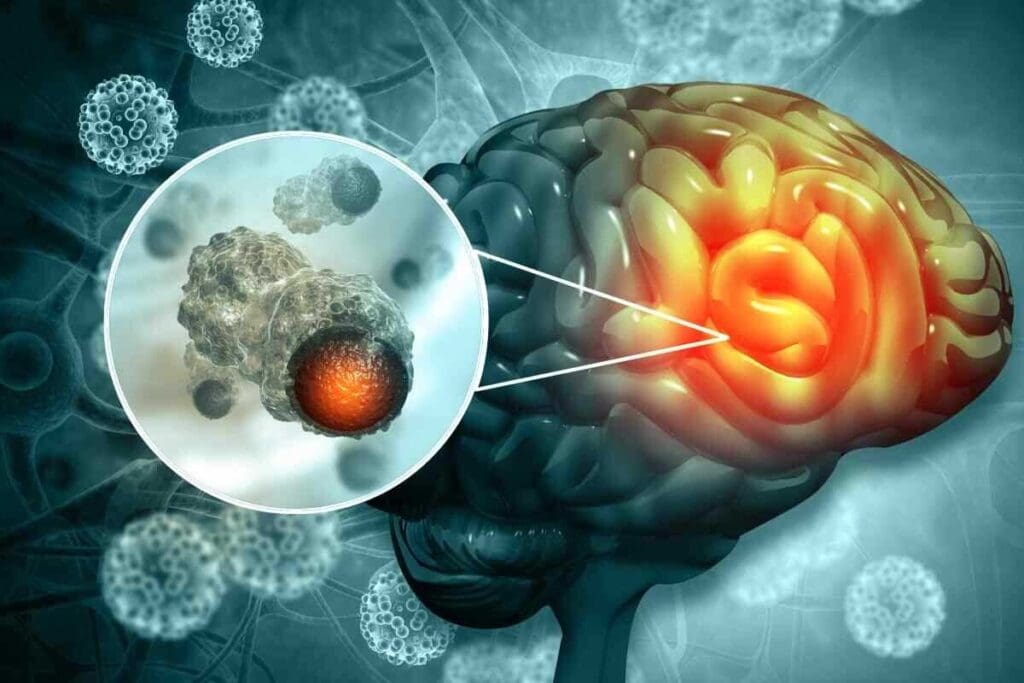
Statistical Evidence: 15.1% of All Childhood Cancer Cases
Pediatric brain tumours account for approximately 15.1% of all new childhood cancer cases, making them a significant concern. The most common types include medulloblastoma, astrocytomas, and ependymomas. These tumors vary in their aggressiveness and potential for treatment.
Why Brain Tumours Have Surpassed Leukemia in Mortality
Several factors contribute to the rise of brain tumours as the leading cause of cancer-related deaths in children. These include:
- The increasing incidence of certain tumor types.
- Advances in diagnostic techniques have led to more accurate detection.
- The complexity and challenges associated with treating brain tumors.
Understanding these factors is crucial for developing effective treatment strategies.
Epidemiology of Pediatric Brain Tumours
Understanding the epidemiology of pediatric brain tumors is essential for addressing the most common malignancy in children. The epidemiology of these tumors provides critical insights into their prevalence, characteristics, and impact on young patients.
Age Distribution and Median Age of Diagnosis
Pediatric brain tumors can occur at any age, but they are most commonly diagnosed in children around the age of eight. The age-adjusted rate of brain and other nervous system cancers is 2.9 cases per 100,000 children per year. This median age at diagnosis highlights the need for vigilance across various age groups within the pediatric population.
Gender Disparities: Higher Prevalence in Boys
Research indicates that malignant brain tumors are slightly more frequent in boys than in girls. This gender disparity underscores the importance of considering gender in the epidemiological analysis of pediatric brain tumors. We must continue to monitor and study these trends to better understand their implications for diagnosis and treatment.
By examining the epidemiology of pediatric brain tumors, including age distribution and gender disparities, we can enhance our understanding of these complex cancers. This knowledge is crucial for developing targeted interventions and improving outcomes for children affected by brain tumors.
Classification and Types of Pediatric Brain Tumors
Understanding the classification of pediatric brain tumors is crucial for diagnosis and treatment. The diverse range of tumors requires a comprehensive framework for categorization.
WHO Classification System
The World Health Organization (WHO) classification system is a widely accepted framework used to categorize brain tumors based on their histological features. This system helps in understanding the tumor type, predicting behavior, and guiding treatment decisions.
The WHO classification system has undergone several revisions, with the latest incorporating molecular parameters to improve diagnostic accuracy. Medulloblastoma, for instance, is a prominent subtype of pediatric brain tumors, accounting for roughly 20% of cases.
Location-Based Classification and the Posterior Fossa
Pediatric brain tumors can also be classified based on their location within the brain. The posterior fossa is a critical area where many pediatric brain tumors occur. Tumors in this location, such as medulloblastomas, are significant due to their proximity to vital brain structures.
Location-based classification aids in understanding the tumor’s impact on surrounding brain tissue and helps in planning surgical interventions.
Grading System and Malignancy Levels
The grading system is essential for determining the malignancy levels of pediatric brain tumors. The WHO grading system categorizes tumors from Grade I (low grade) to Grade IV (high grade), based on their histological features and behavior.
- Grade I tumors are typically benign and have a favorable prognosis.
- Grade II tumors are considered low grade but may exhibit some malignant features.
- Grade III tumors are malignant and have a higher rate of growth.
- Grade IV tumors are highly malignant and aggressive.
Understanding the grading of pediatric brain tumors is vital for determining the appropriate treatment strategy and predicting outcomes.
Medulloblastoma: A Prominent Subtype of Childhood Cancer
Understanding medulloblastoma, a common malignant brain tumor in children, is crucial for improving diagnosis and treatment outcomes. Medulloblastoma is known to occur predominantly in the posterior fossa and accounts for approximately 20% of pediatric brain tumors.
Characteristics and Prevalence
Medulloblastoma is characterized by its aggressive nature and tendency to occur in the cerebellum or posterior fossa. It is one of the most common malignant brain tumors in children, with a peak incidence between the ages of 3 and 8 years. The prevalence of medulloblastoma is higher in boys than in girls, indicating a gender disparity that warrants further investigation.
Molecular Subgroups and Their Significance
Recent advances in molecular subgrouping have significantly enhanced our understanding of medulloblastoma. There are four main molecular subgroups: WNT, SHH, Group 3, and Group 4, each with distinct genetic and clinical characteristics. Understanding these subgroups is crucial for developing targeted therapies and improving patient outcomes. The molecular subgrouping helps in identifying the risk profile and potential treatment response for each patient, thereby facilitating personalized medicine.
We are now better equipped to tackle medulloblastoma due to the progress made in molecular subgrouping and its application in clinical practice. This advancement has opened new avenues for research and treatment, offering hope for improved survival rates and quality of life for children diagnosed with this condition.
Other Common Pediatric Brain Tumour Types
Understanding the various types of pediatric brain tumors is crucial for effective diagnosis and treatment. At LivHospital, we are committed to providing comprehensive care for children with various types of brain tumors using up-to-date protocols and innovative strategies.
Astrocytomas and Gliomas
Astrocytomas and gliomas are among the most common types of brain tumors in children. Astrocytomas originate from astrocytes, a type of glial cell, and can range from low-grade to high-grade malignancies. Gliomas, on the other hand, are a broader category that includes astrocytomas as well as other glial cell tumors.
- Low-grade astrocytomas are often treated with surgery and have a favorable prognosis.
- High-grade gliomas are more aggressive and may require a combination of surgery, radiation therapy, and chemotherapy.
Ependymomas
Ependymomas arise from ependymal cells lining the ventricles and central canal of the spinal cord. These tumors can occur at any age but are most common in young children.
Key aspects of ependymomas include:
- They can be benign or malignant.
- Treatment often involves surgical resection followed by radiation therapy.
- Molecular profiling is increasingly important for understanding tumor behaviour and guiding treatment.
Rare but Significant Variants
Besides the more common types, several rare pediatric brain tumors require specialized care. These include:
- Atypical teratoid/rhabdoid tumors (AT/RT), which are aggressive and typically occur in very young children.
- Primitive neuroectodermal tumors (PNET), a category that includes medulloblastoma and other embryonal tumors.
At LivHospital, we utilize advanced diagnostic techniques and tailored treatment plans to address these complex cases. Our multidisciplinary team works closely with families to provide support and guidance throughout the treatment journey.
By understanding the diverse landscape of pediatric brain tumors, we can better serve our young patients and their families, offering hope and healing through comprehensive and compassionate care.
Signs and Symptoms Parents Should Recognize
As a parent, being aware of the early warning signs of brain tumors in children can significantly impact their treatment outcomes. We emphasize the importance of recognizing these signs early to improve the chances of effective treatment and a better prognosis.
Early Warning Signs by Age Group
The signs and symptoms of pediatric brain tumors can vary significantly depending on the age of the child and the tumor’s location. In infants, signs may include an unusually large head, vomiting, and irritability. In older children, symptoms can range from headaches and nausea to seizures and changes in personality or behavior.
For younger children, developmental delays or regressions can be a sign of a brain tumor. It’s essential for parents to monitor their child’s development closely and consult a healthcare professional if they notice any unusual changes.
When to Seek Medical Attention
If your child is experiencing persistent headaches, especially if they are severe or accompanied by vomiting, it’s crucial to seek medical attention. Other signs that warrant a visit to the doctor include changes in vision, difficulty with balance or coordination, and unexplained changes in behavior or mood.
Parents should also be vigilant aboutsymptoms that seem unusual or unexplained, as early detection can make a significant difference in treatment outcomes. We encourage parents to consult with their child’s healthcare provider if they have any concerns about their child’s health.
Early detection is crucial for improving outcomes in pediatric brain tumors. By being aware of the signs and symptoms and seeking medical attention when necessary, parents can play a vital role in their child’s diagnosis and treatment journey.
Diagnostic Journey and Approaches
When it comes to diagnosing brain tumors in children, a comprehensive diagnostic strategy is essential. At LivHospital, we are equipped with state-of-the-art diagnostic facilities to ensure that children receive the most accurate diagnosis and effective treatment plan.
Initial Evaluation and Referral Process
The diagnostic journey begins with an initial evaluation, which is critical in identifying the symptoms and determining the appropriate course of action. We understand that parents play a vital role in recognizing early warning signs and seeking medical attention. Our team works closely with referring physicians to ensure a smooth transition and timely intervention.
The initial evaluation involves a thorough medical history and physical examination. Early detection is crucial in improving outcomes for children with brain tumors. Our specialists work together to assess the child’s condition and decide on the necessary diagnostic tests.
Advanced Imaging Techniques
Advanced imaging techniques, such as MRI, CT, and PET scans, play a crucial role in diagnosing brain tumors. These imaging modalities provide detailed information about the tumor’s location, size, and characteristics, which are essential for treatment planning.
- MRI (Magnetic Resonance Imaging): Provides high-resolution images of the brain and is particularly useful for identifying soft tissue abnormalities.
- CT (Computed Tomography) scans: Useful for detecting calcifications and bone abnormalities, as well as providing quick imaging in emergency situations.
- PET (Positron Emission Tomography) scans: Helps in assessing the metabolic activity of the tumor, which can be critical in differentiating between tumor types and evaluating treatment response.
Biopsy and Molecular Profiling
After imaging, a biopsy is often performed to obtain a tissue sample for histopathological examination. Molecular profiling of the tumor is also conducted to identify specific genetic alterations that can guide treatment decisions.
Molecular profiling has become an integral part of the diagnostic process, enabling personalized treatment plans tailored to the individual child’s tumor characteristics. This approach has significantly improved treatment outcomes in pediatric brain tumors.
By combining advanced imaging techniques with biopsy and molecular profiling, we can ensure that each child receives a precise diagnosis and an effective treatment plan.
Comprehensive Treatment Strategies
At LivHospital, we employ a range of treatment strategies for pediatric brain tumors, ensuring the best possible outcomes for our young patients. The treatment of children’s cancers, particularly brain tumors, requires a multifaceted approach that is tailored to the individual child’s needs.
Surgical Interventions and Considerations
Surgery is often the first line of treatment for pediatric brain tumors. Our team of expert neurosurgeons works closely with other specialists to determine the most appropriate surgical intervention. The goal is to remove as much of the tumor as possible while preserving surrounding brain tissue.
Key considerations for surgical interventions include:
- Tumor location and size
- The child’s overall health and age
- The presence of any other medical conditions
Radiation Therapy Protocols for Children
Radiation therapy is a critical component of treatment for many pediatric brain tumors. We use advanced radiation techniques to target the tumor precisely, minimizing exposure to surrounding healthy tissue.
Our radiation therapy protocols are designed to:
- Maximize tumor control
- Minimize long-term side effects
- Improve the child’s quality of life
Chemotherapy Regimens
Chemotherapy plays a vital role in the treatment of pediatric brain tumors, often used in conjunction with surgery and/or radiation therapy. We develop personalized chemotherapy regimens based on the tumor type, stage, and the child’s response to treatment.
Innovative and Emerging Treatments
At LivHospital, we stay at the forefront of innovative and emerging treatments for children’s cancers. This includes participation in clinical trials and the use of cutting-edge therapies such as targeted therapy and immunotherapy.
Our commitment is to provide comprehensive care that addresses the unique needs of each child with a brain tumor. By combining established treatment protocols with innovative strategies, we aim to improve outcomes and enhance the quality of life for our patients.
Survival Rates and Global Disparities
Advances in medical treatments have led to increased survival rates for children with brain tumors. Despite these improvements, significant global disparities exist in the outcomes for pediatric brain tumor patients.
Outcomes in High-Income Countries
In high-income countries, survival rates for children with brain tumors have improved substantially, with some countries achieving over 80% curative outcomes. This improvement is attributed to advancements in surgical techniques, radiation therapy, and chemotherapy protocols. For instance, the use of advanced imaging techniques like MRI and PET scans has enhanced diagnostic accuracy, allowing for more targeted and effective treatment plans.
Challenges in Low and Middle-Income Regions
Conversely, low and middle-income regions continue to face significant challenges, with survival rates remaining below 30% in some areas. These challenges are multifaceted, including limited access to healthcare facilities, lack of specialized pediatric oncology care, and insufficient diagnostic and treatment capabilities.
Factors Influencing Prognosis
Several factors influence the prognosis for children with brain tumors, including the type and grade of the tumor, age at diagnosis, and access to appropriate treatment. Tumor biology also plays a crucial role, with certain molecular characteristics affecting treatment responsiveness. Furthermore, socioeconomic factors and healthcare infrastructure significantly impact the ability to provide optimal care.
We recognize that addressing these disparities requires a concerted global effort to improve access to care, enhance treatment protocols, and support research into more effective therapies for pediatric brain tumors.
Conclusion
At LivHospital, we are committed to delivering world-class healthcare with comprehensive international patient support. Our discussion has highlighted the complexities of pediatric brain tumors, from their epidemiology and classification to diagnosis and treatment. Early detection, accurate diagnosis, and comprehensive treatment are crucial in improving outcomes for children with brain tumors, which are the most common malignant solid tumor in children.
We have explored the various aspects of pediatric cancer, including the different types of brain tumors and their characteristics. By staying at the forefront of medical advancements and adopting a patient-centered approach, we aim to improve outcomes for children affected by these devastating diseases.
Our commitment to providing nurturing support and guidance for children with child cancer is unwavering. We believe that with accurate diagnosis and comprehensive treatment, children with the most common childhood cancer can have improved outcomes. At LivHospital, we are dedicated to making a difference in the lives of these children and their families.
FAQ’s:
What is the most common childhood cancer?
Brain and other nervous system cancers are the most common malignant solid tumours in children, accounting for approximately 15.1% of all new childhood cancer cases.
How common are pediatric brain tumours?
Pediatric brain tumours have an age-adjusted rate of 2.9 cases per 100,000 children per year, making them a significant concern for parents and healthcare providers.
What are the different types of pediatric brain tumours?
Common types of pediatric brain tumours include medulloblastoma, astrocytomas, gliomas, and ependymomas, each with distinct characteristics and treatment approaches.
What is medulloblastoma, and how common is it?
Medulloblastoma is a prominent subtype of childhood brain tumors, accounting for approximately 20% of pediatric brain tumors and typically occurring in the posterior fossa.
What are the signs and symptoms of pediatric brain tumors?
The signs and symptoms of pediatric brain tumors vary depending on the age of the child and the location of the tumor, but common signs include headaches, nausea, and changes in behavior or cognitive function.
How are pediatric brain tumors diagnosed?
Diagnosis involves a multidisciplinary approach, including initial evaluation, advanced imaging techniques such as MRI, CT, and PET scans, and biopsy and molecular profiling to determine the tumor’s characteristics.
What are the treatment options for pediatric brain tumors?
Treatment plans are tailored to the individual child’s needs and often involve a combination of surgical interventions, radiation therapy, and chemotherapy, with the goal of achieving the best possible outcome.
What are the survival rates for pediatric brain tumors?
Survival rates vary globally, with high-income countries achieving over 80% curative outcomes, while low and middle-income regions face challenges with survival rates remaining below 30%.
Why do kids get cancer?
The exact causes of pediatric cancer are often complex and multifactorial, involving genetic, environmental, and other factors, and research is ongoing to better understand these causes.
What is the most common malignancy in childhood?
Brain and other nervous system cancers are the most common malignant solid tumours in children, highlighting the need for awareness and timely medical attention.
How can parents recognize the early warning signs of pediatric brain tumours?
Parents should be aware of the common signs and symptoms, including headaches, nausea, and changes in behaviour or cognitive function, and seek medical attention promptly if they have concerns.
REFERENCES:
- Siddiqui, F., Raza, S., & Akhtar, S. (2025). Frequency of solid pediatric tumours in a tertiary care hospital: A descriptive study. Esculapio Journal of SIMS, 24(1). Lymphoma was the most common solid malignant tumour in children, followed by neuroblastoma and Wilms tumour.https://esculapio.pk/journal/index.php/journal-files/article/view/1152
- Sharma, N., et al. (2016). A profile of pediatric solid tumours in Kashmir: Epidemiological characteristics and outcomes. Indian Journal of Cancer, 54(4), 641-647. Central nervous system tumours (including brain tumours) were the most frequent solid tumours (25.7%) followed by other types.https://www.ncbi.nlm.nih.gov/pmc/articles/PMC5759067/
- Lee, J. A., & others. (2018). Solid tumours in children and adolescents: Epidemiology and clinical features. Pediatric Hematology Oncology, 35(6), 439-455. Brain tumours are the most common solid tumour type in children.https://pmc.ncbi.nlm.nih.gov/articles/PMC6170671/